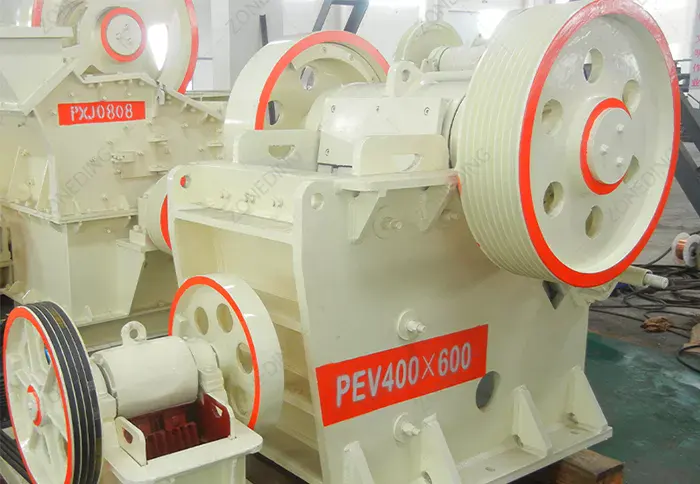
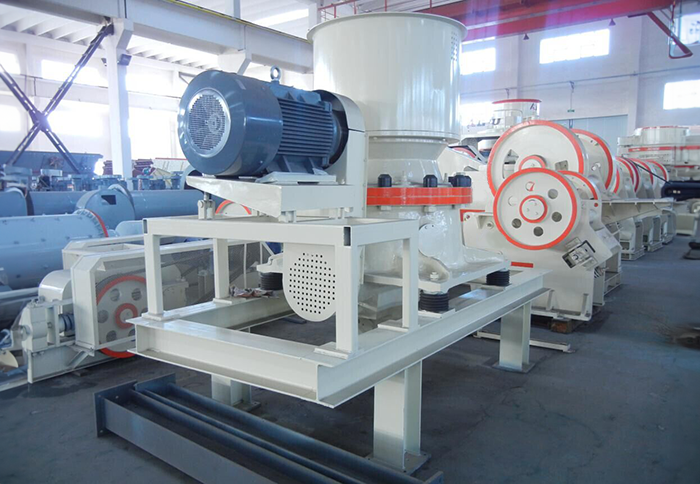
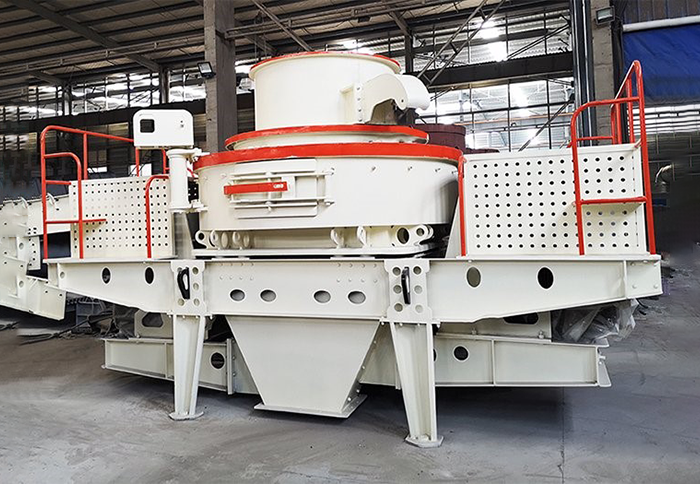
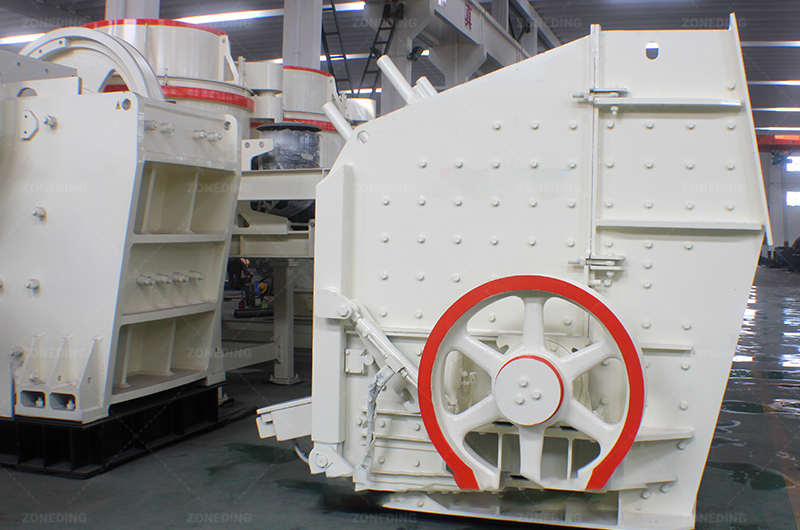
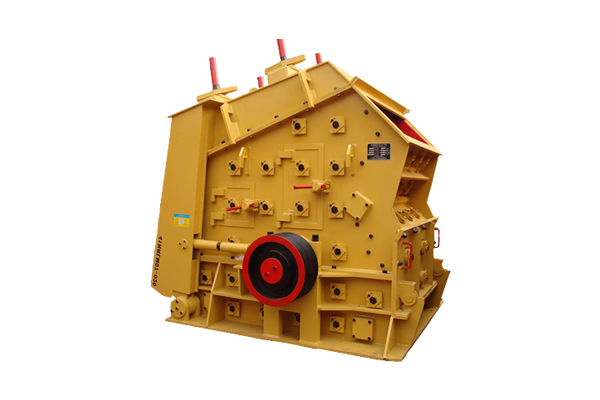
Impact crusher excel in primary crushing of rock. Stationary and mobile plants are available. Replacement of wearing parts is simple due to the hydraulic folding of the housing components.
Feed Size:10-400mm
Capacity:10-400t/h
Applied material:Limestone, granite, marble, basalt, iron ore, river pebbles, shale, bluestone, coal, pebbles, construction wastes.
A variety of models are available | Get the free price list!
An Impact Crusher is a machine that uses impact force instead of pressure to crush material. The process is like throwing a rock against a wall. The material is fed into the crusher’s chamber. Inside, a fast-spinning rotor with hammers (called blow bars) hits the material. This high-speed collision shatters the rock. The broken pieces are then thrown against plates (called impact curtains), causing them to break even more.
Impact crusher is a kind of crusher which utilizes impact energy to crush materials. It can crush all kinds of coarse, medium and fine materials (granite, limestone, concrete, etc.) with feed size not more than 500mm and compressive strength not more than 350MPa, and applys in all kinds of ore crushing, railroad, highway, energy, cement, chemical, construction and other industries. It adopts updated manufacturing technology and unique structural design. The finished product is cubic with no tension or cracks. Our impact breaker series have two series: two-chamber and three-chamber series.
Impact crushers are versatile machines that have a wide range of applications across various industries. Here are some of the main applications of impact crushers:
Mining and Quarrying: Impact crushers are commonly used in mining and quarrying operations to crush rocks, ores, and other hard materials. They are particularly effective in reducing large rocks to smaller, more manageable sizes.
Aggregate Production: In the construction industry, impact crushers can produce aggregates such as sand, gravel, and crushed stone. These materials are used in concrete, asphalt, and other construction applications.
Recycling: Impact crushers also apply in recycling applications, where they can process concrete, asphalt, bricks, tiles, and other waste materials. This helps to reduce the amount of material sent to landfills and allows for the reuse of these materials in new construction projects.
Waste Management: Impact crushers can reduce the volume of waste materials, making them easier to transport and dispose of. They can handle a variety of waste types, including plastics, wood, paper, and more.
Demolition: In demolition projects, impact crushers can process concrete, bricks, and other materials from demolished structures. This allows for the recycling of these materials and reduces the amount of waste generated by demolition projects.
Other Applications: Impact crushers can also be used in a variety of other applications, including glass recycling, ceramics production, and the processing of non-metallic minerals.
The versatility and high efficiency of impact crushers make them a valuable asset in many industries that require material reduction and recycling.
Which Materials can you Process Using Impact Crusher?
Choosing the right material is the most important rule for an impact crusher. This is an expensive mistake many people make. This machine works best with soft to medium-hard, non-abrasive materials.
Excellent Materials: Limestone, dolomite, concrete rubble, asphalt, gypsum, and coal.
Bad Materials: Do not use it for hard, abrasive rock like granite, river gravel, or basalt. These materials have high silica content. High silica acts like sandpaper and will destroy the blow bars and liners very quickly. Always test your rock’s abrasion level before buying an impact crusher.
What are Types of Impact Crusher?
There are two main types of impact crushers: the Horizontal Shaft Impactor (HSI) and the Vertical Shaft Impactor (VSI).
Horizontal Shaft Impactor (HSI): This is the most common type. The rotor spins on a horizontal axis. Material is fed into the side of the rotor. This is the machine we have been discussing, excellent for recycling and limestone. A primary impact crusher is often an HSI design.
Vertical Shaft Impactor (VSI): This vertical shaft impact crusher has a rotor that spins on a vertical axis, like a top. Material is fed into the center of the rotor. Centrifugal force throws the material outwards at high speed. The material either hits other rocks (rock-on-rock) or metal anvils (rock-on-steel). VSIs are typically used in the final stage of crushing to shape aggregate.
What are Key Components and Structure of A Impact Crusher?
Understanding the parts of an impact crusher helps you operate it better.
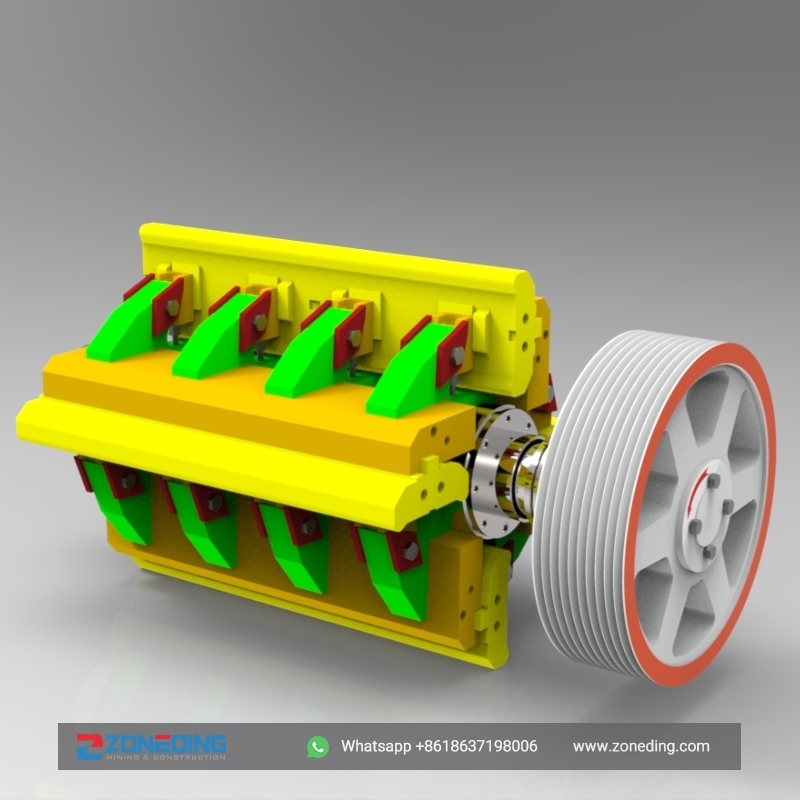
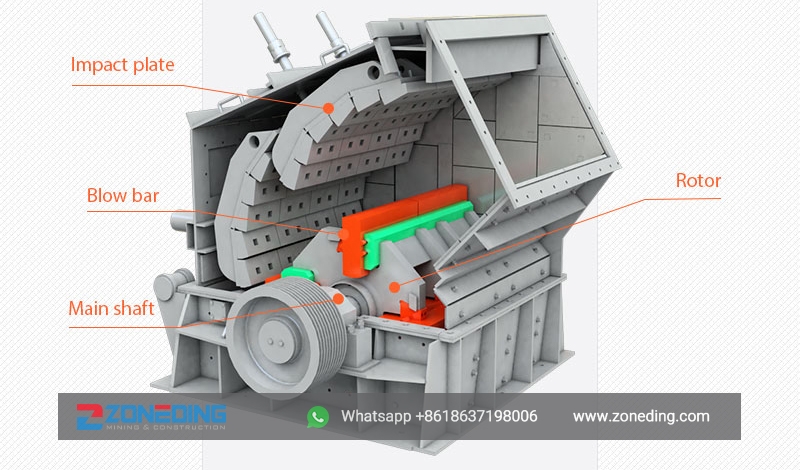
Rotor: This is the heart of the machine. It is a heavy, balanced steel body that spins at high speed.
Blow Bars: These are the hammers mounted on the rotor. They are made of high-wear resistant materials like high-chrome steel. Impact crusher blow bars are the primary wear parts.
Impact Curtains/Plates: These are the adjustable plates the rock hits after being struck by the blow bars. Adjusting them is key to controlling product size.
Frame: The heavy steel housing that encloses everything and provides safety.
What are Advantages and Benefits of Impact Crusher?
The impact crusher offers unique benefits that other crushers cannot match.
Superior Product Shape: It produces very cubical, well-shaped aggregate. The impact force breaks rock along its natural cleavage planes. This avoids the flaky, elongated pieces that jaw or cone crushers can sometimes create.
High Reduction Ratio: It can take a large feed size and reduce it to a small product in a single pass. This can simplify your plant design.
Good Fines Production: For block making, you need a certain amount of sand and fines. This impactor crusher naturally generates high-quality manufactured sand as a co-product. You can control the amount of fines by adjusting the machine.
Impact Crusher Working Principle
Here is a brief overview of the working principle of an impact crusher:
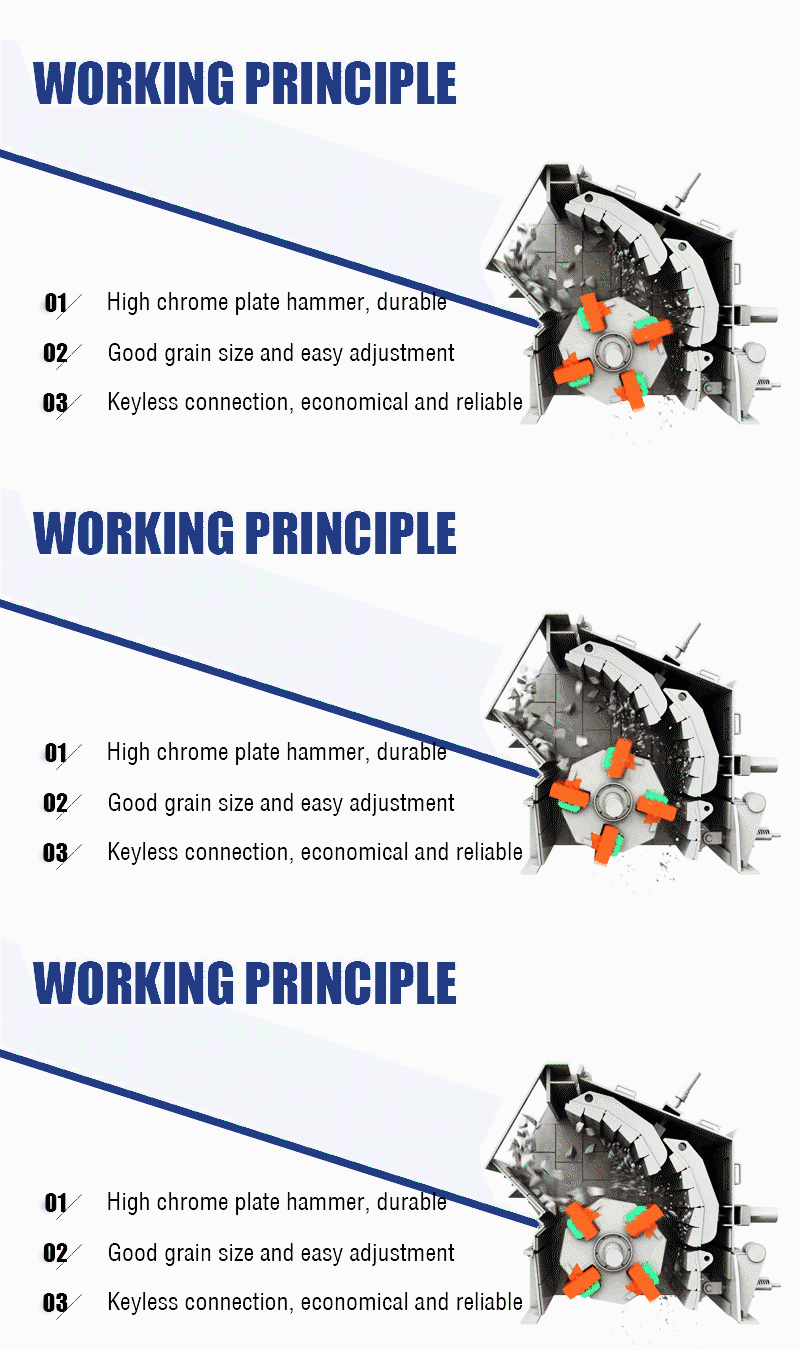
Working Principle of Impact Crusher
Feeding: The material to be crushed is fed into the impact crusher through a feeding inlet or hopper. This feeding process can be automated or manual, depending on the crusher model and the specific application.
Impact Crushing: Inside the crusher, there is a rotor or hammer assembly that rotates at high speed. This rotor or hammer assembly has impact hammers or blow bars that are mounted on it. As the rotor rotates, the hammers hit the material that is falling or passing through the crusher, applying impact forces on the material. The high-speed rotation and impact forces cause the material to break into smaller pieces.
Rebounding and Secondary Crushing: The broken pieces of material rebound from the crusher walls or anvils (if present) and collide with each other or with the hammers again, undergoing further crushing. This process of rebounding and secondary crushing continues until the material is reduced to the desired size.
Screening and Discharge: The crushed material is then passed through a screening mechanism, which separates the material into different size fractions based on the size of the openings in the screen. The material that meets the desired size specifications is discharged from the crusher through a discharge outlet, while the oversize material is recirculated for further crushing.
Control System: impact crushers are equipped with advanced control systems that monitor and regulate various parameters such as rotor speed, feed rate, and discharge size. These control systems ensure efficient and reliable operation of the crusher.
How Does the Impact Crusher Work?
The impact crusher working principle is a process of staged reduction. It is about sculpting, not just smashing.
First Impact: Material enters the primary chamber. The rotor’s blow bars hit the material with extreme force, causing the first shatter.
Second Impact: The broken pieces are thrown against the first impact curtain. This impact breaks them further. The gap here is usually set wide.
Third Impact: The material rebounds from the curtain back into the path of the blow bars for another hit. It is then thrown against a second, more closely-set impact curtain for final shaping and sizing. This multi-stage process is what creates a superior cubical product.
Structural Advantages of ZDM Impact Crusher
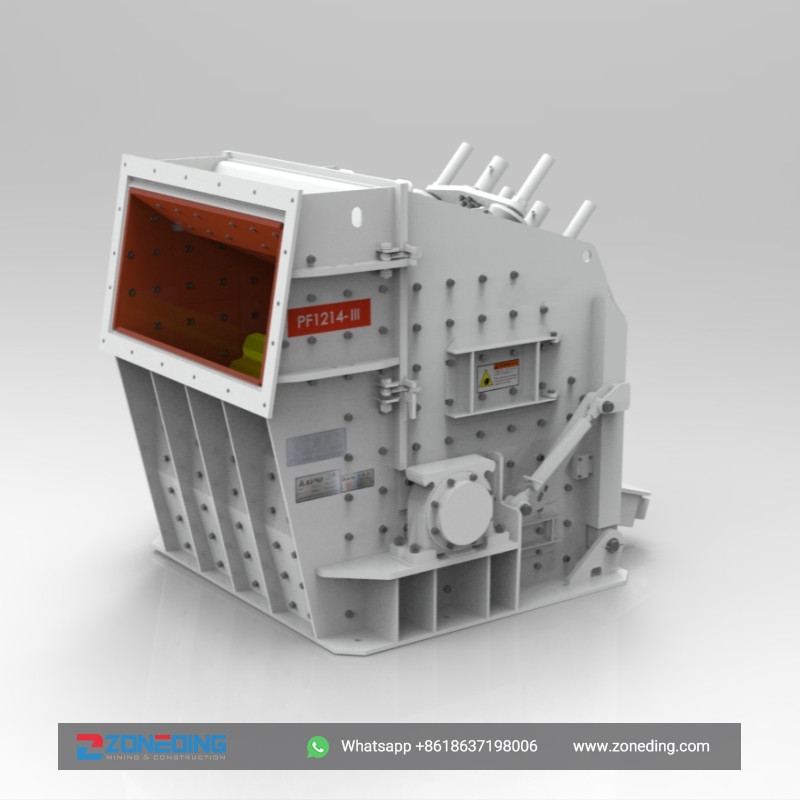
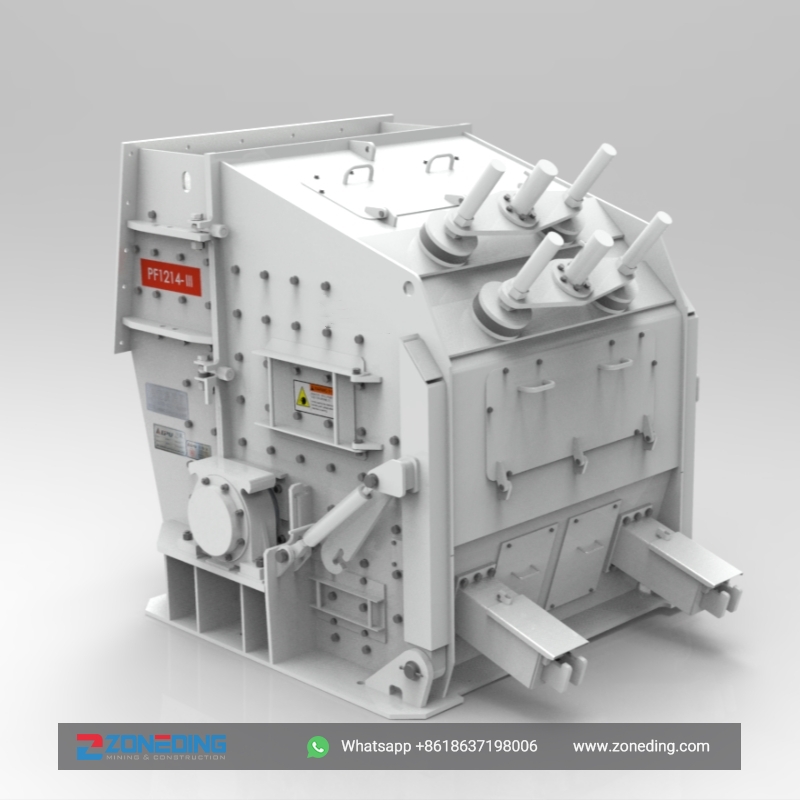
Impact crusher structure
Heavy-duty Construction: Constructed with robust materials and components for durability in harsh crushing environments.
Adjustable Gap: Allows for adjustment of crushing gap based on material properties and output requirements.
Ease of Maintenance: Design facilitates easy cleaning and replacement of wear parts, minimizing downtime.
Integrated Screening System: May feature an integrated screening system for classifying crushed material to meet different size specifications.
Advanced Control System: Advanced control system may be available to monitor and adjust key parameters for efficient and stable operation.
What Size Aggregate can you Produce by a Impact Crusher?
You have a lot of control over the final product size. The two main adjustments are the rotor speed and the gap setting of the impact curtains.
Gap Setting: A smaller gap between the blow bars and the curtains will produce a smaller final product.
Rotor Speed: A faster rotor speed will create more impact force and generally produce smaller particles and more fines.
By carefully balancing these two settings, you can fine-tune your output to meet specific gradation requirements for any project.
What are Features of Impact Crushers from ZONEDING?
At ZONEDING, we build our impact crushers for the real world. We know downtime costs you money. Our HSI crushers have features designed for performance and easy maintenance. We use high-quality, long-lasting alloys for our blow bars and liners.
A key feature is our hydraulic opening system. Manually opening a large crusher machine to change wear parts can take hours. That is lost production time. With our hydraulic hood, one person can safely open the crusher in minutes. This feature pays for itself very quickly by maximizing your uptime.
How to Maintain Impact Crusher?
Proper maintenance is critical for safety and performance.
Daily Checks: Check the torque on the bolts that hold the blow bars. Vibration can loosen them. A loose blow bar is extremely dangerous.
Inspect Locking Systems: When you change blow bars, always clean and inspect the locking system (wedges or bolts). Never reuse a damaged wedge.
Replace Blow Bars in Sets: Never replace just one blow bar. This will unbalance the rotor. An unbalanced rotor will destroy your main bearings in weeks. Always replace blow bars in opposing pairs, or as a full set, to maintain balance.
Regular Turning/Flipping: Blow bars are often designed to be turned or flipped to use multiple wear surfaces. This extends their life and saves you money.
What are Differences among Impact Crushers, Cone Crushers, and Jaw Crushers
People often ask about the difference between an impact crusher vs cone crusher or jaw crusher. Here is a simple breakdown.
Jaw Crusher: A primary crusher. It uses pressure to break large, hard rock. It produces a coarse product.
Cone Crusher: A secondary or tertiary crusher. It also uses pressure. It is best for hard, abrasive rock like granite.
Impact Crusher: A secondary or tertiary crusher. It uses impact. It is best for less abrasive rock. And it produces a better-shaped, more cubical product.
How to Choose the Right Impact Crusher?
To find the right impact crusher for sale, consider these key factors:
Material Type: First, test your rock’s abrasion level. If it is abrasive, an impact crusher is the wrong choice.
Feed Size: What is the largest piece of rock you will feed into the machine?
Desired Output Size: What final product size do you need?
Capacity (Tons Per Hour): How much material do you need to process per hour?
Cost of Downtime: Consider features like a hydraulic hood. It might cost more upfront but will save you thousands in lost production over time.
How Much of a Impact Crusher Price?
The impact crusher price can range from $30,000 for a small impact crusher to over $500,000 for a large, high-capacity primary impactor. The price depends on:
Size and Capacity: Larger machines cost more.
Brand and Quality: ZONEDING focuses on heavy-duty construction for a long service life.
Features: A hydraulic opening system, advanced automation, and higher-grade wear parts will add to the cost but often provide a great return on investment.
General Specification
Impact crusher
Model
Specification(mm)
Feed Opening(mm)
The Maximum
Feeding Size(mm)
Capacity
(t/h)
Power(kw)
Overall Dimension(mm)
Total Weight(t)
PF-1007
Φ1000×700
400×730
300
30-70
4P 37-45
2330×1660×2300
12
PF-1010
Φ1000×1050
400×1080
350
50-90
4P 45-55
2370×1700×2390
15
PF-1210
Φ1250×1050
400×1080
350
70-130
6P 110
2680×2160×2800
17.7
PF-1214
Φ1250×1400
400×1430
350
80-180
6P 132
2650×2460×2800
22.4
PF-1315
Φ1320×1500
860×1520
500
100-280
6P 200
3180×2720×3120
27
PF-1320
Φ1300×2000
993×2000
500
140-380
6P 250
3220×3100×3120
34
PF-1520
Φ1500×2000
830×2040
700
200-550
4P 315-400
3959×3564×3330
50.6
PF-1820
Φ1800×2000
1260×2040
800
400-800
4P 630-710
4400×3866×4009
83.21
Hot-selling Models of Impact Crusher
PFW-1315, PF-1214, and PF-1210 impact crushers perform well in processing medium-hard materials, with high crushing efficiency and large crushing ratio. The product shape is mostly cubic, with the advantage of selective crushing, and the discharge particle size is adjustable, simplifying the process. PF-1010 and PF-1007 may have slightly lower processing capacity, but users still favor their compact structure, flexible layout, and low investment cost in some occasions where the output requirements are not particularly high.
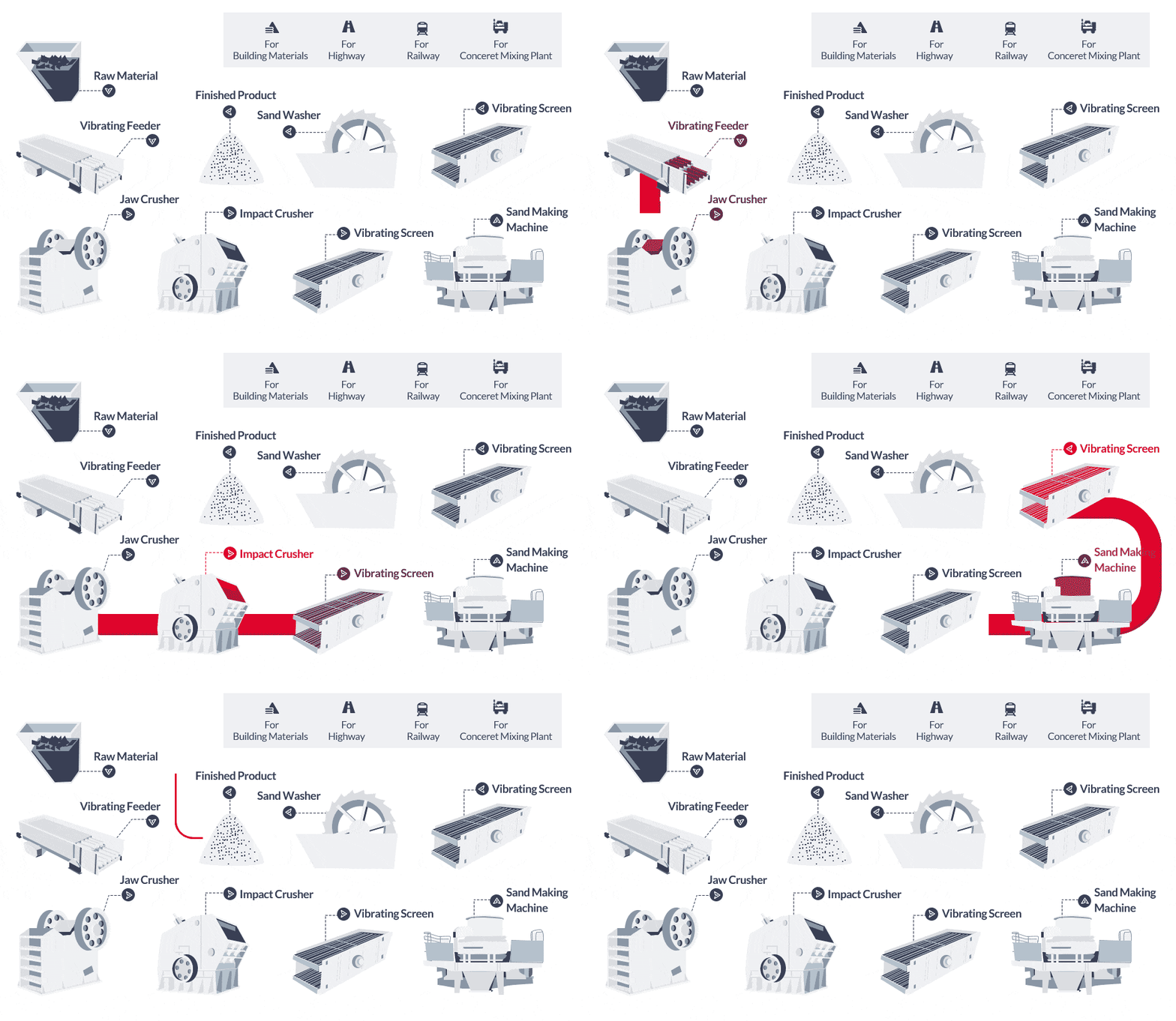
Stone crushing plant process
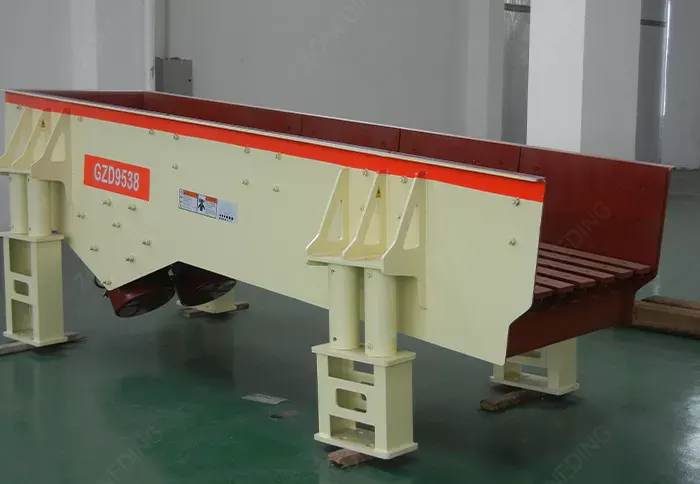
It contains feeding, coarse crushing, medium crushing, screening, optional fine crushing, conveying, and storage and transportation of finished products. Feeding through the vibrating feeder uniform continuous feeding, coarse crushing by the jaw crusher will be crushed into small pieces of stone, crushing in the impact crusher, and then by the vibrating screen screening, does not meet the requirements of the particle size of the stone returned to the re-crushing, for the higher requirements of the particle size of the optional fine crushing links, between the links by the belt conveyor transportation stone, finished products are stored in the yard and transported as needed.
Stone crushing plant process
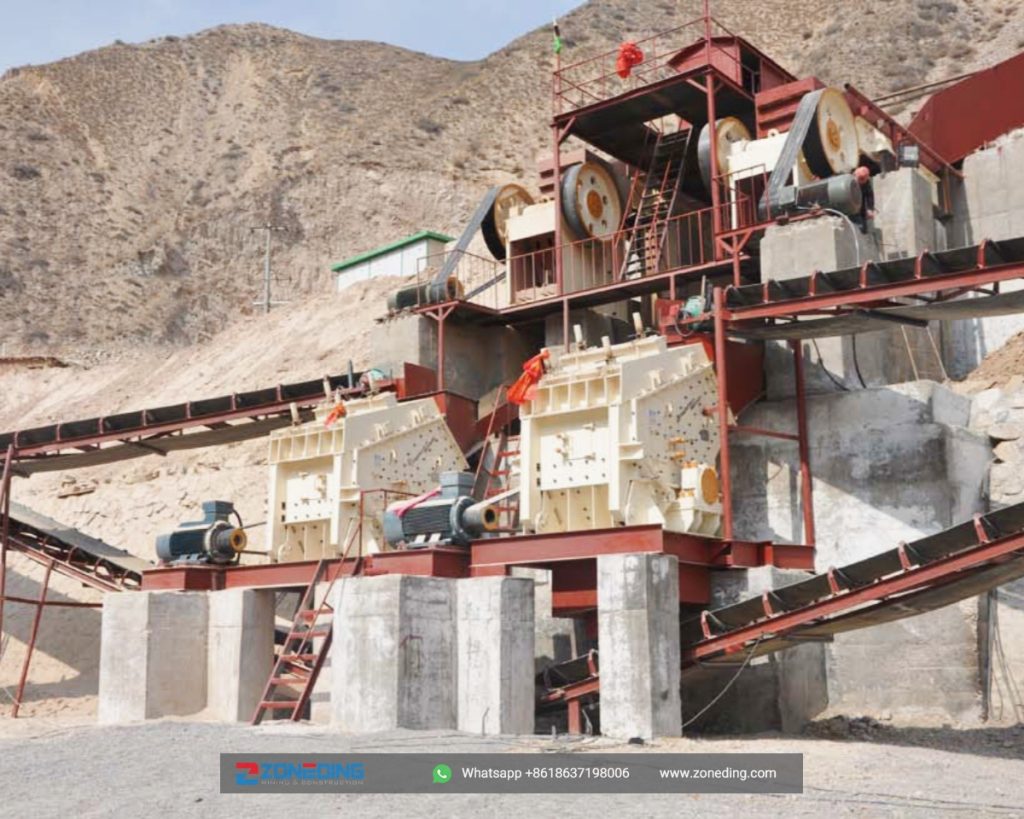
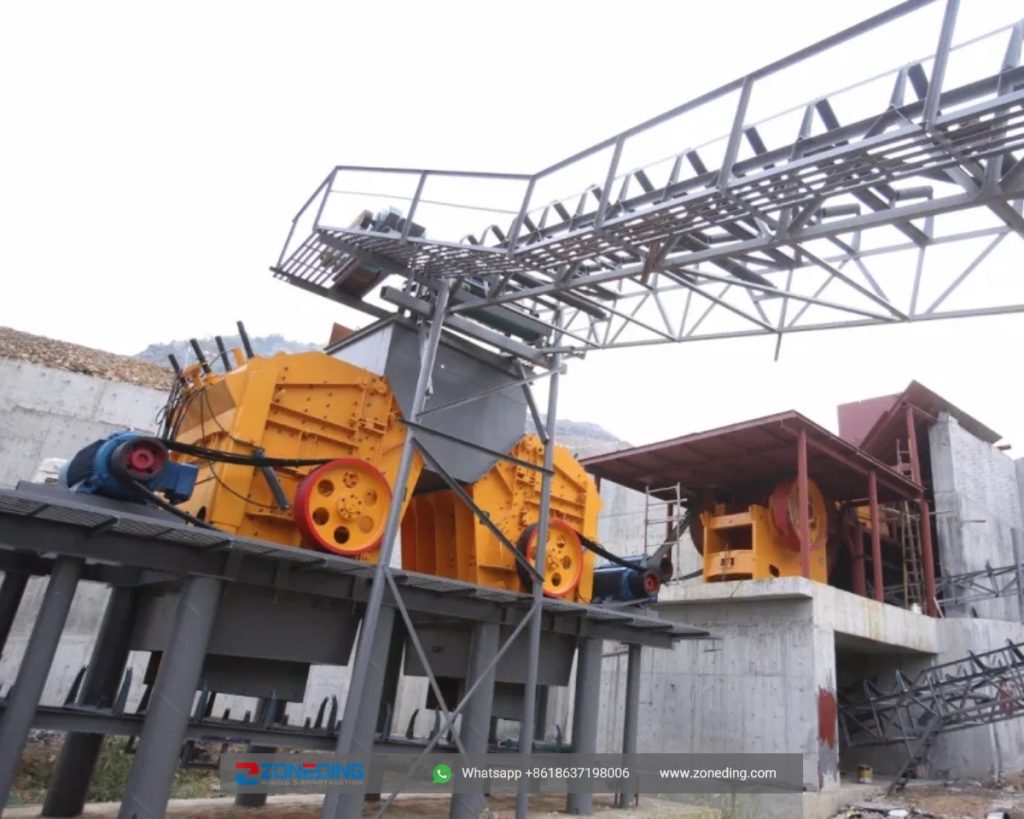
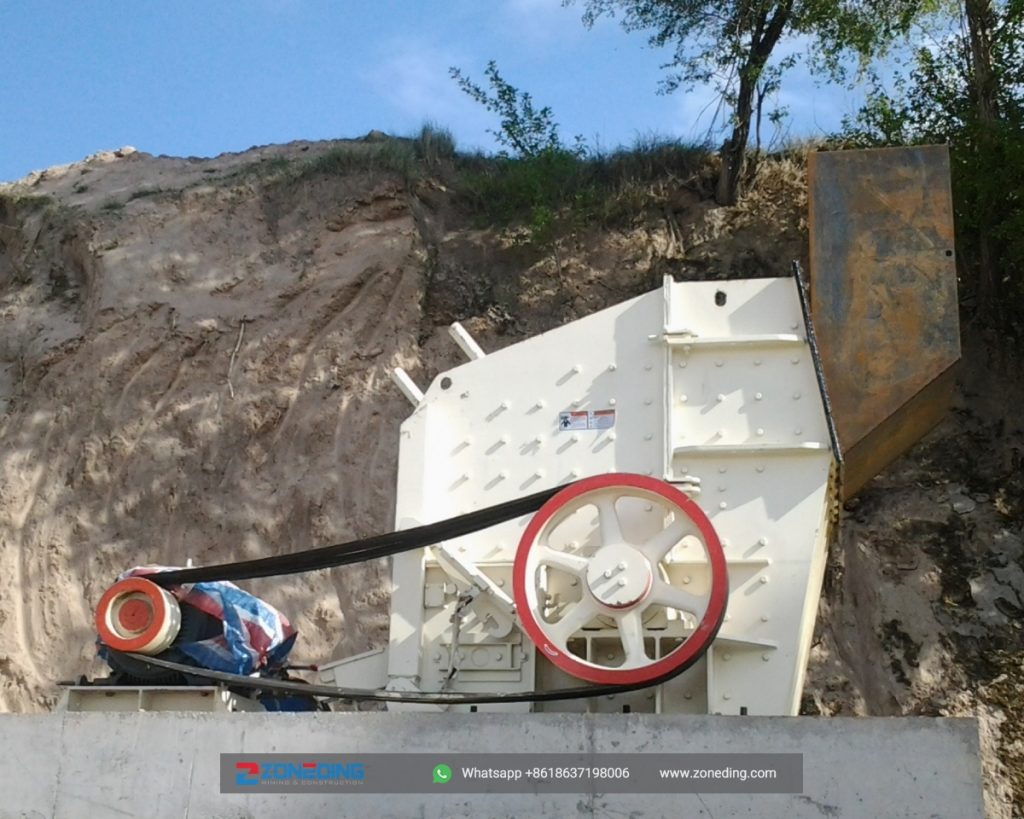
Customer site
FAQ
How Do You Adjust the Impact Crusher to Control the Final Product Size? You control the final product size by adjusting the gap between the blow bars and the impact curtains. A smaller gap results in a smaller product. You can also change the rotor speed. What Reduction Ratio Can You Expect from an Impact Crusher? An impact crusher has a high reduction ratio, often between 10:1 and 20:1. This means it can take a 200mm rock and reduce it to 10-20mm in one machine. How Do You Determine the Right Crusher Capacity (TPH) for Your Plant? You should choose a crusher capacity that matches your entire plant. Consider the capacity of your screens and conveyors. The crusher should not be a bottleneck, nor should it sit idle waiting for material.
We use cookies to ensure that we give you the best experience on our website. If you continue to use this site we will assume that you are happy with it.
Privacy Policy
Send us a message
We would love to hear from you
Submit your question and our team will respond to the email provided as soon as possible.

 Zoneding Machine