Search the whole station Crushing Equipment
Mineral Powder Briquetting MachineSpiral Classifier

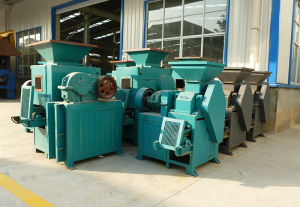
Mineral Powder Briquetting Machine

Materials:nMineral powder, metal powder, coal powder, coke powder, iron, ore, iron oxide, slag, refractory and other materials.n
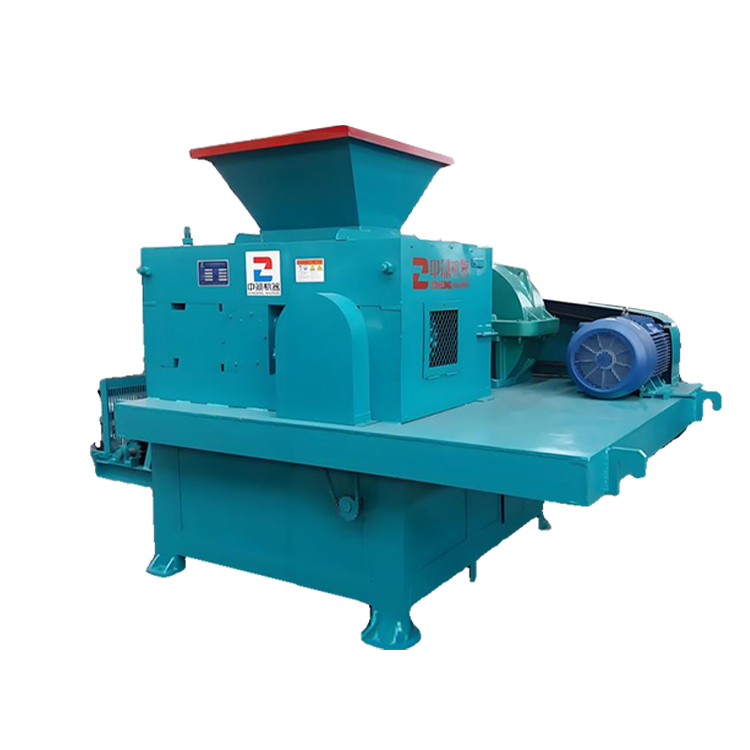
  • Power: 4-70TPH
  • Capacity: 7.5-130kw

Mineral Powder Briquetting Machine For Sale

What is a Mineral Powder Briquetting Machine?

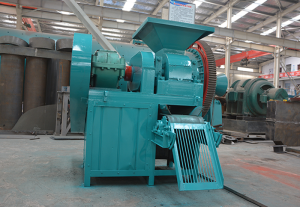
A mineral powder briquetting machine is a type of roller press designed for high-pressure compaction. Its only job is to take dry or semi-dry mineral powders and squeeze them between two counter-rotating rollers. These rollers have pockets, or molds, on their surfaces. The extreme pressure forces the powder particles to bind together, forming solid, dense briquettes. This process is essential for making fine materials easy to handle, transport, and use in industrial processes like smelting.

Advantages of Pressing Mineral Powder into Briquettes?

Turning your fines into briquettes offers huge financial and operational benefits. It is not just about waste management; it is about value creation.

  • Creates a Sellable Product: The biggest advantage is turning a waste product into a valuable commodity. Steel mills and smelters will pay for briquettes but not for loose powder.
  • Reduces Transport Costs and Losses: Briquettes are dense and easy to handle. You can load them onto trucks or trains without losing material to the wind. This significantly cuts down on logistical waste.
  • Improves Industrial Processes: Briquettes have uniform size and chemical properties. When used in a furnace, they allow for better airflow and more predictable, efficient melting compared to fine powders which can choke the furnace.
  • Reduces Environmental Impact: Compacting dust and fines into solid blocks eliminates air pollution at your site and during transport. This can help you meet environmental regulations.

Which Mineral Powders are Suitable for Briquetting?

Our powder briquetting plant solutions can handle a wide range of materials. Some of the most common applications we see include:

  • Iron Ore Fines: One of the biggest applications. Briquetting allows these fines to be used in blast furnaces or DRI plants.
  • Manganese Ore Fines: Used for creating ferroalloys.
  • Chrome Ore Fines: Essential for stainless steel production.
  • Fluorite (Fluorspar) Powder: Used as a flux in steelmaking.
  • Mill Scale: A waste product from steel rolling mills that is rich in iron.
  • Magnesium Oxide: Used in refractories and other industries.
  • Coal and Coke Fines: Turning coal dust into fuel briquettes.

Differences Between Mineral Powder and Ordinary Briquetting?

Briquetting mineral powders is much more demanding than briquetting softer materials like charcoal or sawdust. This is a critical point that many buyers miss. The machine has to be engineered for a tougher battle.

The main difference is abrasion. Many people look at Mohs hardness and think they understand the material. But the real enemy is attrition. You are forcing millions of tiny, sharp, hard mineral grains through the rollers under extreme pressure. It acts like a high-pressure grinding paste. Standard steel rollers, even hardened ones, will be destroyed in months. For mineral fines briquetting, you must use rollers made from high-chromium forged steel. These materials are not just hard; they are built to resist the intense grinding wear. This costs more initially but saves you a fortune in downtime and replacements.

Performance Features of Mineral Powder Briquetting Machine

After years of industrial use and improvement, mineral powder briquetting machine has the following advantages compared with other similar products

  • High briquetting rate and small power consumption.
  • Compact structure and convenient maintenance.
  • Wide Usage: It is suitable for various molding of industrial gas making, boiler briquette, cold pressed briquette, ignition briquette, civil briquette, civil metallurgy, material resistance, medicine and other materials.

Applications of Mineral Powder Briquetting Machine

Our mineral powder briquetting machine is proud of that the finished briquettes come with high intensity, great convenience for transportation and various shapes. Custom-made equipment is also available. Mineral powder, metal powder, coal powder, gypsum, carbon powder, kaolin, activated carbon, coke powder, iron, ore, iron oxide, slag, refractory materials and other materials can also be pressed. Application scope is broad, and mineral powder briquetting machine is suitable for the use of refractory material, power plants, metallurgy, energy, transportation, heating and other industries, which also can effectively improve the efficiency of the use of materials, improve the utilization of waste, and bring good economic benefits to the public. There is a certain environmental effect, and the improvement of the people’s living environment has a certain effect.

Additionally, the briquettes made by this nonferrous metal powder forming equipment can be used in the blast furnace process and metal smelting as chemical and smelting auxiliary material. Since that, this mineral powder briquette machine has found wide application in the coal industry, metallurgy industry, chemical industry, etc. To be specific, the steel plants can supply mill scale briquettes made using this briquette equipment to chemical plants for manufacturing ferrosilicon. Aluminum briquettes can be put into smelting furnace for extracting aluminum. Fluorite briquettes can be used as cosolvent for making steel.
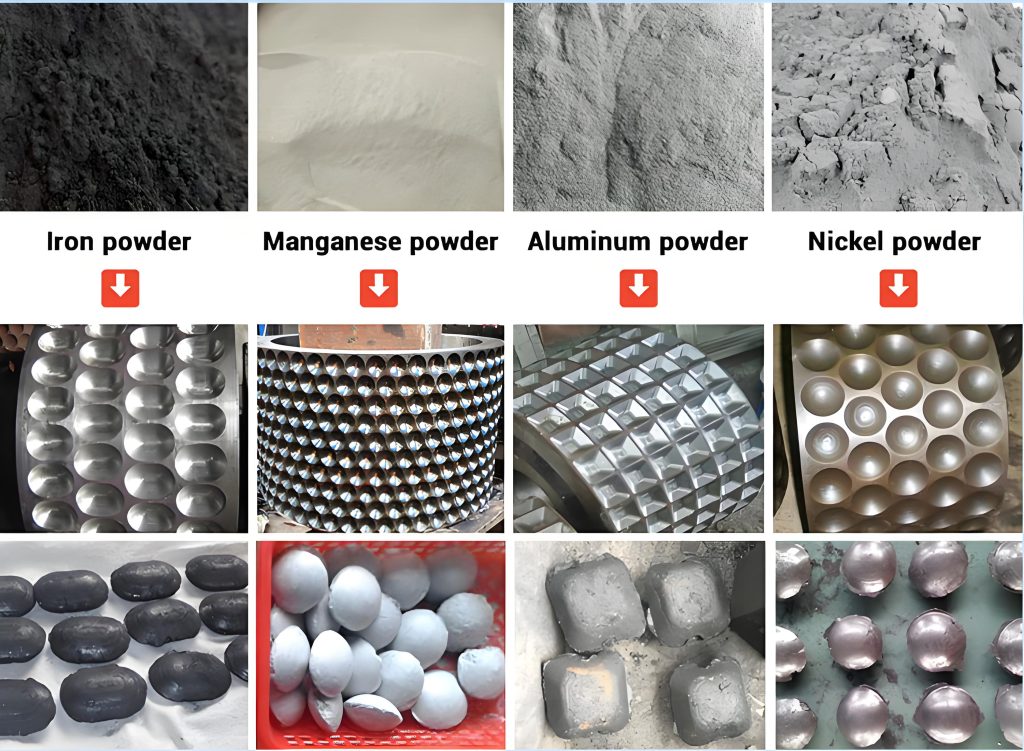
Applications of Dry Powder Briquetting Machine

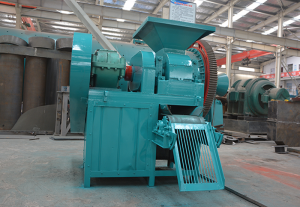
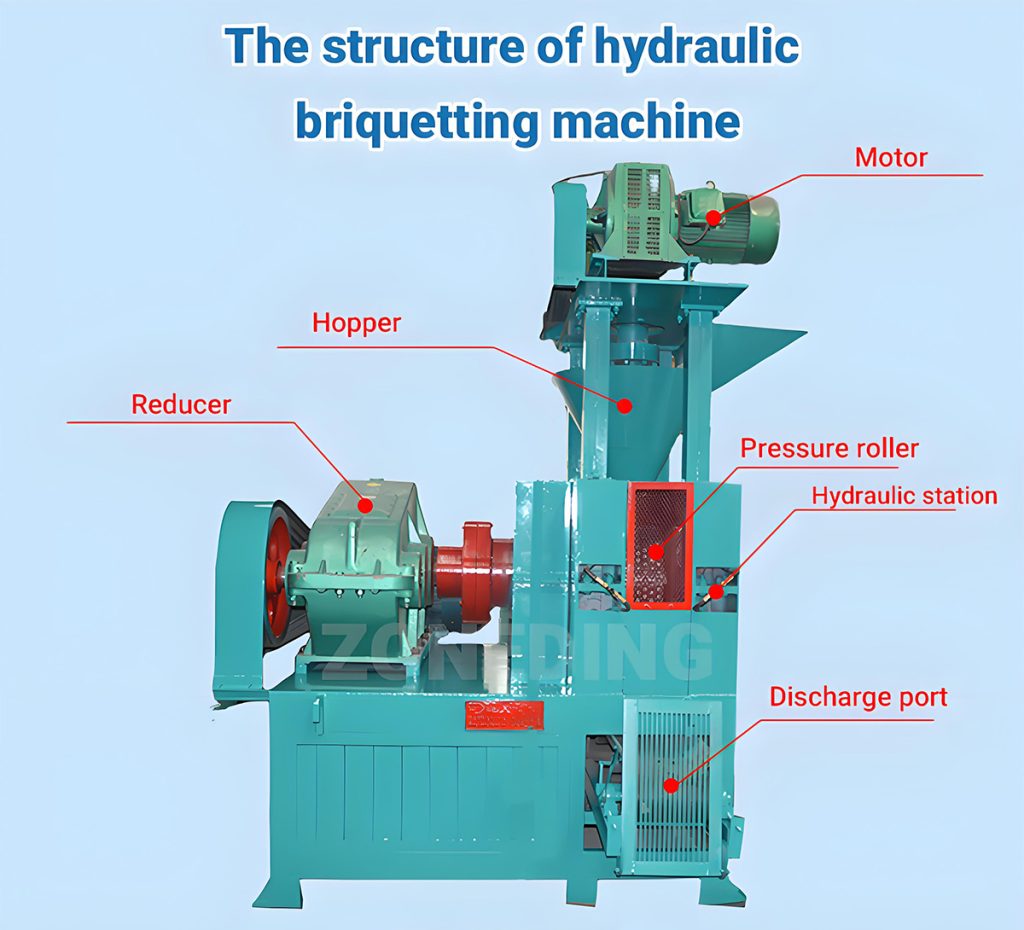
Structure of Ore Powder Briquetting Machine

  • Feeding part: It ensures that uniform materials can be fed into the double roll by quantitative feeding.
  • Transmission part: The main transmission system is motor – triangle belt – reducer – open gear – roll.
  • Forming part: It mainly refers to the main part, the core part is roller.
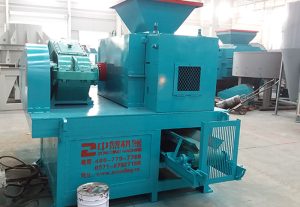
Structures of Metal Powder Briquetting Machine

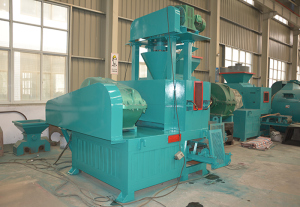
What is the Key Components of a Mineral Powder Briquetting Machine?

A professional briquette press machine is more than just two rollers in a frame. Every part is critical for performance and longevity.

  • The Rollers: This is the heart of the machine. As we said, they must be made of highly abrasion-resistant materials like forged high-chrome steel.
  • The Frame: The frame must be incredibly rigid. A weak frame will bend slightly under pressure. This causes the briquettes to have dense edges and a soft, crumbly center. A superior machine uses an over-engineered frame with pre-stressed tie rods to ensure zero bending.
  • The Feeder: For fine powders, a simple gravity hopper will not work. You must have a forced screw feeder. This screw actively pushes the powder down into the rollers. It removes trapped air and pre-compacts the material. This ensures every briquette has a consistent weight and density.
  • Bearings and Lubrication: The immense pressure goes through the bearings. Cheap machines use standard bearings that fail quickly. A professional machine uses oversized, top-quality bearings with an automated centralized lubrication system. This system delivers the right amount of clean grease at the right time, which is the secret to a long machine life.

How Does the Mineral Powder Briquetting Machine Work?

The process is straightforward but requires precision.

  • Material Preparation: The mineral powder is first mixed. If needed, a binder and water are added in a separate mixer to achieve the right consistency.
  • Forced Feeding: The prepared material is loaded into the hopper. The variable-speed screw feeder starts pushing the powder down, de-aerating and pre-compacting it.
  • High-Pressure Compaction: The pre-compacted powder enters the gap (the “nip”) between the two rotating rollers. The immense hydraulic or mechanical pressure squeezes the material into the roller pockets, forming the briquettes.
  • Discharge: The formed briquettes fall out from under the rollers onto a discharge conveyor belt. They are then usually sent to a dryer to cure and gain their final strength.

What is the Price of a Mineral Powder Briquetting Machine?

The price of a mineral powder briquetting machine can range from $30,000 for a small, simple unit to over $500,000 for a large-scale, high-pressure hydraulic system. The price depends on several key factors:

  • Capacity (Tons per Hour): A larger machine costs more.
  • Pressure Requirement: Materials like iron ore that need binderless briquetting require extreme pressure, which means a more expensive, robust machine.
  • Roller Material: High-chromium forged steel rollers are more expensive but essential for abrasive minerals.
  • Motor and Reducer Brand: Using top-tier brands like Siemens or SEW adds to the cost but ensures reliability.
  • Hydraulic vs. Mechanical System: Hydraulic systems offer better pressure control and protection but are more expensive than mechanical presses.

What is the Size and Shape of Final Briquettes?

We can customize the roller molds to produce briquettes in many shapes and sizes. The choice is not just for looks; it affects the briquette’s properties.

  • Pillow Shape: The most common shape. It is strong, easy to handle, and packs well.
  • Oval or Egg Shape: Very popular and provides good strength.
  • Square or Rectangular: Sometimes used for specific stacking requirements.

The size typically ranges from 20mm to 80mm. The ideal size depends on your material and how the final briquette will be used in the furnace.

How to Choose the Right Mineral Powder Briquetting Machine?

This is the most important step. Buying the wrong machine is a costly mistake. The professional approach is based on data, not just machine specs.

The rookie buys a machine based on tons per hour. The professional buys a machine based on a lab report.

Before you even ask for a price, you must test your material. We strongly advise sending a 50kg sample of your mineral powder to our lab. We will perform a comprehensive analysis to determine:

  1. Particle Size Distribution: Are your particles the right size for good compaction?
  2. Compressibility: How much pressure does it take to get the density you need?
  3. Flowability: Will your powder flow smoothly into the machine?
  4. Abrasiveness: How quickly will your material wear down the rollers?

Buying a machine without this data is like ordering a custom suit without taking measurements. It will never fit your needs properly. This testing process is the first step in our ZONEDING partnership with you.

What are Features of ZONEDING Mineral Powder Briquetting Machines?

At ZONEDING, we build our machines based on 30 years of experience battling the toughest materials. We focus on what keeps you profitable: reliability and performance.

  • Engineered for Abrasion: We use high-chromium forged steel as our standard for rollers processing abrasive minerals. We know from experience that anything less will fail.
  • Ultra-Rigid Frames: Our machines are built with oversized, heavy-duty frames and pre-stressed tie rods. This ensures consistent pressure and uniform, high-quality briquettes every time.
  • Advanced Forced Feeders: Every ZONEDING mineral press comes with a variable-speed screw feeder designed to perfectly de-aerate and pre-compact your specific material.
  • Automated Lubrication Systems: We protect the critical bearings with automated, centralized lubrication. This is a standard feature, not an expensive option, because we know it is essential for long-term operation.

How to Maintain the Mineral Powder Briquetting Machine?

Proper maintenance is simple and ensures your machine runs for decades.
  • Daily: Check for loose bolts. Listen for unusual noises. Ensure the lubrication system is working.
  • Weekly: Inspect the rollers for wear. Clean any material buildup from the feeder and frame. Check the oil levels in the reducer.
  • Monthly: Check the tension of all belts. Perform a full lubrication cycle check.
  • Annually: Schedule a full inspection with a ZONEDING technician to check bearings, hydraulics, and electrical systems.

Customer Case

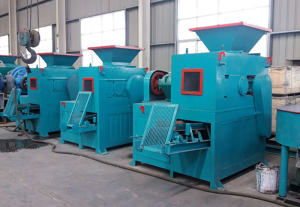
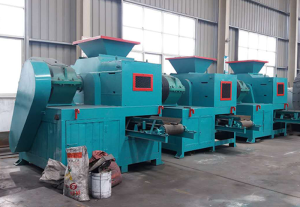
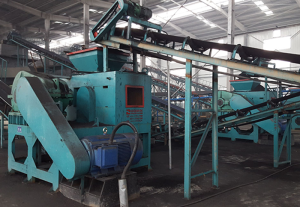
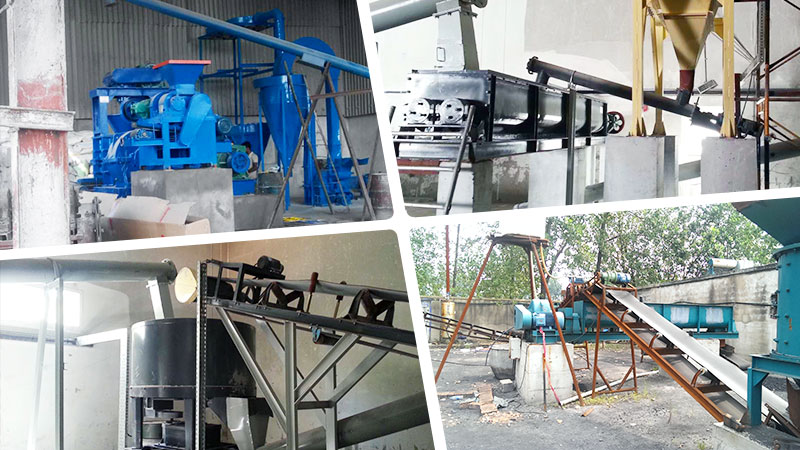
Mineral Powder Briquetting Machine Site.jpg

General Specification

Briquetting Machine

Model Roller Diameter(mm) Capacity(t/h) Power(kw) Reducer
ZDMQ290 290 1-2.5 5.5-7.5 350
ZDMQ360 360 3-5 7.5-11 350
Heavy ZDMQ360 360 3-5 7.5-11 400
ZDMQ430 430 5-8 15 400
Heavy ZDMQ430 430 5-8 15 500
ZDMQ500 500 8-11 30 650
ZDMQ650 650 10-15 37-45 750
ZDMQ750 750 20-25 45 750
ZDMQ850 850 20-28 55 850
ZDMQ1000 1000 25-35 90 1000

FAQ

What is a binder in briquetting?
A binder is like a glue that helps the mineral particles stick together. Common binders include molasses, starch, or sodium silicate. It is often necessary for brittle materials like fluorite.
Can I make briquettes without a binder?
Yes, this is called binderless briquetting. It is possible for some materials, like certain types of iron ore fines. However, it requires a machine capable of delivering extremely high pressures, which increases the initial investment.
What are the hidden costs of using a cheap binder?
Using a cheap binder like sodium silicate can cost you more in the long run. First, you have to pay for the binder. Second, you have to pay huge energy costs to dry the water out of the briquettes. Third, the impurities from the binder can result in penalties from the steel mill, as they have to use more energy and flux to remove them.
How important is the feeder system?
It is more important than the gearbox. If you cannot get a consistent, dense flow of powder into the rollers, you will never make a good briquette. For fine mineral powders, a forced screw feeder is not an option; it is a requirement.

loading…

已经是到最后一篇内容了!

We use cookies to ensure that we give you the best experience on our website. If you continue to use this site we will assume that you are happy with it.
Privacy Policy

OK
1
Scan the code