Search the whole station Crushing Equipment
Pulverized Coal Briquetting MachineSpiral Classifier

Pulverized Coal Briquetting Machine

Applied Materials:Coal ash, pulverized coal, coke powder, iron power, scrap iron, sinter, carbon dust, powdered carbon, slag, gypsum, tailing, slurry, kaolin, active carbon, coke breeze etc.

  • Capacity: 2-30TPH
  • 7.5-130kw

Pulverized Coal Briquetting Machine For Sale

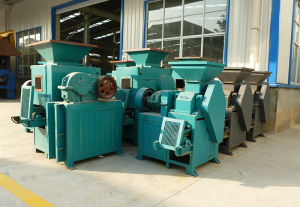
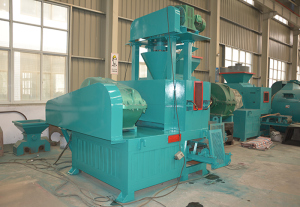
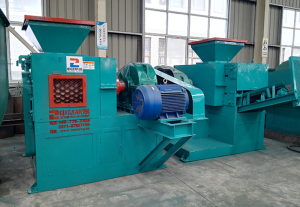
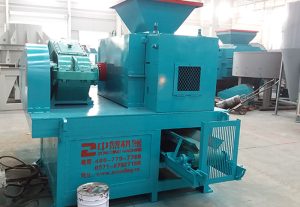
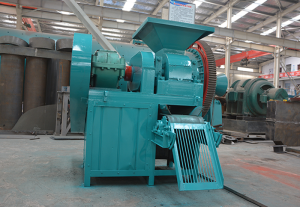
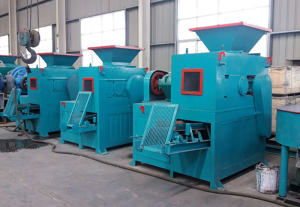
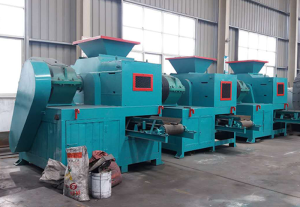
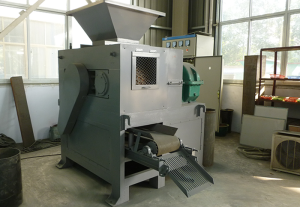
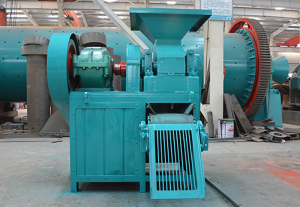
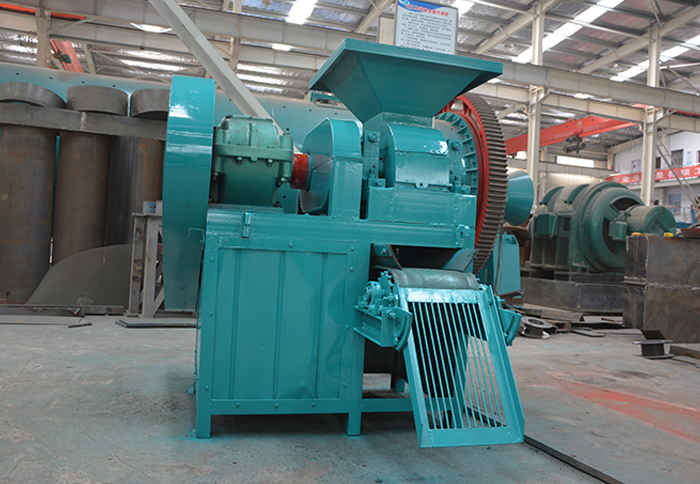
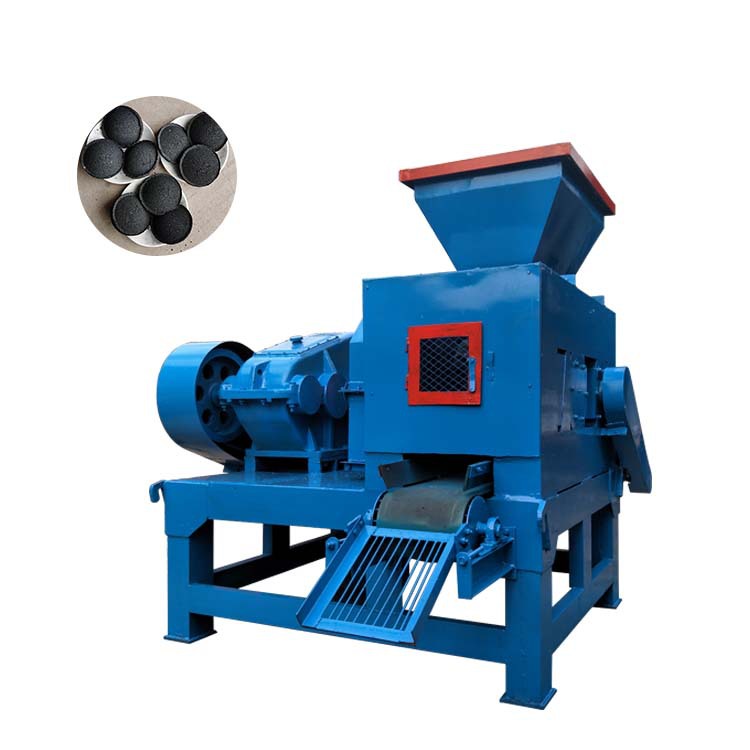
Pulverized coal briquetting machine is a kind of equipment which can press powdered materials into balls, such as pulverized coal, slime, medium coal, coke powder, coke coal and metallurgical powder, refractory materials, and so on. The pulverized coal ball briquetting machine not need to add water when pressing the materials, and can be used for pressing and molding after crushing the raw material directly. It also called coal powder briquetting machine.
What is Pulverized Coal Briquettes?

Pulverized coal briquettes are simply coal fines—dust, powder, and small particles—that have been mixed with a binder and compressed under immense pressure. This process turns loose, low-density powder into a solid, uniform block. These briquettes have a consistent shape, size, and calorific value, making them an ideal fuel source for industrial boilers, power plants, and even for home heating or BBQ, depending on the production process. They solve the handling and transportation problems associated with raw coal fines.

Why Briquette Your Waste Coal Powder?

The benefits of coal dust briquetting go far beyond simple waste management. It’s a strategic business decision. Firstly, it creates a new revenue stream from a product you were previously discarding or selling for pennies. Secondly, it drastically improves logistics. Briquettes are dense and easy to transport, load, and store. Thirdly, it is an environmental and safety upgrade. Briquetting reduces dust pollution in your facility. And here is the most critical point many overlook: finely pulverized coal dust, when suspended in air, is highly explosive. A simple spark can detonate your facility. A professionally designed briquetting plant from ZONEDING incorporates explosion-proof motors, proper equipment grounding, and explosion vents, turning a dangerous liability into a safe, profitable asset.

Which Type of Pulverized Coal Can Be Processed?

Almost any type of coal fine can be turned into briquettes. The key is understanding the properties of your specific coal to select the right binder and process parameters. We have successfully designed lines for:

  • Anthracite Fines: Hard and with high carbon content, requiring high pressure and a strong binder.
  • Bituminous Coal Dust: A common type, which briquettes well with standard binders like starch.
  • Lignite (Brown Coal) Powder: Has higher moisture and volatile content, requiring careful drying control.
  • Coke Breeze: A byproduct of steel manufacturing, which can be briquetted to be reused in furnaces.
  • Charcoal Powder: Used for producing high-value BBQ or shisha briquettes, requiring a different process involving carbonization.

What are Types of Pulverized Coal Briquetting Machine?

While several technologies exist, the most dominant and efficient type is the roller press machine. This is the machine we specialize in at ZONEDING. Within roller presses, the main difference lies in the pressure system:

  • Mechanical Presses: These use a fixed mechanical system (like an eccentric shaft) to apply pressure. They are simple and robust but unforgiving. If a piece of metal or a hard rock enters the press, it can lead to catastrophic failure.
  • Hydraulic Presses: These use a hydraulic system to apply constant pressure to the rollers. This is the professional standard. If an uncrushable object enters, the hydraulic relief system allows the rollers to open slightly, letting the object pass without destroying the machine. This “forgiveness” is crucial for long-term reliability in real-world conditions.

What is the Key Components of a Coal Briquette Machine?

coal briquette machine looks simple, but its performance depends on precision engineering. The core components are:

  1. Feeding System: A variable speed screw feeder ensures a consistent, forced flow of mixed material to the rollers. Starving or over-feeding the press is a common cause of poor briquettes.
  2. A Pair of Rollers: This is the heart of the machine. The rollers are made from highly wear-resistant alloy steel. They are machined with “pockets” that form the briquette shape. But here’s an insider detail: the flat surface between the pockets, the “land area,” is critical. Too little land area creates weak edges; a professionally designed 3-5mm land area contains pressure, ensures uniform density, and dramatically extends roller life.
  3. Pressure System: This is either the mechanical or hydraulic system discussed above, which applies the immense force needed for compaction.
  4. Frame and Bearings: A heavy-duty, robust frame is non-negotiable to withstand the continuous high pressure and vibration of the operation.

Function of Pulverized Coal Briquetting Machine

Pulverized coal ball press is mainly used for pulverized coal, coal slime, medium coal, coke and metallurgical powder pressure pellets, refractory materials. All powdery materials, which are used for burning in the furnace need to be completed by briquetting machine. The main function of pulverized coal ball press is to improve transportation characteristics, return utilization, facilitate control capacity, reduce dust and improve the utilization of resources.
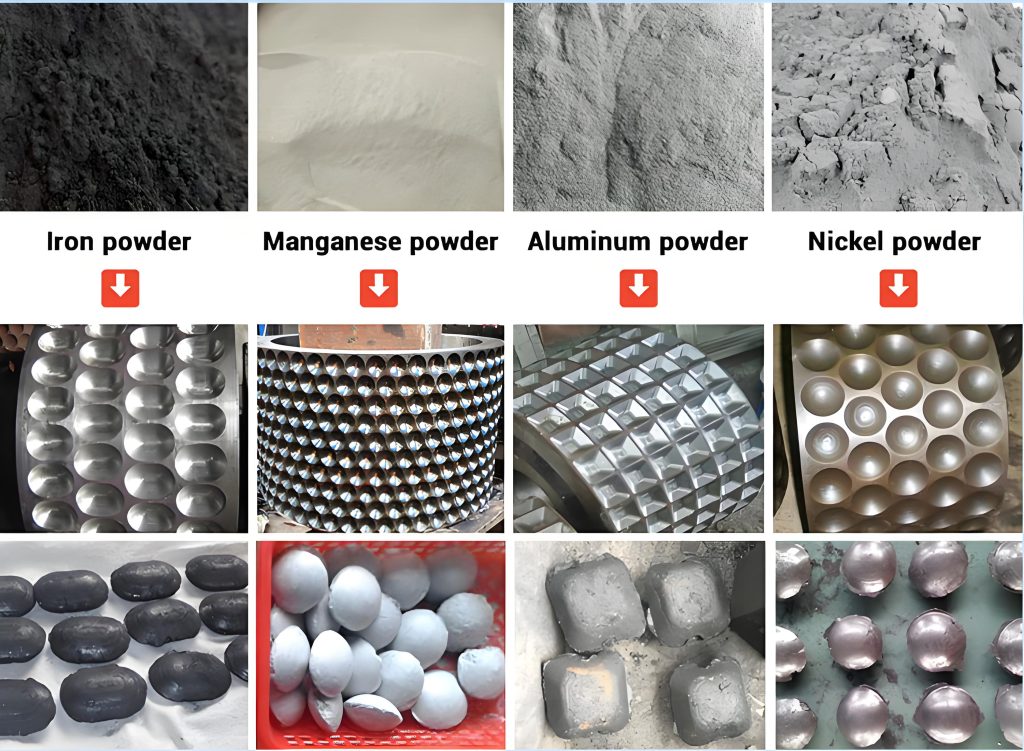
Applications of Dry Powder Briquetting Machine

Applications of Pulverized Coal Briquetting Machine

Characteristics of Pulverized Coal Briquetting Machine

One machine multipurpose

The pulverized coal pressure ball machine is widely used for pressing, granulating or pressing the following materials, such as aluminum chips, activated carbon, alumina, bauxite, caustic soda, charcoal, clay, coke, coal, ice crystal, stone, fertilizer, plastic, limestone, pigment, urea, potassium salt and other materials. With a multi-function.

Energy Saving

The pulverized coal briquetting machine greatly improves the utilization efficiency of the coal resources and reduces the energy wasted in the combustion process of the coal. Because of the sufficient combustion of pressed briquette, the exhaust gas (sulfur dioxide) is very little, and the dust and soot emitted into the air are greatly reduced.

Reasonable Design

The main engine of pulverized coal briquetting machine is powered by electromagnetic speed regulating motor and transmitted to the active shaft through belt wheel, reducer, and coupling. The compaction process can maintain a constant feeding pressure to stabilize the quality of the pellets.
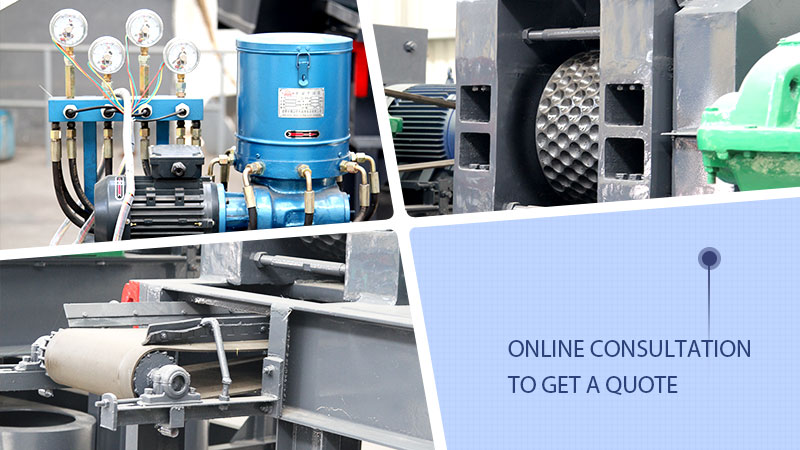
Pulverized Coal Briquetting Machine Structure.jpg

The Pulverized Coal Briquetting Machine Performance Advantages

1.The rotating speed is stable; the molding rate is high, and the appearance of the product is beautiful.

2.The molding pressure is greater than before, and the quality of the finished product is good.

3.The molding system is safe and reliable; the replacement of components is convenient, and the maintenance workload is small.

4.The structure is simple and compact; the site is saved and the work is reliable.

5.Smooth demoulding, low noise and less dust.

6.According to customer requirements, it can suppress all shapes of finished products.
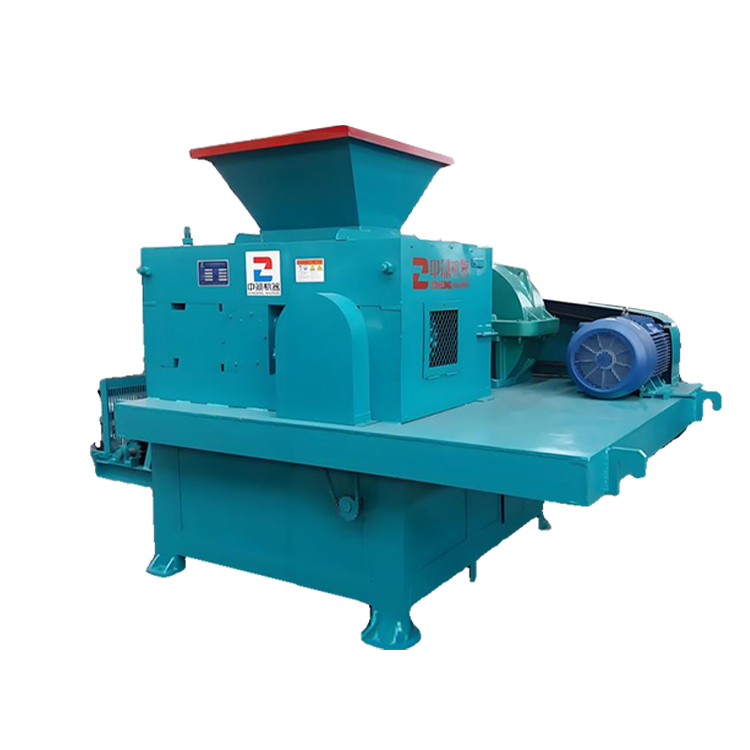
Pulverized Coal Briquetting Machine(images 5)

Structure Composition

The pulverized coal briquetting machine is mainly composed of three parts: feeding part, transmission part and forming part. The feeding part is to ensure that the material can enter the roller room evenly. The material supplied is too large or too small will affect the quality of pellets, so it is necessary to have the operation skills of clinker in order to ensure the normal operation of the equipment.
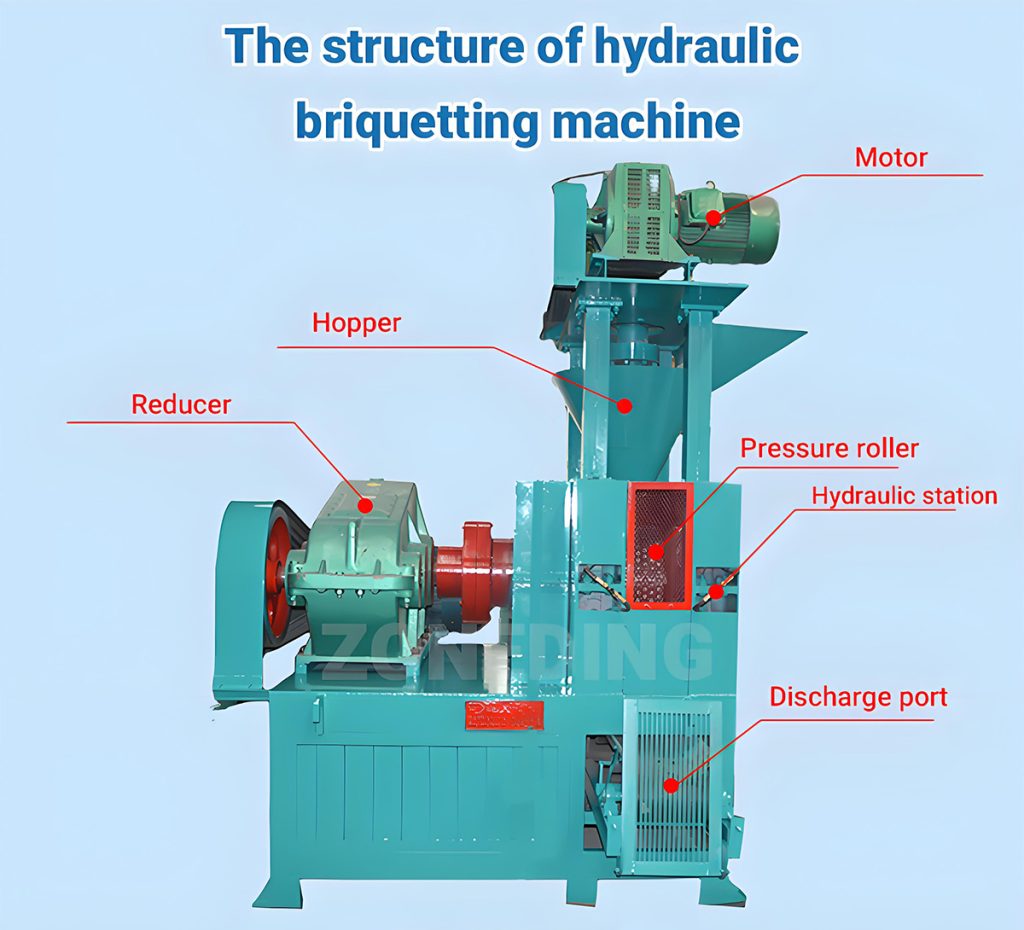
Structures of Metal Powder Briquetting Machine

Structure of pulverized coal briquetting machine

How Does a Pulverized Coal Briquetting Machine Work?

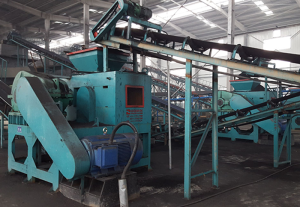
The machine itself is just one step in a carefully controlled process. The typical workflow for a coal fines recycling solution is:

  1. Crushing & Screening: Raw coal fines are screened to ensure a consistent particle size, which is vital for strong briquettes.
  2. Mixing: This is the most important step. Coal powder, water, and a binder are mixed. A simple paddle mixer isn’t enough. We recommend an intensive mixer, like a wheel muller, which kneads and smears the material, ensuring every particle is coated with binder. A perfect mix is the secret to high strength and low binder consumption.
  3. Briquetting: The homogenous mixture is fed into the roller press machine. The rollers pull the material in and compress it into briquettes.
  4. Drying: The “green” briquettes are soft and high in moisture. They are transported to a dryer (typically a mesh belt or chain plate dryer) where hot air reduces the moisture content to 5-8%, giving them their final strength.

What is the Shape and Size of the Processed Briquettes?

The shape and size are determined by the pockets on the rollers and can be fully customized. The most common shapes are:

  • Pillow Shape: The most popular choice for industrial fuel.
  • Oval Shape: Similar to pillow, offers good density and strength.
  • Square/Cube Shape: Often used for specialty products like shisha charcoal.

The size typically ranges from 25mm to 65mm. The right shape and size depend on the end-user’s requirements for combustion and material handling systems.

How Do You Select the Right Briquetting Machine?

Choosing the right machine involves looking at your entire operation, not just tonnage.

  1. Define Your End Product: Are you making industrial boiler fuel or high-value smokeless coal? The end-use dictates the entire process. Boiler fuel needs a high-pressure roller press. Smokeless shisha coal requires a different press and a final carbonization furnace step.
  2. Analyze Your Raw Material: Know your coal’s properties—ash content, moisture, particle size. This determines the required pressure and binder type.
  3. Determine Your Capacity: How many tons per hour do you need? Be realistic. Remember, the true capacity of your plant is often limited by your dryer, not your press.
  4. Choose the Right Technology: For almost all coal applications, a hydraulic roller press offers the best combination of performance, protection, and reliability.

How to Identify the Equipment Quality

1.First of all, we should look at the material quality of the whole machine, such as the quality of the steel material of the Pulverized coal briquetting machine equipment, and the good steel material can increase the production life of the machine.

2.The second is coal powder ball press body appearance paint. The painting of pulverized coal ball press equipment is not only for the good appearance of it, but also to protect the body of pulverized coal briquetting machine from rust and increase its service life.

3.Customers should look at the pulverized coal briquetting machine gear, copper and other important components. Whether the material specification of pulverized coal ball press can conform to the national standard specification, and it is not allowed one millimeter short.

What is the Price of a Coal Briquetting Machine?

A standalone pulverized coal briquetting machine can range from $15,000 for a small, basic model to over $150,000 for a large-capacity, hydraulic press. However, the machine price is only part of the total investment. A complete production line, including crushers, mixers, dryers, and conveyors, will be a larger investment. The final coal briquetting machine price is determined by capacity (tons per hour), roller material (e.g., 9Cr2Mo steel), and whether it uses a mechanical or advanced hydraulic system. Investing in a robust, hydraulic machine from a reputable manufacturer like ZONEDING costs more upfront but saves you a fortune in downtime and repairs later.

How to Maintain the Briquetting Machine?

Proper maintenance is key to a long and productive life for your machine.

  • Daily: Check for loose bolts and unusual noises. Ensure the lubrication system is working.
  • Weekly: Inspect the condition of the roller surfaces. A small amount of wear is normal, but uneven wear could indicate a feeding problem.
  • Monthly: Check the hydraulic oil level and quality. Inspect bearings for heat and vibration.
  • As Needed: The rollers are the main wear part. Depending on the abrasiveness of your coal, they will eventually need to be resurfaced or replaced. Using high-quality alloy steel rollers from ZONEDING will maximize the time between replacements.

Why is a ZONEDING Briquetting Line More Than Just a Machine?

Anyone can sell you a press. We provide a complete, engineered coal fines processing solution. When you work with us, you get a system where every component is perfectly balanced.
  • The Right Mixer: We know the mixer is more important than the press. We will spec the right intensive mixer to ensure a perfect, homogenous feed, which is the secret to strong briquettes.
  • The Right Dryer: A common failure is an undersized dryer. A 30 TPH press is useless if your dryer can only handle 15 TPH of output. We calculate the required water evaporation capacity and design a dryer that matches your press, eliminating bottlenecks.
  • Integrated Safety: We design your plant with safety as the priority, incorporating explosion-proof components and safety systems from the start.
    Buying a ZONEDING line means you’re investing in a complete, productive, and safe system designed for long-term profitability.

Customer Case

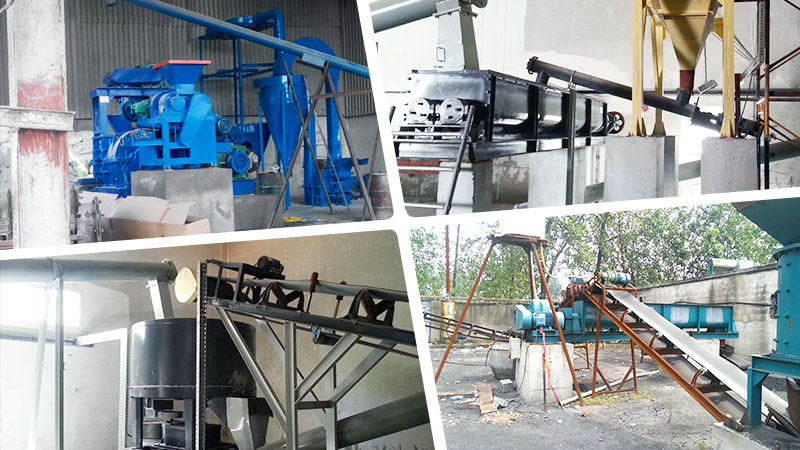
Pulverized Coal Briquetting Machine Site.jpg

General Specification

Briquetting Machine

Model Roller Diameter(mm) Capacity(t/h) Power(kw) Reducer
ZDMQ290 290 1-2.5 5.5-7.5 350
ZDMQ360 360 3-5 7.5-11 350
Heavy ZDMQ360 360 3-5 7.5-11 400
ZDMQ430 430 5-8 15 400
Heavy ZDMQ430 430 5-8 15 500
ZDMQ500 500 8-11 30 650
ZDMQ650 650 10-15 37-45 750
ZDMQ750 750 20-25 45 750
ZDMQ850 850 20-28 55 850
ZDMQ1000 1000 25-35 90 1000

FAQ

  • What Binders are Needed to Make Strong Coal Briquettes?
  • Choosing a binder based on price per ton is a huge mistake. A cheap binder like clay adds ash, lowers the calorific value, and hurts your sale price. The best choice is a combustible binder like starch or molasses. While it costs more per ton, you use less (3-4% vs 8%+ for clay), and it adds to the energy value of your final product. This maximizes your briquette quality and your profit margin.
  • What are the Main Wear Parts and Their Operational Cost?
  • The main wear parts are the rollers. Their lifespan depends on the abrasiveness of your coal and the pressure used. High-quality forged alloy steel rollers, like those used by ZONEDING, can last for thousands of hours. The operational cost is manageable and far outweighed by the value of the briquettes produced. Bearings are the other key consumable.
  • How Can You Adjust Briquette Density and Strength?
  • You have three main controls. First is the pressure of the hydraulic system—more pressure equals higher density. Second is the moisture content of the mix; there is an optimal range for every material, usually 12-15%. Third is the binder type and percentage. We help you dial in these parameters during commissioning to achieve your target specifications.
  • What Factors Determine the Final Machine Price?
  • The four main factors are: 1) Tonnage capacity. 2) Roller size and material (the most expensive component). 3) The pressure system (hydraulic is more expensive but essential for reliability). 4) The brand and quality of motors and bearings used in the construction.

loading…

已经是到最后一篇内容了!

1
Scan the code