 Zoneding Machine



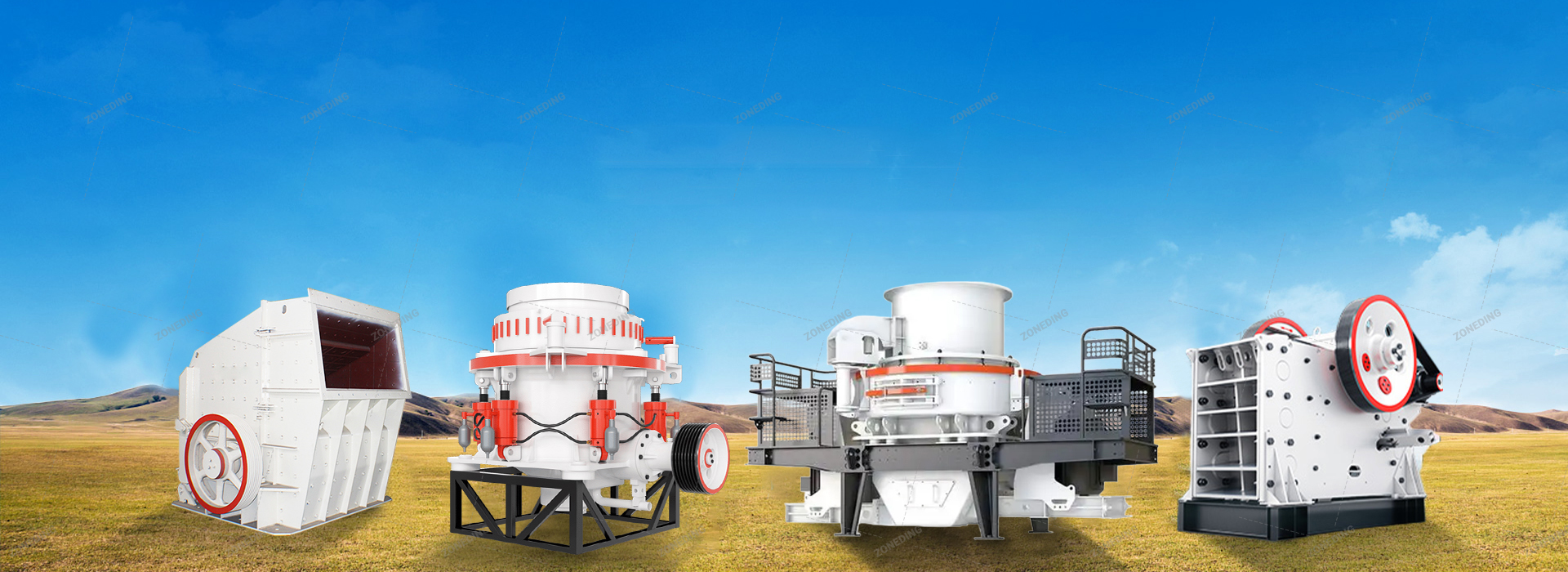
ZONEDING supplies crushing equipment for aggregate quarries, metal mines and construction waste recycling — from a single jaw crusher to complete 500 t/h turnkey lines. With 30+ lines running across Africa and Latin America, our machines are operating in Zimbabwe, Tanzania, South Africa, Peru, Russia and Indonesia. Tell us your rock type and target capacity, and we'll size the circuit for you.
| Equipment | Typical model | Max. feed size | Output size | Capacity | Stage |
|---|---|---|---|---|---|
| Jaw crusher | PE250×400 – PE500×750 | ≤ 210–425 mm | 25–100 mm | 5–130 t/h | Primary |
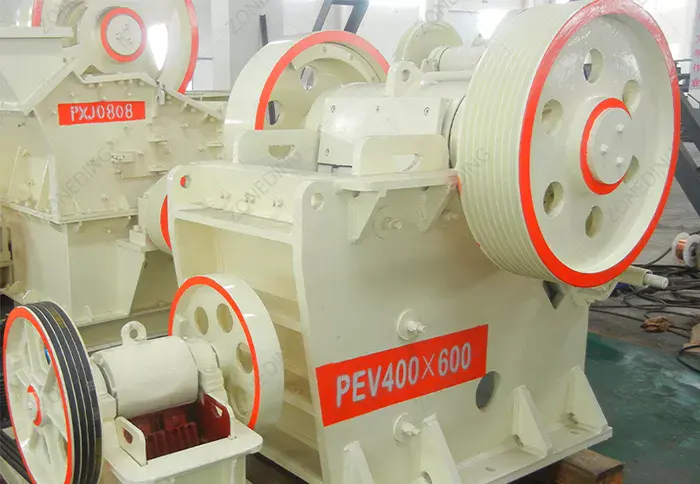
| Jaw crusher (PEV) | PEV400×600 – PEV600×900 | ≤ 380–500 mm | 40–165 mm | 20–160 t/h | Primary |
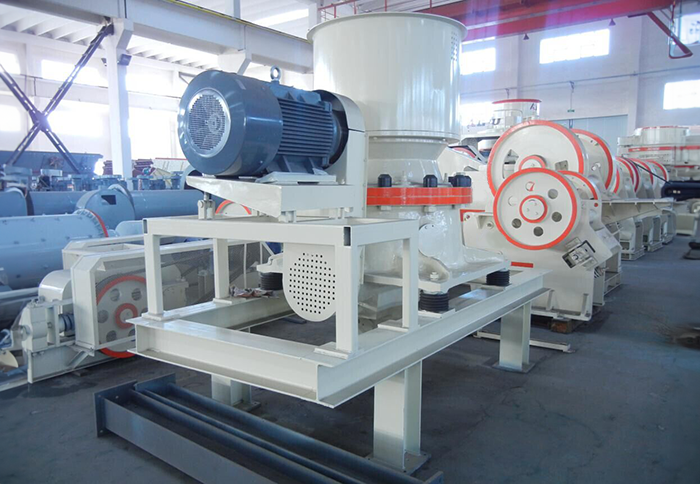
| Cone crusher | PYB600 – CS1400 | ≤ 65–235 mm | 3–60 mm | 12–530 t/h | Secondary / tertiary |
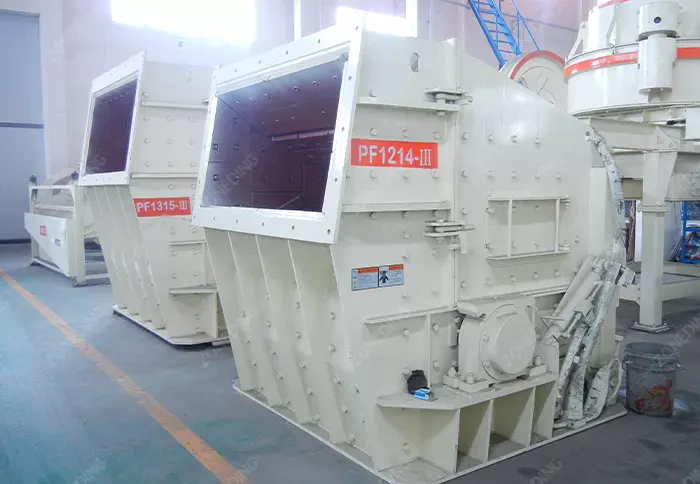
| Impact crusher | PF-1007 – PF-1210 | ≤ 300–350 mm | 10–100 mm | 30–130 t/h | Secondary |
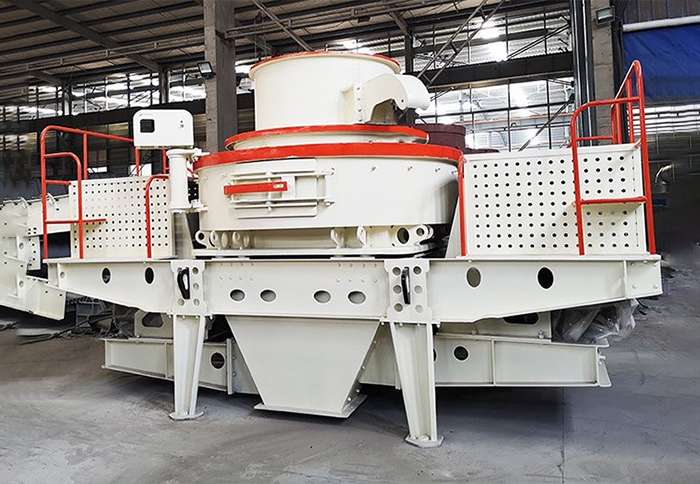
| VSI sand maker | VSI-7611 – VSI-1145 | ≤ 35–50 mm | 0–5 mm | 60–600 t/h (center / cascade) | Sand making |
| Vibrating screen | 2YK1225 – 3YK1225 | ≤ 200 mm | 4–50 mm mesh | 8–78 m³/h | Classification |
How to choose the right crusher for your rock
Rule 1 — Hardness decides the crushing action. Compression crushers (jaw, cone) handle abrasive rock such as granite, basalt and iron ore. Impact crushers work better on medium-hard, less abrasive material like limestone and construction waste. Using an impactor on hard basalt burns hammers fast.
Rule 2 — Feed size decides the number of stages. If your run-of-mine is under 400 mm, a single jaw plus screen may be enough. If it is over 600 mm, you need a primary jaw and a secondary cone or impactor. Three-stage circuits are only worth it when you need tight, cubical aggregate.
Rule 3 — Product size decides the final machine. For 0–5 mm sand, add a VSI after the secondary stage. For 5–40 mm aggregate, a cone or impactor with a screen is enough.
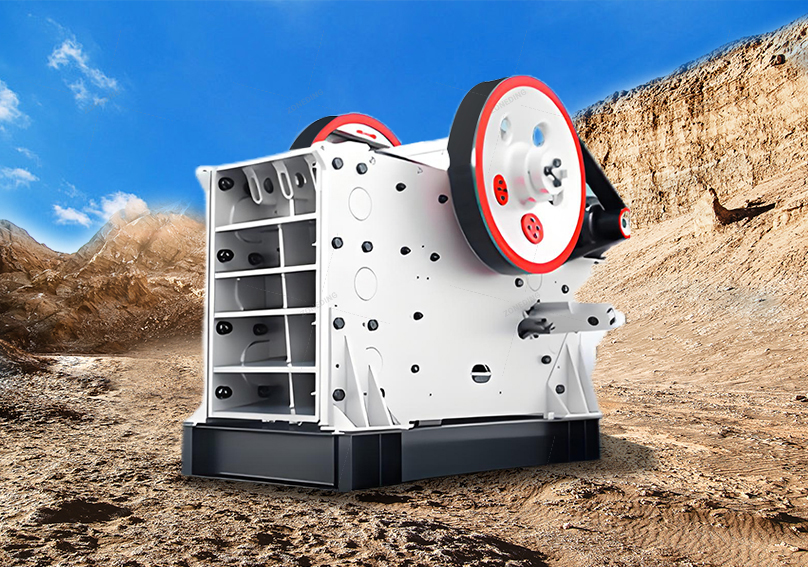
The Jaw crusher is used as Primary and Secondary crushers for crushing all kinds of minerals and rocks with compressive strength less than 320 mpa. There are two types of Jaw crusher: coarse jaw crusher and fine jaw crusher.
- Capacity: 20-800 t/h, customized.
- Max Feeding Size: 125-1200 mm; according to model.
- Motor Power: 5.5-220 kw; according to model.
- Description: Standard jaw crusher output particle size is usually 15-200 mm. It can process bulk materials with a particle size of 1.2 meters.
- Features: Large crushing ratio, uniform product size, safe and reliable lubrication system.
- Applicable Material:Quartz, granite, basalt, limestone, river stone, marble, shale, iron ore, copper ore, gold ore etc.
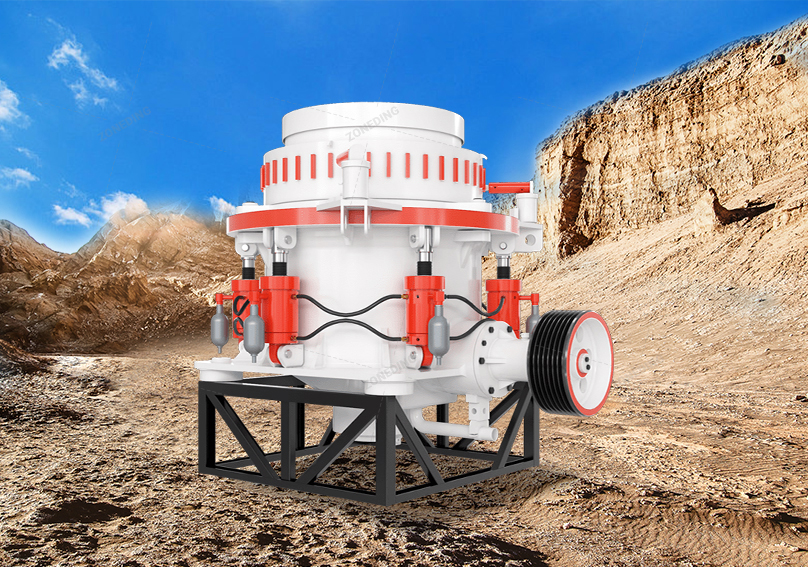
Cone crusher is used for crushing ores and rocks, and the advantages are: reliable structure, high efficiency, easy adjustment and economy.
There are spring cone crusher and Symons cone crusher. The spring system is the overload protection device, which can make the foreign material go through the machine without bringing any hurt to it.
- Feed particle size: ≤300mm
- Capacity: 30-500T/H
- Applicable Material:Suitable for crushing medium and high hardness materials such as chrome ore, iron ore, basalt and granite.
- Applicable Fields:Widely used in medium and fine crushing operations in metallurgy, mining, chemical industry, cement, construction, refractory materials and ceramics and other industries.
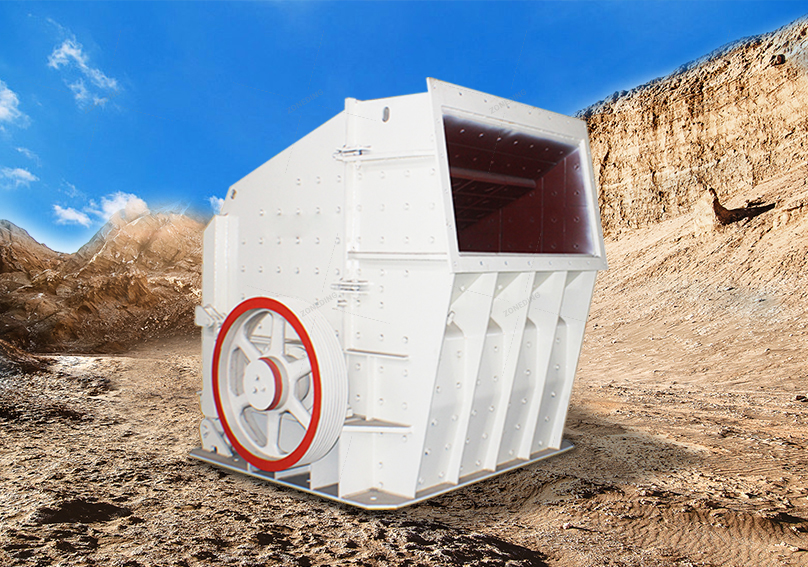
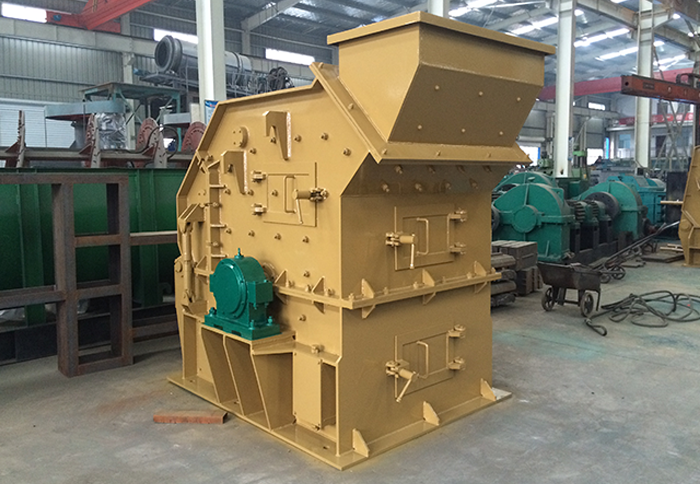
Impact crusher is a kind of crusher which utilizes impact energy to crush materials. It can crush all kinds of coarse, medium and fine materials (granite, limestone, concrete, etc.) with feed size not more than 500mm and compressive strength not more than 350MPa, Our impact breaker series is divided into two series: two-chamber and three-chamber series.
- Feed particle size: ≤1000 mm
- Capacity: 15-850 T/H
- Applicable Material:Limestone, granite, marble, basalt, iron ore, river pebbles, shale, bluestone, coal, pebbles, construction wastes.
- Applicable Fields:Widely used in various ore crushing, railways, highways, energy, cement, chemical, construction, and other industries.
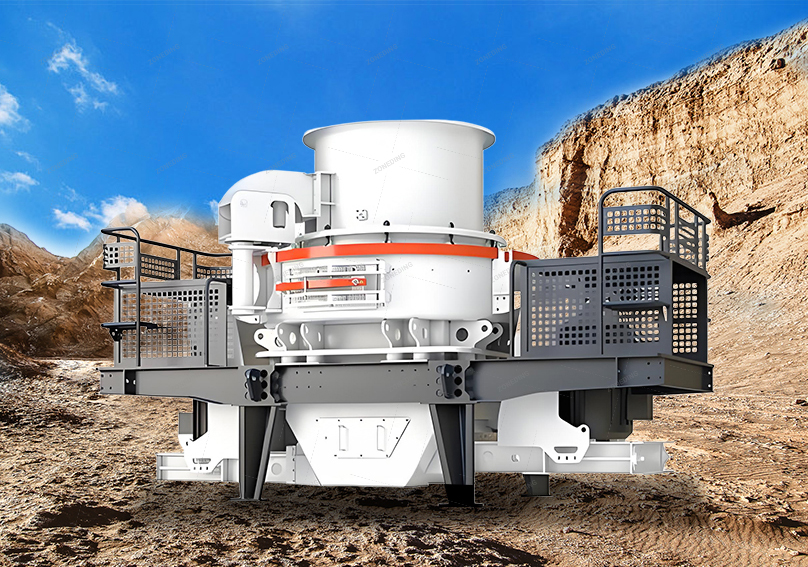
A sand making machine, also known as a vertical shaft impact crusher, is a type of equipment used to crush or shape rocks into sand particles. Its main purpose is to produce well-shaped sand products that can be used as a substitute for natural sand.
- Feeding Size: ≤40mm
- Production capacity: 70-640T/H
- Applicable Fields: A vertical shaft impact crusher is mainly used for crushing and shaping non-metallic ores, construction materials, artificial sand, and various metallurgical slag.
- Processing Materials: The materials that can be processed by sand making crusher machine are limestone, river pebble, mountain stone, lapis lazuli, cobblestone, weathered sand, basalt, granite, quartz, gabbro, etc.
Types of Mobile Stone Crusher
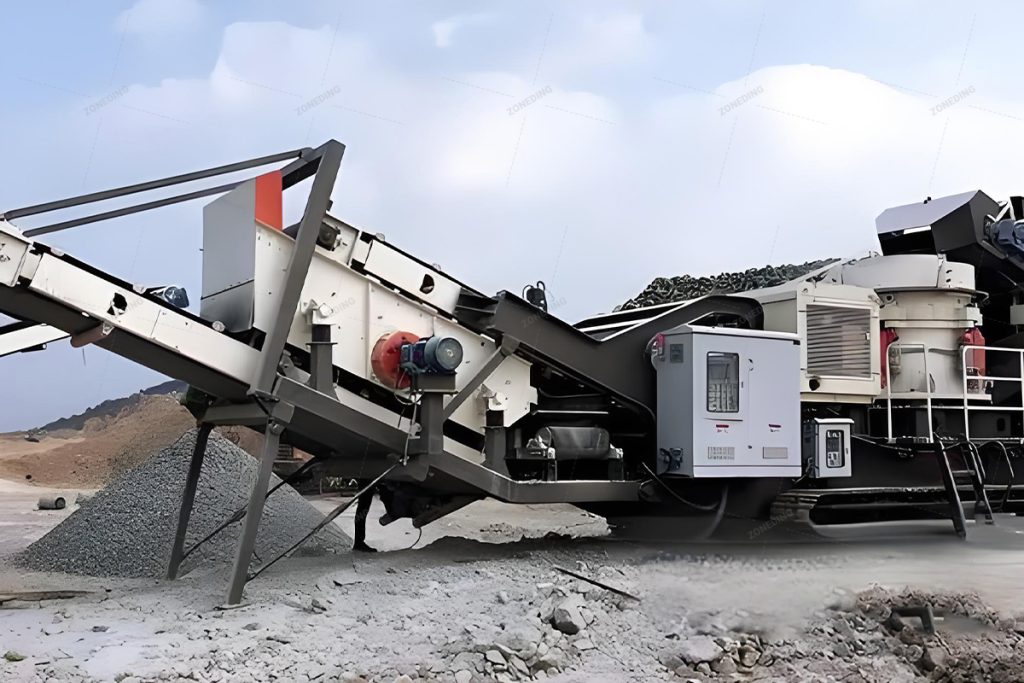
Mobile Stone crushers include crawler-type mobile crusher and wheeled mobile crusher. The mobile crushing equipment is a set of movable crushing and screening equipment. According to the crushing and screening requirements, there are different combinations to meet the different needs of customers, such as mobile jaw crusher, mobile cone crusher, mobile impact crusher etc. The mobile Stone crusher eliminates the cumbersome steel frame structure and foundation construction during the crushing, saving the construction time and cost of the foundation. The mobile stone crusher can directly enter the crushing site for on-site crushing, which reduces the transportation cost of materials, and also avoids the dust pollution generated during transportation.
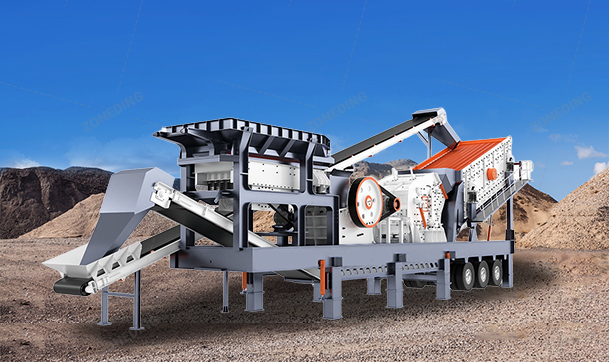
Wheeled mobile crusher or wheeled crushing plant, can be freely moved with the mining process. The most prominent feature of the portable crusher is the use of vehicle traction, which can be flexibly moved from one location to another.
- Applied Materials: river pebbles, rocks limestone, granite, basalt,diabase,andesite, etc., ore tailings.
- Feed Size:≤800mm
- Motor Power:37-400KW
- Capacity:85-650t/h
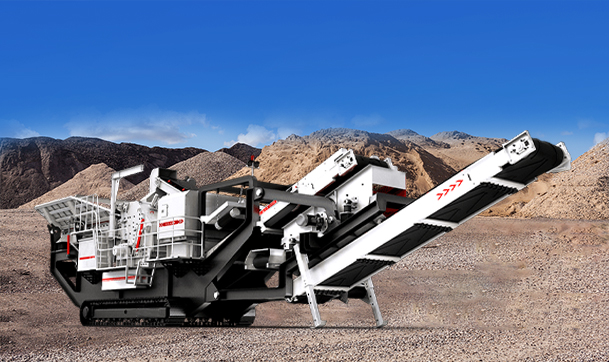
Crawler type mobile crushing plantr is a mobile machine equipped with a crawler-driven chassis. The equipment required for the production line can be reasonably mounted on a crawler moving frame.
- Crawler mobile impact crusher are designed for primary, secondary or tertiary crushing of construction materials in demolition/recycling/quarry & mining applications and feature extra thick heavy duty blow bars for longer life and utilization.
- Feeding Size:300-700mm
- Capacity:85-650t/h
Different Combination of Stone Crusher
ZONEDING’s stone crusher can be applied to a variety of aggregate production lines, such as stones of different hardness, different productivity, different output sizes, etc. ZONEDING has provided our customers with customized aggregate production lines to produce high-quality aggregates. If you plan to invest in a crushing line, or plan to transform your existing production line, please contact us.
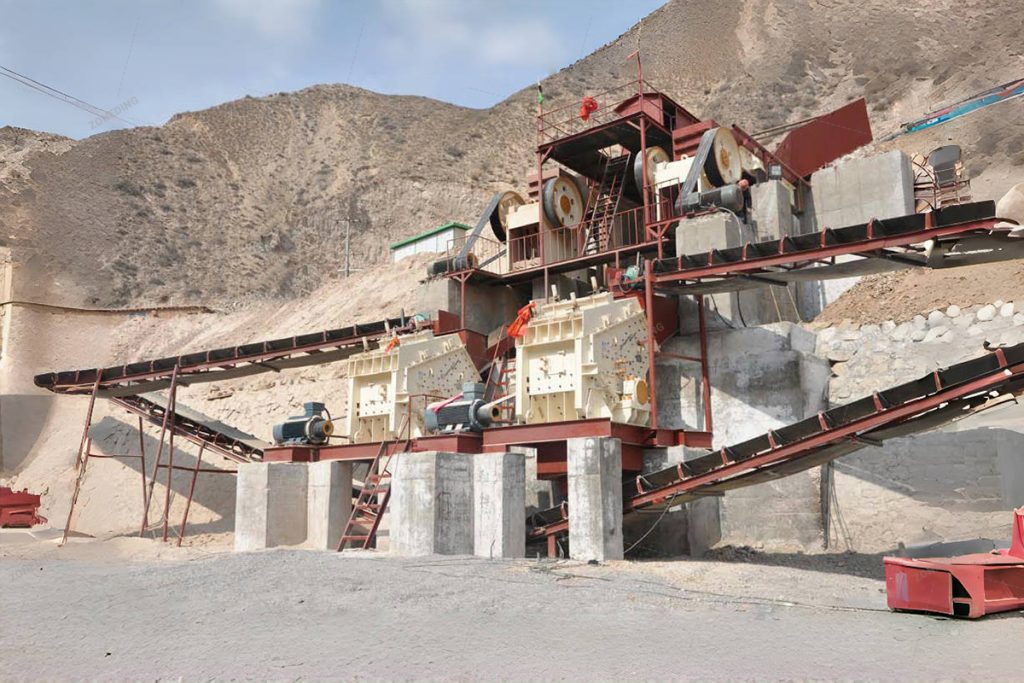
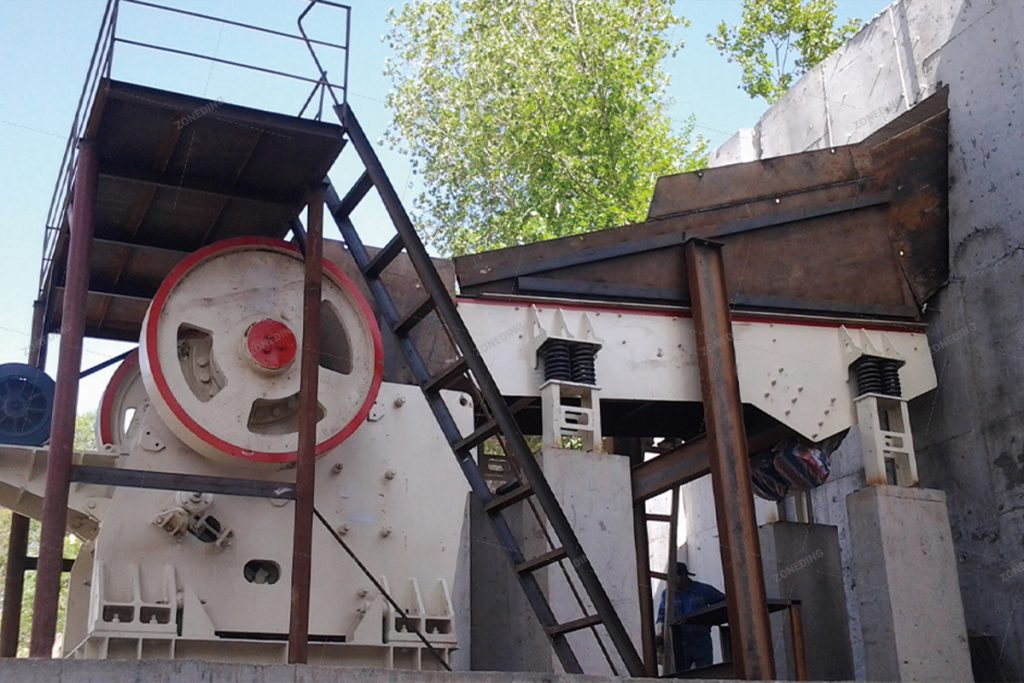
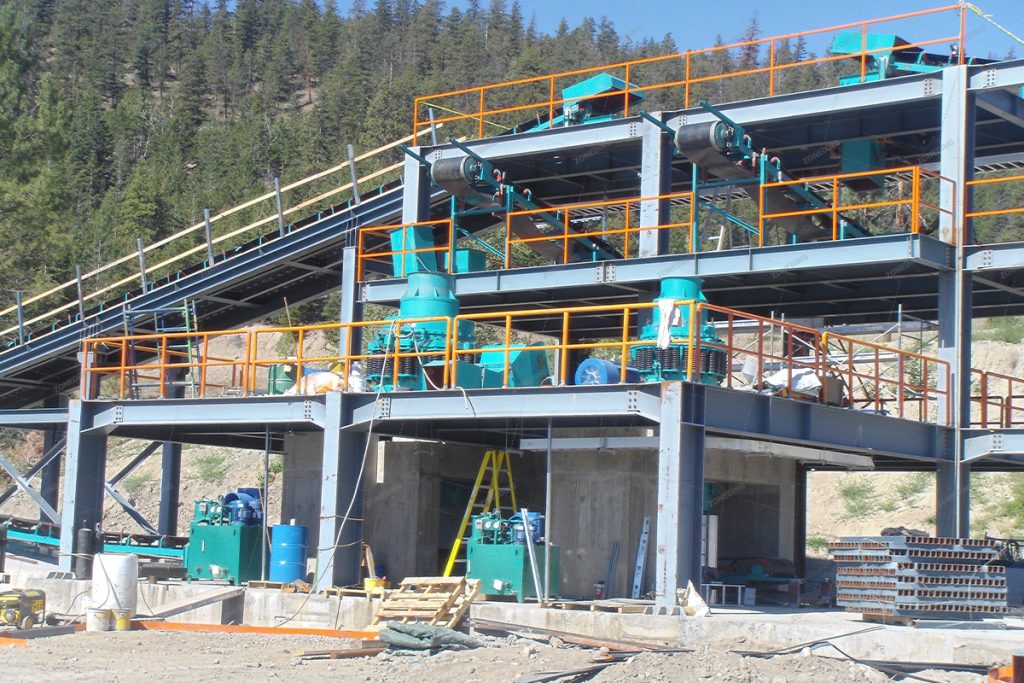
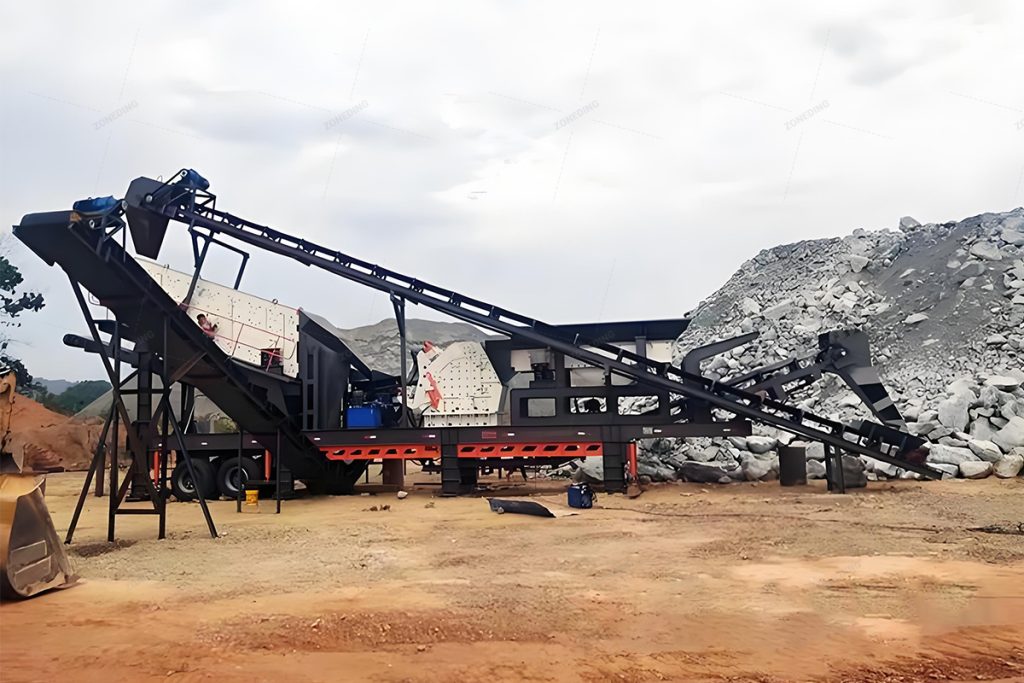
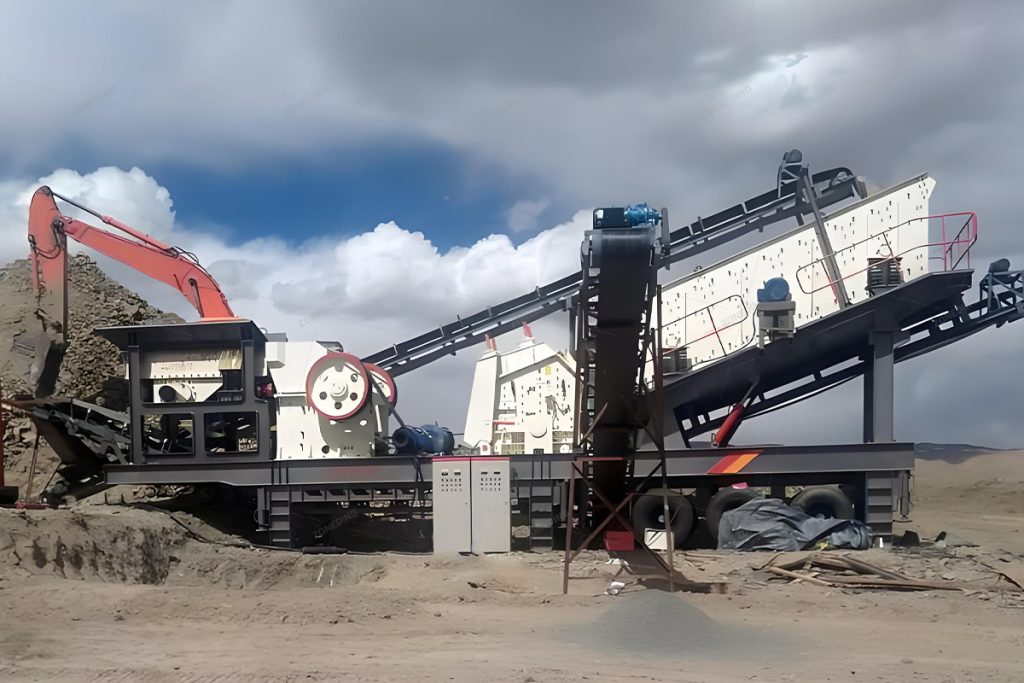
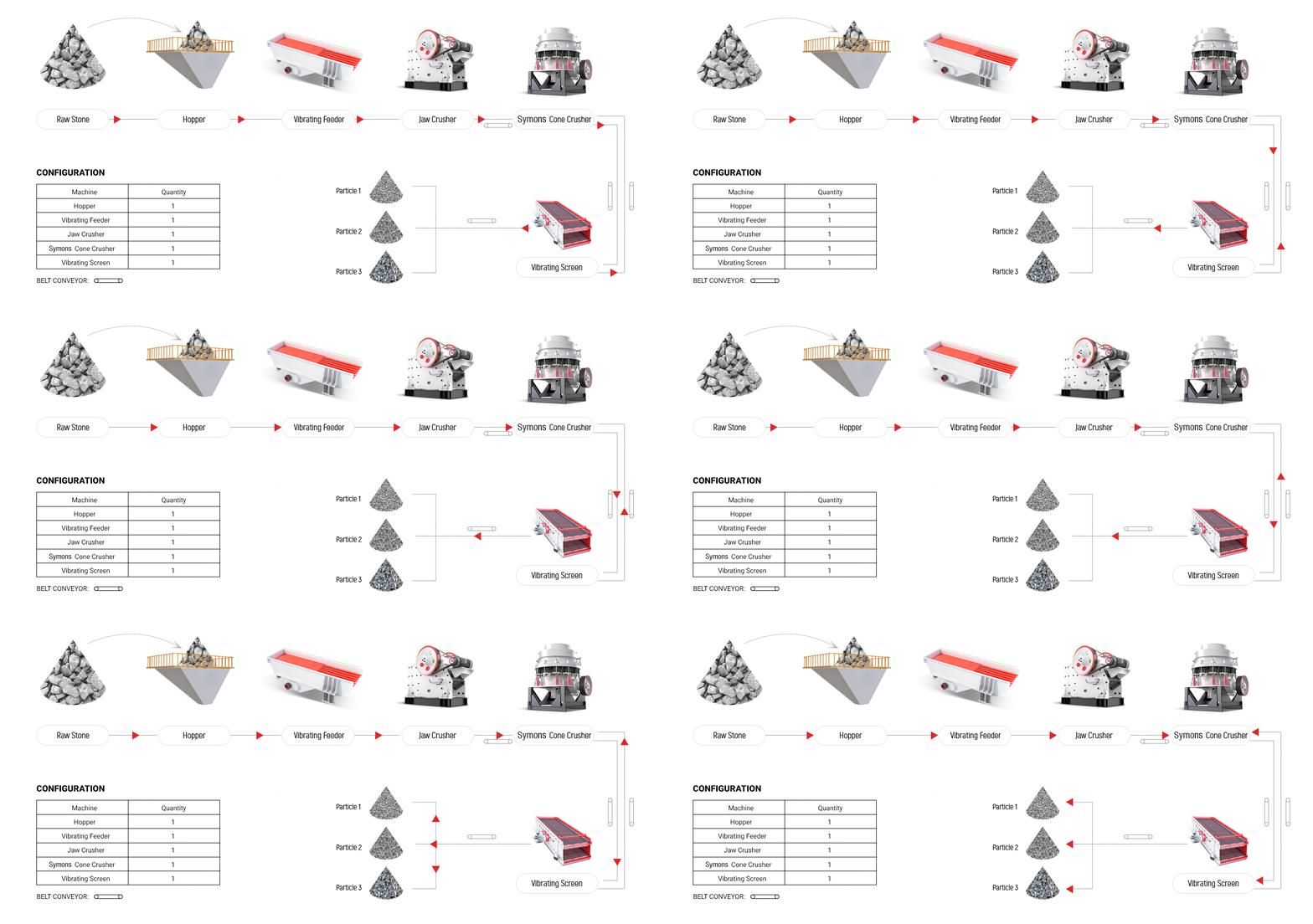
Stone Crushing Line — From Raw Rock to Three Finished Aggregates
From hopper to finished aggregate, this Zoneding crushing line processes raw stone through a vibrating feeder, jaw crusher, Symons cone crusher and vibrating screen — connected by belt conveyors — to deliver three precisely graded products. Every circuit is configured to the customer's rock type and target output. Tell us your requirements, and we'll size the line for you.
Crushing equipment FAQ
1. How do I choose between a compression crusher and an impact crusher?
Choose compression crushers—such as a Jaw Crusher or Cone Crusher—for hard, abrasive rocks like granite, basalt, and iron ore, and choose an Impact Crusher for medium-hard, less abrasive materials like limestone and construction waste. Using an impact crusher on highly abrasive basalt causes rapid hammer wear and higher operating costs.
2. When should I use a two-stage versus a three-stage crushing line?
A two-stage crushing line (typically a primary jaw crusher paired with a secondary cone or impact crusher) is usually sufficient for standard aggregate or ore feed sizes up to around 600 mm, while run-of-mine material under 400 mm may only need a single jaw crusher and screen. Three-stage circuits are best suited for larger feed sizes (over 600 mm) or projects requiring tight, cubical finished aggregate specifications.
3. Which equipment is needed to produce 0–5 mm manufactured sand?
To produce 0–5 mm manufactured sand, add a vertical shaft impactor (Sand Making Machine / VSI) after your secondary crushing stage to shape the particles into cubical sand. If you only need 5–40 mm aggregates, a cone or impact crusher combined with a Vibrating Screen is typically enough.
4. What are the main benefits of crawler vs. wheeled mobile stone crushers?
Mobile Stone Crushers eliminate heavy foundation construction and reduce material haulage distances by bringing crushing and screening directly to the quarry or job site. Wheeled mobile crushers offer flexible road/site towing between locations, whereas crawler-type mobile crushers use track chassis for rough terrain and heavy-duty demolition, recycling, or mining work.
5. What factors affect actual crushing capacity on a rock crushing line?
Published capacity ratings (such as 5–130 t/h for standard jaw crushers or up to 500–600 t/h on larger lines) assume medium-hard material around 1.6 t/m³ under standard operating conditions. Actual throughput varies depending on feed rock hardness, feed gradation, moisture content, closed-side setting, and screening efficiency.
Related Equipment
Jaw Crusher
Cone Crusher
Sand Making Machine
Impact Crusher
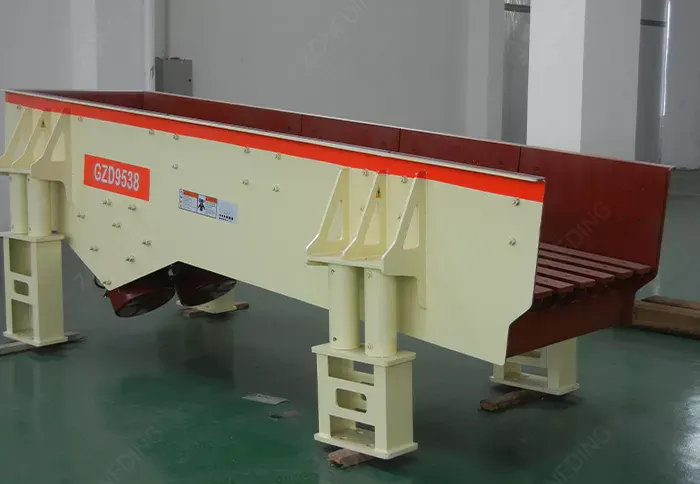
Vibrating Feeder
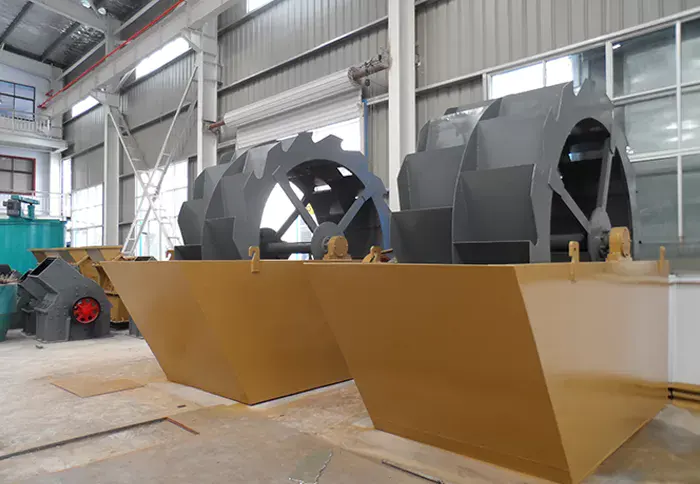
Sand Washing Machine
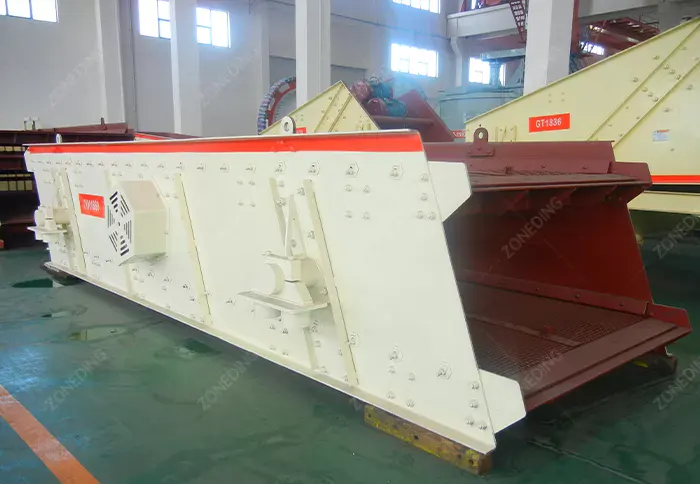
Vibrating Screen
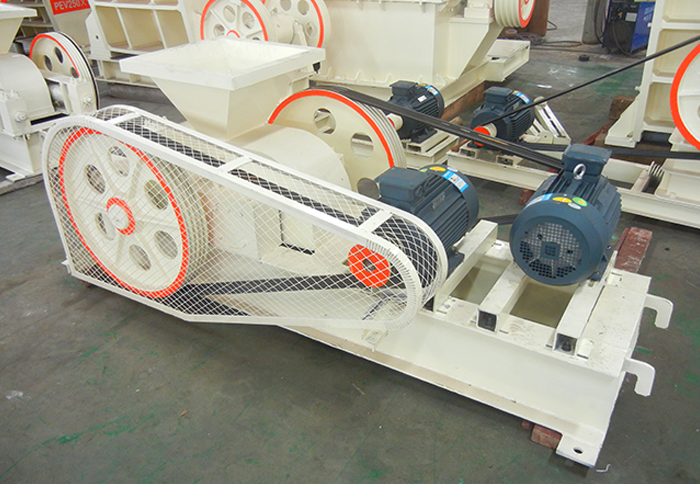
Roll Crusher
Fine Crusher
Service Support
We can provide not only single machine, but also complete production plant with our powerful technical support.
- Minimum Order Quantity (MOQ): 1 unit
- Single-Machine Lead Time: 20 days after receipt of deposit
- Complete Line Lead Time: 45–90 days (depending on line configuration and capacity)
- Warranty: 12 months on major components (excluding wear parts)
- Payment Terms: 30% T/T deposit; balance via T/T or L/C at sight
- Technical consultation & application guidance Before you order, our engineers review your ore type, feed size and target product size, and confirm the circuit design and wear-part selection.
- Operation tracking & routine inspection After commissioning we track throughput, downtime and wear-part consumption, and recommend adjustments. Service-contract customers receive 1 routine inspection per year.
- Lifelong service & spare parts Jaw plates, blow bars and cone liners for standard models are kept in stock and dispatched within 5 working days. Non-stock parts are made to order.
1Scan the codeHello 👋
Can we help you?Open chat