Search the whole station Crushing Equipment
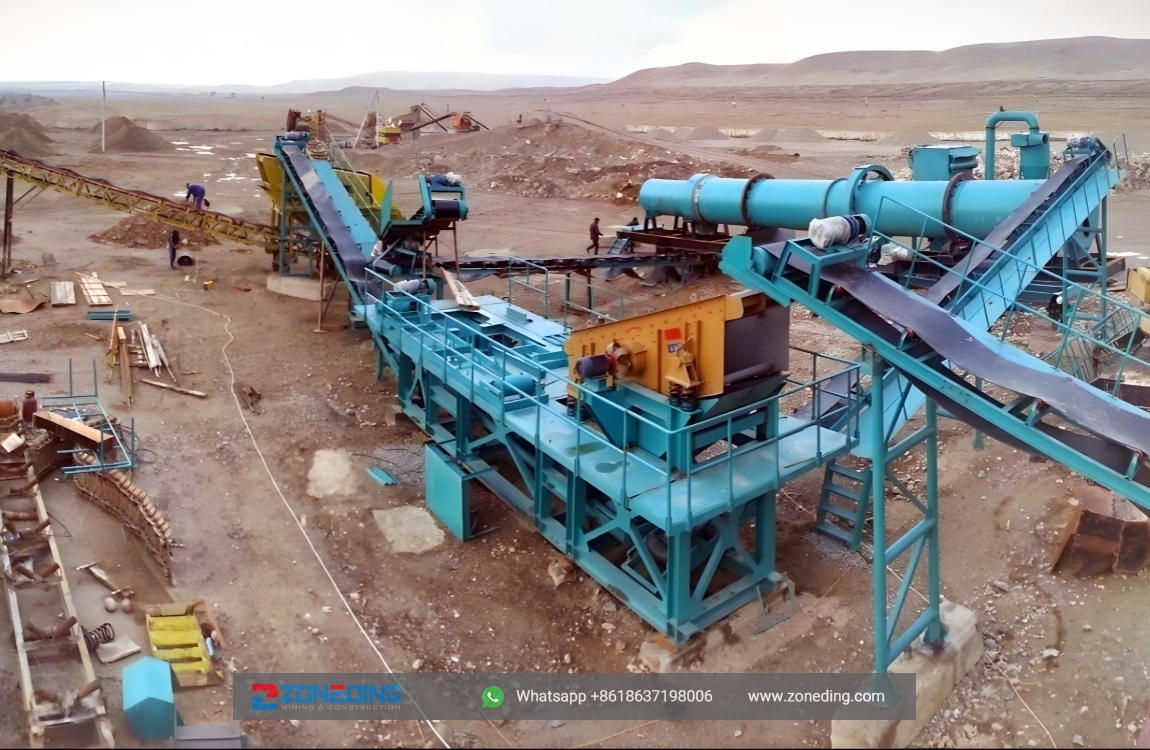
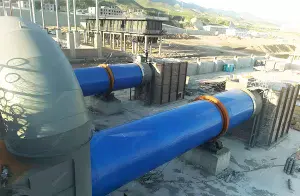
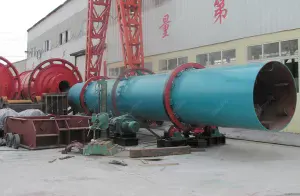
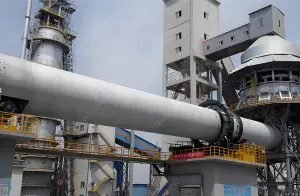
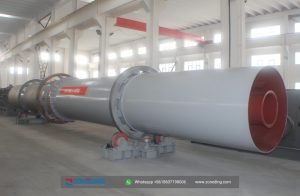
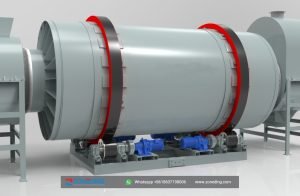
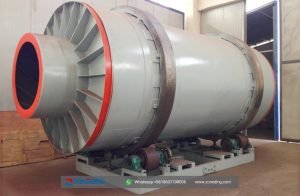
The ore powder dryer is versatile, suitable for drying a range of materials including slag, limestone, clay, and ores. It’s customizable for various industries like cement, mining, and metallurgy, tailored to specific material types and user requirements.
Zoneding Machinery is a specialist in the production of various ore powder dryers, including manganese ore powder dryer, nickel ore powder dryer, as well as for drying powder or particle of cobalt, tin, chromium, gold and mercury, etc. This drying equipment is indispensable in the rare metal ore dressing operation. Zoneding fine ore powder dryer is a new type adopting indirect hot-blast stove technology (electricity as the heat source also available), in case that the fine ore powder is blended in sulphide and its hazardous materials.
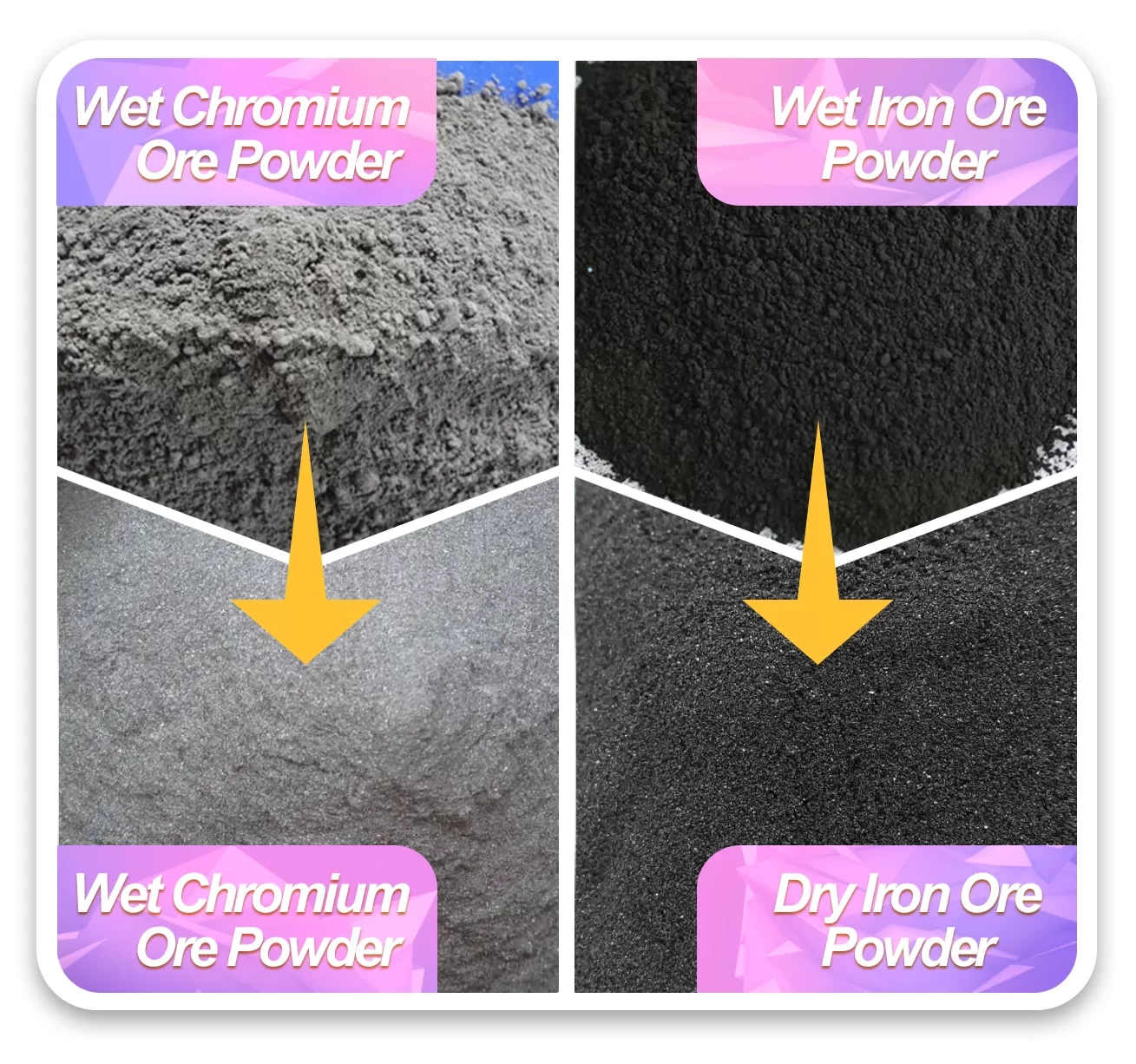
Ore powder, or mineral concentrate, is the result of the initial stages of mining and beneficiation. After the valuable mineral is crushed, ground, and separated from the waste rock (often using a flotation process), the result is a slurry. This slurry is then dewatered, typically with a filter press, to produce a dense, damp material that looks like a mud or cake. This is the ore powder that is ready for drying.
Drying ore powder is a critical step before it can be used in its primary application: smelting. Smelters have very strict moisture content requirements for the feed material. The main applications for dried ore powders are:
A rotary dryer for minerals can be designed to handle a vast range of materials. Some of the most common concentrates we encounter include:
Ore powders have very distinct features that make drying them a unique engineering challenge:
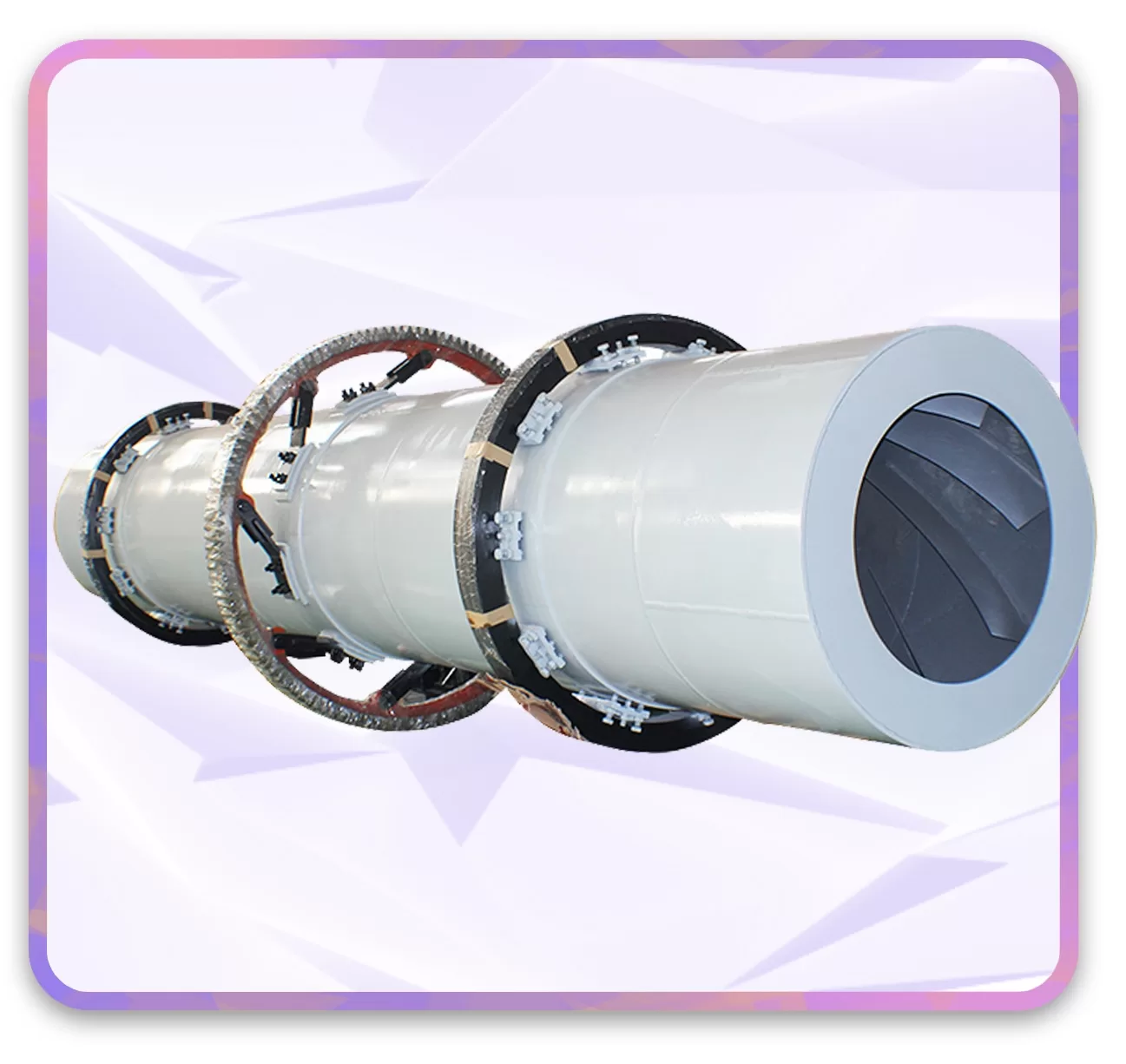
An ore powder dryer is an industrial machine purpose-built to handle the extreme abrasiveness and specific process requirements of mineral concentrates. It is almost always a type of rotary dryer, but one that has been heavily reinforced and specifically designed to withstand the harsh environment. It is not an off-the-shelf piece of equipment; And it is a custom-engineered system.
Investing in a proper ore drying process offers significant financial and operational advantages:
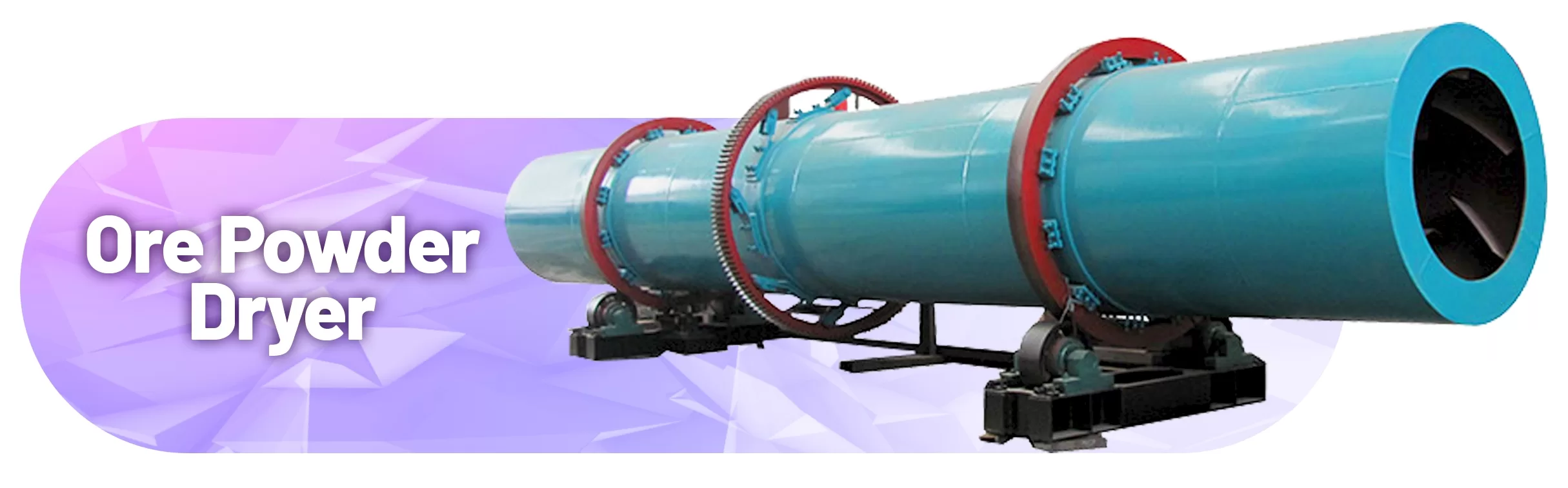
Ore powder dryer or mineral powder dryer is widely used in building materials, metallurgy, mineral processing, chemical industry, cement and other industries, which is mainly used for drying wet and heavy materials such as mineral powder, slag, limestone, clay, sand, quartz sand, grain slag, etc. Zoneding ore powder dryer can also be used for drying metal powder, so it can be called metal powder dryer.
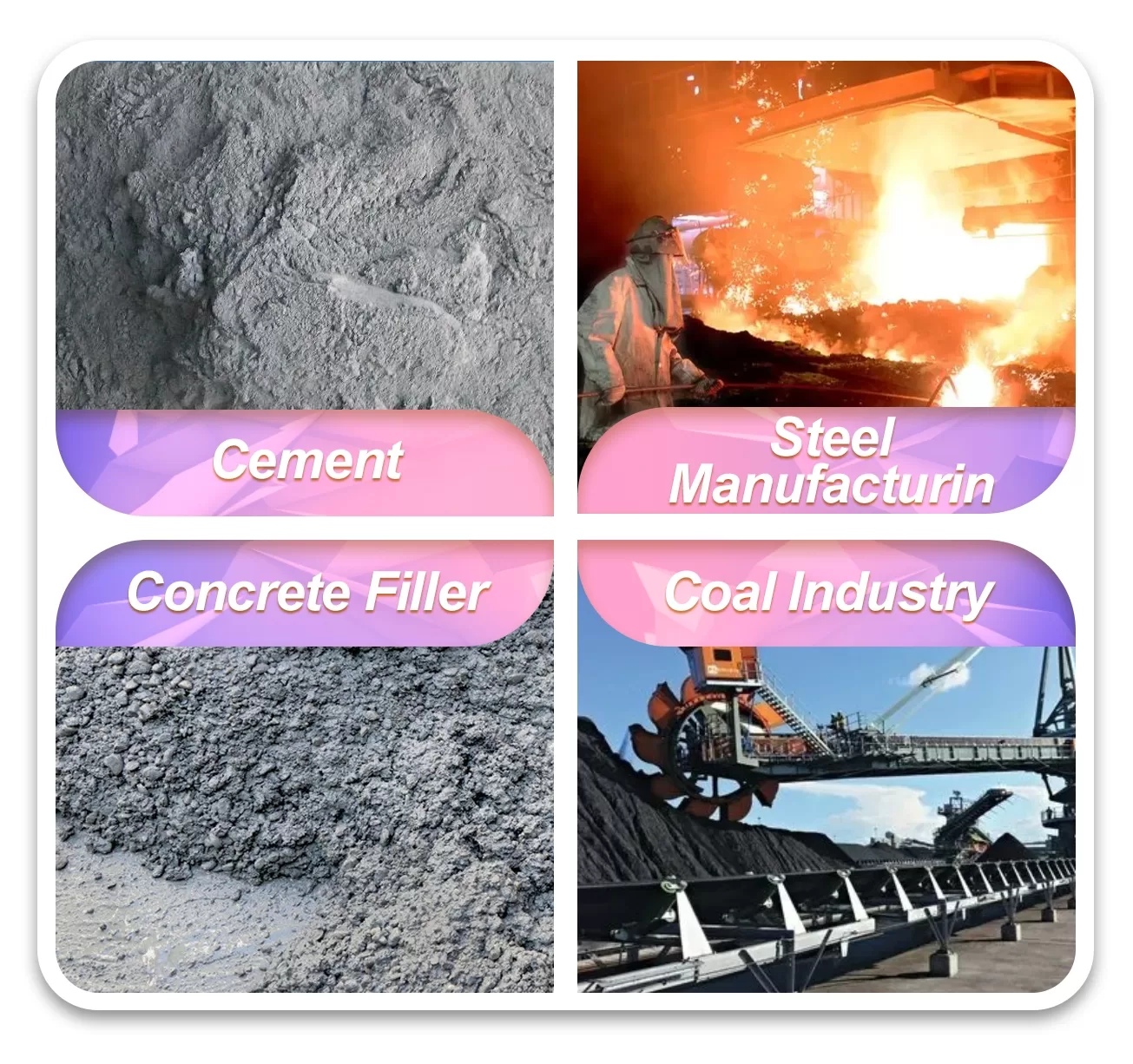
Examples of Ore Powder Applications
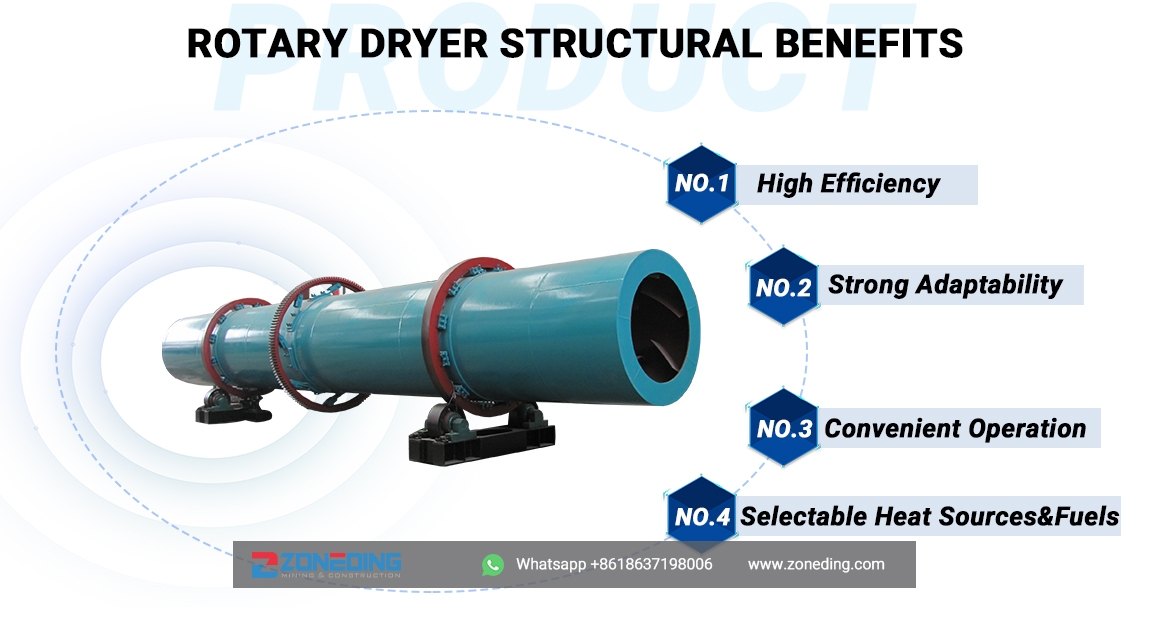
An ore dryer looks simple, but its configuration is dictated by the need to resist wear and tear. You are not buying a dryer; you are buying a consumable machine designed to erode unless you specify the right features. An ore dryer must be treated as a high-wear environment.
This means the configuration must include:
Ore powder drying machine adopts high-temperature and rapid drying technology, which is a successful combination of hot-air slot rotary-plate drying machine and air-flow dryer. Wet powder is thrown up and impacted into pieces by the high-speed rolling blades. Meanwhile, well decentralized powder gets adequate and effective contact with the scorching wind. Thus, the heat transformation is realized. In addition, there is cleaning device on the inner wall of the dryer to clean the lumpy material and those are stuck on the inner wall, which can expeditiously avoid blocking.
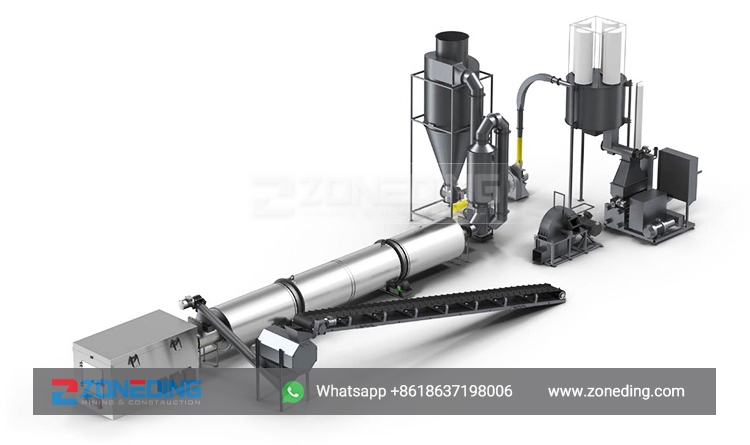
Working Principle of Ore Powder Dryer
The process begins with feeding the ore into the rotating drum. However, many concentrates come as a sticky “filter cake” that cannot be fed directly. For this, a professional system uses a back-mixing system. A portion of the hot, dry powder from the dryer’s discharge is conveyed back and blended with the incoming wet cake. This conditions the feed, breaking up its stickiness and creating a flowable material the dryer can handle.
Once inside, the ore is tumbled by the lifters through a stream of hot gas. But the most important temperature is not the one in the furnace; it is the material discharge temperature. Many sulfide ores (copper, zinc) will oxidize (“roast”) at surprisingly low temperatures, releasing toxic SO₂ and ruining the product. Therefore, the control system must be governed by the product temperature. The system automatically adjusts the burner and feed rate to keep the ore itself at its perfect target temperature as it exits the drum.
A complete ore concentrate dewatering process is a robust, integrated system:
The cost of an industrial ore dryer is significant, typically ranging from $150,000 to over $2,000,000. The price is heavily influenced by three factors:
A low price often means an absence of the critical wear-resistant and safety features needed for long-term, profitable operation.
Choosing the right dryer is an engineering decision. Here are the key questions to ask:
Due to the working environment and often process corrosive materials, ore powder dryer needs good antiseptic protection. Two frequently used methods to protect the drying machine from corrosion.
1. Electrostatic coating. It is a means of spraying a new type powder on the cylinder, which is safer and causes less environmental pollution. This new powder is of the same anticorrosion as stainless steel. Besides, this powder is excellently resisted from outdoor weather and heat. Therefore, stainless steel can be replaced with plain carbon steel in dryer production, which has lower cost.
2. Deactivation and phosphorization. These two methods are grouped as a one-time process through electrical and electrochemical reactions. The stained steel layer can be recovered to its original color. A dense anti-rust layer is formed by phosphorization at the same time. Easy operation and cost savings make this method the most welcome and commonly used one.
Maintenance on an ore powder dryer is all about managing wear. It is a planned and scheduled process.
At ZONEDING, we are a mineral dryer manufacturer that builds machines for the reality of the mining world. We design for durability, not just initial function. Our strengths are:
| Spec./m (Dia.×Length) | Shell Cubage (m³) | Capacity (t/h) | Installation Obliquity(%) | Highest Inlet Air Temperature(℃) | Main Motor (kw) | Weight (t) |
| Φ1.2×8.0 | 9.0 | 1.9~2.4 | 3~5 | 700~800 | 7.5 | 9 |
| Φ1.2×10 | 11.3 | 2.4~3.0 | 3~5 | 700~800 | 7.5 | 11 |
| Φ1.5×12 | 21.2 | 4.5~5.7 | 3~5 | 700~800 | 15 | 18.5 |
| Φ1.5×14 | 24.7 | 5.3~6.6 | 3~5 | 700~800 | 15 | 19.7 |
| Φ1.5×15 | 26.5 | 5.7~7.1 | 3~5 | 700~800 | 15 | 20.5 |
| Φ1.8×12 | 30.5 | 6.5~8.1 | 3~5 | 700~800 | 18.5 | 21.5 |
| Φ1.8×14 | 35.6 | 7.6~9.5 | 3~5 | 700~800 | 18.5 | 23 |
| Φ2.2×12 | 45.6 | 9.7~12.2 | 3~5 | 700~800 | 22 | 33.5 |
| Φ2.2×14 | 53.2 | 11.4~14.2 | 3~5 | 700~800 | 22 | 36 |
| Φ2.2×16 | 60.8 | 13.0~16.2 | 3~5 | 700~800 | 22 | 38 |
| Φ2.4×14 | 63.3 | 13.5~16.9 | 3~5 | 700~800 | 37 | 45 |
| Φ2.4×18 | 81.4 | 17.4~21.7 | 3~5 | 700~800 | 37 | 49 |
| Φ2.4×20 | 90.4 | 19.3~24.1 | 3~5 | 700~800 | 45 | 54 |
| Φ2.4×22 | 99.5 | 21.2~26.5 | 3~5 | 700~800 | 45 | 58 |
| Φ2.6×24 | 127.4 | 27.2~34.0 | 3~5 | 700~800 | 55 | 73 |
| Φ3.0×20 | 141.3 | 30.1~37.7 | 3~5 | 700~800 | 75 | 85 |
| Φ3.0×25 | 176.6 | 37.7~47.1 | 3~5 | 700~800 | 75 | 95 |
| Φ3.2×25 | 201 | 42.9~53.6 | 3~5 | 700~800 | 90 | 110 |
| Φ3.6×28 | 285 | 60.8~76.0 | 3~5 | 700~800 | 160 | 135 |
How do you dry fine ore powder without losing it?
The key is to control the gas velocity inside the dryer drum. A properly designed dryer for fine powders will have a larger diameter to reduce the air speed, allowing the valuable particles to tumble instead of being carried out to the baghouse.
What is the typical rotary dryer fuel consumption for minerals?
Fuel consumption depends on the amount of water being evaporated, but a well-designed direct-fired dryer is very efficient. We typically design for a specific energy consumption rate, often measured in BTUs per pound of water evaporated. Factors like good seals and proper insulation are critical for minimizing fuel use.
Direct vs. indirect heat: which is better for ore?
For most bulk ores like iron, direct heat is the most cost-effective. For high-value, sensitive, or high-purity ores where any contamination or oxidation must be avoided (like some molybdenum or chemical-grade minerals), an indirect dryer is the superior and often necessary choice.
Why is my dried ore clumping together?
Clumping, or agglomeration, is often a sign that you are over-heating the material. The surface of the particles can become partially molten or undergo a chemical change, causing them to stick together. This is a sign that you need to lower your discharge temperature.
Can you use a single dryer for different types of ore?
It is possible but can be difficult. Different ores have different abrasion characteristics, temperature sensitivities, and handling properties. A dryer optimized for an abrasive iron ore might be too aggressive or run too hot for a sensitive copper concentrate. It is always best to design the dryer for the primary material it will process.
 Zoneding Machine