You are asking for the price of a mobile stone crusher, but you feel trapped. You see wildly different numbers online and don’t know why. You need a real budget number, but you are afraid of buying the wrong machine.
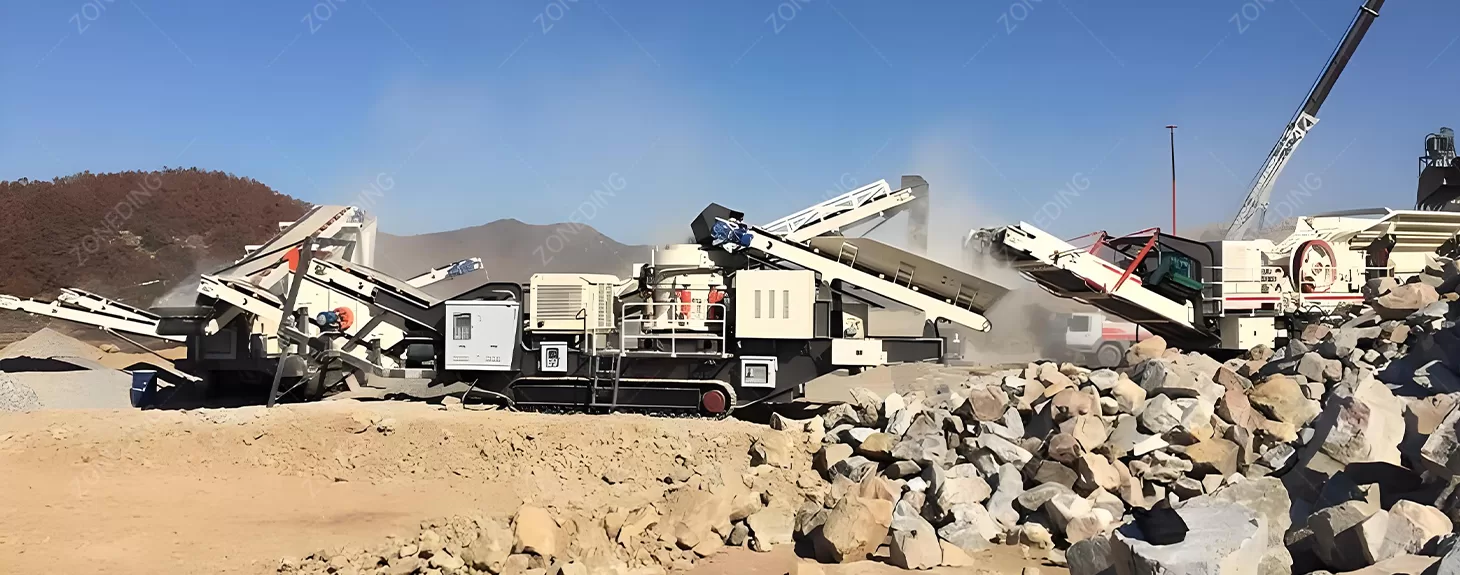
A mobile stone crusher can cost from $100,000 for a small, basic model to over $1,000,000 for a large, high-production plant. The final price is not arbitrary. It is directly determined by seven key decisions about your specific project needs.
I am going to break down the seven factors that actually build the final price tag. As a manufacturer, we see customers make costly mistakes by not understanding these points. By the end of this article, you will be able to define your needs and understand what a realistic budget for your project should be.
You are crushing rock, but what kind of rock and for what purpose? This is the first and most important question. The type of crusher is the core of the machine and the biggest factor in its base price.
Choosing the wrong type is a disaster. It leads to extremely high wear costs, poor product shape, or a machine that simply cannot crush your material.
Crusher Types and Their Impact on Price
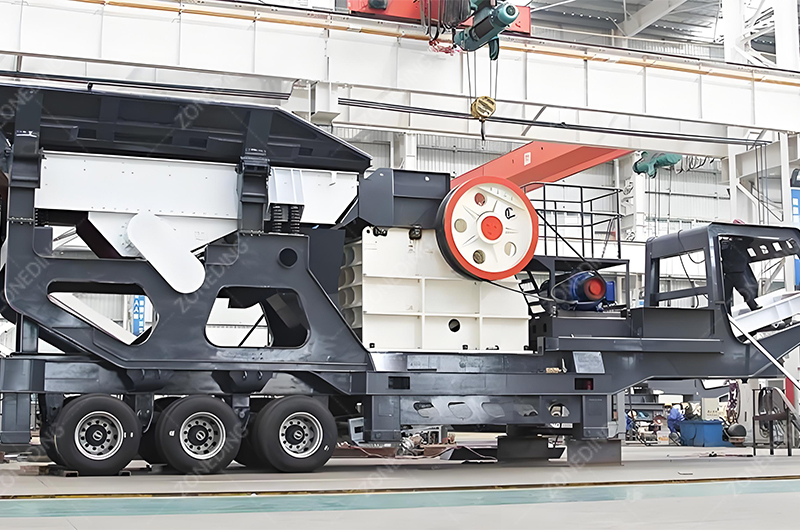
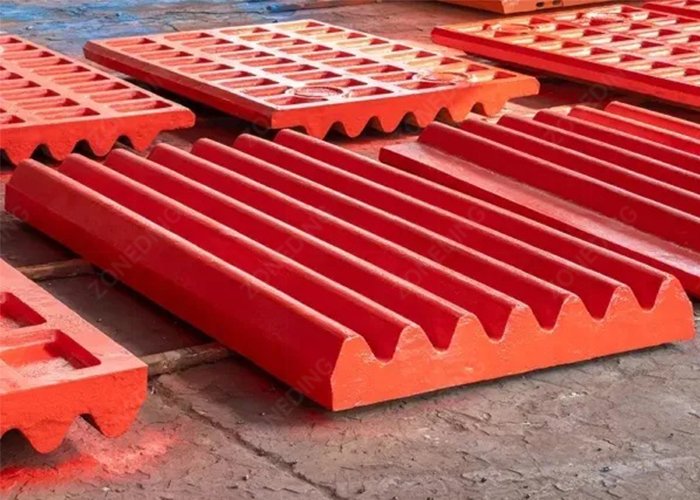
Jaw Crushers: These are the primary workhorses. They use compressive force to break down large, hard materials like granite and basalt straight from the quarry face. Their design is robust and straightforward, setting a baseline price for primary crushers.
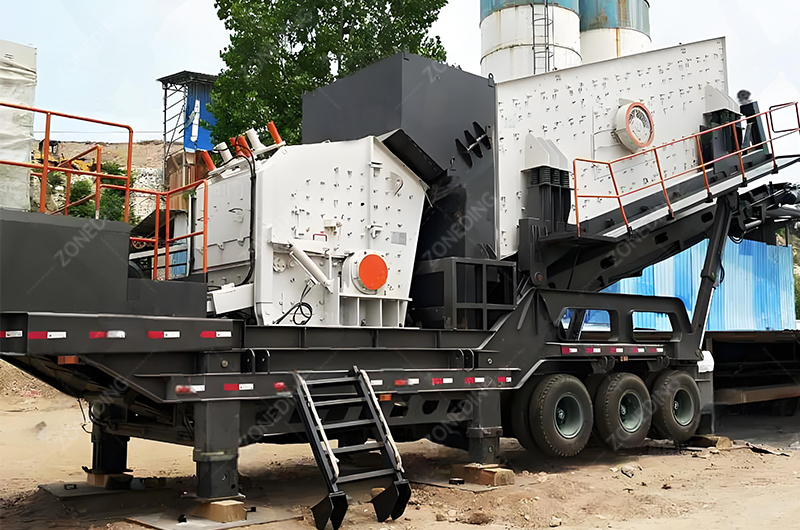
Impact Crushers: These use high-speed impact to shatter material. They are perfect for producing cubical-shaped aggregate from softer limestone or for recycling applications like concrete and asphalt. The internal blow bars wear faster than jaw plates in hard rock, but the machine itself can be priced similarly to a jaw of the same size.
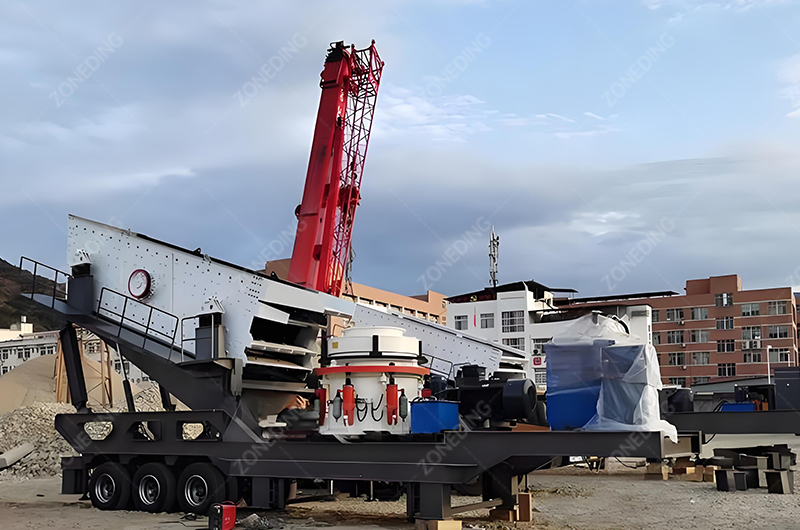
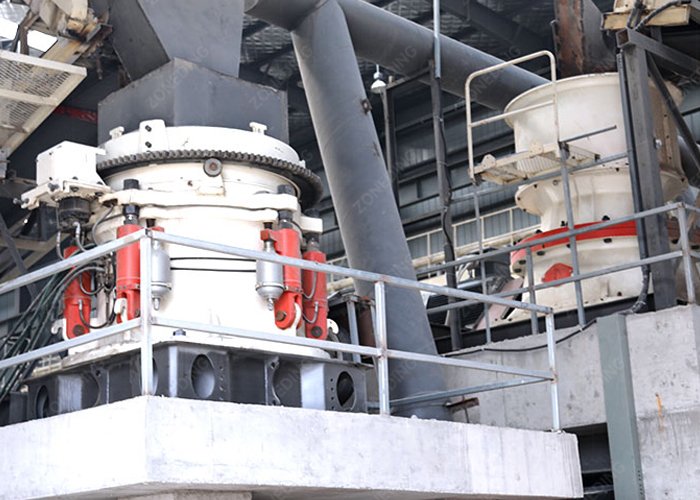
Cone Crushers: These are typically used for secondary or tertiary crushing. They take the smaller rock from a jaw crusher and make it even smaller. They are more complex machines, with sophisticated hydraulic systems for setting adjustment. A mobile cone crusher is almost always more expensive than a mobile jaw or impactor of a similar physical size.
What is my target output in tons per hour (TPH)?
Are you running a small contracting business or supplying a major highway project? Your required production capacity directly determines the physical size of the machine and its price.
A 100 TPH machine is a completely different class of equipment from a 400 TPH machine. The price increases significantly with size because every component—the crusher inlet, the engine, the chassis, the conveyors—must be bigger and stronger.
Higher TPH is not just a bigger number; it’s a step-change in engineering and cost.
How TPH Scales Price
Capacity (TPH)
Machine Class
Price Impact
Common Use
50-150
Compact
Lowest
Small demo sites, landscape supply, tight spaces
150-400
Production
Medium-High
Quarries, medium to large contractors, road building
400-800+
High-Capacity
Highest
Major infrastructure projects, large-scale mining
A 300 TPH jaw crusher needs a much larger and more powerful diesel engine than a 100 TPH model. This engine alone can account for a huge jump in price. The steel frame has to be thicker and heavier. The discharge conveyor has to be wider and longer. Each increase in capacity has a compounding effect on the overall cost.
Should I choose a tracked or wheeled chassis?
How will you move your machine around the job site? The choice between a tracked mobile crusher (crawler) and a wheeled crusher (tyre-mounted) has a major impact on both price and operational flexibility.
Tracked crushers are more expensive but offer superior on-site mobility and faster setup. Wheeled crushers have a lower initial cost and are easier for long-distance road transport, but require more site preparation and have limited mobility on rough terrain.
Your site conditions and business model will determine the right choice.
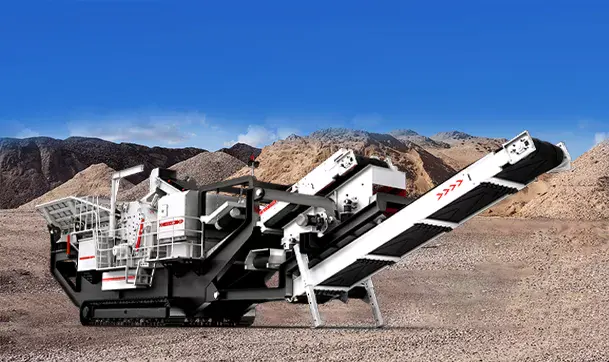
Tracked (Crawler) Mobile Crushers: These are self-propelled on tracks, like an excavator. They can be driven around the site with a remote control. This is ideal for quarries where you need to move the crusher along the quarry face. The complex hydraulic track system adds significant cost but saves huge amounts of time.
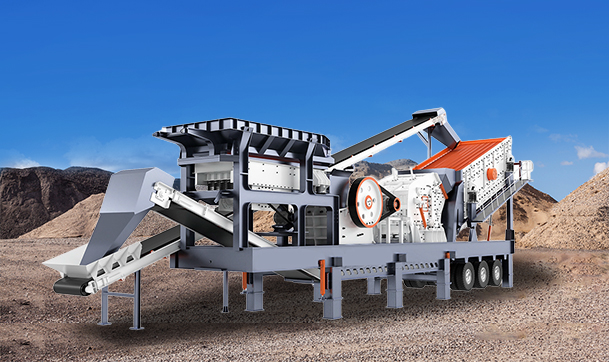
Wheeled (Tyre) Mobile Crushers: These are built on a semi-trailer chassis and are moved by a separate truck tractor. They are less expensive because the chassis is simpler. They are a great choice if your machine will stay in one place for months at a time. The savings in upfront cost can be significant if you do not need daily mobility.
What extra options does my project need?
The price you see advertised is often for a base machine. The final price you pay will include the essential options needed to make your specific product.
Options like a pre-screen, magnetic separator, or a closed-circuit return conveyor are not luxuries; they are essential tools for many applications. Each of these systems adds to the total cost of the mobile crushing station.
It is critical to budget for these from the start.
Common Options and Their Cost Impact
Pre-Screen / Grizzly Feeder: This is a set of vibrating bars that removes dirt and undersized rock before it enters the crusher. This reduces wear on the crusher and can increase total production by 15-20%. A vital, high-value option.
Magnetic Separator: If you are crushing demolition concrete, this is non-negotiable. An overband magnet pulls out rebar and other steel contaminants. A powerful, self-cleaning magnet is a significant but necessary cost.
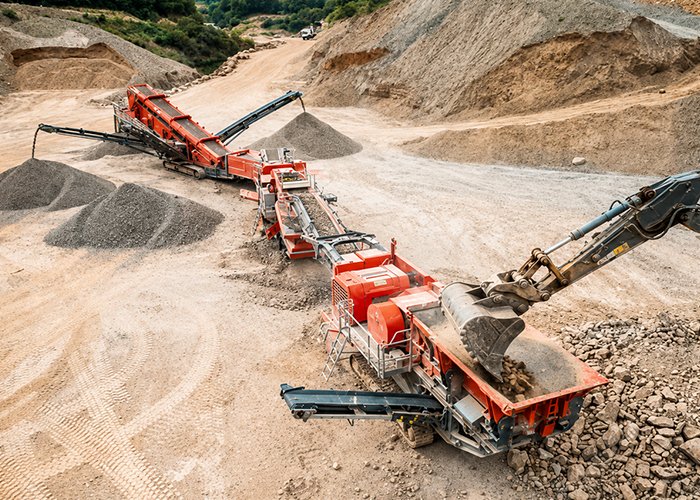
Closed-Circuit System: This includes an onboard vibrating screen and a return conveyor. Any oversized rock from the screen is sent directly back to the crusher’s inlet. This guarantees your final product size. It essentially adds a screening plant to your crusher, significantly increasing the price but creating a complete one-unit solution.
Why do brands have such different prices?
You can find two mobile jaw crushers with the same stated capacity, where one costs three times more than the other. This price difference is not random; it reflects differences in engineering, components, and support.
Premium brands (like Kleemann, Metso) have higher prices due to their investment in R&D, use of high-end components (e.g., CAT/Scania engines), advanced automation, and global service networks. Value-focused manufacturers like us (ZONEDING) offer a lower price by selling factory-direct and using robust, proven designs without the overhead.
Understanding the brand tiers helps you align your budget with your needs.
Tier 1 (Premium Global Brands): Highest initial cost. You are paying for the latest technology, the highest fuel efficiency, and the peace of mind of a massive global support network. This is the lowest-risk option for massive, mission-critical projects.
Tier 2 (Factory-Direct Experts like ZONEDING): This is the value sweet spot. We provide heavy-duty, reliable crushing equipment without the huge brand markup. By working directly with us, the manufacturer, you get a custom-built machine and direct engineering support, achieving a much lower initial cost for a high-quality, durable machine.
Tier 3 (Traders and Regional Brands): Lowest initial price. The risk is in the unknown quality of components, lack of after-sales support, and very low resale value. This can be a trap for first-time buyers.
Diesel, electric, or hybrid drive?
How you power your crusher affects both the initial purchase price and your daily operating costs. This is an increasingly important factor.
Direct diesel-hydraulic drive is the traditional, simplest, and often cheapest option to buy. Diesel-electric or fully electric options have a higher initial price but can dramatically lower your long-term fuel and maintenance costs.
Your choice depends on your long-term business plan.
Direct Diesel-Hydraulic: A diesel engine directly powers the crusher and hydraulic pumps. This is a robust, simple system that is easy to maintain. It has the lowest purchase price.
Diesel-Electric: A diesel engine runs a large generator, which then powers electric motors for the crusher, conveyors, and screens. This is more fuel-efficient (often by 15-30%) and requires less maintenance than a hydraulic system. The initial cost is higher.
Fully Electric (Grid-Powered): If your crusher will be in a fixed location with access to grid power, an electric motor is the best choice. It has the lowest operating cost and is quiet and emission-free. It requires you to run power to the site.
What “hidden” costs must I consider beyond the purchase price?
The real cost of owning a mobile stone crusher is not the price you pay upfront. It is the Total Cost of Ownership (TCO) over its entire life. A cheap machine can be the most expensive one to own.
You must calculate your cost per ton to produce. This means factoring in daily fuel consumption and the cost and lifespan of wear parts (jaw plates, blow bars, mantles). A cheap machine that burns more fuel and needs new wear parts every month will destroy your profit.
Before you buy, ask the manufacturer these questions:
What is the expected fuel consumption in liters or gallons per hour under a full load?
What is the expected lifespan (in operating hours or tons produced) for the main wear parts (e.g., jaw plates) when crushing my specific type of rock?
What is the cost of a full set of replacement wear parts?
A manufacturer who can give you clear, confident answers to these questions is one you can trust.
Conclusion
The price of a mobile stone crusher is a direct result of the choices you make. Instead of asking for a price, define your needs first: type, capacity, mobility, options, and power source. Then, you can find the right partner to build the right machine for you.
Many quarry operators spend months comparing crusher models, motor power, and production capacity. However, very few spend the same amount of time evaluating the jaw plates that actually perform the crushing. That oversight can become surprisingly...
Building a high-recovery gold ore processing plant development project requires a very clear plan. The process starts with the rock and ends with pure gold. Most projects fail because the machinery does not match the mineral type. High recovery ra...
We use cookies to ensure that we give you the best experience on our website. If you continue to use this site we will assume that you are happy with it.
Privacy Policy
Send us a message
We would love to hear from you
Submit your question and our team will respond to the email provided as soon as possible.
 Zoneding Machine