You are looking for a list of the “best” mobile crushers for sale, but the truth is, a simple ranked list is a trap. The “best” machine for crushing concrete will destroy your profits in a hard rock quarry.
The “best” mobile crusher for 2025 is not a specific model. It is the machine that is perfectly matched to your material, your production goals, and your business model. The right choice is about application, not a ranking.
Investing in a mobile crushing plant is a major capital decision. A mistake can cost you millions, not just in the purchase price, but in lost production, high maintenance costs, and a final product nobody wants to buy. Forget the generic “best of” lists. I am going to walk you through a decision framework that a seasoned industry professional uses. We will categorize machines by the job they were built to do, so you can find the right tool for your specific project.
Is my material hard granite or rebar-filled concrete?
This is the first and most important question. If you get this wrong, nothing else matters. The type of material you crush fundamentally dictates the type of crusher you need.
You cannot use the same machine for every job. Hard, abrasive rock like granite requires a jaw crusher and a cone crusher. Softer materials or recycling applications need the specific product shape from an impact crusher.
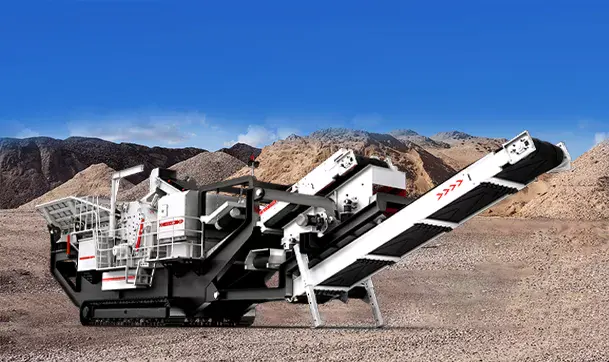
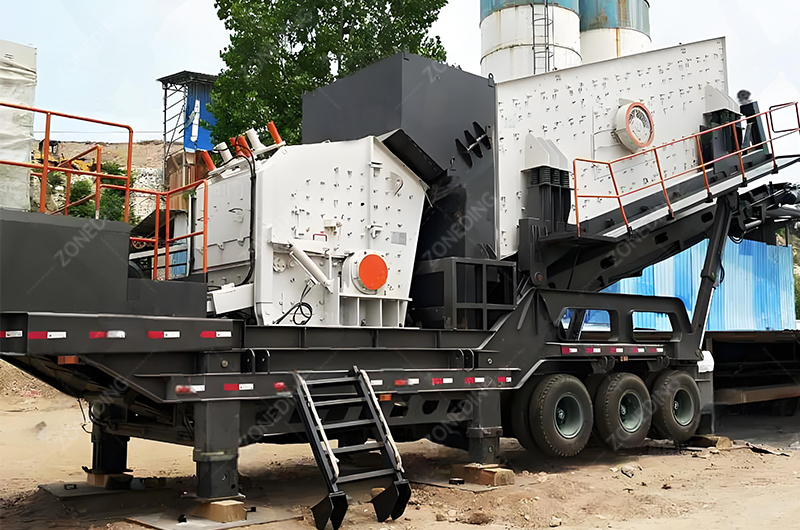
ZONEDING mobile impact crusher
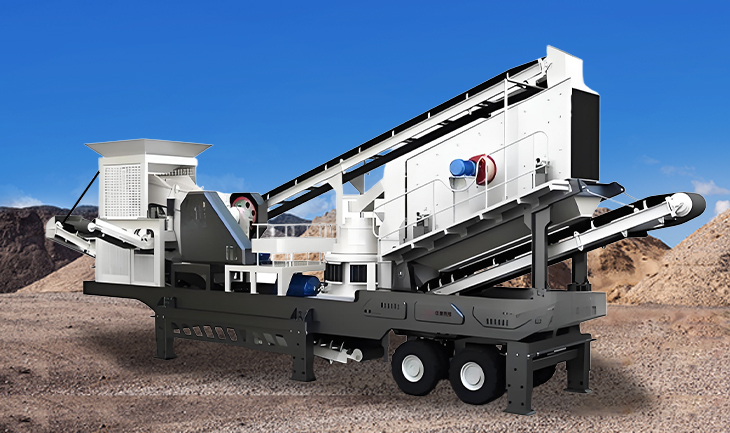
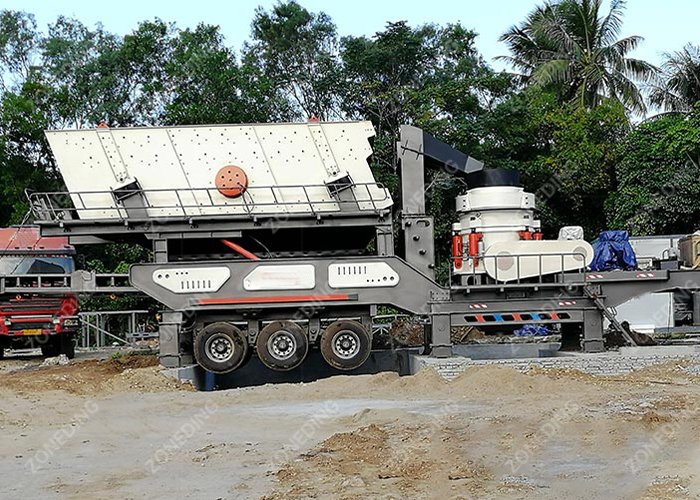
ZONEDING mobile cone crusher
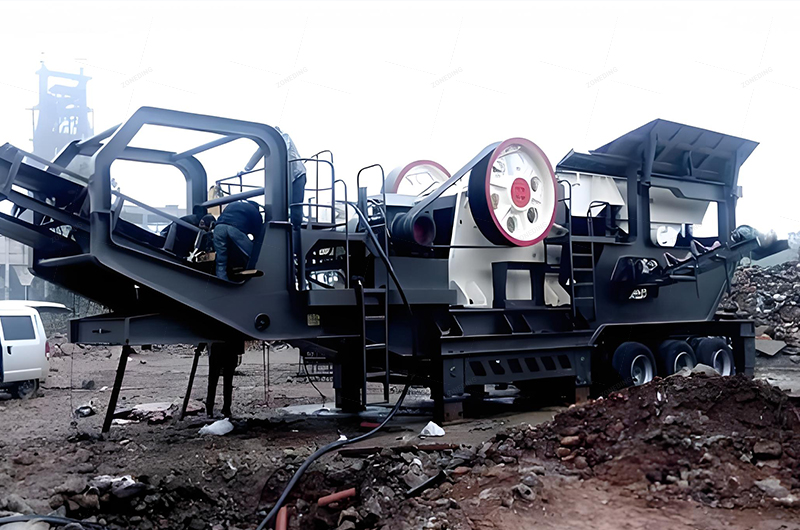
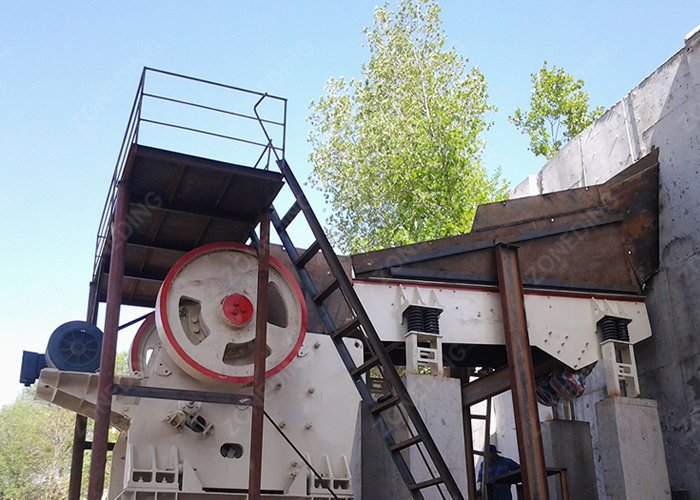
ZONEDING mobile impact crusher
The Fundamental Choice
Material Type
Primary Crusher Choice
Secondary Crusher Choice
Why?
Hard, Abrasive Rock (Granite, Basalt, River Stone)
Jaws use compression, which is ideal for hard materials. Cones are the only way to efficiently create shaped aggregate from hard rock. Using an impactor here would result in catastrophic wear costs.
Recycling & Soft Rock (Concrete, Asphalt, Limestone)
Impactors produce a superior, more cubical product shape, which is often required for recycled aggregate. They are also better at handling contaminants like rebar.
For hard rock quarries, which mobile jaw + cone combos are the performance kings?
In a quarry, uptime is everything. Every hour the machine isn’t running, you are losing thousands of dollars. The top manufacturers for this segment compete on reliability, fuel efficiency, and intelligent systems that maximize real-world throughput.
For high-production hard rock applications, system-focused machines from brands like Kleemann, Metso, and Sandvik lead the market. They sell a predictable production system, not just a crusher, focusing on technology that lowers your cost-per-ton.
These machines represent the top tier of investment but deliver proven performance.
Kleemann MOBICAT Jaw + MOBICONE Cone: This is the engineer’s choice. Kleemann machines are designed to work as a linked, highly automated system. Their Continuous Feed System (CFS) ensures the crusher is always choke-fed, boosting real output by up to 15% and saving fuel.
Metso Lokotrack Jaw + Cone: Metso is the benchmark for reliability and global support. Their machines are built to withstand the toughest conditions. The “E” hybrid models can run on their diesel generator or be plugged into the grid, offering huge operational flexibility and cost savings.
Sandvik Jaw + Cone: Sandvik excels in automation and data. Their telematics systems provide real-time data on everything from wear part life to fuel burn. This allows you to manage your fleet like a high-tech operation, predicting maintenance and optimizing performance.
For recycling and aggregate, which impact crushers are the workhorses?
Contractors and recycling operations need versatility, toughness, and ease of use. The machines need to handle a mix of materials, including rebar, wire, and dirt, and be simple enough for various crews to operate effectively.
For recycling and general contracting, robust and versatile impact crushers like the Powerscreen Trakpactor or heavy-duty jaw crushers like the McCloskey J45 are praised for their reliability, simple operation, and ability to handle difficult feed material.
These brands are dominant in the contractor space for good reason.
Powerscreen Trakpactor Series: These are legendary for their toughness and high resale value. They are straightforward to operate and maintain. Their hydraulic release system is excellent at allowing uncrushable objects (like large steel pieces) to pass through without causing major damage, which is critical in recycling.
McCloskey J-Series Jaws: While a jaw crusher, McCloskey’s heavy-duty design makes them a favorite for contractors who face a mix of materials. They are known for having larger feed openings and deeper crusher boxes than competitors, allowing them to swallow larger, more awkward material without pre-processing.
In 2025, why are hybrid drives and smart controls standard?
You see “diesel-electric hybrid” and “advanced telematics” on brochures. These are not gimmicks. In 2025, these technologies are becoming standard on premium machines because they directly address your biggest operating costs: fuel and downtime.
Hybrid drives and smart control systems are no longer just features; they are essential tools for profitability. They can reduce fuel consumption by 15-30% and use automation to increase consistent throughput, directly lowering your cost to produce each ton of material.
Investing in this technology pays for itself.
Hybrid Drives: A diesel engine runs a generator, which powers electric motors for the crusher and conveyors. This is far more efficient than complex hydraulic systems. It means lower fuel bills, less maintenance, and quieter operation.
Smart Controls & Telematics: The machine’s computer automatically adjusts feed rates to prevent choking and maximize output. It also allows you to remotely monitor production, fuel usage, and maintenance needs from your phone or computer, giving you total control over your operation.
How will transport, setup speed, and wear parts affect my profit?
The sticker price is only the beginning of the story. The true cost of owning a mobile stone crusher is revealed in its day-to-day operation. Three “hidden” costs can destroy your profitability if you ignore them.
Your final profit is heavily impacted by the crusher’s transport weight and dimensions, the time it takes to set up and tear down, and the cost and lifespan of your wear parts. A machine that is cheap to buy but expensive to move and maintain is a bad investment.
Before you buy, you must ask these questions:
Transport: Does the machine require special permits to move on the road? What is the total transport weight and length?
Setup Time: How long does it take one person to get the machine from the trailer to crushing material? For contractors moving between jobs, every hour saved is money earned.
Wear Parts: What is the cost of a new set of jaw plates or blow bars? More importantly, what is the expected lifespan of those parts when crushing your specific material? A manufacturer should be able to give you a realistic estimate.
How should I choose between big brands and high-value brands?
You will see a huge price difference between the established global brands and other manufacturers. This reflects different business models, and the right choice depends on your own company’s strengths.
Top-tier brands offer cutting-edge tech and global support at a premium price. High-value, factory-direct manufacturers like us at ZONEDING offer robust, proven crushing equipment at a significantly lower price by eliminating brand markup and dealer overhead.
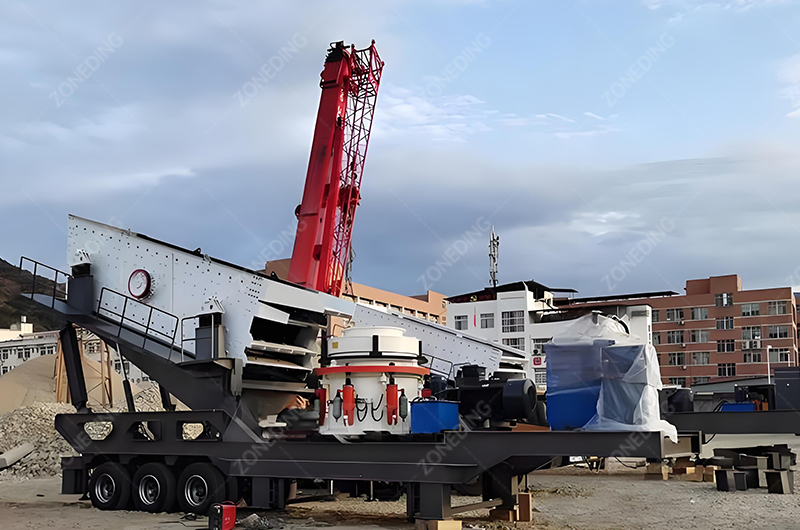
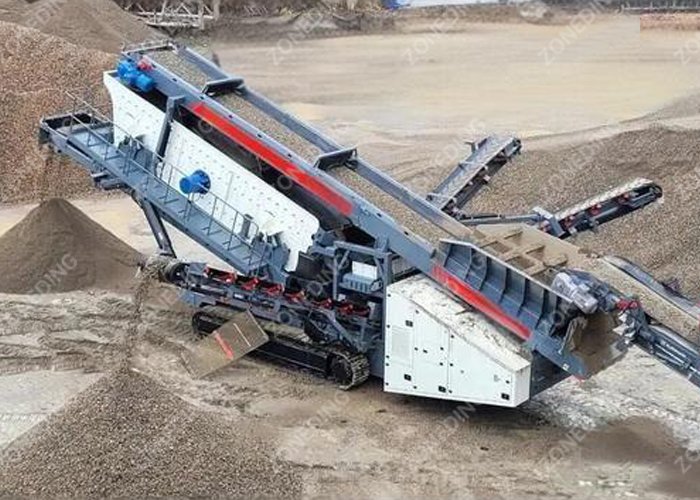
ZONEDING Mobile crushing and screening station
Understanding the tiers helps you make a smart investment.
Tier 1 (e.g., Metso, Sandvik, Kleemann): Highest initial cost. You get the latest technology and a global service network. This is the lowest-risk choice for huge companies.
Tier 2 (e.g., Powerscreen, McCloskey): Strong contractor focus. Excellent balance of performance, durability, and value.
Tier 3 (Factory-Direct Experts like ZONEDING): This is the sweet spot for maximizing your return on investment. You get a heavy-duty, reliable tracked jaw crusher or tracked impact crusher without paying for brand overhead. This is the smart choice for experienced owner-operators and companies with strong in-house maintenance who want the best possible machine for their capital.
What checklist do I need before I call a manufacturer?
To get an accurate recommendation and a price that means something, you must do your homework. Walking into a conversation prepared will save you time and help you get the right machine.
Do not ask for a price without providing your project details. A professional manufacturer will always ask you about your application first. Prepare a clear list of your requirements to get a useful and accurate solution.
Here is what you need to have ready:
Material: What exactly are you crushing? (e.g., Granite, Limestone, C&D Concrete)
Material Hardness: If you know the Mohs hardness or Compressive Strength (MPa), that is even better.
Maximum Feed Size: What is the largest-sized rock or piece of concrete you will feed into the machine?
Final Product Sizes: What are the finished product sizes you need to make? (e.g., 0-40mm sub-base)
Required Capacity: How many tons per hour (TPH) do you need to produce?
Site Conditions: Will you be working in a wide-open quarry or a tight urban space?
Conclusion
Forget searching for the “9 Best Mobile Crushers.” Instead, focus on finding the single best crusher for your job. Define your material, your production goals, and your budget. Then, find a manufacturing partner who listens to your needs and can provide the right tool to make you money.
Many mobile screening plants fail to reach their real production potential because of poor feeding, screen blockage, unstable material flow, and incorrect equipment setup. In most quarry and recycling operations, improving screening efficiency doe...
A jaw crusher is the heavy-duty gatekeeper of most mining and aggregate production lines. This primary rock crusher uses high pressure to break large boulders into smaller, manageable pieces. It is the first machine in a crushing plant. Most opera...
For many mining companies, iron ore tailings are considered a waste problem. However, rising environmental regulations and increasing demand for construction materials have changed the situation. Today, many mines are discovering that: Iron ore ta...
We use cookies to ensure that we give you the best experience on our website. If you continue to use this site we will assume that you are happy with it.
Privacy Policy
Send us a message
We would love to hear from you
Submit your question and our team will respond to the email provided as soon as possible.
 Zoneding Machine