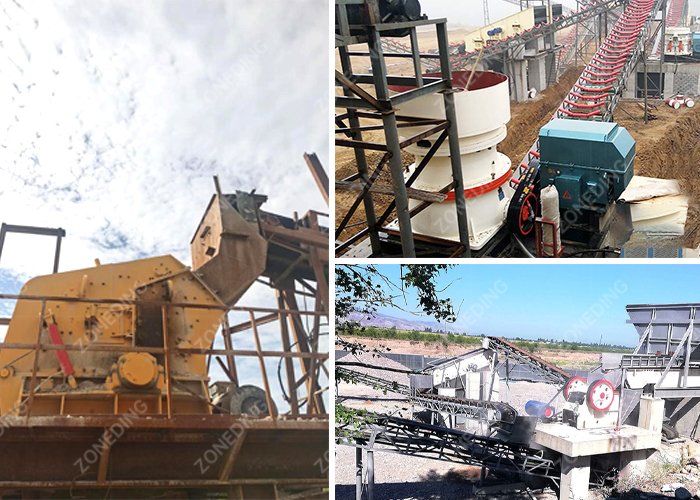
The cost of a stone crusher plant in 2026 can range from $50,000 to more than $1.5 million depending on capacity, rock type, equipment configuration, automation level, and mobility requirements. Many first-time buyers only compare crusher prices, but experienced quarry operators focus on long-term cost per ton instead.
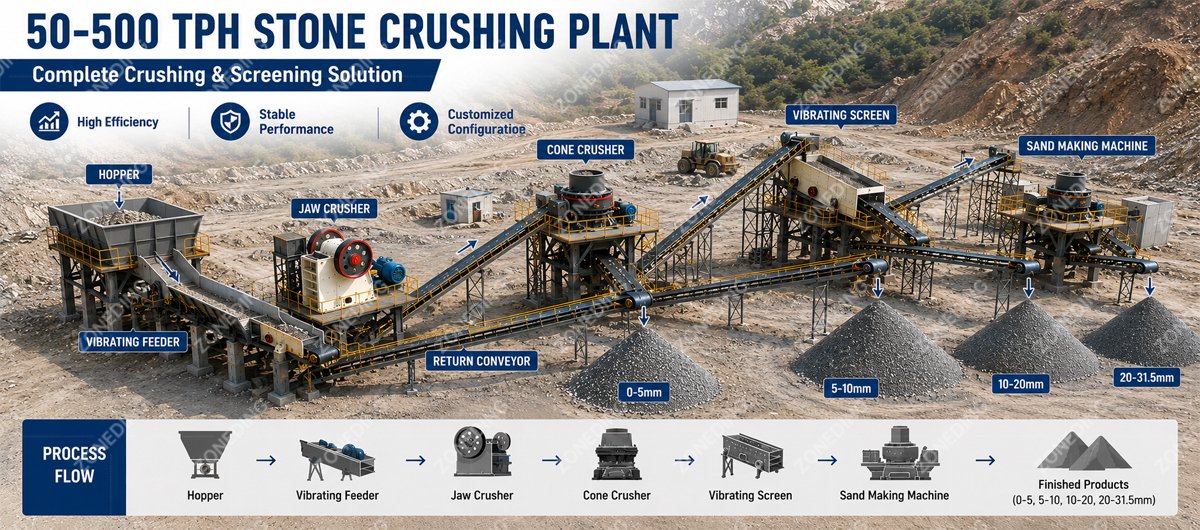
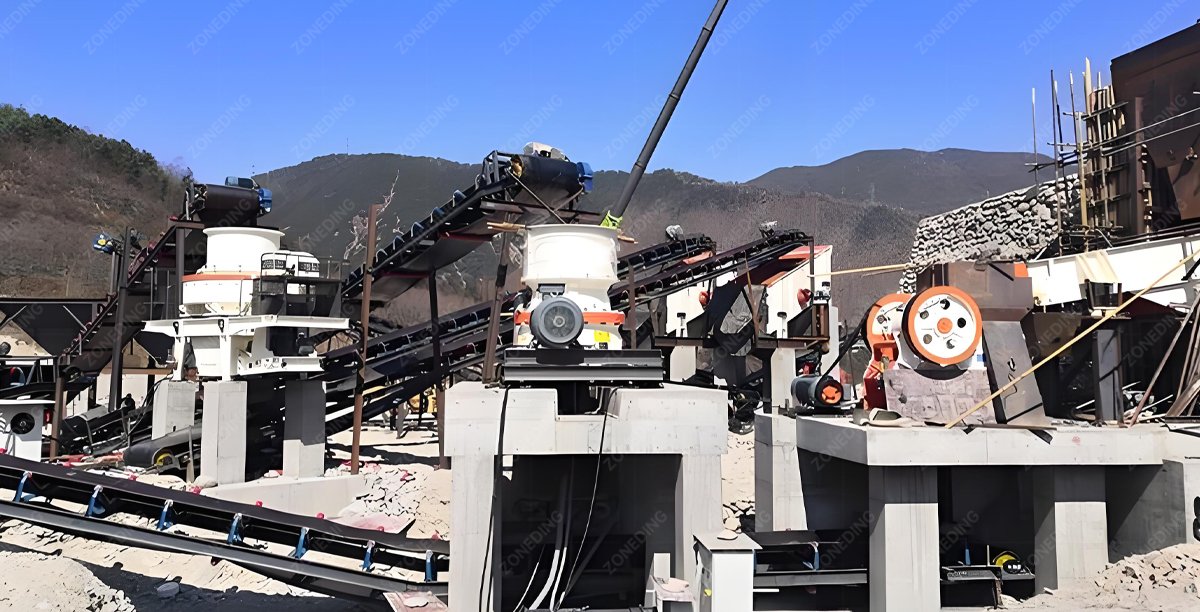
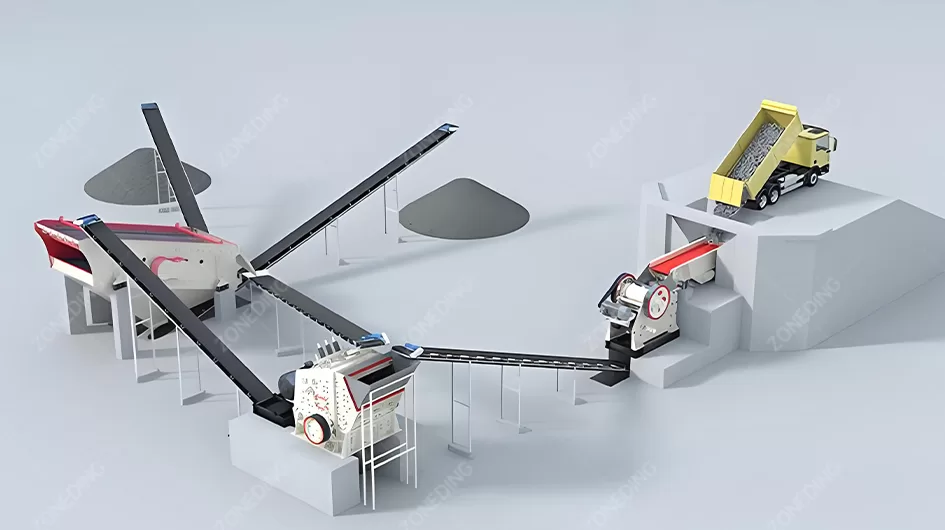
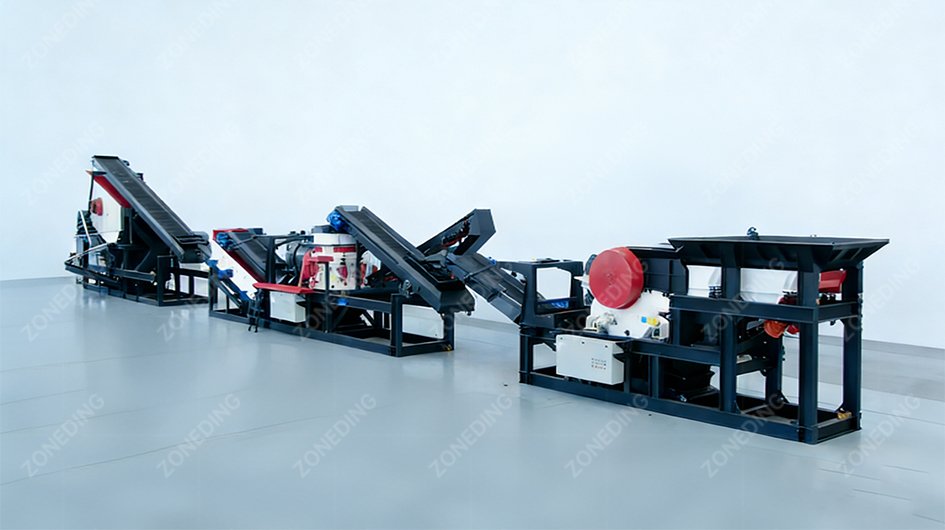
A complete stone crusher plant usually includes feeders, crushers, vibrating screens, conveyors, electrical systems, and steel structures.
Many buyers become confused because supplier quotations vary greatly. Some quotations only include the main crusher. Others include a complete turnkey production line with installation and automation systems.
Additional systems like dust suppression, PLC automation, and washing circuits can increase total investment significantly.
Why Complete Plant Pricing Varies So Much
Two crusher plants with the same 300 TPH capacity can have very different prices.
The main reasons include:
Rock hardness
Finished product requirements
Automation level
Environmental systems
Mobility requirements
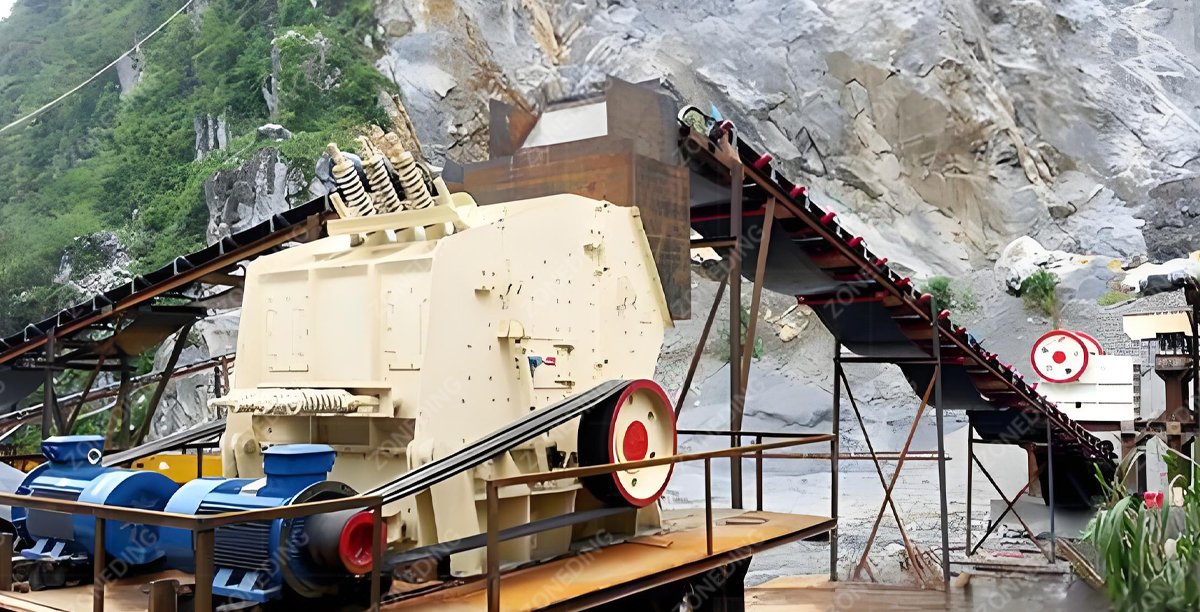
For example, a limestone plant using an Impact Crusher usually costs less than a granite crushing line using cone crushers because hard rock requires stronger equipment and higher wear resistance.
Plant Component
Basic Plant
Advanced Plant
Cost Impact
Crusher System
Standard setup
Heavy-duty system
High
Vibrating Screens
Single deck
Multi-deck anti-clogging
Medium to high
Electrical System
Manual controls
PLC automation
Medium
Dust Control
Basic
Full environmental system
Medium
Practical Investment Tips
For small quarries: Avoid oversized equipment.
For hard rock: Focus on wear-resistant components.
For long-term ROI: Compare total operating cost, not only purchase price.
How Much Does a 50 TPH Stone Crusher Plant Cost?
A 50-80 TPH stone crusher plant usually costs between $50,000 and $150,000 depending on configuration and material type.
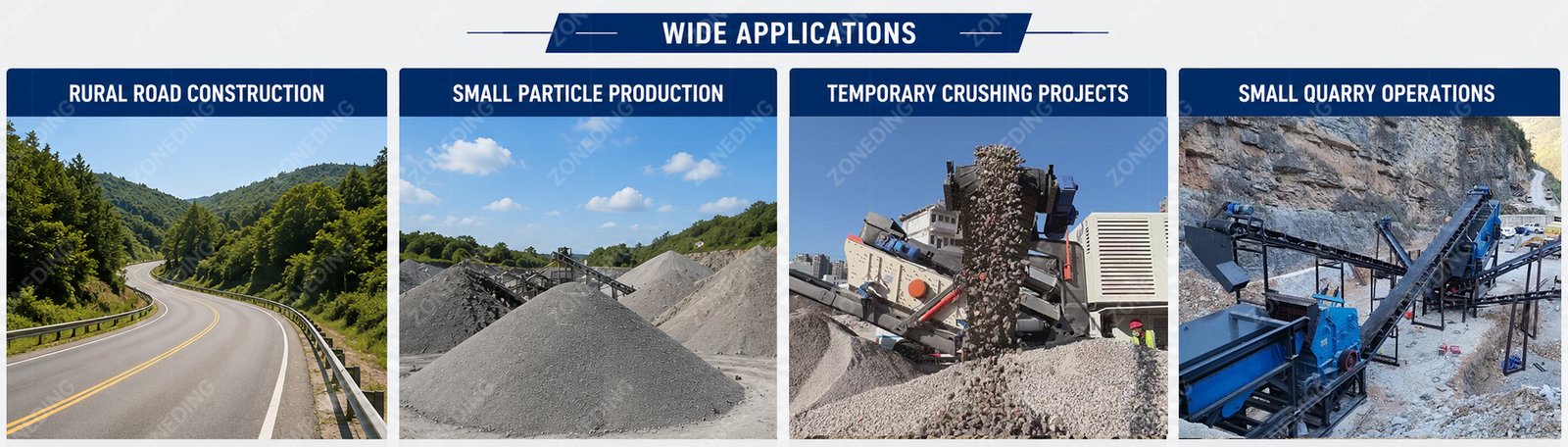
These smaller plants are commonly used for:
Rural road construction
Small aggregate production
Temporary crushing projects
Small quarry operations
Most 50 TPH plants use a simple crushing setup with a Jaw Crusher and small screening system.
Soft limestone applications generally require lower investment because wear rates stay relatively low and energy consumption remains manageable.
What Affects Small Plant Pricing?
The biggest price factors include:
Material hardness
Final aggregate size
Steel structure complexity
Electrical configuration
Dust suppression requirements
A simple manual-operation plant costs far less than a fully automated crushing system.
Capacity
Typical Price Range
Common Application
Mobility Option
50-80 TPH
$50,000-$150,000
Small quarry
Optional
80-100 TPH
$80,000-$200,000
Aggregate supply
Common
Practical Small Plant Suggestions
For limited budgets: Start with a scalable layout.
For softer rock: Use impact crushing to reduce investment.
For short-term projects: Consider mobile equipment.
What Is the Price of a 100 TPH Crusher Plant?
A 100-150 TPH crusher plant usually costs between $100,000 and $250,000 depending on equipment selection and automation level.
This capacity range is very popular in medium-sized aggregate operations because it balances investment cost and production capability well.
Most 100 TPH aggregate plants combine:
Primary jaw crushing
Secondary crushing
Multi-layer screening
Conveyor systems
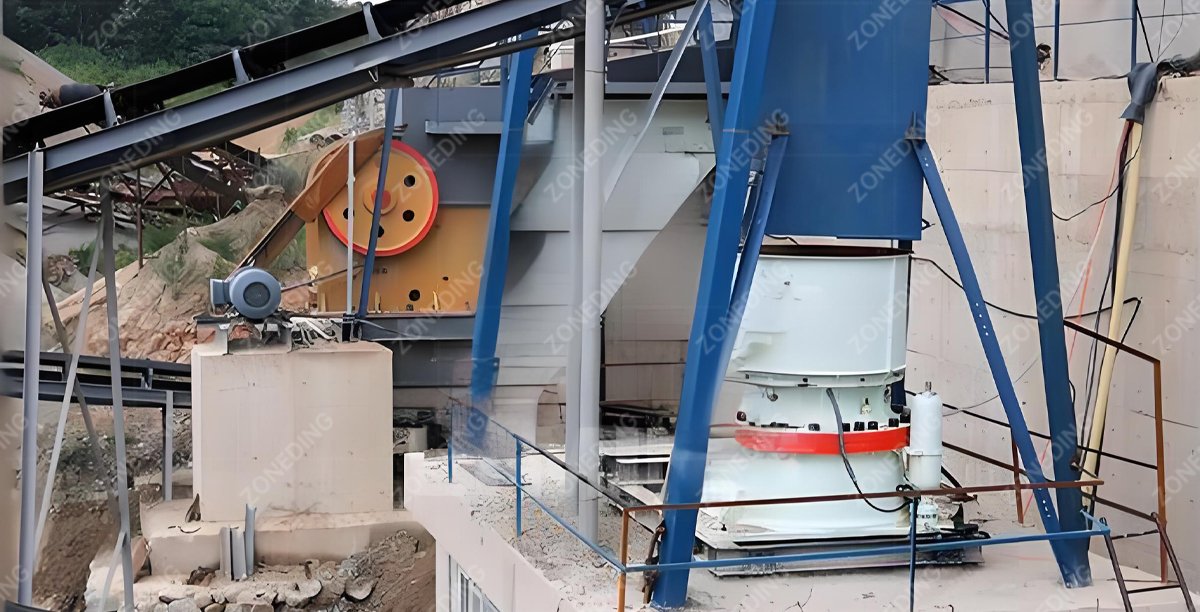
Many operators choose a Cone Crusher for secondary crushing in hard rock applications because cone crushers improve aggregate shape and reduce long-term wear cost.
Why Hard Rock Plants Cost More
Limestone plants are usually cheaper because they require:
Lower motor power
Simpler wear protection
Less structural reinforcement
Granite and basalt plants require:
Heavy-duty liners
Higher horsepower
Stronger steel frames
More advanced screening systems
Jaw + Impact Crusher
Jaw + Cone Crusher
Jaw + Cone + VSI
Rock Type
Typical Setup
Wear Cost
Investment Level
Limestone
Jaw + Impact
Lower
Lower
Granite
Jaw + Cone
Higher
Higher
Basalt
Jaw + Cone + VSI
Very high
Premium
Practical 100 TPH Investment Tips
For granite crushing: Invest in quality liners early.
For aggregate shaping: Add screening optimization.
For stable ROI: Match plant size with real market demand.
How Much Does a 200-300 TPH Aggregate Crushing Plant Cost?
A 200-300 TPH aggregate crushing plant typically costs between $250,000 and $600,000.
This capacity range is common in commercial quarry operations supplying concrete plants, highway projects, and infrastructure construction.
A typical setup may include:
Heavy-duty jaw crusher
Secondary cone crusher
Multiple vibrating screens
Long conveyor systems
Central electrical controls
Many operators integrate a high-capacity Vibrating Screen because screening efficiency directly affects finished aggregate quality and usable production output.
Screening Systems Quietly Increase Plant Cost
Many buyers focus only on crushers. But advanced screening systems can represent 20% to 30% of total project cost.
High-capacity screens become expensive when requiring:
Multiple finished product sizes
Anti-clogging systems
Wet material handling
High screening accuracy
Poor screening efficiency also reduces long-term profitability because it creates recirculation overload and low-quality aggregates.
Plant Area
Typical Cost Share
Main Cost Driver
Profit Impact
Crushers
High
Hard rock crushing
Wear cost
Screens
Medium to high
Product accuracy
Aggregate quality
Conveyors
Medium
Layout complexity
Material flow
Electrical System
Medium
Automation level
Labor reduction
Practical Mid-Size Plant Suggestions
For wet material: Add anti-clogging screens.
For better aggregate quality: Improve screening precision.
For lower maintenance: Avoid overloaded conveyors.
What Is the Investment for a 300-500 TPH Stone Crushing Line?
Large 300-500 TPH crushing plants usually require $600,000 to over $1.5 million in total investment.
These plants are commonly used in:
Large commercial quarries
Mining operations
Highway infrastructure projects
Export aggregate production
Most large plants use a combination of heavy-duty crushers, advanced automation systems, environmental controls, and high-capacity stockpile handling systems.
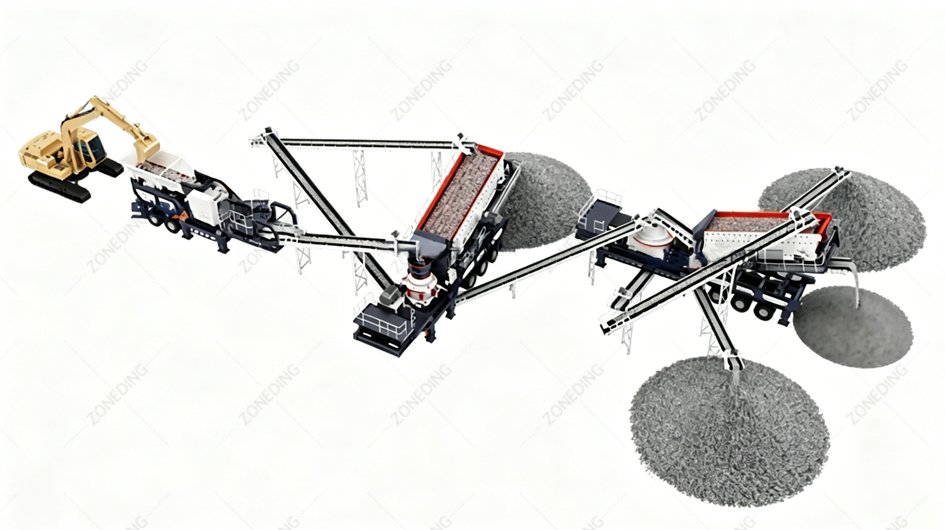
Many operators now combine a Mobile Stone Crusher with fixed screening systems to improve site flexibility and reduce hauling distance.
Hidden Costs Become Much More Important
Large crushing plants involve major hidden expenses such as:
Civil foundations
Retaining walls
Electrical substations
Dust suppression systems
Truck access roads
Water recycling systems
In some countries, civil work alone may equal 30% to 50% of equipment cost.
Large Plant Cost Area
Cost Level
Hidden Risk
Long-Term Impact
Civil Work
Very high
Poor soil conditions
Delays
Power Supply
High
Remote locations
Operating cost
Environmental Systems
Increasing
Permit compliance
Production stability
Automation
Medium to high
Complex maintenance
Lower labor cost
Practical Large Plant Investment Tips
For remote areas: Evaluate power supply carefully.
For environmental compliance: Install dust suppression early.
For stable utilization: Avoid oversizing production capacity.
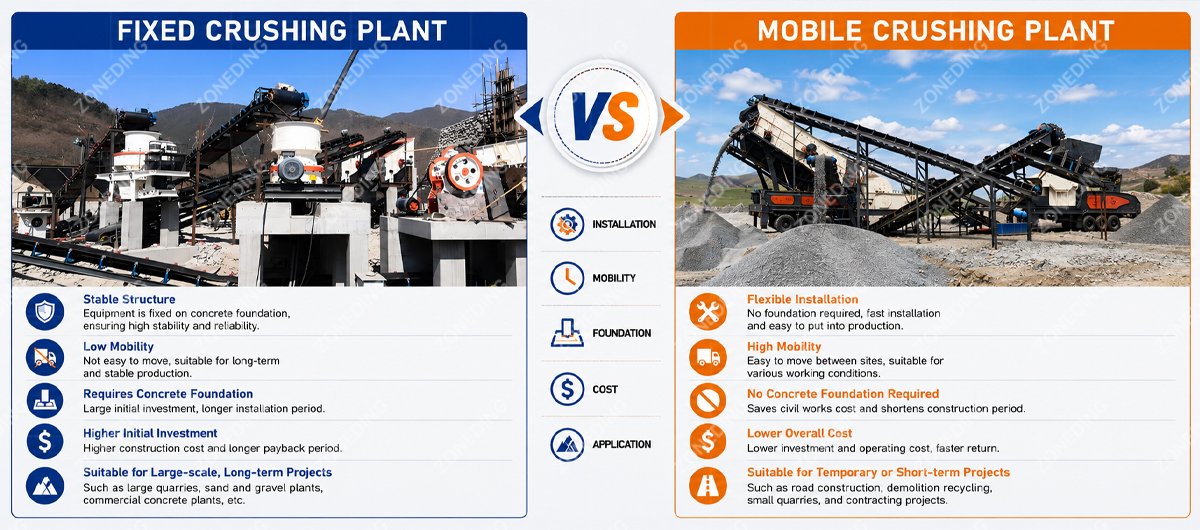
Mobile vs Stationary Crusher Plant: Which Is Cheaper?
Stationary crusher plants usually cost less initially, while mobile crusher plants provide higher flexibility.
A Mobile Crusher typically costs more because it includes:
Hydraulic systems
Chassis structure
Mobility systems
Diesel power options
However, mobile plants reduce:
Foundation construction
Material transport cost
Installation time
Relocation complexity
Mobile systems become especially profitable in short-term projects or changing jobsite conditions.
Mobile Plants Are Not Always Cheaper
Many buyers underestimate:
Diesel consumption
Hydraulic maintenance
Track wear
Transport logistics
Mobile plants are most profitable when:
Material locations frequently change
Hauling distances are large
Temporary contracts dominate
Stationary Crusher Plant
Mobile Crushing Plant
Modular Crushing Station
Plant Type
Main Advantage
Main Limitation
Best Use
Stationary Plant
Lower investment
Less flexible
Permanent quarry
Mobile Plant
Fast relocation
Higher operating cost
Temporary projects
Modular Plant
Expandable
Medium investment
Growing operations
Practical Mobility Suggestions
For recycling projects: Use mobile crushing systems.
For permanent sites: Build scalable stationary layouts.
For future flexibility: Consider modular equipment.
What Are the Operating Costs of a Stone Crusher Plant?
Operating costs include electricity, wear parts, labor, fuel, maintenance, and downtime.
Many first-time buyers focus only on equipment price while ignoring long-term operating expenses.
Experienced operators calculate:
Cost per ton
Energy consumption
Liner life
Downtime risk
Maintenance intervals
Many plants now integrate automated lubrication and monitoring systems to reduce shutdown risk and labor dependency.
A properly configured Crushing Equipment layout usually creates better long-term ROI than simply buying the cheapest machine available.
Why Cost Per Ton Matters Most
Cheap crusher plants often become expensive later because of:
Weak steel structures
Low-quality motors
Bearing failures
Conveyor misalignment
Frequent downtime
Experienced quarry owners focus on long-term production stability instead of only initial investment.
Operating Cost
Main Driver
Risk Level
Profit Impact
Electricity
Motor load
Medium to high
Long-term cost
Wear Parts
Rock hardness
High
Downtime risk
Labor
Automation level
Medium
Productivity
Fuel
Mobile systems
High
Transport efficiency
Practical Cost Control Tips
For lower downtime: Maintain spare parts inventory.
For energy savings: Optimize feed consistency.
For stable profitability: Monitor cost per ton monthly.
What Is the Typical ROI of a Stone Crushing Business?
Most profitable stone crushing plants recover investment within 2 to 5 years depending on utilization and local demand.
ROI depends heavily on:
Aggregate selling price
Production stability
Transportation cost
Equipment uptime
Fuel efficiency
A smaller plant operating steadily at 90% utilization often becomes more profitable than an oversized plant running half empty.
The best-performing crushing operations usually focus on:
Stable material flow
Efficient screening
Wear optimization
Logistics efficiency
Balanced equipment matching
The Biggest Industry Truth
The real price of a crusher plant is not the equipment quotation alone.
Long-term profitability depends on:
Energy consumption
Maintenance
Downtime
Environmental compliance
Labor efficiency
Transportation cost
Frequently Asked Questions
How much does a 50 TPH crusher plant cost?
Most 50 TPH stone crusher plants cost between $50,000 and $150,000 depending on configuration and material type.
Why are granite crusher plants more expensive?
Granite requires stronger crushers, higher motor power, and more wear-resistant components than softer rock like limestone.
Are mobile crusher plants profitable?
Yes. Mobile crushing plants can reduce transportation and foundation costs in temporary or changing jobsite conditions.
What is the biggest hidden cost in crusher plants?
Civil work, power supply systems, and wear parts are often underestimated during project planning.
How long does crusher plant ROI usually take?
Most quarry crushing projects recover investment within 2 to 5 years if production utilization remains stable.
Final Thoughts
The cost of a stone crusher plant depends on much more than crusher size alone. Rock hardness, mobility, automation, environmental systems, and screening efficiency all affect long-term investment.
The most profitable crushing plants are usually:
Well balanced
Properly utilized
Efficiently designed
Easy to maintain
Optimized for local market demand
A properly configured mid-sized plant often generates stronger long-term ROI than an oversized system with poor utilization.
About ZONEDING
We are ZONEDING, a Chinese manufacturer specializing in crushing, screening, grinding, and mineral processing equipment for global B2B customers. We provide complete stone crushing plants, mobile crushers, vibrating screens, and customized aggregate production solutions.
Our equipment has been exported to more than 120 countries. We help quarry operators reduce operating costs, improve production efficiency, and achieve stable long-term profitability.
Contact us today for customized crusher plant quotations and professional project recommendations.
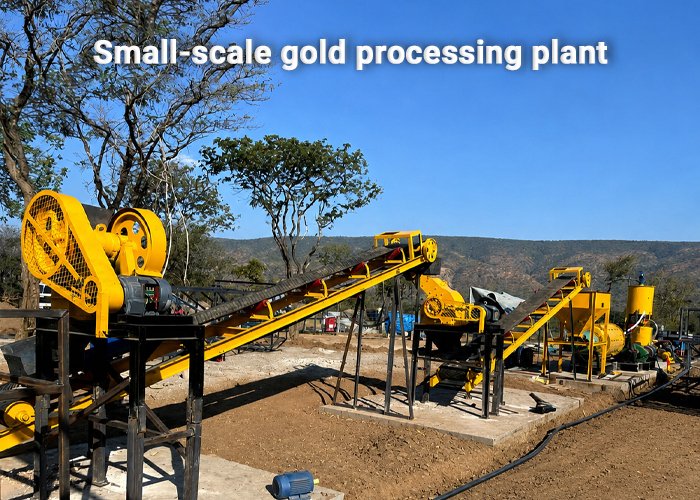
Starting a small-scale gold processing plant is one of the most practical ways to enter the gold mining industry. Compared with large mining projects, a small plant requires less investment, shorter construction time, and lower operating costs. Ho...
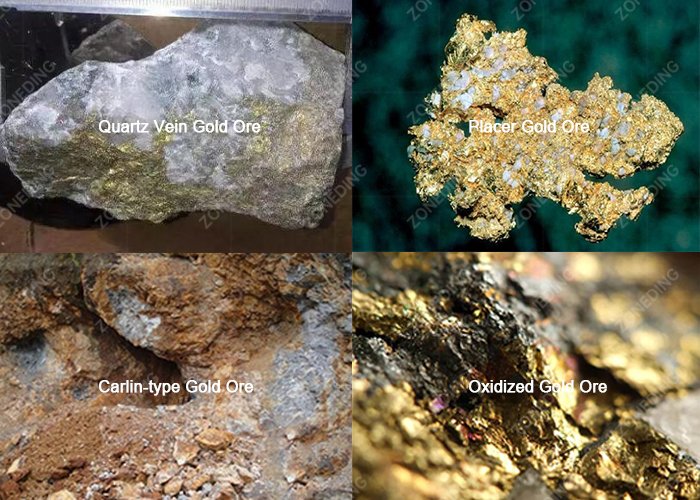
Identifying gold ore accurately determines the absolute survival of any mineral processing plant. A geological report showing 10 grams per ton means nothing if the metallurgical nature prevents extraction. A low-grade oxide gold ore often generate...
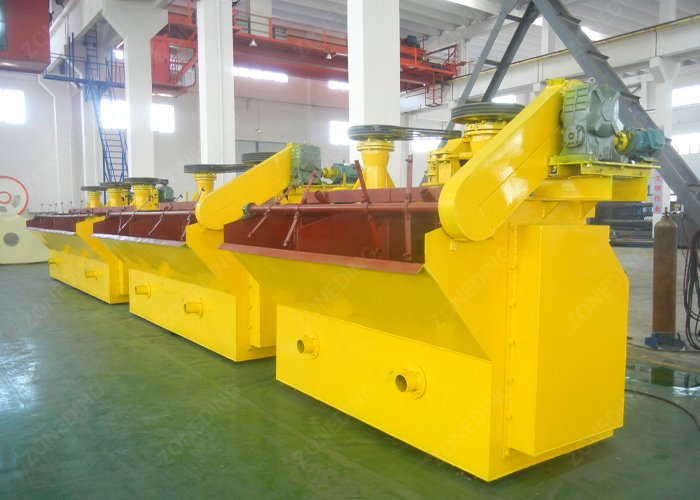
Understanding the main components of flotation machine is mandatory for maximizing profits in mineral processing plants. A flotation cell acts as a highly precise separation instrument. The internal mechanical structure dictates the exact slurry s...
Understanding the mechanical logic of crushing equipment is vital for project profitability. Selecting a machine based solely on capacity ignores the reality of wear and energy costs. Different stones require different mechanical principles—either...
We use cookies to ensure that we give you the best experience on our website. If you continue to use this site we will assume that you are happy with it.
Privacy Policy
Send us a message
We would love to hear from you
Submit your question and our team will respond to the email provided as soon as possible.
 Zoneding Machine