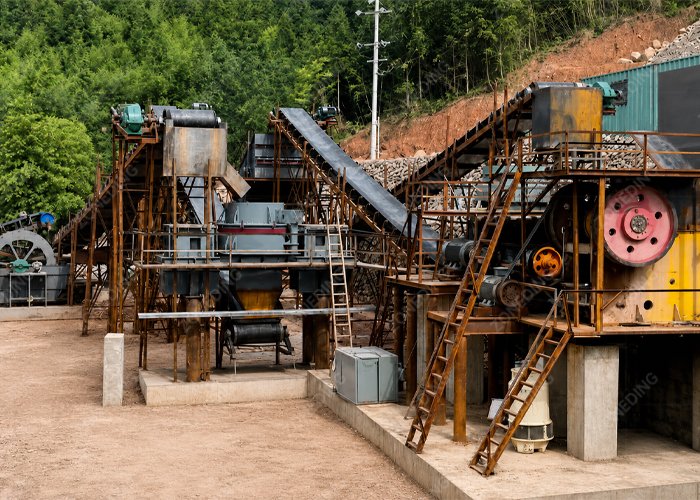
High-yield tin ore recovery depends on a design that respects the brittle nature of cassiterite. Traditional plants often lose over 40% of metal because they grind the ore into useless dust. A scientific tin processing flow design implements the “recover early and discard early” rule. This protects the heavy tin crystals before they become too fine for gravity machines. This guide explains how a modern cassiterite beneficiation plant balances grinding and separation to maximize profit. Using the right combination of rod mills, jigs, and centrifuges ensures that the final recovery rate exceeds 80%.
Why is scientific flow design the core factor for tin profit?
A professional tin processing flow design is the only way to prevent massive metal loss. Cassiterite has a high specific gravity of 7.0. This makes it ideal for gravity separation. But the mineral is very brittle. If the design uses a simple “crush and grind” approach, the tin breaks into tiny particles under 10 microns. These particles float away in the process water. We call this “slime loss.” A scientific design ensures the tin is removed from the circuit as soon as it is freed from the rock. This protects the profit of the mine. The layout of a determines the operational cost and the final yield. Many plants fail because they use a “one-size-fits-all” layout. They treat tin like gold or copper. But tin requires a “stage-by-stage” strategy. Every stage of grinding must be followed immediately by a stage of recovery. This prevents the “over-grinding” trap. A well-designed plant captures 70% of the tin in a coarse state. This coarse tin is much more valuable and easier to sell to smelters.
The Impact of Processing Flow on Recovery
Design Type
Typical Recovery
Slime Production
Market Value
Single Stage
40% – 50%
High (35%+)
Low (Dirty)
Stage Grinding
75% – 85%
Low (<15%)
High (Clean)
No Desliming
45%
High
Medium
Advanced Flow
82%+
Controlled
Maximum
Practical Maintenance Tips
Check Sieve Mesh: Inspect the primary screens daily to ensure coarse waste is not entering the fine circuit.
Monitor Slime Color: If the tailings water looks very dark or black, fine tin is likely escaping the plant.
Pump Pressure: Maintain stable pressure in the Hydrocyclones to ensure efficient desliming.
How to avoid tin loss through multi-stage grinding?
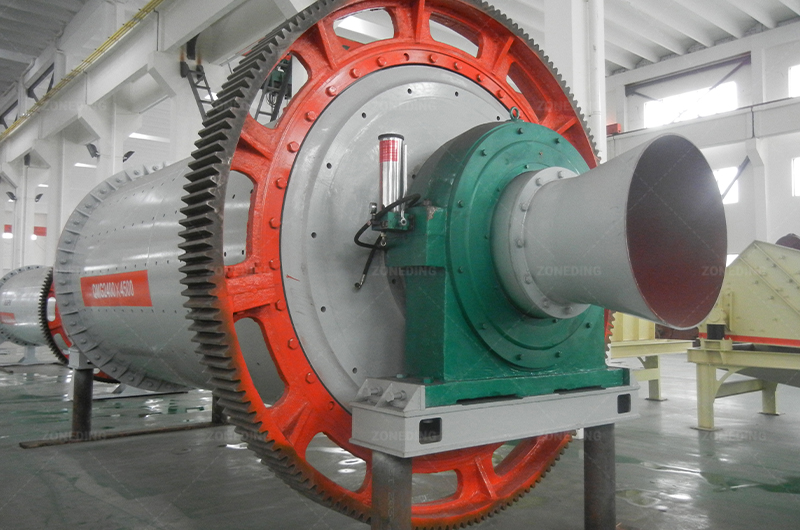
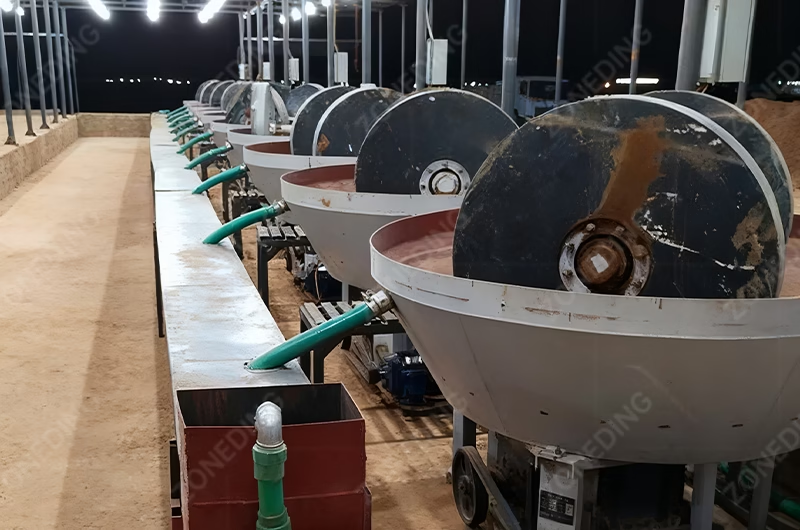
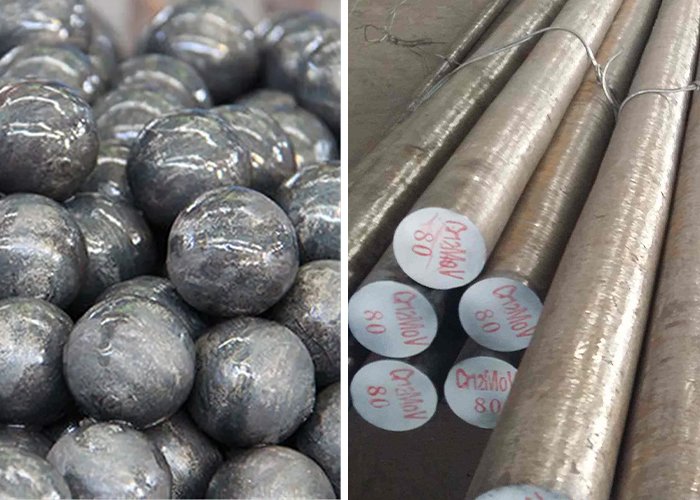
Using a Rod Mill is the most effective way to prevent tin slime in the grinding circuit. A Rod Mill uses long steel rods for grinding. These rods make “line contact” with the ore. This action crushes the large pieces but leaves the small particles alone. This is called “selective grinding.” It creates a very uniform product. Traditional Ball Mills use balls that make “point contact.” This often crushes the tin into dust. For high-yield tin recovery, the first grinding stage should always use rods. Multi-stage grinding involves several steps of size reduction. The ore is ground to a certain size, say 2mm, and then sent to a Jigging Separator Machine. The jig removes the free tin. The remaining waste goes back for more grinding. This loop continues until all the tin is captured. This prevents the “clean” tin from being hit by the grinding media over and over again. This method uses more equipment but produces much more metal. It is the best way to handle high-grade cassiterite.
Why the Rod Mill is Superior for Tin
Rod Mill
Ball Mill
Wet Pan Mill
The rod mill acts as a “guard” for the brittle tin. It limits the production of fine particles that are smaller than 200 mesh. In a typical Tin Ore Beneficiation project, the rod mill output is easy to process on shaking tables. The sandy nature of the material allows for quick settling. This makes the gravity separation stage much more efficient. Also, rod mills use less power per ton when producing a coarse product. This lowers the electricity bill for the whole plant.
Machine
Grinding Action
Slime Risk
Best Size Range
Rod Mill
Line Contact
Very Low
0.5mm – 5mm
Ball Mill
Point Contact
High
Below 0.5mm
Wet Pan Mill
Surface Rubbing
Medium
0.1mm – 2mm
Advice for Grinding Optimization
Control Feed Speed: Do not overfill the mill. Material needs to move through quickly to avoid over-grinding.
Monitor Rod Wear: Replace worn rods every month. Thin rods do not grind efficiently and increase the slime.
Use Classifiers: Always use a Spiral Classifier to remove fine tin from the mill circuit immediately.
Why is gravity separation the core of high-yield plants?
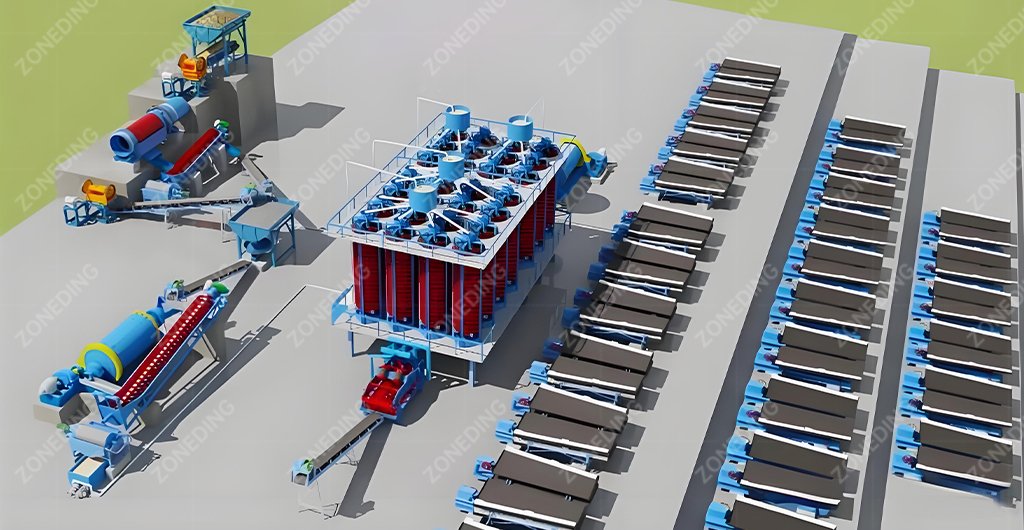
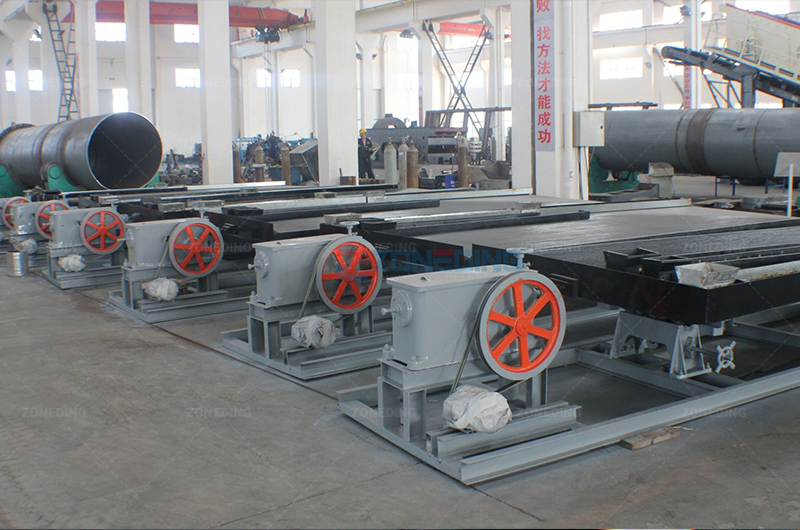
Tin gravity separation process uses the high density of tin to achieve low-cost recovery. Cassiterite is about 2.5 times heavier than common waste rocks like quartz. Gravity machines use water to wash away the light waste and keep the heavy tin. This process does not require expensive chemicals or high heat. It is a “mechanical” separation. This makes it very stable and easy to operate. It is the most common method in any Cassiterite Beneficiation Plant around the world. Gravity separation works across many sizes. Jigging Separators handle the large gravel. Spiral Chutes handle the medium sand. Shaking Tables handle the fine sand. This “ladder” of equipment catches tin at every stage of the process. If a plant only uses one type of machine, it will miss a large part of the ore. A high-yield design integrates all three types to ensure no grain of tin escapes to the tailings pond.
Tin gravity separation process.
Coordinating Jigs, Chutes, and Tables
The coordination of these machines is vital. The Jigging Separator Machine should be the first stop. It can recover 60% of the tin without any fine grinding. This reduces the load on the rest of the plant. Next, the Spiral Chutes act as a “rougher.” They throw away 70% of the waste rock very cheaply. Finally, the Shaking Tables do the fine cleaning. They produce a high-grade concentrate that is ready for the smelter.
Jig Role: Primary recovery of coarse tin (1mm to 20mm).
Chute Role: High-volume rejection of waste (0.1mm to 2mm).
Table Role: Precision cleaning to reach high grade (0.04mm to 1mm).
How to recover fine tin slime with centrifugal machines?
A Centrifugal Concentrator is the best tool for recovering fine tin under 0.074mm. In many plants, this fine “slime” is simply thrown away. This is a mistake. Centrifugal Concentrators use high-speed rotation to create 60G to 100G of force. This force pulls even the smallest tin particles out of the water. Without this machine, the recovery of fine tin is almost zero. Adding a centrifuge to the end of the line can increase total recovery by 10% or more. Recovering slime requires a “desliming” step first. We use Hydrocyclones to remove the excess water and very fine clay. The “thick” slime then goes to the centrifuge. This ensures the machine is not overwhelmed by too much water. Modern centrifuges are fully automatic. They flush out the tin concentrate every 30 to 60 minutes. This technology turns a waste stream into a valuable revenue source. It is essential for any Tin Ore Processing Plant facing low-grade or complex ores.
Pressure Control: Keep the centrifuge water pressure stable. Fluctuations can wash away the fine tin.
Feed Density: Aim for 20% to 25% solids in the centrifuge feed. Too thick or too thin will reduce recovery.
Check Tailings: Test the centrifuge tailings every day to ensure the machine is catching the metal.
How to use magnetic and flotation for high-grade tin?
Magnetic and flotation steps remove impurities to reach a 60% tin grade. Tin ore often comes with iron (magnetite) and sulfur (pyrite). These minerals are also heavy. They end up in the gravity concentrate. This makes the tin “dirty.” A Magnetic Separator quickly pulls out the iron. Then, a Flotation Machine is used for “reverse flotation.” This floats the sulfur away and leaves the clean tin behind. This combined process is necessary for high-market value. High-grade concentrate sells for a much higher price per ton. If the tin has too much sulfur or arsenic, the smelter will charge high “penalty fees.” Sometimes they will not buy it at all. By adding a small Flotation Machine circuit at the end, the plant can produce “premium” tin. This is especially important for Sulfide Ore Processing where tin is mixed with other metals. The magnetic and flotation steps are the “polishing” phase of the plant.
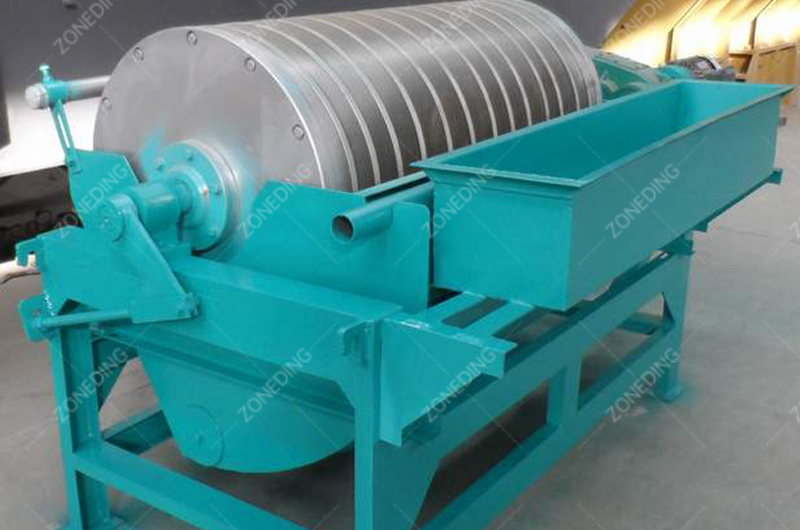
Magnetic Separator
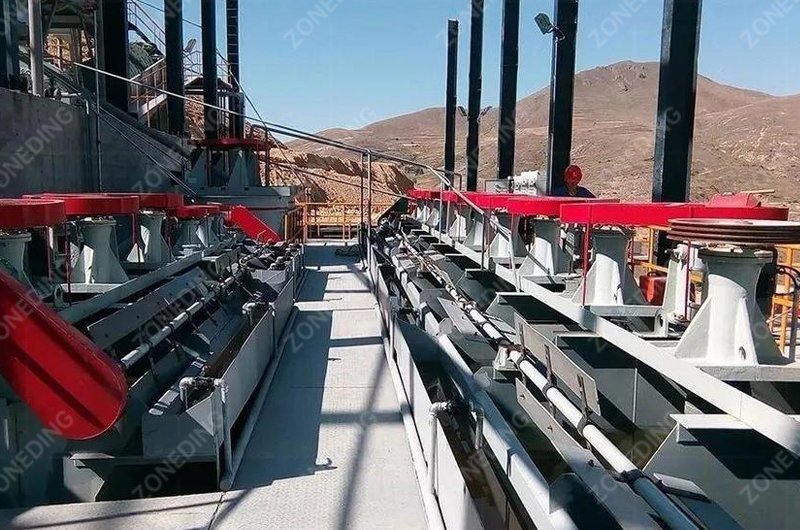
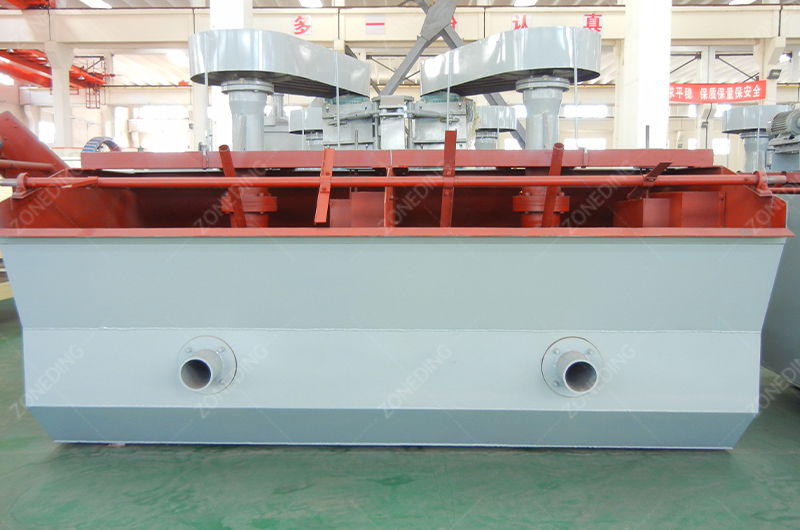
Flotation Machine
Impurity Removal Strategy
Primary Gravity: Collects all heavy minerals (Tin + Iron + Sulfur).
Magnetic Separation: Uses Magnetic Separators to remove iron and some tungsten.
Flotation: Uses Flotation Machines to remove pyrite, arsenopyrite, and copper.
Final Cleaning: A final shaking table stage to get the highest possible grade.
How to design closed-circuit water for low costs?
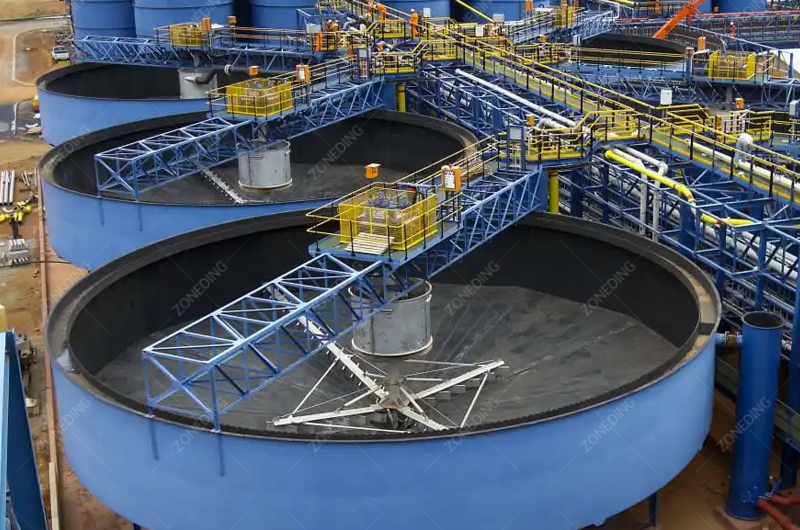
Closed-circuit water systems reduce costs and meet environmental rules. A tin plant uses a lot of water for jigs and tables. If this water is just thrown away, the cost of pumping is very high. We use High Efficiency Concentrators (thickeners) to clean the water. The thickener allows the mud to settle at the bottom. The clean water at the top is pumped back to the start of the plant. This cycle saves thousands of dollars in water bills every year. Recycling water also keeps the plant running in dry weather. If a mine depends on a local river, it might have to stop in the summer. A closed system prevents this. Also, it is easier to manage the tailings. We can use a Fine Sand Recovery Machine to remove the solids from the water. This creates a “dry” waste that is easier to store. This design is the modern standard for all Stone Crushing Plants and beneficiation sites in 2026.
Thickener
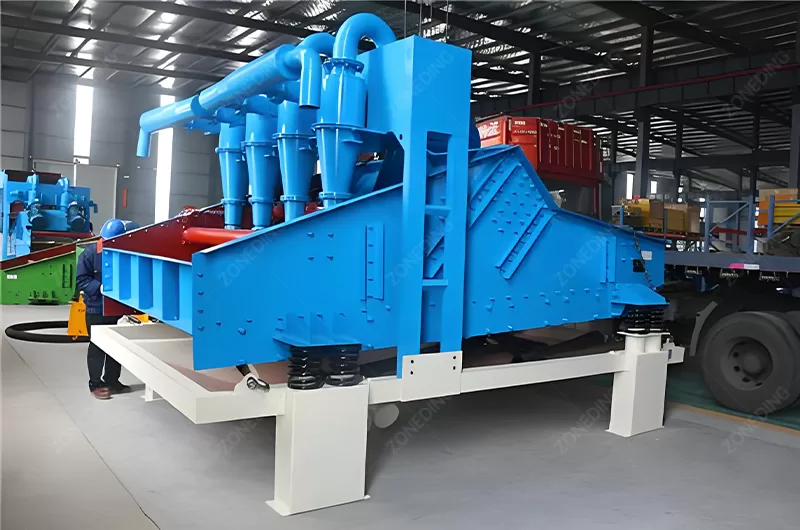
Fine sand recovery machine
Water System Benefits
Lower Pumping Costs: Moving water within the plant is cheaper than pumping from far away.
Environmental Compliance: No dirty water leaves the mine site.
Chemical Recovery: Any flotation chemicals are reused instead of wasted.
Process Stability: Recycled water has a stable temperature and pH, which helps separation.
2026 Latest Developments in Tin Processing
The year 2026 sees the rise of “Smart Gravity” systems. We now use sensors to monitor the bed thickness on Jigging Separators. The machine automatically adjusts its pulse to match the ore grade. There is also a move toward “Pre-concentration” using X-ray sorting. This technology removes 40% of the waste rock before it enters the mill. This saves a massive amount of energy.
Latest Progress at a Glance
AI Table Monitoring: Cameras watch the shaking tables and adjust the water and slope in real-time.
High-G Centrifuges: New models can now recover particles down to 5 microns.
Solar Grinding: Many remote plants are now using solar power to run their Ball Mills.
Common Questions and Answers
1. Can I use a Ball Mill if I don’t have a Rod Mill? You can, but the recovery will be lower. If you use a Ball Mill, you must use a very high “circulating load.” This means moving material through the mill very quickly to stop over-grinding. 2. Why is my tin concentrate grade always low? It is likely due to “sulfide contamination.” Most heavy impurities are sulfides. You should add a small Flotation Machine to remove the pyrite. 3. What is the best way to handle very sticky clay? You must use a Sand Washing Machine or a log washer before the gravity circuit. Clay blocks the holes in screens and ruins the separation on tables. 4. How do I know if I need a Centrifugal Concentrator? Test your tailings. If the tailings contain a high amount of tin under 200 mesh, you are losing money. A Centrifugal Concentrator will solve this. 5. How much does a complete tin flow design cost? The cost depends on the capacity. A small 10 TPH plant is much cheaper than a 100 TPH plant. We provide custom designs to fit different budgets.
About ZONEDING
ZONEDING is a professional manufacturer of mining equipment since 2004. We specialize in providing complete Cassiterite Beneficiation Plants and Stone Crushing Plants. Our experts have designed over 50 tin processing flows globally. We offer high-quality Shaking Tables, Ball Mills, and Magnetic Separators directly from our factory. We provide full-service support, from flow design to installation and staff training. Contact ZONEDING today for a free consultation. We help you build a high-yield tin plant that lasts for decades.
Selecting between a and a Rod Mill is a critical decision in mineral processing. This choice impacts recovery rates, power use, and overall plant profit. A ball mill uses steel balls to grind ore into fine powder. A rod mill uses long st...
Buying a stone crusher is a major investment for any quarry, mining, or aggregate production business. The wrong equipment can increase downtime, wear cost, and energy consumption for years. Meanwhile, the right crushing system can improve product...
For decades, natural river sand was considered the standard material for concrete, mortar, and infrastructure projects. Today, that situation is changing rapidly. Many contractors, concrete producers, and aggregate companies are asking: Is machine...
We use cookies to ensure that we give you the best experience on our website. If you continue to use this site we will assume that you are happy with it.
Privacy Policy
Send us a message
We would love to hear from you
Submit your question and our team will respond to the email provided as soon as possible.
 Zoneding Machine