A jaw crusher is the heavy-duty gatekeeper of most mining and aggregate production lines. This primary rock crusher uses high pressure to break large boulders into smaller, manageable pieces. It is the first machine in a crushing plant. Most operators rely on it for processing granite, basalt, and construction waste. This article explains the technical roles and specific applications of this essential equipment.
What work does a jaw crusher do in a production line?
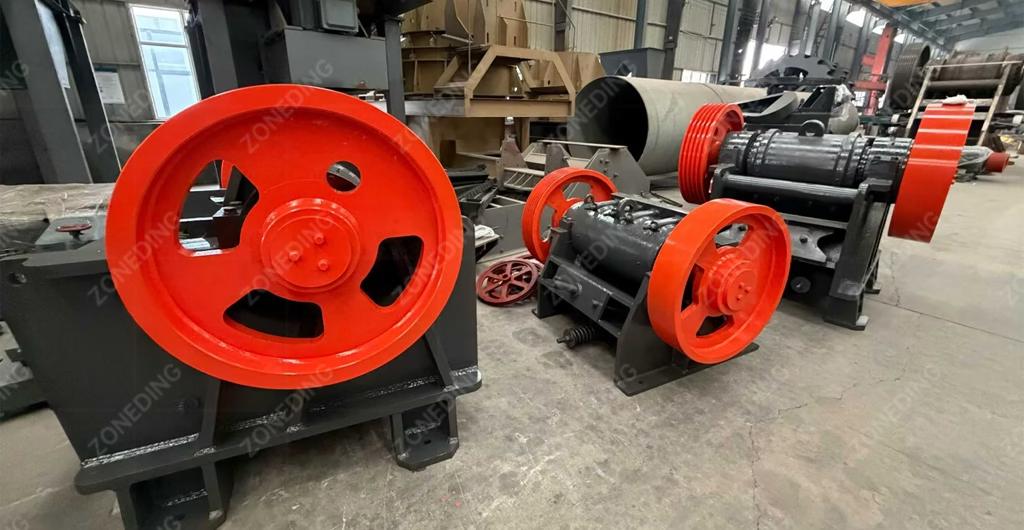
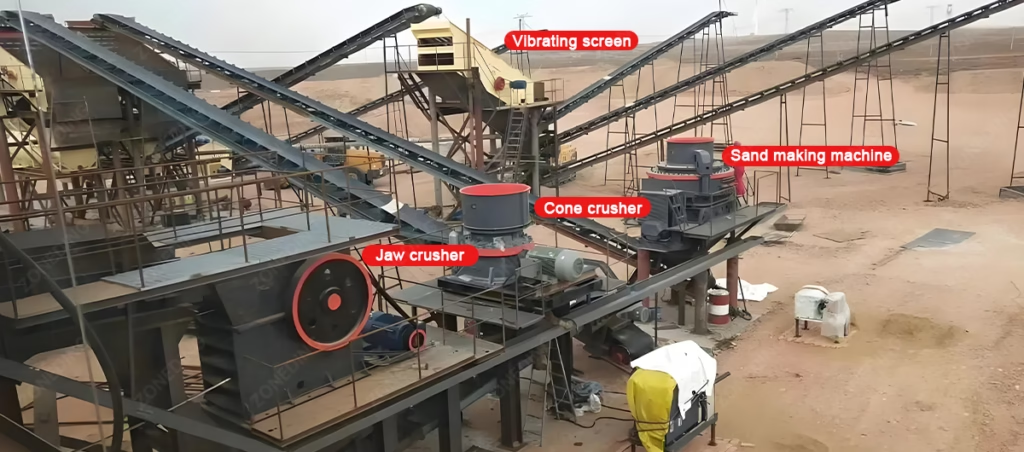
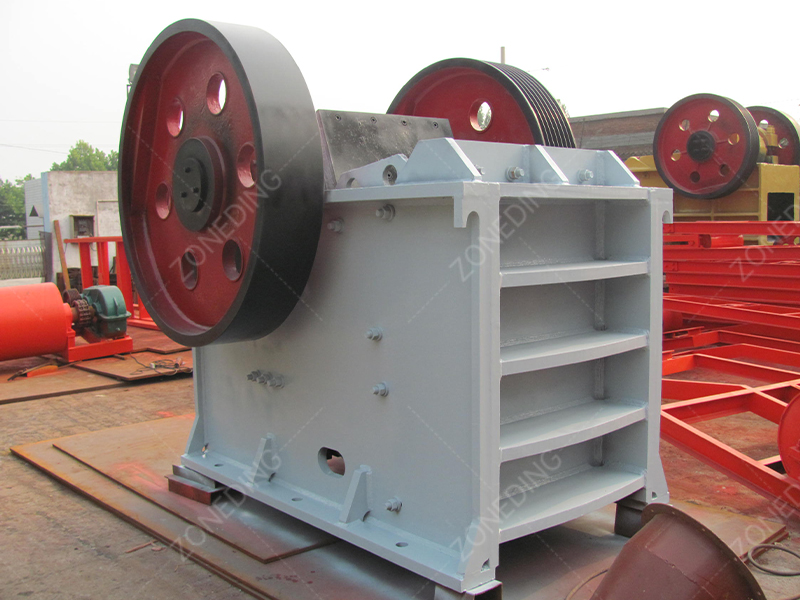
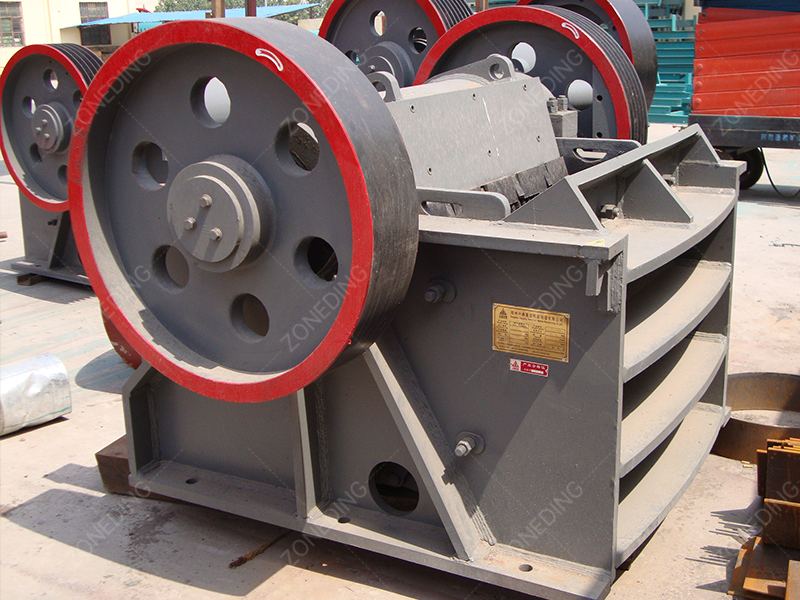
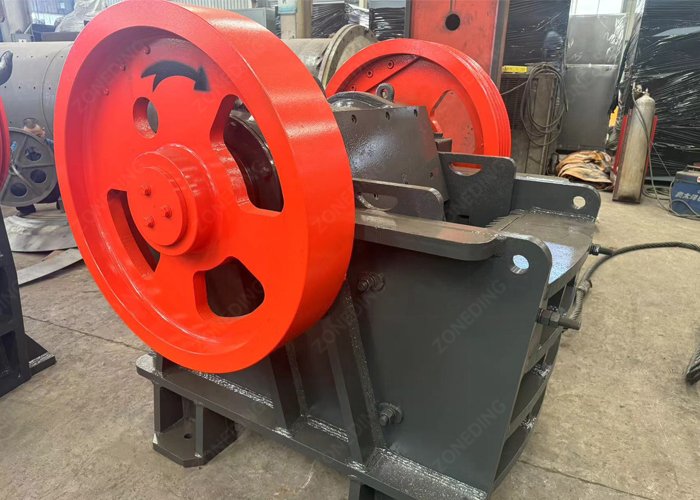
The primary work of a jaw crusher is to reduce the size of the largest rocks entering the plant. It sits at the very start of the chain. Large trucks dump raw material directly into its hopper. Two heavy plates, one fixed and one moving, compress the stones until they break. This process prepares the material for the next stage of finer crushing. Without this machine, larger rocks would block the entire system. The moving plate, called the swing jaw, pushes against the fixed plate. This action creates a powerful crushing force. It is like a pair of giant iron teeth. The rocks fall deeper into the V-shaped chamber as they break. Once they are small enough, they pass through the bottom opening. This opening size is adjustable. This allows the plant to control the output size. This machine handles the toughest tasks in the entire Stone Crushing Plant. It must be strong enough to run all day without stopping.
Jaw Crusher
Role in the Crushing Process
Component
Function
Benefit for the Process
Fixed Jaw Plate
Provides a solid wall
Ensures consistent pressure
Swing Jaw Plate
Moves to crush rock
Creates the breaking force
Flywheel
Stores energy
Smoothens the crushing action
Toggle Plate
Safety mechanism
Protects the machine from iron
Practical tips for production lines
Avoid overfilling: Keep the feed level at two-thirds of the chamber height. This prevents “over-compaction” at the bottom.
Check the toggle plate: Inspect the toggle plate for cracks weekly. It is the only mechanical fuse in the machine.
Steady feed: Use a vibrating feeder to keep the flow constant. Uneven feeding causes unnecessary wear and vibration.
Which hard ores and rocks are suitable for crushing?
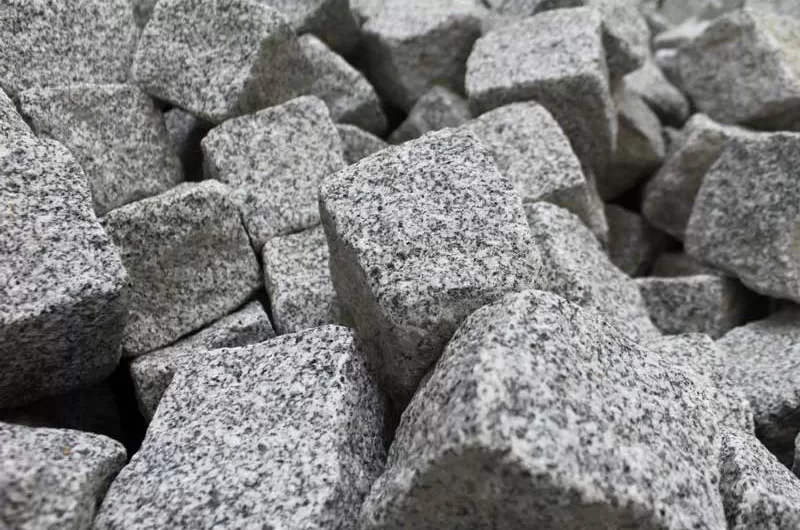
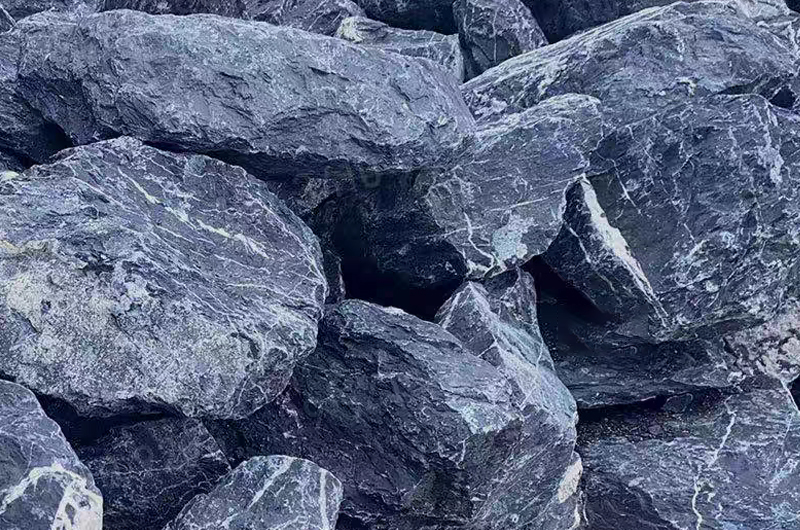
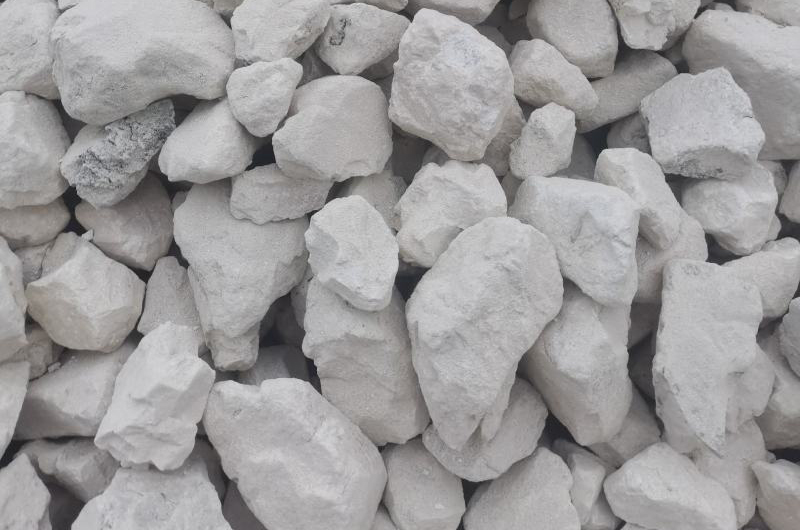
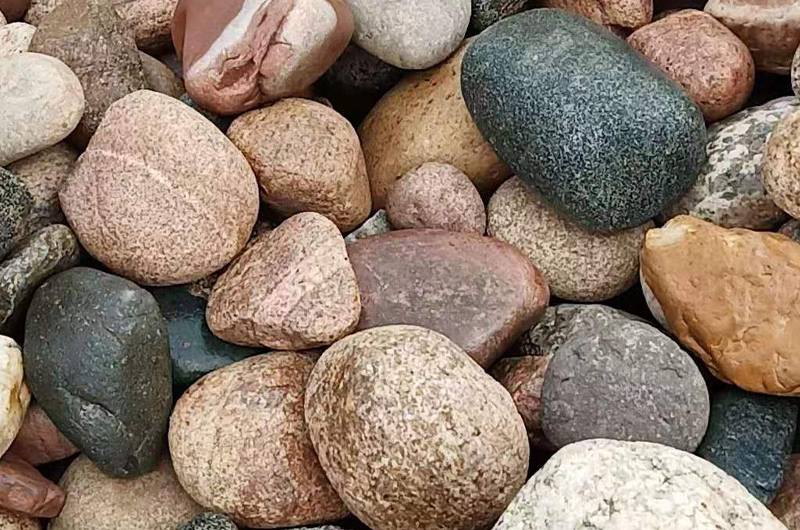
Jaw crushers are best for hard and abrasive materials like granite and basalt. These rocks have high compressive strength. They would quickly destroy lighter machines. The compression method of a jaw crusher is perfect for these materials. It does not create as much dust as impact methods. This makes it ideal for mines that need clean, solid aggregate. It also handles iron ore and copper ore with ease. The machine can also crush softer rocks like limestone. However, it is most valued for its ability to tackle materials with high wear potential. Processing high-abrasion rock requires special manganese steel plates. These plates resist the rubbing action of the stone. This makes the jaw crusher the top choice for basalt processing. Many Stone Crusher Equipment sets start with this machine for this reason. It saves the more expensive secondary machines from heavy wear.
Material Compatibility Table
Granite
Basalt
Limestone
River Pebbles
Rock Type
Hardness Level
Suitability
Practical Benefit
Granite
High
Excellent
Low wear on secondary units
Basalt
Very High
Excellent
Efficient size reduction
Limestone
Medium
Good
High capacity production
River Pebbles
High/Smooth
Excellent
Handles rounded shapes well
Suggestions for material handling
Test rock hardness: Check the compressive strength of your rock before choosing a model. Rocks above 200 MPa need heavy-duty plates.
Manage moisture: Very wet or sticky material can clog the discharge. Use a bypass screen in the feeder for mud.
Check for metal: Use a metal detector on the feed belt. Large pieces of iron can damage the jaw plates.
Why use a jaw crusher as a primary rock crusher?
A primary rock crusher must handle the largest feed sizes coming from the mine. Jaw crushers have very large feed openings compared to other types. They can swallow rocks that are nearly as wide as the machine itself. This reduces the need for expensive blasting or manual breaking. It is the most cost-effective way to take a 1-meter boulder and turn it into 200mm pieces. This makes the primary stage fast and efficient. The design is simple and very reliable. It has fewer moving parts than a cone crusher. This means maintenance is easier for onsite crews. The machine also has a high “reduction ratio.” This means it significantly reduces the size of the material in one pass. This efficiency is why almost every mining operation starts with this equipment. It creates the “foundation” for the rest of the processing work.
Crushing production line
Advantages of the primary role
The primary stage is about power and size. The jaw crusher provides both without the complexity of newer designs. It uses heavy flywheels to keep the crushing force stable. This saves energy during the operation. Also, the adjustment of the discharge opening is fast. Operators can change the output size in minutes using shims or hydraulic wedges. This flexibility is vital in a busy quarry.
High strength: Built with heavy cast steel or welded plates.
How does the jaw crusher pair with secondary units?
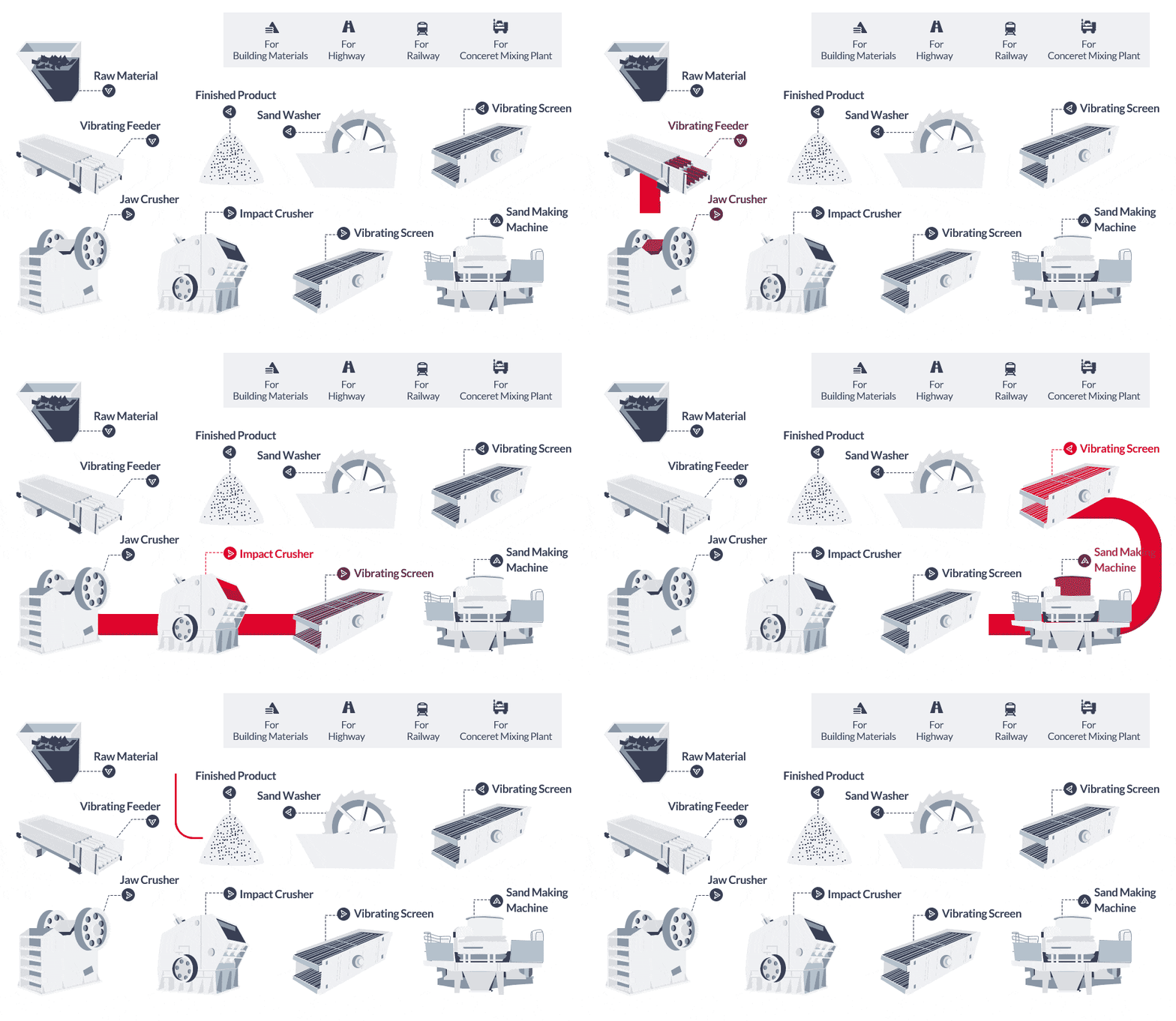
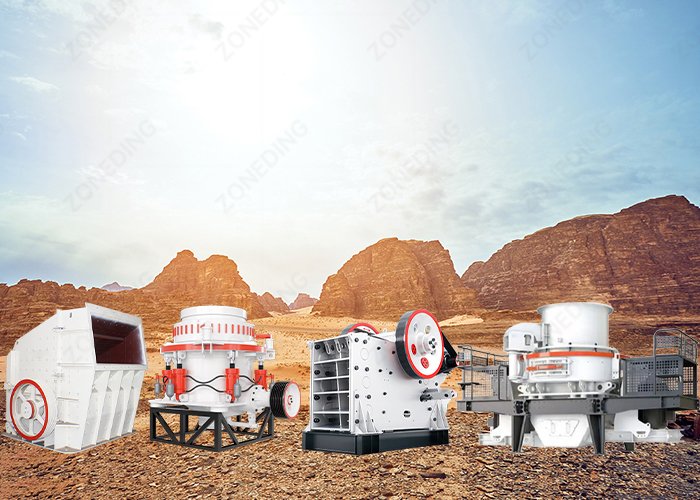
In most plants, the jaw crusher feeds a secondary unit like a cone crusher or impact crusher. The jaw crusher does the “rough” work. It breaks the big rocks down so the next machine can finish the job. If the jaw crusher output is too large, the secondary machine will choke. If it is too small, the secondary machine will not be efficient. A balanced flow between these two stages is the key to a high-yield plant. A Cone Crusher is the best partner for hard rocks. It takes the jaw crusher product and turns it into final aggregate sizes. For softer rocks or recycling, an Impact Crusher is used. The impactor creates a better shape for the stones. The jaw crusher ensures that the feed to these machines is always the correct size. This protects the internal parts of the secondary units.
Crushing working flow
Pairing Strategies
Hard Rock Flow: Jaw Crusher → Cone Crusher → Vibrating Screen.
Recycling Flow: Jaw Crusher → Magnetic Separator → Impact Crusher.
Tips for stage pairing
Match capacities: Ensure the jaw crusher capacity is slightly higher than the secondary crusher. This prevents the secondary unit from running empty.
Use a surge pile: Place a storage pile between the primary and secondary stages. This keeps the plant running if one machine stops for maintenance.
Check the “CSS”: The Closed Side Setting of the jaw crusher must match the maximum feed size of the secondary unit.
What is its role in construction waste and concrete recycling?
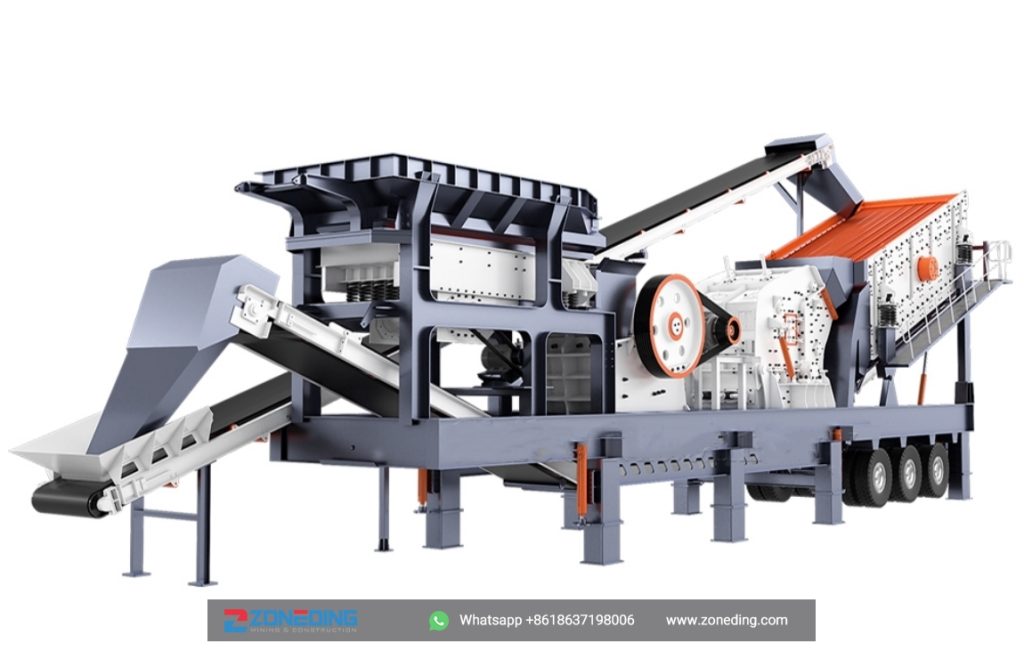
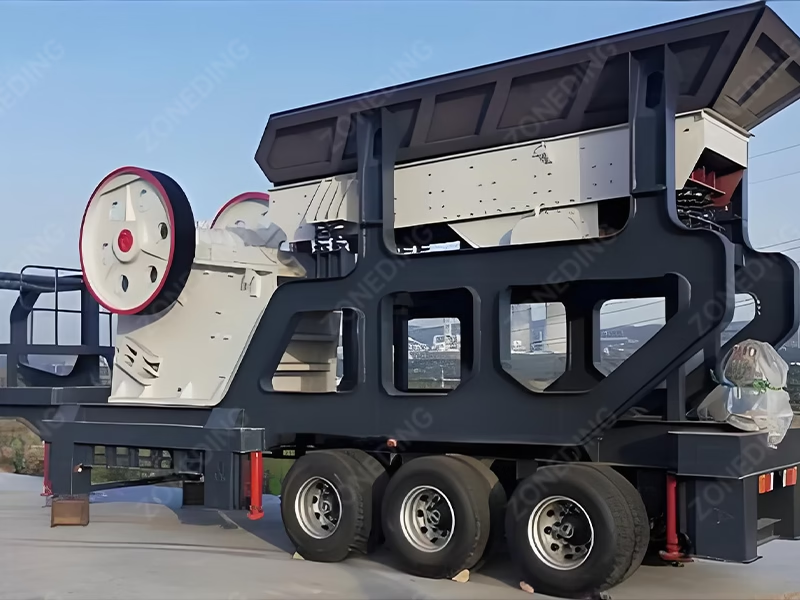
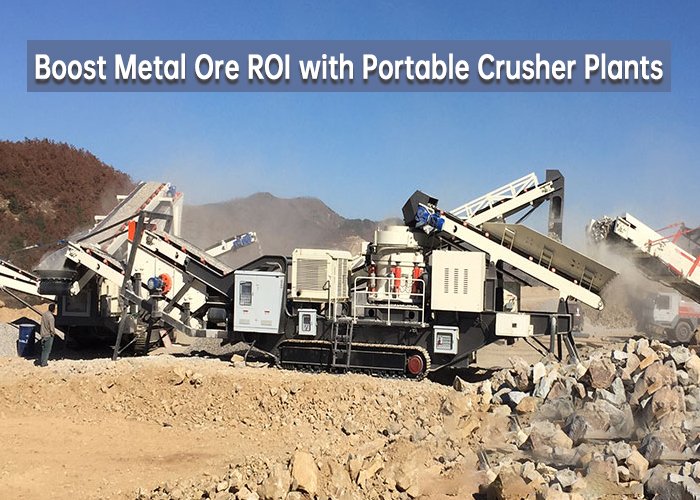
The jaw crusher is the only machine that can effectively separate steel from concrete. In the recycling industry, concrete often contains rebar (steel bars). An impact crusher can get tangled by this steel. A jaw crusher uses a crushing action that peels the concrete away from the metal. The steel bars then slide through the machine without causing damage. This makes the recovery of clean aggregate much easier. Using a Mobile Jaw Crusher is very popular in city recycling. The machine can move directly to the demolition site. This saves the cost of trucking heavy waste to a central plant. The crushed concrete can be used immediately for road base or new foundations. This “on-site” recycling is very profitable and eco-friendly. It turns waste into a valuable product with very low effort.
Mobile jaw crusher
Recycling Advantages
Factor
Advantage
Real-World Result
Steel Handling
Does not tangle with rebar
Lower downtime in recycling
Portability
Can be mounted on tracks
Process waste at the source
Power
High crushing force
Breaks old high-strength concrete
Install a magnet: Always place a magnetic separator on the discharge belt of a recycling jaw crusher. This removes the steel bars for sale as scrap.
Manage dust: Use water spray bars at the inlet and outlet. Recycling sites are often near residential areas.
Adjust the opening: Set the discharge wider for recycling to prevent fine dust from building up.
What are the technical advantages for hard materials?
The “Nip Angle” design is the secret to crushing extremely hard rocks like basalt. This angle is the space between the two jaw plates. If the angle is too large, the rock will pop out like a slippery seed. A scientific jaw crusher design keeps this angle between 17 and 22 degrees. This ensures the rock is “bitten” and held firmly until it breaks. This technical detail is what separates a high-quality machine from a cheap one. Another advantage is the use of heavy-duty alloy steel for the main frame. Hard materials create massive vibration and stress. A welded or bolted frame is stronger than a simple cast iron one. Modern machines also use large, high-quality bearings. These bearings handle the thousands of tons of pressure generated every hour. This durability is why jaw crushers are the standard for Hard Rock Crushing Solutions. They are built to survive the toughest conditions on earth.
High-Manganese Plates: These plates get harder the more you crush. They are essential for basalt and granite.
Adjustable Discharge: Operators can quickly compensate for plate wear by narrowing the gap.
Energy Efficiency: Large flywheels store mechanical energy. This reduces the motor load during the crushing stroke.
How to choose the right model for your output?
Selecting a model depends on your maximum feed size and required hourly tonnage. If the rock is 800mm wide, you need a machine with a feed opening of at least 1000mm. This prevents “bridging,” where a rock gets stuck across the top. You also need to look at the “Deep Cavity” design. A deeper chamber allows for more crushing strokes before the material exits. This leads to higher capacity and a better reduction ratio. For high output, larger models like the PE900x1200 are common. Smaller projects might use the PEX series for fine crushing. However, modern designs often replace small jaw crushers with cone crushers for better results. The goal is to choose a machine that runs at 80% capacity most of the time. This provides the best balance of power and wear life. Always look for a model with easy-to-replace wear parts.
PE Jaw Crusher
PEX jaw crusher
Mobile jaw crusher
Model Comparison Guide
Model Type
Max Feed
Capacity (TPH)
Best Application
PE Series
Up to 1000mm
50 – 800
Primary mining and quarrying
PEX Series
Up to 250mm
10 – 100
Small secondary or fine crushing
Mobile Series
Up to 700mm
80 – 300
Temporary sites or recycling
Check the motor: Ensure your site power can handle the high starting torque of a large jaw crusher.
Plan for wear: Keep a spare set of jaw plates in stock. Replacing them takes about one day but prevents weeks of downtime.
Consider the CSS: If you need very small pieces, you might need two stages of crushing. A single jaw crusher cannot turn a boulder into sand.
2026 Latest Developments in Jaw Crusher Technology
The year 2026 brings “Smart Monitoring” to the primary rock crusher. Sensors now detect the wear of the jaw plates in real-time. They send an alert to the operator’s phone when it is time to flip the plates. There is also a move toward “Hybrid Power” for Mobile Stone Crushers. These machines can run on diesel or plug into the local electric grid. This saves a massive amount of fuel in long-term projects.
Latest Progress at a Glance
Automated Wedge Adjustment: Change the discharge size with a push of a button instead of manual shims.
Vibration Sensors: Detect early bearing failure before a major breakdown happens.
Alloy Inserts: High-wear areas of the plates now use titanium or chrome inserts for 3x longer life.
Noise Reduction: New chamber designs reduce the “clatter” of crushing, making sites quieter for workers.
Common Questions and Answers
1. Why does my jaw crusher vibrate so much? Heavy vibration is usually caused by an unstable foundation or loose bolts. Also, check if the material is feeding too fast on one side. Use rubber dampers under the machine to absorb the shock. 2. How long do jaw plates last? It depends on the rock. In soft limestone, they can last for a year. In hard granite, you might need to flip them every 2 to 3 months. Always flip them before they wear through the tooth profile. 3. Can a jaw crusher make sand? No. It creates coarse aggregate. To make sand, you need a Sand Making Machine after the jaw crusher stage. 4. What is the “toggle plate” for? It is a safety fuse. If a piece of iron enters the chamber, the toggle plate will snap. This stops the moving jaw and prevents the motor or frame from breaking. 5. Is a mobile jaw crusher better than a fixed one? Mobile units are better for short-term projects or recycling. Fixed units are better for large, permanent mines where high capacity is the main goal.
About ZONEDING
ZONEDING has been a leading manufacturer of mining and crushing equipment since 2004. We provide a full range of Jaw Crushers, Cone Crushers, and Mobile Stone Crushers. Our factory in China produces over 500 machines every year for customers in 120 countries. We focus on factory-direct sales to give you the best price and full-service support. Our engineers can design a custom production line for any mineral or aggregate project. Contact ZONEDING today for a free quote or technical advice on your crushing project.
In a professional mineral processing plant, meeting catalog specifications does not always guarantee on-site success. Many buyers focus only on motor power or feed size, but these are surface numbers. Real profitability depends on how equipment ha...
Choosing a high-performance portable crusher plant for metal ore is the fastest way to increase your mining profits in 2026. Many mine owners waste 30% of their budget on truck fuel and road construction. I believe a mobile station solves this by ...
Jaw crusher prices can vary from a few thousand dollars to more than one million dollars depending on capacity, feed size, mobility, automation, and material hardness. In real quarry and mining projects, the cheapest machine is often not the most ...
We use cookies to ensure that we give you the best experience on our website. If you continue to use this site we will assume that you are happy with it.
Privacy Policy
Send us a message
We would love to hear from you
Submit your question and our team will respond to the email provided as soon as possible.
 Zoneding Machine