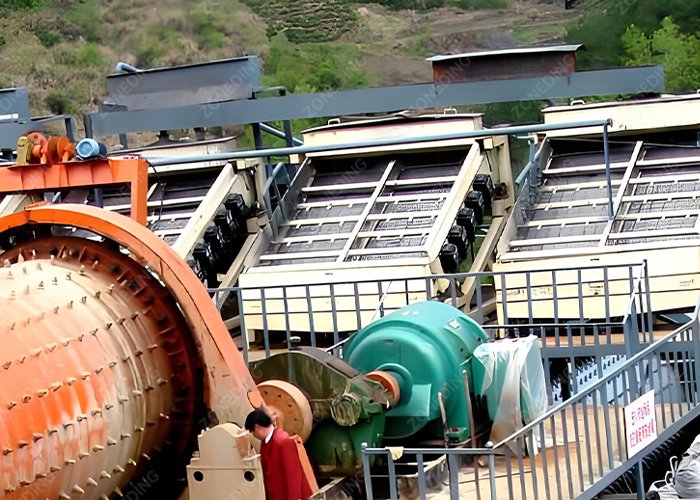
Selecting between a and a Rod Mill is a critical decision in mineral processing. This choice impacts recovery rates, power use, and overall plant profit. A ball mill uses steel balls to grind ore into fine powder. A rod mill uses long steel rods for coarser, more uniform grinding. Both machines serve specific roles in a grinding circuit. This guide compares nine essential factors to help choose the right equipment for a 2026 mining project.
Does Point Contact or Line Contact Decide Product Size?
Grinding media contact types determine the precision and distribution of the final product. A Ball Mill relies on “point contact” between spherical steel balls. This mechanism is random and aggressive. It crushes everything in its path, creating a wide range of particle sizes. In contrast, a Rod Mill utilizes “line contact” with long cylinders. These rods align parallel to each other inside the drum. This creates a natural screening effect where coarse material stays between rods until it is small enough to pass through. The result of line contact is a very uniform product. Most particles fall within a narrow size range. This is perfect for downstream Beneficiation Equipment. Point contact in a ball mill produces more “fines” or dust. This dust can be difficult to manage in flotation or magnetic separation. If a project requires a specific, consistent size with few ultra-fine particles, the rod mill is the superior machine. The physical gap between rods acts as a gatekeeper. It ensures that larger rocks receive the most energy while smaller particles remain protected.
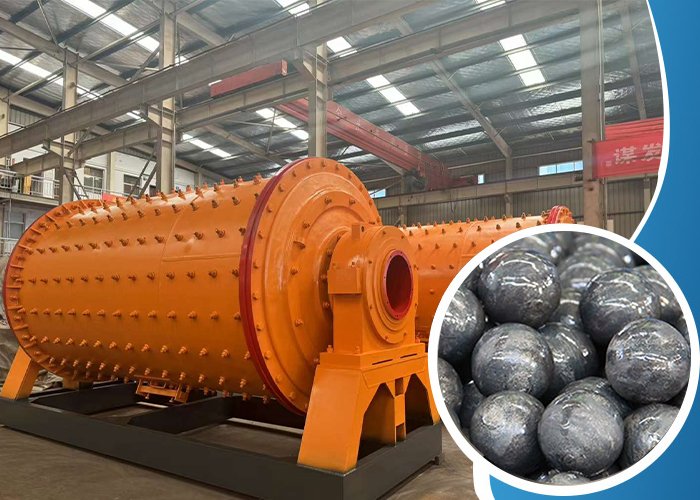
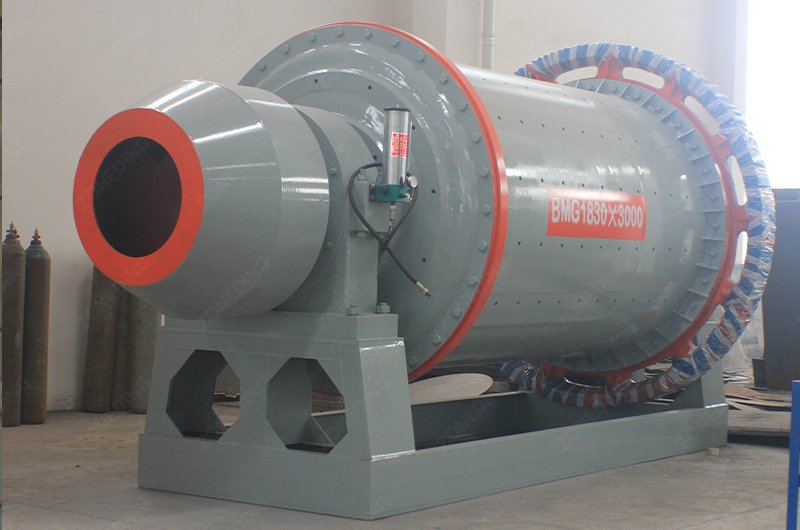
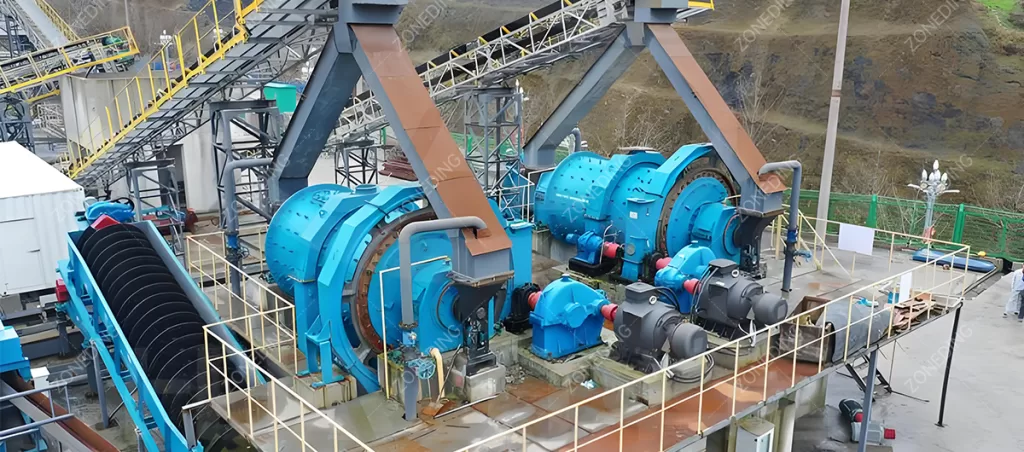
Ball Mill
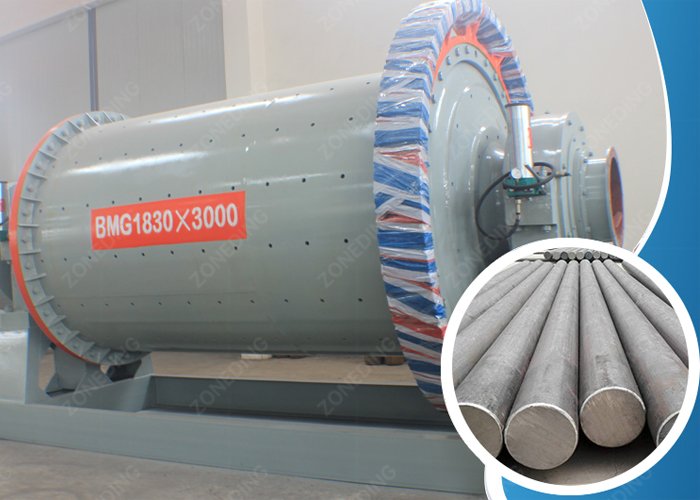
Rod Mill
Comparison of Grinding Mechanisms
Feature
Ball Mill (Point Contact)
Rod Mill (Line Contact)
Impact on Production
Media Shape
Steel Balls
Steel Rods
Rods provide more uniform sizing
Action Style
Impact and Attrition
Selective Crushing
Rods prevent random crushing
Particle Spread
Wide Distribution
Narrow Distribution
Easier to manage in flotation
Tips for Media Management
Maintain Rod Parallelism: Keep the mill speed at 65-75% of critical speed to prevent rods from tangling.
Graded Ball Charges: Use different ball sizes to improve grinding surface area.
Regular Sorting: Remove broken or worn-out media to maintain grinding efficiency.
Why Do Rod Mills Prevent Material Over-Grinding?
Over-grinding prevention is the hallmark of rod mill technology in mineral processing. Over-grinding occurs when a machine continues to crush minerals that have already reached the target size. This is a common issue with fragile minerals like tungsten or tin. These ores turn into “slime” if crushed too much. Slime is nearly impossible to recover using standard gravity or flotation methods. A Rod Mill avoids this by focusing energy on the largest particles first. The rods act as a coarse filter. Large rocks force the rods apart, receiving the full weight of the media. Fine particles simply fall through the spaces between the rods and exit the mill. This selective grinding is essential for Tungsten Ore Processing Plant designs. Using a ball mill for these minerals results in heavy losses. The over-grinding in mineral processing also increases chemical costs. Fine particles have a high surface area. They consume more expensive reagents during the flotation stage without adding value to the final concentrate.
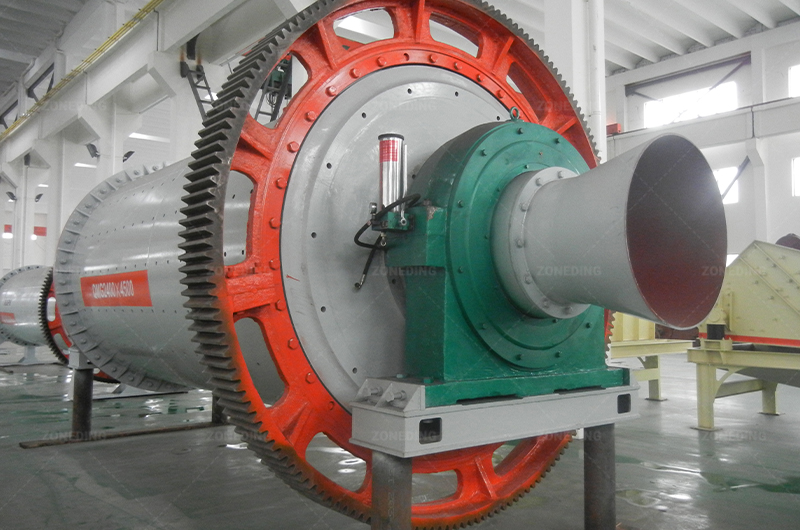
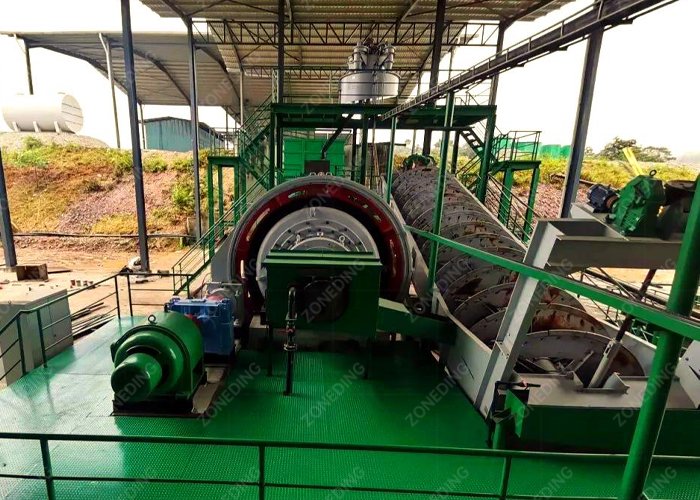
Rod mill working site
How Over-Grinding Impacts Costs
Reduced Recovery: Fine slimes wash away in the tailing dams.
High Reagent Use: Slimes absorb chemicals meant for larger mineral grains.
Lower Capacity: Grinding fine material into even finer material wastes electricity.
Strategies to Minimize Fines
Increase Water Ratio: Higher dilution help wash fines out of the mill faster.
Short Residence Time: Faster feed rates reduce the time particles spend under the rods.
Open Circuit Grinding: Running the mill without a return loop helps maintain a coarse output.
What Are the Feed and Discharge Size Differences?
Feed size and target fineness dictate which mill fits the circuit. A Ball Mill is designed for fine work. It usually requires a feed size smaller than 10mm. If the rock is too big, the balls cannot generate enough impact to break it efficiently. In contrast, a Rod Mill is a robust primary grinder. It handles feed sizes up to 30mm or even 50mm for softer ores. This allows a plant to use a simpler crushing stage, saving money on secondary and tertiary crushers. The discharge sizes are also very different. A Ball Mill can produce very fine powder, often down to 0.074mm (200 mesh). This is required for gold leaching or fine flotation. A Rod Mill is typically used for coarse products between 0.5mm and 3mm. It is rarely used for fine powder production. Therefore, the mineral processing mill selection depends on the specific mesh size needed for the next step in the beneficiation process.
Parameter
Rod Mill
Ball Mill
Practical Benefit
Maximum Feed Size
25mm – 50mm
<10mm
Rod mills reduce crushing stages
Minimum Output
0.5mm – 3mm
<0.1mm
Ball mills are for leaching circuits
Power Usage
High for Coarse
High for Fine
Correct sizing saves electricity
Feed and Product Tips
Pre-Screening: Always screen out fines before feeding a rod mill.
Constant Feed: Keep the mill loaded to prevent rods from crashing.
Water Control: 60-70% solids is ideal for most wet grinding applications.
Which Mill Handles Hard vs Soft Ores More Efficiently?
Ore hardness directly affects the grinding efficiency and wear rate. Very hard ores, like magnetite or hard quartz, put massive stress on grinding machinery. A Ball Mill is often better for very hard rocks in fine grinding stages. The point contact provides a high-pressure impact that can shatter tough mineral structures. However, for softer ores such as weathered gold ore or soft copper ore, a Rod Mill provides a higher grinding efficiency comparison in the primary stage. It is important to note that hard ores cause rods to bend if the mill is under-loaded. Steel rods must stay parallel to function. Hard rocks can force them out of alignment. For a Copper Processing Plant, a common setup is a rod mill followed by two ball mills. This “mixed circuit” handles the hardness while preventing the loss of valuable copper minerals. The rod mill breaks the bulk of the rock, while the ball mills finish the fine grinding to a target mesh.
Capacity and Hardness Guide
Hard Granite: Use a Ball Mill for fine mesh output.
Soft Limestone: Use a Rod Mill for high-volume coarse work.
Magnetite Ore: Expect 20% more media wear in ball mills than in rod mills.
Efficiency Boosters
Variable Speed Drives: Adjust the mill speed to match changing ore hardness.
Media Sizing: Use larger balls for harder feed material.
Liner Selection: High-manganese steel liners are best for abrasive hard ores.
Why Is the Rod Mill Preferred for Artificial Sand Making?
Artificial sand making requires a specific grain shape and size distribution. Standard crushers often produce sand that is “flaky.” Concrete made with flaky sand is not as strong. A Sand Making Machine like a VSI is common, but it can create too much dust. A Rod Mill is a preferred machine for high-quality sand because it grinds off sharp edges. This creates “cubical” sand, which improves the strength and workability of concrete. Rod mills are widely used in dam and bridge construction projects. These projects have strict rules for the Fineness Modulus (FM). The FM measures the average size of the sand. By adjusting the water flow and the weight of the rods, an operator can control the FM very precisely. A Ball Mill is almost never used for sand. It makes the sand too fine, turning it into useless filler material. The artificial sand making industry relies on the rod mill for its ability to produce consistent, high-standard sand products.
Benefits for Sand Producers
Cubical Grains: Better shape improves concrete flow and strength.
Controlled FM: Easy to change sand coarseness during operation.
Low Waste: More sellable sand and less fine dust per ton of rock.
Sand Production Tips
Water-to-Solids Ratio: Maintain 60% solids for the best sand quality.
Center Discharge: Use center peripheral discharge for faster sand flow.
Monitor Rod Wear: Check rods weekly to ensure the sand remains uniform.
How Do Media Consumption Costs and Times Compare?
Grinding media consumption is a major part of the operating budget for any plant. Steel balls are generally easier to manage. A plant can add balls while the mill is running through a simple pipe. This means no downtime for media loading. However, balls wear out faster because they have a higher surface area per ton. In a fine grinding Ball Mill, the media cost can reach $2 per ton of ore processed. Steel rods are more expensive to purchase. They cannot be added while the mill is running. The mill must be stopped, and the end cover opened. Workers then use a crane to place the rods one by one. This increases “downtime.” But for primary grinding, the grinding media consumption of rods is often lower than balls. Rods stay in the mill longer and only need replacement when they become very thin. A well-managed rod charge can save up to 15% on yearly media costs compared to ball mills.
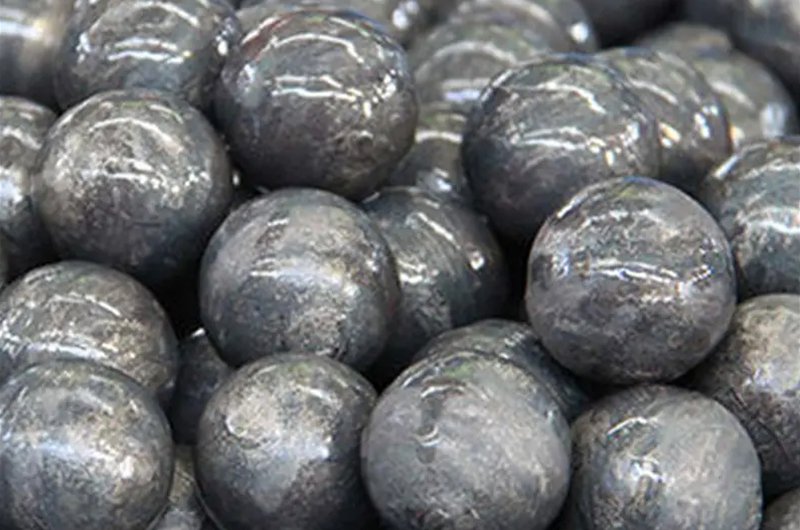
Ball mill steel balls
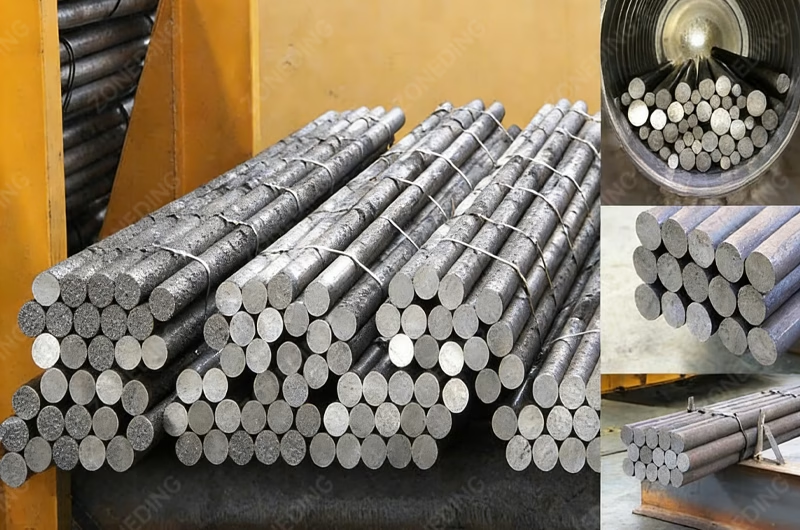
Rod Mill Steel Rods
Media Cost Comparison Table
Media Type
Initial Cost
Loading Style
Downtime
Wear Rate
Steel Balls
Lower
Automatic/Belt
Zero
Higher
Steel Rods
Higher
Manual/Crane
2-4 Hours
Lower
Reducing Media Costs
Discard Thin Rods: Remove rods thinner than 30mm to prevent bending.
Use High-Carbon Rods: These last up to 3 times longer than mild steel.
Check pH Levels: Acidic ore water eats steel media faster. Use lime to balance it.
How Does a Rod Mill Helper Improve a Grinding Circuit?
A rod mill used as primary grinding equipment stabilizes the entire plant. In a two-stage grinding circuit, the Rod Mill is the first stage. It takes the rough crusher product and prepares it for the second stage. This second stage is usually a Ball Mill. When a ball mill receives a pre-ground, uniform feed, it can process 30% more material. It no longer has to deal with large “oversize” rocks that cause inefficiency. This setup is very common in Gold Processing Plant designs. The rod mill acts as a “buffer.” It handles changes in ore hardness without upsetting the rest of the circuit. If the ore gets harder, the rod mill slows down but still delivers a consistent product to the ball mill. This prevents the ball mill from becoming overloaded. The primary grinding equipment strategy is a proven way to maintain high throughput and consistent mineral recovery.
Benefits of Mixed Grinding Circuits
Higher Capacity: The plant can process more tons per hour.
Lower Energy Cost: The ball mill works at peak efficiency with a fine feed.
Consistent Results: Flotation cells receive a steady, uniform feed.
Multi-Stage Tips
Use a Cyclone: Place a Hydrocyclone after the ball mill to recycle coarse bits.
Balance Power: Rod mills usually take 30% of the total grinding power.
Spiral Classifiers: These are excellent for returning coarse sand to the mill.
How Do Liners Affect Maintenance and Life?
Liner design and maintenance determine the health of the mill shell. A Ball Mill typically uses “lifter bars.” These high ridges lift the balls so they can crash down onto the ore. A Rod Mill must use “wave liners.” These are flatter and smoother. They are designed to keep the rods parallel and prevent them from tangling. If the liners are too high, the rods will bounce and cross, causing a major mechanical failure. Maintenance is also different for these machines. Ball Mill Liners can be made of rubber or steel. Rubber liners are popular for fine grinding because they are quiet and last a long time. Rod mills must use steel liners. The heavy steel rods would quickly tear rubber liners apart. Experience shows that rod mill liners wear out faster at the feed end where the big rocks enter. Regular inspection of the “end liners” is vital to protect the mill shell from cracking.
Liner Material Comparison
Ball Mill: Rubber or High-Manganese Steel. Lasts 1-2 years.
Rod Mill: Hard Alloy Steel only. Lasts 6-12 months.
Maintenance Tip: Check liner bolts for leaks every week to prevent shell erosion.
Which Discharge Style Handles Sticky or Wet Ore?
Overflow and grate discharge designs solve different material problems. A Ball Mill often uses a “grate discharge.” This has a screen at the end to force the pulp out faster. This prevents the mill from becoming overfilled. It is very effective for fine grinding. However, a grate can clog if the ore is “sticky” or has a high clay content. If a plant handles clay-heavy ore, an Overflow rod mill is the safest option. The Overflow rod mill is very simple. It has no screen. The material simply flows out when the pulp level gets high enough. This design works well in tropical mines with wet, muddy soil. It never clogs. The downside is that the ore stays inside longer, which might lead to some extra grinding. But for pure reliability, the overflow design is the winner for wet conditions. It requires far less cleaning and manual attention.
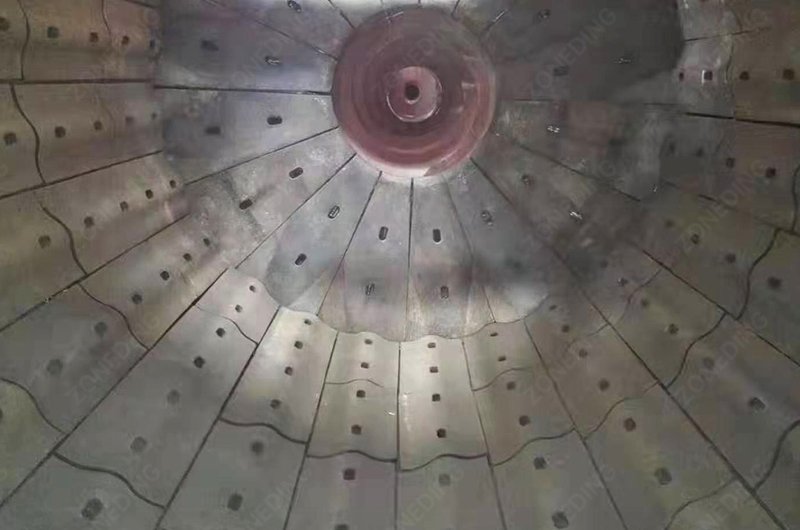
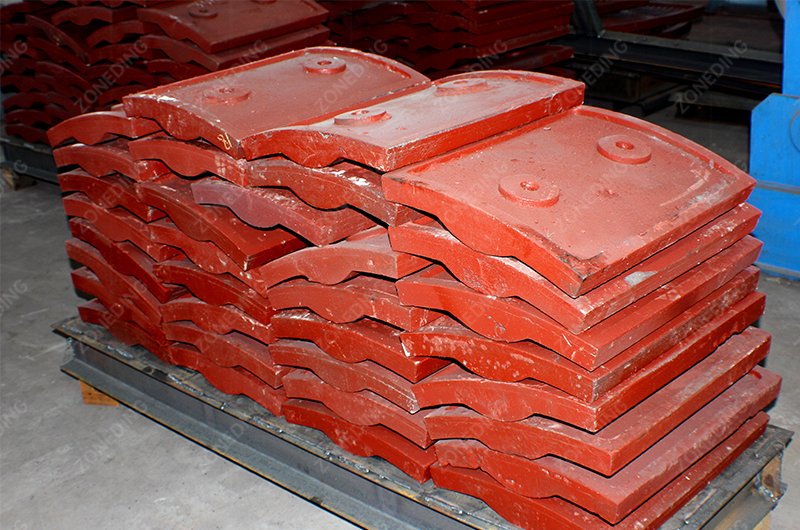
Shell Liners
High chromium alloy cast iron liners
Discharge Selection Table
Ore Type
Recommended Mill
Discharge Type
Reason
Very Sticky
Rod Mill
Overflow
Will not clog with clay
Fine Gold Ore
Ball Mill
Grate Discharge
Maximum fine throughput
Abrasive Sand
Rod Mill
Peripheral
Fast, coarse flow
Handling Wet Ore Tips
Add Hot Air: Dry grinding mills can use hot air to dry ore as it grinds.
Clean Grates Often: If using a grate discharge, high-pressure water cleans the holes.
Monitor Motor Amps: Sticky ore can cause the charge to “stick” to the wall.
Frequently Asked Questions
Question 1: Can a ball mill be replaced with a rod mill directly? No. You must check the motor and the foundation. A rod mill is usually heavier than a ball mill of the same size. You might need a stronger motor to lift the heavy steel rods. Question 2: Why are rods breaking inside my mill? This often happens if the rods are too hard or if you run the mill empty. Without ore to cushion the impact, rods hit each other and crack. Always keep a steady feed of rock. Question 3: Is it possible to dry grind in a ball mill? Yes. Many cement plants use dry Ball Mill systems. You need a strong dust collection system and air-swept discharge to make it work. Question 4: What is the best rod material? High-carbon, heat-treated steel is the standard. It has the best balance of hardness and toughness. Do not use cheap mild steel bars, as they will bend in one day.
About ZONEDING
ZONEDING is a leading manufacturer of Beneficiation Equipment. Since 2004, the factory has delivered over 500 mills to 120 countries. We offer a full range of Ball Mill and Rod Mill products. Our 15 expert engineers design custom production lines for gold, copper, and sand making. We sell directly from the factory to provide the best prices and 24/7 service support. Contact us today for a free equipment quote and technical advice.
Optimizing the gold ore dressing process is the most direct way to increase profit in a mine. A high gold recovery rate depends on how well the equipment works together. Many plants lose gold because the flow is not right. I ha...
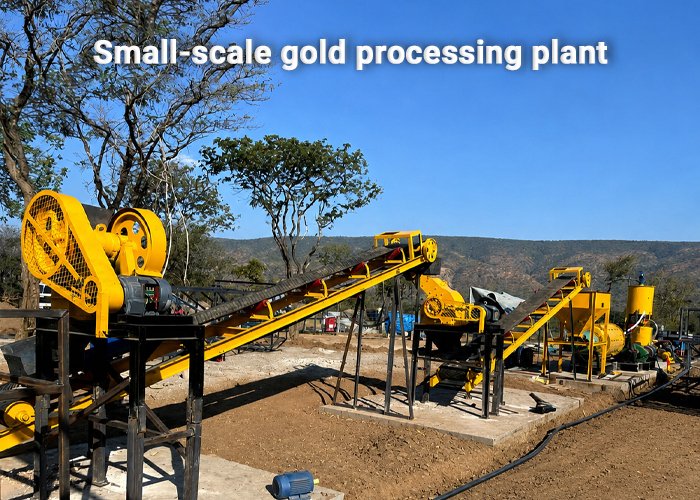
Starting a small-scale gold processing plant is one of the most practical ways to enter the gold mining industry. Compared with large mining projects, a small plant requires less investment, shorter construction time, and lower operating costs. Ho...
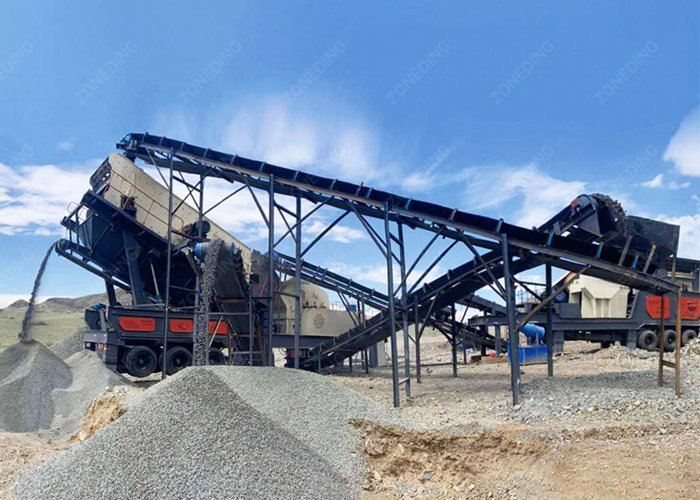
A represents the peak of integrated mineral processing technology. This machine functions as a complete factory on wheels or tracks. It performs feeding, crushing, and screening in one continuous flow. This setup eliminates the need for expensive ...
The success of a graphite processing plant depends on the ability to protect large flakes. Natural flake graphite value relates directly to flake size. Large flakes (+32 or +50 mesh) command prices several times higher than fine powder. An efficie...
We use cookies to ensure that we give you the best experience on our website. If you continue to use this site we will assume that you are happy with it.
Privacy Policy
Send us a message
We would love to hear from you
Submit your question and our team will respond to the email provided as soon as possible.
 Zoneding Machine