A rod mill working principle differs from other grinding tools because it uses long steel rods instead of balls. This machine is the best choice for preventing “over-grinding,” which ruins fragile minerals. Many plants lose profit because they crush rocks into useless powder. A rod mill solves this by providing a uniform product size. This guide explains how to choose the right model, adjust speed for sand making, and compare it to a ball mill. Understanding these factors ensures a balanced grinding circuit and higher recovery rates.
What is a Rod Mill and its Core Value in Grinding?
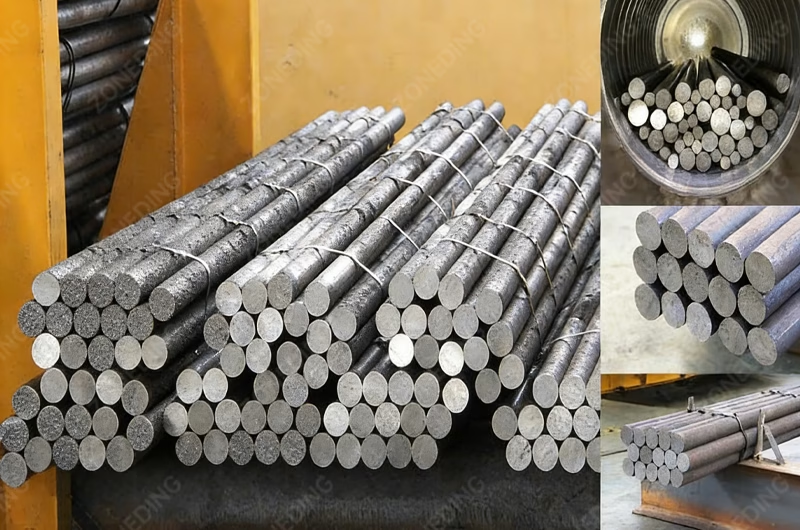
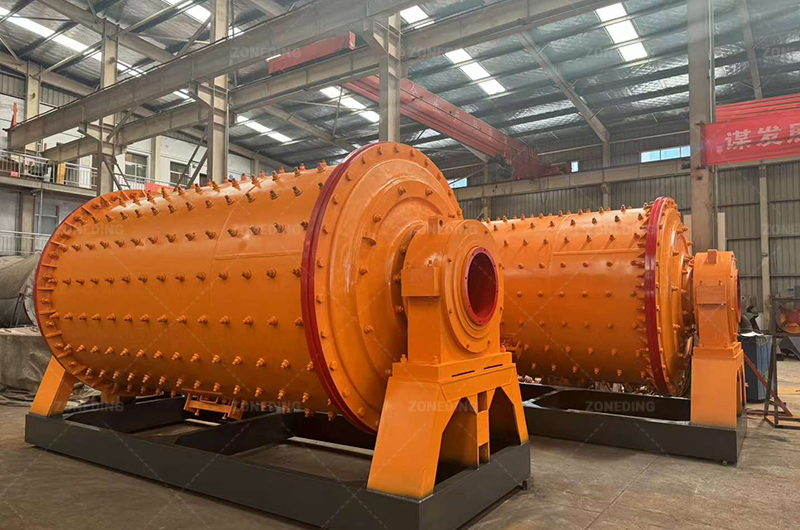
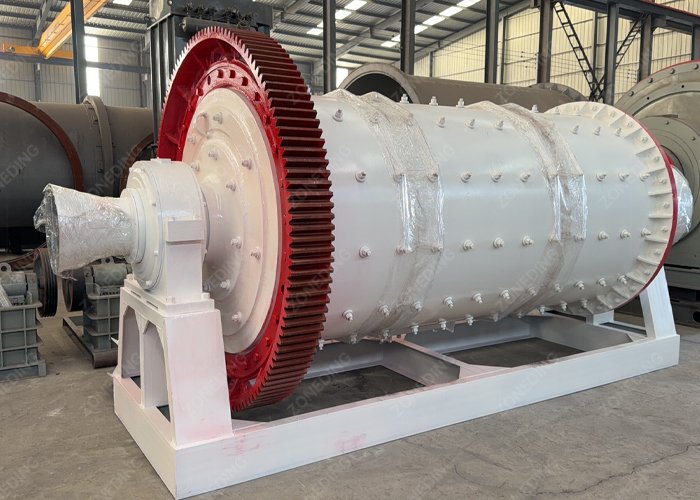
A rod mill is a grinding machine that uses long steel rods as media to crush ore. The machine consists of a rotating horizontal cylinder. Inside, the grinding media steel rods occupy about 35% of the space. As the cylinder turns, the rods are lifted and then fall. This action breaks the rocks through impact and attrition. The main value of this machine is its ability to create a very uniform product. It is often used as the first stage in a grinding circuit or for making high-quality artificial sand. Uniformity is the biggest advantage here. Unlike other mills, a rod mill acts like a “dynamic screen.” The rods stay parallel during the rotation. Larger rocks force the rods apart. This ensures that the heavy weight of the rods falls directly on the biggest pieces. Smaller pieces stay safe in the gaps between the rods. So, the machine focuses its energy on the coarse material. This makes it a “gatekeeper” for particle size. It prepares the ore perfectly for the next stage of processing.
Steel Rods
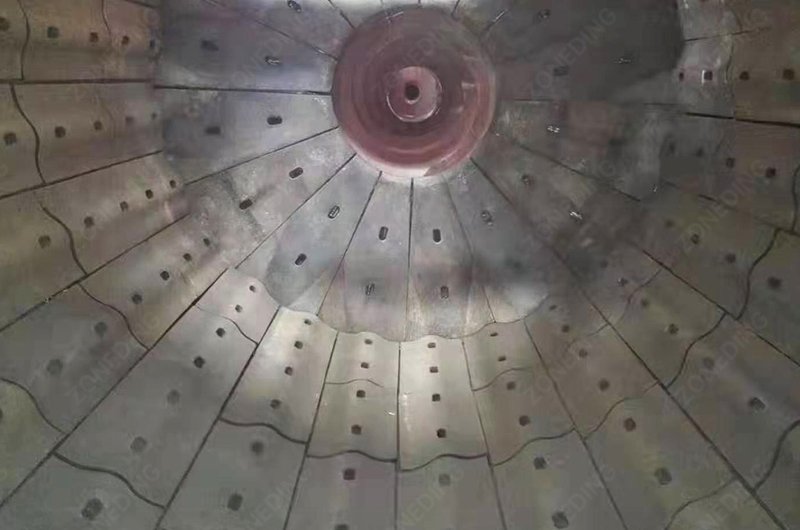
Shell Liners
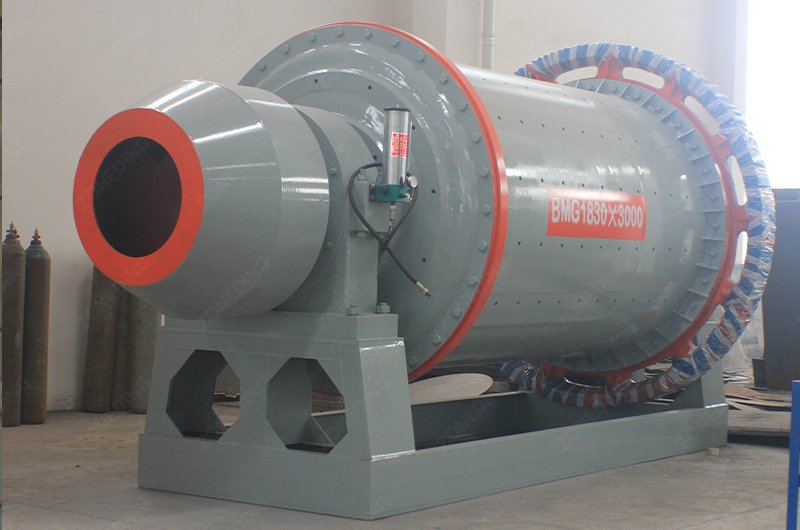
Discharge Head
Core Components of a Rod Mill
Component
Function
Practical Benefit
Steel Rods
Crushing media
Ensures line contact for even size
Shell Liners
Protects the drum
Wave-shaped liners keep rods parallel
Discharge Head
Controls output
Defines how fast material leaves the mill
Tips for Initial Setup
Check Rod Straightness: Bent rods cause “tangling.” Only use high-quality heat-treated rods.
Set Proper Speed: The mill should turn at 60% to 70% of its critical speed.
Control Feed Size: Rod mills handle feed up to 25mm. Do not feed larger rocks.
How Does “Line Contact” Prevent Over-Grinding?
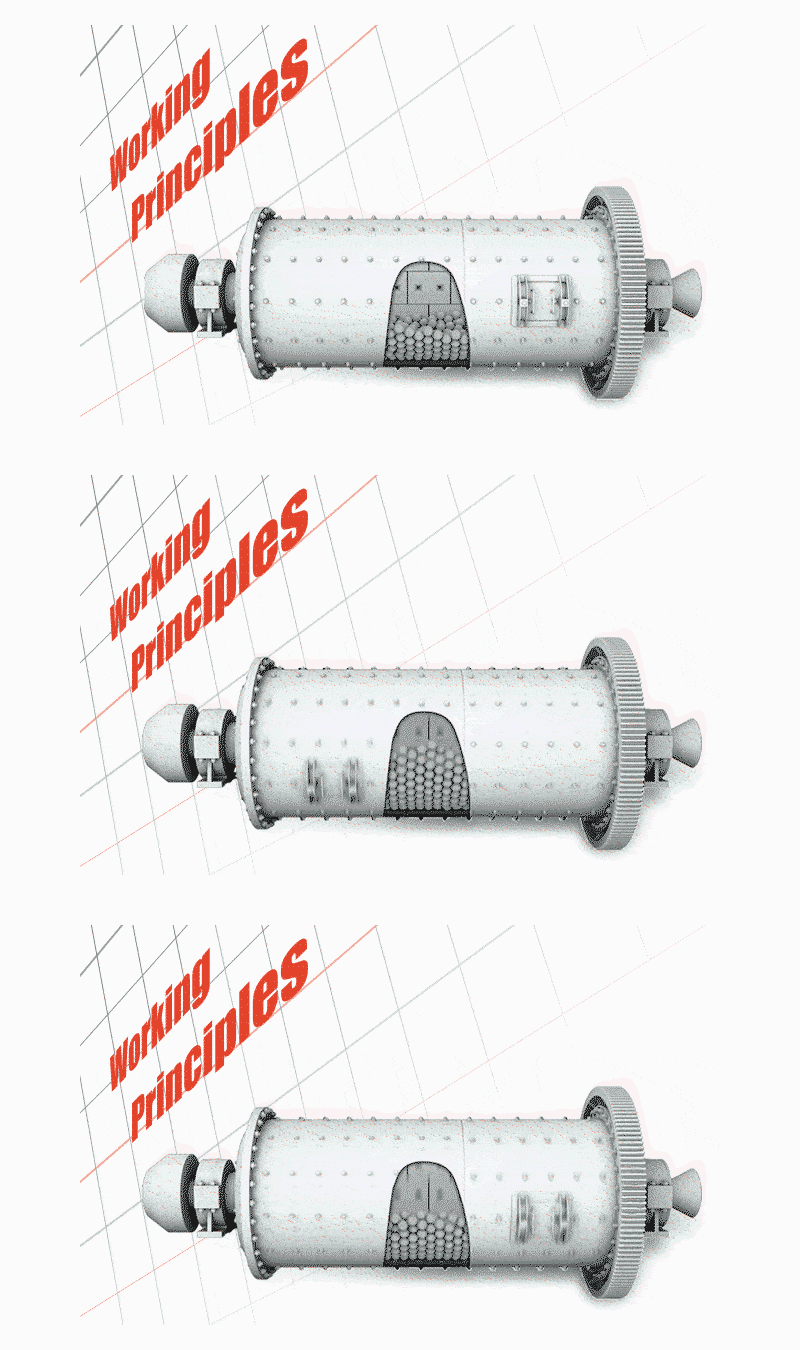
The rod mill working principle relies on “line contact” between the steel rods. In a ball mill, the balls touch at a single point. This point contact can crush small particles into fine dust. But grinding media steel rods touch along their entire length. This creates a “sieve effect” inside the drum. Large rocks act as spacers. They keep the rods from hitting the smaller particles. So, the big rocks get crushed while the small ones are protected. This is the best way to achieve over-grinding prevention. Over-grinding is a disaster for many minerals. If you grind too much, the mineral becomes “slime.” Slime is very hard to recover in gravity or flotation machines. By using the line contact grinding method, the mill produces fewer fines. The particle size distribution is “steep.” This means most of the rocks end up in the desired size range. This precision is why the machine is famous in the heavy mineral industry. It saves valuable minerals that would otherwise be lost in the waste pile.
Working Principle of Rod Mill
Benefits of Over-Grinding Prevention
Higher Recovery: Fewer slimes mean gravity tables can catch more minerals.
Lower Reagent Cost: Fine dust eats up expensive chemicals in flotation.
Consistent Quality: The product is easier to dewater and handle.
Tips for Managing Line Contact
Avoid Overfilling: If you add too many rods, they cannot stay parallel.
Monitor Rod Wear: Rods thinner than 30mm lose their rigidity. Remove them.
Uniform Feeding: Feed the mill across the whole width to avoid uneven wear.
Structural Differences: Overflow vs Peripheral Discharge?
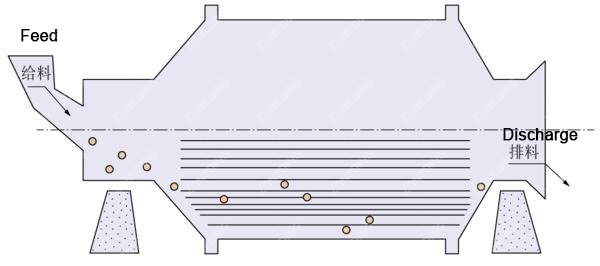
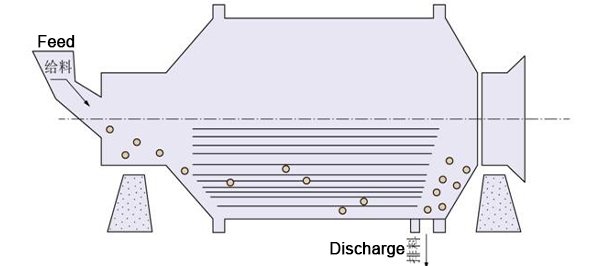
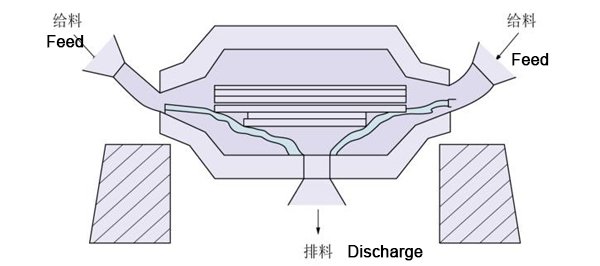
Rod mills have three main discharge designs: Overflow, End Peripheral, and Center Peripheral. The Overflow rod mill is the most common. The material enters one end and flows out the other. It is simple and used for wet grinding. End Peripheral mills discharge through holes in the shell at one end. Center Peripheral mills take feed from both ends and discharge through the center. These designs change how long the rock stays inside the mill. A shorter stay means a coarser product. Center Peripheral mills are great for artificial sand making. They allow the material to leave very quickly. This prevents any extra grinding. Overflow mills are better for fine grinding in a mineral plant. The choice depends on the moisture of the ore and the goal of the project. A table below shows the best uses for each type.
For Dry Sand: Use Center Peripheral to avoid making too much dust.
For Wet Sand: Overflow is the easiest to maintain.
Why Must Fragile Minerals Use Rod Mills?
Fragile minerals like tungsten and tin break easily into useless dust. These are called “friable” minerals. If you use a ball mill, the impact is too hard. You will get “over-pulverized” ore. Then, the gravity separators cannot catch the minerals. This is why tungsten and tin ore processing almost always starts with a rod mill. The machine handles the rock gently. It breaks the hard waste rock but leaves the mineral crystals in a safe size. The economic impact is huge. In a tin mine, a 5% increase in recovery can mean millions of dollars. The rod mill working principle ensures that the “liberation” happens at the coarsest possible size. This is the golden rule of mining: “Crush as much as necessary, but as little as possible.” By following this rule, the rod mill becomes the most profitable machine in the building. It protects the mineral value from the very first step.
Target Minerals for Rod Milling
Tungsten (Wolframite): Very brittle, needs gentle grinding.
Tin (Cassiterite): High density, easily lost if over-ground.
Tantalum-Niobium: Rare and expensive minerals that require precision.
Application Tips
Use Closed-Circuit: Pair the mill with a screen to return big pieces.
Control Water Ratio: For wet grinding, 60% solids is usually the sweet spot.
Watch the Grade: If the waste rock is very hard, increase the rod diameter.
Rod Mill vs Ball Mill: What are the Differences?
The primary difference in the Rod mill vs Ball mill debate is the grinding media. A rod mill uses steel rods, and a Ball Mill uses steel balls. This change in shape changes everything else. Rod mills handle a larger feed size, up to 25mm. Ball mills prefer smaller feed, usually under 10mm. Rod mills produce a coarser, more uniform product. Ball mills are designed to produce a very fine powder. Cost and maintenance are also different. A rod mill is more expensive to build because the shell must be very strong. It also requires more labor to change the rods. However, it uses less power per ton for coarse grinding. The Rod mill vs Ball mill choice is about the destination. If you need sand or coarse liberation, pick the rod. If you need to make dust for a chemical process, pick the ball.
Rod mill
Ball Mill
Feature
Rod Mill
Ball Mill
Practical Significance
Media Shape
Rods (Line)
Balls (Point)
Defines the size uniformity
Max Feed
25 mm
10 mm
Affects the primary crusher size
Product Size
0.5 – 5 mm
Below 0.1 mm
Defines the recovery method
Power Use
Lower (Coarse)
Lower (Fine)
Affects the monthly electric bill
When to Switch
If Product is Too Fine: Switch from balls to rods to reduce slimes.
If Production is Slow: Add a rod mill before the ball mill to stabilize feed.
If Media Costs are High: Rods are often cheaper to replace than small balls in some regions.
Controlling Fineness Modulus in Artificial Sand Making?
In artificial sand making, rod mills are the masters of quality control. The Fineness Modulus (FM) is a number that tells you how coarse the sand is. Concrete plants want a specific FM, usually between 2.6 and 3.0. A Sand Making Machine like a VSI can make sand, but it often creates too many “fines.” A rod mill can be tuned perfectly. By changing the mill speed and the amount of water, you can hit the FM target every time. Speed is the main tool. If the mill turns faster, the rods hit harder. This makes the sand finer. If it turns slower, the sand is coarser. Also, the rod charge matters. Adding more rods increases the surface area for grinding. This makes the product more uniform. In high-standard projects like dam construction, the rod mill is the standard choice. It creates sand with good “grading” and “shape.”
Tuning Factors for Sand
Speed: High speed = Fine sand. Low speed = Coarse sand.
Water Flow: More water washes sand out faster, making it coarser.
Rod Mix: Mix thick and thin rods to fill all gaps.
Practical Tips
Daily Sampling: Test the sand every 4 hours to check the FM.
Liner Inspection: Worn liners stop the rods from lifting. This ruins the FM.
Consistent Feed: If the rock hardness changes, you must adjust the speed.
Managing Rod Loading and Tangling Issues?
“Rod tangling” is the biggest maintenance headache for operators. This happens when the rods stop staying parallel. They start to cross each other like a pile of matches. Eventually, they bend and break. This can destroy the liners and even the shell. The main cause is poor loading or running the mill empty. You must always maintain a proper rod mill working principle by keeping the rods straight and the mill loaded with ore. Rod loading order is critical. When starting a new mill, you must add a “balanced charge.” This means a mix of different rod diameters. As the rods wear out, you only add the largest size. You must also remove the “spent” rods. These are rods that have become very thin. Thin rods bend easily. If you leave them inside, they will cause a tangle. A clean, well-managed rod charge is the secret to high efficiency.
Rod Loading Best Practices
Initial Charge: Use a mix of 100mm, 75mm, and 50mm rods.
Weekly Addition: Add only the 100mm rods to maintain the weight.
Removal Rule: Pull out any rod that is smaller than 30mm. It is no longer doing work.
How to Prevent Tangling
Never Run Empty: The ore acts as a cushion. Without it, rods jump and cross.
Watch the Speed: If the mill is too fast, centrifugal force makes rods “fly.”
Check Liners: Use “wave-type” liners. They help keep the rods in a straight line.
2026 Trends in Rod Mill Technology
In 2026, automation is changing how mills work. New systems use sensors to “listen” to the rods. The sound of the mill tells a computer if the rods are tangling or if the feed is too low. This allows for immediate speed adjustment. Also, new alloy rods are becoming popular. These rods are much harder. They last 40% longer than standard carbon steel. Another trend is the “Eco-Mill.” These mills use permanent magnet motors. They use 15% less electricity. They are also quieter. For the artificial sand making industry, there is a push for mobile rod mills. These are mounted on tracks. They can move with the quarry. This reduces the cost of hauling rock to a central plant.
Latest Advances
Smart Rod Sorting: Machines that can automatically detect and eject thin rods.
Ceramic Liners: For non-metallic minerals, these prevent iron contamination.
Dry Grinding Filters: Improved dust collection for dry rod milling in desert regions.
Frequently Asked Questions
Question 1: Can I use a rod mill for gold ore? Yes. It is great for the first stage of grinding. It ensures the gold particles are not “smeared” into the waste rock. Many gold plants use a rod mill followed by a ball mill. Question 2: Why is my rod mill making a screeching sound? This usually means the liners are loose or the rod charge is too low. The metal-on-metal contact is a warning. Check the bolts and the rod level immediately. Question 3: How long do the steel rods last? This depends on the rock hardness. For hard quartz, you might lose 1kg of steel for every ton of rock. For soft limestone, it is much less. Question 4: Is a rod mill better than a VSI for sand? A rod mill produces a more consistent fineness modulus. A VSI is faster and cheaper to run but creates more “filler” (dust). For high-strength concrete, the rod mill is better. Question 5: What is the maximum moisture for dry rod milling? The rock should have less than 2% moisture. If it is wetter, the material will stick to the rods. This creates a “meatball” effect that stops all grinding.
About ZONEDING
ZONEDING is a professional manufacturer of Beneficiation Equipment. Since 2004, the company has provided high-performance Rod Mill and Ball Mill solutions. With a team of 15 expert engineers, ZONEDING designs full production lines for gold, tin, and sand plants. All machines are sold directly from the factory. This ensures the best price and 24/7 technical support. Contact ZONEDING today for a free plant design and equipment quote.
For many mining companies, iron ore tailings are considered a waste problem. However, rising environmental regulations and increasing demand for construction materials have changed the situation. Today, many mines are discovering that: Iron ore ta...
The stands as the most important machine in a modern gold mine. This heavy equipment grinds raw ore into fine particles to release precious metals. Achieving a high recovery rate depends on the efficiency of this grinding process. If the machine f...
Chrome gravity separation represents the most cost-effective method to produce high-grade chrome in 2026. Experience in South Africa and Turkey proves that mineral density remains the strongest profit driver. This process uses the natural weight o...
We use cookies to ensure that we give you the best experience on our website. If you continue to use this site we will assume that you are happy with it.
Privacy Policy
Send us a message
We would love to hear from you
Submit your question and our team will respond to the email provided as soon as possible.
 Zoneding Machine