 Zoneding Machine












How to Reduce Water Consumption in a Mineral Processing Plant
536Learn how to reduce mineral processing water use with water balance, thickening, filtration, recycling, and process control.
View detailsSearch the whole station Crushing Equipment
Choosing a high-performance portable crusher plant for metal ore is the fastest way to increase your mining profits in 2026. Many mine owners waste 30% of their budget on truck fuel and road construction. I believe a mobile station solves this by bringing the machine directly to the rock face. This eliminates the need for expensive long-distance hauling. In this guide, I will show you how to select equipment that maximizes production and reduces costs. My experience shows that the right technical choices lead to a much faster return on investment.
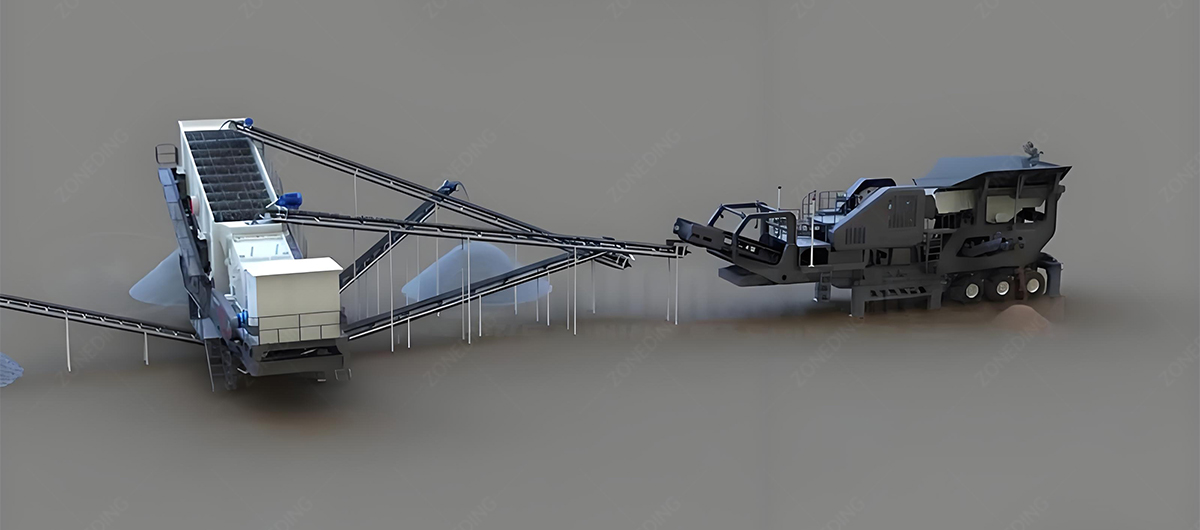
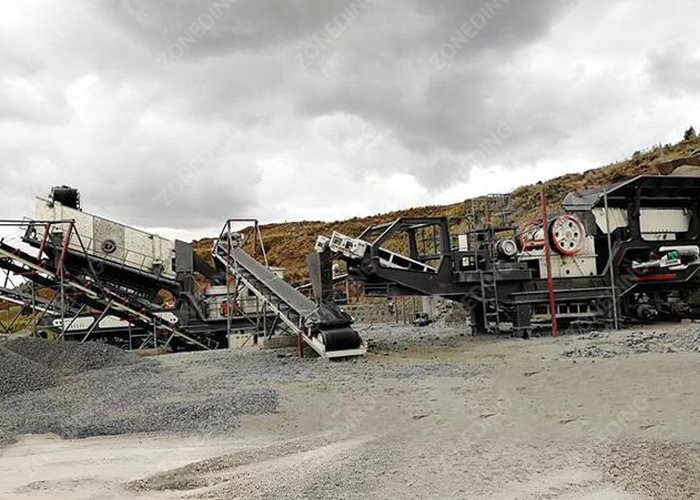
I see many mining projects struggle because they choose old-fashioned fixed lines. A portable crusher plant for metal ore offers flexibility that fixed plants cannot match. Fixed lines require huge concrete foundations that take months to build. In the fast-moving 2026 metal market, you cannot wait six months to start production. A mobile station arrives on a trailer and starts working in a few days. This allows your machine to follow the ore vein as it moves. When the digging site moves two kilometers away, your mobile plant moves with it. This keeps your efficiency high all year.
Fixed plants also have very high permit costs and environmental fees. Governments now give faster approvals for mobile equipment because it does not damage the land forever. I have seen clients save $300,000 just on civil engineering and site preparation by going mobile. If your mine site has a short life or small ore bodies, a fixed plant is a bad investment. A mobile unit keeps its value much better. You can sell it easily or move it to a new project when you finish. This makes your capital very safe. It is the best way to manage a Stone Crushing Plant in remote areas.
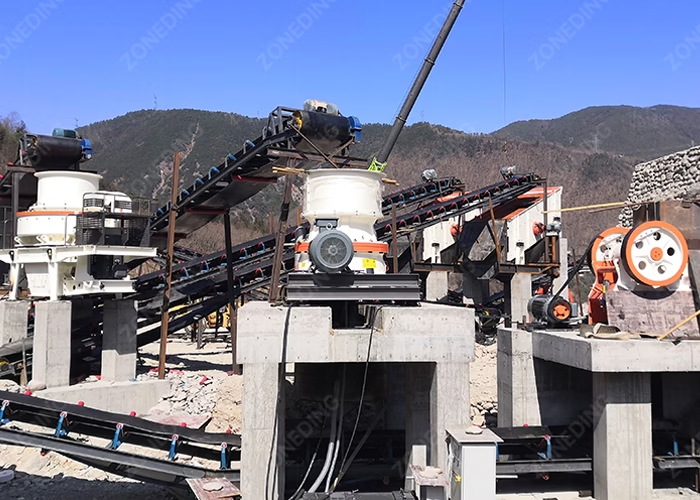
| Feature | Portable Crusher Plant | Fixed Production Line | Practical Meaning for You |
|---|---|---|---|
| Setup Time | 2 – 5 Days | 3 – 6 Months | Start making money 90 days earlier |
| Civil Work | Almost Zero | Expensive Concrete | Save up to 20% of initial investment |
| Relocation | Very Easy | Impossible | Move the plant as the mine grows |
| Resale Value | High | Scrap Value Only | Protect your investment long-term |
Moving heavy rocks is the most expensive part of any mining operation. A portable crusher plant for metal ore uses the “crush and go” model to solve this. I always tell my clients to place the crusher right at the pit side. The machine breaks large boulders into small pieces immediately. Then, you use a conveyor belt instead of a big truck to move the material. Trucks use a lot of expensive diesel and need tires that cost $5,000 each. Conveyor belts run on electricity and have very low maintenance costs in 2026. This simple change can save you a fortune every month.
Crushing at the source also reduces the total volume of material you move. You stop moving “waste rock” to your main factory. My data shows this saves about 50% to 70% of the total transportation budget. In 2026, labor for truck drivers is also very hard to find and expensive. A mobile plant needs fewer people to manage the logistics. You spend your money on crushing the ore, not on driving it around. This makes your Iron Ore Beneficiation process much more efficient. You can focus your energy on extraction rather than logistics.
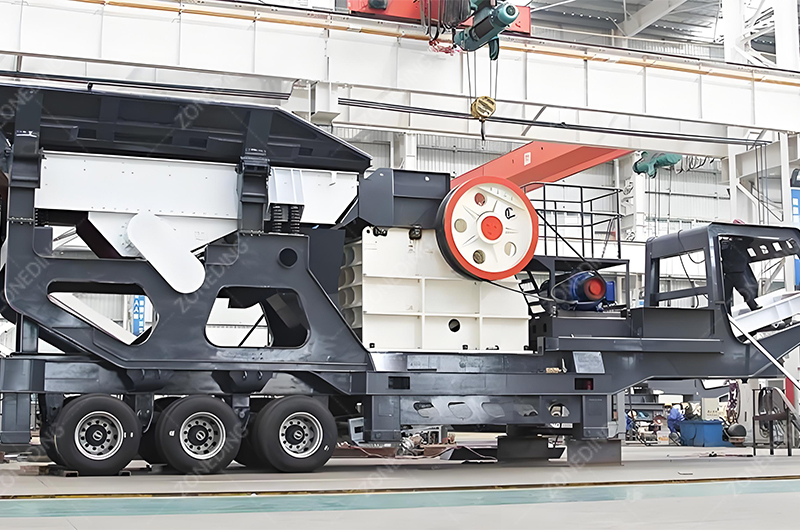
Metal ores like gold, copper, and iron are usually very hard. You cannot use a simple hammer crusher for these materials. I recommend a two-stage mobile setup. First, you use a Mobile Jaw Crusher for primary crushing. It takes the big boulders and breaks them down to about 150mm. The jaw crusher is built for brute strength. It handles the massive pressure of hard rock without breaking. It is the “heavy lifter” of your mobile fleet. You need a machine that can handle the sudden impact of large rocks.
For the second stage, you must use a Mobile Cone Crusher. The cone crusher uses lamination crushing to make the rocks even smaller. It is very good for hard materials because it does not wear out as fast as an impact crusher. In 2026, ZONEDING uses high-manganese steel for the liners. This ensures you get a consistent output size of 10mm to 20mm. This fine size is perfect for your ball mill in the next step. If your rocks are too big, your mill will use too much power. This combination is the most reliable way to handle tough metal ores.
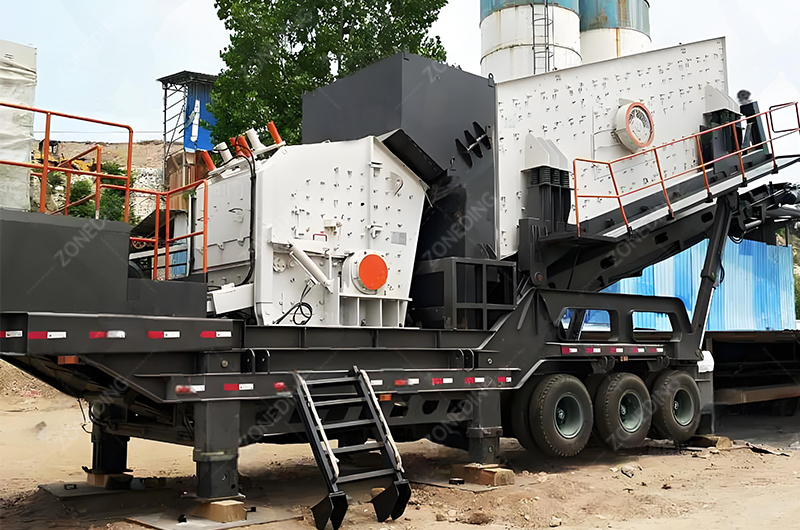
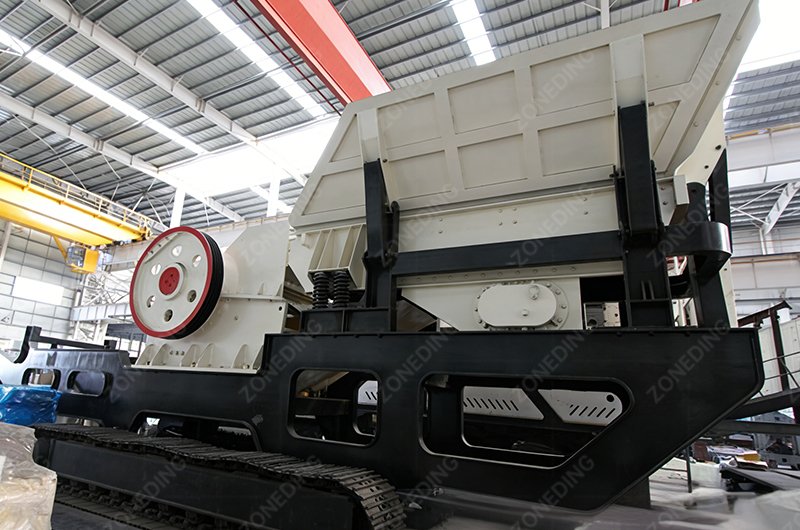
| Ore Type | Primary Machine | Secondary Machine | Resulting Yield |
|---|---|---|---|
| Hard Iron Ore | Mobile Jaw Crusher | Mobile Cone Crusher | High fine-ore percentage |
| Soft Copper Ore | Mobile Jaw Crusher | Mobile Impact Crusher | Low cost per ton |
| Abrasive Gold Ore | Tracked Jaw Crusher | Short-head Cone | Precise size for leaching |
I see many mines located in mountains or wet jungles. A wheeled mobile crusher is good for roads, but a Tracked Jaw Crusher is best for the actual mine pit. The crawler chassis works like a tank. It has very low ground pressure. This means it does not sink into the mud or soft soil. In 2026, ZONEDING tracks are made from high-strength alloy steel. They can climb slopes of up to 20 degrees easily. You can drive the machine right up to the blasting face. This saves time and makes the operation safer.
Wireless remote control is a standard feature in 2026. I can stand 50 meters away and drive the 50-ton machine with a joystick. This is very safe for your operators. You do not need to be inside the machine while rocks are falling nearby. The crawler design also reduces vibration. The heavy tracks act as a solid base. This prevents the machine from shaking itself apart when crushing hard metal ore. It is a “plug and play” solution for the toughest environments on earth. If you have a site with steep ramps, a crawler is your only real choice.
Yield is the most important number in your mining report. A Mobile Crushing and Screening Plant combines everything on one chassis. I call this a “closed-loop” system. The rocks go into the crusher, then to the screen. If they are too big, the belt sends them back to the crusher automatically. This ensures that 100% of your output meets your size requirement. You do not waste money transporting oversized rocks that you cannot use. It makes the whole process much smoother and more predictable.
In 2026, ZONEDING adds “pre-selection” units to our mobile plants. These units remove waste rock before it enters the final stage. This increases the grade of your ore. If you remove 20% of the waste at the pit, your main factory works 20% faster. You get more metal for every kilowatt of power you spend. This is the secret to optimizing metal ore production. An integrated plant is not just a crusher. It is a small, smart factory on tracks. It simplifies your entire workflow and reduces the number of machines you need to manage.
Metal ores are like sandpaper. They eat steel very quickly. If you do not manage your wear parts, your portable crusher plant for metal ore will stop every week. I suggest using high-chromium or molybdenum alloy parts for 2026 operations. These materials are more expensive but last three times longer. You must calculate the “cost per ton,” not the “cost per part.” A cheap part that breaks in three days is very expensive because you lose production time. Good steel is always a better investment.
I also recommend a predictive maintenance schedule. Modern mobile stations have sensors that tell you when a liner is thin. You should change parts before they fail. If a liner breaks and hits the internal rotor, you will spend $50,000 on a new machine. I keep a “wear kit” at every mine site I manage. This kit has one set of jaw plates, one cone liner, and five belt rollers. This ensures your downtime is measured in hours, not weeks. In 2026, we see more clients using smart sensors to track wear in real-time.

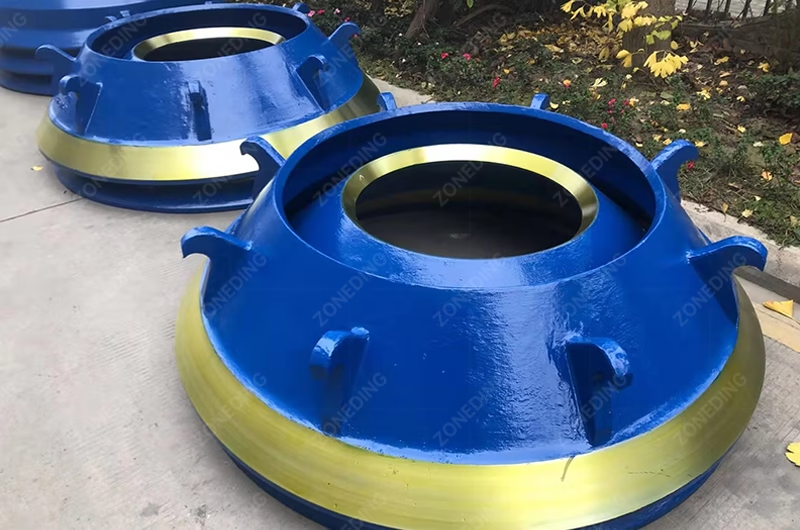
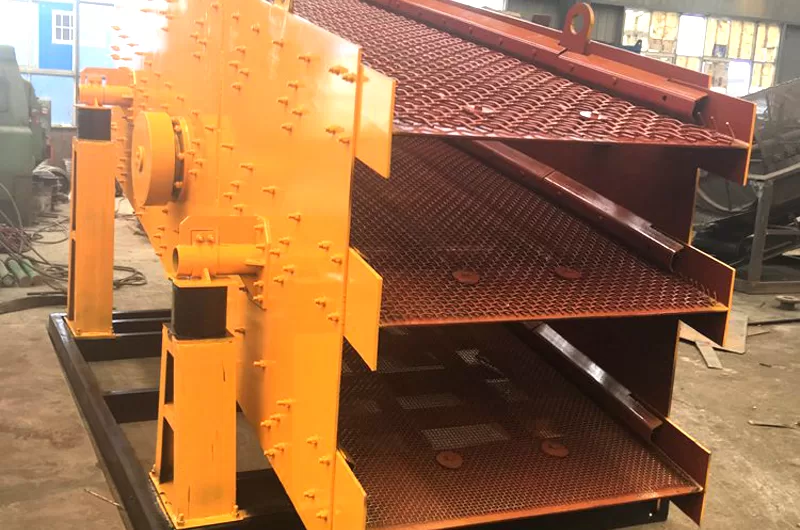
| Part Name | Material (2026 Standard) | Expected Life (Hard Ore) | Action Plan |
|---|---|---|---|
| Jaw Plates | High Manganese + Cr | 400 – 800 Hours | Flip plates at 50% wear |
| Cone Liners | High Chromium Alloy | 600 – 1200 Hours | Monitor the gap every day |
| Screen Mesh | Polyurethane | 300 – 600 Hours | Clean the mesh every shift |
| Belt Rollers | Reinforced Nylon | 2000+ Hours | Check for bearing noise weekly |
In 2026, I can monitor a portable crusher plant for metal ore in the Amazon from my office in China. This is thanks to 5G and satellite IoT systems. Every high-performance mobile station now has a digital brain. It monitors temperature, oil pressure, and vibration levels. If the machine gets too hot, it slows down the feeder automatically. This prevents a total engine failure. This technology is vital for remote mines where expert mechanics are far away. It gives you peace of mind that your machine is safe.
Smart systems also help you track your production data. You can see exactly how many tons you crushed every hour. You can see how much fuel you used. This data helps you find “bottlenecks” in your production. For example, if the crusher is waiting for trucks, you know you need more loaders. In 2026, mining is a game of data. The person with the best information makes the most profit. I help my clients set up these dashboards to ensure they hit their targets every month. It turns your mining site into a modern, high-tech business.
Investing in a portable crusher plant for metal ore is a big decision. Most units cost between $300,000 and $1.2 million. However, the ROI is very high. I usually see my clients pay back the machine in 12 to 18 months. This is because you save money in three areas: transport, labor, and civil works. If you save $2 per ton in transport and crush 500,000 tons a year, you save $1 million. The machine pays for itself just by moving less dirt. It is a very simple financial calculation.
Also, the resale value of a mobile crusher is excellent. In 2026, used mobile equipment sells for 70% of its new price. A fixed plant has zero resale value because you cannot move the concrete. This makes the “total cost of ownership” much lower. I recommend looking at a 5-year plan. Over five years, a mobile plant is almost always 40% cheaper than a fixed one. It is the smartest financial move for a modern mine owner. You keep your capital mobile and your risk low.
| Savings / Earnings | Amount (USD) | Why? |
|---|---|---|
| Transport Fuel Savings | $480,000 | Fewer truck trips needed |
| Civil Work Savings | $220,000 | No concrete foundation cost |
| Extra Production Yield | $350,000 | Better size control |
| Total Annual Benefit | $1,050,000 | Direct impact on profit |
The biggest trend in 2026 is the “Green Mine.” Governments are now taxing carbon emissions heavily. I suggest looking for electric-drive mobile stations. You can power these with a mobile solar farm or a hydrogen generator. This makes your metal more valuable to buyers like Tesla or Apple. Another trend is the “Micro-Mine.” Companies are using small mobile units to process high-grade veins that were once too small to mine. Technology is making small-scale mining very profitable.
1. Can a portable crusher plant handle 500 TPD of hard iron ore?
Yes. A medium Tracked Jaw Crusher easily handles 500 to 1000 TPD. For hard iron ore, you should pair it with a mobile cone crusher. This setup ensures you get the right size for your mill and prevents machine damage.
2. How long does it take to move the plant to a new site?
A crawler-type plant is ready to move in 30 minutes. You just fold the conveyors and drive it onto a trailer. For a wheeled plant, it takes about 6 to 8 hours to pack everything and prepare for towing.
3. Do I need a professional engineer to run the machine?
No. In 2026, the systems are very simple. A regular equipment operator can learn the touch-screen controls in two days. The smart system handles the difficult mechanical balancing for you automatically.
4. What is the main cause of downtime for mobile crushers?
The number one cause is “un-crushable” metal, like an old excavator tooth, getting stuck. I always suggest installing a high-power magnet and a metal detector on your feed belt to prevent this.
5. Is a mobile crusher more expensive to maintain than a fixed one?
No. While parts are similar, the mobile unit is easier to access for repairs. You do not need to build scaffolding to reach the engine or the crusher head. This makes maintenance faster and cheaper.
ZONEDING is a leader in manufacturing Beneficiation Equipment and mobile crushing stations. Since 2004, we have helped mining companies in 120 countries optimize their production. We own an 8,000 square meter factory and produce over 500 machines every year. Our team of 15 senior engineers specializes in designing high-hardness Jaw Crushers. We offer factory-direct sales to ensure you get the best price and full-service support.
Contact us today for a free project layout and a quote for your 2026 mining project. We are ready to help you grow.
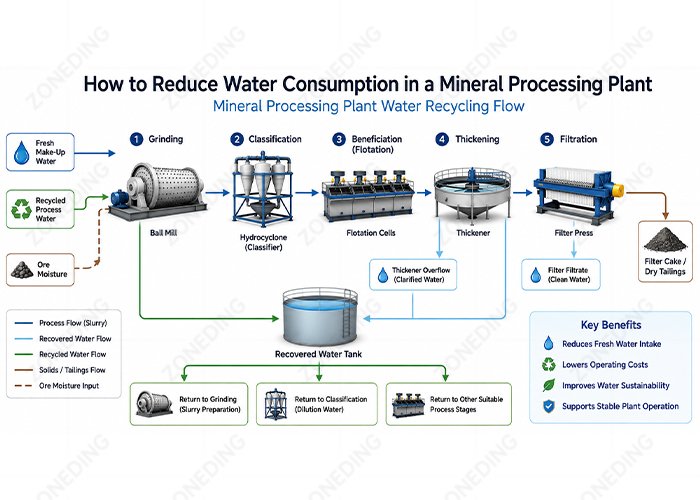
Learn how to reduce mineral processing water use with water balance, thickening, filtration, recycling, and process control.
View details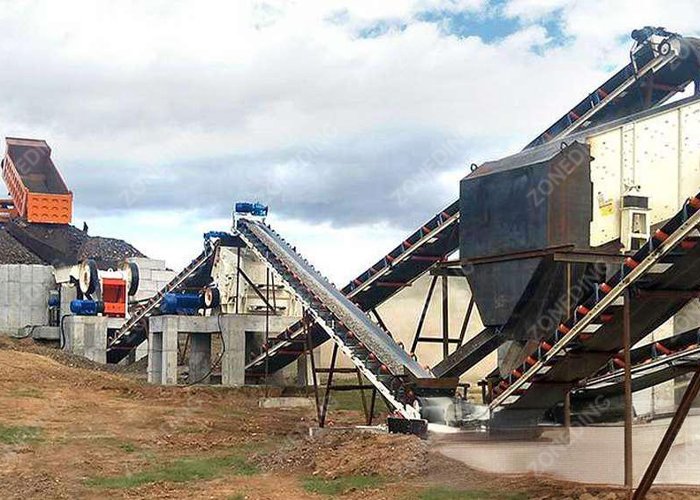
Buying a stone crusher is a major investment for any quarry, mining, or aggregate production business. The wrong equipment can increase downtime, wear cost, and energy consumption for years. Meanwhile, the right crushing system can improve product...
View details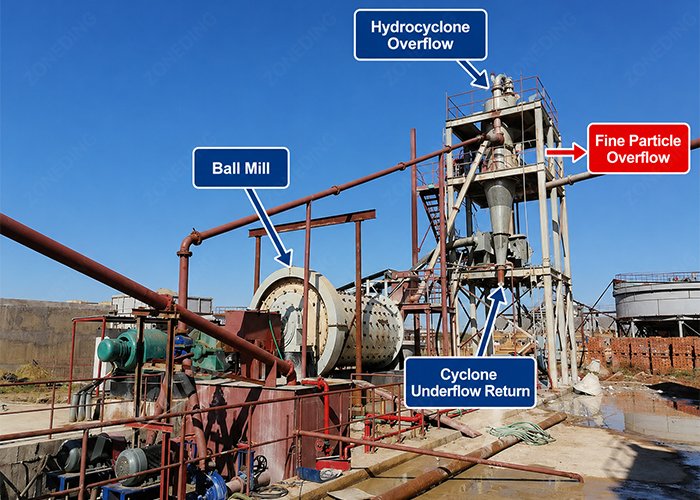
Learn why a ball mill produces too many fines and how to reduce overgrinding, improve classification, and stabilize product size.
View details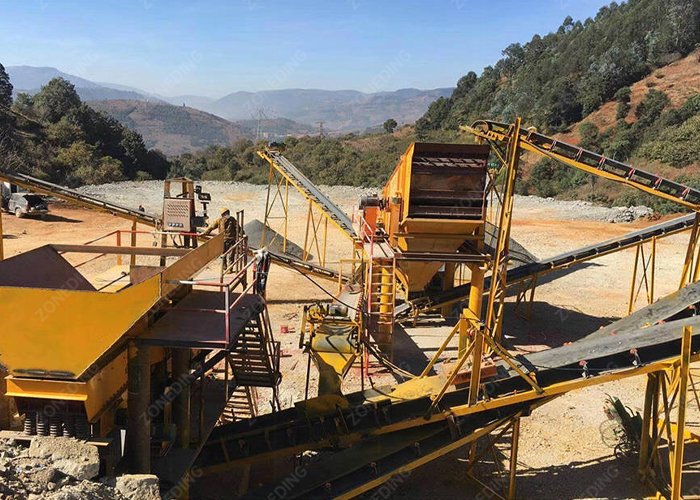
Mineral screening equipment performs the vital task of size separation in mining. This process occurs after crushing to ensure only the correct stones proceed. Efficient screening prevents the recirculating load from overwhelming the system. In 20...
View details