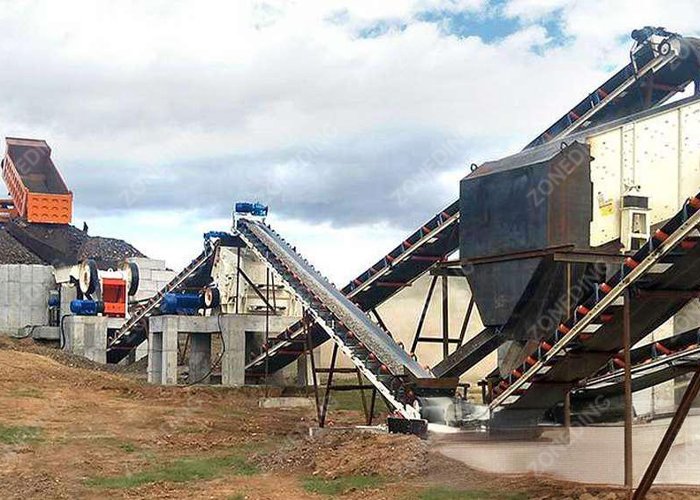
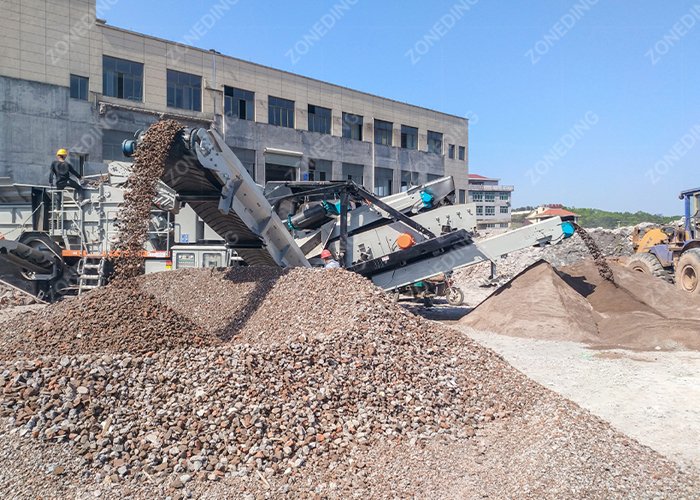
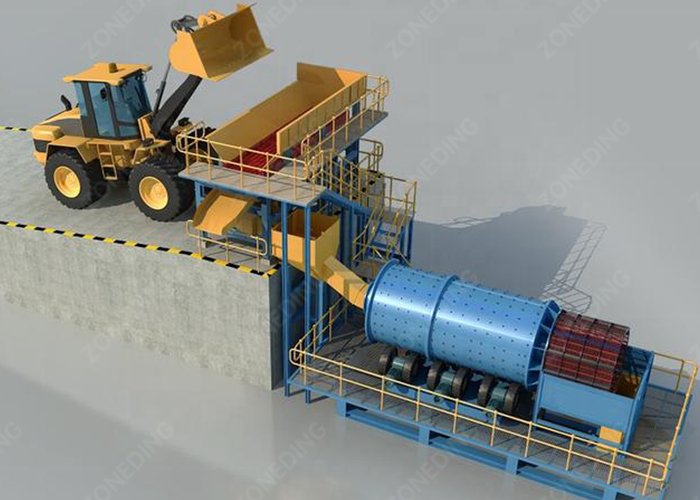
Chrome gravity separation represents the most cost-effective method to produce high-grade chrome in 2026. Experience in South Africa and Turkey proves that mineral density remains the strongest profit driver. This process uses the natural weight of chromite to separate it from waste rock. It reduces costs because it uses no chemicals and very little electricity. For most mining projects, it offers the fastest way to turn raw ore into market profit.
Why is density difference the best way to get high-grade chrome?
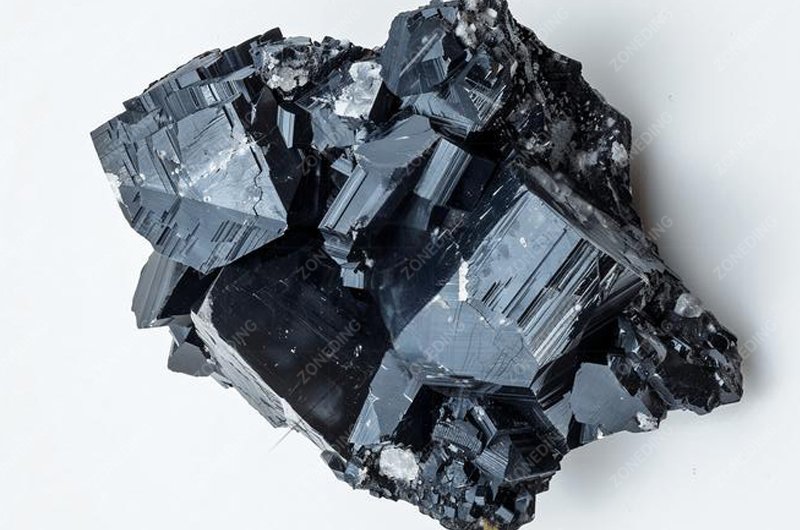
The massive density gap between chromite and waste rock makes gravity separation a perfect physical solution. Chromite carries a specific gravity between 4.5 and 4.8. Common waste minerals like serpentine or olivine possess a specific gravity between 2.5 and 3.2. This gap exceeds the critical threshold of 1.5 required for efficient separation. Gravity machines utilize this physical gap to pull heavy chrome particles to the bottom of a water stream. Light waste particles remain suspended and flow away as tailings. This separation occurs without any chemical interference or complex heat treatments. The simplicity of this physics-based approach ensures a stable production line. Changes in the chemical makeup of the ore do not stop the process. As long as the weight difference remains, the recovery of chrome continues. This reliability makes the plant easy to manage. High-grade concentrates become a reality through consistent mechanical control.
The physical advantage of density lowers the initial costs of the project. A Chrome Processing Plant using gravity costs much less than a flotation plant. The machines are simple to build and easy to maintain. The process stays very stable over long shifts. Changes in the mineralogy of the ore do not break the separation logic. Heavy chrome always sinks faster than light waste rock. This reliability provides a steady flow of high-quality product for the buyers. High-grade chrome often reaches 40% to 50% purity using only these physical tools. This purity level attracts the best prices in the global market. Simple physics provides the highest financial returns for the mine owner.
Comparative Gravity Factors
Chromite
Serpentine
Olivine basalt
Mineral Type
Specific Gravity (SG)
Separation Ease
Economic Benefit
Chromite
4.5 – 4.8
Heavy / Target
High Value
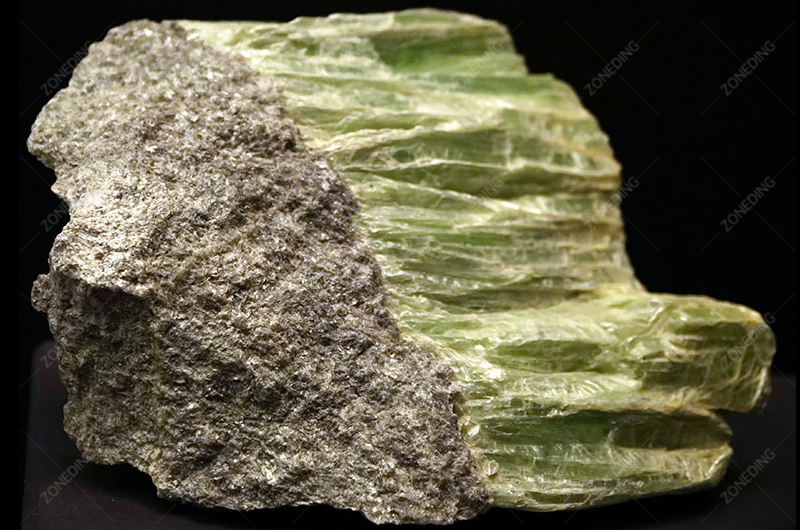
Serpentine
2.5 – 2.6
Light / Waste
Low Cost Removal
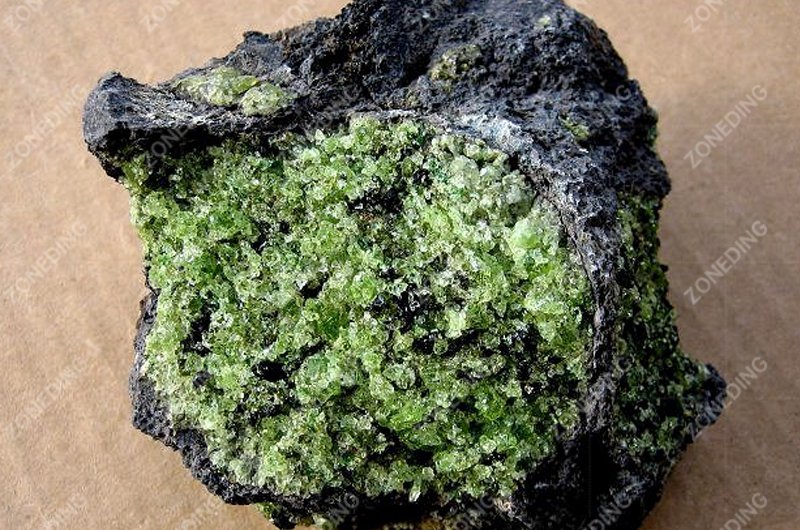
Olivine
3.2 – 3.5
Light / Waste
Clean Separation
Practical Tips for Density Separation
Screening First: The plant operator should screen the ore into different sizes before the process starts.
Constant Feed: The system must keep the flow of slurry steady to maintain stable centrifugal force.
Check Tailings: The staff should monitor the weight of the waste to ensure no heavy chrome escapes.
How much money does zero-chemical processing save in a chrome plant?
Eliminating chemicals from the plant can cut operating costs per ton by up to 60%. Some engineers try to use flotation for chrome recovery. Flotation requires collectors, frothers, and pH regulators. These chemicals are very expensive to buy. The mine must also pay for transport to remote locations. These substances also need complex dosing systems and professional chemists. Gravity separation uses only water and motion to achieve the same goals. This “clean” approach removes the need for a huge chemical budget. It also makes the training of workers much easier. No one needs to handle toxic liquids or worry about chemical burns. Simple water cycles do all the hard work of separation.
Secondary costs of chemicals also burden the mine budget. Flotation water must be treated before it returns to the environment. This treatment needs even more chemicals and big settling ponds. A gravity-based plant avoids these expensive problems. The waste consists only of crushed rock and water. This simplicity makes getting environmental permits much faster. It also keeps the mining land more valuable for the future. Local governments prefer physical mining because it does not poison the groundwater. The cost of environmental compliance drops significantly when the process stays physical. Lower costs at every step mean higher profit margins for the business.
Operating Cost Comparison
Reagent Costs: Zero for gravity. Flotation can cost $5 to $10 per ton of ore processed.
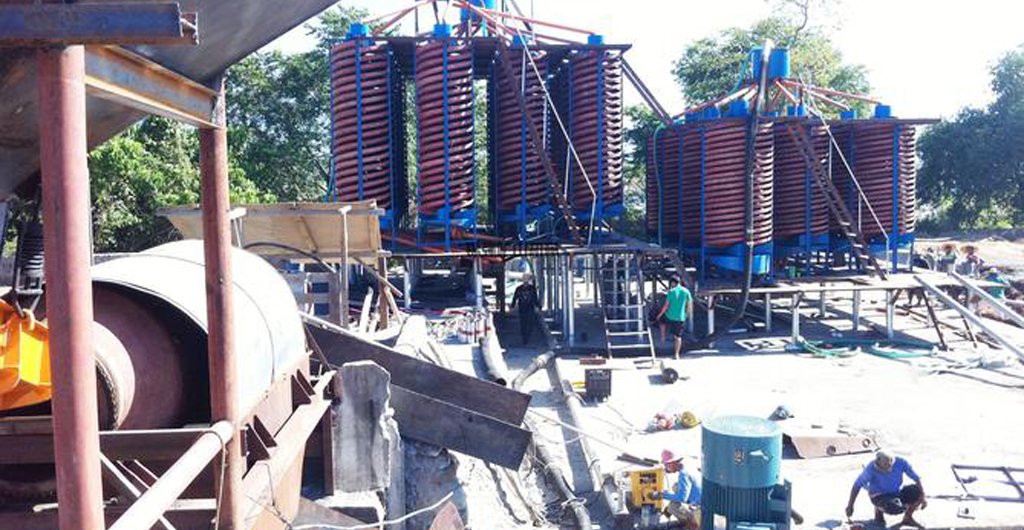
Power Consumption: A Spiral Chute uses zero electricity for the actual separation.
Maintenance: Gravity machines have few moving parts. This saves money on spare parts every year.
The Talc and Serpentine Problem
Many chrome mines have a lot of talc and serpentine. These minerals are very soft and turn into mud easily. In a flotation tank, this mud creates a sticky foam. It traps the chrome and takes it to the waste pile. Some mines lose half their chrome because of this mud. Gravity separation does not care about the surface chemistry of the minerals. It only cares about the weight of each grain. Gravity remains the best recommendation for ores with high clay or talc content. It cuts through the mud and finds the heavy chrome.
How to use jigs, spirals, and shaking tables for full-size recovery?
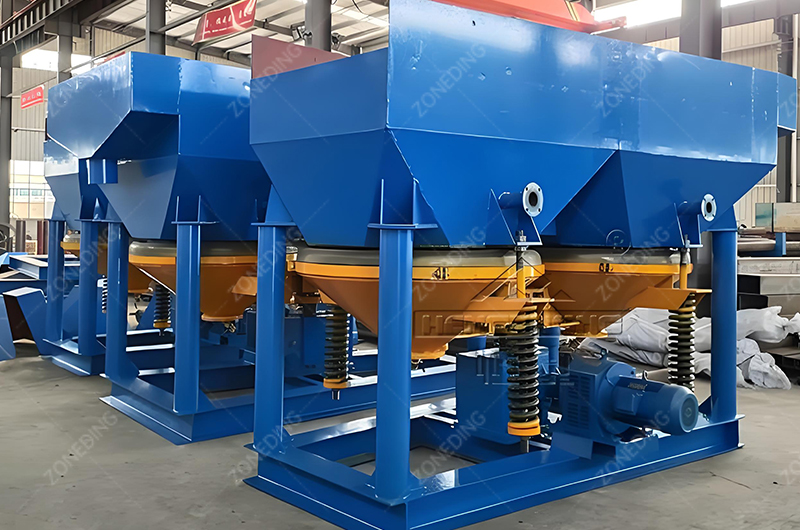
A combined circuit captures chrome across all particle sizes to maximize the total profit. No single machine can handle 50mm rocks and fine dust at the same time. The plant uses a Jigging Separator Machine for the big pieces. This machine handles material from 1mm up to 30mm. It recovers “lumpy” ore very early in the process. Lumpy ore often sells for a higher price at the smelter. Capturing it early also means the plant does not have to grind it. This saves a lot of power in the ball mill. The jig uses a pulsing water flow to lift light rocks and drop heavy ones. This mechanical pulse is the secret to coarse recovery.
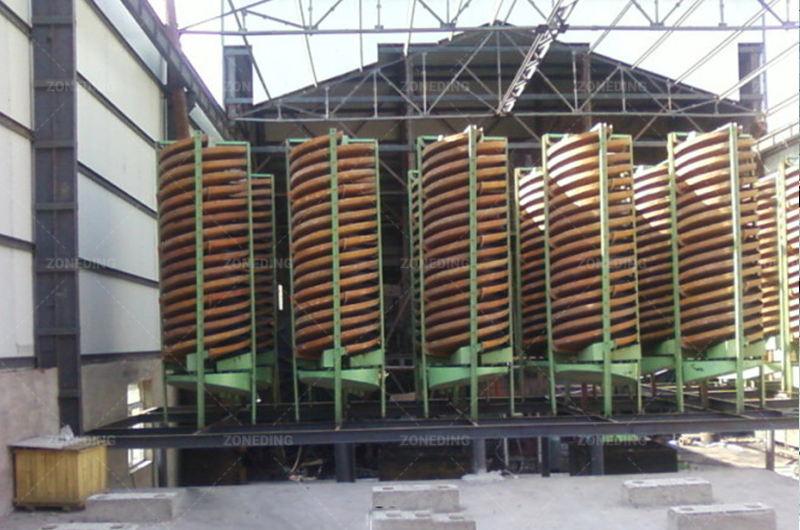
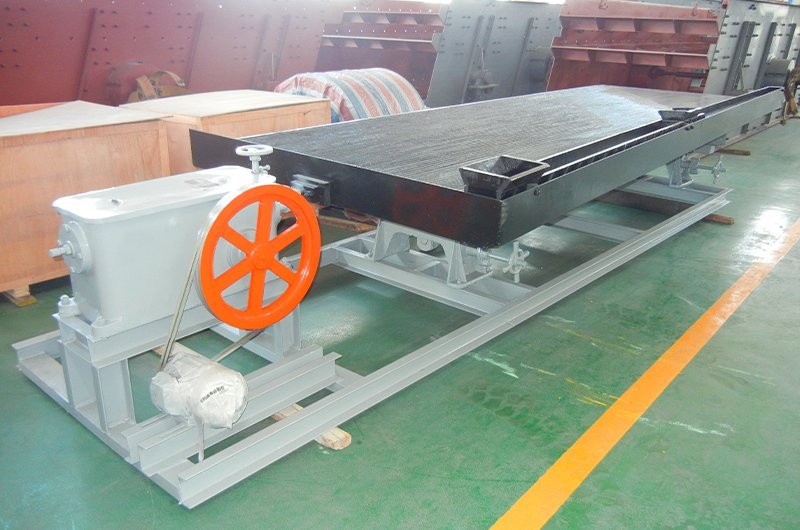
For the middle size range, the Spiral Chute is the most effective tool. It uses centrifugal force to pull heavy chrome to the inner edge. It is very efficient for processing high volumes of ore. Finally, the Shaking Table handles the finest particles. It is the most precise tool for final cleaning. When the plant uses all three machines, the recovery rate stays very high. This multi-stage plan ensures no valuable chrome goes to the waste pile. Each machine specializes in a different size of the same mineral. This strategy fills every gap in the production line.
Desliming: The operator should use a Hydrocyclone to remove fine mud before the shaking table stage.
Correct Sizing: The feed for the spirals must stay within the right size range for the best results.
Adjustable Strokes: The workers should tune the jig stroke based on the hardness of the ore.
How does modern gravity tech prevent fine chrome loss in tailings?
Modern centrifugal concentrators and high-frequency tables stop fine chrome loss. In many old plants, very fine chrome particles just float away with the water. These “fines” are too light for basic gravity machines to catch. The plant should use a Centrifugal Concentrator for these cases. This machine creates a force 100 times stronger than gravity. It forces even the smallest chrome flakes to settle against the walls. This captures value that most old mines used to throw away. It turns waste piles into a new source of revenue. The centrifugal action works faster than the speed of falling water. This prevents the chrome from escaping with the tailings.
Gravity Separation
The viscosity of the water also affects the recovery of fine chrome. If the water is full of mud and clay, it becomes thick. This thick water makes it hard for small chrome pieces to sink to the bottom. The plant must use a Hydrocyclone to wash the ore first. This keeps the water thin and clear. It allows the Shaking Table to work much better on the fine grains. A “scavenger” stage is also a good idea. This means the plant processes the waste one more time to catch any missed particles. Fine chrome recovery can add 15% more profit to the total mine output.
The Hidden Profit: Platinum Group Elements (PGE)
Many chrome deposits also contain tiny amounts of platinum or palladium. These minerals are very heavy and valuable. Their specific gravity is often 10.0 or higher. When the plant sets up a high-precision shaking table for chrome, it also builds a trap for these precious metals. Some mines pay for their entire electricity bill by selling the small amount of platinum caught in the chrome circuit. Magnetic separation does not catch these valuable metals. Gravity separation is the only way to recover these “invisible” profits. This adds a huge bonus to the return on investment.
Why is gravity the ROI king compared to magnetic or flotation?
Lower power bills and simpler maintenance mean the mine keeps more of its money. Comparison of the costs for many projects shows a clear trend. Magnetic separators need a lot of electricity to create strong magnetic fields. This cost continues every hour the plant runs. Flotation needs a constant supply of chemicals. Gravity machines like the Spiral Chute use almost no electricity once the water pumps are running. This lower operating cost (OPEX) means the mine keeps more profit from every ton of ore sold. The financial payback happens much faster with gravity.
The initial investment (CAPEX) is also much lower for gravity systems. The mine does not need complex tanks or air compressors. The parts consist of durable materials like rubber or polyurethane. These materials last a long time in a tough mine environment. If a machine breaks, a local mechanic can usually fix it. High-tech technicians are not necessary for daily repairs. This makes gravity the best choice for mines in remote areas. The total cost over five years is often 50% lower than other methods. This cost savings directly increases the net profit for the investors.
ROI Comparison Table
Feature
Gravity Separation
Magnetic Separation
Flotation
Initial Cost
Low
High
Medium-High
Monthly Power
Very Low
High
Medium
Chemical Cost
Zero
Zero
High
Payback Time
6-12 Months
18-24 Months
24+ Months
How to design a water-efficient gravity plant for dry areas?
Using thickeners allows the plant to reuse 90% of the water in dry locations. Water is as precious as ore in many mining regions. The plant design should include a High Efficiency Concentrator or thickener. This machine separates clean water from the waste solids. The clear water pumps back to the Jigging Separator Machine for another round. This closed-loop system means the mine only needs a little fresh water each day. It protects the local water supply and ensures the mine can run even in a desert. Efficient water use also lowers the cost of pumping.
A good plant layout also saves water through gravity flow. The machines should be placed at different heights so the slurry moves by gravity between stages. This means the plant needs fewer pumps. Fewer pumps mean less heat and less evaporation. In very dry areas, the team can add a filter press. This machine squeezes every last drop of water out of the waste rock. The result is dry waste and a lot of recycled water. This is the best way to keep the mine running during a drought. Modern water management makes gravity separation sustainable for the long term.
Water Saving Checklist
Use Thickeners: The plant should install a High Efficiency Concentrator to get clear water back.
Pipe Maintenance: The staff must fix every leak immediately to prevent waste.
Cover The Tanks: This simple step reduces evaporation in hot weather.
2026Trends in Chrome Ore Processing
The biggest trend in 2025 is the modular plant design. Engineering teams now build plants that fit into shipping containers. This allows the mine to start production in just a few weeks. If the ore body moves, the whole plant can move to a new location. New smart Spiral Chutes also feature electronic sensors. These sensors tell the operator if the grade of the chrome is dropping. The team can make changes immediately without waiting for a lab test. This technology increases the total yield of the mine.
Latest Progress at a Glance
Modular Plants: These systems deploy fast for small or remote deposits.
Smart Monitoring: Sensors track the concentrate grade in real-time.
Better Materials: Polyurethane parts now last three times longer than steel parts.
Frequently Asked Questions
Problem 1: Can gravity separation reach 50% Cr2O3 grade? Yes. Many plants achieve this result. The secret is to liberate the chrome well in the crushing stage and use a Shaking Table for final cleaning.
Problem 2: Is gravity better than magnetic separation? In most cases, yes. It is cheaper to run and easier to maintain. Magnetic separation is only needed if the ore and waste have almost the same weight.
Problem 3: How much water does a chrome plant use? A typical plant uses 3 to 5 tons of water for every ton of ore. But a High Efficiency Concentrator can recycle 90% of it.
Problem 4: Is it hard to maintain a spiral chute? No. It is one of the easiest machines to own because it has no moving parts. The staff only needs to check the lining for wear every few months.
Problem 5: Does gravity work for low-grade ore? Yes. It is the best way to handle low-grade ore. The low cost per ton allows the mine to process more material and still make a profit.
Summary and Recommendations
Chrome gravity separation remains the best investment for 2026. It uses simple physics to provide a high-grade product. A mix of Jigging Separator Machines and Shaking Tables captures every size of chrome particle. This zero-chemical approach keeps costs low and protects the environment. For dry areas, a High Efficiency Concentrator is necessary to save water. The total return on investment is higher than any other processing method.
About ZONEDING
ZONEDING is a leading manufacturer of Beneficiation Equipment. The team includes 15 expert engineers who design efficient chrome processing lines. The factory produces high-quality Spiral Chutes, jigs, and shaking tables. Since 2004, the company has exported equipment to over 120 countries. ZONEDING offers factory-direct prices to save money for mine owners. The company provides full service from initial design to final installation.
Contact ZONEDING today to get a custom design for the chrome mine.
Many gold miners focus on recovery equipment such as concentrators, sluices, jigs, and shaking tables. However, experienced operators know that recovery begins long before gold reaches those machines. It starts with proper washing, screening, and ...
Buying a stone crusher is a major investment for any quarry, mining, or aggregate production business. The wrong equipment can increase downtime, wear cost, and energy consumption for years. Meanwhile, the right crushing system can improve product...
I have spent 50 years in the mining and recycling industry. I have seen people turn piles of trash into mountains of cash. But I have also seen many people lose everything because they bought the wrong machine. In 2026, urban recycling is a gold m...
Anti-clogging screening equipment provides the most reliable way to handle sticky materials in 2026. Traditional vibrating screens often fail when clay moisture exceeds 10%. This leads to frequent downtime and high cleaning costs. Our technic...
We use cookies to ensure that we give you the best experience on our website. If you continue to use this site we will assume that you are happy with it.
Privacy Policy
Send us a message
We would love to hear from you
Submit your question and our team will respond to the email provided as soon as possible.
 Zoneding Machine