Industrial magnetic separation serves as the backbone for material purity and machinery safety in 2026. This technology utilizes natural magnetic differences to isolate minerals or remove tramp iron. Proper application ensures high product quality and prevents costly downtime. This guide explains the core mechanics and industry-specific strategies for maximizing efficiency in heavy-duty environments.
What are the core magnetic separation principles for material isolation?
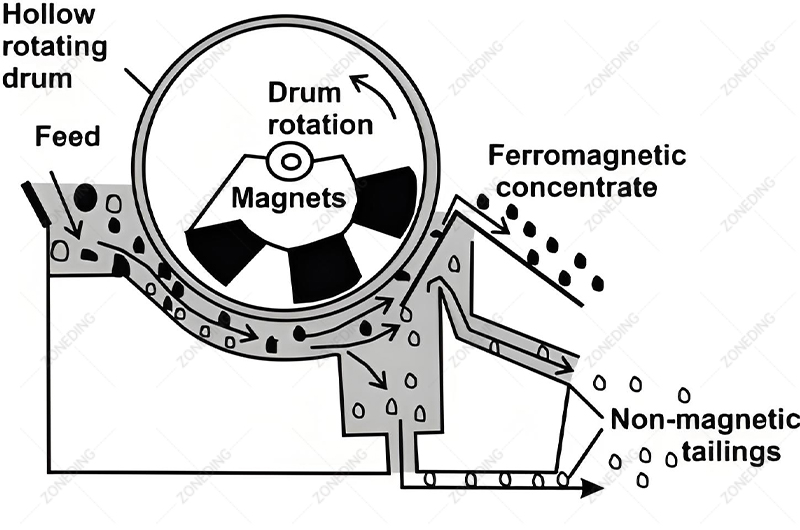
Magnetic separation principles rely on the different magnetic susceptibility of minerals to achieve precise isolation. Every material reacts to a magnetic field in a specific way. Ferromagnetic minerals like magnetite have strong attraction. Paramagnetic minerals like hematite show weak attraction. Diamagnetic materials like quartz actually repel magnetic fields. The equipment uses a magnetic source to create a force field. When a mixture passes through this field, magnetic particles get pulled toward the source. Non-magnetic particles continue their path due to gravity or momentum. This physical gap creates a clean separation between valuable ore and waste rock. Modern focuses on the magnetic field gradient rather than just raw strength. A high gradient means the magnetic force changes rapidly over a short distance. This sharp change is what actually “grabs” fine or weak magnetic particles. For example, a flat magnet might have a high surface reading. But it cannot pull a heavy iron bolt through a thick layer of ore. The design must account for the depth of the material layer. In high-speed production lines, the magnetic force must also overcome the centrifugal force of the conveyor. Effective separation requires a perfect balance between magnetic pull and mechanical movement.
Magnetic Separator Working Principle
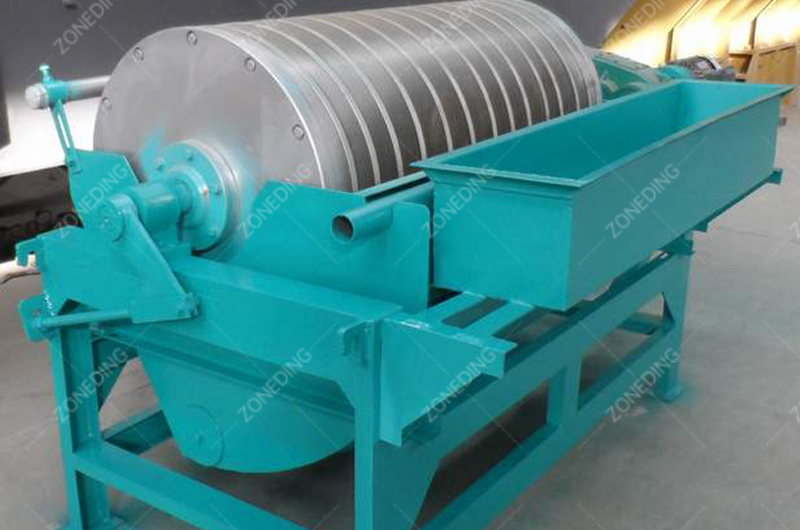
Magnetic Separator
Mineral Magnetic Susceptibility Table
Mineral Type
Magnetic Property
Equipment Required
Practical Meaning
Magnetite
Ferromagnetic
Low Intensity (LIMS)
Easy to separate
Hematite
Paramagnetic
High Intensity (WHIMS)
Needs strong field
Quartz/Sand
Diamagnetic
High Intensity (Removal)
Target for cleaning
Practical Tips for Principle Application
Material Velocity: The speed of the belt should allow the magnet enough time to act.
Particle Size: Fine particles often need a wet environment to prevent clumping.
Field Depth: Ensure the magnet can reach the bottom of the material pile.
How do dry and wet magnetic separators boost ore grade in metal mining?
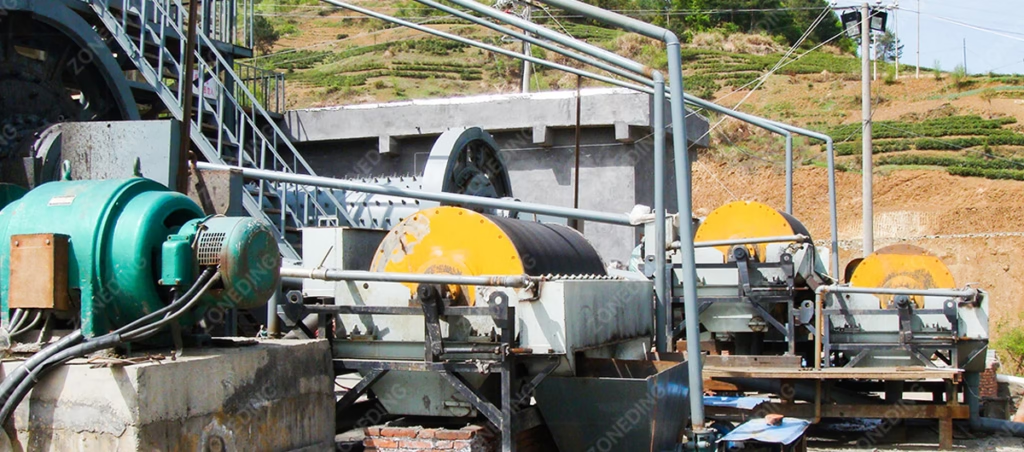
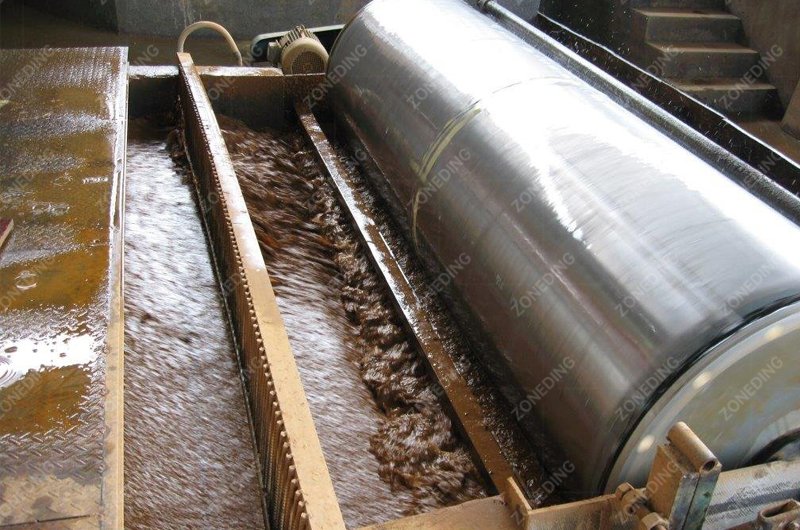
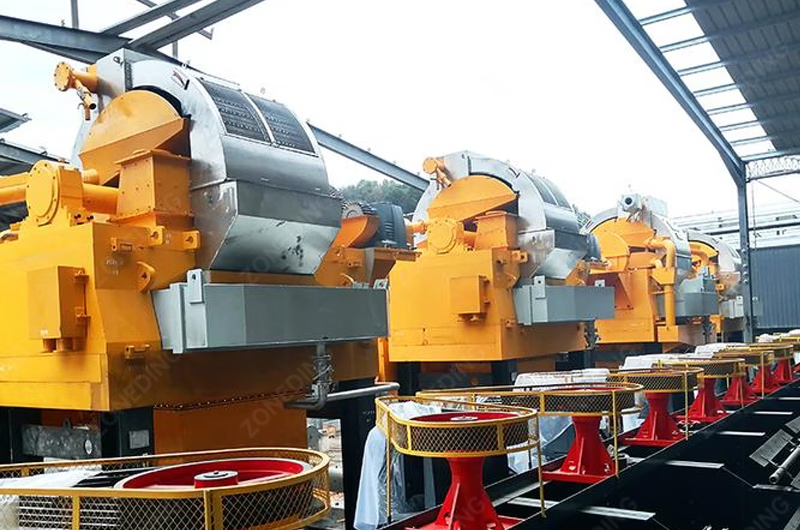
Dry and wet magnetic separators serve different stages of the ore refining process to maximize iron and manganese purity. Dry separators often work in the early stages of crushing. These machines remove large pieces of waste rock before the ore enters the grinding mill. This “pre-concentration” saves massive amounts of energy. The mill only grinds material that actually contains metal. This process is common in Magnetite Beneficiation projects where the ore is coarse. Dry systems are also ideal for regions with severe water shortages. They keep the site clean and reduce the need for large tailing dams. Wet magnetic separators take over when the ore is ground into a fine powder. Water helps to disperse the particles. This prevents the tiny grains from sticking together due to static electricity or moisture. In a wet drum separator, the slurry flows through a tank. The magnetic drum rotates and picks up the iron minerals. High-pressure water sprays then wash away any trapped non-magnetic sand. This method produces the highest grade of iron concentrate. It is essential for making “pellet feed” for steel factories. Most modern plants combine both Dry and wet magnetic separators to ensure the highest possible return on investment.
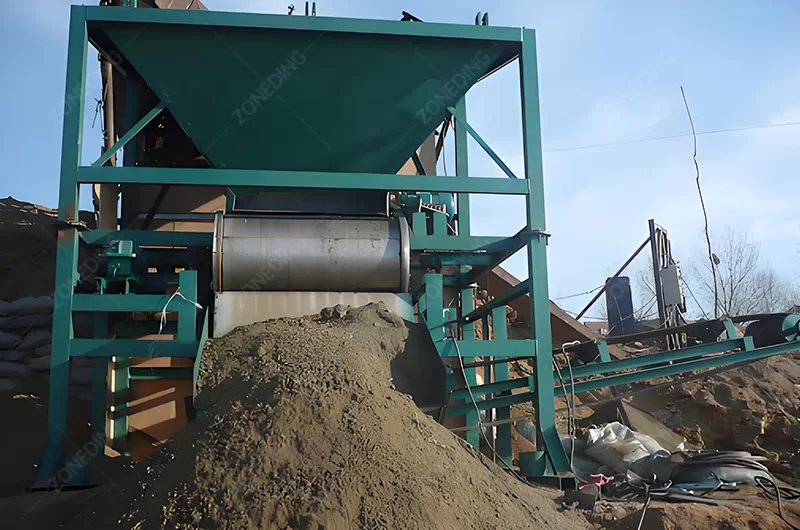
Dry magnetic separator
Wet drum magnetic separator
Comparison of Processing Methods
Feature
Dry Magnetic Separation
Wet Magnetic Separation
Impact on Grade
Particle Size
Coarse (>2mm)
Fine (<1mm)
Wet is more precise
Water Use
None
High
Wet needs recycling
Power Cost
Low
Medium
Dry saves grinding power
Tips for Ore Grade Optimization
Drum Speed: Adjust the rotation speed to balance capacity and purity.
Slurry Density: Keep the water-to-ore ratio consistent for wet separation.
Magnet Gap: Narrow the gap between the drum and the tank to catch weak particles.
How does high intensity magnetic separation achieve glass-grade silica sand?
High intensity magnetic separation for silica sand removes weak magnetic impurities like iron oxide and mica. Glass manufacturers require extremely low iron content, often below 0.01%. Standard magnets cannot pull out these weakly magnetic “stains.” The industry uses Vertical Ring High Gradient Magnetic Separators (WHIMS). These machines use a matrix of stainless steel wool or rods. The matrix sits in a massive electromagnetic field. When the sand slurry passes through, the matrix creates extreme magnetic gradients. These gradients trap even the smallest iron specks. This process turns common sand into a high-value industrial product.
High gradient magnetic separator application
High gradient magnetic separator
This level of purification is vital for solar glass and crystal production. Any iron left in the sand will make the glass look green or cloudy. High gradient systems work by multiplying the magnetic force at the tips of the matrix rods. This creates a “magnetic trap” that no iron particle can escape. Also, the machine uses a pulsating mechanism. This pulse shakes the sand particles as they pass through. It ensures that the non-magnetic quartz grains do not get trapped by the iron. The result is a nearly perfect separation. Proper filtration before this stage is critical. Large rocks or wood chips will clog the fine matrix and stop production.
Silica Sand Purity Standards
Standard Construction Sand: Contains 1% to 2% iron.
Container Glass Sand: Requires iron content below 0.05%.
Solar/Optical Glass Sand: Requires iron content below 0.01%.
How to protect crusher equipment from tramp iron in aggregate plants?
Suspension magnets and overband separators are essential to protect crusher equipment from catastrophic metal damage. In aggregate and cement plants, “tramp iron” refers to broken drill bits, loader teeth, or bolts. If these hard steel pieces enter a Cone Crusher, they can snap the main shaft or crush the internal liners. Repairing such damage costs tens of thousands of dollars. More importantly, it stops the entire production line for days. A heavy-duty suspension magnet hangs over the conveyor belt to catch these items. It acts as a 24-hour guard for the most expensive machines in the plant. The secret to effective iron removal is the installation location. Most operators hang the magnet over the middle of a flat belt. This is not the best choice. At the head pulley, the material is thrown into the air. This “throws” the ore and makes the layer thinner and looser. The magnet can then easily pull a heavy steel piece from the bottom of the pile. Also, self-cleaning overband magnets are better than manual ones. They use a small belt to carry the captured iron away and drop it into a bin. This prevents the magnet from getting “saturated” and losing its strength. This simple investment pays for itself by preventing just one crusher breakdown.
Benefits of Industrial Iron Removal Equipment
Extended Liner Life: Less metal-on-metal contact preserves the crusher parts.
Safety: Prevents metal fragments from being ejected at high speeds.
Automation: Self-cleaning models require zero labor to operate.
Maintenance Tips for Protective Magnets
Clearance Height: Keep the magnet as close to the belt as possible without hitting the ore.
Belt Speed: Ensure the belt does not move too fast for the magnet to react.
Regular Checks: Test the magnet with a small iron bar once a week to ensure full strength.
How to recover high-value steel from construction waste and slag?
Magnetic separation systems extract valuable scrap steel from solid waste to turn trash into revenue. Construction and demolition (C&D) waste contains a huge amount of rebar and wire. In the recycling industry, magnetic pulleys and drums pull this steel out of the rubble. This steel can be sold directly to smelters for a high price. The process also makes the remaining concrete waste cleaner. This clean recycled concrete can then be crushed into high-quality aggregate. This dual-income stream is why Magnetic Separators are the most profitable part of a recycling plant. In municipal waste or incinerator slag, the challenge is even greater. The metal is often small and mixed with ash. High-strength magnetic drums rotate at high speeds to flip the material. This flipping action releases trapped metal from the sticky ash. Also, many plants add an Eddy Current Separator after the main magnet. This machine uses a rapidly alternating magnetic field to “push” non-magnetic metals like aluminum and copper. By combining these technologies, a recycling center can recover almost 99% of all metals. This keeps heavy metals out of landfills and puts valuable resources back into the economy.
Recycling Efficiency Factors
Material Moisture: Wet waste makes metal harder to separate.
Crushing Size: Smaller chunks of concrete release the steel more easily.
Magnet Intensity: Use NdFeB rare-earth magnets for small wire recovery.
How to choose the most profitable magnetic separator for your industry?
Choosing the right magnetic separator requires matching the magnetic intensity to the specific mineral properties. Low Intensity Magnetic Separators (LIMS) work best for magnetite and tramp iron removal. These machines use standard ferrite magnets and are very inexpensive. Medium Intensity units handle minerals like ilmenite or garnet. High Intensity Magnetic Separators (HIMS) are necessary for hematite and glass sand purification. If the operator chooses a machine that is too weak, the recovery will be low. If the machine is too strong, it will catch too much waste and lower the concentrate grade. Temperature is another factor that many people forget. In cement plants, the material on the belt can be very hot. Standard neodymium magnets lose their power if they get too warm. In these cases, the plant must use Samarium Cobalt magnets or specially rated high-temp magnets. Also, the choice between permanent and electromagnetic units matters. Permanent magnets cost nothing to run but cannot be turned off. Electromagnets can be turned off for easy cleaning but need a constant power supply. The expert team at ZONEDING helps clients analyze these trade-offs to find the “sweet spot” of profitability.
Equipment Selection Guide
Industrial Application
Recommended Separator
Primary Goal
Iron Mining
Wet Drum (LIMS)
Maximize Grade
Aggregate Plant
Overband Magnet
Protect Crusher
Glass Sand
WHIMS (High Gradient)
Remove Iron Stain
Scrap Recycling
Magnetic Pulley
Recover Steel
2026 Trends in Industrial Magnetic Separation
The biggest trend in 2026 is the integration of AI and real-time monitoring. Smart separators now use sensors to detect the amount of metal on the belt. The system then automatically adjusts the magnetic strength or the belt speed. This prevents the magnet from getting overloaded. Also, the use of superconducting magnets is moving into the industrial space. These magnets create incredibly powerful fields with very little energy use. This allows for the purification of minerals that were previously impossible to clean.
Latest Progress at a Glance
AI Automation: Real-time adjustments based on ore feed variations.
High-Temperature Materials: Magnets that stay strong at 300°C.
Modular Designs: “Plug-and-play” units for mobile crushing plants.
Frequently Asked Questions
Problem 1: What is the difference between Gauss and Gradient? Gauss measures the strength at one point. Gradient measures how fast that strength changes. A high gradient is more important for catching small or weak particles. Problem 2: Can I use a dry separator for fine powder? It is not recommended. Fine powder tends to clump due to static. Wet separation is much more efficient for particles smaller than 100 microns. Problem 3: How long do permanent magnets last? High-quality permanent magnets lose less than 1% of their strength every ten years. They only fail if they are dropped or exposed to extreme heat. Problem 4: Does a magnetic separator remove copper or aluminum? Standard magnetic separators do not. You need an Eddy Current Separator (ECS) for non-ferrous metals like copper and aluminum. Problem 5: How do I prevent my high-gradient matrix from clogging? You must install a fine screen before the separator. Also, use high-pressure water pulses to wash the matrix during every rotation.
Summary and Recommendations
Magnetic separation is a vital tool for profit and protection in modern industry. Understanding Magnetic separation principles allows operators to choose the right intensity for their ore. Industrial iron removal equipment prevents costly damage to Cone Crushers. For specialized industries like glass sand, high gradient systems are the only way to meet purity standards. Always consider the temperature, particle size, and magnetic susceptibility before purchasing.
About ZONEDING
ZONEDING is a leading manufacturer of Beneficiation Equipment based in China. The company specializes in high-efficiency Magnetic Separators for mining, aggregate, and recycling industries. With 15 professional engineers, ZONEDING provides custom solutions to Improve concentrate grade and Protect crusher equipment. Since 2004, ZONEDING has exported more than 500 units annually to over 120 countries, offering factory-direct prices and full-service support. Contact ZONEDING today to optimize your magnetic separation line.
A 100–200 TPH aggregate crushing plant cost can range from approximately USD 120,000 to USD 350,000 for a standard stationary line. However, a 200 TPH plant that includes tertiary crushing, manufactured sand production, washing, or sever...
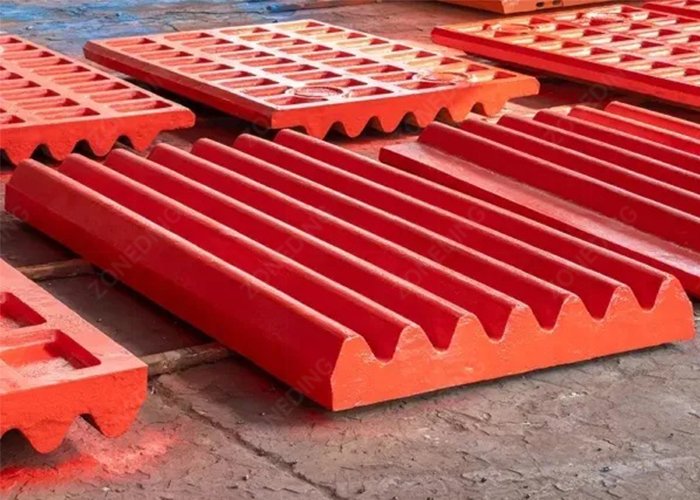
Many quarry operators spend months comparing crusher models, motor power, and production capacity. However, very few spend the same amount of time evaluating the jaw plates that actually perform the crushing. That oversight can become surprisingly...
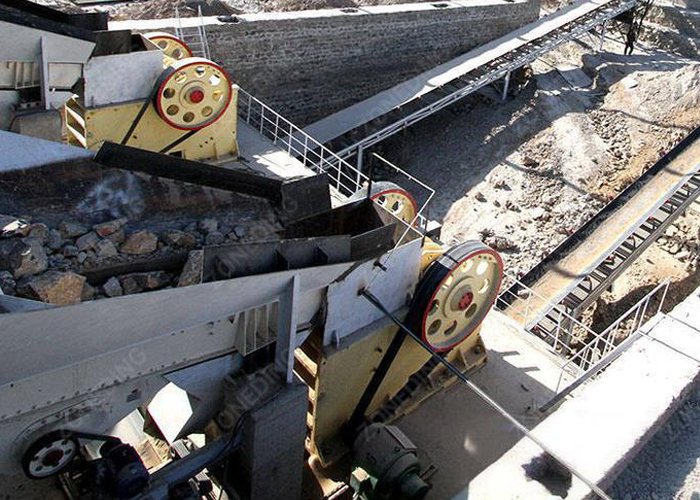
Fifty years of experience across global mining sites reveals that plant managers frequently struggle with high costs and machine failures. Profitability depends on the selection of the correct mining crushing equipment. Understanding hidden wear p...
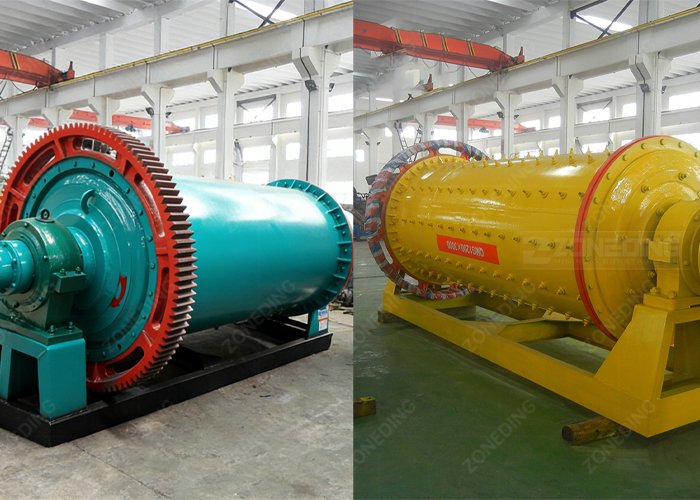
Choosing between a rod mill and a ball mill is the most vital step in any mineral processing journey. This decision affects the recovery rate and the monthly electricity bill of a mining project. A uses long steel bars to crush material. A Ba...
We use cookies to ensure that we give you the best experience on our website. If you continue to use this site we will assume that you are happy with it.
Privacy Policy
Send us a message
We would love to hear from you
Submit your question and our team will respond to the email provided as soon as possible.
 Zoneding Machine