Jaw crusher prices can vary from a few thousand dollars to more than one million dollars depending on capacity, feed size, mobility, automation, and material hardness. In real quarry and mining projects, the cheapest machine is often not the most profitable option over the long term.
Jaw crusher prices vary widely because different applications require completely different machine strength and design quality.
A small laboratory or light quarry jaw crusher may cost only a few thousand dollars. Meanwhile, a large mining jaw crusher designed for hard rock can exceed one million dollars.
Many aggregate producers choose a heavy-duty Jaw Crusher because jaw crushers provide stable primary crushing with relatively low operating cost.
Typical jaw crusher price ranges are shown below.
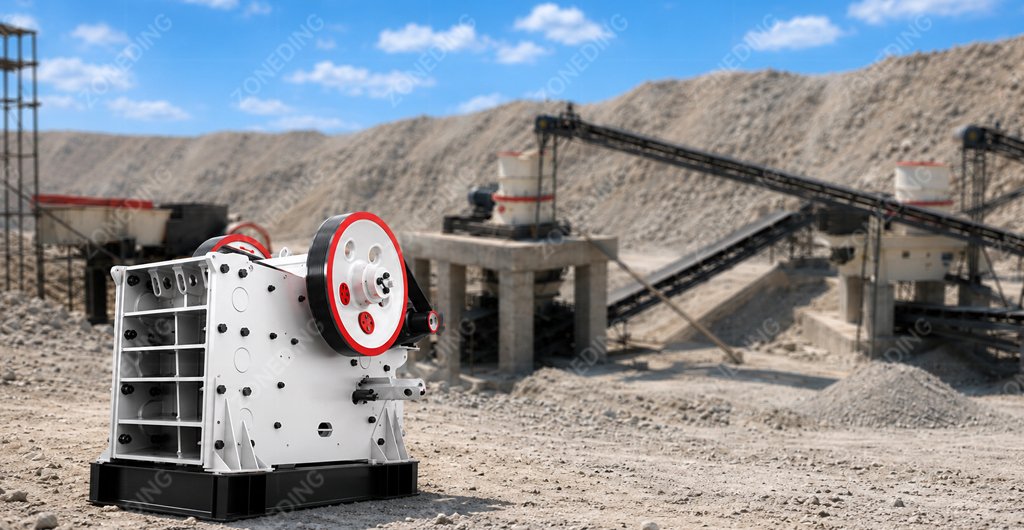
PEX-Jaw Crusher250*1200
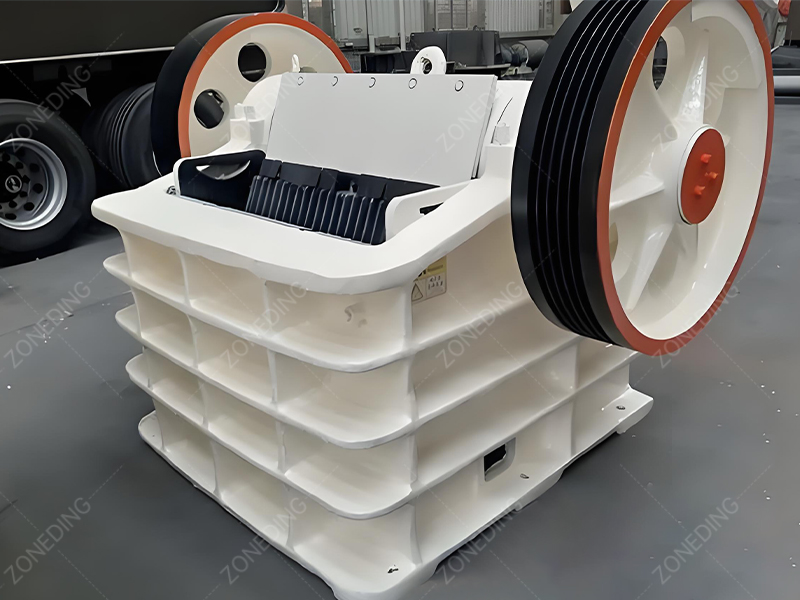
PE-Jaw Crusher-600*900
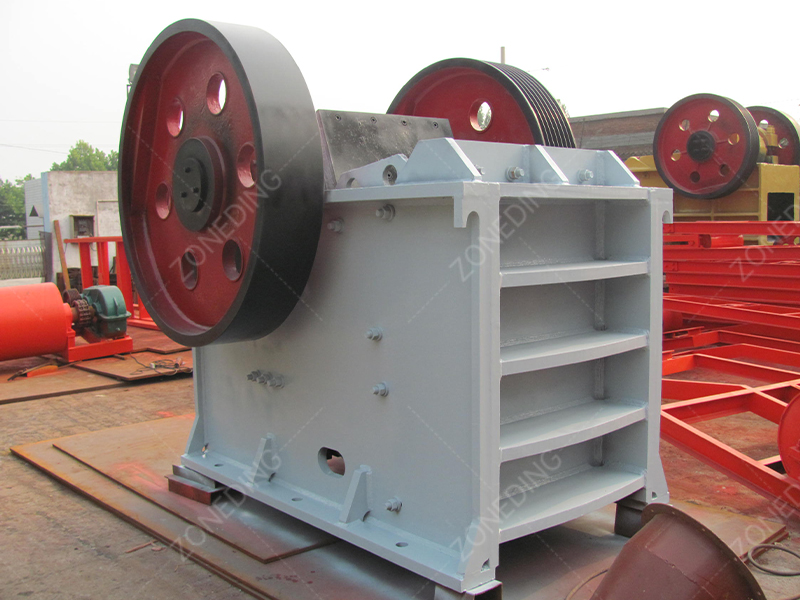
PEV-Jaw Crusher-750*1100
Jaw Crusher Size
Capacity Range
Typical Price Range
Small Jaw Crusher
1–20 TPH
$3,000–$25,000
Medium Jaw Crusher
20–100 TPH
$25,000–$80,000
Large Jaw Crusher
100–500 TPH
$80,000–$300,000+
Heavy Mining Jaw Crusher
500–1200 TPH
$300,000–$1 million+
These prices may or may not include:
Motor
Feeder
Steel structure
Electrical cabinet
Lubrication system
Flywheel guards
That is why quotations from different suppliers often appear confusing.
Why Jaw Crusher Prices Differ So Much
Several important factors influence price:
Feed opening size
Rock hardness
Bearing quality
Steel structure strength
Automation systems
Mobility requirements
A crusher designed for granite usually costs far more than one built for limestone because hard rock requires stronger frames and more wear-resistant components.
Practical Buying Suggestions
Small quarry operators usually benefit from simpler crushing systems because maintenance remains easier and downtime risk stays lower.
Buyers working with granite or basalt should pay close attention to frame strength and liner quality instead of focusing only on low machine price.
Long-term profitability depends much more on stability and wear life than the cheapest quotation.
Why Do Jaw Crusher Prices Vary So Much?
Two jaw crushers with the same capacity can still have completely different prices.
This surprises many first-time buyers.
A 100 TPH crusher designed for soft limestone may cost much less than a 100 TPH machine built for abrasive granite.
The biggest differences usually come from:
Steel structure quality
Bearing size
Chamber design
Wear resistance
Automation features
Many high-capacity aggregate plants combine jaw crushers with a Vibrating Feeder because stable feeding improves crushing efficiency and reduces wear.
Cheap Jaw Crushers Often Become Expensive Later
Very low-cost machines often suffer from:
Weak frames
Poor casting quality
Fast jaw plate wear
Bearing instability
Structural vibration cracks
After several months, operators may face:
More downtime
Difficult spare part sourcing
Higher maintenance cost
This becomes especially dangerous in hard rock applications.
Jaw Crusher Quality
Initial Cost
Long-Term Stability
Maintenance Risk
Low-Budget Crusher
Lower
Unstable
Higher
Heavy-Duty Crusher
Higher
Stable
Lower
Premium Brand Crusher
Highest
Excellent
Lower long term
Practical Price Comparison Tips
Stable production usually creates more profit than simply reducing purchase price.
Hard rock applications require much stronger components because abrasive stone rapidly increases wear.
Reliable after-sales support also matters heavily because production losses during breakdowns can become very expensive.
How Much Does a Small Jaw Crusher Cost?
Small jaw crushers usually cost between $3,000 and $25,000 depending on design quality and configuration.
These crushers are commonly used for:
Small quarries
Laboratory crushing
Rural construction projects
Small recycling operations
Many compact crushing systems combine a small jaw crusher with a Vibrating Screen to improve aggregate separation and reduce recirculation.
What Affects Small Jaw Crusher Pricing?
Several factors affect small crusher cost:
Feed opening size
Motor power
Frame quality
Mobility
Diesel or electric drive
Cheap small crushers may work well in soft material applications. However, they often struggle in granite or basalt crushing.
Small Crusher Type
Typical Price
Best Application
Mini Jaw Crusher
$3,000–$10,000
Laboratory/small projects
PE Jaw Crusher
$10,000–$25,000
Small aggregate production
Diesel Jaw Crusher
$15,000–$40,000
Remote areas
Practical Small Crusher Suggestions
Simple mechanical systems usually remain easier to repair in remote regions.
Diesel-powered crushers are often preferred where electricity supply is unstable.
Smaller plants should avoid oversized equipment because low utilization quietly reduces profitability.
What Is the Price of a Large Mining Jaw Crusher?
Large mining jaw crushers can cost from several hundred thousand dollars to over one million dollars.
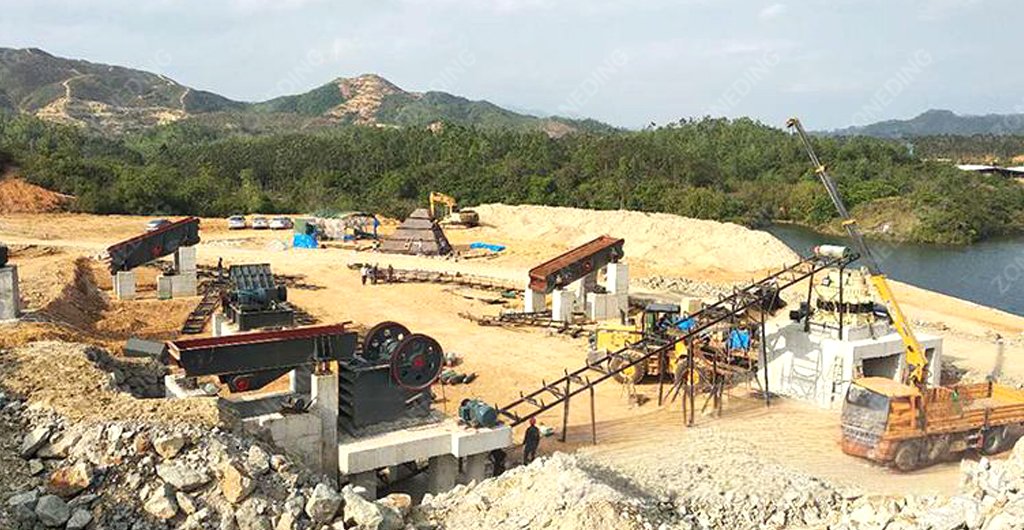
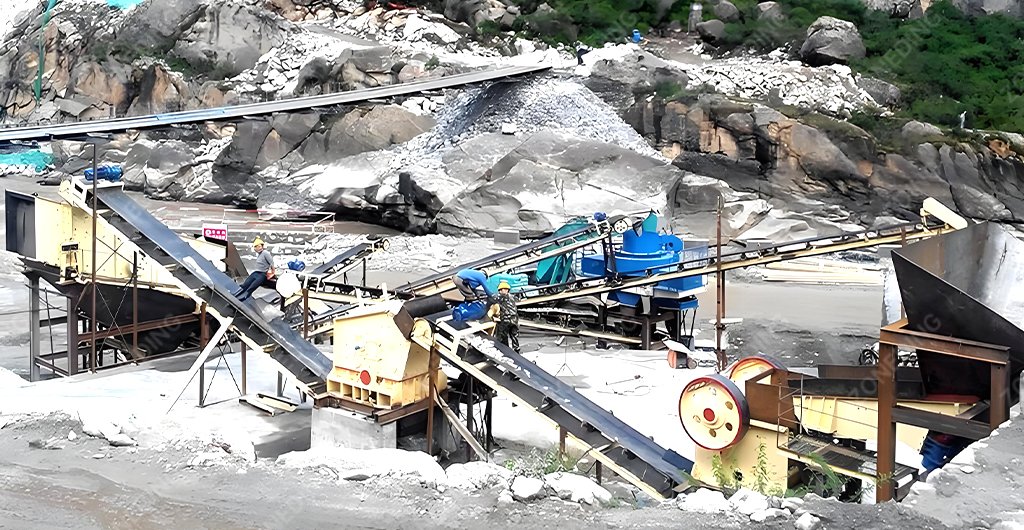
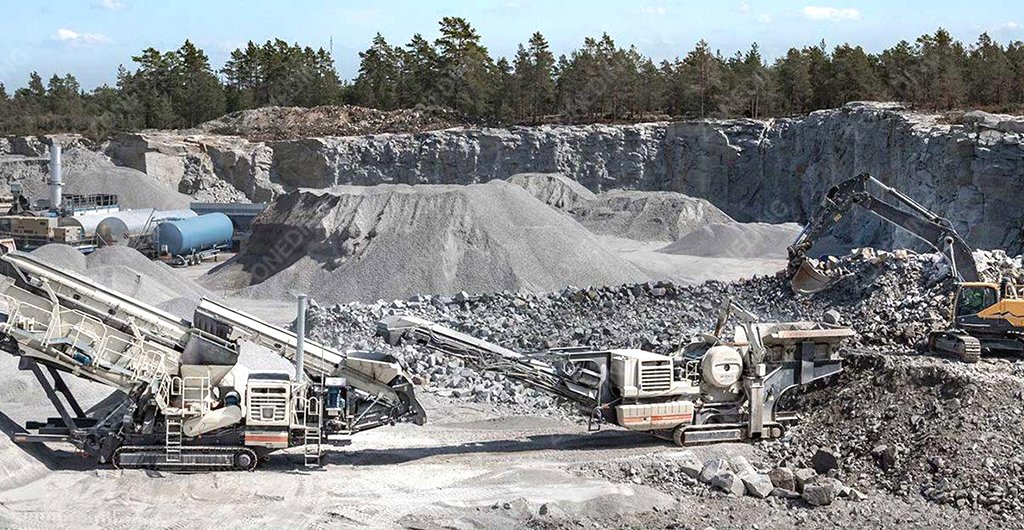
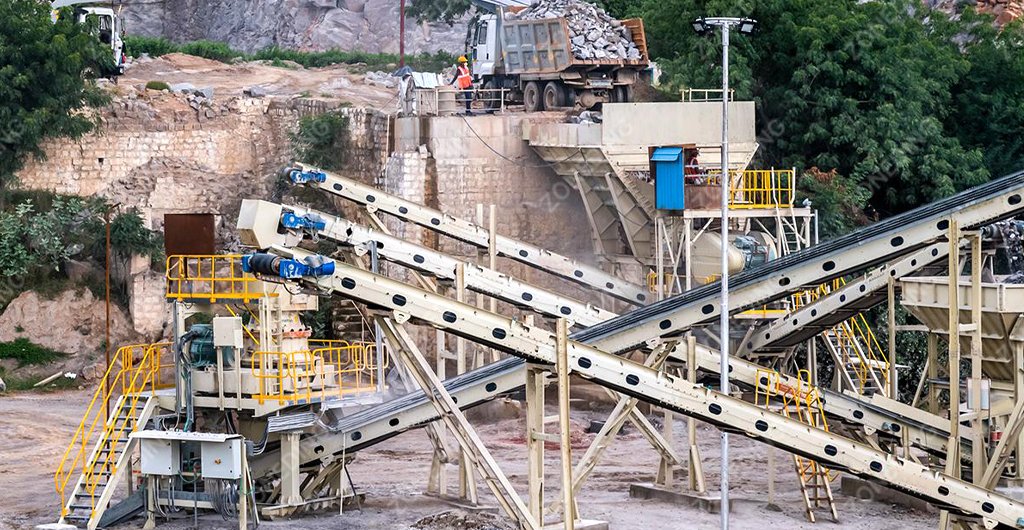
Large Quarry Jaw Crusher Site
Jaw Crusher for Mining Operation
Hard Rock Jaw Crushing Site
High-capacity aggregate production
These machines are designed for:
Large quarries
Mining operations
Hard rock crushing
High-capacity aggregate production
Heavy-duty crushers require:
Massive flywheels
Large bearings
Reinforced shafts
High motor power
Strong steel structures
Many mining operations integrate jaw crushers into a complete Stone Crushing Plant because balanced plant design improves production stability.
Why Mining Crushers Cost So Much
Large feed opening crushers require:
Bigger crushing chambers
Stronger frames
Higher crushing force
More durable liners
Transportation and installation costs also increase dramatically for oversized equipment.
Mining Jaw Crusher Size
Typical Capacity
Typical Price
Medium Mining Jaw Crusher
100–300 TPH
$80,000–$250,000
Large Quarry Jaw Crusher
300–600 TPH
$250,000–$600,000
Heavy Mining Jaw Crusher
600–1200 TPH
$600,000–$1 million+
Practical Mining Crusher Suggestions
Projects handling very large feed material should carefully evaluate whether oversized feed openings are truly necessary.
Large mining operations usually benefit from automation because manual adjustment becomes difficult at high capacity.
Transport dimensions and crane requirements should always be evaluated before purchase.
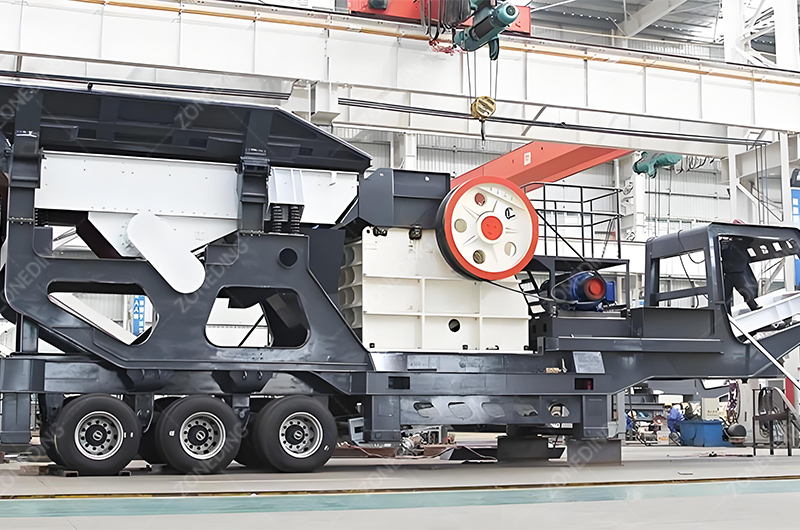
Is a Mobile Jaw Crusher More Expensive?
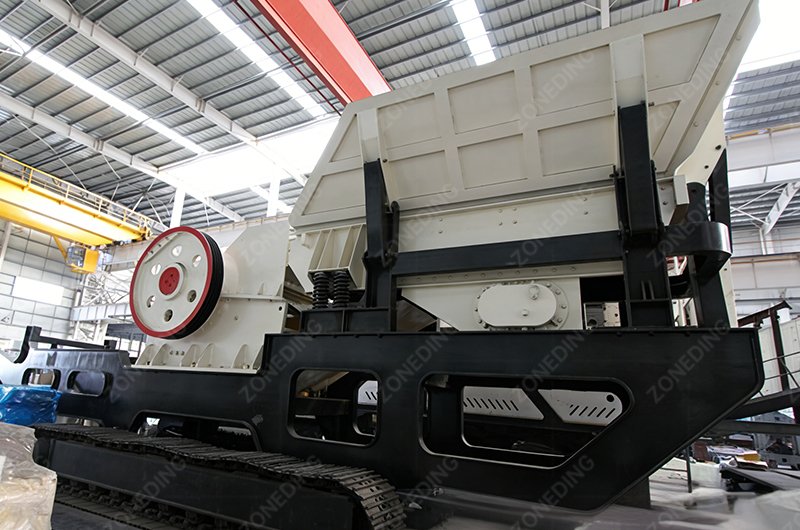
Yes. Mobile jaw crushers are usually far more expensive than stationary models with similar capacity.
This increases manufacturing complexity and equipment price.
Typical Mobile Jaw Crusher Prices
Mobile Jaw Crusher Size
Typical Price
Small Mobile Jaw Crusher
$80,000–$250,000
Medium Mobile Jaw Crusher
$250,000–$600,000
Large Mobile Jaw Crusher
$600,000–$1.5 million+
When Mobile Crushers Become Profitable
Mobile jaw crushers work especially well in:
Demolition projects
Road construction
Temporary quarry contracts
Recycling operations
They help reduce:
Foundation construction
Installation time
Material hauling cost
Permanent quarry sites often prefer stationary crushers because fuel efficiency and maintenance stability remain better over time.
What Are the Operating Costs of a Jaw Crusher?
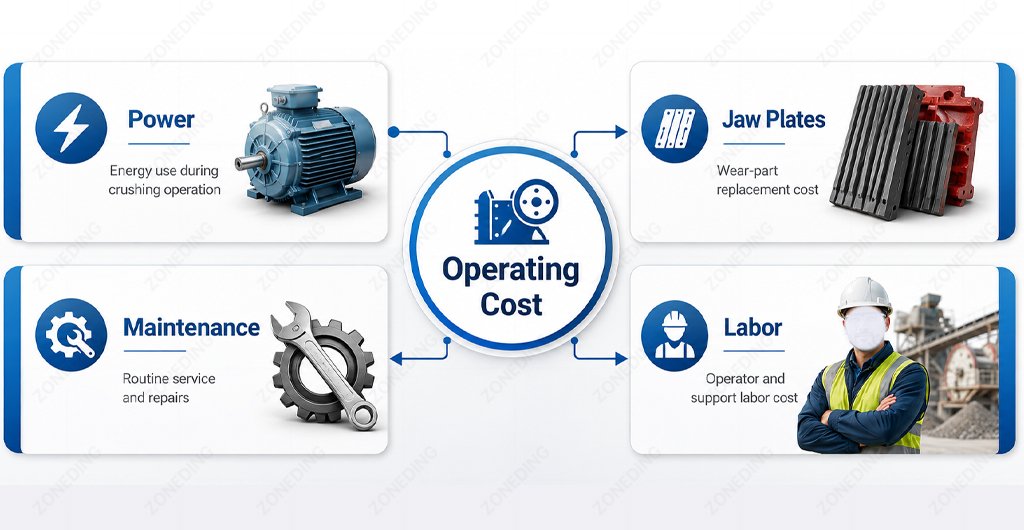
Jaw crusher operating costs include electricity, wear parts, maintenance, labor, and downtime.
Many buyers focus only on machine price. However, operating cost usually becomes much larger over the crusher’s working life.
Experienced operators evaluate:
Cost per ton
Jaw plate lifespan
Electricity consumption
Downtime frequency
Spare parts availability
Many efficient crushing lines also combine jaw crushers with reliable Crushing Equipment layouts to improve workflow efficiency.
Why Operating Cost Matters More Than Purchase Price
Poor feeding conditions can create:
Jaw crusher operating cost
Chamber blockage
Higher power consumption
Rapid jaw plate wear
Motor overload
Stable feeding and balanced plant design usually improve profitability far more than increasing crusher size.
Operating Cost Area
Main Cause
Long-Term Impact
Electricity
Poor feeding
Higher energy cost
Jaw Plates
Abrasive rock
Wear expense
Maintenance
Weak structure
Downtime
Labor
Complex systems
Higher operating cost
Practical Operating Cost Suggestions
Feed consistency has a major impact on jaw plate life and electricity usage.
Hard rock applications usually require better manganese liners because low-quality plates wear extremely fast.
Balanced downstream screening also helps reduce unnecessary recirculation load.
How Much Do Jaw Crusher Wear Parts Cost?
Jaw plate wear becomes one of the largest hidden expenses in hard rock crushing.
Low-quality jaw plates may:
Wear rapidly
Reduce crushing efficiency
Increase downtime
Produce unstable discharge size
Experienced operators monitor:
Manganese content
Feed consistency
Chamber utilization
Plate profile design
because wear cost directly affects long-term profitability.
Why Wear Cost Per Ton Matters
A jaw plate lasting 800 hours often creates much better profitability than one lasting only 300 hours.
Even if the purchase price is higher, fewer shutdowns and lower maintenance usually create larger savings over time.
Wear Part Quality
Wear Life
Long-Term Result
Low-Grade Plate
Shorter
Higher downtime
High Manganese Plate
Longer
Better stability
Premium Alloy Plate
Longest
Lower cost per ton
Practical Wear Management Suggestions
Consistent feed size usually improves jaw plate lifespan significantly.
Oversized feed material should be reduced whenever possible because impact force increases rapidly with larger rock sizes.
Regular chamber inspection also helps prevent uneven liner wear.
What Hidden Costs Should Buyers Consider?
Transportation, installation, and downtime are often underestimated during crusher investment planning.
Large jaw crushers may require:
Oversized transport permits
Heavy cranes
Foundation construction
Electrical installation
Structural assembly
Remote mining projects often face especially high installation cost.
Why Stability Creates Better ROI
The most profitable jaw crushers are usually:
Easy to maintain
Stable operationally
Simple to repair
Supported by reliable spare parts supply
Many experienced quarry owners care less about maximum capacity and focus more on uptime and production consistency.
Final Industry Truth
The real cost of a jaw crusher is not the purchase price alone.
Long-term ownership cost includes:
Wear parts
Downtime
Electricity
Labor
Maintenance
Installation
Lost production during breakdowns
Frequently Asked Questions
How much does a small jaw crusher cost?
Most small jaw crushers cost between $3,000 and $25,000 depending on design quality and capacity.
Why are mobile jaw crushers more expensive?
Mobile crushers require hydraulic systems, chassis engineering, and integrated transport design, which increase manufacturing cost.
What is the biggest hidden cost in jaw crushing?
Jaw plate wear and downtime often become the largest long-term operating expenses.
Are jaw crushers good for granite?
Yes. Jaw crushers work very well for granite primary crushing when equipped with strong wear-resistant liners.
How long does a jaw crusher usually last?
A well-maintained heavy-duty jaw crusher can operate reliably for many years depending on material hardness and maintenance quality.
Final Thoughts
Jaw crusher prices vary widely because different projects require different levels of durability, capacity, and automation. The best crusher investment is usually not the cheapest machine. Long-term profitability depends much more on stability, uptime, maintenance simplicity, and wear control.
Successful quarry operations usually focus on:
Lower cost per ton
Stable production
Easy maintenance
Reliable spare parts support
Balanced plant design
A properly selected jaw crusher can remain profitable for many years with relatively low operating cost.
About ZONEDING
We are ZONEDING, a Chinese manufacturer specializing in crushing, screening, grinding, and mineral processing equipment for global B2B customers. We provide jaw crushers, mobile crushers, vibrating screens, and complete aggregate crushing solutions.
Our equipment has been exported to more than 120 countries. We help quarry operators reduce operating costs, improve uptime, and build stable long-term crushing operations.
Contact us today for customized jaw crusher recommendations and professional project support.
Proper crushing production line equipment configuration determines the final aggregate quality and daily operational cost. Correct aggregate equipment selection prevents material blockages and reduces wear part consumption. A scientific crushing s...
Many investors consider alluvial operations simple dirt-washing tasks. However, commercial-grade operations face severe technical challenges daily. A successful demands precise engineering to match the physical ore characteristics. This guide reve...
Building a highly profitable mineral processing facility requires a strictly logical equipment sequence. A complete copper-gold ore processing line must follow a precise physical and chemical path. The rock must be crushed, ground, classified, and...
Limestone is one of the easiest and most profitable materials to crush. It is widely used for road construction, concrete production, asphalt plants, cement manufacturing, and infrastructure projects. However, many buyers ask the same question bef...
We use cookies to ensure that we give you the best experience on our website. If you continue to use this site we will assume that you are happy with it.
Privacy Policy
Send us a message
We would love to hear from you
Submit your question and our team will respond to the email provided as soon as possible.
 Zoneding Machine