Investing in a mobile crushing station for mining requires careful equipment selection. Showroom specifications often fail in actual quarry environments. Remote mines lack reliable power grids, clean air, and fast internet. Standard equipment configurations cause project delays in these harsh conditions. Operators must modify standard machine designs to ensure continuous aggregate production. This guide details the specific hardware upgrades needed for remote rock processing.
What Are the Advantages of Tracked Crushers in Deep Mining?
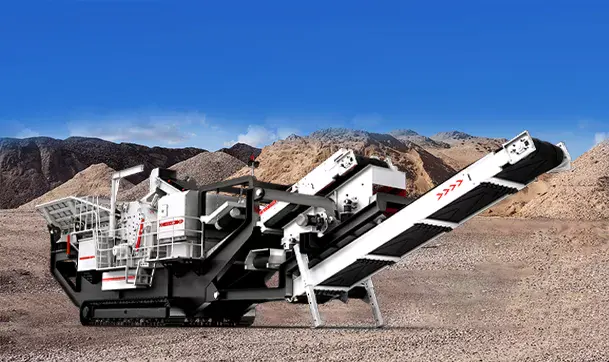
A tracked mobile crusher climbs steep mining roads and navigates rough terrain easily. Deep mining pits have uneven floors and narrow access roads. Traditional wheeled trailers get stuck in the mud. Tracked undercarriages distribute the massive machine weight over a large surface area. This design prevents the equipment from sinking into soft ground during heavy rain. Heavy dust and intense vibration destroy modern electronic control systems quickly. Many new machines use fully integrated PLC touch screens and remote internet diagnostics. Remote mining sites have zero internet connectivity. A software glitch stops the entire machine. Waiting for a factory technician to bring decryption software takes weeks. Operators should request a control system downgrade from the manufacturer. Simple mechanical hydraulic levers and basic relay control cabinets survive harsh conditions perfectly. A local camp electrician can troubleshoot a mechanical relay system using a basic multimeter. This simple control method guarantees the highest possible machine uptime in isolated locations. Transporting these massive tracked machines requires careful route planning. A standard weighs over forty tons. Heavy-duty lowbed trailers must carry this equipment to the site. Rural bridges and dirt roads often lack the structural strength to support this concentrated weight. Survey teams must physically inspect the entire delivery route before purchasing tracked equipment. Engineering teams should choose modular wheeled mobile plants if the local bridges cannot support fifty-ton loads.
Downgrading the Control System
Highly advanced electronics create unnecessary risks in extreme environments. Basic mechanical switches ignore dust and severe physical shock. This simple design keeps the rock processing plant running every single day.
Control Type
Environment Suitability
Repair Method
Practical Benefit
PLC Touch Screen
Clean city sites
Software diagnostics
Precise data tracking
Mechanical Levers
Remote dusty mines
Visual inspection
Zero software crashes
Basic Relays
High vibration areas
Standard multimeter
Fast local repairs
Practical Advice for Chassis Selection
Inspect all bridges: Check the maximum weight limit of every bridge on the transport route before buying tracked machines.
Specify simple controls: Ask the factory to replace delicate touch screens with heavy-duty physical buttons.
Protect the cabinet: Install thick rubber shock mounts under the main electrical box to absorb crushing vibrations.
Which Equipment Handles High-Hardness Quarry Ores?
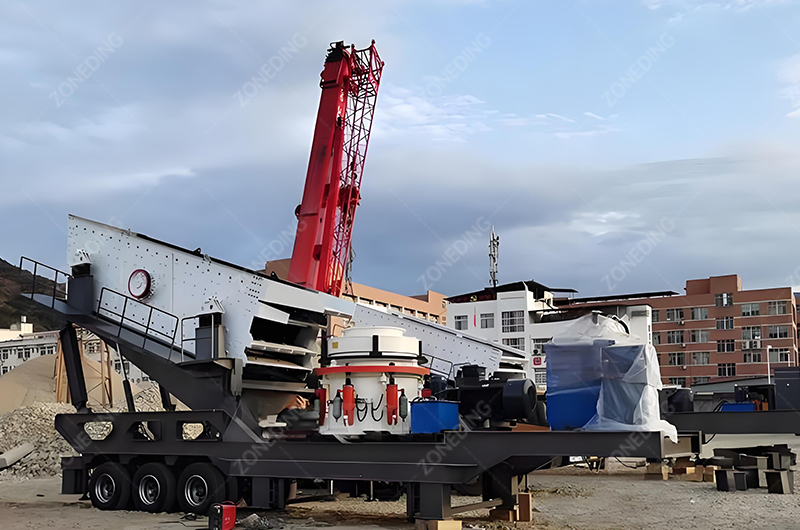
Hard rock mobile crushing requires a specific combination of jaw and cone crushers. Processing abrasive materials like granite or basalt destroys standard impact crushers quickly. The metal blow bars inside an impact crusher wear down to nothing in just two days. A heavy-duty Mobile Jaw Crusher must act as the primary crushing stage. The jaw plates squeeze the hard rock until it shatters. This squeezing action creates very little friction. The metal wear plates last for several months even when processing solid granite. The crushed material then moves to the secondary stage. A Mobile Cone Crusher handles this second phase perfectly. The cone mantle rotates eccentrically to crush the stone against the outer bowl liner. This design also relies on pure compression force. Cone crushers process the hardest ores in the world efficiently. This specific jaw and cone combination keeps operational costs very low. Proper feeding techniques prevent damage to these expensive machines. Large excavators must never drop massive boulders directly onto the jaw crusher plates. A heavy-duty vibrating grizzly feeder must receive the raw material first. This feeder shakes the dirt and small stones out of the material stream. Only the large, clean rocks enter the jaw chamber. This pre-screening process increases the total machine capacity by twenty percent. It also prevents wet mud from packing inside the crushing cavity.
Mobile jaw crusher
Mobile cone crusher
How to Produce Multi-Grade Aggregates Efficiently?
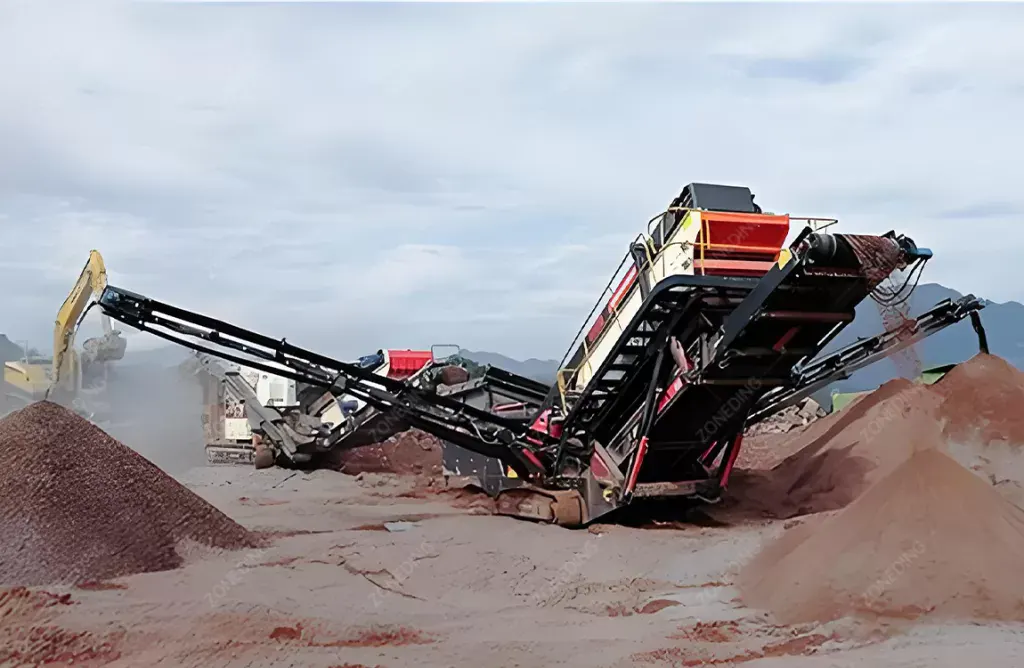
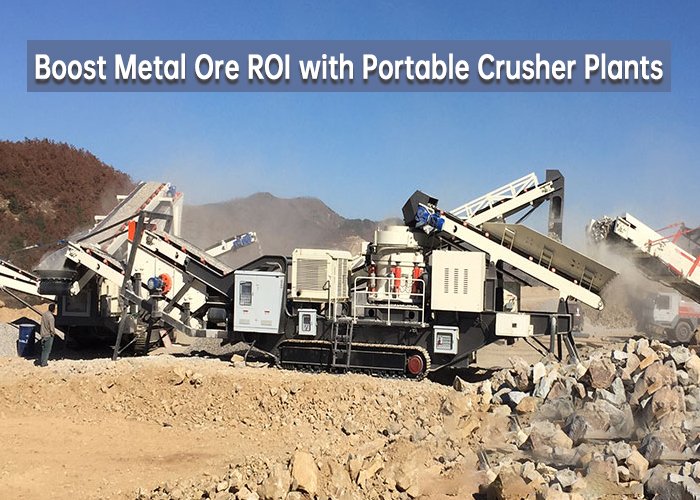
Combining a mobile screening plant with radial stackers guarantees clean aggregate production. Tracked mobile crushers have very short discharge belts due to transport size limits. The crushed stone piles up rapidly under these short belts. The material pile reaches a height of three meters in less than an hour. The rocks begin to spill backward into the crusher discharge chute. This material backup tears the expensive main conveyor belt and destroys the machine bearings. Operators usually assign a large wheel loader to move this material constantly. Loader fuel and maintenance costs reduce the project profit margin significantly. Adding a dedicated Tracked Mobile Screening Plant solves the grading requirement. This machine separates the crushed stone into three or four exact sizes. The final products meet strict engineering standards for highway and concrete construction. Mine operators must also purchase independent tracked radial stackers. These long, mobile conveyor belts sit at the end of the screening plant. A radial stacker reaches ten meters into the air. It swings left and right automatically to build massive kidney-shaped stockpiles. One radial stacker holds thousands of tons of crushed stone. The entire mobile crushing equipment for quarry operations runs all night without any wheel loader assistance. The stackers handle all the material clearing work automatically.
Tracked Mobile Screening Plant
Managing Crusher Stockpiles
Short built-in belts create fatal material bottlenecks. Radial stackers provide massive buffer capacity. Night shift operations become highly profitable without loader fuel expenses.
Use radial stackers: Build massive material stockpiles automatically to eliminate constant loader usage.
Match screen size: The screen deck area must be twenty percent larger than the maximum crusher output to prevent overflow.
Check screen tension: Tighten the screen meshes every week to ensure accurate stone sizing.
Which Crushers Maintain Yields During Power Shortages?
Dual-power crushing equipment survives off-grid locations and rolling blackouts. Remote mines lack stable high-voltage power lines. Running standard electric crushers on small rented diesel generators causes frequent power trips.
True dual-power machines feature a massive onboard diesel engine and an electric plug-in system. The operator plugs the machine directly into the national grid when city power is available. The machine runs entirely on cheap electricity. The operator starts the onboard diesel engine when the grid fails. The engine drives the crusher mechanically through heavy belts. This physical drive system transfers massive torque to the crushing chamber. It handles sudden hard rock impacts much better than electric motors. This flexibility ensures aggregate production never stops regardless of the local power situation. High altitude environments introduce a severe complication for diesel engines. The air becomes very thin above two thousand meters. Engines lose oxygen and fail to burn fuel completely. The machine blows black smoke and stalls under heavy rock loads. A naturally aspirated engine loses ten percent of its total power for every thousand meters of elevation. An operation requiring 300 kilowatts of power needs a 400-kilowatt engine at 3000 meters altitude. Purchasing a Mobile Stone Crusher with a factory-derated and oversized engine is absolutely critical. The cooling system also requires oversized radiators. Thin air absorbs much less heat from the hydraulic oil coolers.
What Are the Characteristics of Foundation-Free Crushers?
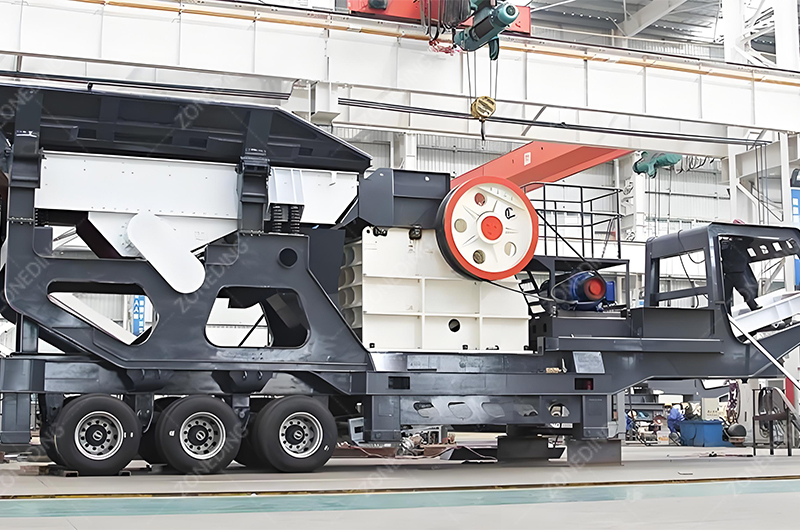
Foundation-free mobile crushers eliminate weeks of expensive civil engineering work. Traditional stationary crushing plants require massive concrete foundations. Digging deep pits and pouring reinforced concrete takes a full month.
Wheeled Mobile Crusher
Crawler Mobile Crusher
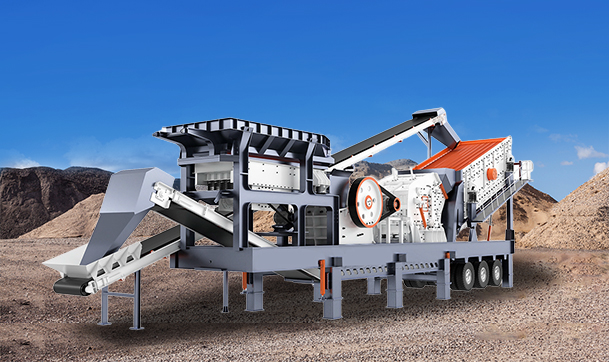
A stationary plant cannot move once the concrete cures. The mining face constantly moves further away from the stationary plant over time. Dump trucks must drive longer distances every single month to deliver raw rock. This increases diesel fuel consumption massively. A Mobile Crusher solves this logistical nightmare completely. The machine drives directly to the active blasting face. The excavator loads the rocks directly into the hopper. The dump trucks disappear entirely from the primary crushing stage. Setting up a mobile machine takes just a few hours. The operator drives the machine onto flat, compacted ground. Heavy hydraulic steel legs push down to lift the tracks slightly off the dirt. These legs stabilize the massive weight and absorb the violent crushing vibrations. The machine requires zero cement, zero rebar, and zero underground bolts. The entire operation relocates to a new mining site in a single afternoon when the current rock deposit runs out.
How to Perform Maintenance in High-Dust Environments?
Upgrading the air intake and building an independent parts center guarantees long-term survival. Crushing dry rock creates extremely thick dust clouds. Standard paper air filters block completely in less than twenty hours. The diesel engine sucks sharp silica dust directly into the cylinders when the paper filter tears. This abrasive dust destroys the engine block completely in just a few days. Operators must install a heavy-duty centrifugal pre-cleaner on the main air intake pipe. This simple mechanical device spins the incoming dirty air at high speeds. Centrifugal force throws ninety percent of the heavy rock dust out of the pipe before it reaches the standard paper filter. This cheap upgrade extends the paper filter lifespan to several weeks. Hydraulic cooling fans also require an upgrade. Fine dust coats the cooling fins and blocks airflow. Installing a reversible fan solves this heat problem. The fan blades spin backward automatically every thirty minutes to blow the accumulated dust off the radiator fins. Relying on city warehouses for spare parts destroys project schedules. Bad mountain roads delay critical bearing deliveries for weeks. Mining sites must establish an independent parts center inside a modified shipping container. This center must hold a three-month supply of filters, jaw plates, and conveyor rollers. Conveyor belts tear frequently when sharp rocks fall from high distances. Waiting for a hot-vulcanization repair team takes too long. The parts center must stock mechanical steel belt fasteners and a heavy hammer. Workers use these steel clips to join the torn belt edges together in just one hour. The parts center must also include a manual hydraulic hose crimping machine. Mechanics cut raw rubber hose and press new steel fittings immediately when a high-pressure line bursts.
Building the Independent Parts Center
Logistics failures destroy mining profits faster than machine breakdowns. An on-site parts container provides immediate solutions to common physical damage. Quick mechanical repairs replace slow factory service calls.
Stock mechanical fasteners: Keep steel belt clips ready to repair torn conveyor belts in under an hour.
Press your own hoses: Buy a manual crimping tool and a spool of raw hose to fix hydraulic leaks instantly.
Hold extra sensors: Keep spare speed and temperature sensors to bypass annoying electronic safety lockouts.
Frequently Asked Questions
Question 1: Why do diesel engines lose power at high altitude mines? Thin air contains less oxygen. Engines cannot burn fuel completely. A naturally aspirated engine loses ten percent power per 1000 meters. Buy an oversized engine to compensate. Question 2: Can a mobile impact crusher handle hard granite? No. Granite contains high levels of abrasive silica. The metal blow bars wear out in days. Use a combination of jaw and cone crushers for hard rock. Question 3: How do we fix a torn conveyor belt without electricity? Use mechanical steel belt fasteners. Workers use a heavy hammer to drive the steel clips into the rubber. This cold splicing method takes one hour. Question 4: What prevents the hydraulic oil cooler from overheating in dusty quarries? Install a reversible hydraulic fan. The fan spins backward periodically to blow the accumulated stone dust off the radiator fins automatically. Question 5: Why do we need radial stackers for mobile crushers? Mobile crushers have very short discharge belts. Material piles up quickly and damages the machine. Radial stackers build massive stockpiles and reduce loader usage.
About ZONEDING
ZONEDING manufactures heavy-duty mineral processing equipment designed for extreme environments. Our engineering team modifies standard machines to survive high altitudes, dirty fuel, and thick dust. We build dual-power tracked crushers using simple, reliable mechanical control systems. We supply complete mobile screening plant combinations with factory-direct pricing. Contact our technical department to design a custom crushing circuit for your next remote mining project.
Optimizing the gold ore dressing process is the most direct way to increase profit in a mine. A high gold recovery rate depends on how well the equipment works together. Many plants lose gold because the flow is not right. I ha...
Efficient washing of chrome ore stands as the most vital step to increase mineral grade and market value. Many mining projects fail because sticky clay stays on the ore during the initial stages. This comprehensive guide explains how the right&nbs...
Selecting between a and a Rod Mill is a critical decision in mineral processing. This choice impacts recovery rates, power use, and overall plant profit. A ball mill uses steel balls to grind ore into fine powder. A rod mill uses long st...
Choosing a high-performance portable crusher plant for metal ore is the fastest way to increase your mining profits in 2026. Many mine owners waste 30% of their budget on truck fuel and road construction. I believe a mobile station solves this by ...
We use cookies to ensure that we give you the best experience on our website. If you continue to use this site we will assume that you are happy with it.
Privacy Policy
Send us a message
We would love to hear from you
Submit your question and our team will respond to the email provided as soon as possible.
 Zoneding Machine