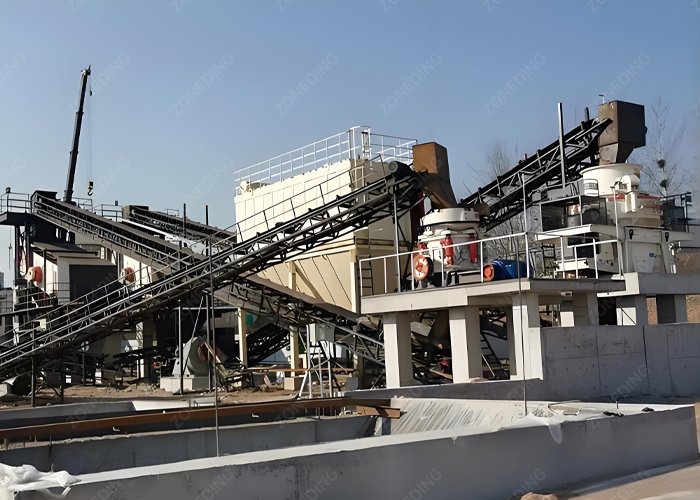
Field experience in extreme environments reveals the truth about aggregate production in remote areas. Showroom data fails when the site sits 500 kilometers from civilization. Extreme locations lack power grids, clean fuel, and heavy cranes. Standard equipment configurations often lead to project delays. Mobile crushing plant application requires specific survival strategies to maintain continuous operation.
A diesel-electric dual power crusher guarantees survival during off-grid crushing operations. Modern high-tech diesel engines break down quickly in harsh environments. Dirty fuel causes more machine failures than hard rocks. Specific hardware modifications protect the engine fuel system from water and rust contamination. Modern diesel engines use high-pressure common rail systems to meet environmental regulations. These precision systems require perfectly clean fuel to operate correctly. Remote construction sites usually store diesel in old, rusty iron barrels. This storage method introduces water and heavy dirt into the fuel supply. The contaminated fuel reaches the engine and destroys the precision fuel injectors within a few days. The engine shuts down completely and refuses to start. Finding a qualified technician to repair electronic fuel injection systems in the wilderness is impossible. The entire crushing operation stops because of low-quality diesel. Contractors must abandon standard factory paper filters. Installing a large, industrial-grade centrifugal water separator on the main fuel line solves this problem. Site workers must open the bottom valve of this separator every morning to drain the accumulated water. This simple daily maintenance routine extends the lifespan of the engine and injectors significantly. The electrical control cabinet also requires upgrades to survive voltage drops. Keeping mechanical relay spares inside the cabinet allows operators to bypass failed electronic components and start the engine manually during power emergencies.
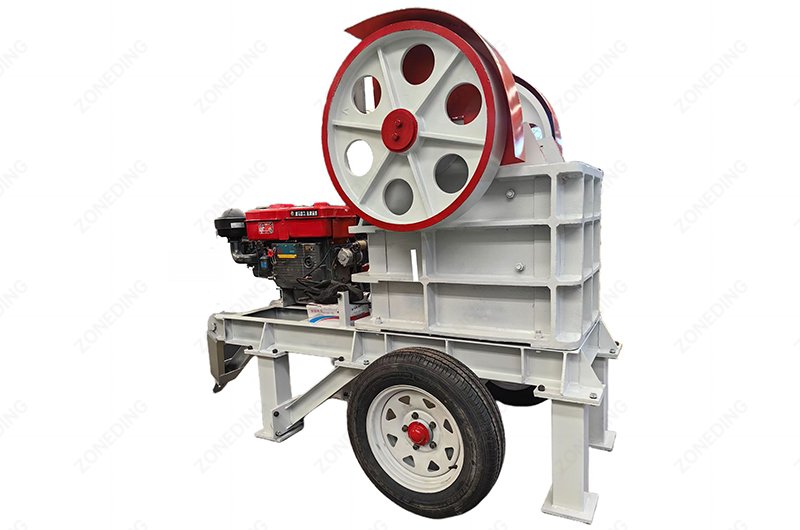
Diesel-Powered Jaw Crusher
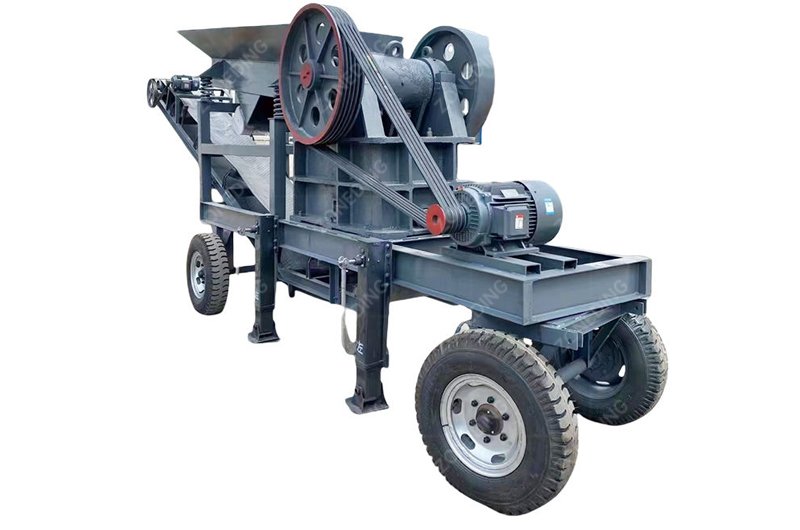
Electric-Powered Jaw Crusher
Modifying the Fuel Filtration System
Standard factory fuel filters lack the capacity to handle heavily contaminated diesel. Large heavy-duty cyclone water separators process large volumes of dirty fuel efficiently. Daily draining of the water bowl prevents injector damage. Mechanical relays provide fail-safe starting options when complex PLC systems crash.
Problem Source
Standard Factory Setup
Remote Survival Setup
Practical Benefit
Water in Diesel
Small paper fuel filter
Heavy-duty cyclone water separator
Prevents injector failure
Fine Dust
Standard paper air filter
Centrifugal air pre-cleaner
Saves paper filters daily
Voltage Drops
Basic PLC controls
Mechanical bypass switches
Allows manual starting
Practical Advice for Off-Grid Power
Use mechanical pumps: Mechanical fuel pumps handle dirty fuel much better than electronic injection systems.
Store fuel carefully: Tilting diesel barrels slightly lets the water and rust settle at the bottom away from the extraction pump.
Clean the cabinet: Installing a small positive pressure fan in the electrical control box stops fine sand from causing relay short circuits.
How Do Tracked Crushers Enter Bad Road Sites?
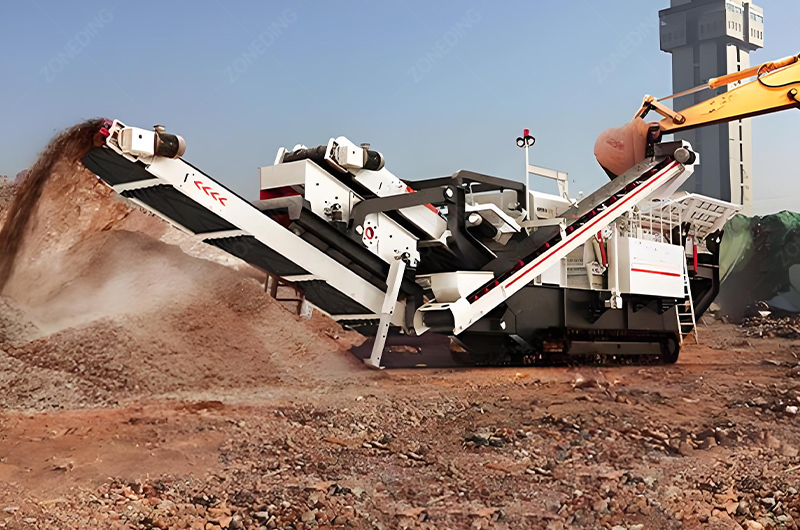
A tracked mobile crushing plant crawls through mud and steep grades easily. Tracked chassis designs prevent heavy transport trucks from getting stuck on bad mountain roads. Calculating altitude power loss before purchasing the machine prevents severe production drops at high elevations. Many equipment buyers purchase a 200-ton per hour machine based purely on sea-level testing data. Transporting this machine to a 3000-meter high mountain project changes the operating parameters entirely. The operator feeds the rocks into the crusher, and the engine immediately blows black smoke. The machine stalls under load. Thin air at high altitudes starves the engine of oxygen. The hydraulic oil also loses cooling efficiency in low air pressure environments. The actual production drops below 120 tons per hour. Solving this requires strict adherence to engine derating calculations. A naturally aspirated engine loses ten percent of its power for every 1000 meters of elevation. Turbocharged engines lose about six percent. An operation needing 200 horsepower requires a heavy-duty engine with at least 280 horsepower at high altitudes. This power over-configuration ensures the Tracked Jaw Crusher processes hard rocks steadily without stalling.
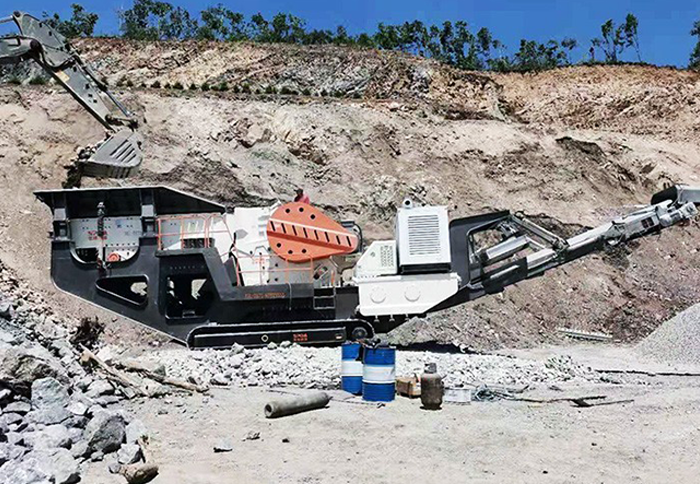
Tracked Jaw Crusher
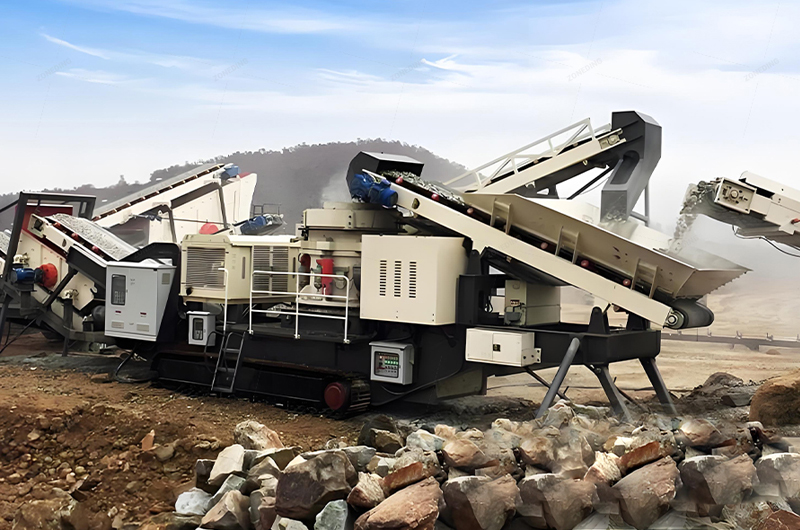
Tracked Cone Crusher
Tracked Impact Crusher
The Rule of Engine Derating
Altitude robs engines of oxygen and reduces cooling efficiency. Purchasing machines with 30% more horsepower compensates for this environmental loss. Oversized cooling radiators keep hydraulic temperatures stable in thin air.
Check the turbocharger: High-altitude operations demand robust turbochargers to force enough air into the engine cylinders.
Clean the radiators: Dust blocks cooling fins quickly, making altitude heat problems much worse.
Monitor temperatures: Automatic shutdown sensors prevent hydraulic oil from boiling and destroying the main pumps.
How Much Time Does Foundation-Free Design Save?
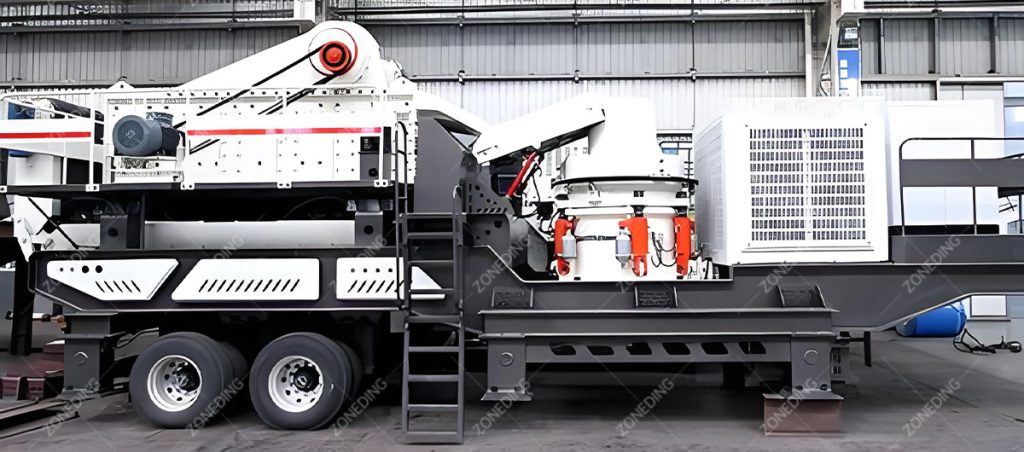
Foundation-free crushing equipment saves three to four weeks of site preparation. Remote sites eliminate the need to transport cement, rebar, and water. Operators park the machine on flat ground and start crushing immediately. Hydraulic chamber clearing systems act as the ultimate backup for sudden machine stops.
Mobile cone crusher
Remote construction sites face sudden emergencies constantly. An excavator might accidentally cut a fuel line, causing the engine to stop immediately. The crushing cavity remains completely full of large, hard rocks. City projects simply call a large mobile crane to lift the heavy rocks out of the chamber. Wilderness projects lack access to heavy lifting equipment. Workers spend three dangerous days using hand tools and small breakers to destroy the rocks trapped inside the cavity. Purchasing a Mobile Cone Crusher equipped with full hydraulic chamber clearing eliminates this delay. This system uses a small auxiliary hydraulic pump. Operators lower the main shaft using this backup pump even when the main diesel engine is completely dead. The discharge gap opens wide. The trapped rocks fall onto the discharge belt automatically. Technicians fix the broken fuel pipe, start the main engine, and resume aggregate production in thirty minutes instead of three days.
The Importance of Hydraulic Chamber Clearing
Manual rock clearing wastes days of production time. Auxiliary hydraulic pumps provide a safe method to open the crushing gap. Gravity empties the crushing chamber quickly without manual labor.
Check the battery: Keeping a fully charged backup battery ensures the auxiliary hydraulic clearing pump always works.
Flatten the ground: Parking the heavy machine on perfectly flat ground prevents chassis twisting and protects the main bearings.
Inspect the belt: Clearing all heavy rocks off the main discharge belt before restarting prevents the belt motor from burning out.
Can Local Rock Meet Project Aggregate Standards?
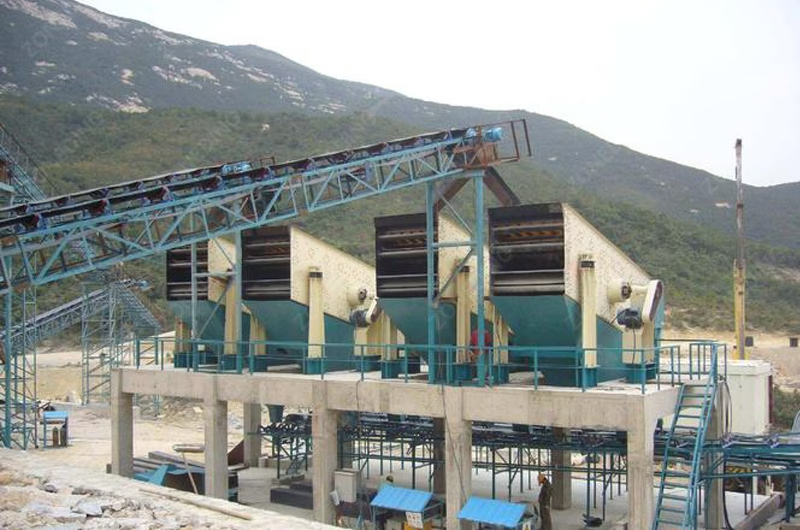
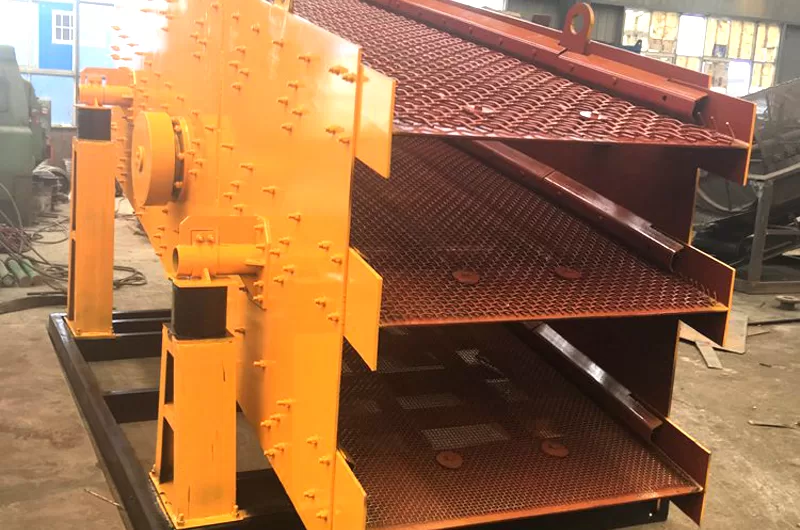
Aggregate processing in remote mines produces high-quality concrete stone when using correct methods. Adapting the screening process to handle dry, dusty conditions without water is critical. Specific screen mesh designs prevent mud from ruining the final product quality. Remote highway projects demand extremely clean aggregate. Deserts have no water available for traditional sand washing plants. Freezing environments turn water into solid ice, making wet processing impossible. Concrete structures fail strict engineering inspections if the final stone contains too much fine dust. Many operators use impact crushers due to their high reduction ratios. This choice proves fatal for dirty rock. Impact crushers create massive amounts of useless fine dust. A better approach utilizes a combination of jaw crushers and cone crushers to minimize dust creation. Standard woven wire meshes fail quickly when processing stone with slight moisture. The damp dust sticks to the steel wire. The holes block completely in thirty minutes. All the mud mixes into the final clean stone pile. Replacing the bottom deck of the Vibrating Screen with a piano wire screen solves this. These thin, highly tensioned wires vibrate violently and clean themselves automatically. Polyurethane meshes equipped with bouncing rubber balls also keep the holes open effectively.
Vibrating Screen
Vibrating Screen
Mastering Dry Screening Techniques
Standard woven wire meshes blind quickly in damp conditions. Self-cleaning meshes use physical vibration to reject sticky dust. Piano wire screens maintain open area percentages without water washing.
Screen Type
Best Application
Blinding Risk
Practical Benefit
Woven Wire
Clean dry rock
Very High
Cheap initial cost
Piano Wire
Damp dusty rock
Low
Continuous production without water
Polyurethane
Highly abrasive rock
Very Low
Long wear life and self-cleaning
How to Simplify Maintenance Without Mechanics?
Building an emergency survival kit and upgrading air filtration prevents catastrophic failures. Standard maintenance routines fail when replacement parts sit weeks away in a city warehouse. Protecting the machine from abrasive dust requires aggressive mechanical upgrades. Dry, remote environments create thick dust clouds during crushing operations. Standard paper air filters clog completely every single day. Operators grow tired of cleaning these filters constantly. Some workers force the machine to run with completely blocked filters or remove them entirely. The engine then sucks sharp silica dust directly into the combustion cylinders. This abrasive dust destroys the engine block completely in a matter of hours. Installing a centrifugal pre-cleaner on the main air intake prevents this destruction. This mechanical device spins the incoming air at very high speeds. It throws ninety percent of the heavy dust outward before the air ever reaches the standard paper filter. This upgrade allows paper filters to last weeks instead of hours. The emergency parts kit must also address unexpected physical damage. A falling rock slicing the main discharge belt stops production immediately. Waiting for a hot vulcanization repair team takes days. Keeping mechanical steel belt fasteners and a heavy hammer on-site allows workers to join the torn belt edges securely in just one hour.
Building the Remote Survival Kit
Planning for wear parts is easy; planning for sudden accidents saves projects. Hydraulic hose blowouts require immediate on-site repair capabilities. Belt tears need fast mechanical splicing tools.
Hose Repair: A manual hydraulic hose crimping tool and 100 meters of raw hose allow quick fixes for any blown pipe.
Belt Fasteners: Mechanical belt fasteners bypass the need for electrical hot vulcanization tools.
Sensor Spares: Spare speed sensors prevent the machine’s safety logic from locking the engine down permanently.
How Much Can Local Processing Reduce Costs?
Eliminating long-haul trucking fees reduces project costs massively. Producing stone on-site provides absolute control over the entire construction schedule. The equipment pays for itself very quickly through transport savings alone. Transporting stone 500 kilometers costs significantly more than the value of the stone itself. Trucks break down frequently on bad unpaved roads. Heavy rain washes out temporary bridges. The construction team sits idle waiting for aggregate delivery, wasting thousands of dollars in daily labor costs. Bringing a Mobile Stone Crusher directly to the dam or highway site cuts this logistical risk to zero. Blasting the local mountains and processing the rock right next to the concrete mixer changes the project economics completely. A complete Tracked Mobile Screening Plant paired with a primary crusher creates an independent, self-sustaining factory. The money saved on diesel fuel for a fleet of dump trucks, road tolls, and transport company fees often covers the entire purchase price of the crushing equipment within the first six months. This strategy turns a high-risk remote construction project into a highly profitable operation.
Calculating the True Return on Investment
Local processing removes third-party transport companies from the equation. Equipment ownership replaces variable transport fees with fixed asset value. Guaranteed aggregate supply accelerates the overall construction schedule.
Eliminate trucking delays: Weather no longer affects daily aggregate delivery to the concrete batch plant.
Reduce fuel costs: Running one efficient diesel-electric crusher uses far less fuel than fifty heavy dump trucks.
Increase asset value: Standardized mobile crushers retain high resale value in the secondary market after the project ends.
Frequently Asked Questions
Question 1: Why do standard diesel engines lose power in high mountains? Thin air provides less oxygen for combustion. A naturally aspirated engine loses ten percent power per 1000 meters. Purchasing an oversized engine maintains high crushing capacity. Question 2: How to fix a torn conveyor belt in the wilderness? Hot vulcanization requires electricity and experts. Mechanical steel belt fasteners provide a fast alternative. Hammering these clips into the rubber joins the torn edges quickly. Question 3: Why do woven wire screens fail when processing dry dusty rock? Slight moisture in the rock makes the dust sticky. The dust coats the steel wires and blocks the holes quickly. Piano wire screens prevent this blinding effect effectively. Question 4: What is the fastest way to clear a jammed crusher without a crane? A hydraulic chamber clearing system provides the solution. A small backup pump lowers the main shaft. The wide gap lets the trapped rocks fall out safely. Question 5: How to stop paper air filters from clogging every day? Installing a centrifugal pre-cleaner throws ninety percent of the heavy dust outward. Only the finest dust reaches the paper filter, reducing daily maintenance.
About ZONEDING
ZONEDING manufactures heavy-duty mineral processing equipment designed for extreme environments. Mobile and stationary crushing plants feature simple maintenance access and robust performance capabilities. Engineering teams build machines capable of surviving dirty fuel, high altitudes, and heavy dust. The company provides factory-direct pricing and reliable global spare parts support. Contact the engineering department to configure a customized equipment package for upcoming remote construction projects.
Building a high-recovery gold ore processing plant development project requires a very clear plan. The process starts with the rock and ends with pure gold. Most projects fail because the machinery does not match the mineral type. High recovery ra...
Many investors consider alluvial operations simple dirt-washing tasks. However, commercial-grade operations face severe technical challenges daily. A successful demands precise engineering to match the physical ore characteristics. This guide reve...
Designing an is fundamentally different from designing an aggregate plant. Iron ore has a very high specific gravity, often between 4.5 and 5.2, and extreme abrasiveness. If you use standard design formulas for limestone, your structures might col...
We use cookies to ensure that we give you the best experience on our website. If you continue to use this site we will assume that you are happy with it.
Privacy Policy
Send us a message
We would love to hear from you
Submit your question and our team will respond to the email provided as soon as possible.
 Zoneding Machine