Buying a stone crusher is a major investment for any quarry, mining, or aggregate production business. The wrong equipment can increase downtime, wear cost, and energy consumption for years. Meanwhile, the right crushing system can improve production stability, lower cost per ton, and create much stronger long-term profitability.
Why Is Choosing the Right Stone Crusher So Important?
A crusher should match your material, market demand, and production goals — not just your budget.
Many buyers focus only on:
Machine size
Crusher capacity
Quotation price
However, experienced quarry operators look much deeper.
They carefully evaluate:
Rock hardness
Aggregate shape
Operating cost
Wear resistance
Spare parts supply
Maintenance simplicity
A properly designed Stone Crushing Plant can operate reliably for many years. On the other hand, poor crusher selection often leads to unstable production and expensive maintenance problems.
Why Wrong Crusher Selection Becomes Expensive
Using the wrong crusher may create:
Fast liner wear
Excessive vibration
Chamber blockage
Poor aggregate shape
Higher electricity consumption
In many cases, these issues do not appear immediately. Instead, they slowly reduce profitability over time.
Practical Crusher Selection Suggestions
Rock type should always be evaluated first because material hardness affects almost every operating cost.
Production planning also needs realistic analysis. Oversized systems often consume unnecessary power while operating below full load.
Reliable long-term production usually creates more profit than chasing maximum theoretical capacity.
What Type of Material Will You Crush?
Different rocks require completely different crushing solutions.
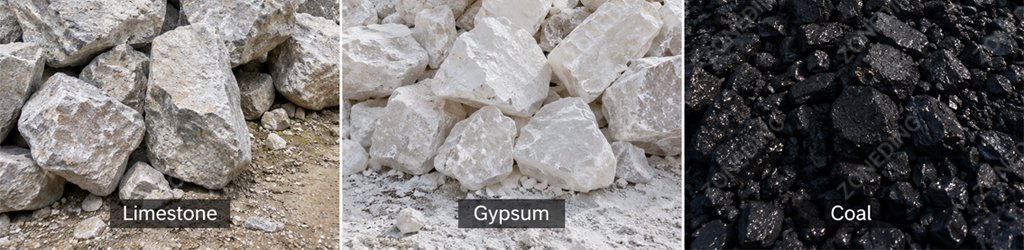
Soft materials like:
Limestone
Gypsum
Coal
usually allow lower-cost crushing systems.
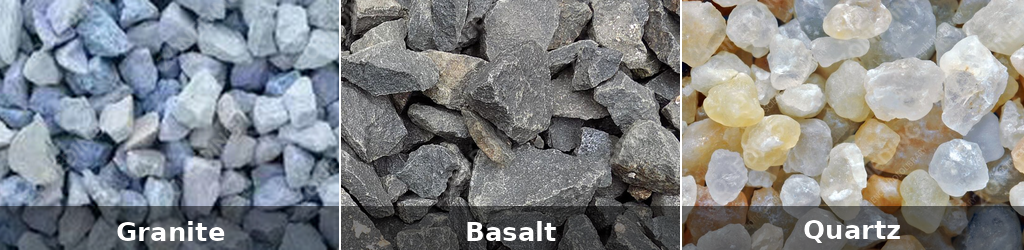
Meanwhile, harder materials such as:
Granite
Basalt
Quartz
need:
Stronger crusher frames
Better wear resistance
Larger bearings
Higher motor power
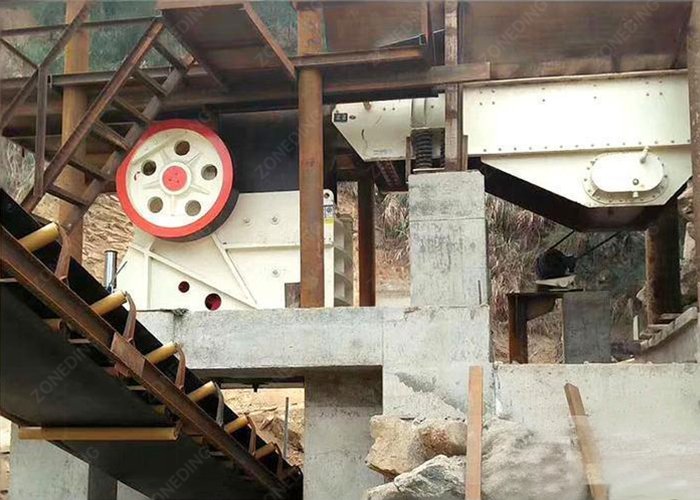
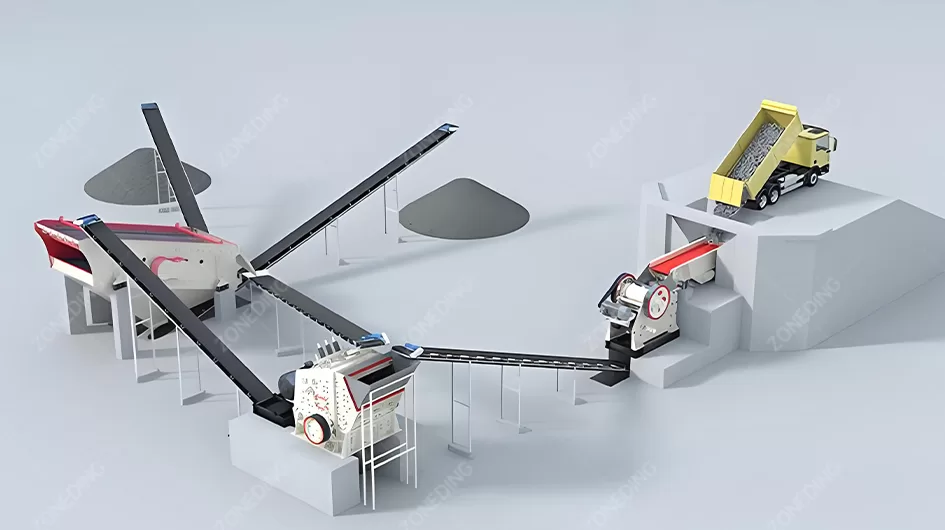
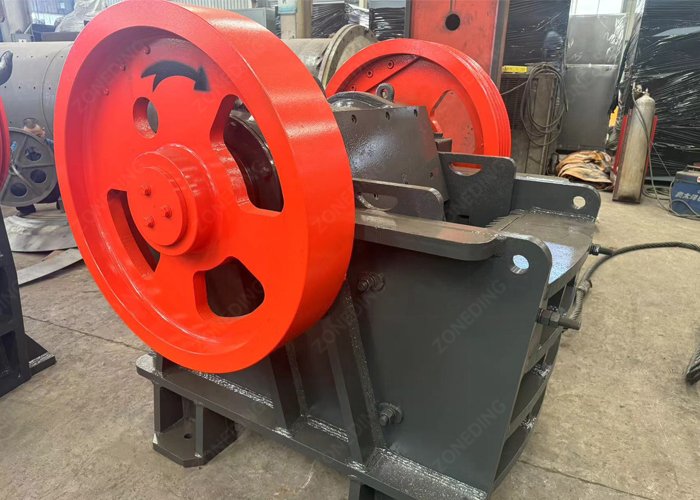
Many aggregate plants use a heavy-duty Jaw Crusher for primary crushing because jaw crushers provide stable size reduction under varying material conditions.
Why Rock Hardness Matters So Much
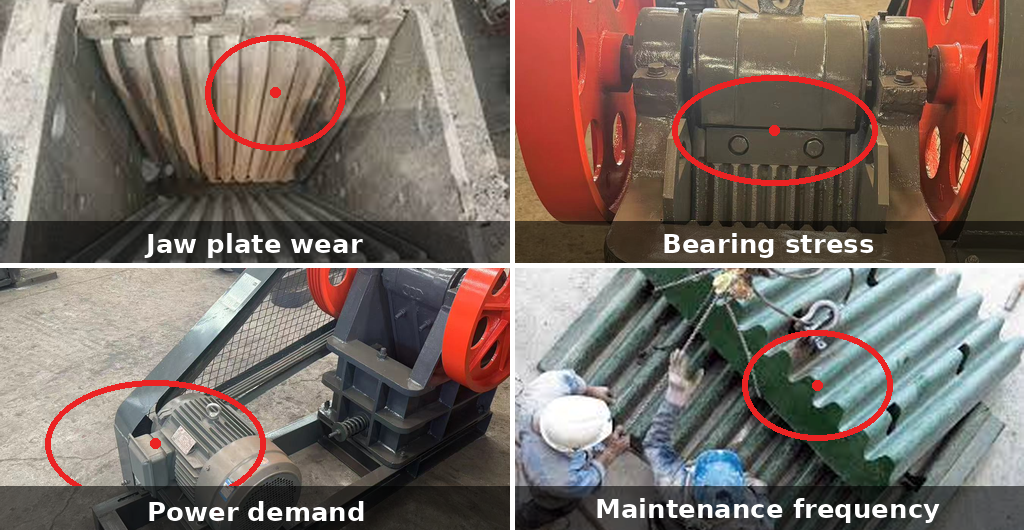
Hard stone increases:
Jaw Crusher Operating Cost Factors
Jaw plate wear
Bearing stress
Power demand
Maintenance frequency
As a result, granite crushing plants usually require much higher investment than limestone operations.
Material Type
Recommended Setup
Wear Level
Operating Cost
Limestone
Jaw + Impact
Lower
Lower
Granite
Jaw + Cone
High
Higher
Basalt
Jaw + Cone + VSI
Very high
Premium
River Stone
Jaw + Cone
Medium to high
Stable
Practical Material Selection Tips
Limestone operations often achieve strong profitability with simpler crushing circuits.
Hard rock projects should prioritize wear resistance and structural quality because weak machines fail quickly under abrasive conditions.
Feed consistency also matters because unstable material flow increases vibration and liner damage.
What Production Capacity Do You Really Need?
The most profitable crusher is usually the one operating near full load most of the time.
Many buyers purchase oversized equipment expecting future expansion. However, low utilization often creates:
Higher fuel consumption
Poor operating efficiency
Unstable feeding
Increased maintenance cost
A balanced 150 TPH plant can often generate more profit than a 500 TPH system operating below capacity.
Many quarry operations improve feeding stability by combining crushers with a properly configured Vibrating Feeder.
Why Real Demand Matters More Than Maximum Capacity
Before selecting equipment, buyers should evaluate:
Local aggregate demand
Daily operating hours
Truck loading efficiency
Seasonal production changes
Material supply stability
Capacity planning should match real production conditions instead of optimistic future estimates.
Capacity Range
Typical Application
Investment Level
30–80 TPH
Small quarry
Lower
80–200 TPH
Aggregate production
Medium
200–500 TPH
Commercial quarry
Higher
500+ TPH
Mining operation
Premium
Practical Capacity Planning Suggestions
Smaller operations often benefit from simpler layouts and steady utilization.
Medium-size aggregate plants usually require balanced screening and conveyor systems to avoid bottlenecks.
Large crushing operations should carefully evaluate downstream screening capacity because one undersized component can reduce total plant output.
Which Crusher Type Is Best for Your Application?
Different crusher types produce very different results.
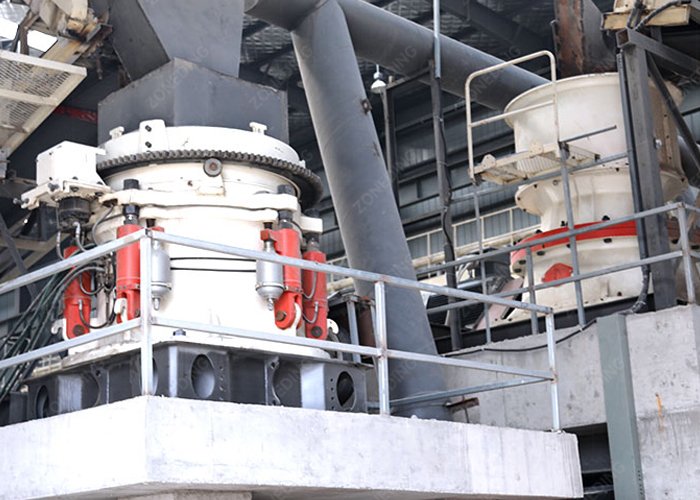
A Cone Crusher works extremely well in hard rock applications because it provides stable gradation and strong wear resistance.
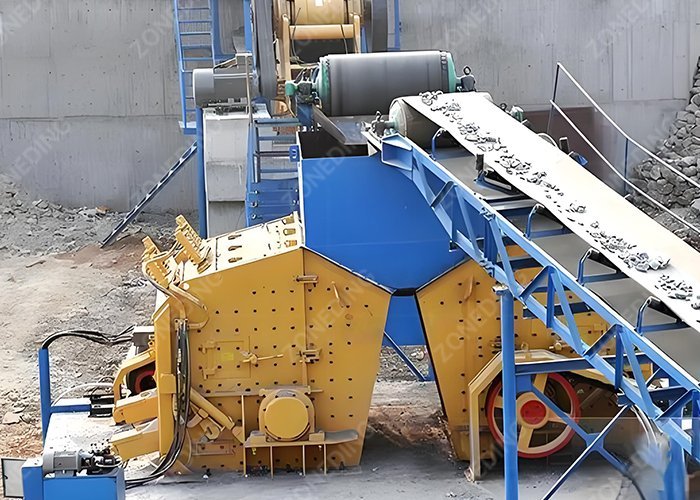
Meanwhile, impact crushers are often preferred in limestone crushing because they create excellent particle shape for concrete aggregate.
Jaw crusher
Cone crusher
Impact crusher
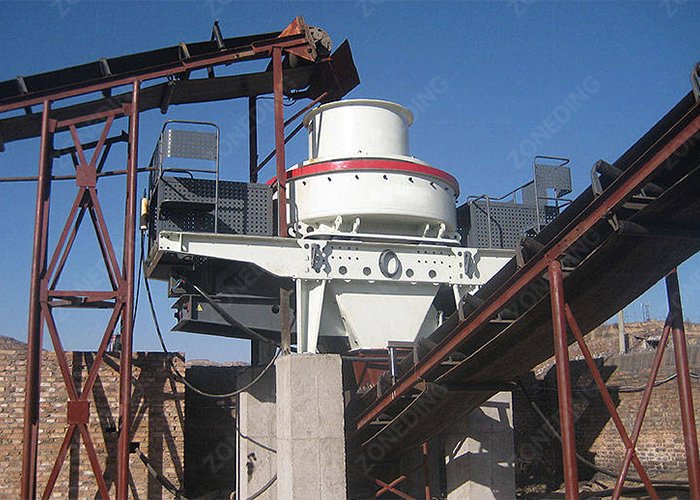
Sand Making Machine
Common Crusher Applications
Jaw Crushers
Best for:
Primary crushing
Rough size reduction
Stable operation
Cone Crushers
Best for:
Granite
Basalt
Long-term quarry production
Impact Crushers
Best for:
Limestone
Concrete aggregate
Better particle shape
Sand Making Machines
Best for:
Manufactured sand
Fine shaping
Concrete sand production
Many aggregate producers also add a Sand Making Machine when high-quality manufactured sand becomes part of the production target.
Crusher Type
Main Advantage
Main Limitation
Jaw Crusher
Stable primary crushing
Limited shaping
Cone Crusher
Lower hard rock wear cost
Higher investment
Impact Crusher
Excellent particle shape
Faster wear in hard rock
Sand Maker
Fine aggregate shaping
Extra crushing stage
Practical Crusher Selection Suggestions
Hard rock projects usually benefit from cone crushing because liner life becomes extremely important.
Limestone producers often choose impact crushing to improve aggregate shape and market value.
Simple crushing flows are generally easier to maintain in remote quarry locations.
Mobile Crusher vs Stationary Crusher: Which Is Better?
The right choice depends on project duration, site conditions, and material movement.
Why Stationary Plants Still Dominate Many Quarries
Fixed crushing plants are often:
Easier to maintain
More fuel-efficient
Operationally more stable
Meanwhile, mobile crushers become highly profitable when project locations change frequently.
Plant Type
Main Advantage
Main Limitation
Best Application
Mobile Crusher
Flexibility
Higher operating cost
Temporary projects
Stationary Plant
Lower long-term cost
Less mobility
Permanent quarry
Practical Mobility Suggestions
Temporary crushing projects usually benefit from mobile systems because relocation becomes easier.
Long-term aggregate operations often achieve better efficiency with stationary layouts.
Remote sites should also evaluate fuel availability and maintenance support before selecting mobile equipment.
How Much Do Crusher Wear Parts and Maintenance Cost?
Wear parts quietly control long-term crusher profitability.
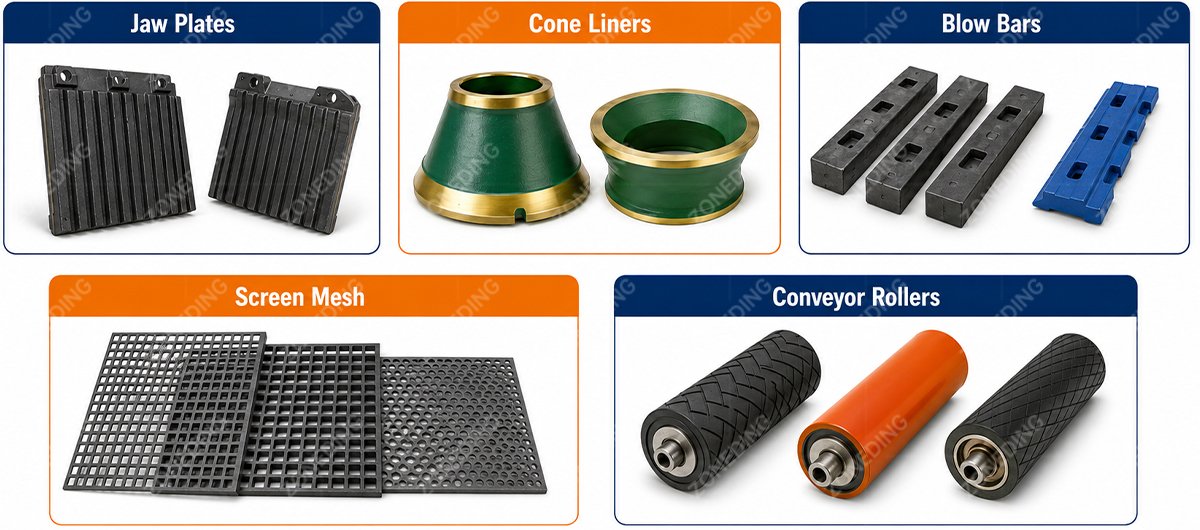
Wear components include:
Crusher Wear Parts
Jaw plates
Cone liners
Blow bars
Screen mesh
Conveyor rollers
Many crushing systems also depend heavily on efficient Vibrating Screens because poor screening increases recirculation and unnecessary wear.
Why Wear Cost Per Ton Matters
Some low-cost crushers require:
Frequent liner replacement
Constant maintenance
Excessive downtime
Experienced quarry owners calculate:
Wear life
Downtime impact
Maintenance labor
Spare parts availability
instead of only comparing machine quotations.
Wear Component
Main Cost Driver
Profit Impact
Jaw Plates
Hardness
Higher downtime
Cone Liners
Abrasion
Long-term wear cost
Blow Bars
Impact force
Frequent replacement
Screen Mesh
Material type
Screening efficiency
Practical Wear Management Suggestions
Premium wear materials often create lower long-term cost in abrasive applications.
Stable feeding conditions also help improve liner life significantly.
Easy maintenance access should never be ignored because downtime directly affects profitability.
How Does Energy Consumption Affect Long-Term Profit?
Electricity and fuel become major operating expenses in crushing operations.
Poorly configured systems consume excessive power because of:
Oversized motors
Recirculating loads
Inefficient chamber utilization
Improper CSS settings
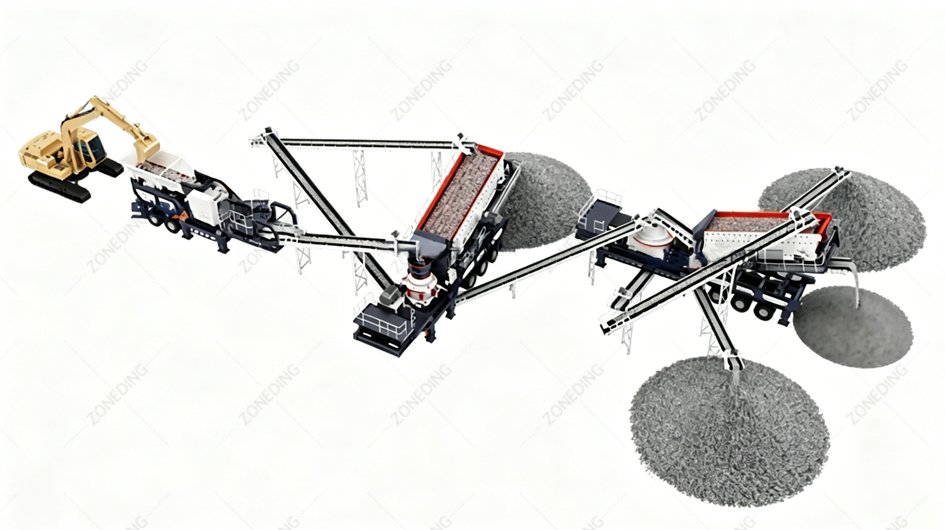
Many efficient plants improve workflow balance using properly matched Crushing Equipment layouts.
Why Energy Efficiency Matters
Even small efficiency improvements create major annual savings.
Experienced plant designers optimize:
Crushing stages
Screen efficiency
Conveyor layout
Motor loading
because lower energy consumption directly improves profit margins.
Practical Energy Saving Suggestions
Balanced chamber loading usually improves power efficiency.
Efficient screening also reduces unnecessary recirculation and fuel usage.
Diesel-powered sites should carefully evaluate generator operating cost before selecting crusher capacity.
Why Is After-Sales Service More Important Than Many Buyers Think?
Even a strong crusher becomes risky if spare parts and technical support are unavailable.
Many quarry operations lose large amounts of revenue because:
Bearings take weeks to arrive
Liners are unavailable locally
Technicians cannot reach the site quickly
Reliable suppliers should provide:
Spare parts support
Installation guidance
Technical training
Fast response service
Questions Buyers Should Ask Suppliers
Before purchasing equipment, buyers should confirm:
Are spare parts available locally?
How quickly can liners be delivered?
Is technical support available remotely?
Can local workers maintain the equipment?
Are operation manuals clear?
Long-term supplier support often matters more than the lowest quotation price.
Final Industry Truth
The best stone crusher is not:
The cheapest machine
The largest model
The highest horsepower system
Instead, the best crusher is the one that:
Matches your material
Fits your market demand
Minimizes downtime
Controls wear cost
Remains easy to maintain
Produces stable output for years
Experienced quarry owners focus on long-term cost per ton instead of only purchase price.
That is the real rule of successful crusher investment.
Frequently Asked Questions
Which crusher is best for hard rock?
Cone crushers are usually the best choice for granite and basalt because they provide stronger wear resistance.
Should I buy a mobile or stationary crusher?
Mobile crushers are ideal for temporary projects, while stationary plants usually provide lower long-term operating cost.
Why is wear cost so important?
Wear parts directly affect downtime, maintenance expense, and production stability.
How do I choose the right crusher capacity?
Capacity should match real market demand and downstream plant balance instead of theoretical peak output.
What should I ask a crusher supplier before buying?
You should ask about spare parts support, maintenance requirements, technical assistance, and installation guidance.
About ZONEDING
We are ZONEDING, a Chinese manufacturer specializing in crushing, screening, grinding, and mineral processing equipment for global B2B customers. We provide jaw crushers, cone crushers, mobile crushers, vibrating screens, and complete aggregate crushing solutions.
Our equipment has been exported to more than 120 countries. We help quarry operators improve efficiency, reduce operating costs, and build stable long-term aggregate production systems.
Contact us today for customized crusher recommendations and complete plant solutions.
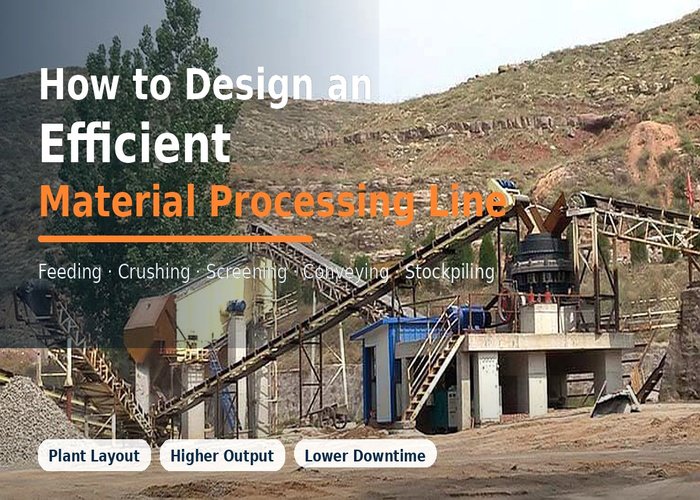
An efficient material processing line is the foundation of a profitable operation. Whether you are producing aggregates, processing minerals, manufacturing sand, or handling industrial raw materials, the success of your project depends on much mor...
Jaw crusher prices can vary from a few thousand dollars to more than one million dollars depending on capacity, feed size, mobility, automation, and material hardness. In real quarry and mining projects, the cheapest machine is often not the most ...
Designing an is fundamentally different from designing an aggregate plant. Iron ore has a very high specific gravity, often between 4.5 and 5.2, and extreme abrasiveness. If you use standard design formulas for limestone, your structures might col...
We use cookies to ensure that we give you the best experience on our website. If you continue to use this site we will assume that you are happy with it.
Privacy Policy
Send us a message
We would love to hear from you
Submit your question and our team will respond to the email provided as soon as possible.
 Zoneding Machine