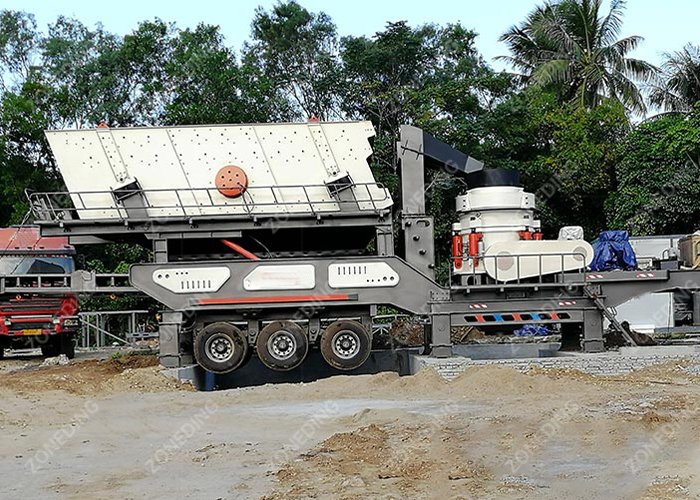
What is a concrete crusher and how to select the best model? This industrial manual covers technical parameters, types, and maintenance for recycling projects. Effective debris management requires precise machine choice to ensure high-quality aggregate production. Industrial debris crushing solutions transform waste into profit by reducing disposal costs and creating new building materials. This guide provides data-driven insights for professional equipment selection.
What is a concrete crusher and its core working principle?
A concrete crusher is a heavy-duty machine designed to break down construction debris into smaller, reusable aggregates. The core principle involves mechanical pressure or high-speed impact to overcome the structural strength of concrete blocks. These machines feature a crushing chamber where the material undergoes size reduction. The physical construction includes a heavy frame, a drive system, and wear-resistant liners. The infrastructure material supply chain relies on these machines to process slabs and pillars into road-base materials. The crushing process depends on the interaction between the material and the liners. In a compression system, two plates squeeze the material until it fractures. In an impact system, high-speed rotors throw the concrete against hard plates. The “Nip Angle” in the chamber determines the efficiency of the grip on flat concrete slabs. Proper design prevents the material from sliding upward, which increases the energy conversion rate. This mechanical interaction is the foundation of every used in modern recycling plants.
Components of the crushing chamber
Detailed information on the physical structure ensures a better understanding of the machine’s durability.
Component
Material
Function
Practical Benefit
Main Frame
Reinforced Steel
Supports all vibration
Long machine lifespan
Liners/Plates
Manganese Alloy
Protects the frame
Reduces replacement costs
Drive Shaft
Forged Steel
Transmits power
Handles peak torque
Tips for understanding machine mechanics
Monitor the Nip Point: The area where the material first breaks must be strong.
Check Liner Hardness: Concrete contains hard aggregates that wear out soft steel.
Observe Vibration Levels: Excessive shaking indicates an unbalanced rotor or loose bolts.
What are the economic and environmental benefits of industrial debris crushing solutions?
Recycling concrete creates a new revenue stream through tipping fees and the sale of recycled aggregates. Construction companies often pay to dispose of waste at landfills. By processing the waste on-site, the company avoids these fees and generates profit. Recycled aggregates sell for a high price in the road construction market. Industrial debris crushing solutions provide a sustainable way to manage urban waste while protecting natural stone resources. Environmental protection is a mandatory requirement for modern contractors. Reusing concrete reduces the need for new quarrying activities. This saves energy and reduces the carbon footprint of the project. Crushing machines equipped with dust suppression systems keep the air clean in city centers. The use of recycled materials helps projects meet green building certification standards. This approach turns a waste problem into a circular economy success.
Economic gains analysis
Tipping Fee Savings: Local waste sites charge high prices per ton.
Logistics Cost Reduction: Processing on-site removes the need for hundreds of truck trips.
Product Sales: Recycled aggregates are essential for road sub-bases and drainage layers.
What are the differences between Jaw, Impact, and Mobile concrete crushers?
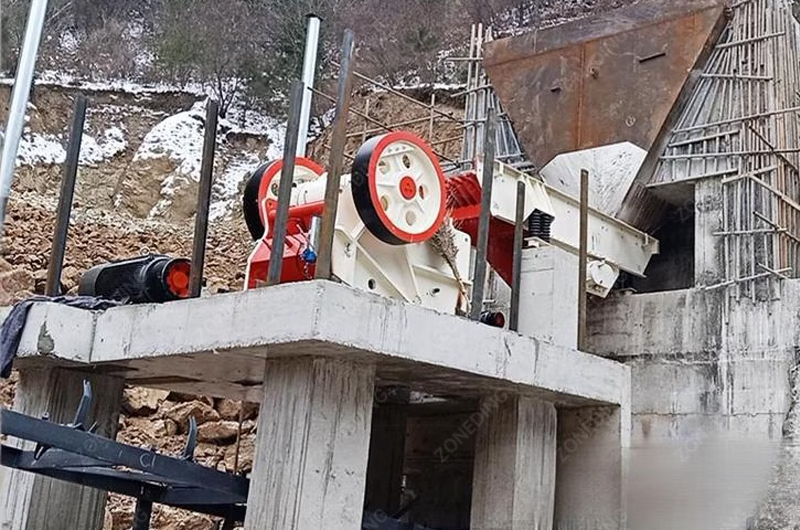
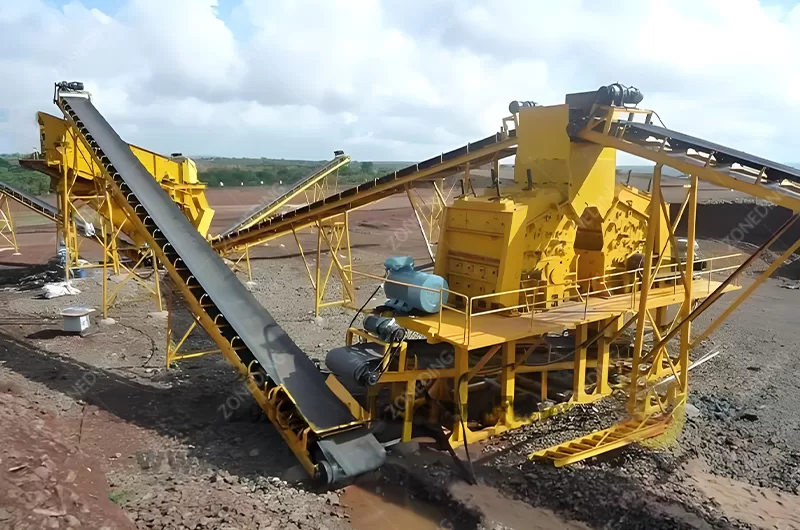
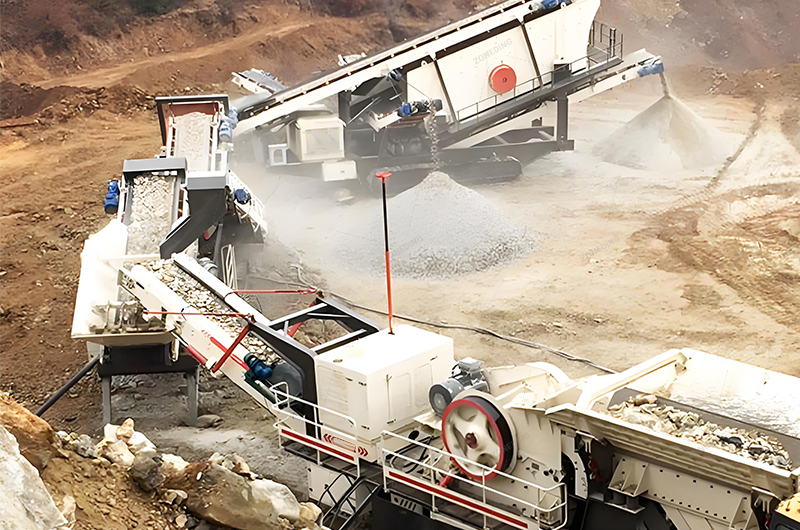
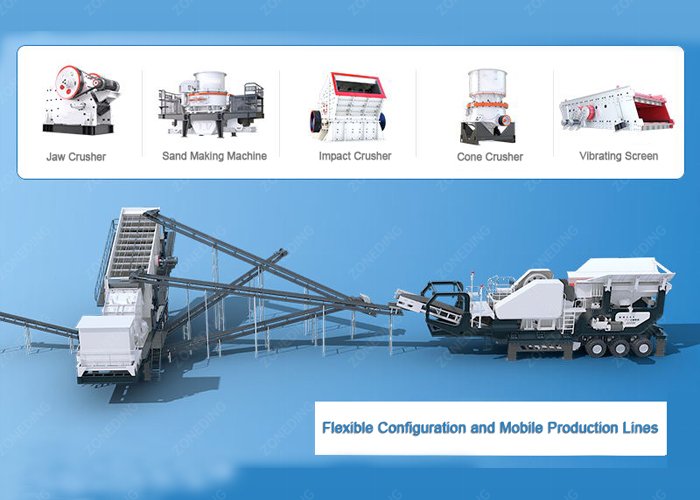
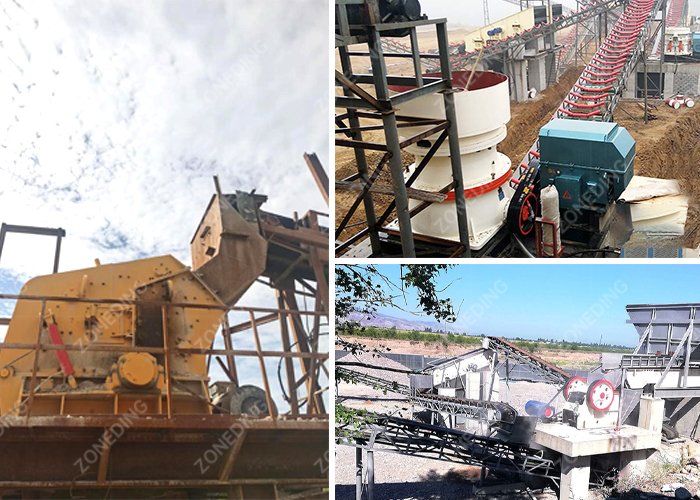
The choice between different types of concrete crushers depends on the material hardness and the site location. A Jaw Crusher is the best primary machine for handling large, reinforced concrete blocks. It uses a squeezing motion that is very effective for initial size reduction. However, it cannot separate steel rebar perfectly. It serves as the “heavy lifter” in the first stage of a production line. An Impact Crusher is ideal for creating a better stone shape and separating steel from the concrete. The high-speed impact shatters the bond between the stone and the rebar. This makes the steel easy to collect with a magnet. For projects that move frequently, a Mobile Crusher offers the best flexibility. These units move on tracks or wheels and include feeders and screens on a single chassis.
Jaw crusher
Impact Crusher
Mobile Crusher
Comparison of crusher types
Crusher Type
Best Application
Steel Separation
Portability
Jaw Crusher
Primary/Hard Material
Moderate
Fixed/Stationary
Impact Crusher
Shaping/Secondary
Excellent
Fixed/Wheeled
Mobile Crusher
Site Demolition
High
Excellent (Tracks)
Guidelines for type selection
Select a Jaw Crusher for slabs thicker than 500mm.
Select an Impact Crusher if the final product must be cubical.
Select a Mobile Crusher for short-term urban demolition projects.
Which concrete crusher technical parameters are critical for performance evaluation?
Evaluating technical parameters ensures the machine matches the specific production goals and feed material. The most critical parameter is the maximum feed size. If the concrete blocks are larger than the intake opening, the machine will block. Capacity is another key factor. It is measured in tons per hour (TPH). Concrete crusher technical parameters must be analyzed to prevent bottlenecks in the recycling line. Power consumption and motor efficiency affect the daily operating cost. High-efficiency motors reduce the electricity bill. The discharge opening range determines the size of the final product. A wider range allows for more flexibility in producing different aggregate grades. Operators must also check the total weight of the machine for transport limits. Modern machines include load-sensing sensors to monitor these parameters in real-time.
Essential parameters to monitor
Feed Opening (mm): Must be 20% larger than the largest concrete block.
Crushing Power (kW): Higher power is needed for high-strength concrete with steel.
Adjustment Range (mm): Affects the flexibility of the recycled aggregate size.
How to select a crusher based on feed size, output requirements, and budget?
The selection process starts with a clear understanding of the raw material and the target market. If the feed contains a high percentage of steel rebar, the machine must have a wide discharge area. This prevents the steel from tangling around the rotor. Output requirements define the capacity. A small site might only need 50 TPH, while a large recycling center needs 300 TPH. Budget considerations must balance the initial purchase price with the long-term energy costs. Site constraints also influence the selection. An urban site with no space for stockpiles needs a machine with integrated screening. This allows the production of finished products in one pass. A Mobile Impact Crusher is often the best choice for these scenarios. Budget-conscious buyers should look for machines with high-quality wear parts. These parts last longer and reduce the total cost per ton of material processed.
Decision matrix for contractors
Large Reinforced Slabs: Use a Heavy-Duty Jaw Crusher.
High-Quality Paving Stone: Use an Impact Crusher with Shaping.
Multiple Small Sites: Use a Tracked Mobile unit.
What are the advanced technical advantages of modern concrete crushers?
Modern technology focuses on automation and hydraulic systems to improve efficiency and safety. One major advantage is “Hydraulic Clearing.” If a piece of uncrushable steel enters the chamber, the machine opens automatically to release it. This prevents damage to the frame and motor. Another innovation is the “Diesel-Electric” drive system. This allows the machine to run on a generator or a direct power grid connection. Load-sensing technology adjusts the feed speed based on the pressure in the chamber. This ensures the machine always operates at its peak efficiency. Advanced “Air Classifiers” can now be integrated into the line to remove light materials like wood and plastic. These Industrial debris crushing solutions ensure the recycled aggregate is clean and meets high-grade construction standards. These features reduce the workload for the staff and increase the daily profit.
Top technology features
Automatic Lubrication: Keeps the bearings running cool without manual work.
Remote Control Operation: Increases safety by keeping workers away from the machine.
Variable Frequency Drive (VFD): Allows the operator to change rotor speeds for different materials.
How to design a standard concrete crushing and screening process?
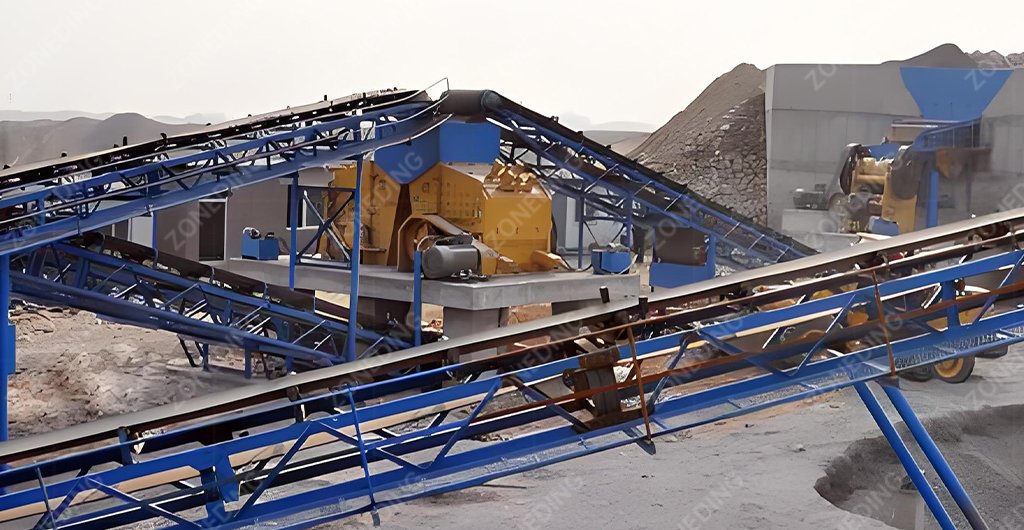
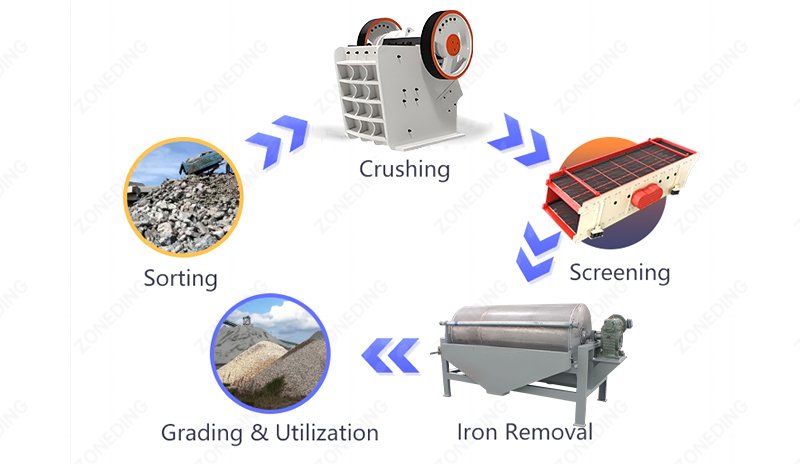
An efficient process flow ensures that every piece of debris is processed into the correct size. The standard flow starts with a vibrating feeder. This machine removes the fine dirt and soil before it reaches the crusher. This step protects the liners and saves power. The material then enters the primary crusher. For concrete, a Jaw Crusher is usually the first stage. After the primary stage, a conveyor carries the material under a magnet. This removes the steel rebar. The material then goes to a secondary crusher for final sizing. Finally, a Vibrating Screen separates the stones into different sizes. Any oversized material is sent back to the crusher in a “closed loop.” This design ensures that 100% of the output meets the project requirements.
What are the maintenance tips and operational norms for wear parts?
Regular maintenance of liners and blow bars is the most effective way to reduce operating costs. Liners are the parts that touch the concrete directly. They wear out over time due to friction and impact. High-chrome alloys are the best choice for concrete because they resist the abrasive nature of the aggregates. Concrete crusher maintenance tips include checking the tightness of all bolts and the lubrication of the main bearings. The operator must inspect the wear pattern every day. If the wear is uneven, the feed is likely off-center. Correcting the feed position extends the life of the liners. It is also important to maintain the “Hydraulic Oil” levels and quality. Clean oil prevents damage to the sensitive control valves. Following a strict maintenance schedule prevents unplanned downtime. A well-maintained machine can run for thousands of hours without major repairs.
Daily maintenance checklist
Inspect Liners: Look for cracks or excessive thinning.
Check Bolts: Vibration can loosen the liner bolts.
Lubricate Bearings: Use high-temperature grease every 8 hours of work.
Clear Dust: Prevent dust buildup around the motor cooling fans.
What are the troubleshooting solutions for common concrete crusher issues?
Quickly identifying and solving operational problems prevents small issues from becoming expensive repairs. A common problem is the machine stalling. This usually happens because of an “over-feed” or an uncrushable object. The solution is to use the hydraulic clearing system to empty the chamber. Another issue is excessive noise. This often indicates a loose belt or a failing bearing. If the product size is too large, the discharge opening has likely widened due to wear. The operator must adjust the “Close Side Setting” (CSS) to bring the product back to size. High temperatures in the bearings suggest a lack of grease or the use of the wrong type. Always refer to the Concrete crusher FAQ section in the manual for specific fault codes. Fast action saves the motor and keeps the project on schedule.
Common faults and fixes
Problem
Likely Cause
Solution
Low Output
Damp material/Dirty feed
Pre-screen the soil
Smoking Belt
Jammed chamber
Stop and clear the jaw
Steel Tangling
Long rebar in feed
Pre-cut the rebar with shears
2026 Latest trends in concrete recycling technology
The industry is moving toward “Smart Recycling” and zero-emission sites. New technology allows for better sorting and higher purity of the final stone products.
Latest developments at a glance
AI Sorting: Cameras that identify and remove wood or plastic automatically.
Electric Mobile Units: Reducing the carbon footprint on urban job sites.
Cloud Monitoring: Track machine health and TPH from any location. The market demand for recycled aggregates is growing. Governments are providing tax breaks for contractors who use Concrete crushing process technology. This makes the investment in modern machines more attractive than ever before.
Concrete crusher FAQ
Question 1: Can a standard mining jaw crusher be used for concrete? Yes, but it is not optimal. Concrete slabs are flat and slide easily. A recycling-specific jaw has a different nip angle and tooth profile to grip flat slabs. Mining machines may need liner modifications to work efficiently. Question 2: How often should I change the manganese liners? It depends on the “Abrasiveness” of the concrete. Concrete with granite aggregate wears liners faster than concrete with limestone. Generally, check for 70% wear before rotating or replacing. Question 3: Is electric drive better than diesel for a mobile unit? Electric drives are more efficient and have lower maintenance. Diesel is necessary for remote sites. A “Dual-Power” unit is the best of both worlds, as it uses a diesel generator but drives the crusher with an electric motor. Question 4: What is the biggest cause of crusher downtime? Uncrushable metal (like heavy steel beams) and lack of lubrication are the top two causes. Using a magnet and an automated greasing system can prevent 80% of unplanned stops. Question 5: How do I calculate the “Yield per kWh”? Divide the total tons produced in an hour by the kilowatt usage of the motor. An efficient machine should produce at least 1.2 to 1.5 tons per kWh. Lower numbers suggest “Over-crushing” or worn parts.
About ZONEDING
ZONEDING is a professional manufacturer of minerals processing machinery based in China. The company specializes in B2B solutions for mining and aggregate production. ZONEDING provides a complete range of Jaw Crushers, Impact Crushers, and Mobile Stone Crushers. With 15 professional engineers and advanced CNC equipment, the factory produces over 500 high-quality products annually. The goal is to provide efficient, energy-saving, and customized solutions for global recycling projects. Contact ZONEDING for professional advice on concrete recycling equipment.
Investing in a mobile crushing station for mining requires careful equipment selection. Showroom specifications often fail in actual quarry environments. Remote mines lack reliable power grids, clean air, and fast internet. Standard equipment conf...
Identifying gold ore accurately determines the absolute survival of any mineral processing plant. A geological report showing 10 grams per ton means nothing if the metallurgical nature prevents extraction. A low-grade oxide gold ore often generate...
Understanding the mechanical logic of crushing equipment is vital for project profitability. Selecting a machine based solely on capacity ignores the reality of wear and energy costs. Different stones require different mechanical principles—either...
Chile is one of the world's leading mining countries, producing large volumes of copper while also operating numerous granite, basalt, and hard rock quarries. These demanding applications require crushing equipment that delivers high capacity, exc...
We use cookies to ensure that we give you the best experience on our website. If you continue to use this site we will assume that you are happy with it.
Privacy Policy
Send us a message
We would love to hear from you
Submit your question and our team will respond to the email provided as soon as possible.
 Zoneding Machine