 Zoneding Machine












How to Calculate Ball Mill Capacity for Your Ore
577Calculate ball mill capacity from ore hardness, feed size, grind size, motor power, circuit design, and efficiency factors.
View detailsSearch the whole station Crushing Equipment
Identifying gold ore accurately determines the absolute survival of any mineral processing plant. A geological report showing 10 grams per ton means nothing if the metallurgical nature prevents extraction. A low-grade oxide gold ore often generates more profit than a high-grade refractory gold ore. Understanding these specific geological variations directly dictates the gold mining equipment selection and prevents massive financial losses during plant construction.
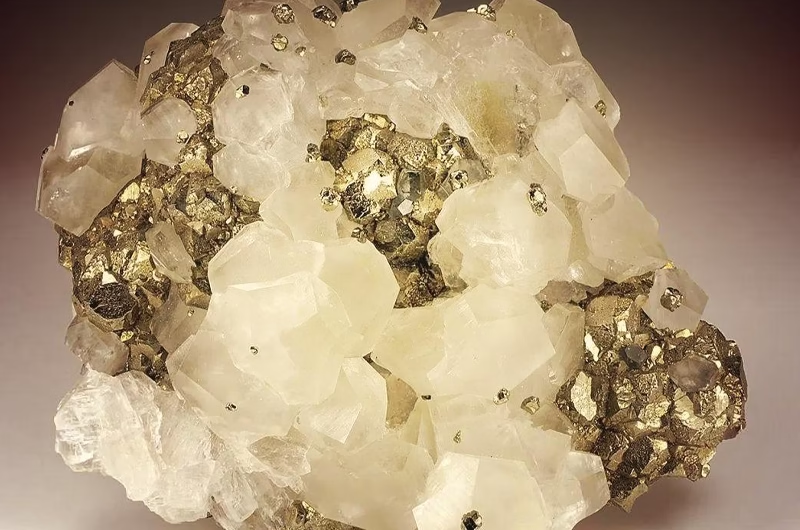
Real gold possesses extreme malleability, while pyrite shatters under pressure. Pyrite, often called fool’s gold, shows a brassy yellow color and crumbles into black powder when struck with a heavy steel hammer. Real gold simply dents or flattens without breaking apart. Pyrite crystals form perfect geometric cubes with sharp edges. Natural gold forms irregular, rounded nuggets or soft flakes. Rubbing the mineral against a piece of unglazed white porcelain reveals the ultimate chemical truth. Pyrite leaves a dark greenish-black streak. Real gold leaves a pure, shiny yellow streak.
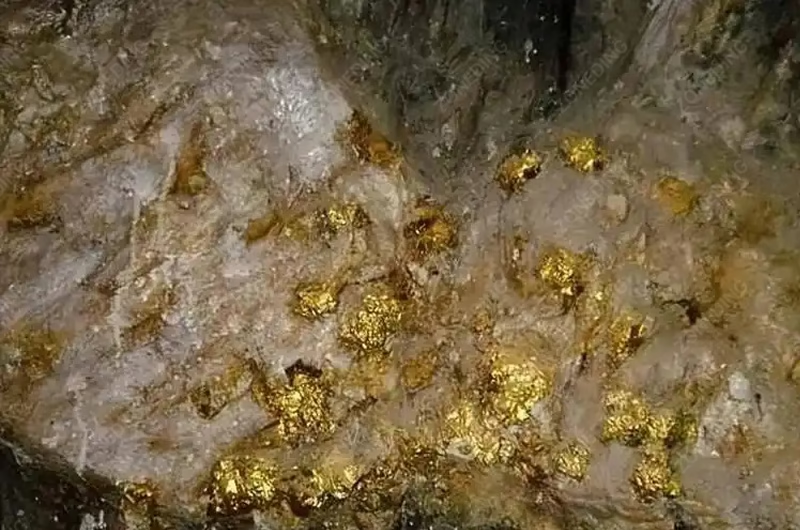
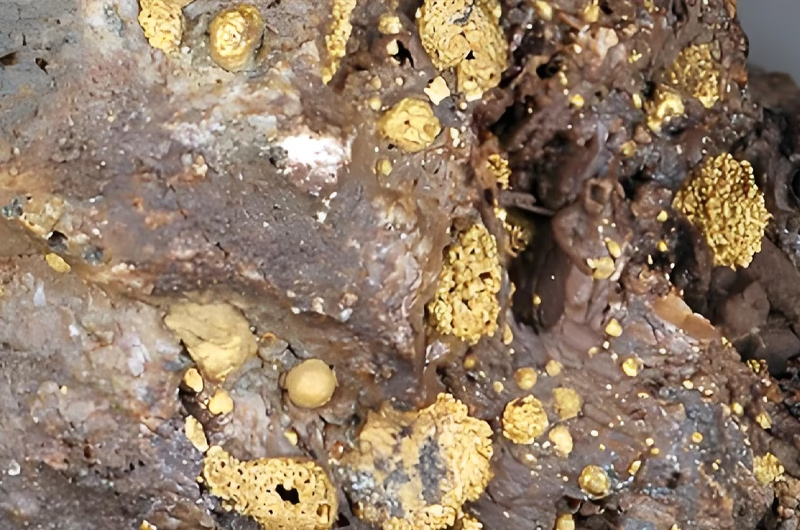
Field identification requires understanding specific physical properties over simple visual inspection. Many inexperienced prospectors mistake shiny yellow flakes in riverbeds for precious metals. This visual mistake leads to purchasing the wrong equipment. Pyrite thrives in sulfide-rich environments and acts as a major indicator of deeper, complex deposits. Real gold maintains its brilliant yellow color constantly, regardless of viewing angles or direct sunlight. Pyrite changes color slightly as the light angle shifts. Placing the stone in nitric acid provides another definitive chemical test. Nitric acid dissolves pyrite violently, creating red fumes and a boiling reaction. Real gold sits perfectly untouched in the strong acid. Recognizing this exact difference between real gold and pyrite prevents purchasing useless gravity concentrators for completely barren rocks.
Testing minerals in the field requires simple physical tools. A steel pocket knife scratches pyrite but struggles to cut it deeply. The exact same knife slices into a pure gold nugget easily, peeling off small metallic ribbons. This extreme softness makes gold ideal for mechanical recovery. Heavy panning also separates the two materials rapidly in water. Gold possesses a specific gravity of 19.3, making it incredibly heavy. Pyrite sits around 5.0. Fast water washes the lighter pyrite away quickly, leaving the heavy yellow metal securely at the bottom of the steel pan.
| Test Method | Real Gold Reaction | Pyrite Reaction | Practical Meaning |
|---|---|---|---|
| Hammer Strike | Flattens into flat sheets | Shatters to fine powder | Proves extreme malleability |
| Porcelain Rub | Shiny yellow color streak | Dark black color streak | Confirms basic chemical composition |
| Knife Cut | Slices very smoothly | Chips and creates sparks | Indicates surface mineral hardness |
Oxide gold ore allows simple cyanide leaching, while sulfide gold ore requires complex roasting or flotation. Surface weathering creates red or yellow oxide ores. The natural geological weathering process breaks down the surrounding hard rock, leaving free-milling gold particles fully exposed. Sulfide ores sit very deep underground, presenting a dark gray color. The gold remains locked tightly inside the solid crystal lattice of sulfide minerals. Processing these two completely different rock types requires entirely different plant designs and massive capital budget adjustments.
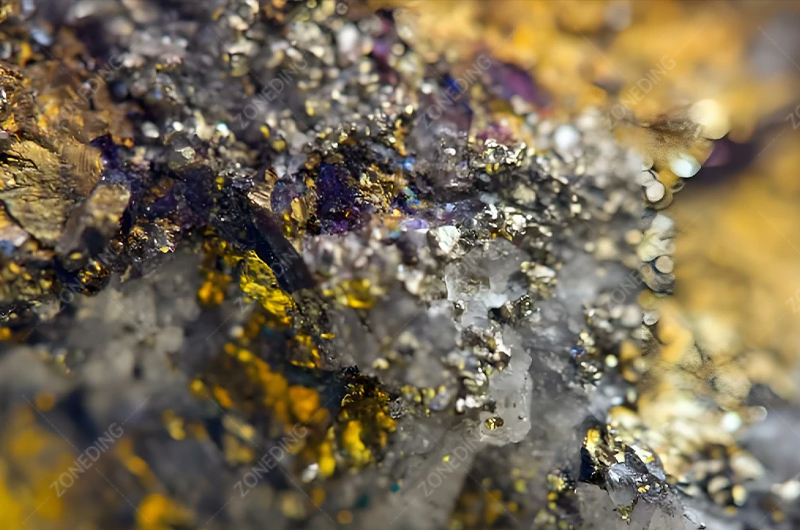
Investors often sample the red, soft surface dirt and design a simple gravity and leaching plant. Two years later, the mine pit reaches the gray, hard sulfide layer. The original extraction methods fail instantly. The gold recovery rate drops massively from 95% to 40%. The gray rock represents highly refractory gold ore. The cyanide liquid cannot penetrate the solid pyrite shell to reach the precious metal. Processing this hard gray rock demands expensive oxidation equipment. The plant must install massive thermal roasting kilns or high-pressure oxidation tanks. Alternatively, the plant must switch to producing a mixed concentrate using specialized Flotation Machines. Identifying the exact transition depth between oxide and sulfide layers determines the entire financial modeling of the mining project.
Finding bright green malachite or blue azurite near the gold vein seems highly profitable initially. These beautiful colors indicate the presence of secondary copper oxides. In reality, these copper minerals act as deadly cyanide killers in the processing plant. Copper ions react violently with sodium cyanide, consuming massive amounts of the expensive chemical instantly. Extracting a tiny amount of gold requires ten times the normal daily chemical dosage. Plants facing this exact chemical issue must completely avoid direct tank leaching. Instead, the design should utilize selective flotation to separate the copper and gold into a valuable mixed concentrate for external smelters.
Process mineralogy utilizes automated scanning electron microscopes to map microscopic gold precisely. Human eyes and basic magnifying glasses fail completely when gold particles measure less than 10 microns. The particles hide invisibly within solid quartz or pyrite blocks. Advanced systems like QEMSCAN or Mineral Liberation Analyzers scan the exact internal rock structure. These massive machines determine exactly how the invisible gold associates with other surrounding minerals. This highly specific data dictates the precise grinding size required to expose the precious metal to liquid chemicals.
Grinding rock down to face-powder consistency consumes massive amounts of electricity daily. Solid quartz veins present extreme physical hardness levels. The Bond Work Index measures this specific rock hardness accurately. Hard, heavily silicified rocks require enormous Ball Mills to achieve the necessary powder fineness. If the automated scanning shows the gold locked at 5 microns, the plant must install specialized ultra-fine grinding tower mills. Guessing the grinding size based on simple visual inspection always leads to operational disaster. Either the mill runs too fast and misses the locked gold entirely, or it grinds too fine and wastes millions of dollars in unnecessary electrical costs. Accurate microscopic detection establishes the exact engineering baseline for the entire comminution circuit.
Gold ore testing reveals hidden extraction barriers like sticky clay and preg-robbing carbon. A basic geological assay only counts the total metal atoms inside the rock. It completely ignores the physical behavior of the resulting mud. Tropical regions produce incredibly soft saprolite and laterite clays. These sticky clays instantly blind the vibrating screens and jam the heavy jaw crushers. Only physical metallurgical testing exposes these catastrophic mechanical failures long before construction actually begins. Knowing the exact clay content allows engineers to add heavy-duty rotary scrubbers to the initial plant design.
Testing also exposes the fatal preg-robbing chemical effect. Some specific deposits contain dark bands of carbonaceous shale. This natural black carbon acts exactly like industrial activated carbon. When sodium cyanide dissolves the gold into a liquid state, the natural rock carbon instantly steals the gold back. The precious metal flows straight into the waste tailings dam. An accurate metallurgical assay identifies this invisible threat immediately. Processing preg-robbing ores demands the Gold CIP Processing Plant method. This specific method uses highly active synthetic carbon to out-compete the natural rock carbon. Without a proper metallurgical test, a standard leaching plant would lose every single ounce of dissolved gold to the waste pile.
The specific mineralogy data directly dictates whether to use gravity separation, flotation, or cyanide leaching. Clean, coarse gold particles require simple gravity circuits using centrifugal concentrators. Complex, fine-grained sulfide ores demand extensive flotation circuits to capture the carrier minerals. Heavily oxidized, fine-grained ores respond perfectly to direct cyanidation tanks. Combining these specific methods based on test results maximizes total plant profitability. An accurate process design aligns the heavy machinery perfectly with the geological reality, ensuring maximum recovery at the lowest possible daily operating cost.


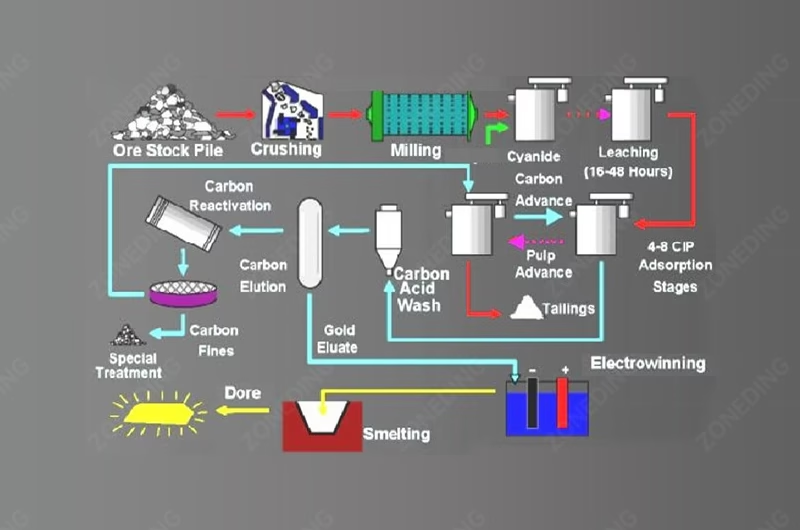
Many operators purchase generic equipment packages without consulting the detailed metallurgical data. This massive mistake guarantees operational failure. For example, installing expensive chemical leaching tanks for a coarse nugget deposit wastes millions. The heavy metal nuggets simply sink to the bottom of the steel tanks and stay there permanently. Conversely, using a simple sluice box for microscopic gold results in absolute zero recovery. The correct gold extraction process requires matching the particle liberation size strictly to the physical separation mechanism. A well-designed Gold Processing Plant often incorporates a highly customized hybrid approach. The circuit might use gravity concentrators early to catch the large pieces, followed immediately by intensive leaching for the microscopic particles.
Question 1: How does clay affect the overall gold recovery rate?
Sticky clay heavily coats the gold particles, completely preventing extraction chemicals from touching the precious metal. It also blocks crushers and screens, causing massive mechanical downtime. Installing heavy-duty rotary scrubbers washes the clay away entirely before the crushing stage begins.
Question 2: Can refractory gold ore be processed without roasting?
Yes. Modern plants use ultra-fine grinding mills to reduce the rock to 5 microns, physically breaking the solid sulfide shells. Alternatively, bio-oxidation tanks use specialized bacteria to consume the pyrite, releasing the trapped gold without needing extremely expensive thermal roasting kilns.
Question 3: Why does the gold recovery rate drop when digging deeper?
Surface rock experiences natural weathering, creating highly porous oxide gold ore. Digging deeper reaches the unweathered sulfide gold ore zone. The gold remains trapped tightly inside hard pyrite crystals, requiring completely different extraction machinery to process successfully.
Question 4: How do carbon impurities ruin the gold extraction process?
Natural carbon in black shale acts like a sponge. It steals dissolved gold right out of your cyanide liquid and sends it to the waste dam. You must use a specialized Gold CIP Processing Plant to out-compete this natural carbon and save your profits.
Question 5: Can a standard metal detector find refractory gold ore?
No. Standard metal detectors only find solid metal objects like coarse gold nuggets. They completely fail to find invisible microscopic gold locked inside solid gray pyrite crystals. You must rely on professional gold ore testing and automated microscopic scanning to find this hidden metal.
Question 6: Should I use gravity separation before chemical leaching?
Yes. Always recover coarse gold using simple gravity equipment first. Large gold pieces dissolve extremely slowly in chemicals. If you skip gravity separation, these heavy nuggets simply sink to the bottom of your steel leaching tanks and sit there permanently, lowering your actual daily recovery rate.
ZONEDING manufactures heavy-duty mineral processing equipment for major global mining operations. The massive 8,000-square-meter factory produces precision ball mills, specialized flotation machines, and complete gravity separation circuits designed specifically for complex ores. The experienced engineering team provides end-to-end processing plant design, focusing strictly on accurate metallurgical data to maximize final metal recovery rates. Reliable, factory-direct equipment architecture ensures highly profitable and continuous operations in the harshest global environments.
Contact the professional engineering team to submit ore testing data and receive a fully customized processing plant layout.
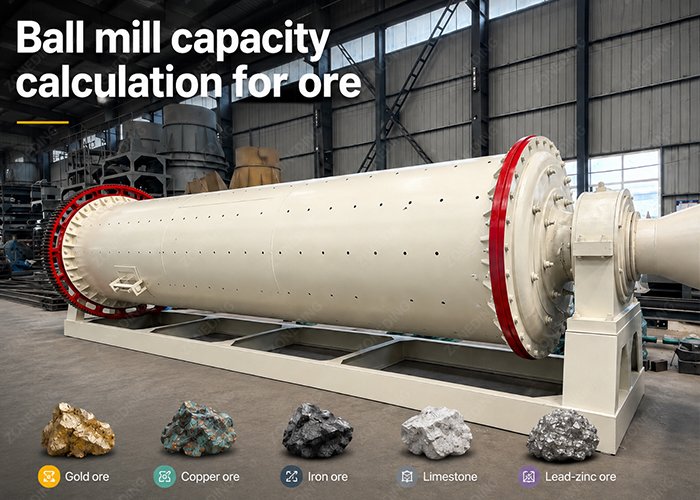
Calculate ball mill capacity from ore hardness, feed size, grind size, motor power, circuit design, and efficiency factors.
View details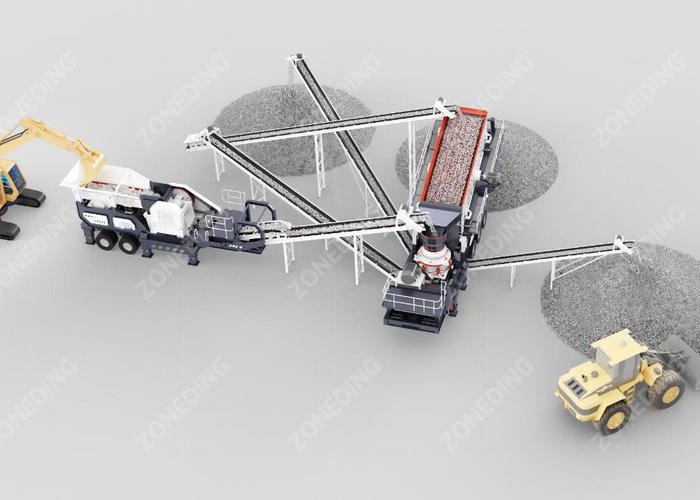
In a large-scale mining project, selecting a is not just about comparing tonnage. While mobility reduces material handling costs, the compact nature of these machines introduces risks in stability, maintenance, and product quality. Success require...
View details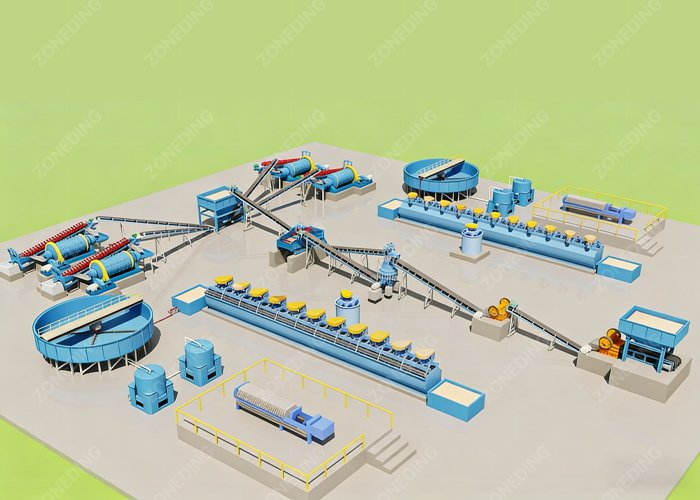
Building a high-recovery gold ore processing plant development project requires a very clear plan. The process starts with the rock and ends with pure gold. Most projects fail because the machinery does not match the mineral type. High recovery ra...
View details
High-yield tin ore recovery depends on a design that respects the brittle nature of cassiterite. Traditional plants often lose over 40% of metal because they grind the ore into useless dust. A scientific tin processing flow design i...
View details