Decades of experience in the mining sector reveal a common financial drain. Many crushing facilities struggle with high electricity bills and frequent machine failures. Facility owners often attempt to save money by purchasing cheap replacement parts. This strategy actually causes massive cash flow losses right inside the operating machines. This guide details effective methods to reduce crushing plant operating costs and optimize daily production immediately.
How to Optimize Feed Rate to Avoid Crusher Idling Energy Waste?
Maintaining a full chamber is absolutely essential to avoid crusher idling and save electricity. Many machine operators intentionally reduce the feed amount on a daily basis. These operators want to protect the equipment from jamming, so they let stones drop slowly into the crushing chamber. This specific action creates a massive financial error for the business. Modern aggregate machines rely heavily on rock-on-rock crushing principles to function properly. The feed opening must remain completely buried with stones at all times. The stones crush each other under immense pressure inside the cavity. This specific interaction lowers the wear rate on steel liners significantly. It also produces much better final rock shapes for construction use. Power usage drops instantly when the machine stops running empty. A steady material flow prevents sudden power spikes and protects the electrical motors. An empty machine wastes electricity just to spin the heavy steel components without breaking any rock. This wasted power increases daily operational bills rapidly. Installing a buffer bin above the machine ensures a constant and steady material supply. Full machines simply work better and much more efficiently. They process more tons per hour using less total energy. This simple operational habit changes the entire aggregate plant cost reduction strategy completely. Facilities stop paying for empty machine rotations and start paying only for broken rocks. This single adjustment creates immediate financial savings.
Stop Crushing Already Qualified Rocks
Crusher+ Screen
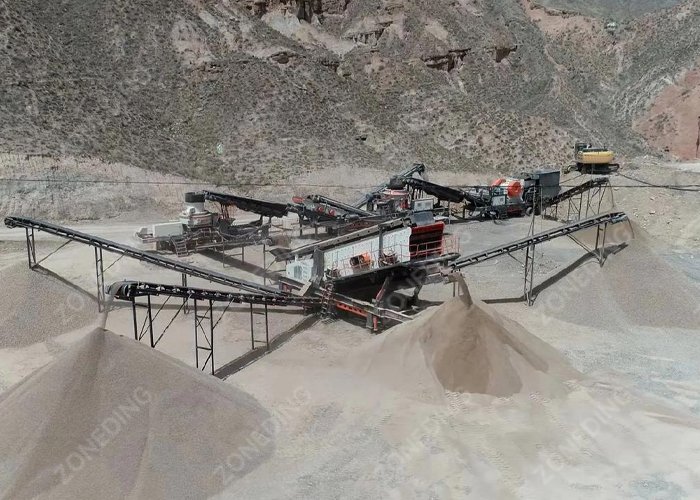
Mobile Crushing and Screening
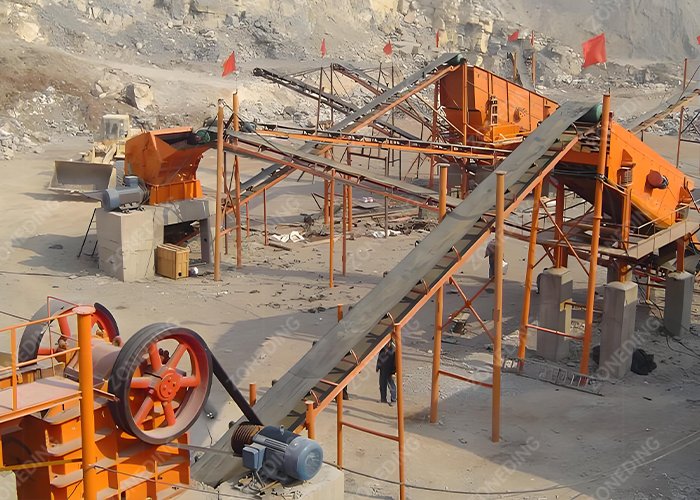
Massive amounts of capital are wasted when crushing rocks that are already small enough. Blasted raw ore usually contains 15% to 30% of rocks that already meet the final size requirements. Many site owners skip the pre-screening step to save initial setup money. They send all the dirt and fine materials straight into the primary jaw equipment. These fine materials consume electrical power for no reason whatsoever. They also act like a thick grinding paste inside the crushing chamber. They destroy the expensive steel plates rapidly. Installing a proper Vibrating Screen before the primary stage solves this issue permanently. This screen removes the fine dirt early in the process. The heavy machines only process the large rocks that actually need breaking. Energy bills drop, and production speed increases immediately. The overall wear and tear on the downstream equipment decreases significantly.
Operational Habit
Material Feed Method
Energy Result
Practical Meaning
Slow Drip Feeding
Low volume dropping
High energy waste
Increases daily power bills
Choke Feeding
Chamber completely full
High efficiency
Lowers cost per ton
No Pre-screening
Dirt enters machine
Extreme wear
Destroys steel parts fast
Practical Tips for Feed Control
Install buffer bins: Adding small silos above machines ensures constant material flow and prevents empty running.
Use variable drives: Equipping feeders with VFDs matches the exact equipment capacity automatically.
Screen the dirt: Placing a grizzly feeder to drop mud before the primary phase protects the jaw plates.
How to Adjust Discharge Settings to Lower Daily Electricity Costs?
Checking and adjusting the closed side setting daily stops power waste and prevents endless material circulation. Many plant managers measure the discharge gap only once a month. The machine runs every day, and the steel wears down every single day. The gap becomes slightly larger every day. A larger gap means larger rocks exit the machine. These large rocks go directly to the screening deck. The screen rejects them automatically because they are too big. The conveyor belts carry them back to the machine again. The circulating load increases massively. Facilities pay electricity to move the exact same rocks around the plant in endless circles. Enforcing a strict daily gap measurement routine is mandatory to stop this cycle. A wide gap forces the equipment to work much harder on returning rocks. Conveyor belts wear out faster under the extra load. Screens break faster due to high volumes of heavy stones. Lowering the cost per ton of production efficiently is impossible if 40% of the rocks take a free ride on the return belt. Operators must adjust the gap every morning before starting the plant. This simple action keeps the circulating load between 15% and 25%. This perfect balance keeps the power draw perfectly steady. The motors run smoothly without overheating. The entire production line flows perfectly. Money is no longer wasted on useless material recirculation.
How to Select and Maintain Wear Parts to Maximize Liner Lifespan?
Running a liner past 50% wear costs more in wasted electricity than buying a brand new part. Most managers try to save money by using wear parts until they completely break. They assume this saves cash, but it actually causes massive profit losses. The crushing chamber geometry changes completely when the liner wears down 50%. The machine loses its original designed shape entirely. The gap must be tightened extremely close to get the same rock size. This tight gap causes the electric current to spike dangerously. Production volume drops rapidly when the chamber loses its shape. More money is wasted on slow production than the cost of two brand new liners. Tracking the wear curve of liners carefully prevents this financial loss. Liners must be replaced before the crushing efficiency drops. Moisture levels also require careful observation. Wet materials destroy vertical shaft machines rapidly. Aggregate plants often spray water to control dust on the site. This wet stone enters the sand maker equipment. The wet stone dust turns into a thick mud. It sticks to the high-speed rotors tightly. It ruins the machine balance and causes severe, dangerous vibrations. Wet silica acts exactly like sandpaper. It destroys expensive alloy parts in a few short days. Keeping the feed dry protects the Impact Crusher perfectly. Using negative pressure dust collectors instead of water solves the dust problem safely and keeps the metal parts intact.
jaw plate
Cone crusher liner
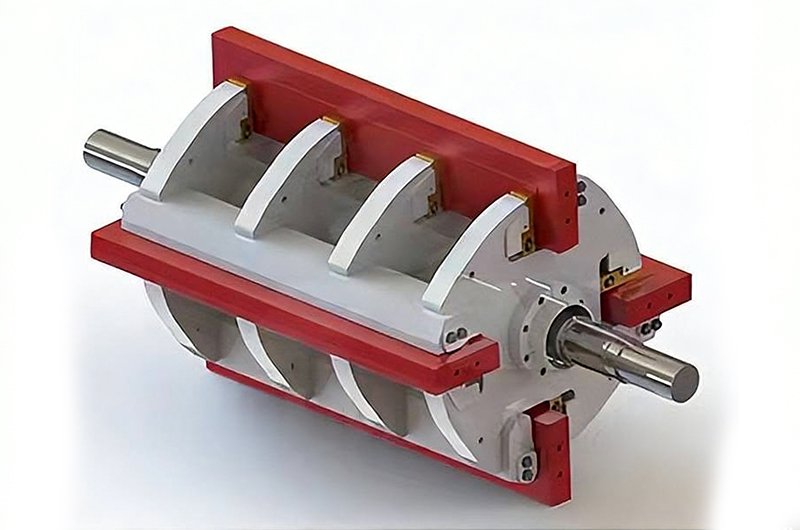
Impact Crusher Rotor
Crush More and Grind Less
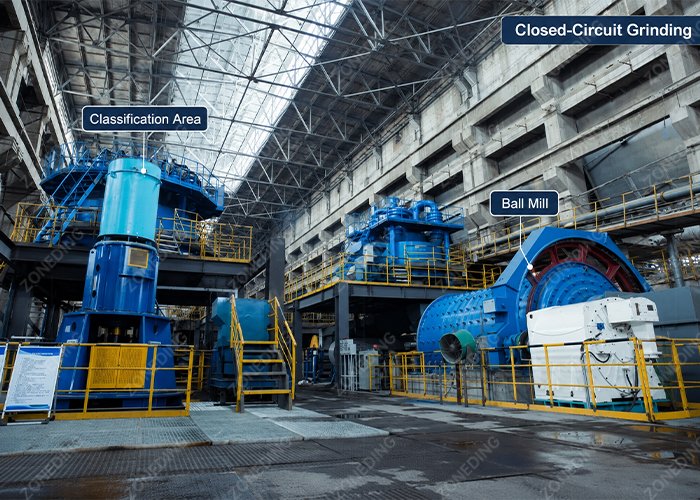
Pushing primary machines to their limits is mandatory when a milling machine operates downstream. Looking at the initial crushing cost alone provides a false financial picture. A milling machine uses ten times more electricity than a primary jaw. Some operators widen the initial gap to save a little power in the primary stage. This creates a fatal mistake for the whole processing facility. The larger rocks enter the mill directly. The mill capacity drops 20% instantly. The steel ball consumption skyrockets to break the larger stones. Making the stones as fine as possible early is the optimal strategy. Slightly more money might be spent initially. However, massive amounts of money are saved in the grinding stage. Sending a smaller feed size into a Ball Mill allows the grinding media to work perfectly.
Why is Preventive Maintenance the Core of Reducing Downtime Costs?
Scheduled maintenance stops sudden breakdowns that halt the entire cash flow and delay product deliveries. Sudden machine failure is the most expensive cost in a quarry operation. Workers stand around doing nothing while receiving hourly wages. Delivery deadlines are missed. Emergency spare parts cost double the normal price. Implementing crushing plant preventive maintenance immediately is essential. This means replacing cheap rubber belts before they snap. This means greasing bearings on an exact, strict schedule. Listening to machine vibrations every single shift catches small issues early. A good maintenance plan finds small problems fast. Fixing small problems is cheap and easy. Avoiding massive, expensive disasters keeps the business highly profitable. Maintenance teams need strict daily checklists to function well. They must check the oil temperature and pressure constantly. They must clean the air filters on the diesel engines. Dirt destroys expensive engine components very fast. Inspecting the conveyor rollers is also critical for safety. A single broken roller can tear a long, expensive rubber belt in half. Planning maintenance stops during the night or on weekends is the best strategy. The Stone Crushing Plant runs smoothly during normal working hours. Total production volume stays high, and repair costs stay extremely low. Proper care extends crusher wear parts life significantly.
Can Automation Systems Substantively Reduce Manual Operation Costs?
Automation control systems adjust settings instantly and remove expensive human errors from the production line. Installing an automation control system runs the plant perfectly. The computer monitors the motor power constantly. It monitors the oil pressure. It monitors the rock level in the feed bin. The computer adjusts the feed speed automatically without human help. If the rock is very hard, the computer slows the feeder down. It prevents the machine from jamming. Human operators cannot react this fast. The computer keeps the machine at maximum safe capacity 100% of the time. This guarantees the highest possible output every single hour.
Cone Crusher CSS Settings
Fewer workers are needed to watch the belts and check the screens. The system sends alerts directly to a phone or a control room screen. Money is saved on daily labor costs. Money is saved on broken machines. The system pushes a button to adjust the discharge gap hydraulically. Men with heavy tools are no longer needed to adjust it manually in the dirt. The system calibrates the wear parts automatically. The automation pays for itself very quickly through increased production. It guarantees the Cone Crushers run at the absolute lowest cost per ton. It is the best investment for modern quarries today.
Frequently Asked Questions
Question 1: Why does a cone machine need a completely full chamber? A full chamber forces rocks to crush against other rocks. This is called rock-on-rock crushing. It saves the steel liners from direct damage. It also produces a much better rock shape and saves electrical power. Question 2: How often should the discharge gap be checked? The gap must be checked and adjusted every single day. The steel wears down slightly every day. A wider gap sends oversized rocks back through the system. This wastes massive amounts of electricity. Question 3: Should wear liners be used until they break completely? No. Liners must be replaced when they reach 50% wear. Worn liners change the chamber shape completely. Massive production volume is lost. More money is spent on wasted electricity than the cost of new liners. Question 4: Does wet rock damage the crushing equipment? Yes. Wet rock dust turns into thick mud. It sticks inside vertical impact machines. It destroys the rotor balance. The wet silica acts like sandpaper and destroys metal parts extremely fast. Question 5: Can automation really save money in a rock plant? Yes. Automation keeps the machines running at perfect capacity. It stops human errors. It prevents sudden jams. It reduces the number of workers needed on the site every day.
About ZONEDING
ZONEDING manufactures strong mineral processing equipment for B2B clients worldwide. The company operates a massive 8,000-square-meter factory with advanced CNC machines. The engineering team designs and builds complete rock and mineral processing lines. High-quality machines, mills, and screens are supplied directly from the factory to provide the best market price. A team of 15 professional engineers ensures every processing plant runs smoothly. Contact ZONEDING today to get professional advice on plant optimization. Expert guidance lowers operating costs immediately.
Learn how grinding size affects lead and zinc recovery, mineral liberation, flotation performance, and operating costs. Discover practical methods to optimize your grinding circuit and maximize flotation efficiency.
Stop fine gold loss by using a combination of high-energy washing and centrifugal separation. Most mines lose 30% of their gold because they only use simple sluice boxes. Successful alluvial gold processing technology requires a multi-st...
Limestone is one of the easiest and most profitable materials to crush. It is widely used for road construction, concrete production, asphalt plants, cement manufacturing, and infrastructure projects. However, many buyers ask the same question bef...
A rock quarry can be very profitable if you control production costs, transportation distance, and equipment efficiency. In many regions, aggregate demand keeps growing because of roads, housing, and infrastructure projects. But quarry profit does...
We use cookies to ensure that we give you the best experience on our website. If you continue to use this site we will assume that you are happy with it.
Privacy Policy
Send us a message
We would love to hear from you
Submit your question and our team will respond to the email provided as soon as possible.
 Zoneding Machine