 Zoneding Machine












Mobile Impact Crusher for South America Aggregate Projects
577Choose a mobile impact crusher for limestone, road aggregate and concrete recycling in South America. Compare capacity, setups and costs.
View detailsSearch the whole station Crushing Equipment
Experience in global quarries reveals common, costly mistakes in equipment selection. Mine owners often consider a crusher just a big hammer that breaks rocks. This mindset destroys profitability. Crushing is a delicate balance of rock mechanics and business economics. Attempting to save small amounts on initial machine costs often leads to massive losses in wear parts and downtime. Understanding the true nature of the mined stone is mandatory. Operators must match the exact machine specifications to specific site conditions. This guide explains essential equipment selection principles. The following sections reveal the brutal truths about types of rock crushers. These facts rarely appear in standard equipment brochures.
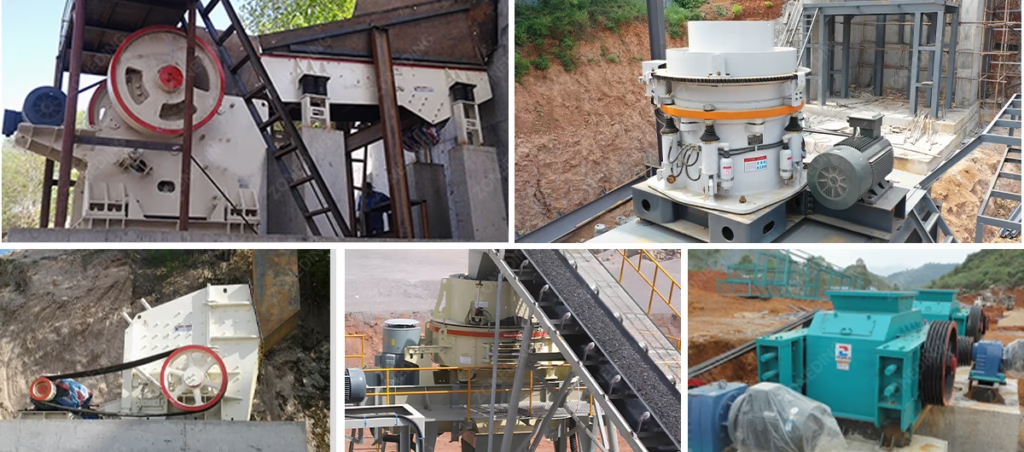
Primary crushing takes massive boulders straight from the blasting face and makes them manageable. A acts as the undisputed king of this first stage. It is a simple machine. It has one fixed plate and one moving plate. The rock drops between them. The plates squeeze the rock until it snaps. This compression action handles the hardest rocks on earth with very little wear on the metal plates. The machine has a massive opening. It accepts boulders the size of small cars. This reduces the need for secondary blasting in the pit. The process saves huge amounts of money on explosives and labor.
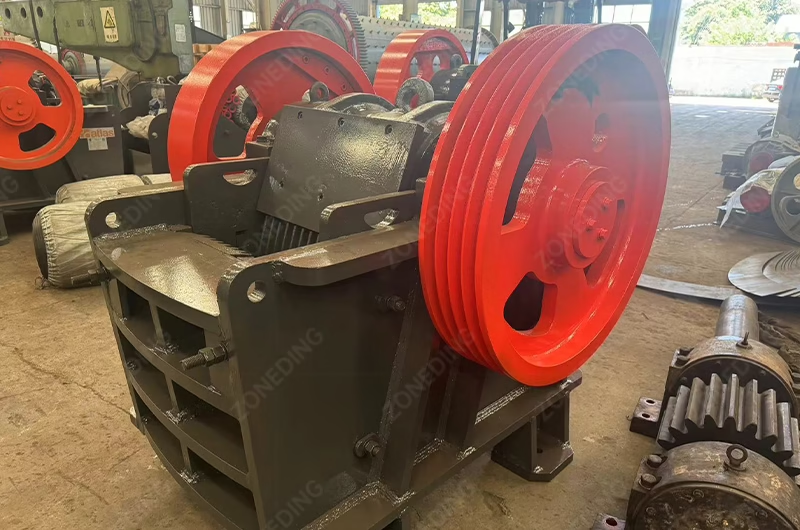
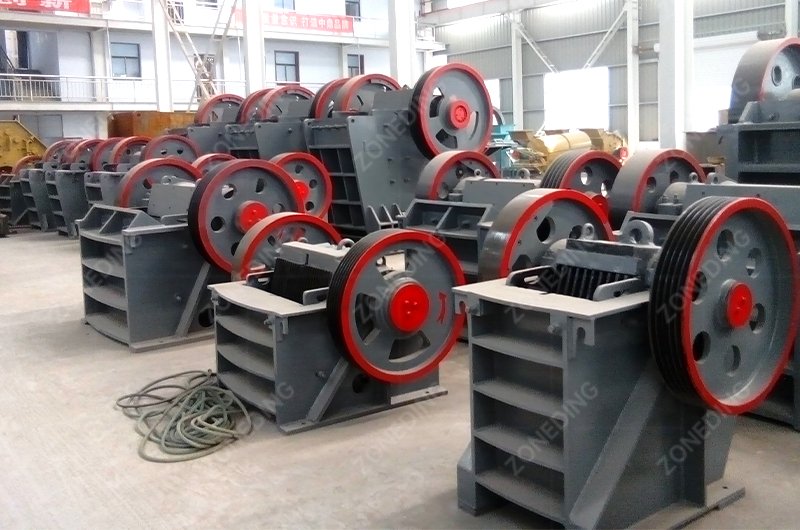
Many operators make a terrible mistake with jaw crushers. They want a smaller product size. They tighten the gap at the bottom. This gap is the Closed Side Setting (CSS). Making the CSS too small changes the “nip angle” between the two jaw plates. The nip angle is the V-shape that traps the rock. If this angle gets wider than 22 to 24 degrees, the machine stops crushing. The jaws squeeze the rock, and the rock shoots straight back up out of the machine. It is like squeezing a wet watermelon seed between two fingers. This “spitting” is extremely dangerous for workers. It also destroys production rates. Keeping the gap wide enough maintains the correct angle. The next machine in the line must do the fine crushing work.
Feeding the jaw evenly is crucial for continuous operation. Dumping twenty tons of rock into the chamber at once creates terrible bridging. Huge rocks get stuck at the top. Workers have to stop the plant and use a rock breaker to clear the jam. Always use a heavy-duty Vibrating Feeder to provide a steady stream of material. Removing the dirt and fine dust before the rocks enter the jaw is necessary. Dirt acts like a cushion. It absorbs the crushing force. It also packs tight in the bottom gap and breaks the toggle plate.
| Component | Function | Maintenance Rule | Operational Impact |
|---|---|---|---|
| Jaw Plates | Crush the rock | Flip them end-to-end | Doubles the wear life |
| Toggle Plate | Protects the frame | Keep area clean of dirt | Prevents catastrophic failure |
| Tension Rod | Holds the toggle | Check spring tension weekly | Stops the jaw from banging |
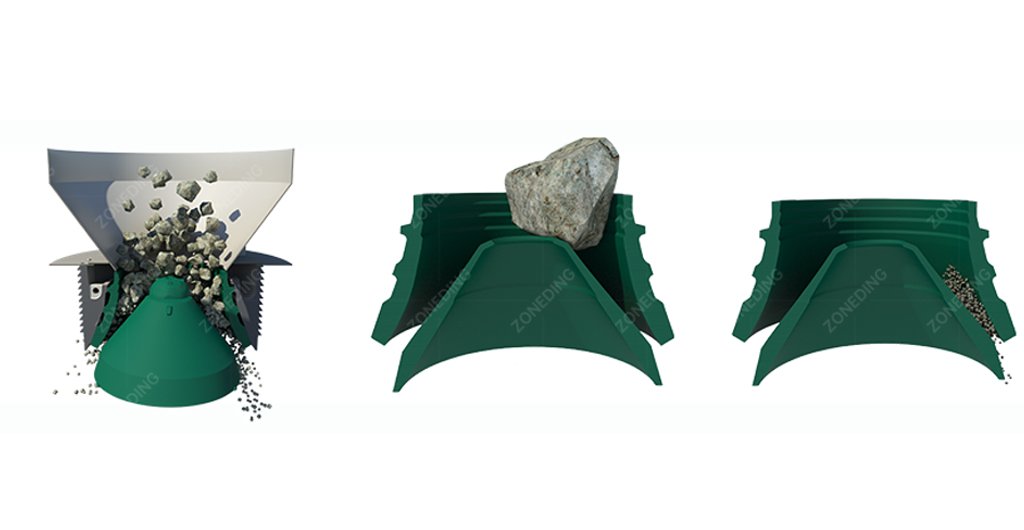
Jaw crushers handle the first massive break. A Cone Crusher handles the second and third stages. The cone crusher works on a completely different principle. It has a central steel mantle that spins inside a fixed outer bowl. The mantle moves in an eccentric circle. It wobbles. As it wobbles, it traps rocks against the outer bowl and crushes them. This is called lamination crushing. The rocks do not just break against the steel. They break against each other. This metal-to-rock and rock-to-rock action creates a very consistent product size.
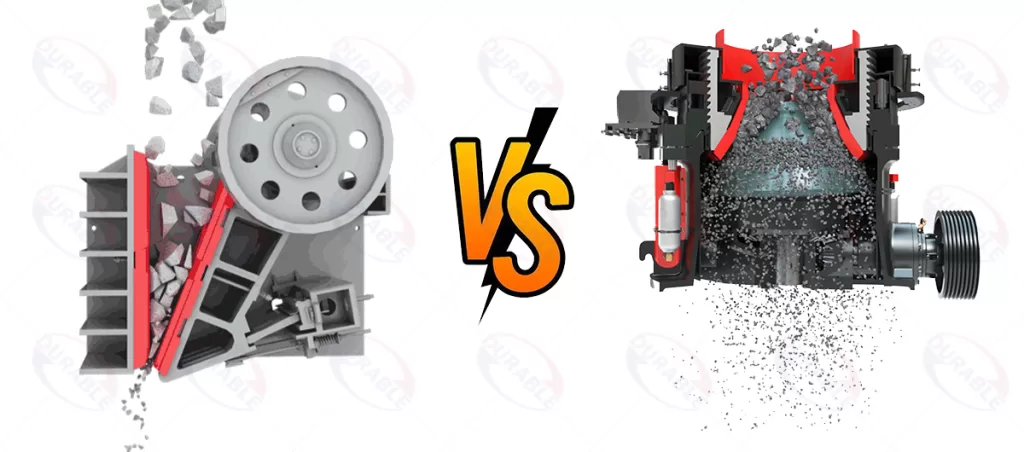
The jaw crusher vs cone crusher debate is simple. Jaws handle giant feed sizes but produce ugly, slab-shaped output. Cones handle smaller feed sizes but produce excellent, uniform shapes. Cones are built for high-tonnage continuous operation. They have complex hydraulic systems and bronze bushings. They require clean oil and careful monitoring. Jaws are brute-force machines with massive roller bearings. Workers grease them and let them run. A standard hard rock plant needs both machines. The jaw does the heavy lifting. The cone does the precision work.
Clients often bring a rock sample and say it has a compressive strength of 150 MPa. They think this number dictates the machine choice. This is a trap. Compressive strength only tells how much force is needed to break the stone. It does not tell how the stone affects the steel. Looking at the silica content is mandatory. Silica is basically glass. It is a severe abrasive. If the granite has 70% silica, it will eat through metal rapidly. Rock crusher selection depends entirely on this abrasiveness factor.
High-silica rocks like granite, basalt, or quartzite require compression crushers. A jaw crusher serves the primary stage. A cone crusher serves the secondary and tertiary stages. These machines press the rock until it breaks. The rock does not slide across the metal very much. This minimizes the abrasive wear. Never put high-silica rock into an impact crusher. An impact crusher uses high-speed metal bars to smash the rock. High silica will destroy those expensive blow bars in two or three days. The plant will spend all profits buying new metal parts. Stick to jaws and cones for hard, abrasive materials.
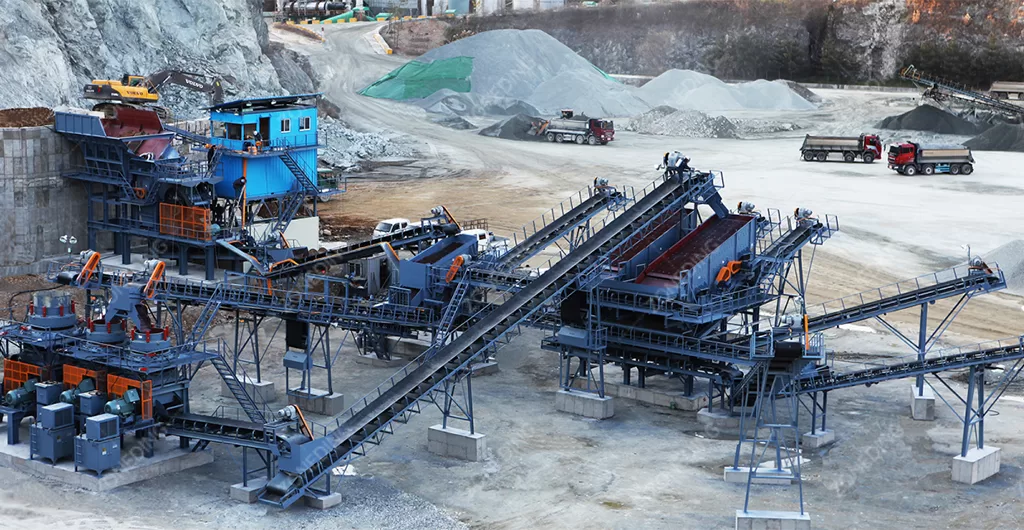
Limestone is the opposite of granite. It is relatively soft. It has very low silica content. It is not abrasive. This is the perfect material for an Impact Crusher. The impactor has a heavy rotor spinning at high speed. Metal blow bars are attached to this rotor. The rock drops in, and the blow bars smash it into the air. The rock hits heavy steel plates on the ceiling and shatters. This violent shattering process produces beautiful, cubic-shaped stones. It has a massive reduction ratio. Putting a 20-inch rock in yields 1-inch gravel out in a single pass.
An impact crusher for limestone generates massive profits because of this high reduction ratio. Building a complete plant often requires just one primary impactor and a screen. This saves the cost of buying secondary and tertiary machines. The power consumption per ton is very low. The main danger with limestone involves clay and moisture. Wet and sticky limestone will pack into the corners of the impact crusher. It will cover the blow bars. The machine will choke. Operators must keep the feed dry. Processing wet, dirty limestone requires washing it or screening the dirt out before it enters the impact chamber.
Many buyers purchase a Vertical Shaft Impactor (VSI) thinking it is just another crusher to make smaller stones. This is a very expensive misunderstanding. A VSI requires a huge amount of electricity. Its internal wear parts are very costly. Reducing size simply requires a cone crusher. The true purpose of a VSI involves aggregate shape control. High-end construction projects demand perfect cubic stones. Highway asphalt and nuclear power plant concrete cannot contain flat, elongated rocks. Flat rocks snap under pressure. They create weak structures.
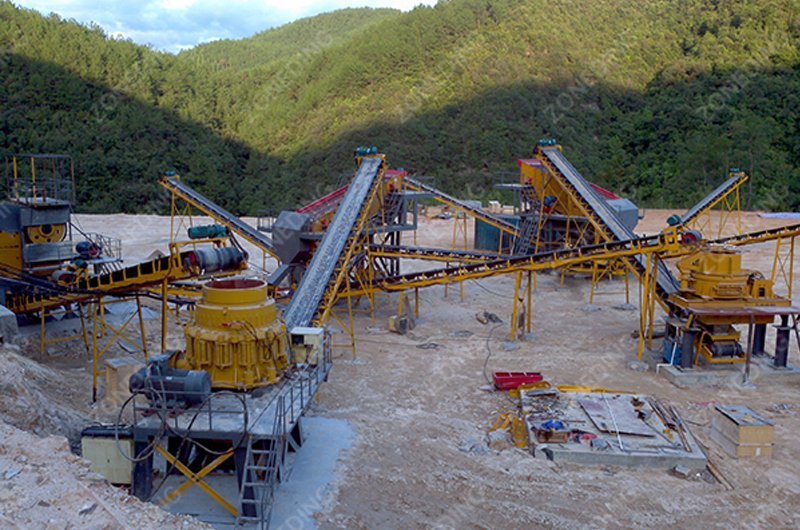
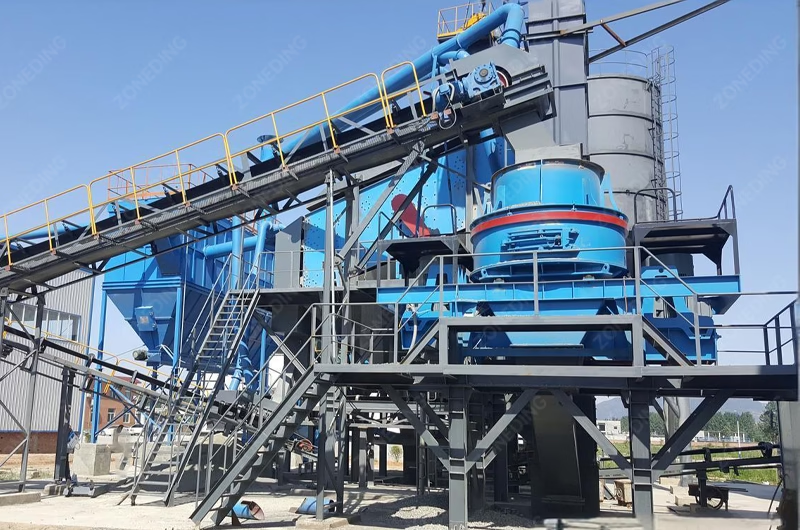
The VSI acts as a shaping tool. The industry calls it a Sand Making Machine. It takes the ugly, flaky stones produced by other crushers and fixes them. It spins the rocks at incredible speeds and throws them against a wall of other rocks. This “rock-on-rock” collision knocks all the sharp, flat edges off the stones. It polishes them into perfect little cubes. This process elevates the value of the final product. Concrete batch plants pay a premium price per ton for VSI-shaped aggregate. The VSI pays for its high power consumption by increasing the selling price of the final gravel and sand.
Tracked mobile crushers look amazing. They drive off a truck and start crushing in an hour. Many big quarry owners see this and buy a Mobile Stone Crusher for a ten-year mine project. This is a massive financial error. Mobile crushers are built for contractors. They are designed for “guerrilla warfare.” They are perfect for recycling concrete in a city center for three months, then moving to a new city. They run on diesel engines. They rely on complex hydraulic pumps and motors. These components wear out fast in a dusty quarry environment. Diesel fuel costs far more than grid electricity over a five-year period.
Mining permits lasting two years or more require a stationary aggregate crushing plant. Workers pour concrete foundations. They build heavy steel structures. They run cheap electric cables to massive electric motors. A stationary plant is simple. It uses basic V-belts and electric motors. Any local mechanic can fix it. The maintenance costs are a fraction of a mobile tracked unit. The steel frames can handle much larger, heavier crushers for higher capacity. Buy mobile machines only if the business model requires moving the entire plant multiple times a year.
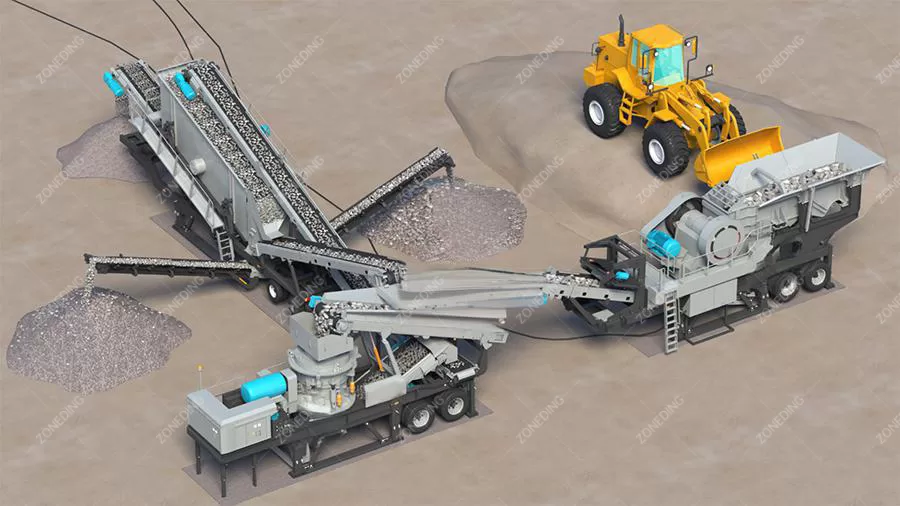
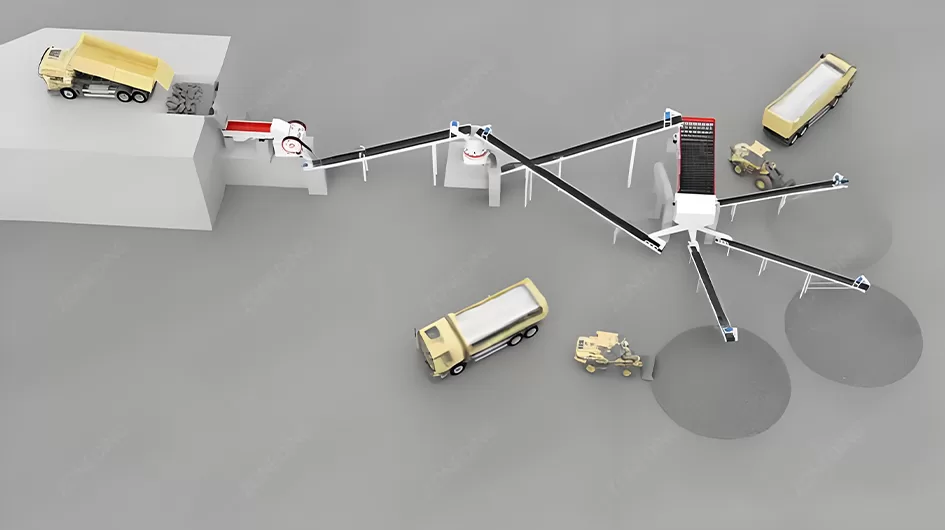
| Feature | Stationary Plant | Tracked Mobile Plant | Financial Impact |
|---|---|---|---|
| Power Source | Grid Electricity | Diesel Engine | Grid is 60% cheaper to run |
| Setup Time | 1-2 Months | 1 Day | Fast start vs Long-term savings |
| Maintenance | Very Simple | Complex Hydraulics | Mobile needs specialized mechanics |
The biggest operational sin in any quarry involves the cone crusher. Operators look at the expensive cone machine. They want to “protect” it. They turn the feed belt down. They let a small trickle of rocks fall into the massive crushing chamber. The chamber runs half empty. This is the fastest way to destroy a cone crusher. A cone crusher is designed for “choke feeding.” The crushing mantle must remain completely buried under a mountain of rocks.
When the chamber is full, the rocks are forced to crush against each other. This lamination process creates the perfect cubic shape. It also distributes the massive crushing force evenly across the entire bronze eccentric bushing. When operators trickle feed the machine, rocks only hit one side of the mantle at a time. This uneven impact violently jolts the main shaft. It ruins the bearings. It causes the machine to vibrate wildly. It also produces terrible, flat-shaped rocks. The feed bin above the cone must remain full. Using automation keeps the material level high. The CSS determines the final size, but the choke feed determines the machine’s survival and output quality.
Purchasing managers love to save money. They buy the cheapest manganese jaw plates and cone mantles on the market. They think they are helping the company. They are actually killing the profit margin. A cheap set of liners might cost 30% less. It will also wear out 50% faster. Buyers do not just pay for the metal. They pay for the downtime. It takes a full day to stop the plant, cool the machine, burn off the old liners, and pour backing compound for the new ones. Losing 10,000 tons of aggregate production for a day costs ten times more than the savings on the cheap metal. Calculating the Total Cost of Ownership (TCO) for the crusher wear parts lifespan is mandatory. Premium alloy liners allow the plant to run longer.
The rocks will wear out the steel. Dust will destroy the entire machine. Stone dust is an extreme abrasive. It ruins bearings in days. Every crusher has a breather cap. As the machine heats up and cools down, it breathes air in and out. If the breather filter gets clogged with mud, the machine creates a vacuum inside. It sucks fine rock dust straight past the labyrinth seals and right into the main lubricating oil. That dust acts like liquid sandpaper on expensive bronze bushings. Checking breathers weekly is essential. Greasing labyrinth seals daily prevents dust entry. Keeping oil absolutely clean is critical. Dust and poor lubrication kill more crushers than rocks ever do.
The crushing industry in 2026 is moving rapidly toward total automation. The end of manual gap adjustments is happening now. Modern crushers use hydraulic CSS systems tied to laser scanners on the output belts. The laser measures the rock size in real-time. If the rock gets too big as the metal wears down, the computer automatically closes the crusher gap. This happens while the machine is crushing rock. It guarantees a perfectly consistent product size 24 hours a day without stopping the plant.
Major improvements in dust sealing technology are also visible. New pressurized sealing systems pump filtered air into the crusher frame. This positive pressure makes it physically impossible for outside dust to enter the bearings. This one innovation is doubling the lifespan of internal components in high-dust environments. These smart features make Mining crushing equipment much more reliable. Less time goes into fixing machines, and more time goes into making saleable products.
Question 1: Can a jaw crusher produce fine sand?
No. A jaw crusher is designed for primary breakdown of large rocks. Its mechanics cannot produce fine sand. A VSI or a cone crusher handles fine aggregate production.
Question 2: Why is the cone crusher vibrating violently?
Violent vibration usually means trickle feeding the machine. The uneven load causes the main shaft to bounce. Filling the crushing chamber completely stabilizes the operation.
Question 3: How often should operators check the crusher lubrication oil?
Checking the oil flow and temperature every single shift is mandatory. Taking an oil sample every month checks for bronze or steel flakes. Clean oil is the lifeblood of the machine.
Question 4: Is a diesel mobile crusher cheaper to run?
No. Diesel fuel and hydraulic maintenance make mobile crushers very expensive to run long-term. Mobile units serve best when the job site moves frequently. Electric stationary plants serve best for long-term quarries.
ZONEDING has been a leading manufacturer of mining and crushing equipment since 2004. The factory builds rugged, reliable machines for the toughest rocks on the planet. The engineering team provides custom stationary plant designs and full-service installation across 120 countries. Focus remains on low maintenance costs and high daily output. As a direct manufacturer, heavy-duty iron comes at highly competitive prices.
Contact the sales team today to discuss rock testing and custom plant design.
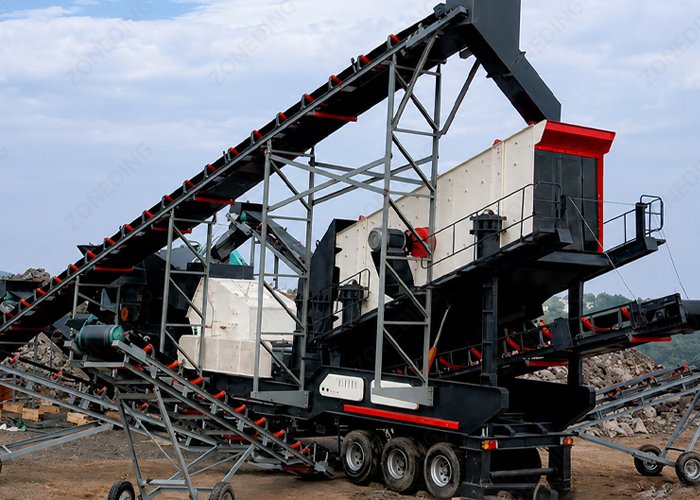
Choose a mobile impact crusher for limestone, road aggregate and concrete recycling in South America. Compare capacity, setups and costs.
View details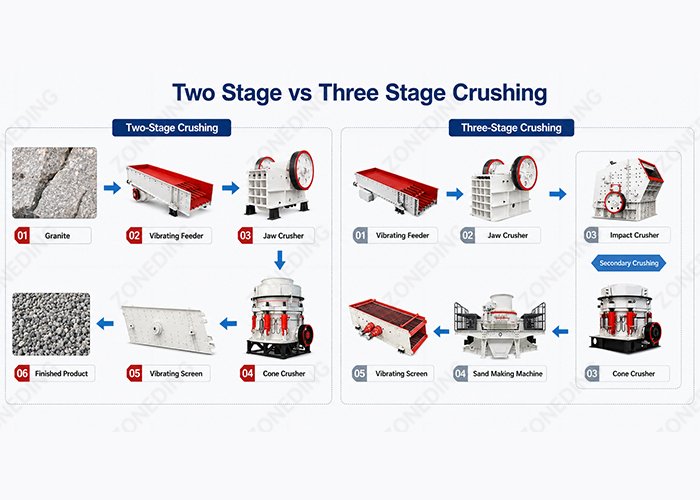
Compare two-stage and three-stage crushing plants by cost, capacity, product quality, and applications to choose the right quarry solution.
View details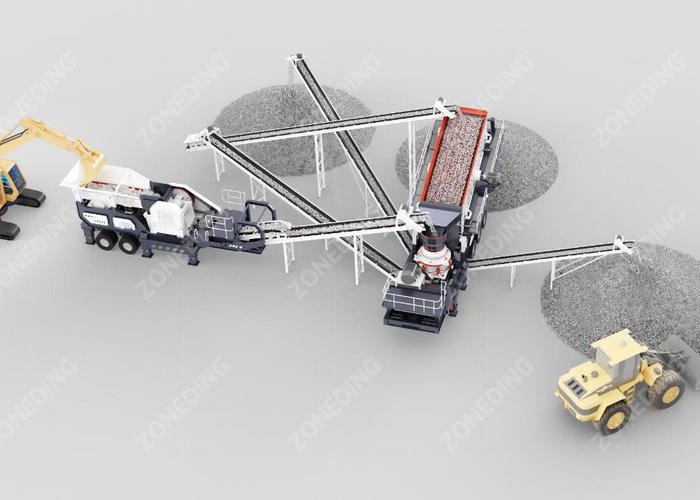
In a large-scale mining project, selecting a is not just about comparing tonnage. While mobility reduces material handling costs, the compact nature of these machines introduces risks in stability, maintenance, and product quality. Success require...
View details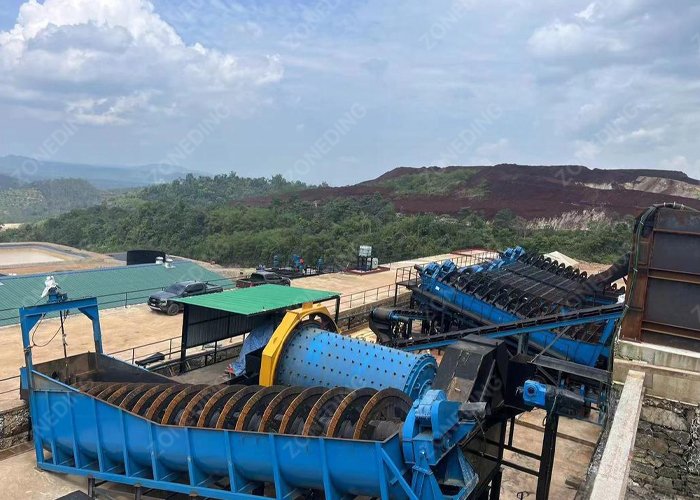
Building a nickel ore processing plant cost typically ranges from $20 million for small sulfide units to over $1.5 billion for massive laterite projects. Most investors fail because they only look at the price of machines and ignore infrastructure...
View details