 Zoneding Machine












Stone Crusher Plant Price in South America: 50–500 TPH Cost Guide
525Compare 50–500 TPH stone crusher plant prices in South America, including equipment, shipping, installation and operating costs.
View detailsSearch the whole station Crushing Equipment
Gold mining profitability depends heavily on equipment selection. Choosing the wrong machine for hard rock can lead to massive repair bills or low gold recovery rates. Hard rock gold mining often involves extremely abrasive quartz veins. This guide explains how to select machines that survive high wear and maximize gold yield.
Gold quartz veins are highly abrasive materials. Quartz (SiO2) is hard and wears down metal components very quickly. A machine designed for soft limestone will suffer rapid part failure when processing quartz. Selecting requires a focus on wear resistance. Matching the machine to the silica content of the ore is essential for controlling operating costs.
When crushing gold quartz veins, the goal is to break rock without excessive maintenance. Many operators mistakenly use impact crushers or hammer crushers for hard rock. This choice often leads to high costs. In quartz-rich mines, impact bars might only last a few days. This results in constant downtime. Using compression-style crushing is a more reliable method for hard rock.
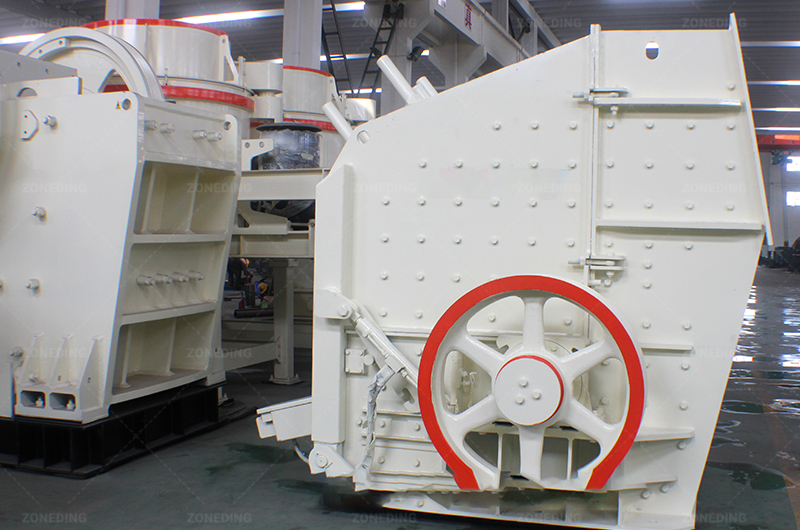
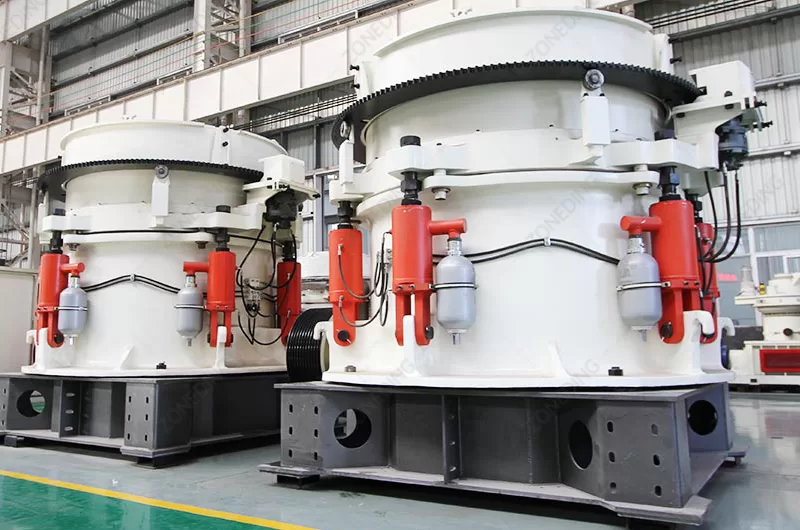
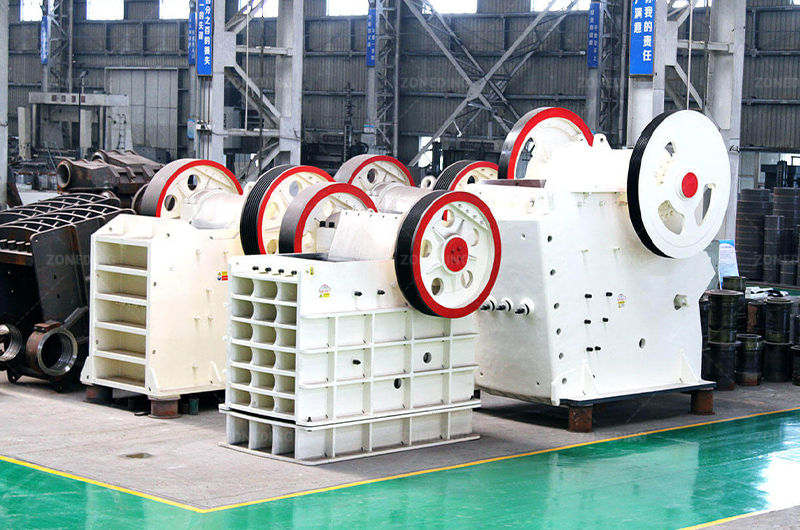
Using an impact crusher for hard quartz creates financial strain. High silica content acts like sandpaper on blow bars. Replacement part costs can exceed the value of the extracted gold. Compression-style machines provide better long-term stability for hard ores.
| Ore Type | Silica Content | Recommended Crusher | Primary Benefit |
|---|---|---|---|
| Limestone | Low (<5%) | Impact Crusher | High throughput |
| Gold Quartz | High (>60%) | Cone Crusher | Low wear rate |
| Oxidized Ore | Medium | Jaw Crusher | Handles variation |
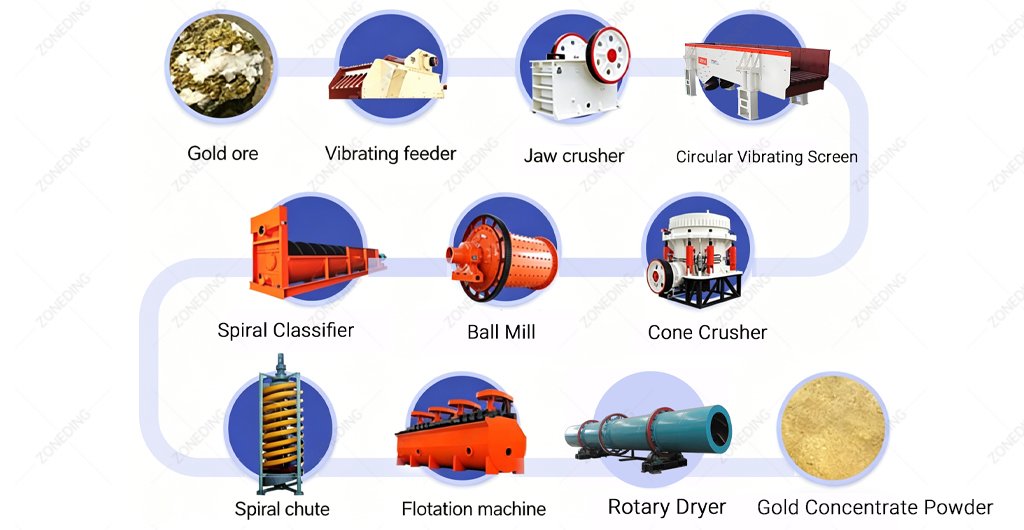
A cone crusher is the optimal choice for secondary crushing of abrasive gold ore. These machines use a compression principle. The ore is squeezed between a mantle and a concave liner. This method is efficient for hard rocks and reduces liner wear compared to impact methods. This makes a gold crushing plant more cost-effective.
During cone crusher secondary crushing, size and shape are managed simultaneously. A high-quality cone crusher produces cubical particles. This shape is ideal for the next stage of processing. Poorly crushed, flaky stones increase the workload on the mill. Using a cone crusher ensures the ore is ready for the ball mill efficiently.
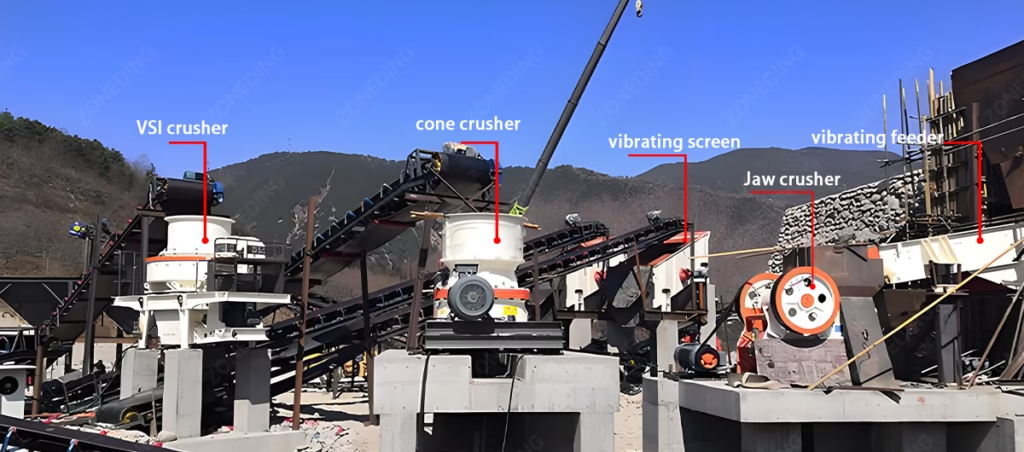
Consistent feed helps manage wear. Uneven feeding causes stress on the main shaft. Regular liner inspections prevent damage to the heavy-duty frame. Replacing liners before total failure saves significant repair costs.
Oxidized gold ore is often softer due to weathering. However, soft ore does not trigger “work-hardening” in manganese steel liners. This can cause surfaces to wear faster. Using specialized alloy steel liners is a better solution for soft, weathered ores.
High-Pressure Grinding Rolls (HPGR) create micro-cracks in gold ore. This technology is highly effective for gold recovery. The intense pressure from the rolls does more than just break the rock. It creates tiny cracks inside the particles. These cracks allow cyanide solutions to penetrate deeper into the ore. This process can increase gold recovery rates by 2% to 5%.
For large-scale operations, higher recovery rates lead to significant profit increases. HPGR is more energy-efficient than traditional grinding. It provides a superior product for the leaching stage. Using HPGR within a hard rock gold equipment setup maximizes the total mineral yield.
Micro-cracks increase the surface area of gold particles. This facilitates faster and more complete chemical extraction. It is an effective method for processing low-grade ore profitably.
| Feature | Traditional Grinding | HPGR Technology |
|---|---|---|
| Energy Consumption | High | Low |
| Gold Recovery | Standard | Higher |
| Wear Rate | High (Steel balls) | Moderate |
The “More Crushing, Less Grinding” strategy reduces operational costs. In a gold processing plant, the ball mill consumes the most electricity and grinding media. Feeding large rocks into a mill increases energy use and wear. Adding more crushing stages reduces the workload on the mill.
Using a fine crushing stage makes the ore smaller before it reaches the mill. For example, crushing ore to 8mm instead of 20mm improves mill efficiency. This reduces the consumption of ball mill grinding media and electricity. A well-optimized gold crushing plant saves money through efficient particle size reduction.
High moisture and clay content can disrupt gold crushing operations. Wet ore containing clay becomes sticky. In a cone crusher, clay can form hard “pancakes.” This leads to machine overloading and potential damage to the main shaft.
If the ore contains high clay levels, cleaning is necessary before crushing. Using a rotary scrubber or a washing system removes clay. The clay is sent to a centrifugal concentrator, while clean rock proceeds to the cone crusher.
A mobile gold crusher is ideal for small or short-term mining projects. Building a fixed plant requires significant time and capital. A mobile station can be deployed to a site quickly. This allows for faster production starts.
Mobile crushers offer high flexibility. The equipment moves alongside the mining face. This reduces the cost of transporting ore by truck. When a mine reaches the end of its life, the mobile unit can be moved to a new location or sold. This provides high residual value for hard rock gold equipment investors.

Question 1: Why is an impact crusher bad for quartz gold ore?
Quartz is highly abrasive. Impact crushers cause rapid wear on blow bars, leading to high maintenance costs and frequent downtime.
Question 2: How can crushing stages reduce mill costs?
The “More Crushing, Less Grinding” method uses crushers to reduce particle size before milling. This lowers electricity use and the consumption of steel balls in the ball mill.
Question 3: What is the benefit of HPGR in gold mining?
HPGR creates micro-cracks in the ore particles. These cracks allow chemicals to penetrate deeper, which improves overall gold recovery rates.
Question 4: Can mobile crushers be used for hard rock?
Yes. Mobile cone crushers and jaw crushers are designed to handle hard rock while providing mobility for changing mine sites.
Question 5: How to handle sticky clay in a crushing plant?
Clay should be removed using a rotary scrubber or washing equipment before the ore enters the crushers to prevent clogging and overloading.
Selecting the correct gold ore crusher is vital for mine profitability. For hard quartz, compression-style machines like the jaw crusher and cone crusher are best. Implementing “More Crushing, Less Grinding” reduces energy and media costs. For flexible operations, a mobile crusher offers significant advantages.
Next Steps:
ZONEDING is a professional manufacturer of Beneficiation Equipment and Crushing Equipment. The company provides complete solutions for gold mining, including Jaw Crushers, Cone Crushers, and Mobile Crushers. ZONEDING focuses on helping mining companies achieve high efficiency and lower operating costs.
Contact ZONEDING for professional equipment consultation and plant design.
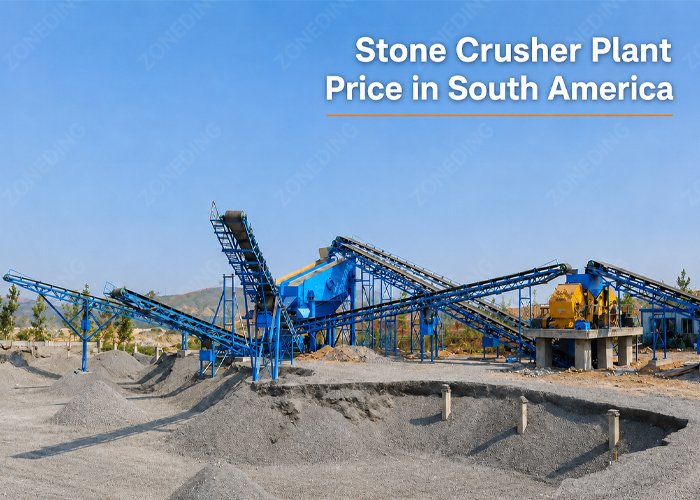
Compare 50–500 TPH stone crusher plant prices in South America, including equipment, shipping, installation and operating costs.
View details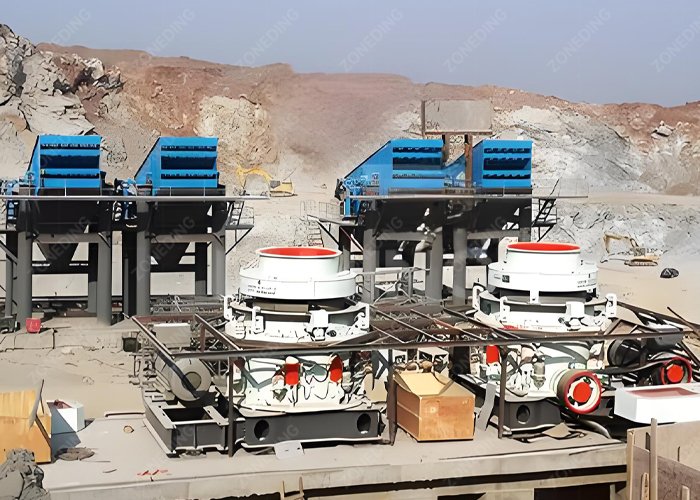
Aggregate plants face challenges with hard rock processing daily. Cone crushers in the aggregates industry solve this exact problem efficiently. High-grade construction projects require perfectly shaped stones constantly. These machines handle ext...
View details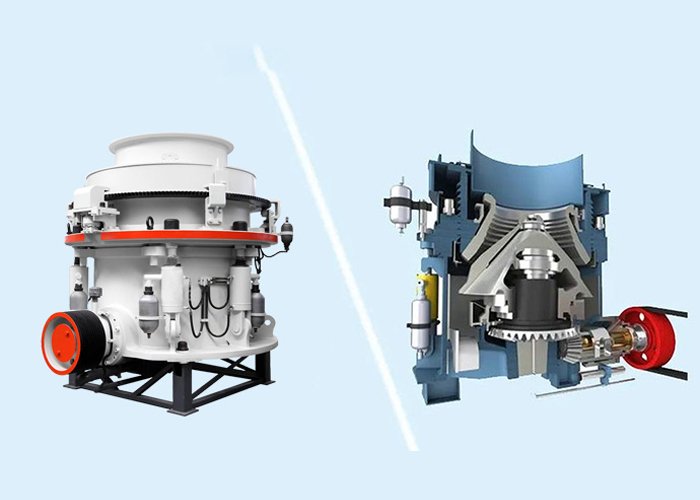
A cone crusher working principle differs significantly from simple impact crushers. It is a high-precision machine designed for hard rock processing. Success in mining or aggregate production depends on the balance between eccentric spee...
View details
Many quarry operators spend months comparing crusher models, motor power, and production capacity. However, very few spend the same amount of time evaluating the jaw plates that actually perform the crushing. That oversight can become surprisingly...
View details