The construction industry relies on seven distinct types of sand to ensure structural integrity and finish quality. However, natural river sand is becoming scarce and expensive due to environmental regulations. For aggregate producers, the real opportunity lies in “Manufactured Sand” (M-Sand). Transitioning from natural sand to high-quality processed sand can significantly increase profit margins. This guide explores the technical differences between sand types and the essential equipment needed to dominate the market.
What are the 7 specific types of construction sand used in building?
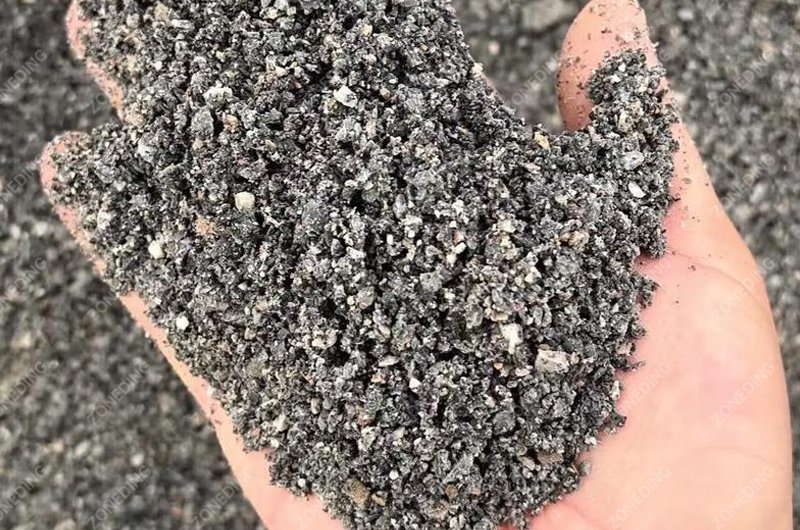
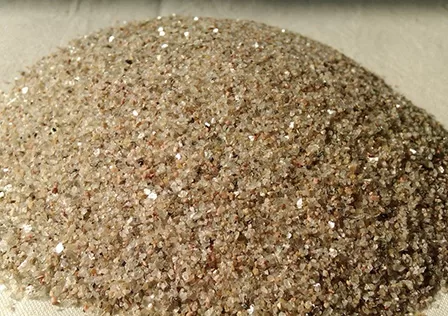
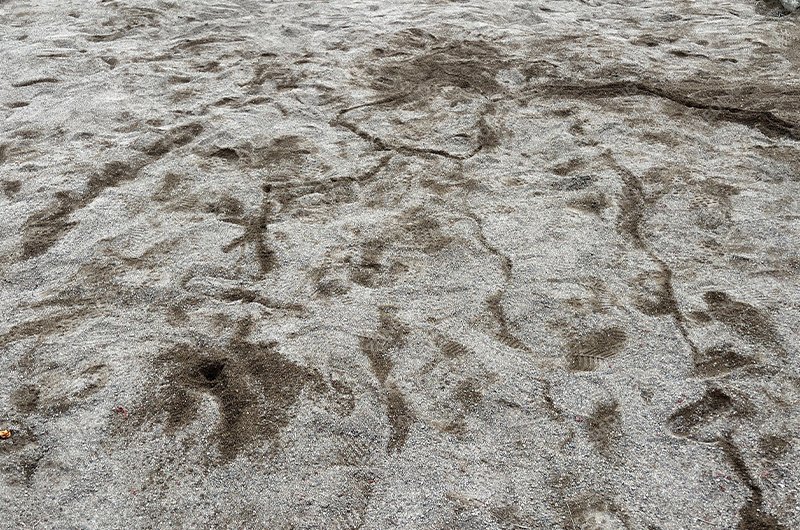
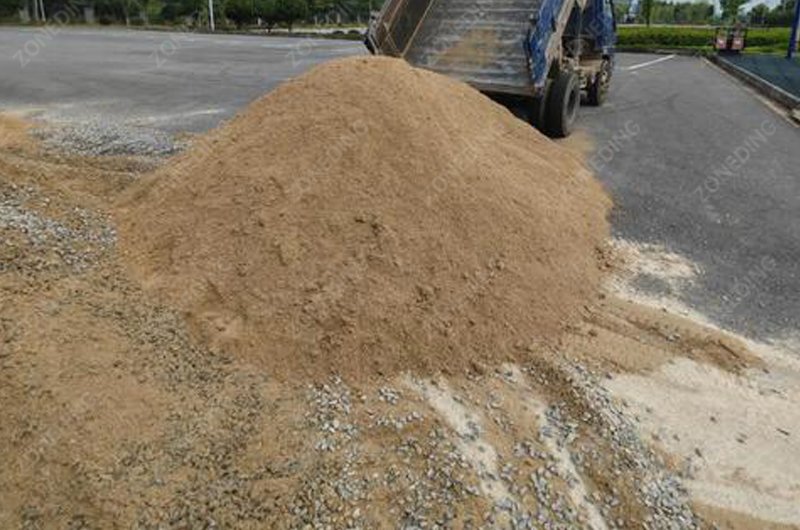
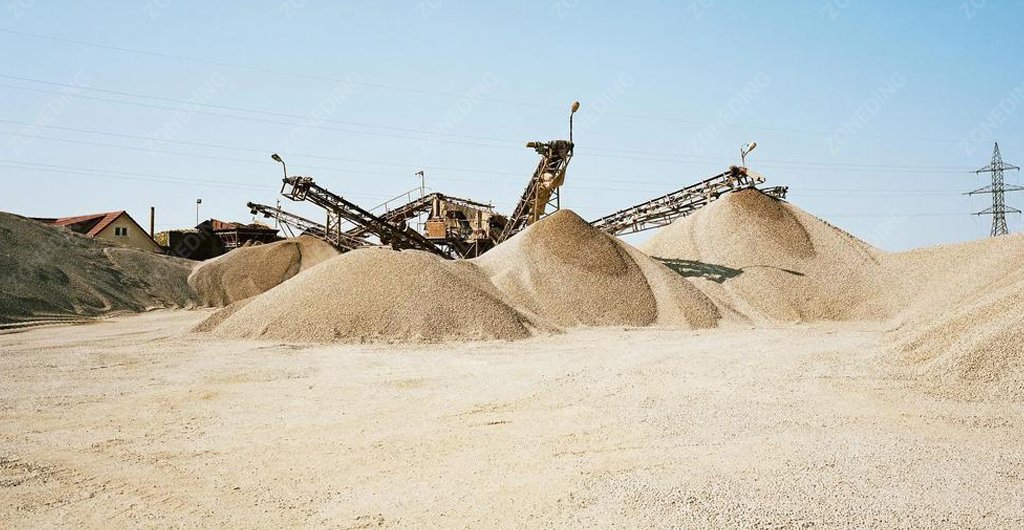
Construction sand is categorized based on its source, particle shape, and intended use in masonry or concrete. Each type serves a unique structural purpose in a building project. Manufactured Sand (M-Sand) is produced by crushing stone and is the leading eco-friendly alternative. River Sand is natural, smooth, and highly sought after for concrete but is increasingly regulated. Pit Sand is excavated from deep pits; it is coarse and often contains iron oxides. Concrete Sand is a coarse grade used specifically for structural strength. Masonry Sand is finer and used for bricks and plaster. Utility Sand is unwashed, coarse material for pipe bedding. Finally, Sea Sand must undergo desalination before use to prevent salt damage to steel reinforcement. Understanding these differences allows an aggregate plant to target specific high-value customers. For example, a ready-mix plant does not just want “sand”; they want sand with a specific Fineness Modulus (FM) and low silt content. If a producer only sells generic sand, they compete on price. If a producer sells “graded concrete sand” or “premium M-sand,” they compete on quality and earn higher margins. The key is moving from a “waste handler” mindset to a “product manufacturer” mindset.
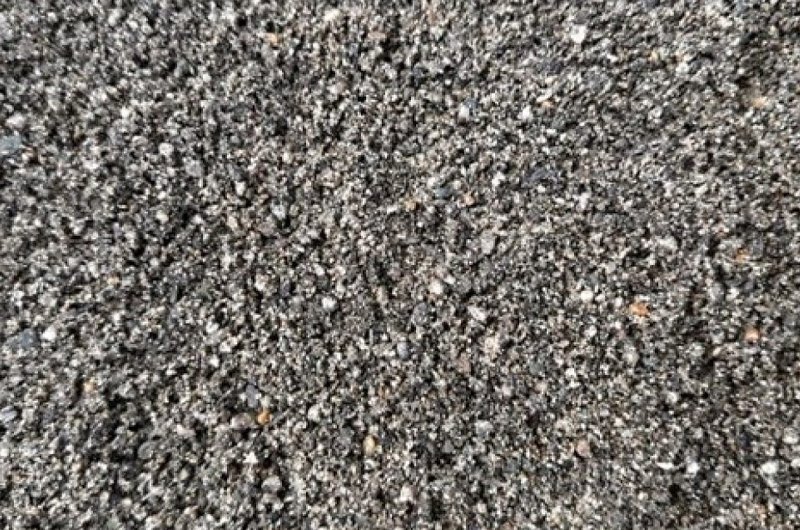
Manufactured Sand
River Sand
Pit Sand
Concrete Sand
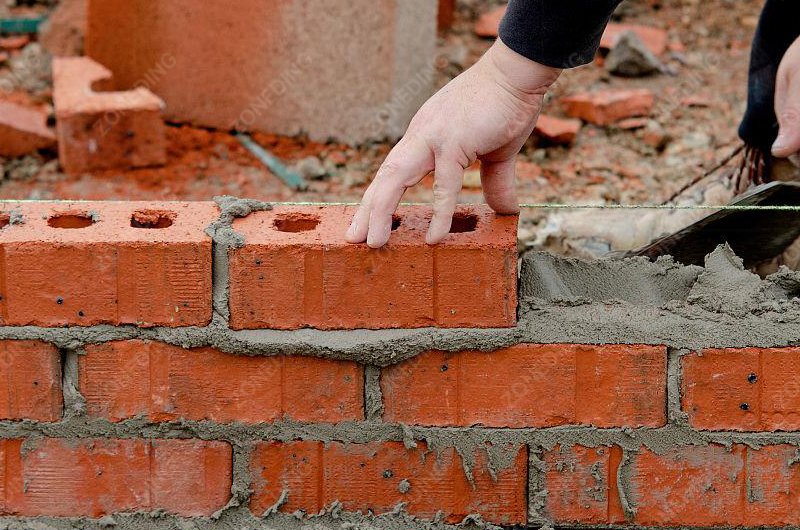
Masonry Sand
Utility Sand
Sand Type
Primary Source
Typical Texture
Main Application
M-Sand
Crushed Rock
Cubical/Sharp
High-strength Concrete
River Sand
Riverbeds
Smooth/Rounded
General Masonry
Pit Sand
Earth Pits
Coarse/Gritty
Base layers/Foundations
Concrete Sand
Crushed/Natural
Coarse/Graded
Structural Concrete
Masonry Sand
Crushed/Natural
Fine/Soft
Mortar and Plaster
Utility Sand
Excavation
Unwashed/Large
Pipe bedding/Fill
Sea Sand
Ocean/Coast
Saline/Fine
Fine finishes (after wash)
Professional Tips for Sand Selection
For Structural Concrete: Always use sand with a cubical shape to improve the bond between cement and aggregate.
For Wall Plaster: Avoid overly fine sand that requires excessive water, which causes shrinkage cracks.
For Drainage/Utility: Use simple to remove large debris from fill sand.
Can M-Sand replace natural river sand in modern projects?
Manufactured Sand (M-Sand) is now the primary solution for the global shortage of natural river sand. Because M-Sand is produced from crushed rock using Sand Making Machines, it is entirely controllable. Producers can dictate the exact particle size distribution and shape. This consistency is something natural river sand cannot offer. While river sand is smooth, M-Sand provides a high-friction surface that creates much stronger concrete. This strength allows engineers to reduce the amount of expensive cement needed in a mix, making M-Sand highly attractive to large-scale contractors.
Sand Making Machine
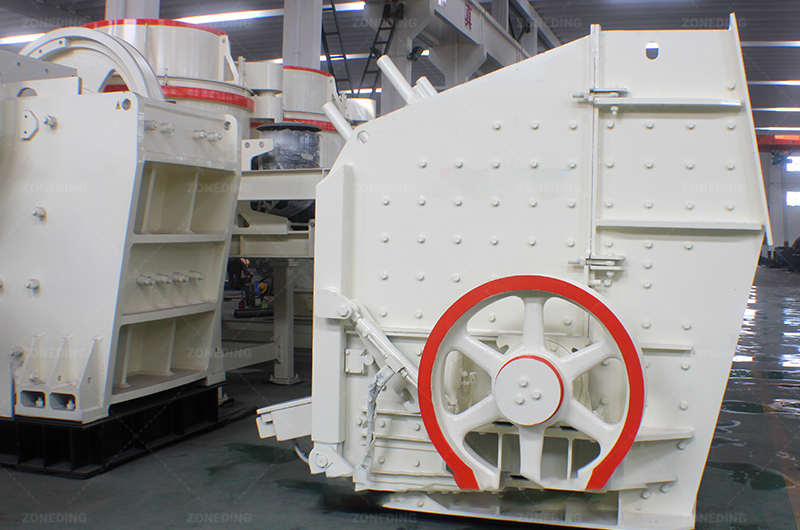
Impact Crusher
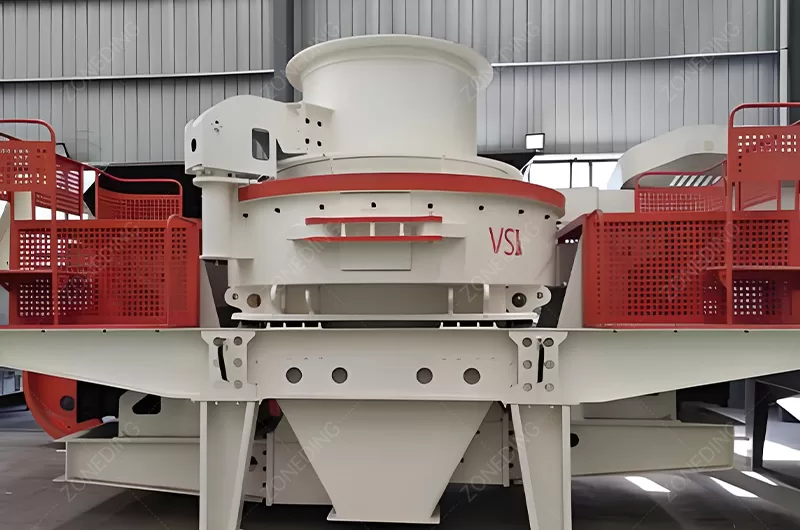
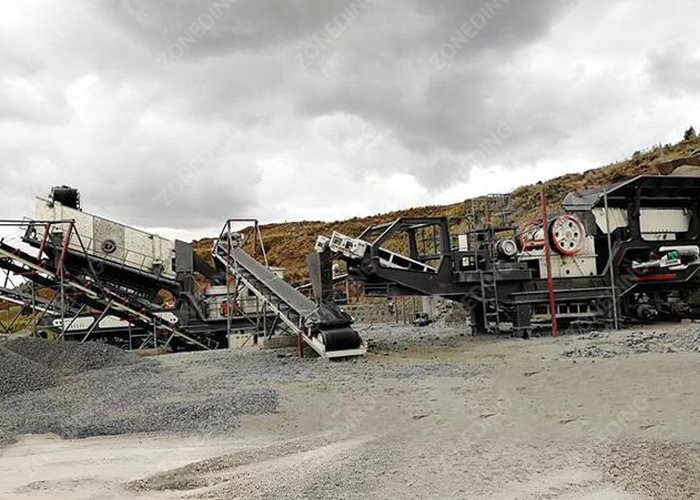
The main challenge in M-Sand production is the “shape factor.” If the sand is too angular or flaky, it ruins the workability of the concrete. To solve this, the industry uses the “Rock-on-Rock” principle. This is achieved through a high-quality VSI Impact Crusher. In a VSI, part of the material falls directly into the crushing chamber, colliding with other rocks rather than metal liners. This produces the perfect cubical sand shape. For those in environmentally strict areas, a “Dry Sand Making Tower” with advanced dust collection is more profitable than wet systems because it avoids the massive costs of water treatment and sludge management.
How to Achieve High-Quality M-Sand
Feed Mode: Use “Cascade Feeding” in your VSI to maximize the rock-on-rock effect.
Dust Management: Invest in high-efficiency cyclones to keep the air clean and the product pure.
How does a VSI sand maker produce high-standard construction sand?
A VSI sand maker produces high-standard sand by using high-speed impact to break down rock into cubical grains. The core technology is the rotor. The rotor spins at extremely high speeds, throwing stones against each other or a stone liner. This “inter-particle” crushing is what removes the long, thin, or flaky particles that are bad for construction. A high-quality VSI ensures that the resulting sand has a high “sphericity” and “roundness” index. This is critical for the “workability” of mortar and the density of concrete. Beyond shape, a VSI also helps in controlling the fine material content. By adjusting the rotor speed and the feed rate, a plant can fine-tune the amount of “fines” (material smaller than 75 microns) produced. This is essential when catering to different types of sand. For example, if a customer needs masonry sand, the VSI can be tuned to produce a finer, more consistent grain. For structural concrete sand, the machine can be adjusted to produce a coarser, more robust grain. This flexibility allows one single machine to serve multiple market segments.
Material Input: Ensure the feed size is compatible with the rotor diameter to prevent clogging.
Moisture Control: Keep feed moisture low to prevent the “clumping” of fines during crushing.
Why is mud removal critical for sand market value?
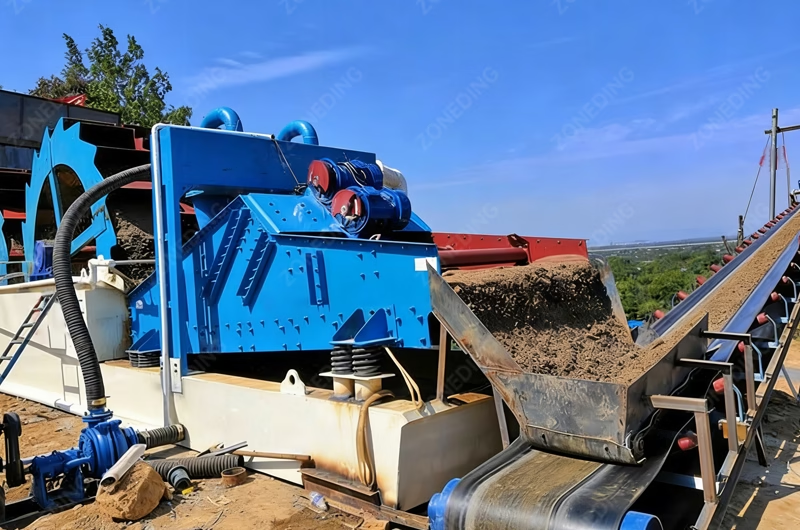
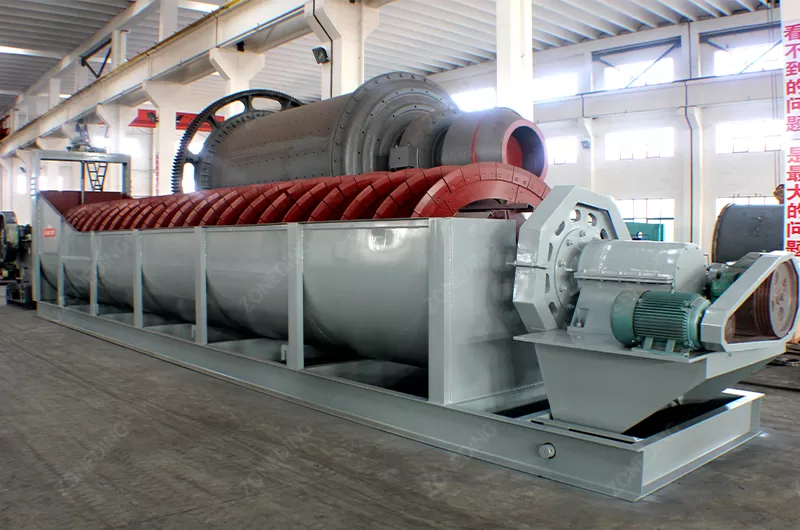
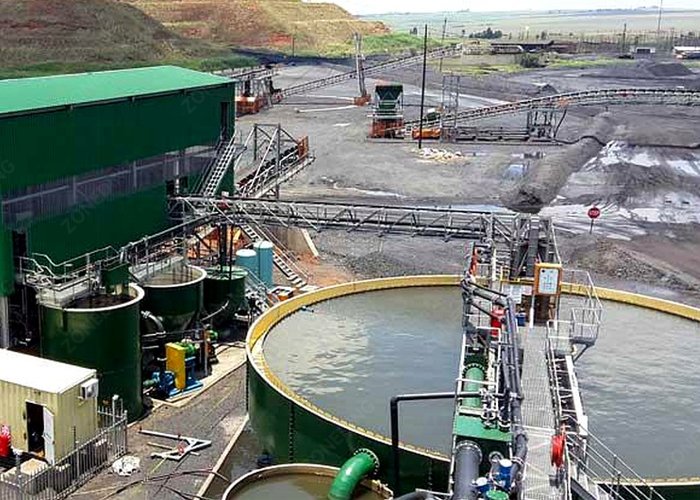
Effective mud and silt removal using a Sand Washer determines the final market price of your aggregate. If sand contains too much clay or organic matter, it will fail the “silt test” required by construction standards. High silt content weakens the bond in concrete and causes cracks in dried plaster. Therefore, a sand plant’s ability to clean its product is just as important as its ability to crush it. A dirty product is a low-value product that only attracts cheap, low-tier customers. For common river sand or pit sand, a Spiral Classifier or a rotary washer is standard. However, pit sand often contains “sticky clay” that can blind (clog) a vibrating screen in minutes. In these cases, a Log Washer is necessary. The log washer uses heavy-duty blades to physically scrub the clay off the sand grains in a water-filled trough. For extremely fine sand, using a Hydrocyclone is the professional choice. The hydrocyclone uses centrifugal force to separate fine silt from the sand, ensuring a level of purity that traditional washing cannot match.
Sand Washer
Spiral classifier
Hydrocyclones
Cleaning Equipment for Different Sand Types
Sticky Pit Sand: Use a Log Washer to break up heavy clay.
Fine M-Sand: Use a Hydrocyclone for high-precision silt removal.
Coarse River Sand: Use a Spiral Classifier for efficient, large-volume cleaning.
How to handle high-clay pit sand and sea sand challenges?
Managing high-clay pit sand and corrosive sea sand requires specialized equipment designed for extreme conditions. Pit sand is difficult because the clay is “sticky.” If you send it directly to a Vibrating Screen, the clay will coat the mesh and stop all flow. The solution is to use a “scrubbing” stage first. Equipment like a trommel scrubber or a log washer provides the mechanical energy needed to turn that sticky clay into a liquid slurry that can be easily washed away. Sea sand presents a different, chemical challenge: salt. Salt (chlorides) causes rapid corrosion in steel-reinforced concrete and destroys metal machinery. If a plant is processing sea sand, standard carbon steel equipment will fail within months. The “secret” to a profitable sea sand plant is investing in corrosion resistance. All washing tanks should be lined with polyurethane or rubber. All screens should use Polyurethane Screen Mesh instead of steel. Using stainless steel bolts and specialized coatings is not an “extra” cost; it is a requirement to prevent the plant from becoming a pile of rusted scrap.
Summary of Specialized Solutions
Clay Problem: Use Log Washers to provide “forced scrubbing” before screening.
Salt Problem: Use Polyurethane linings and 316L stainless steel for all contact parts.
Fine Silt Problem: Use Hydrocyclones to ensure the sand meets high-purity standards.
Frequently Asked Questions
Question 1: What is the main difference between River Sand and M-Sand? River sand is natural and smooth, while M-Sand is manufactured from crushed rock. M-Sand is more consistent in shape and is better for high-strength concrete. Question 2: Can I use a standard sand washer for pit sand? If the pit sand has high clay content, a standard washer may not work. You should use a Log Washer to break up the sticky clay first. Question 3: Why is the shape of sand important for concrete? Cubical sand particles interlock better than flaky or needle-like particles. This improves the density and strength of the finished concrete. Question 4: How do I know if my sand is clean enough for construction? You should perform a “Silt Test” or “Decantation Test.” This measures the percentage of fine particles that settle at the bottom of a water sample. Question 5: Is it better to use a wet or dry sand making process? Dry sand making is better for water-scarce areas and produces less sludge, but wet sand making (using a sand washer) is generally better for cleaning fine impurities.
Summary and Recommendations
The sand market is shifting from natural resources to manufactured precision. To succeed, an aggregate producer must move beyond simple crushing. Investing in Sand Making Machines like a VSI ensures high-quality cubical shapes. Using Sand Washers and Hydrocyclones ensures the purity required by modern engineers. Whether you are dealing with sticky pit sand or corrosive sea sand, choosing the right specialized equipment is the only way to ensure long-term profitability and equipment life.
About ZONEDING
ZONEDING is a professional manufacturer of Beneficiation Equipment and Crushing Equipment. We specialize in providing complete solutions for Stone Crushing Plants and M-Sand production. With decades of experience and a focus on high-efficiency Sand Making Machines, we help global producers turn raw stone into high-value construction materials. Our team provides everything from design to installation and after-sales support. Contact ZONEDING today for a customized sand production line consultation.
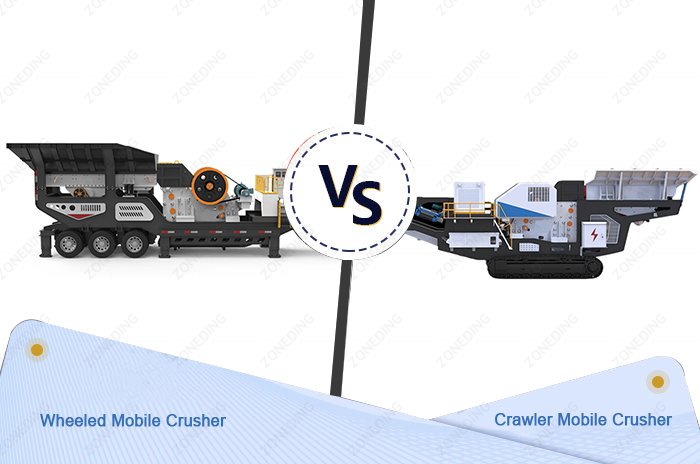
Choosing mobile crushing equipment determines project setup speed and long-term operating costs. Many buyers only look at the transport method. They ignore the hidden costs of site preparation and energy consumption. This guide shows the real diff...
Efficient washing of chrome ore stands as the most vital step to increase mineral grade and market value. Many mining projects fail because sticky clay stays on the ore during the initial stages. This comprehensive guide explains how the right&nbs...
Mobile crushing technology offers the most direct path to reducing operational costs and increasing profit margins in the mining industry. This article explains how a mobile unit eliminates the need for expensive civil works and reduces truck haul...
For many mining companies, iron ore tailings are considered a waste problem. However, rising environmental regulations and increasing demand for construction materials have changed the situation. Today, many mines are discovering that: Iron ore ta...
We use cookies to ensure that we give you the best experience on our website. If you continue to use this site we will assume that you are happy with it.
Privacy Policy
Send us a message
We would love to hear from you
Submit your question and our team will respond to the email provided as soon as possible.
 Zoneding Machine