 Zoneding Machine












Overflow vs Grate Ball Mill: Which Should You Choose?
541Compare overflow and grate ball mills by discharge design, throughput, product size, energy use, maintenance, and grinding applications.
View detailsSearch the whole station Crushing Equipment
Building a highly profitable mineral processing facility requires a strictly logical equipment sequence. A complete copper-gold ore processing line must follow a precise physical and chemical path. The rock must be crushed, ground, classified, and separated in an exact order. Many facilities lose valuable metals daily because of chaotic equipment layouts. Poor processing sequences destroy liberated gold and waste massive amounts of electricity. This guide details the correct step-by-step engineering strategies to maximize metal recovery from raw ore to dry concentrate.
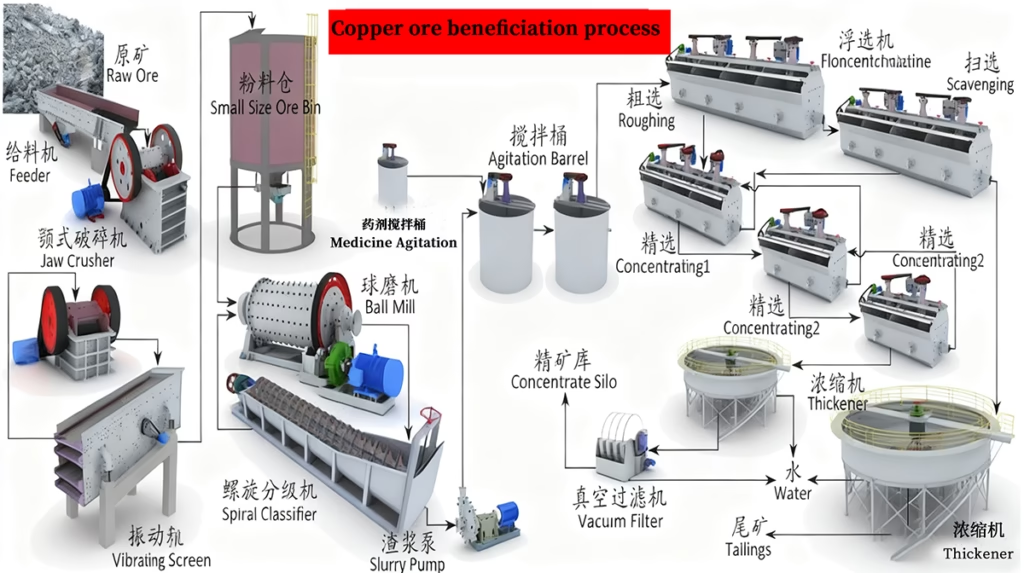
A three-stage closed-circuit crushing process reduces raw rock size efficiently before the expensive grinding stage begins. Crushing dry rock uses significantly less electricity than grinding wet mud inside a mill. The processing plant must crush the ore as fine as possible first. This fundamental rule directly lowers monthly power bills and increases overall processing capacity.
The crushing phase is the absolute first step in the flowsheet. Heavy-duty crushers handle the initial size reduction. Raw blasted ore from the mine enters a primary . The broken rocks move via conveyors to a secondary Cone Crusher. An Impact Crusher handles the final tertiary reduction stage. High-frequency vibrating screens act as strict physical guards between these stages. The screen only lets rocks smaller than 12 millimeters pass into the subsequent milling building. It sends larger rocks back to the impact crusher immediately. This closed loop ensures perfect size control. Old plants often use simple open circuits and force the ball mills to break large rocks. This mechanical mistake costs millions in wasted electricity. Perfect crushing prepares the ore for maximum mineral release.
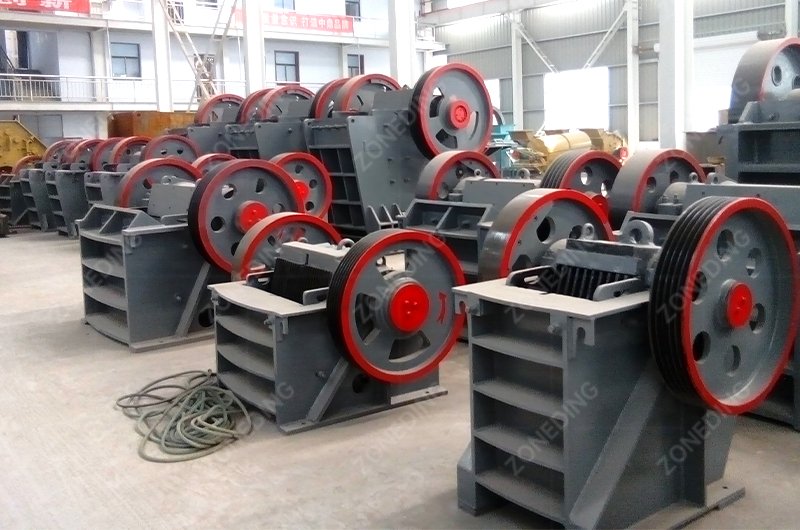
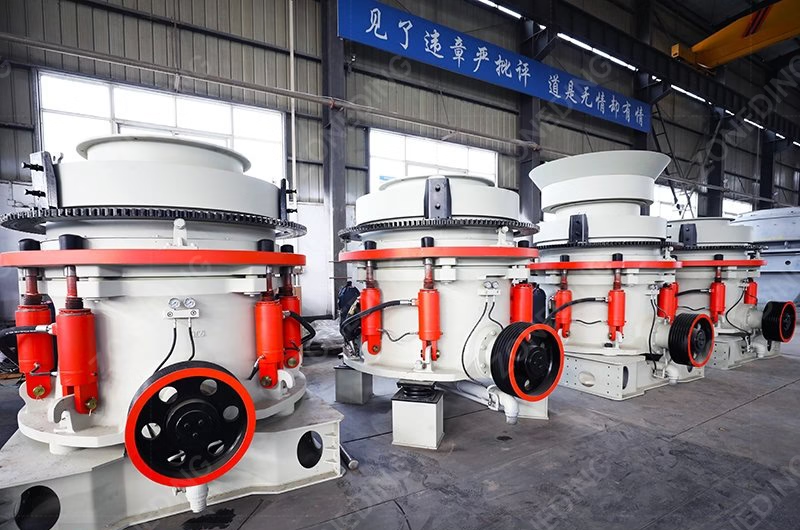
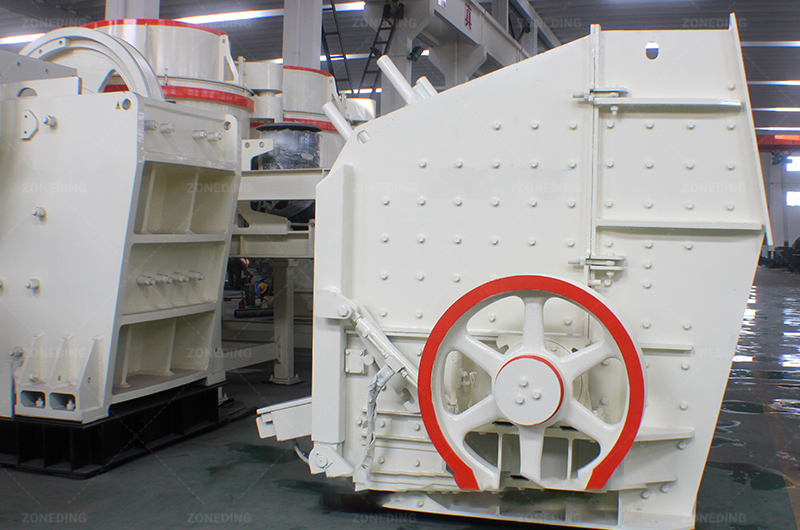
Extremely hard copper-gold rocks require a balanced primary, secondary, and tertiary reduction solution. The jaw crusher breaks the massive boulders. The cone crusher handles the high-capacity mid-size reduction. Finally, the impact crusher uses high-speed kinetic energy to shatter the remaining rocks. This final impact stage creates millions of microscopic cracks inside the physical ore structure and produces an excellent cubic particle shape. These micro-cracks weaken the boundaries between the copper minerals and the useless quartz rock. The subsequent grinding stage inside the ball mill becomes much easier and faster. This specific three-machine combination saves massive amounts of energy compared to traditional crushing methods alone. The technology also helps the flotation chemicals reach the embedded gold faster during the later processing stages.
| Crushing Equipment | Target Feed Size | Output Size | Practical Benefit |
|---|---|---|---|
| Jaw Crusher | Up to 1000mm | 150mm – 250mm | Handles huge raw boulders directly from the mine |
| Cone Crusher | Up to 250mm | 30mm – 50mm | Provides high-capacity secondary continuous reduction |
| Impact Crusher | Up to 50mm | Below 12mm | Creates fine cubic feed with micro-cracks for the ball mill |
The crushed ore enters a ball mill, and the discharge must be pumped directly into a hydrocyclone for precise size classification. The hydrocyclone separates fine microscopic particles from coarse rocks using powerful centrifugal water force. Fine slurry overflows to the next stage. Coarse rocks return to the mill for more grinding.
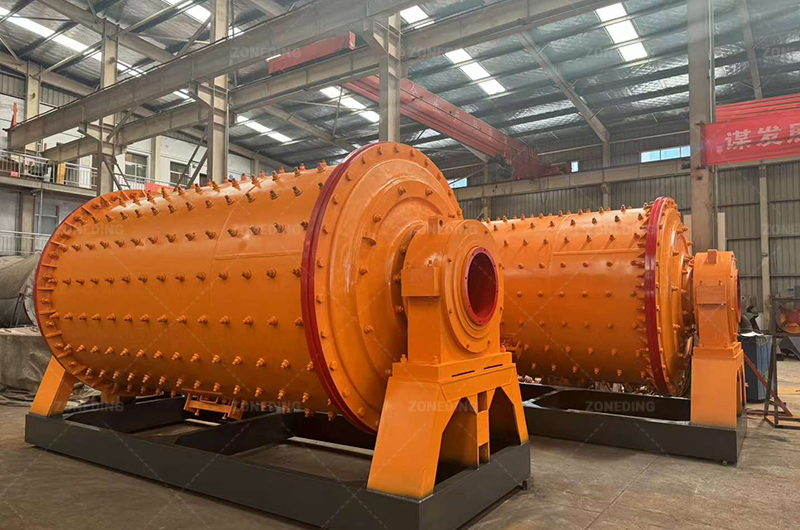


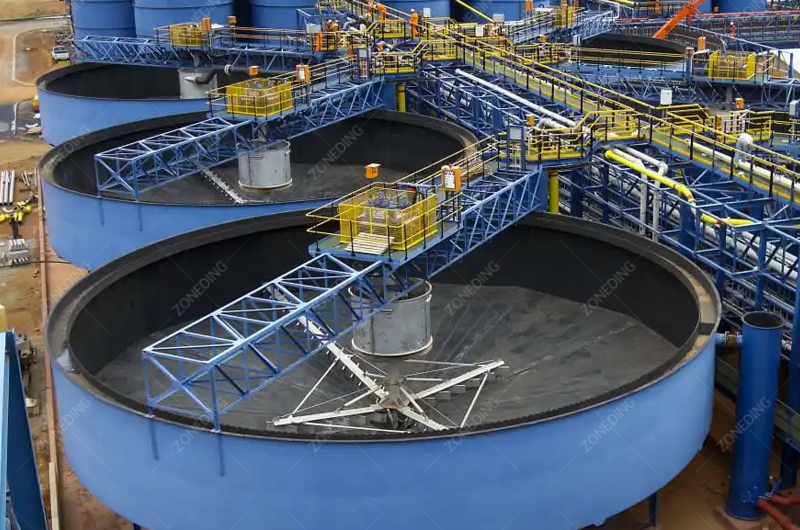
This phase unlocks the valuable minerals from the waste rock. Finer grinding does not always equal better metal recovery. This is a dangerous myth for copper-gold ores. The ball mill rotates and uses heavy steel balls to smash the 12mm rocks into a fine slurry. The hydrocyclone acts as the size controller for this liquid phase. A perfect Ball Mill and hydrocyclone closed circuit prevents useless over-grinding. Over-grinding turns soft gold into microscopic slime. This slime ignores flotation chemicals and washes away into the tailing pond. The circuit must maintain a steady circulating load. Coarse rocks continuously loop through the mill until they reach the exact target size for chemical extraction.
Cheap forged steel balls rust quickly inside the wet ball mill environment. This rapid rust creates a galvanic electrochemical interaction with the sensitive copper minerals. It coats the liberated gold and copper with a microscopic iron oxide layer. This dead iron layer completely stops flotation chemicals from sticking to the valuable metals later. High-chrome cast iron balls are required for copper-gold ores instead. High-chrome steel does not rust in the slurry. It keeps the mineral surfaces perfectly clean and ready for chemical attachment. Clean mineral surfaces guarantee higher flotation speeds and drastically better final recovery grades.
Heavy free gold particles sink inside the hydrocyclone and must be captured immediately before chemical flotation begins. Gold is exceptionally heavy compared to copper or quartz. The hydrocyclone classifies this heavy gold as coarse rock, even if the particle is tiny. The gold returns to the ball mill repeatedly and grinds into unrecoverable dust.
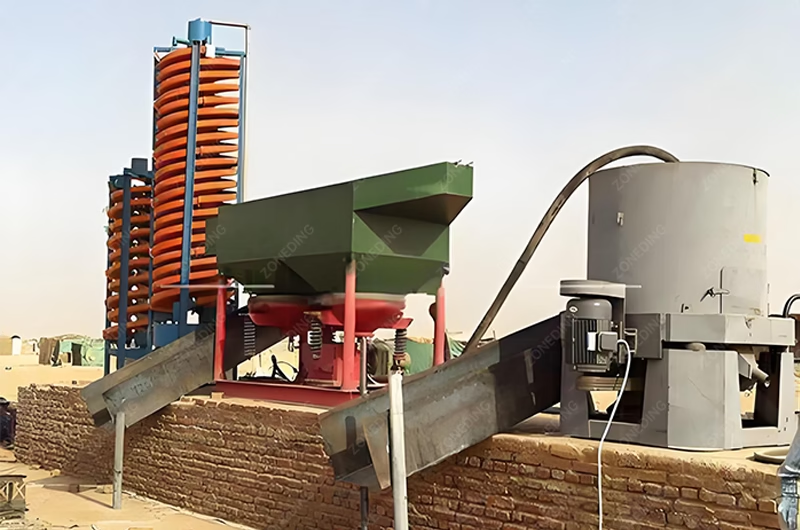
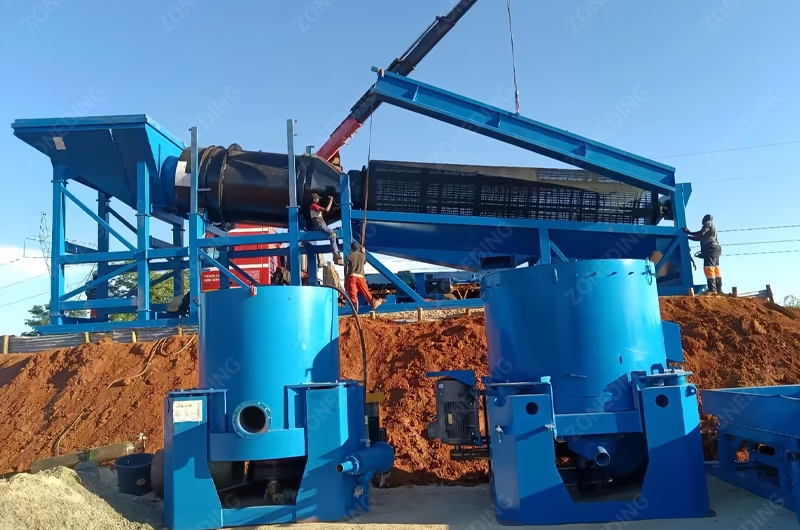
This gravity step must occur strictly between the grinding and flotation phases. Flotation tanks alone will fail to catch coarse free gold. A specific gravity device like a Centrifugal Concentrator must process the hydrocyclone underflow before it returns to the mill. This machine uses massive G-forces to catch heavy, liberated gold instantly. Catching this gold early removes it from the destructive grinding loop. The gold goes directly to a smelting furnace. This single structural layout change instantly boosts the overall plant gold recovery rate by a significant margin. It protects the most valuable asset in the ore.
Some ores contain fast-floating copper alongside the heavy gold. A flash flotation cell sits directly at the main ball mill discharge pipe in these cases. It uses very strong mechanical agitation and fast-acting chemicals to grab big copper and gold flakes instantly. It works on the coarse material before the hydrocyclone even sorts it. This removes the richest and most liberated part of the ore from the grinding loop immediately. The ball mill receives a much lighter circulating load. Final daily recovery numbers climb steadily because the plant stops destroying its best minerals.
Ore testing dictates the chemical sequence; bulk flotation extracts both metals together, while preferential flotation separates them immediately. The flotation phase happens only after crushing, grinding, and gravity recovery are complete. The plant must adopt a specific chemical strategy based on the exact sulfur content of the rock.
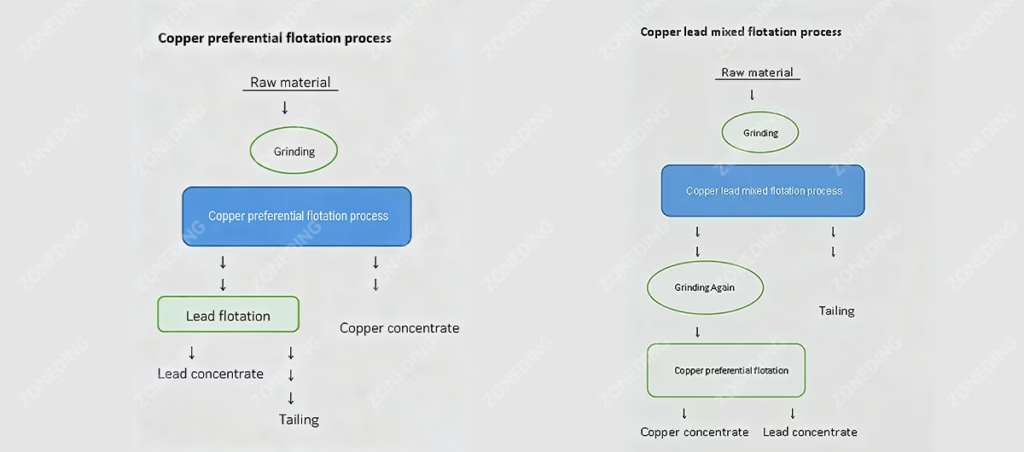
Copper-gold ores trap valuable metals inside complex sulfide structures. The processing plant must balance the chemical needs of both metals. Bulk flotation floats the copper and gold together into one mixed concentrate first. The process separates them later in different specialized tanks. Preferential flotation attempts to float the gold first, suppresses the copper, and then floats the copper afterward. Bulk flotation is usually the better choice for common low-grade copper-gold mixtures. Grinding the ore too fine to force early separation hurts the soft gold. Separating the main waste rock from the valuable metals quickly is the primary goal at this stage.
Many older facilities make a fatal chemical mistake during this separation phase. They add huge amounts of cheap industrial lime to depress useless pyrite minerals. High lime levels create a very high pH environment over 10.5 in the water. This extreme calcium level instantly coats and destroys the natural floatability of the gold particles. The gold sinks into the waste tailing pond. The plant pH should remain neutral between 8.0 and 9.0. Specialized chemical collectors or exact air-gas mixtures should depress the pyrite instead. Protecting the high-value gold is always the absolute priority during chemical planning.
The tank system must float the easy minerals rapidly in rougher cells, then selectively regrind the rough concentrate for final cleaning. Grinding the entire ore body into a fine powder wastes massive amounts of electricity. A smart flotation flowsheet focuses grinding energy exclusively on the valuable material.
The prepared slurry flows from the hydrocyclones into the rougher Flotation Machines. The rougher process pulls out 80% of the copper-gold mixture very quickly. The massive volume of useless barren rock is thrown away immediately as primary tailings. That small remaining volume of rough, low-grade concentrate contains the trapped metals. This rough concentrate pumps into a specialized vertical tower mill. The plant only regrinds this tiny portion of material to a very fine size around 30 microns. The finely ground concentrate then enters the cleaner flotation cells. This targeted regrind strategy cuts total plant electricity costs by at least 40% while achieving maximum purity.
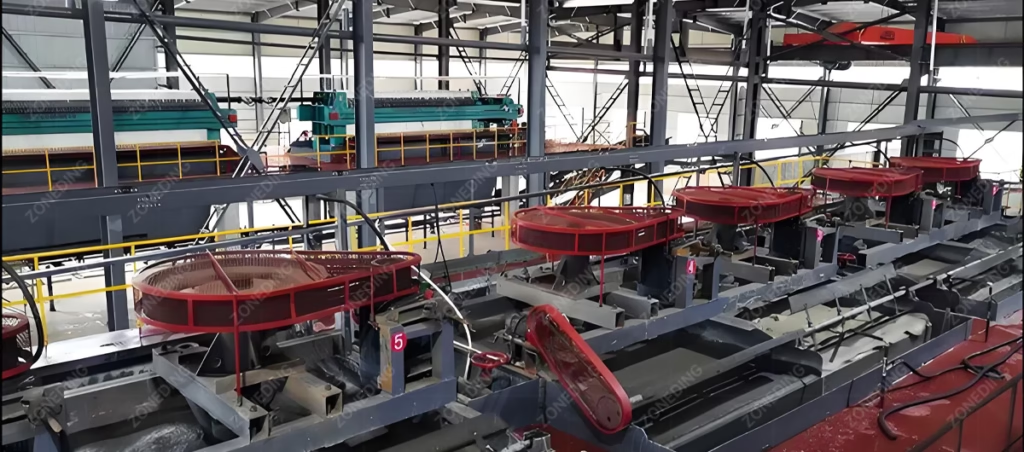
The rougher cells cannot catch every valuable particle perfectly. The slurry leaving the rougher cells enters scavenger flotation tanks. These tanks use stronger chemicals and longer processing times to hunt for difficult, slow-floating copper minerals. The concentrate from the scavenger tanks is very low quality. The plant pumps this scavenger product back to the beginning of the rougher tanks for a second chance. This continuous internal sweeping process ensures no valuable metal escapes the chemical building.
A concentrate dewatering filter press removes process water quickly to create a dry, transportable, and sellable copper-gold product. Smelters refuse to buy wet mud. They charge severe financial penalties for high moisture content. Heavy-duty dewatering equipment marks the final phase of the entire flowsheet.
Valuable mineral concentrate is mostly water after it leaves the final cleaner flotation cells. The wet slurry pumps into a large circular High Efficiency Concentrator. This thickener tank uses gravity and specialized flocculant chemicals to settle the solid particles. The clear water overflows the top. The thick mud at the bottom enters an automatic high-pressure filter press. The mechanical press squeezes the mud forcefully between filter cloths. It drops the final moisture level below 10%. This dry mineral powder can be loaded directly onto transport trucks or cargo ships.
Modern mineral processing facilities must recycle their process water. The water leaving the tailing pond contains leftover flotation chemicals, dissolved calcium, and decaying organic matter. Pumping this dirty recycled water directly back into delicate cleaner flotation cells destroys the fragile chemical froth. The final copper grade drops sharply. A strict dual water system is required. Fresh clean water is used exclusively for chemical mixing and the final cleaner cells. Dirty recycled water is routed only to the primary ball mills and the initial rougher cells.
The mineral processing industry moves rapidly toward total smart automation and massive energy reduction. The market demands equipment configurations that monitor and adjust themselves continuously. Smart electronic sensors now control the exact water flow inside the hydrocyclones automatically. Advanced digital cameras watch the flotation froth bubbles and adjust chemical dosing pumps instantly based on color and bubble size.
Question 1: Why does gold accumulate and get lost inside a ball mill circuit?
Heavy gold particles sink to the bottom of the hydrocyclone and return to the ball mill repeatedly. The mill grinds the gold into useless micro-dust that ignores flotation chemicals. A gravity concentrator must sit in this loop.
Question 2: Why is industrial lime bad for copper-gold flotation processes?
High lime levels create a microscopic calcium film covering the gold particles. This rigid film stops the chemical collectors from attaching to the gold. The unattached gold falls into the waste tailing pond.
Question 3: What is the main financial benefit of a rougher regrind circuit?
Grinding massive amounts of useless waste rock into fine powder is avoided completely. The plant only grinds the small volume of rough concentrate. This specific layout saves up to 40% on daily electricity bills.
Question 4: Why must high-chrome steel balls replace standard forged balls?
Cheap forged balls rust rapidly and create destructive galvanic currents in the wet slurry. This reaction coats valuable minerals with dead iron. High-chrome balls stay clean and keep minerals ready for flotation.
A complete copper-gold ore processing plant requires a strictly logical mechanical sequence. Three-stage crushing prepares the ore, while precise grinding circuits unlock the minerals. Installing a centrifugal concentrator early catches heavy gold before it turns to slime. Careful chemical planning avoids high lime levels to protect gold floatability. A filter press dewatering system finalizes the product for the smelter.
Evaluating current grinding circuits for coarse gold accumulation is strongly recommended. Redesigning the ball mill and hydrocyclone loop stops destructive over-grinding. Upgrading the facility with a targeted rougher regrind mill slashes unnecessary power costs. Separating fresh water from dirty recycled water prevents chemical froth destruction in the final stages.
ZONEDING is a leading manufacturer of advanced mineral processing equipment, established in 2004. Heavy-duty crushing, grinding, and flotation machines are engineered for demanding global mining projects. Expert Copper Processing Plant EPC guides help construct highly logical and profitable facilities. Precision equipment ensures maximum metal recovery for every ton of raw ore processed.
Contact ZONEDING today for a detailed flowsheet design consultation. Senior metallurgical engineers are ready to optimize complete processing lines for maximum efficiency.
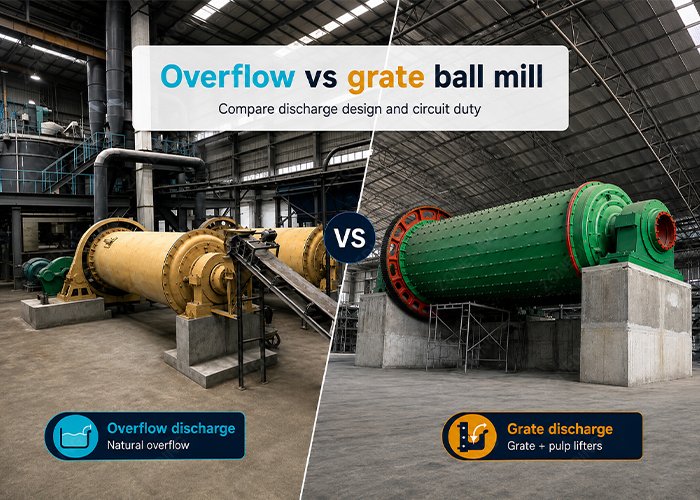
Compare overflow and grate ball mills by discharge design, throughput, product size, energy use, maintenance, and grinding applications.
View details
Understanding the mechanical logic of crushing equipment is vital for project profitability. Selecting a machine based solely on capacity ignores the reality of wear and energy costs. Different stones require different mechanical principles—either...
View details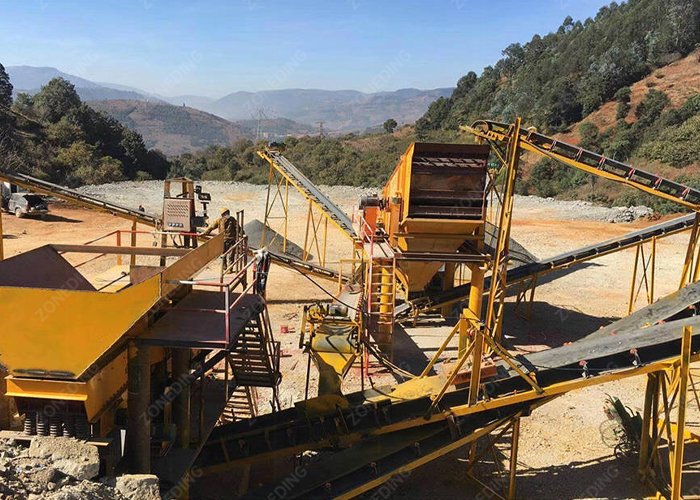
Mineral screening equipment performs the vital task of size separation in mining. This process occurs after crushing to ensure only the correct stones proceed. Efficient screening prevents the recirculating load from overwhelming the system. In 20...
View details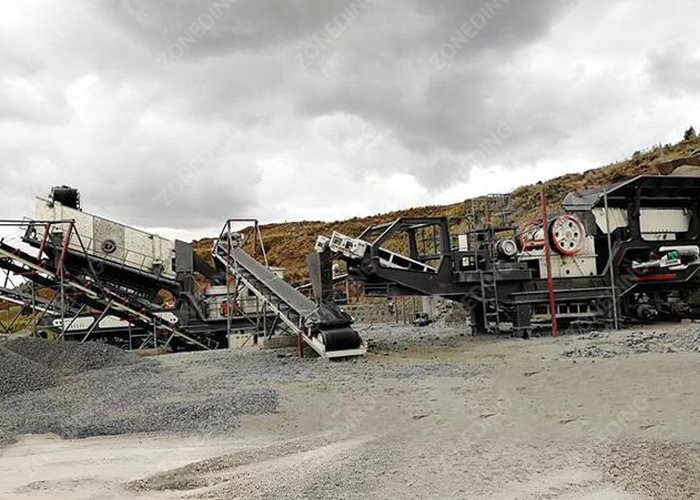
Mobile crushing technology offers the most direct path to reducing operational costs and increasing profit margins in the mining industry. This article explains how a mobile unit eliminates the need for expensive civil works and reduces truck haul...
View details