The magnetic separation method is a crucial technique to improve mineral purity and recover valuable metals. This process uses the physical property of magnetism to divide iron-bearing minerals from waste rocks. A high-efficiency ensures that a mining site stays profitable by producing high-grade concentrates. Success depends on selecting the right equipment and matching the magnetic strength to the ore type. This guide explains how to achieve the best recovery rates in modern processing plants.
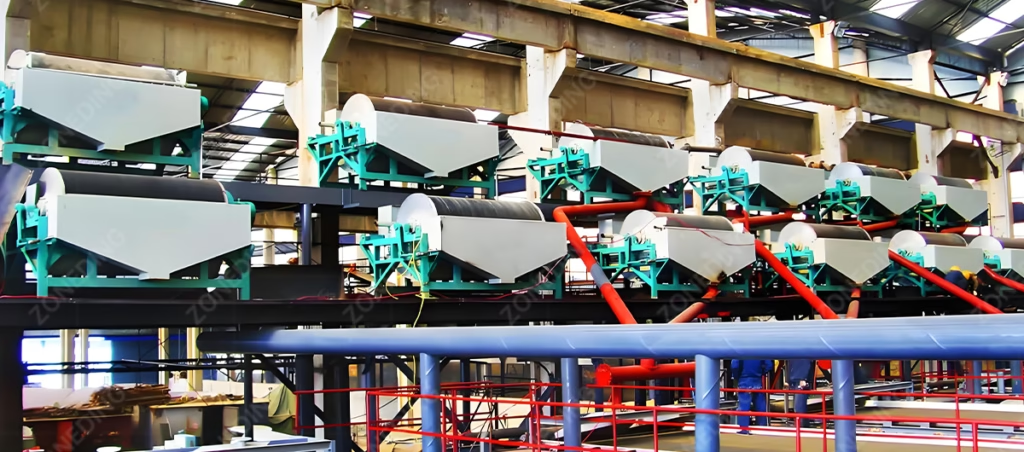
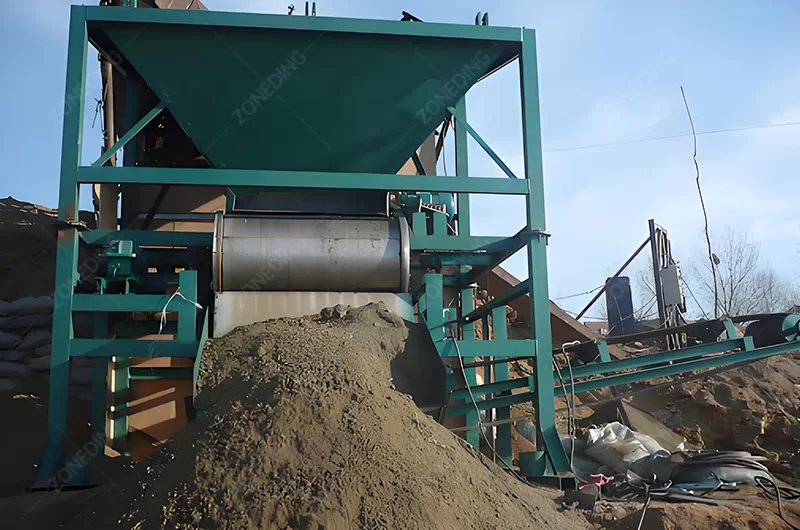
The magnetic separation method relies on the difference in magnetic susceptibility between various minerals. This is a physical process where a magnetic field exerts a force on particles. Strong magnets pull the valuable minerals toward a drum or belt. The non-magnetic waste material continues on a different path. This method is the primary choice for Iron Ore Beneficiation because it is simple and costs very little to operate. It does not require expensive chemicals. A standard magnetic separator uses either permanent magnets or electromagnets. Permanent magnets made of Neodymium or Ferrite are most common now. These materials provide a stable and long-lasting magnetic field. The magnetic field creates a zone of attraction. When the ore slurry enters this zone, magnetic grains stick to the rotating drum surface. The rotation carries the grains to a discharge area. Water sprays then wash the minerals into a collection tank. This keeps the process continuous and fast. The internal design of the magnetic system is the most important part of the machine. The magnets are arranged in a specific pattern called a yoke. This pattern determines the depth and the shape of the magnetic field. A deep field can reach far into the water stream to catch heavy particles. A shallow field is better for cleaning fine dust. Modern plants choose specific yoke designs based on the mineral size. Most Beneficiation Equipment now features adjustable magnetic systems to handle different ore grades.
Common Mineral Magnetic Categories
Minerals fall into three groups based on how they react to the magnetic separation method.
Mineral Category
Magnetic Reaction
Typical Examples
Operational Impact
Strong Magnetic
High Attraction
Magnetite, Pyrrhotite
Easy to recover with low-intensity machines.
Weak Magnetic
Low Attraction
Hematite, Ilmenite
Requires high-intensity magnetic separators.
Non-Magnetic
No Attraction
Quartz, Calcite, Feldspar
Ends up in the tailings or waste pile.
Operational Essentials for Better Results
Sample Testing: Always test the ore susceptibility before choosing a machine.
Feed Uniformity: Keep the slurry flow steady to avoid overloading the magnetic zone.
Particle Size Control: Use a Ball Mill to grind ore to the correct size for liberation.
How does the magnetic separation process handle complex slurries?
The magnetic separation process works by balancing three main forces: magnetic pull, fluid drag, and gravity. When the slurry enters the separator tank, the magnetic force must be the strongest. It yanks the iron particles out of the flowing water. The fluid drag tries to wash everything away. Gravity tries to pull everything to the bottom. If the magnetic force is too weak, the iron goes into the waste pipe. If it is too strong, it pulls waste rock along with the iron. The secret to a clean concentrate is the magnetic field gradient. The gradient is how fast the magnetic power drops as the distance from the drum increases. A high gradient creates a “snapping” force. This force catches tiny particles even in fast-moving water. This is vital for Magnetite Beneficiation. If the gradient is low, the particles move slowly toward the drum. They might get washed away before they can stick. Proper pole spacing inside the drum creates this necessary gradient.
Magnetic separation process optimization
The tank shape also changes the result of the magnetic separation method. A concurrent tank moves the slurry in the same direction as the drum spins. This is good for coarse particles. A counter-current tank moves the slurry against the drum. This creates a lot of cleaning action but can lose some fine iron. A semi-counter-current tank is the best middle ground. It provides a high recovery rate and a very clean final product. Most modern iron mines prefer this third design.
Key Forces in the Slurry Tank
Magnetic Attraction: Pulls the ore to the drum shell.
Water Velocity: Pushes the particles through the machine.
Centrifugal Force: Tries to throw the particles off the spinning drum.
Inter-particle Friction: Particles rubbing together can trap waste.
Which ores match the magnetic separation method best?
Magnetite is the most famous mineral for this process. It is a natural magnet. A simple low-intensity machine can catch almost all of it. However, the magnetic separation method is also used for many other materials. Hematite and limonite are weakly magnetic. They need much stronger machines. These machines are called High-Intensity Magnetic Separators. They use special matrices or high-power coils to create a massive pull. In the non-metallic industry, the process removes iron impurities. Silica sand for glass must be very pure. Any iron will turn the glass green or brown. A high-gradient separator catches these tiny iron specks. This turns cheap sand into expensive glass-grade material. Kaolin clay for ceramics also uses this method. The goal here is to remove the “trash” so the final ceramic is perfectly white. The magnetic separation method is the most efficient way to do this at a large scale. A Chrome Processing Plant also uses magnets. Chrome is weakly magnetic. It often stays with other heavy rocks. The separator must be tuned perfectly to catch the chrome but leave the other rocks behind. This usually requires multiple stages. The first stage removes the strong iron. The second stage catches the chrome. This prevents the strong iron from clogging the high-intensity machine.
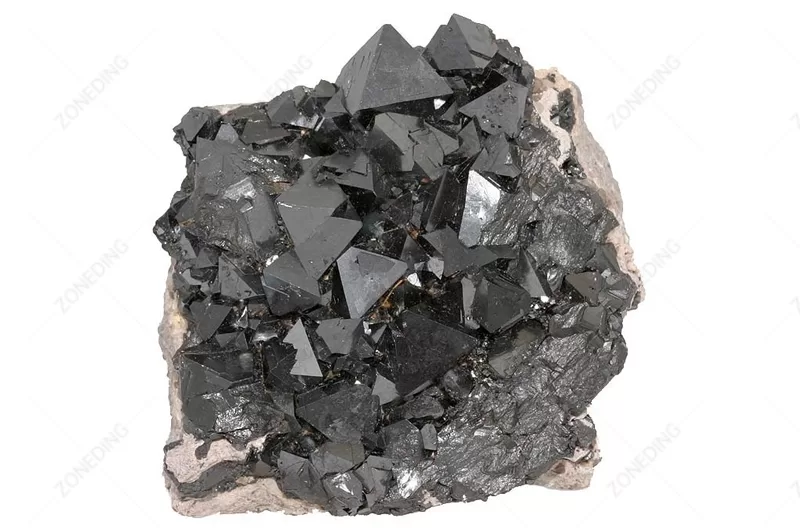
Magnetite
Quartz
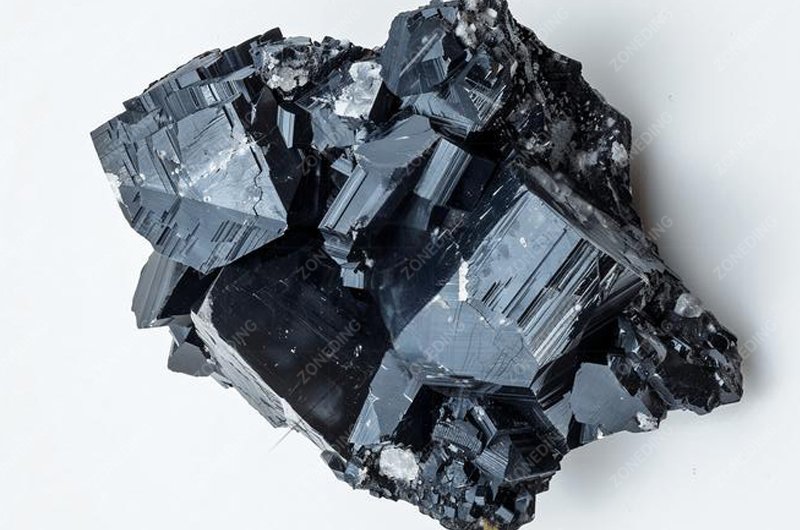
Chromite
Mineral Suitability Table
Application
Desired Mineral
Waste Mineral
Best Equipment
Iron Mining
Magnetite
Silica/Quartz
Low Intensity Drum
Glass Sand
Quartz
Iron Oxides
High Gradient Matrix
Chrome Recovery
Chromite
Silicates
High Intensity Wet
How to choose between wet and dry magnetic separation?
The choice depends mostly on the moisture and the size of the ore. Dry separation works best for coarse rocks. This usually happens after a Jaw Crusher reduces the rock to about 10mm or 20mm. A dry magnetic pulley removes the large waste rocks before they reach the grinding mills. This saves a lot of electricity. It also reduces the wear on the expensive grinding balls and liners. Wet separation is for fine powders. When ore is ground to less than 1mm, it becomes very dusty. Dry dust sticks together because of static electricity. This makes it impossible to separate with magnets. Water breaks these bonds. It allows the particles to float freely. This makes the magnetic separation process much more accurate. Most final concentrates in the iron industry come from wet processing stages. Another factor is water availability. In dry deserts, mines use high-speed dry separators. These machines spin the drum very fast. Centrifugal force helps throw away the waste while the magnets hold the iron. This is a complex way to work, but it saves millions of gallons of water. In most other places, wet separation is the standard. It provides the highest grade and the most consistent results for Iron Ore Beneficiation.
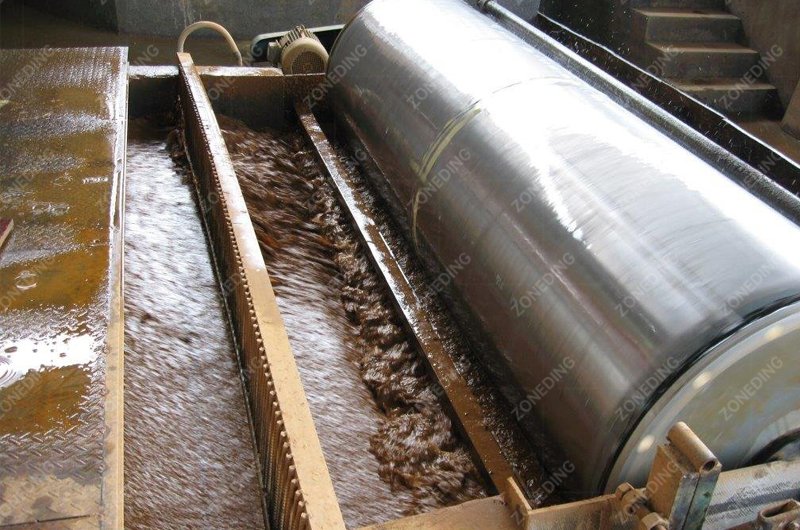
Wet drum magnetic separator
Dry magnetic separation
Guidelines for Configuration
Coarse Ore (>5mm): Use dry drum separators or magnetic pulleys.
Fine Ore (<3mm): Use wet drum separators for better purity.
Weak Minerals: Use High-Intensity (WHIMS) systems.
Strong Minerals: Use Low-Intensity (LIMS) systems.
How to optimize parameters for maximum recovery?
The rotation speed of the drum is the first thing to check. If the drum spins too fast, the centrifugal force throws the ore off. If it spins too slowly, the machine cannot handle enough tons per hour. The goal is to find a speed where the iron sticks but the sand falls. Most operators start at 20 RPM and adjust from there. A Vibrating Feeder should be used to ensure the ore enters the drum in a thin, even layer. The water level in the tank also changes the recovery rate. If the water is too high, it overflows and carries iron into the tailings. If the water is too low, the slurry becomes too thick. This thickness traps sand against the drum. The operator must adjust the overflow weir to keep the water level just right. This level should be checked every few hours. Changes in the ore feed can change how the water flows through the system. Magnetic flocculation is a common problem in the magnetic separation method. Magnetite particles become like small magnets themselves. They stick together and trap dirt. To fix this, use a drum with many poles that flip between North and South. This causes the particles to flip and tumble on the drum shell. This tumbling action releases the trapped dirt. It is the best way to get a premium grade.
Optimization Action Plan
Check Slurry Density: Keep the solids between 25% and 35% for the best flow.
Measure Magnet Strength: Use a Gauss meter to check for dead spots on the drum.
Adjust Drum Gap: Ensure the space between the tank and drum is even across the whole width.
What to check before buying a magnetic separator?
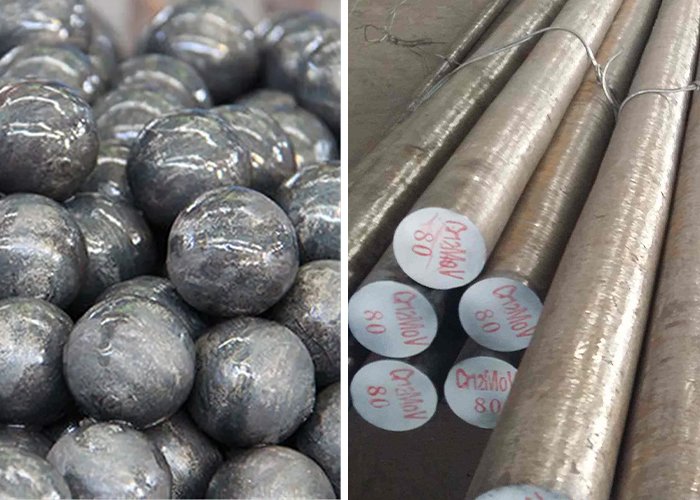
The quality of the magnets inside the drum is the most critical point. Some manufacturers use cheap magnets that lose power when they get hot. This happens often in tropical mines. Look for SH or UH grade magnets. These are rated for high temperatures. They stay strong even in 40-degree weather. A weak magnet leads to massive losses in the tailings pile over time. The drum shell must be made of high-quality stainless steel. Slurry is very abrasive. It acts like liquid sandpaper. A thin shell will wear through in just a few months. When the shell breaks, water enters the magnet area. This ruins the entire machine. Choose a shell that is at least 3mm thick. Some machines also use a rubber or ceramic liner on the outside. This liner takes the wear and is easy to replace. The sealing of the magnetic system is the last major check. The magnet block must be completely sealed from moisture. Water causes the magnets to rust and expand. This expansion can crack the stainless steel drum from the inside out. High-quality Beneficiation Equipment uses epoxy resin to fill all the gaps around the magnets. This makes the internal system a solid block that water cannot damage.
Inspection Checklist for Buyers
Component
Standard
Practical Benefit
Magnet Material
Neodymium (N42 or higher)
Maximum pull for fine particles.
Shell Material
304 Stainless Steel
No rust and long wear life.
Bearings
Heavy-duty with double seals
Keeps dust and water out of the motor system.
Tank
Thick steel with rubber lining
Prevents the tank from wearing through.
2026 Trends in the Magnetic Separation Method
The industry is moving toward larger drums to handle higher capacities. Some new drums are 1.5 meters in diameter and 4 meters long. These giants can process over 300 tons per hour in a single machine. There is also a trend toward “Intelligent Separation.” Sensors now monitor the iron content in the waste in real-time. If the iron level goes up, the computer automatically slows down the drum or changes the water flow.
Latest Technology at a Glance
Composite Magnet Circuits: Using different magnet types to create a more efficient field shape.
Energy-Free Systems: Moving away from electromagnets to save electricity.
Wear Sensors: Probes that warn when the drum shell is getting too thin.
Frequently Asked Questions
Question 1: Does the magnetic separation method work for copper? No, copper is not magnetic. But this method is used in copper mines to remove iron-bearing rocks. This makes the copper flotation process work much better. Question 2: How often do the magnets need replacing? Permanent magnets like Neodymium lose very little power. If they are kept dry and cool, they last for 15 to 20 years. The mechanical parts like bearings and liners will wear out much sooner. Question 3: What is the best slurry density for wet separation? Most plants run between 30% and 40% solids. If the slurry is too thick, the sand gets trapped. If it is too thin, the water speed is too high and washes away the ore. Question 4: Can magnets remove iron from gold ore? Yes. Gold is often found with “black sand” which is magnetite. Removing this sand with a magnet makes it easier to recover the gold on a Shaking Table. Question 5: Why is my concentrate grade suddenly dropping? Check the drum speed and the wash water. If the drum is too fast, it pulls waste. If the wash water is blocked, the sand stays on the drum and enters the concentrate. Question 6: Is the magnetic separation process environmentally friendly? Yes. It uses only physical force. It does not use acids or toxic chemicals like cyanide or collectors. The water used can also be recycled through a thickener.
Summary and Final Advice
The magnetic separation method is a reliable and cheap way to upgrade mineral value. Success comes from matching the magnetic field strength to the specific mineral type. High-intensity machines are for weak ores like hematite. Low-intensity drums are for strong ores like magnetite. Maintaining a steady feed and a clean water supply will keep recovery rates high. Always check the shell thickness and magnet sealing when buying new machines. A well-built separator will provide a steady profit for many decades.
About ZONEDING
ZONEDING MACHINE is a professional manufacturer of Beneficiation Equipment based in China. Since 2004, the factory has produced high-quality magnetic separators and Iron Ore Beneficiation lines. The company exports to 120 countries and provides full technical support. Every machine is built in an 8,000 square meter facility using advanced CNC tools. ZONEDING focus on durability and efficiency to help global mining companies reduce costs. Contact us for a professional production line design and a free quote.
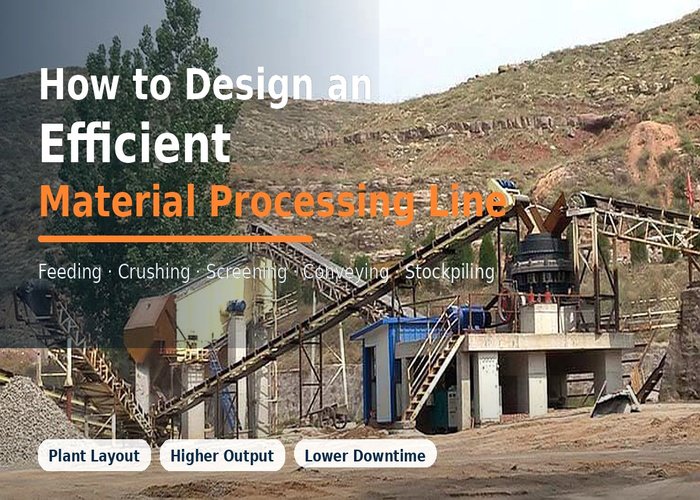
An efficient material processing line is the foundation of a profitable operation. Whether you are producing aggregates, processing minerals, manufacturing sand, or handling industrial raw materials, the success of your project depends on much mor...
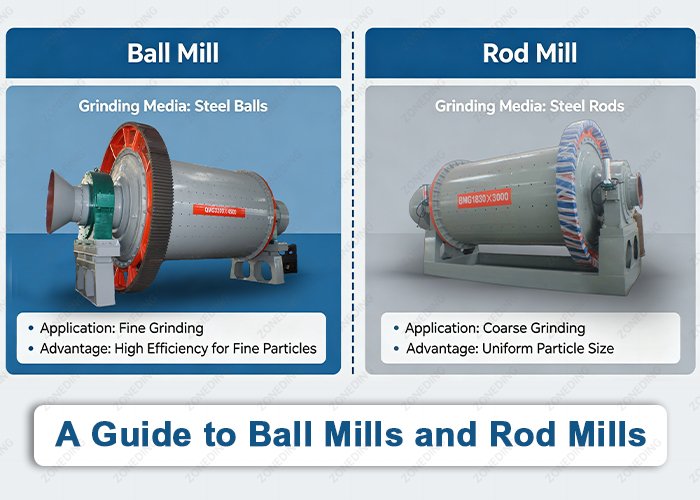
Selecting between a and a Rod Mill is a critical decision in mineral processing. This choice impacts recovery rates, power use, and overall plant profit. A ball mill uses steel balls to grind ore into fine powder. A rod mill uses long st...
Stone crushing is the first step in producing aggregates for roads, buildings, bridges, railways, and concrete plants. Every successful quarry or aggregate operation depends on choosing the right crushing method and equipment. However, many invest...
Choosing the right grinding equipment is the most critical decision for any mineral processing plant. Ball mills and rod mills serve different roles in size reduction. This guide provides a deep comparison of their advantages and applications. In ...
We use cookies to ensure that we give you the best experience on our website. If you continue to use this site we will assume that you are happy with it.
Privacy Policy
Send us a message
We would love to hear from you
Submit your question and our team will respond to the email provided as soon as possible.
 Zoneding Machine