 Zoneding Machine












Flotation Froth Problems: Causes, Diagnosis and Solutions
640Troubleshoot flotation froth problems, including unstable bubbles, excessive foam, low recovery, and gangue entrainment in mineral processing plants.
View detailsSearch the whole station Crushing Equipment
Aggregate plants face challenges with hard rock processing daily. Cone crushers in the aggregates industry solve this exact problem efficiently. High-grade construction projects require perfectly shaped stones constantly. These machines handle extreme wear and deliver reliable output. This guide explains the strict engineering boundaries of these heavy machines. It also provides practical ways to cut maintenance costs today.
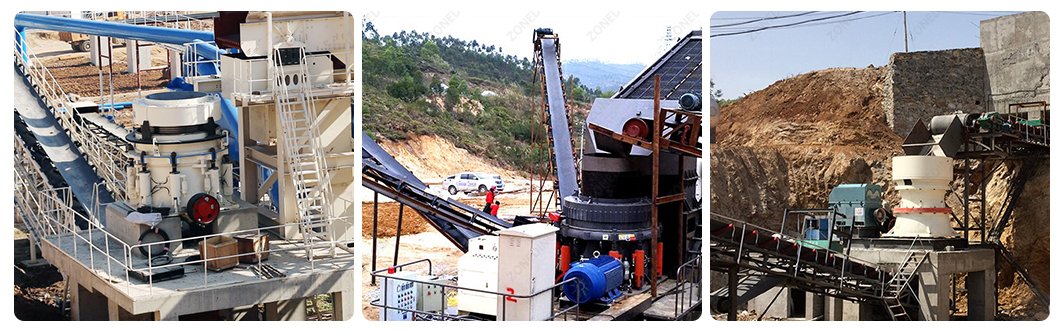
Cone crushers handle the secondary crushing stage and tertiary stages strictly. Direct sand making with these machines is never safe. The equipment takes coarse rocks from primary jaw crushers. It reduces these rocks to smaller manageable sizes efficiently. Plant data analysis shows a very common operational mistake. Forcing the machine to produce fine sand directly breaks the heavy equipment quickly. The engineering design has clear physical boundaries for safe continuous operation.
Tightening the discharge gap completely causes severe mechanical issues. Producing particles smaller than 4.75mm to save money causes massive damage inside the chamber. Fine rock dust creates a huge surface area instantly. This dust packs tightly inside the parallel crushing zone. This event is known as the packing phenomenon. The internal pressure rises beyond structural limits instantly. This extreme pressure snaps the thick main steel shaft. It shatters the internal bronze bowl bearing permanently. The machine must be used for super-fine crushing only. The optimal output target is a D80 size under 12mm. This specific size feeds downstream equipment perfectly. It protects primary equipment and maintains high plant capacity.
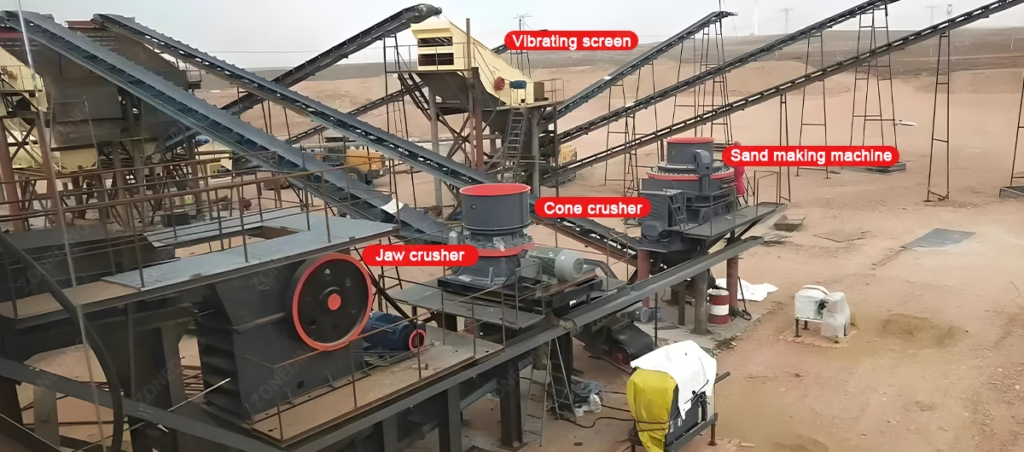
Controlling the feed size strictly every day is essential. All fine dust must be removed before the material enters the crushing chamber. The discharge gap should always stay above the manufacturer minimum limit. All material smaller than 12mm should go directly to the final vibrating screens. This simple routing prevents chamber packing completely. The aggregate production line equipment will run continuously without sudden electrical stops.
| Production Goal | Target Output Size | Mechanical Risk Level | Actual Plant Benefit |
|---|---|---|---|
| Secondary Crushing | 40mm – 60mm | Very Low | Provides maximum tonnage throughput |
| Tertiary Crushing | 12mm – 20mm | Low | Prepares perfect feed for sand makers |
| Direct Sand Making | Under 4.75mm | Extremely High | Risks catastrophic machine failure |
Hard rock aggregate processing relies on cone crushers to handle high-silica materials. Granite, basalt, and river pebbles destroy standard impact crushers in hours. Compressive crushing forces handle these highly abrasive rocks economically. Material science dictates the exact daily operational costs. Specific steel alloys are absolutely necessary to process hard quartz successfully.

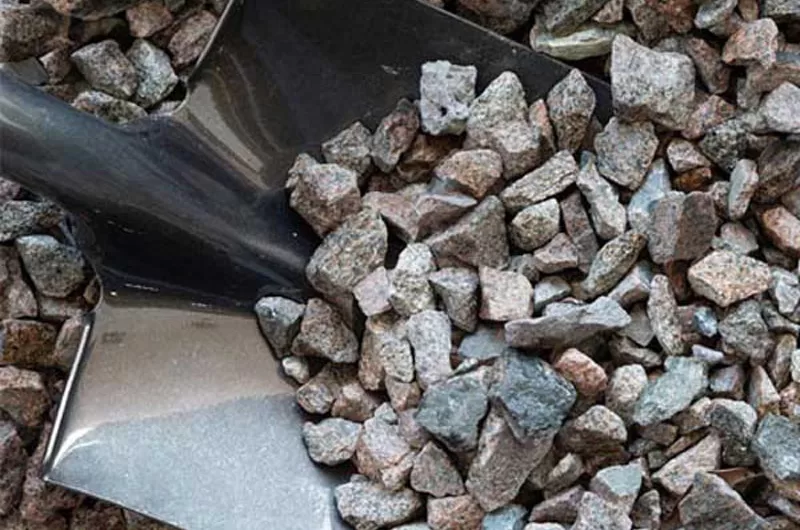
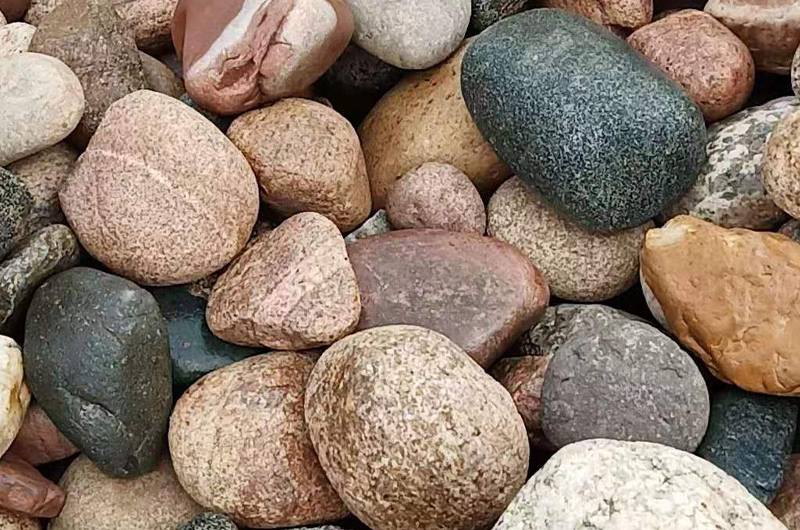
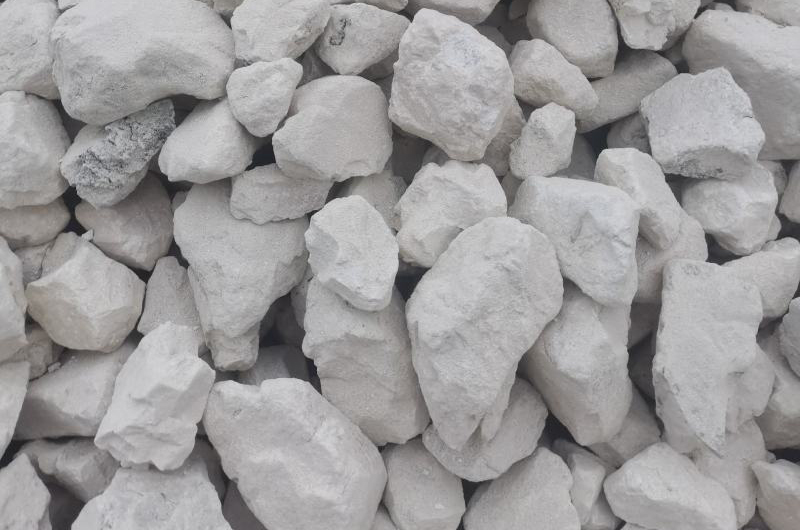
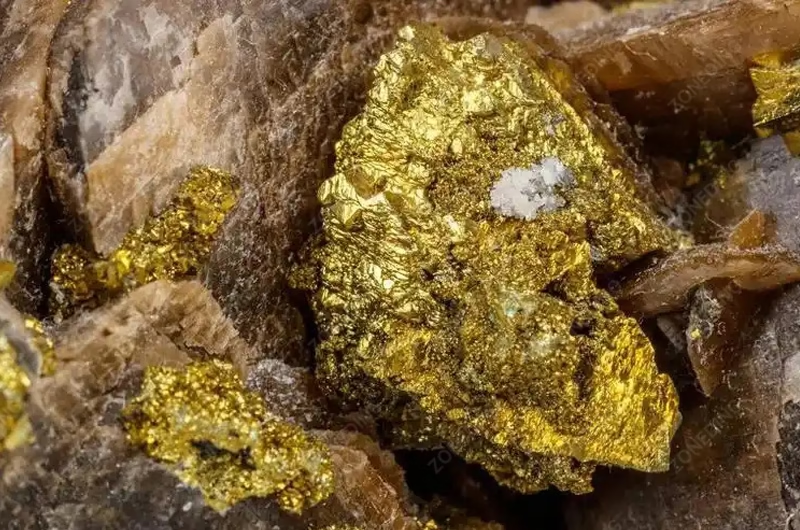
Standard manganese steel liners face severe challenges with high-quartz rocks. The hard rock wears the steel away extremely fast. The steel cannot work-harden fast enough to protect itself. The liner lifespan drops below 72 hours in extreme silica conditions. Frequent liner replacements cause massive daily production downtime. Large aggregate plants lose significant revenue during these long maintenance stops. Using the wrong metal in hard rock carries a high price. Many plants waste thousands of dollars on standard spare parts annually.
New material technologies push the boundaries of modern Cone Crushers. Metal Matrix Composites (MMC) are highly recommended for abrasive conditions. These parts embed hard ceramic inserts directly into the manganese base. The ceramic sits precisely in the highest wear zones of the liner. The initial purchase price is higher than standard steel liners. However, the operational lifespan extends three to four times longer. This reduces plant downtime and secures massive financial returns. The extra production time easily pays for the premium metal parts.
Inter-particle comminution improves aggregate particle shape and gradation significantly. Rocks crush against other rocks instead of just hitting the steel liners. This specific physical action produces highly cubical final stone products. Modern multi-cylinder machines maximize this exact rock-on-rock friction. This produces premium stones that meet strict highway construction standards.
Traditional industry beliefs state only vertical shaft impactors produce cubical aggregates. High-speed multi-cylinder crushers prove this old theory completely wrong. They operate with large eccentric throws and fast rotation speeds. The crushing chamber must remain completely full at all times. This specific operational method is called choke feeding. The closed-circuit system must maintain a very high circulating load. The circulating load should stay strictly between 150% and 200%. This dense rock environment shapes the stones perfectly inside the cavity. Flat and elongated pieces are eliminated naturally during the process.
This dense rock-on-rock friction drops the flakiness and elongation index below 8%. This physical process eliminates the need for extra shaping machines in many circuits. It saves massive amounts of electricity and maintenance time. The wear parts cost per ton drops by 70% compared to using impactors. Quality Stone Crushing Equipment delivers premium concrete aggregates efficiently. The final product always achieves a higher market premium.
An intelligent crushing system monitors motor active power and hydraulic support pressure directly. Millisecond data collection drives automatic wear compensation securely. This technology guarantees a perfectly stable aggregate gradation curve all day. Smart sensors are integrated into every major structural component. The machine adjusts itself continuously without any human intervention.

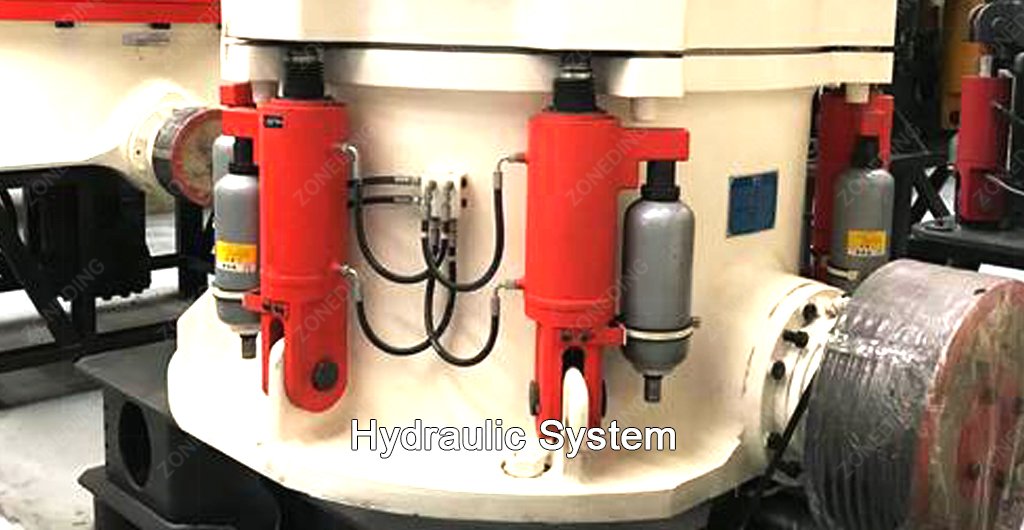
Steel liners wear down slightly every single operating hour. The actual physical discharge gap grows wider continuously as rock passes through. Manual adjustments require stopping the heavy feed belt completely. Future automation systems use dynamic power-pressure coupled algorithms. The sensors read the drive motor kilowatts and the main shaft hydraulic bar pressure. Dropping power and pressure indicate liner wear or empty rock chambers. The machine identifies exactly when it needs adjustment. Guessing the liner wear rate is no longer necessary.
The hydraulic system responds automatically to the real-time sensor data. It pushes the main shaft upward slightly to close the gap. This action tightens the setting without stopping the machine operation. The final product size remains absolutely consistent throughout the shift. The machine runs steadily at 95% of its rated electrical power. This constant optimization increases total plant capacity by 10% to 15%. Maximum efficiency is extracted from daily electricity usage.
Low energy consumption crushing equipment requires dynamic mechanical adjustments. Variable Frequency Drives (VFD) adjust the eccentric shaft speed based on actual rock conditions. This technology breaks the fixed mechanical parameter bottleneck. Systems are designed to use electricity only when the rock needs it. Power waste on empty chambers or soft materials is eliminated.
Almost all older stationary crushing machines run at fixed electrical speeds. Blasted rock sizes and hardness change daily in the active quarry. Fixed speeds waste electrical energy when processing soft rocks or small feeds. Future control setups install large VFD units on the main drive motors. Soft rocks or fine feeds trigger higher rotation speeds automatically. This increases total material throughput instantly. Hard rocks or large boulders trigger lower rotation speeds. The machine bites deeper into the rock safely. This prevents sudden dangerous electrical overloads.
Maintenance practices define cone crusher future trends heavily today. Technicians use 3D laser scanners during routine maintenance stops. They scan the internal crushing chamber to map the exact wear profile. Specialized software calculates the remaining safe lifespan of the steel precisely. This technology drops the discarded steel scrap value safely below 20%. Replacing expensive metal parts too early is successfully avoided. Massive amounts of money are saved on annual spare parts budgets.
A tracked mobile cone crusher excels in dynamic quarries and temporary infrastructure projects. Tracked chassis eliminate the need for expensive concrete foundations completely. The heavy equipment moves directly to the active rock face. These units handle rough terrain and frequent site changes easily. Rock crushing can start on the very first day of delivery.
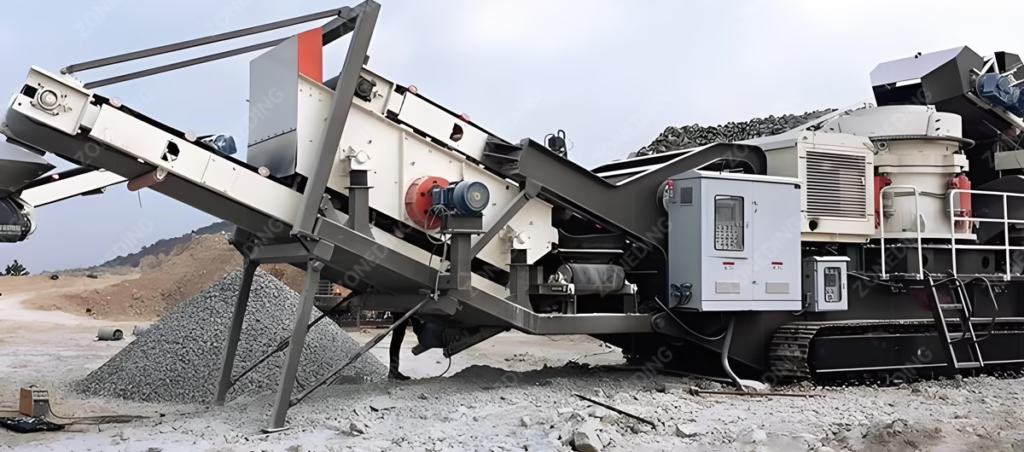
Building fixed crushing plants takes months of heavy civil engineering work. Moving blasted rocks to fixed plants requires expensive diesel dump trucks. A Tracked Cone Crushers unit drives right up to the working excavator. The excavator loads the machine hopper directly from the rock pile. The crushed rock travels out via short folding conveyors. The machine drives to the new location when the rock face moves. A massive portion of daily haulage costs is eliminated entirely. The operation becomes highly flexible and profitable.
These tracked units also process hard concrete rubble in tight city demolition sites. They crush reinforced concrete blocks into reusable road base materials right on site. The onboard magnetic separators remove steel rebar automatically during the process. The high mobility slashes urban transport and landfill costs completely. Waste turns into a valuable product without moving it twice. Our Mobile Crushing and Screening Plant solutions fit these specific recycling scenarios perfectly.
Question 1: Why does inter-particle comminution require choke feeding?
Choke feeding keeps the chamber completely full of rocks. Empty spaces allow rocks to fall through without receiving enough compression. Full chambers force rocks to grind against each other for perfect shaping.
Question 2: How often should operators run 3D laser scans on liners?
Scanning every two weeks provides excellent wear tracking data. This schedule builds a reliable historical wear profile. The data prevents removing liners too early and wasting money.
Question 3: Can VFD systems install on older stationary crushers?
Yes. Upgrading the electrical cabinet with a VFD works very well. The motor must handle variable speeds without overheating. This upgrade improves plant energy efficiency significantly.
Question 4: What is the ideal feed size for secondary crushing stages?
Secondary crushing machines usually accept rocks between 100mm and 200mm. The exact size depends on the specific chamber design. Removing smaller stones before feeding prevents chamber packing safely.
Question 5: How do Metal Matrix Composites handle highly abrasive rocks?
These advanced liners use hard ceramic inserts cast directly into the steel matrix. The ceramics resist the extreme cutting forces of quartz and silica. This technology extends wear life significantly during hard rock aggregate processing.
Question 6: Why do hydraulic pressure spikes occur during continuous operation?
Sudden pressure increases usually indicate uncrushable materials entering the chamber. Overfeeding fine dust also causes dangerous pressure spikes. Intelligent crushing systems automatically open the gap to let these hazards pass safely.
ZONEDING manufactures heavy-duty mineral processing and aggregate equipment for global markets. The engineering team designs robust multi-cylinder hydraulic machines for maximum reliability. Strict manufacturing tolerances are maintained to withstand extreme hard rock environments.
Contact the technical department for detailed rock testing. Request a complete crushing circuit efficiency analysis for current plant operations today.
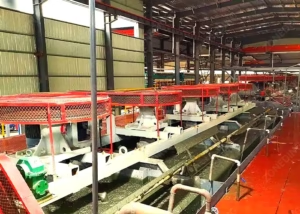
Troubleshoot flotation froth problems, including unstable bubbles, excessive foam, low recovery, and gangue entrainment in mineral processing plants.
View details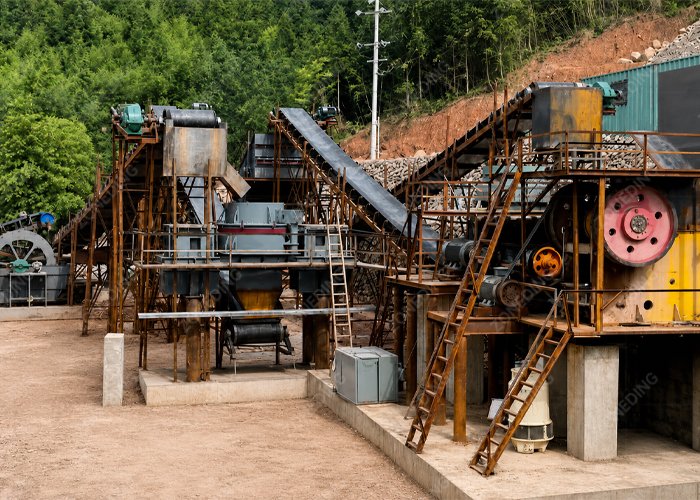
For decades, natural river sand was considered the standard material for concrete, mortar, and infrastructure projects. Today, that situation is changing rapidly. Many contractors, concrete producers, and aggregate companies are asking: Is machine...
View details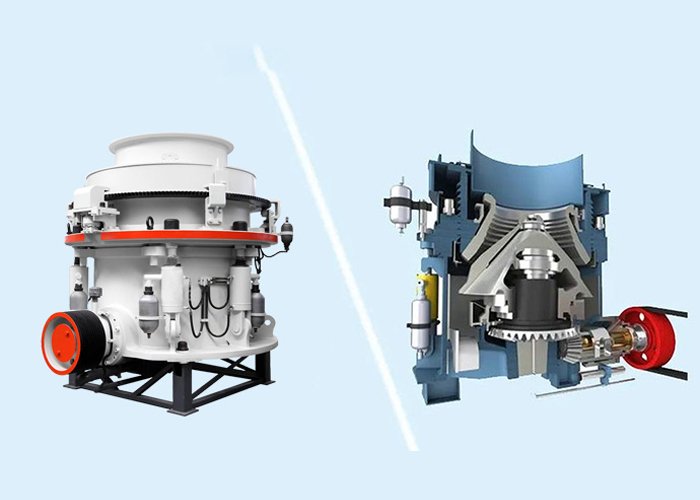
A cone crusher working principle differs significantly from simple impact crushers. It is a high-precision machine designed for hard rock processing. Success in mining or aggregate production depends on the balance between eccentric spee...
View details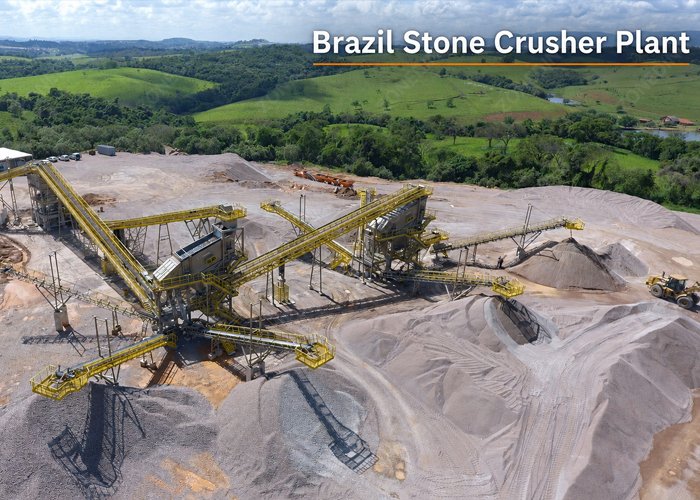
Brazil stone crusher plant solutions for granite, basalt, limestone, and river stone. Compare 50–500 TPH circuits, plant types, and site needs.
View details