Many investors consider alluvial operations simple dirt-washing tasks. However, commercial-grade operations face severe technical challenges daily. A successful demands precise engineering to match the physical ore characteristics. This guide reveals the strict mechanical requirements and common operational failures. It explains exactly how to prevent microscopic metal losses and manage heavy clay effectively.
How to Evaluate Placer Gold Grade and Mining Value Accurately During Early Exploration?
Accurate placer gold grade evaluation requires bulk sampling and trenching instead of standard core drilling. Standard drill bits push heavy metal particles away or sink them deeply into the mud. This mechanical action destroys the sample accuracy completely. Drill data often underestimates the real deposit grade by 30% to 50%. Standard core drilling works perfectly for hard rock veins but fails completely in loose alluvial gravel. When high-pressure water flushes the drill hole, heavy metal particles sink extremely fast due to their high specific gravity. This physical movement makes drill core samples highly unreliable. Relying solely on these inaccurate drilling reports to build a large processing plant causes massive financial disasters. The correct exploration method uses heavy excavators to dig deep vertical trenches. Operators extract massive bulk samples weighing several tons from different ground layers. Testing these large volume samples reveals the true mineral content accurately.
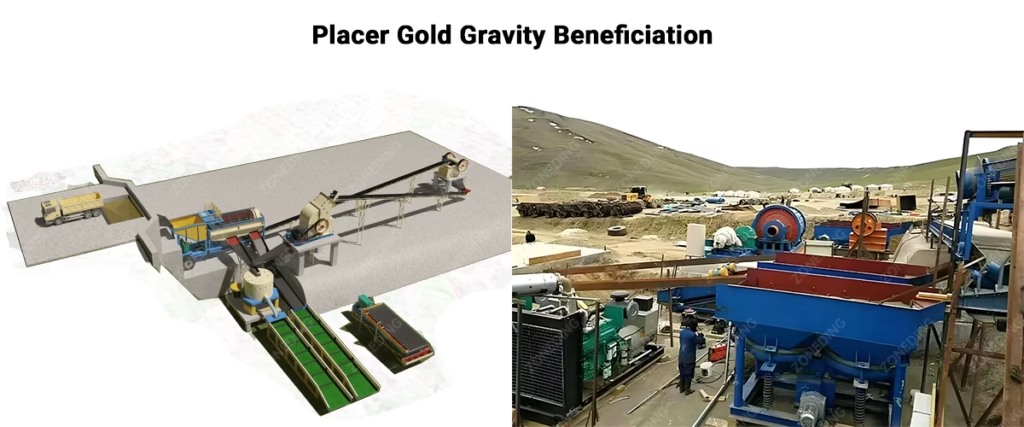
Placer Gold Processing
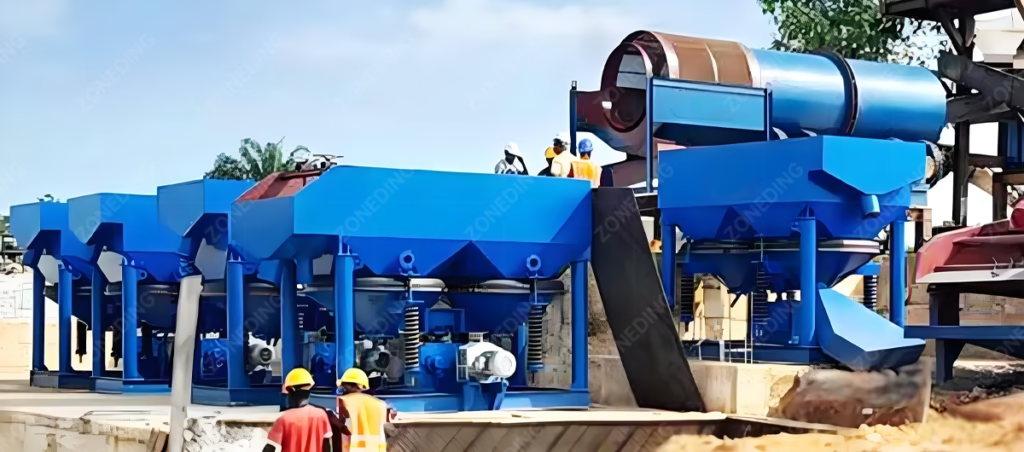
Placer Gold Processing Site
Using a Pilot Wash Plant for Bulk Testing
A small pilot wash plant processing 5 to 10 tons per hour is highly recommended before full-scale construction. This small mobile setup acts as a real-world testing facility. Processing a few thousand tons from various depths proves the actual commercial value. The pilot run identifies potential clay issues and fine sand ratios early. This preliminary testing costs a tiny fraction of the total capital budget. It prevents multi-million dollar mistakes and ensures the final plant design matches the actual ground conditions perfectly.
Exploration Method
Sample Volume
Accuracy Level
Financial Risk
Core Drilling
Very Small
Poor
Extremely High
Excavator Trenching
Medium
Good
Moderate
Pilot Wash Plant
Massive (Tons)
Excellent
Very Low
Practical Exploration Tips
Dig deep trenches: Use excavators to expose the complete gravel profile down to the bedrock.
Test bulk tonnage: Process multiple tons of material instead of testing small soil bags.
Analyze the bedrock: Always clean and test the bottom rock layer where the heaviest particles settle.
How to Choose High Clay Content Washing Equipment for Raw Ore?
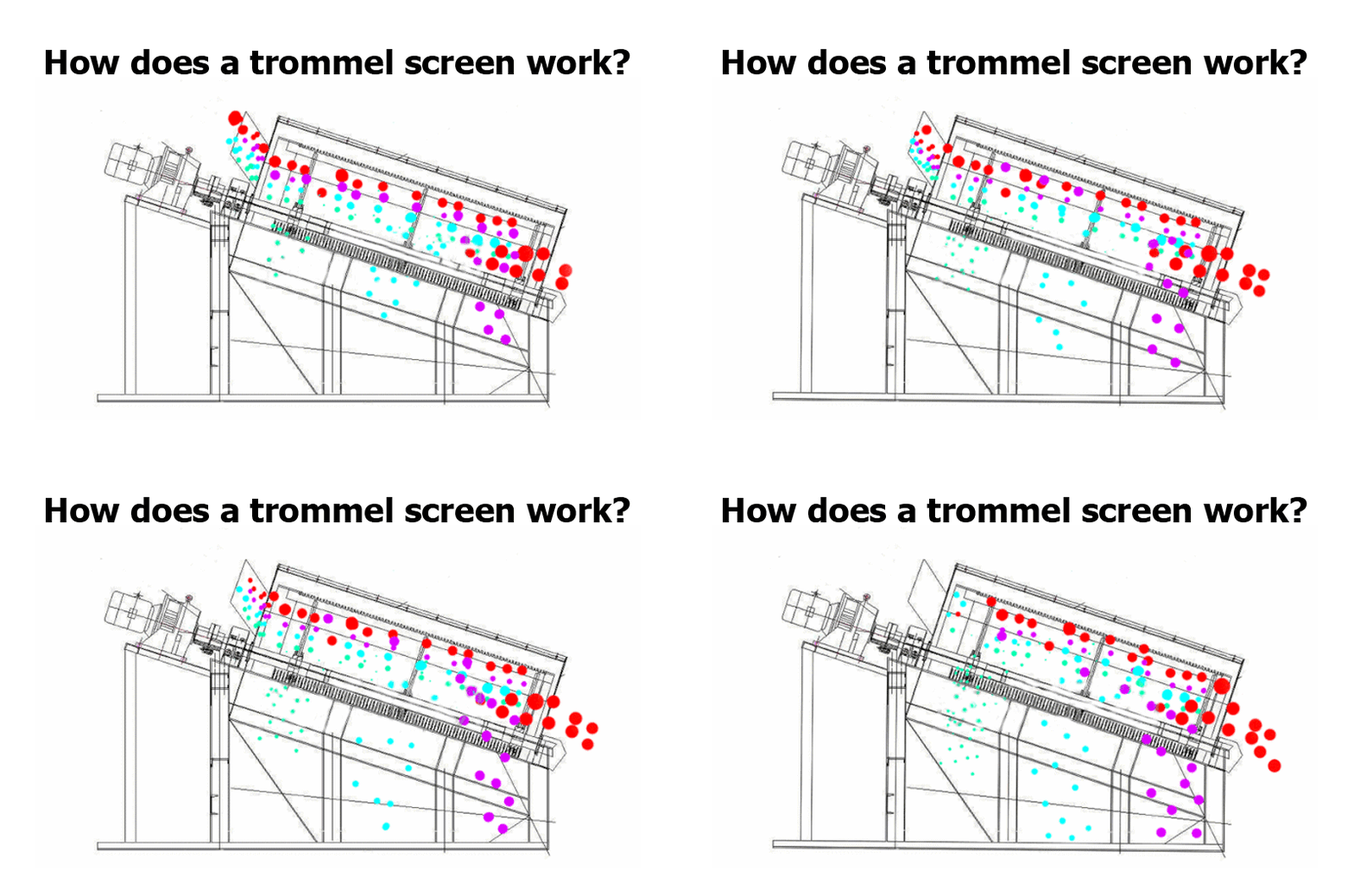
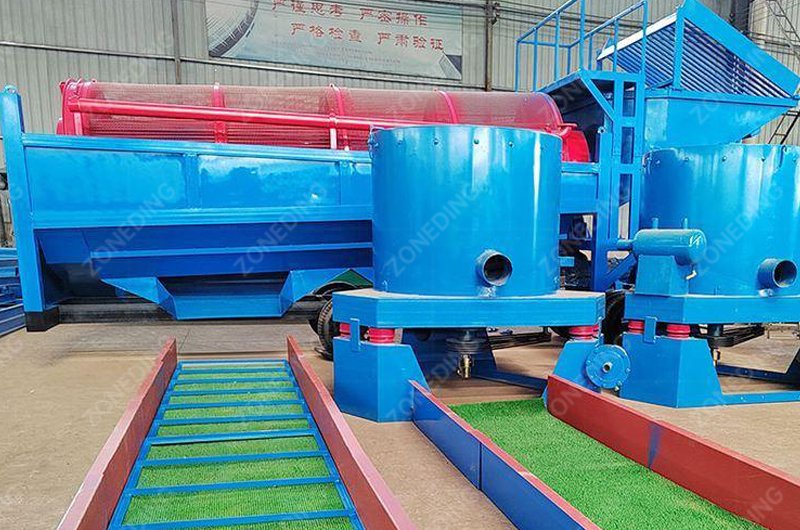
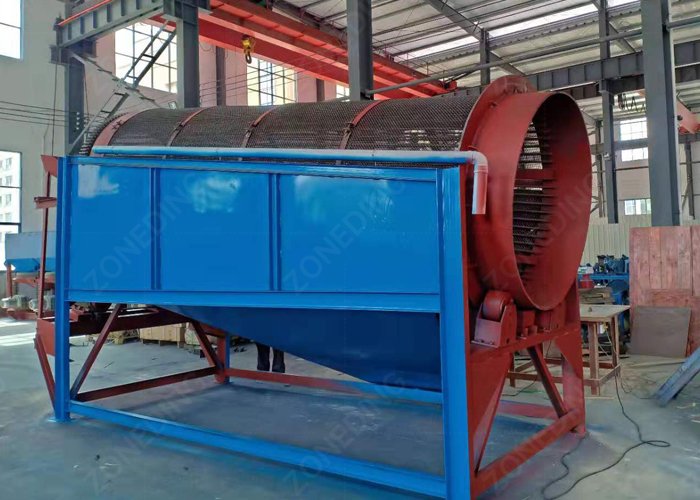
High clay content washing equipment must use rotary scrubbers to break down sticky materials violently. Standard trommel screens fail completely when processing sticky mud. Clay wraps around the heavy particles quickly. The unwashed clay rolls out of the screen and carries the precious metal directly to the waste pile.
Rotary Scrubber working principle
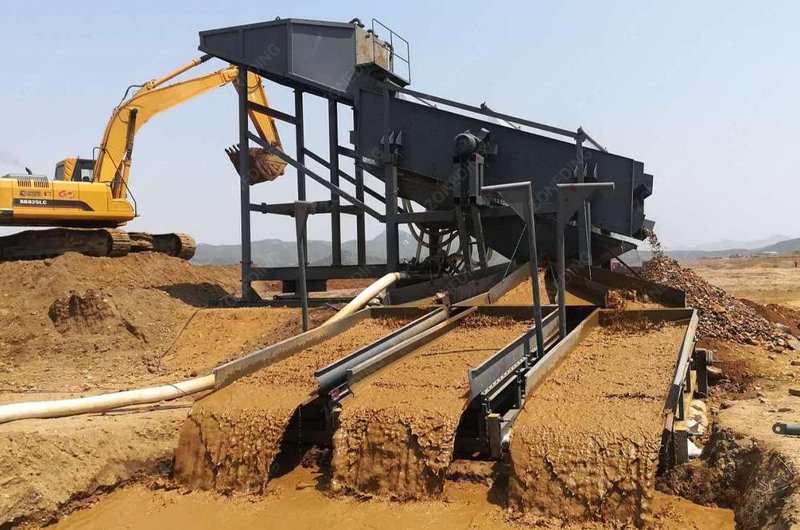
Rotary Scrubber and Other Ore Washing Equipment
Clay is the absolute silent killer of any alluvial mining operation worldwide. Standard screening machines simply rotate the material without applying enough physical force. Sticky clay forms large hardened balls inside these standard machines. These balls act exactly like snowballs, picking up more sand and valuable particles as they roll. Water alone cannot dissolve these compacted structures during a short screen rotation. Any ore body containing more than 15% clay requires heavy-duty mechanical scrubbing. A rotary scrubber contains aggressive internal steel lifter bars. These thick steel plates lift the heavy rocks and drop them continuously from a height. This violent physical tumbling breaks the mud matrix apart by sheer mechanical force.
Breaking the Clay Matrix
High-pressure water jets spray directly inside the heavy cylinder to wash the liberated particles perfectly clean. This specific mechanical action destroys the sticky clay matrix completely. The valuable heavy metals are released freely into the downstream recovery circuit. Choosing the right alluvial gold extraction equipment depends entirely on understanding this specific material behavior. Standard screens only sort sizes, while scrubbers actively destroy mud structures.
How to Configure Gravity Separation Equipment to Improve Fine Gold Recovery Rate?
Improving the fine gold recovery rate requires strict material sizing before any gravity separation begins. All gravity equipment operates on the equal settling ratio principle. A large piece of light quartz falls through water at the exact same speed as a tiny piece of heavy metal. Sending mixed gravel directly into a recovery system creates massive metal losses instantly. Operators often dump 20mm rocks and 0.1mm fine sand together into a single large sluice box. The fast water speed required to push the large rocks simply washes all the fine particles away. Successful plants divide the ore strictly by physical size first. Material larger than 6mm flows into coarse sluices equipped with heavy steel riffles. The medium fraction between 2mm and 6mm enters a Jigging Separator Machine. Jigs handle this medium size efficiently using a continuous pulsating water bed. The fine material smaller than 2mm contains the most valuable microscopic particles.
Fine Gold Recovery Rate
Overcoming Surface Tension
This precise fine fraction requires advanced centrifugal technology. Standard sluice boxes fail here because fine powder floats on the water surface tension. The turbulent water simply pushes the microscopic particles out to the waste pond. Implementing a strict sizing process ensures every piece of equipment operates within its correct physical limits. Centrifuges apply massive G-forces to break the surface tension, capturing particles that traditional sluices lose entirely.
How to Design Washing Water Recycling Systems in Water-Scarce Areas?
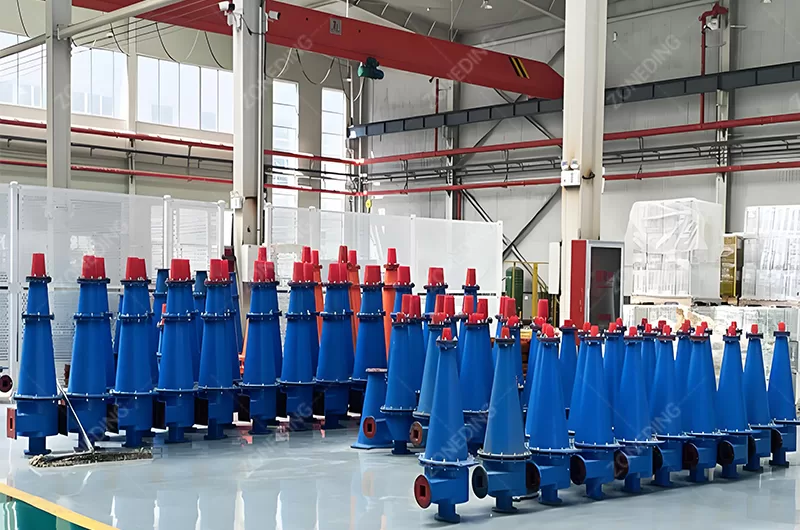
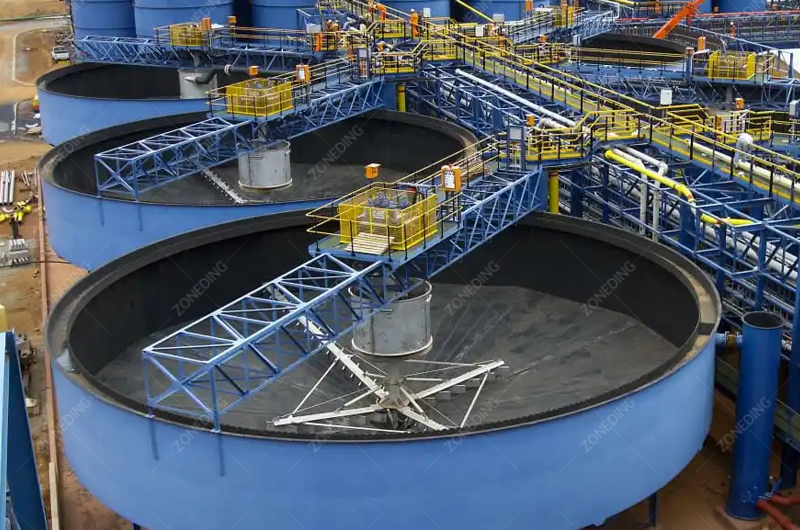
A washing water recycling system uses multi-stage settling ponds and mechanical thickeners to reuse 80% of process water. Placer mining consumes massive volumes of clean water continuously. Pumping fresh river water over long distances destroys the project operating budget rapidly. Water management dictates the exact economic lifespan of the entire mining operation. Many sites stop working simply because diesel pumping costs exceed daily revenues. Washing one cubic meter of sticky gravel requires up to ten cubic meters of high-pressure water. Relying purely on diesel pumps to transport fresh water is rarely sustainable in dry regions. A smart engineering design includes a closed-loop water circuit directly from day one. The system pumps the dirty mud tailings into large mechanical separators. Hydrocyclones spin the heavy sand out of the muddy water in seconds. The remaining thick muddy liquid flows directly into a deep cone thickener tank.
Hydrocyclones
Thickener Concentrator
Chemical Flocculation Process
Adding specialized chemical flocculants makes the suspended microscopic clay particles clump together rapidly. The heavy mud sinks to the bottom of the tank immediately. Clean, clarified water overflows at the top edge of the High Efficiency Concentrators. This clean water returns directly to the main washing plant under high pressure. This efficient method slashes daily diesel pumping expenses dramatically. It also prevents muddy water from flooding the surrounding natural environment.
Why is a Mobile Gold Washing Plant Better for Scattered Alluvial Deposits?
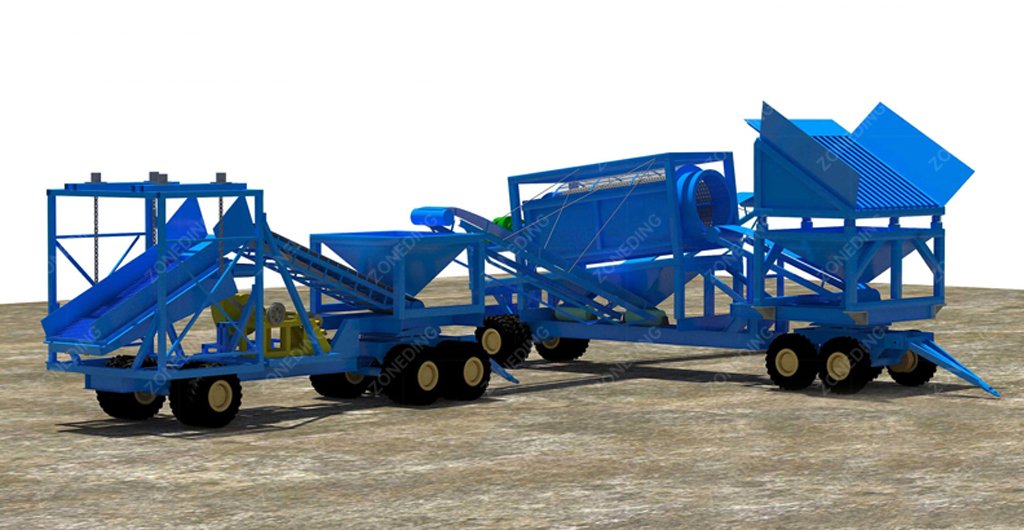
A mobile gold washing plant moves directly to the active digging face to eliminate costly raw material transport. Scattered alluvial deposits lack a massive centralized ore body. Tracked or wheeled equipment eliminates heavy dump truck haulage costs completely.
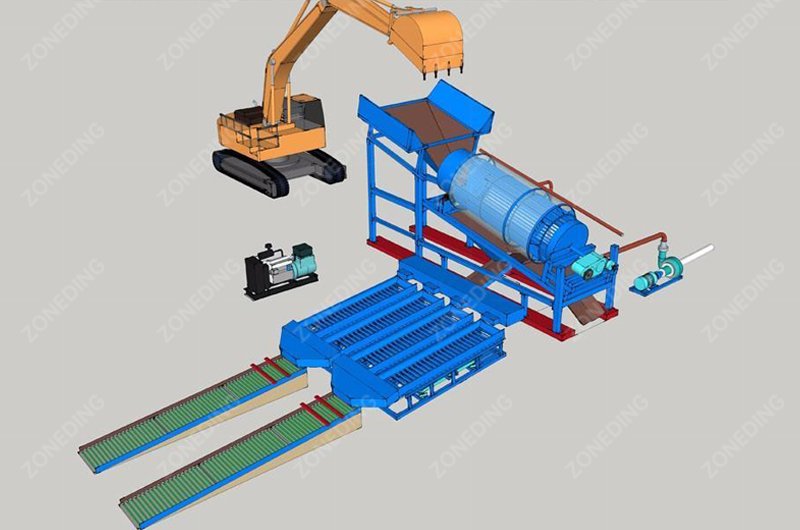
Mobile Gold Washing Plant
Traditional stationary plants require heavy concrete foundations and long construction times. Dump trucks burn expensive diesel fuel carrying low-grade gravel from the river to these fixed locations. This traditional approach fails economically on shallow, widely spread riverbed deposits. Mobile equipment changes the entire financial cost structure immediately. A complete mobile washing unit mounts securely on heavy-duty steel tracks or wheels. Excavators load the raw gravel directly into the machine hopper right at the active digging site. When the local gravel runs out, the entire machine drives to the next rich zone within hours.
Eliminating Haulage Costs
This extreme physical flexibility maximizes actual digging time. The operation avoids paying for expensive heavy truck fleets and continuous dirt road maintenance. The mobile system integrates heavy scrubbers, vibrating screens, and recovery modules into one compact robust unit. Production begins the very same day the equipment arrives on the mine site. This rapid deployment generates immediate cash flow for the investors without waiting months for civil construction.
What are the Tailings Treatment Standards for Placer Gold Projects under Environmental Policies?
Environmental policies require zero chemical usage, relying entirely on physical gravity separation and secure tailings discharge. Modern alluvial operations must not use toxic mercury at any stage. Gravity methods produce clean tailings, while final concentrates are handled securely inside locked rooms. Environmental regulators monitor mine water discharge strictly worldwide. Traditional manual panning processes often involve illegal chemical use to catch fine metal flakes. This toxic chemical poisons rivers and causes massive long-term environmental damage. Modern commercial operations replace all manual handling with pure mechanical physical processes. The main plant produces a heavy mineral concentrate without adding any chemical solvents. This coarse concentrate pumps automatically through secure pipes into a highly secure processing room. Inside this locked facility, Shaking Tables perform the final high-precision separation physically.
Secure Final Upgrading
The continuous shaking action isolates the pure heavy dust from the black sand using only clean water. The operator smelts this pure product directly into solid bullion bars on site. This automated process achieves two critical operational goals simultaneously. It eliminates toxic chemicals to meet strict environmental tailings standards completely. It also removes human physical contact with the final product, stopping site theft entirely.
2026 Latest Technology Developments and Trends
Automation redefines the modern alluvial sector rapidly. Sensor technology now monitors the density of the incoming mud slurry in real-time. The processing equipment adjusts high-pressure water flow rates automatically to maintain the perfect specific gravity balance. This reduces water waste and maximizes metal recovery simultaneously.
Latest Tech Highlights
Automated Feed Control: Smart sensors adjust the main conveyor speed to prevent the scrubber from overloading.
High-G Centrifuges: New internal rotor designs increase physical forces to capture microscopic flat flakes efficiently.
Smart Flocculation: Water systems inject settling chemicals automatically based on the real-time mud density readings. Investors demand higher accountability and clean practices from remote mining sites today. Digital tracking systems record exact production metrics and water usage continuously. Operations minimizing environmental impact secure operating government permits much faster. Pure physical separation techniques dominate the entire industry completely.
Frequently Asked Questions
Question 1: How does a water centrifugal concentrator catch fine gold? The machine spins extremely fast, creating massive internal gravitational force. This physical force pushes microscopic heavy particles into special grooved recovery rings. It overcomes the water surface tension that causes losses in traditional flat sluices. Learn more about the water centrifugal concentrator capabilities. Question 2: Why do ordinary screens fail with high clay content? Screens lack the aggressive internal lifting and dropping action needed to smash sticky clay. The clay simply rolls over the steel screen surface, trapping the valuable heavy particles tightly inside the mud balls. Question 3: What causes the nugget effect during drill sampling? A tiny exploration drill bit might randomly hit a large metal piece, or miss the metal entirely in loose gravel. This random chance creates highly inaccurate grade data. Bulk sampling tests a much larger dirt volume to provide realistic averages. Question 4: Can shaking tables process raw unwashed ore directly? No. Shaking tables handle highly concentrated materials only. Feeding raw gravel damages the delicate table surface instantly. They belong inside the secure final upgrading room.
Summary and Recommendations
A successful alluvial mining operation requires deep geological understanding and precise mechanical engineering. Accurate trench sampling prevents disastrous plant sizing errors early on. Heavy rotary scrubbers break down sticky clay to prevent metal from rolling to the tailings pile. Strict material sizing ensures gravity equipment operates efficiently. Implement a closed-loop water thickener system to cut daily diesel pumping costs. Choose tracked mobile units for scattered river deposits to eliminate heavy truck haulage. Design a highly secure, chemical-free final upgrading room with automated shaking tables. Following these strict engineering principles guarantees a profitable and environmentally safe operation.
About ZONEDING
ZONEDING manufactures heavy-duty mineral processing and washing equipment for global alluvial mining markets. The engineering team designs robust trommel scrubbers and water recycling systems for maximum reliability in harsh environments. Strict manufacturing tolerances are maintained to withstand extreme abrasive conditions. Contact the technical departmentfor detailed clay testing and flow sheet design. Request a complete washing circuit efficiency analysis for current mining operations today.
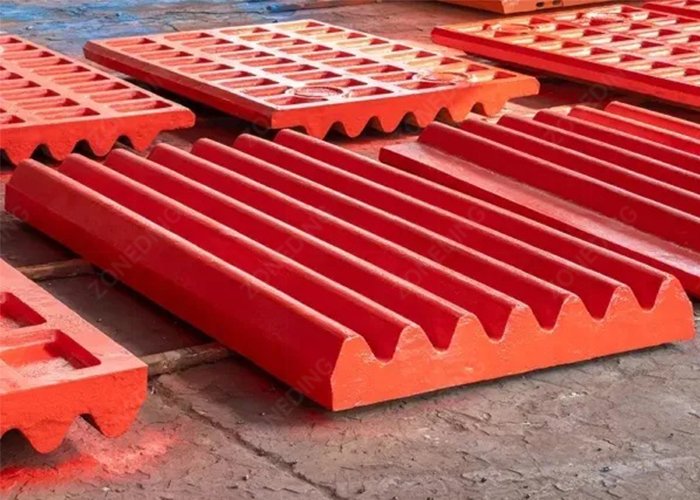
Many quarry operators spend months comparing crusher models, motor power, and production capacity. However, very few spend the same amount of time evaluating the jaw plates that actually perform the crushing. That oversight can become surprisingly...
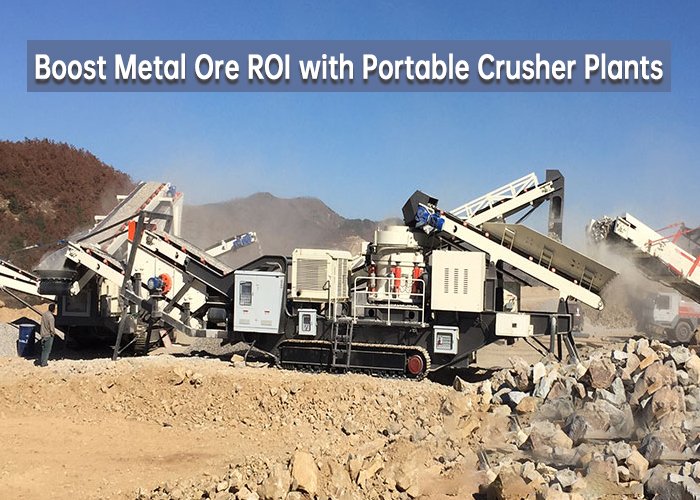
Choosing a high-performance portable crusher plant for metal ore is the fastest way to increase your mining profits in 2026. Many mine owners waste 30% of their budget on truck fuel and road construction. I believe a mobile station solves this by ...
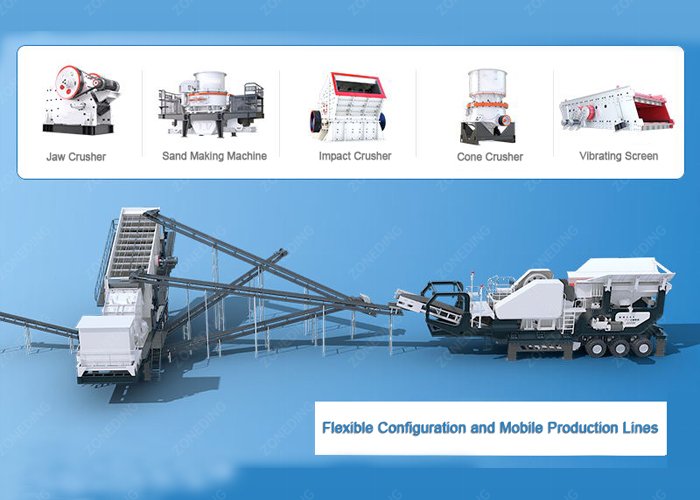
Investing in a mobile crushing station for mining requires careful equipment selection. Showroom specifications often fail in actual quarry environments. Remote mines lack reliable power grids, clean air, and fast internet. Standard equipment conf...
Many gold miners focus on recovery equipment such as concentrators, sluices, jigs, and shaking tables. However, experienced operators know that recovery begins long before gold reaches those machines. It starts with proper washing, screening, and ...
We use cookies to ensure that we give you the best experience on our website. If you continue to use this site we will assume that you are happy with it.
Privacy Policy
Send us a message
We would love to hear from you
Submit your question and our team will respond to the email provided as soon as possible.
 Zoneding Machine