Many investors consider gold cyanidation extraction a simple chemical reaction. Commercial-grade operations face severe mechanical and metallurgical challenges daily. A successful plant demands precise engineering to match the specific ore chemistry. This guide reveals the strict operational requirements behind the CIL gold extraction process. It explains exactly how to prevent microscopic gold losses and manage toxic tailings effectively.
What Are the Core Principles of CIP and CIL in Gold Cyanidation Extraction?
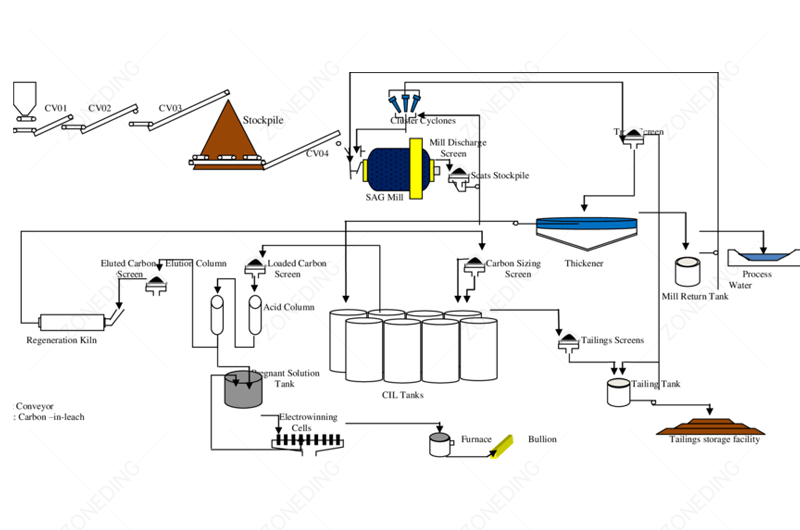
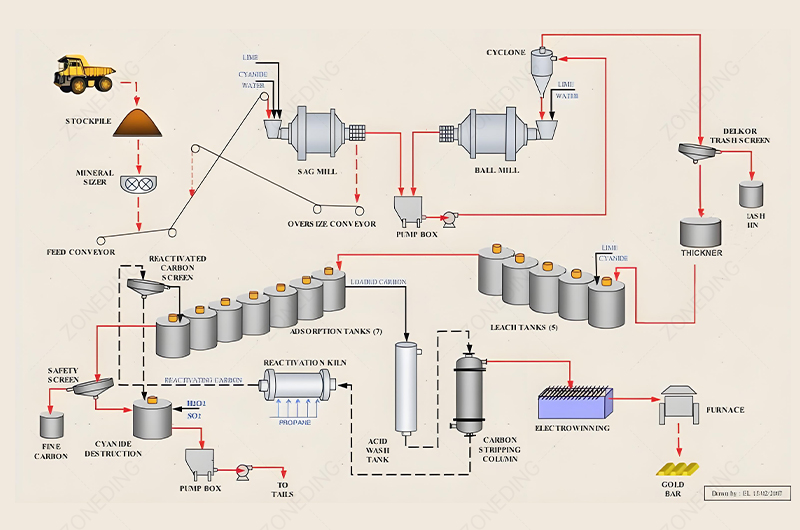
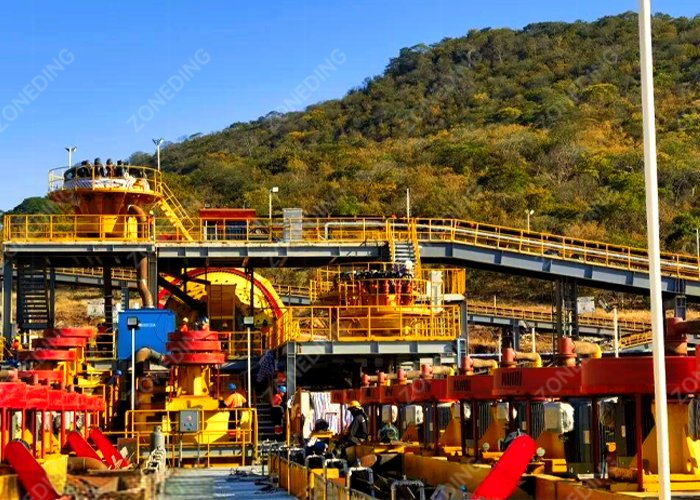
Both methods use sodium cyanide to dissolve gold and activated carbon to adsorb it. CIP stands for Carbon in Pulp. CIL stands for Carbon in Leach. The fundamental difference lies entirely in the sequence of leaching and adsorption. In a standard plant, ore pulp first leaches in several large tanks without any carbon. The cyanide chemicals dissolve the solid gold particles into a liquid state completely. The slurry then moves to a separate group of tanks where operators add the activated carbon. The carbon captures the dissolved gold from the liquid. In the CIL gold extraction process, the leaching and carbon adsorption happen simultaneously in the exact same tanks. Cyanide dissolves the gold, and carbon adsorbs it immediately. This simultaneous action prevents early gold loss effectively.
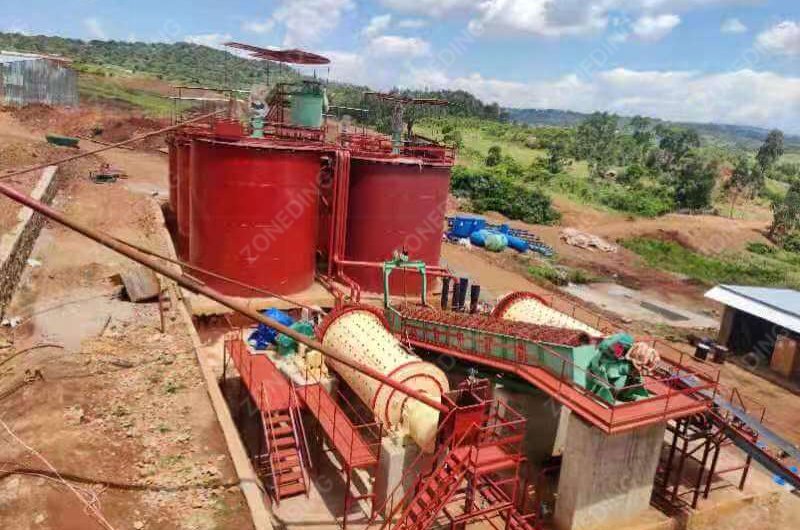
Gold Beneficiation CIL
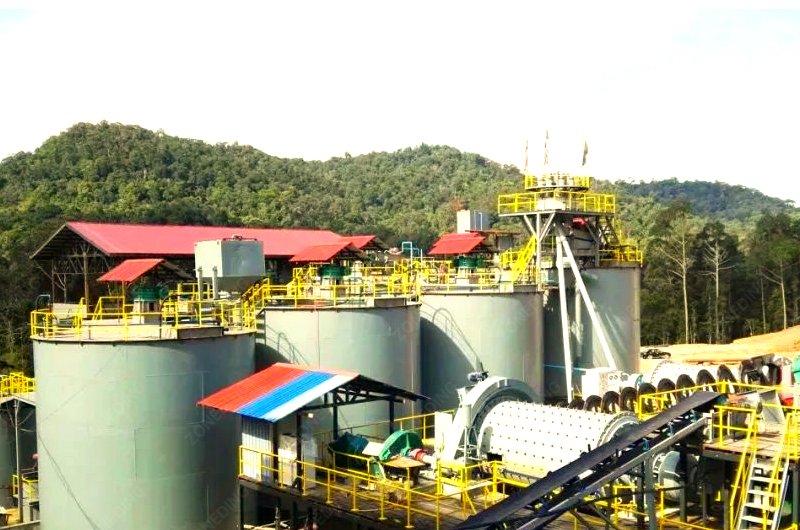
Gold Beneficiation CIP
Managing Preg-Robbing Effects
Natural organic carbon exists inside many raw gold ores. This natural material acts exactly like commercial activated carbon. It steals dissolved gold from the chemical solution. The CIL method solves this specific problem perfectly. Fresh commercial carbon enters the tanks immediately as leaching starts. The highly active commercial carbon outcompetes the natural organic matter quickly. This rapid action saves the precious metal from returning to the solid waste pile.
Process Feature
CIL (Carbon in Leach)
CIP (Carbon in Pulp)
Practical Plant Impact
Operation Sequence
Simultaneous
Sequential
CIL saves tank construction costs.
Equipment Volume
Fewer Tanks
More Tanks
CIP requires more electricity to agitate.
Ore Suitability
High Natural Carbon
Low Natural Carbon
CIL prevents preg-robbing losses.
Practical Operational Tips
Test raw ore early: Analyze the natural organic carbon content before designing any plant.
Monitor cyanide levels: Maintain precise chemical concentrations in the first two tanks constantly.
Check carbon hardness: Buy premium hard carbon to withstand the violent mechanical agitation.
What Are the Key Process Differences Between CIL and CIP in Actual Gold Plants?
CIL requires fewer tanks overall because it combines two major steps. CIP needs separate tank groups, increasing capital construction costs. CIP handles lower grade ores and complex minerals better.
Gold CIL Plant
CIP Gold Plant
Process sequence changes the entire factory layout. A standard CIP plant might need six large leaching tanks followed by six separate adsorption tanks. A CIL plant only needs a total of seven or eight tanks to complete the same job. Less heavy equipment means significantly lower daily power consumption. However, carbon in a CIL tank stays much longer and grinds heavily against raw ore particles. This constant physical friction causes some carbon to break down into fine powder.
Controlling Carbon Wear
Fine carbon powder carries adsorbed gold out to the tailings pond. CIP operations experience much less carbon wear because the leaching and adsorption times are shorter and strictly separated. Plant managers must balance the initial construction savings of CIL against the higher carbon replacement costs. Choosing the correct process depends entirely on a detailed metallurgical laboratory test.
Which Cyanidation Process Suits Ores with Associated Silver or Different Gold Grades?
High silver ores mandate the CIP process. High-grade gold ores also perform much better with CIP. Ordinary or low-grade gold ores with high carbon content match CIL perfectly. Silver dissolves much slower than gold in weak cyanide solutions. If a plant uses CIL for high-silver ore, the activated carbon fills up with silver extremely fast. This requires massive carbon volumes and huge, expensive stripping systems. CIP allows the slow-reacting silver to dissolve fully in the early tanks before any carbon enters the system. High-grade gold ores create a similar problem. Rapid dissolution creates highly concentrated gold solutions. The simultaneous CIL process struggles to supply enough carbon fast enough to catch all the dissolved metal. CIP handles high-grade surges easily by adjusting the carbon feed rate independently in the final tank section.
What Core Stages Build a Complete CIL/CIP Gold Processing Production Line?
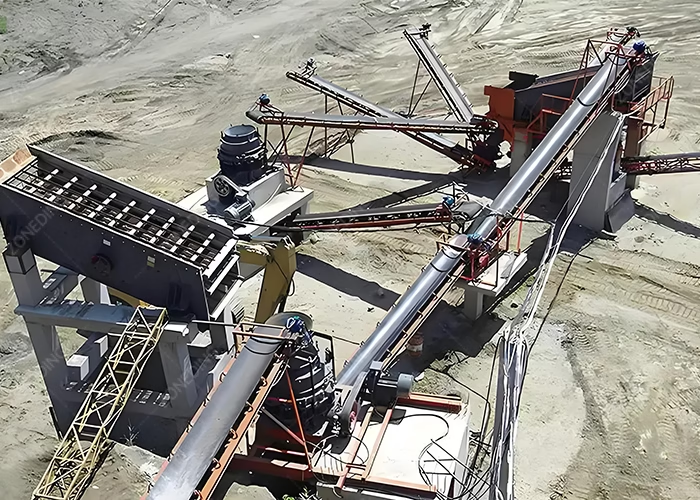
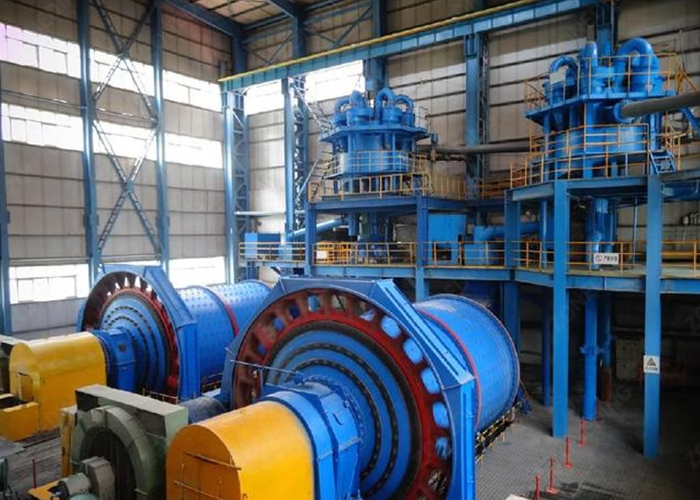
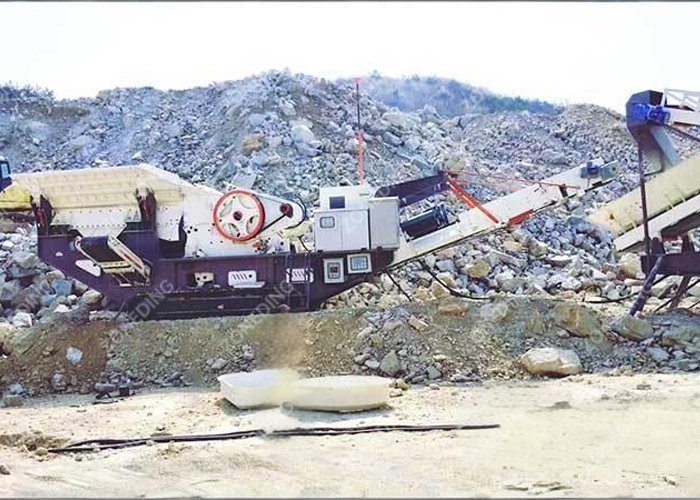
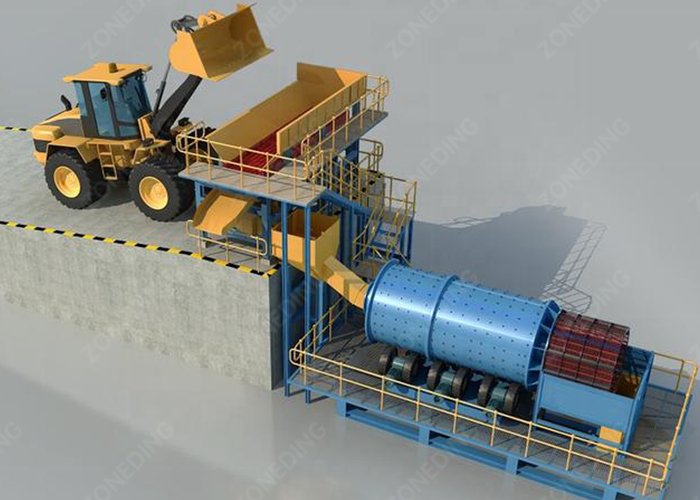
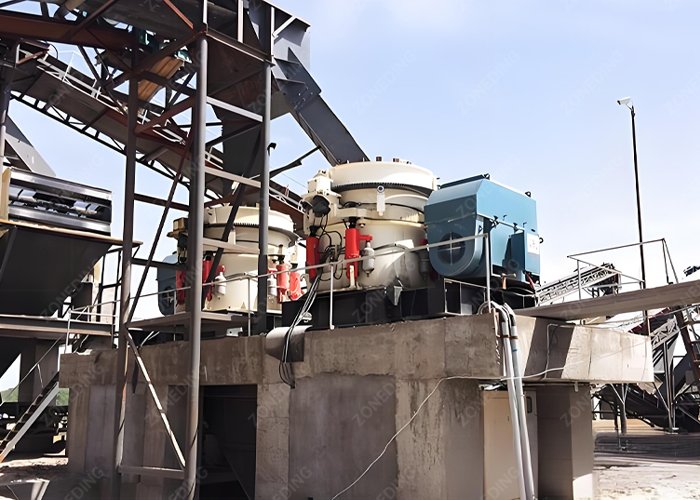
A complete plant requires crushing, grinding, trash removal, thickening, leaching, carbon desorption, and tailings treatment. Each operational stage must connect seamlessly to prevent expensive production bottlenecks. After raw rocks pass through the primary crushing plant, heavy Ball Mills grind them into extremely fine powder. Many standard flowsheets ignore the critical trash removal stage. Wood chips from old mine shafts and plastic debris enter the slurry easily. These foreign materials absorb gold and block the delicate carbon screens.
Crushing & Screening
Grinding & Classification
Trash Removal & Thickening
Leaching & Adsorption
Installing Linear Trash Screens
Plant engineers must install linear trash screens immediately before the first leaching tank. These vibrating screens feature 0.6mm fine mesh. They remove all organic debris and plastic before the slurry contacts any cyanide. Skipping this small, inexpensive equipment causes massive operational failures and lost revenues deep inside the chemical circuit.
What Leaching Agitation and Screening Equipment Ensure an Efficient Cyanidation Plant?
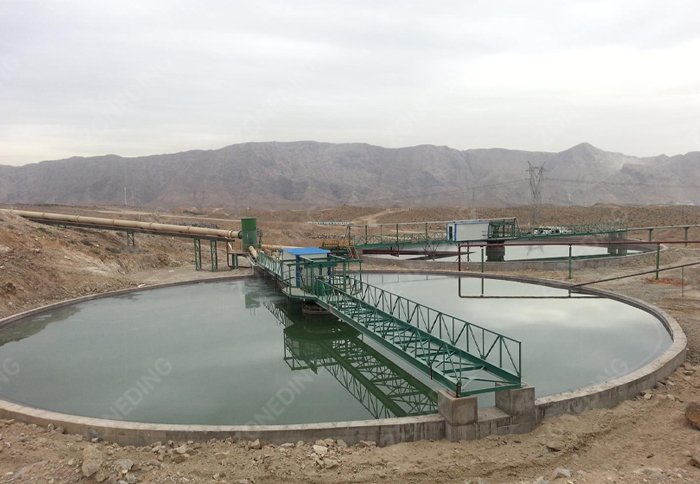
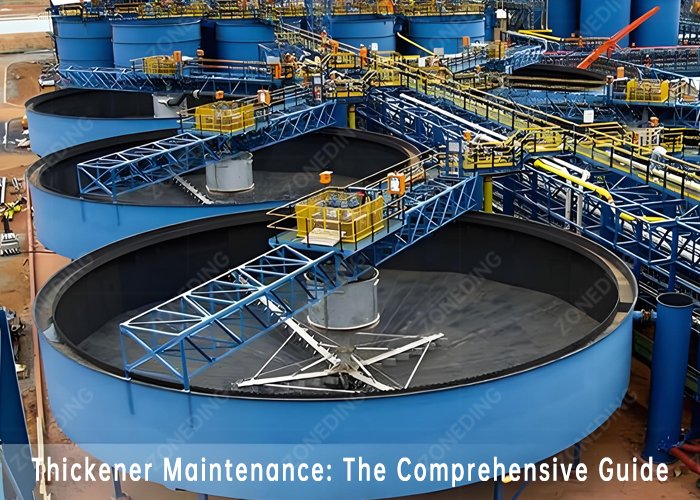
Proper leaching agitation tank selection determines chemical efficiency directly. High-rate thickeners control exact pulp density. Interstage screens prevent expensive loaded carbon from flowing into waste ponds. Pulp density controls the daily sodium cyanide bill directly. Pumping thin, watery slurry into leaching tanks wastes expensive chemicals immediately. A High Efficiency Concentrator installed exactly before the leaching stage adjusts the slurry density to precisely 40-45%. This dense mixture saves thousands of dollars in chemicals daily and reduces the required tank sizes.
Mechanically Swept Screens
Inside the tanks, standard static screens plug up with carbon in hours. Modern plants install mechanically swept interstage screens. These units use internal rotors to create strong fluid dynamics. The moving water pushes the carbon away from the screen mesh constantly. This allows the liquid slurry to flow forward while keeping the valuable loaded carbon safely inside the tank.
How Does High Temperature and Pressure Desorption Electrolysis Improve Gold Ingot Purity?
A high temperature and pressure desorption electrolysis system strips gold from carbon rapidly in 12 hours. It runs a closed-loop water circuit, ignoring poor local mine water quality entirely. Many modern plants fail because they choose open-loop stripping systems requiring ultra-pure reverse osmosis water. Remote mine sites rarely have access to perfect water sources. The traditional Zadra method operates perfectly with standard, slightly dirty mine water under high pressure.
Thermal Carbon Regeneration
The stripping system removes the gold into a concentrated chemical liquid. The electrolysis cells capture this gold electrically as high-grade mud. Smelting this mud yields solid bullion bars directly. After stripping, the carbon must undergo thermal regeneration. Acid washing only removes calcium scale. A rotary kiln heats the carbon to 700°C to burn off organic oils. Skipping this thermal stage drops carbon adsorption efficiency from 90% to 30% within three short months.
How Should Cyanide Tailings Be Treated to Meet Mine Environmental and Dry Stacking Standards?
The cyanide tailings treatment process relies on fully automatic membrane filter presses. This equipment squeezes toxic water out tightly, creating dry, extremely safe solid waste. Pumping wet cyanide mud into open dams creates massive environmental and financial risks globally. Modern engineering demands secure dry stacking. Heavy filter presses reduce the tailings moisture content down to 15%.
Recycling Expensive Chemicals
The squeezed liquid contains highly valuable residual cyanide and active alkalinity. Pumping this clear liquid back to the primary grinding circuit saves massive chemical purchasing costs annually. The dry solid cakes stack safely on normal ground. This dry method eliminates dam failure risks completely and speeds up government environmental permit approvals significantly.
2026 Latest Gold Cyanidation Technology Developments and Trends
Automation transforms modern gold cyanidation plants rapidly. Advanced sensor technology now monitors specific cyanide gas levels and liquid concentrations in real-time. Automated dosing pumps adjust chemical additions second by second to match ore variations. This precise control reduces toxic chemical waste dramatically.
Advanced Screen Rotors: New interstage screen designs increase fluid shear forces to eliminate carbon plugging entirely.
Smart Filter Presses: Hydraulic systems adjust squeezing pressure automatically based on real-time mud density readings. Investors demand higher environmental accountability from remote mining sites today. Digital tracking systems record exact chemical usage and water recycling rates continuously. Operations minimizing fresh water intake secure operating permits much faster. Dry stacking tailings management dominates new plant designs completely.
Frequently Asked Questions
Question 1: Why does activated carbon break down in CIL tanks? Heavy mechanical agitators spin constantly to keep the heavy rock particles suspended. The carbon grinds against these abrasive rocks continuously. This physical friction wears the carbon edges down into fine powder. Question 2: What is preg-robbing in gold mining? Natural organic materials inside the raw rock absorb dissolved gold from the cyanide liquid. This natural material acts faster than commercial carbon, stealing the gold and washing it out to the tailings pond. Question 3: Why is thick slurry important before leaching? Cyanide is added based on the total liquid volume to reach a specific chemical strength. High water content means buying massive amounts of cyanide just to treat the extra water. Thick slurry requires much less chemical. Question 4: Can acid washing replace the thermal carbon kiln? No. Acid only dissolves hard calcium scale. It cannot remove organic oils or natural humic acids trapped deep inside the carbon pores. Only 700°C heat burns these organics away completely.
About ZONEDING
ZONEDING designs and manufactures heavy-duty Gold Processing Plant equipment for global mining markets. The engineering team builds robust agitation tanks and highly efficient thickeners for maximum reliability in harsh environments. Strict manufacturing standards ensure safe and profitable chemical extraction operations. Contact the technical department for detailed metallurgical testing and complete plant flow sheet design. Request a cyanide efficiency analysis for current mining operations today.
Proper is the key to preventing expensive mine shutdowns. A broken thickener stops the whole water cycle of a mineral plant. Most failures happen because of small ignored details in the drive or underflow systems. This guide provides practical ste...
Field experience in extreme environments reveals the truth about aggregate production in remote areas. Showroom data fails when the site sits 500 kilometers from civilization. Extreme locations lack power grids, clean fuel, and heavy cranes. ...
Anti-clogging screening equipment provides the most reliable way to handle sticky materials in 2026. Traditional vibrating screens often fail when clay moisture exceeds 10%. This leads to frequent downtime and high cleaning costs. Our technic...
Operating heavy mining equipment requires a deep understanding of internal mechanics. Many expensive machine failures happen because operators misunderstand basic operational rules. Good equipment can break quickly when handled poorly. This compre...
We use cookies to ensure that we give you the best experience on our website. If you continue to use this site we will assume that you are happy with it.
Privacy Policy
Send us a message
We would love to hear from you
Submit your question and our team will respond to the email provided as soon as possible.
 Zoneding Machine