 Zoneding Machine












How to Calculate Ball Mill Capacity for Your Ore
526Calculate ball mill capacity from ore hardness, feed size, grind size, motor power, circuit design, and efficiency factors.
View detailsSearch the whole station Crushing Equipment
Choosing the right gravity separation method is the most important step for a profitable mine. Both the shaking table and the jigging machine use the weight of minerals to separate them from waste rock. But choosing the wrong one leads to massive losses in the tailings dam. This guide compares both machines to help you reach the highest possible recovery levels. Industry data shows that the right selection can improve mineral processing ROI by more than 40%.
Understanding how gravity separation works stops your valuable minerals from ending up in the waste pile. All gravity machines rely on the specific gravity difference between heavy minerals and light sand. Heavy minerals like gold or chrome sink faster than lighter quartz or soil. But water movement also affects how these particles settle. If the water flow is too fast for the particle size, the mineral washes away. This is why a successful project starts with the physics of settling. I have seen many miners lose thousands of dollars because they ignored these basic rules.
Many projects fail because the feed material is not prepared correctly. You must know the exact size of the mineral grains before you buy any machine. If your mineral grains are very small, a machine made for large rocks will not work. This mismatch is the most common reason for low recovery rates in new mines. Proper testing of the ore ensures that the separation force matches the mineral weight. Clean separation means more product for you to sell and less waste to manage. High-quality only works when the physics match the ore.

| Factor | Impact on Recovery | Practical Meaning for You |
|---|---|---|
| Specific Gravity | High difference is better | Heavy minerals sink faster |
| Particle Size | Must be uniform | Mixed sizes cause mineral loss |
| Water Velocity | Controls the lift force | Too much water washes fines away |
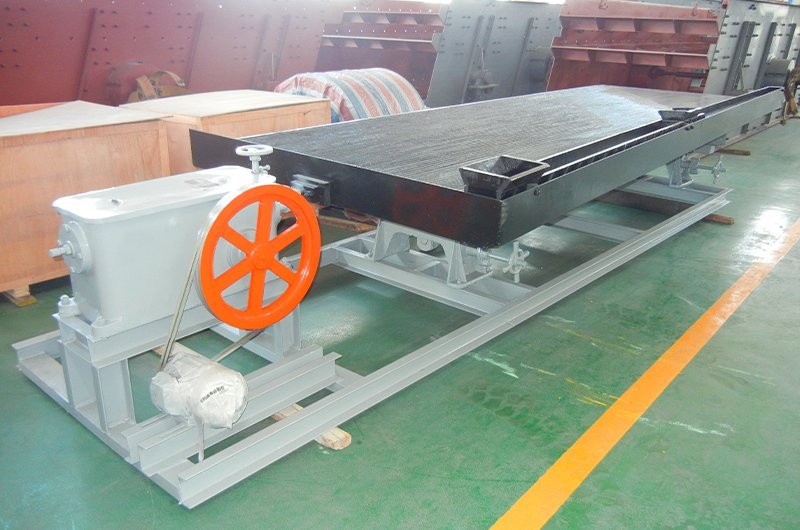
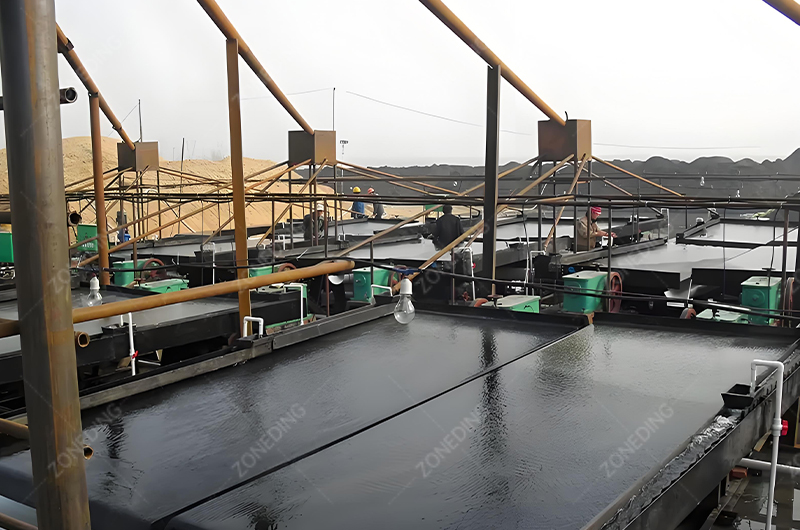
The Shaking Table is the most precise tool for cleaning fine mineral grains in 2026. It works by moving a flat deck back and forth in a quick, jerky motion. Water flows across the deck in a thin, smooth layer. The heavy minerals get trapped in small grooves called riffles. The shaking motion moves the heavy grains to one side. The light waste stays on top of the water and washes over the riffles. This shaking table working principle allows for a very high enrichment ratio. You get a very clean product that is ready for sale.
This machine acts like a surgical tool for your mining plant. It can separate minerals that are almost the same weight. It is perfect for material between 0.037mm and 2mm in size. One great benefit is that the process is visible to your eye. An operator can see the gold or chrome forming a distinct line on the deck. This allows you to make instant adjustments to the water or the table angle. It remains the last line of defense for capturing the most valuable fine particles. No other gravity machine offers this level of visual control and precision.
Fine minerals have very little weight. Even small water currents can push them into the tailings. The shaking table uses a thin “laminar” flow of water. This means the water moves slowly and smoothly across the surface. This smooth flow does not disturb the heavy particles sitting in the riffles. This is the main difference between jig and shaking table performance. The table handles the delicate stuff while the jig handles the heavy lifting. Using a table for the final cleaning stage ensures you get the highest possible grade.
| Table Component | Function | Practical Benefit for You |
|---|---|---|
| Deck Surface | Provides friction | Holds heavy minerals in place |
| Riffles | Create pockets | Trap high-grade concentrates |
| Drive Head | Creates vibration | Moves heavy grains to discharge |
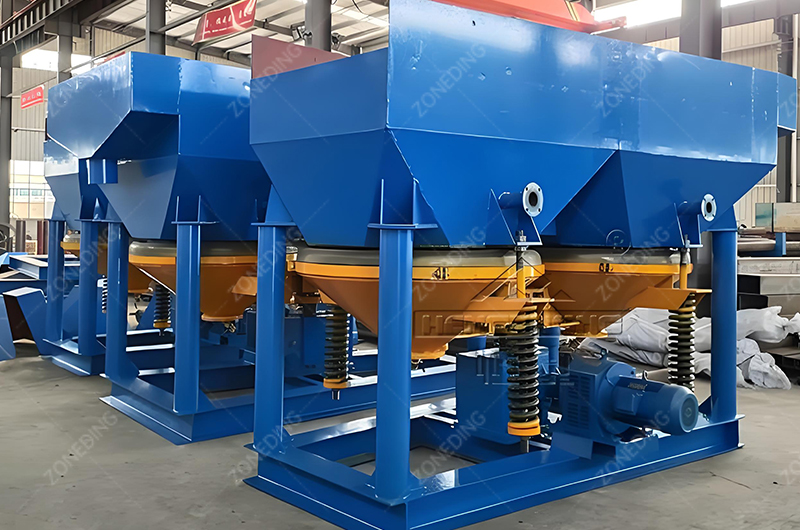
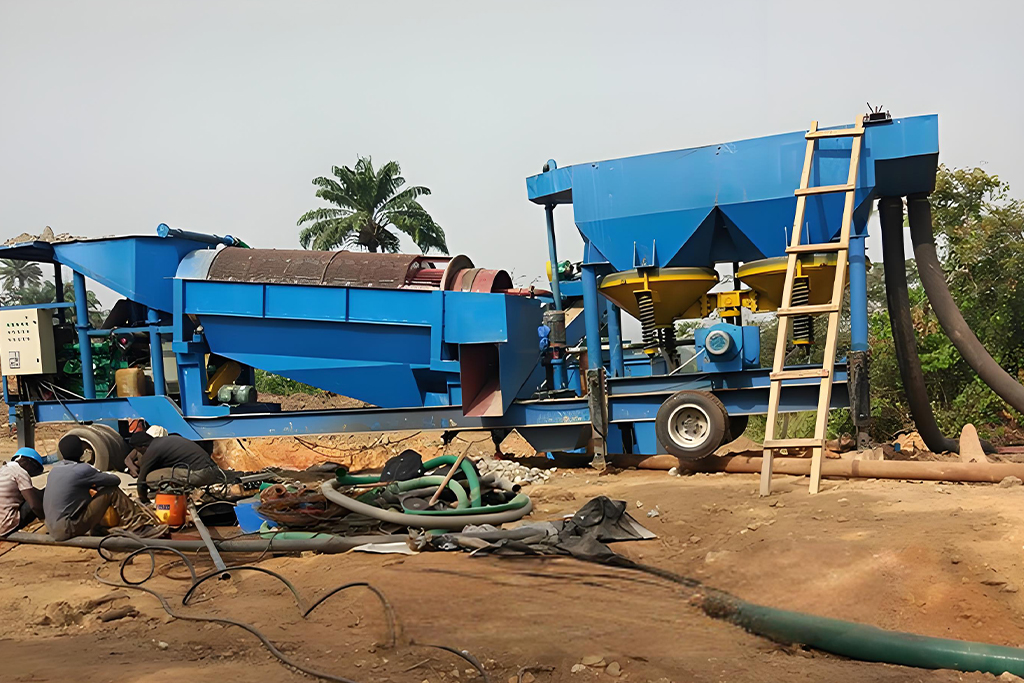
The Jigging Separator Machine is the champion of high-volume coarse ore processing. Instead of a shaking deck, a jig uses a vertical pulse of water. This pulse lifts the entire bed of ore and then lets it settle. Heavy minerals sink through the bed faster than light rocks during each pulse. This happens thousands of times every hour. The heavy minerals eventually pass through a screen or collect at the bottom. This process is called heavy mineral concentration through stratification. It is fast and very reliable for large rocks.
Jigs can handle much larger rocks than shaking tables. Some jigs process stones up to 20mm in size. They are also much faster. One single jig can process as much ore as twenty shaking tables. This makes them the primary choice for the “roughing” stage. In this stage, your goal is to remove as much waste as possible very quickly. A Jigging Separator Machine for gold recovery often sits right after the primary crusher. It captures the large “nugget” minerals before the rest of the ore goes to the Ball Mill.
Capacity is the biggest advantage of the jig. Large mines need to process hundreds of tons every hour. Using shaking tables for this volume would require a massive building and many workers. A jig fits into a small footprint and processes huge amounts of material. It is a robust machine with few moving parts. This means it can run 24 hours a day with very little maintenance. But it is not as precise as a table for fine sand. This is why large mines use both machines in a sequence. You use the jig to move the bulk and the table to finish the job.
| Jig Advantage | Benefit for Large Mines | Mineral processing ROI |
|---|---|---|
| High Tonnage | Processes up to 50tph per unit | Lower cost per ton of ore |
| Coarse Feed | No need for fine grinding | Saves energy on crushing |
| Simple Design | Easy to repair in remote areas | Less downtime for your mine |
The main difference between a jig and a shaking table is the particle size and the enrichment ratio. A jig is a “rougher” that handles big volumes and big rocks. A shaking table is a “cleaner” that handles small volumes and tiny grains. Choosing the right one depends on where the mineral is in your process. Most professional designs in 2026 use both. They put the jig first to catch the big pieces and the table last to catch the dust. I always tell my clients that a balanced circuit is the key to wealth.
| Technical Aspect | Shaking Table | Jigging Machine | Impact on Selection |
|---|---|---|---|
| Feed Size | 0.037mm – 2mm | 0.5mm – 20mm | Size dictates the machine choice |
| Enrichment Ratio | Very High (up to 100:1) | Medium (up to 10:1) | Tables produce much higher grade |
| Capacity | Low (0.5 – 2 tph) | High (5 – 50 tph) | Jigs handle more volume |
| Recovery of Fines | Excellent | Poor | Use tables for fine minerals |
Understanding the difference between jig and shaking table mechanics helps you avoid investment mistakes. If your project has only fine minerals, a jig is a waste of your money. If your project needs to process 100 tons an hour, starting with shaking tables is impossible. The enrichment ratio is also a key factor. A shaking table can take a 1% ore and turn it into a 60% concentrate. A jig might take that same 1% ore and only reach 10% or 20%. So, the table is necessary for reaching the final market grade.
Fine mineral separation requires a calm environment. The shaking table provides this by using a flat surface and thin water. Heavy mineral concentration in a jig is more violent. The water pulses up and down with great force. This force is needed to move large rocks. But this same force will throw fine gold or tin right into the waste water. So, the machines serve two different purposes in your flow sheet. One prepares the ore, and the other finishes it. You need both to be a leader in the industry.
Water consumption is the hidden cost that can ruin your mining project budget. Shaking tables are famous for using a lot of water. They need a constant, smooth flow across the entire deck. You cannot reuse this water easily without a large settling pond. Every ton of ore on a shaking table might need 5 tons of fresh water. In dry areas, this is a massive problem. If the water supply fails, the table stops working immediately. This is a major factor for mineral processing ROI in desert regions. I have seen mines close simply because they ran out of water for their tables.
Jigs also use a lot of water, but they are more flexible. Much of the water in a jig stays inside the machine or the hutch. It does not need to be a thin, perfect layer like on a table. Jigs can often handle slightly dirty or recycled water better than tables. Regarding power, both machines are quite efficient. They use simple electric motors to create movement. But because a jig handles more ore per motor, the “power per ton” is usually lower for the jig. This makes the jig a more energy-efficient choice for large-scale mines.
| Expense Type | Shaking Table | Jigging Machine | Long-term Impact for You |
|---|---|---|---|
| Water Use | High (Laminar flow) | Medium (Pulse water) | Tables need more pumping |
| Power Use | Medium | Low (per ton) | Jigs are cheaper to run |
| Wear Parts | Deck liners, headboard | Screens, diaphragms | Both have low part costs |
The shaking table requires a massive amount of floor space compared to the jig. To process 100 tons of ore per hour, a mine might need 60 shaking tables. Each table is about 4.5 meters long. This requires a huge building with a very expensive concrete floor. Your floor must be perfectly level and strong enough to handle constant vibration. The piping for 60 tables is also a nightmare to install and maintain. This is why the shaking table is often called the “space eater” of the mining world.
The jig is different. It is a compact machine that grows vertically. One large jig can replace dozens of tables. It fits into a smaller building. This reduces the cost of the steel structure and the roof. The infrastructure for a jig is much simpler. It needs one large feed pipe and one large discharge pipe. For a new project with a limited footprint, the jig is the clear winner. However, if your mine is small and only processes 1 ton an hour, one shaking table is easy to manage. The decision depends on your total plant design.
| Item | Shaking Table (High Volume) | Jigging Machine (High Volume) | Savings Potential |
|---|---|---|---|
| Concrete Floor | Massive and level | Small and thick | Jigs save 70% on concrete |
| Steel Building | Large and expensive | Compact and tall | Jigs save 50% on steel |
| Maintenance Access | Needs walkways for all | Simple access around unit | Jigs are easier to manage |
Specific minerals have “favorite” machines based on their natural grain size. Gold is very heavy, so a jigging machine for gold recovery is perfect for catching nuggets. But gold is also very soft and often breaks into tiny flakes. These flakes will float over a jig and disappear. So, a gold mine usually uses a jig first and then sends the waste to a shaking table. This “two-step” process ensures that you capture both the big nuggets and the tiny flakes. This is how you maximize your profit in 2026.
For minerals like Tin and Tungsten, the shaking table is the king. These minerals are very brittle. When they are crushed, they turn into very fine sand. A jig would lose half of the tin in the water pulse. This is why tin mines in Bolivia and China use hundreds of shaking tables. Chrome is different. It often exists in large lumps and fine sand. A Chrome Processing Plant almost always uses a jig for the lumps and a table for the fines. Matching your machine to your mineral type is the key to success.
Modern gravity separation is becoming more automated and environmentally friendly. In 2026, mines are focusing on water recovery. New shaking tables now come with built-in water recycling systems. These systems use small Hydrocyclones to clean the water instantly. This allows even dry mines to use shaking tables effectively. Automation is also a big trend. Sensors now monitor the mineral line on the table and adjust the tilt automatically. You don’t need to stand over the machine all day anymore.
Question 1: Can I use a shaking table for rocks larger than 2mm?
No. Large rocks will damage the riffles and will not move correctly with the shaking motion. Large rocks will just sit on the table and block the fine minerals. Use a jig for anything over 2mm.
Question 2: Is a jig better than a spiral chute?
It depends on the size. A Spiral Chute is great for fine sand and medium volumes. A jig is better for large rocks and very high volumes. Most mines use spirals as a middle step.
Question 3: How often do I need to replace the table deck?
A standard rubber deck lasts about 2 to 3 years with daily use. A polyurethane deck can last up to 10 years. Keeping your feed clean of sharp glass or metal helps extend this life.
Question 4: Does the shaking table require a lot of skill to operate?
Yes. An experienced operator can “tune” the table by watching the color of the minerals. A beginner might lose a lot of gold by setting the water too high. Jigs are much easier for beginners to operate.
ZONEDING is a professional Chinese manufacturer of mineral processing equipment. The company provides a full range of Beneficiation Equipment, including shaking tables, jigs, and ball mills. Since 2004, ZONEDING has helped mining companies in 120 countries optimize their recovery rates. The factory produces over 500 units every year with a focus on durability and efficiency. Expert engineers are available to design the perfect gravity separation line for any project size.
Contact ZONEDING today for a free ore test and a custom equipment quote.
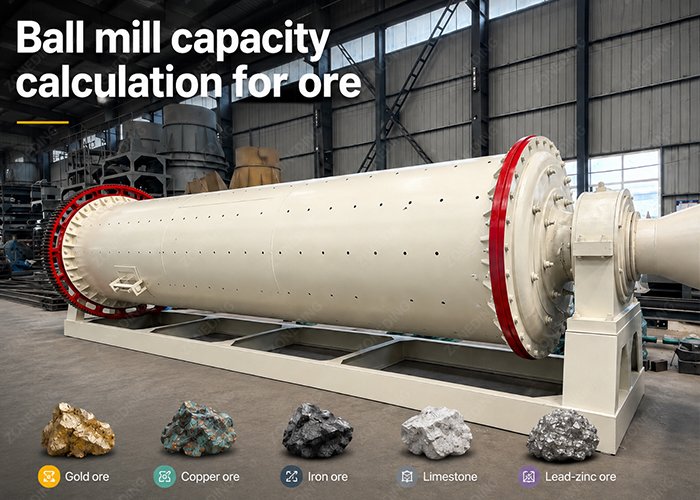
Calculate ball mill capacity from ore hardness, feed size, grind size, motor power, circuit design, and efficiency factors.
View details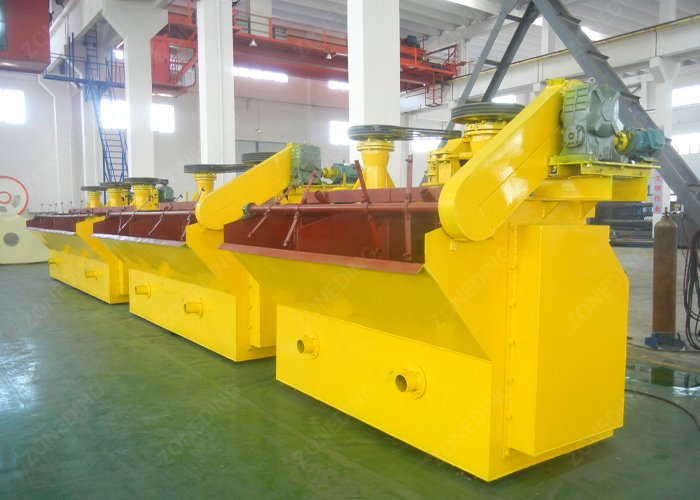
Understanding the main components of flotation machine is mandatory for maximizing profits in mineral processing plants. A flotation cell acts as a highly precise separation instrument. The internal mechanical structure dictates the exact slurry s...
View details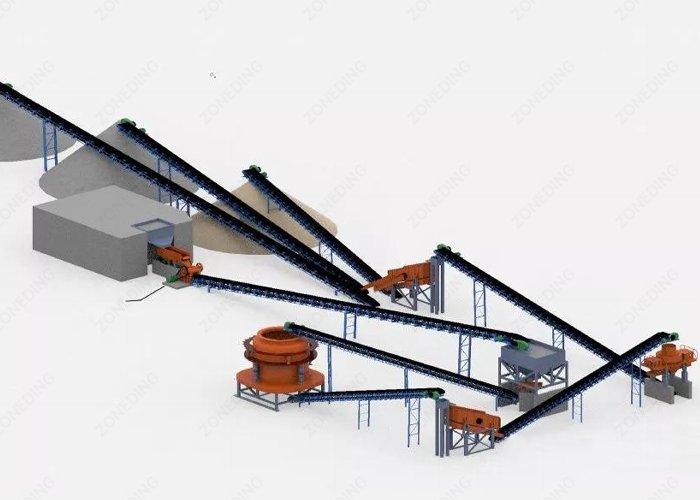
Experience in global quarries reveals common, costly mistakes in equipment selection. Mine owners often consider a crusher just a big hammer that breaks rocks. This mindset destroys profitability. Crushing is a delicate balance of rock mechanics a...
View details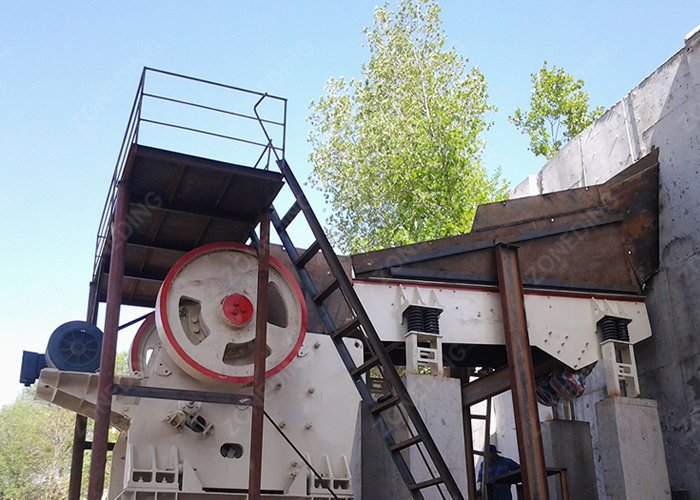
A jaw crusher is the heavy-duty gatekeeper of most mining and aggregate production lines. This primary rock crusher uses high pressure to break large boulders into smaller, manageable pieces. It is the first machine in a crushing plant. Most opera...
View details