Magnesite mining and processing is a major sector for industrial investment in 2026. High-purity magnesium oxide (MgO) is now a critical material for steel, chemicals, and farming. Success in this industry depends on raising ore purity while cutting energy costs. This guide shares professional strategies to build a profitable plant. These methods focus on high-grade output and low waste.
Why is magnesite development a high-return investment in 2026?
Global demand for high-purity magnesium oxide is at an all-time high, making magnesite mining and processing very profitable. Magnesite is the primary source for magnesium products. Steel mills require magnesium oxide bricks to line their furnaces. Agriculture needs it for fertilizers. Environmental plants use it to clean waste water. In 2026, supply chains are shifting toward high-grade materials. This shift has pushed prices for 97% pure MgO to record levels. Investors are now entering this space to capture these high margins. The market reward for purity is significant. Raw ore with 40% MgO has low value. However, processed magnesia with 98% purity commands a huge price premium. Modern steel production uses electric arc furnaces. These furnaces need the best refractories to last. A well-equipped can turn low-grade stone into premium products. This transformation is the core of the profit model. Advanced technology now makes it easier to reach these grades with less waste.
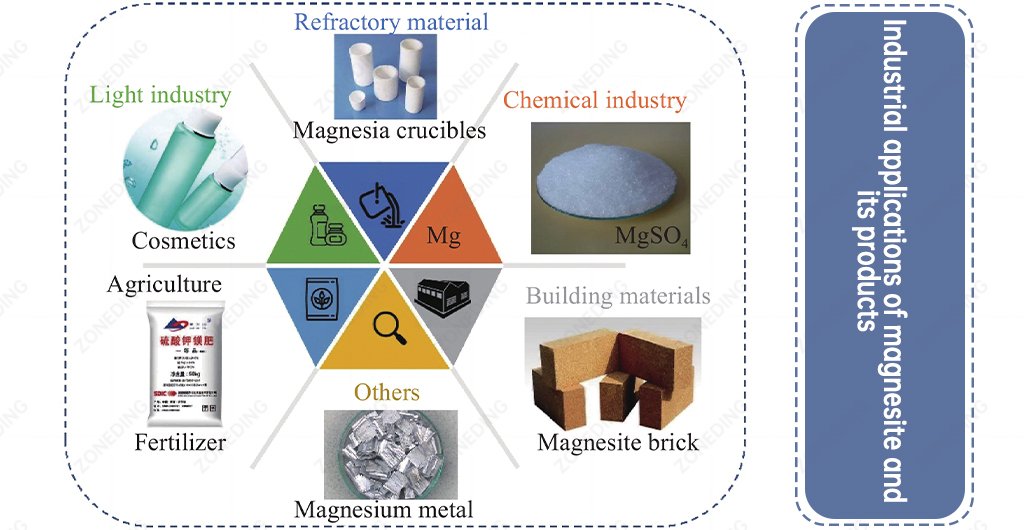
Industrial applications of magnesite and its products
Market Value by Product Type
Product Name
Typical MgO Purity
Primary Market
Profit Level
Raw Magnesite
40% – 45%
Base Material
Low
Light Burned (CCM)
85% – 93%
Chemicals/Agri
Medium
Dead Burned (DBM)
94% – 97%
Standard Steel
High
Fused Magnesia (FM)
>98%
High-end Steel
Very High
Strategic Tips for Investors
Analyze chemical impurities: Always check for silica (SiO2) and lime (CaO) before buying a mine.
Verify energy access: High-heat processing needs steady gas or electricity.
Plan for 95%+ purity: Aiming for the high-end market ensures the best return on investment.
Open-pit or underground: Which mining method fits the deposit?
The choice between open-pit and underground mining depends on the depth and shape of the magnesite body. Most global magnesite is found in large, thick layers near the surface. Open-pit mining is the standard choice here. It uses large trucks and excavators to move big volumes of rock. This method keeps the cost per ton very low. It is the best way to start a large-scale 2026 project. Most mines I have worked with prefer this for its simplicity and safety. Underground mining is used when high-grade ore is deep or under a mountain. This method has a higher cost per ton. However, it moves much less waste rock than an open pit. It is also easier to get environmental permits for underground sites in many regions today. A project must calculate the “stripping ratio.” This is the amount of dirt moved to get to one ton of ore. If the ratio is too high, underground mining becomes the smarter financial choice.
Production Scale: Open-pit allows for 5,000+ tons per day.
Surface Impact: Underground mining preserves the local landscape better.
How to design a crushing and screening flow to reduce ore loss?
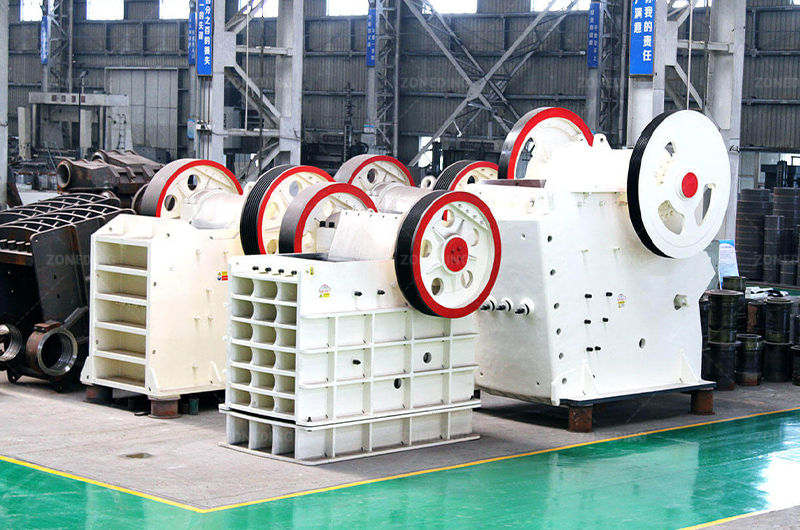
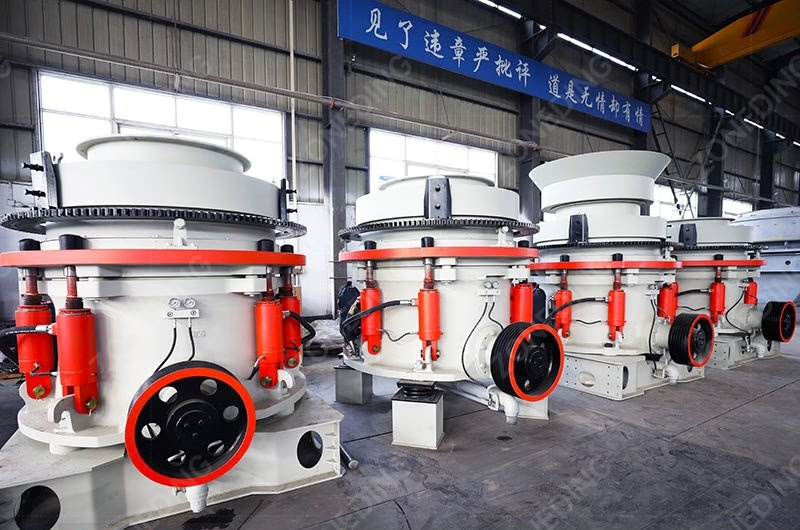
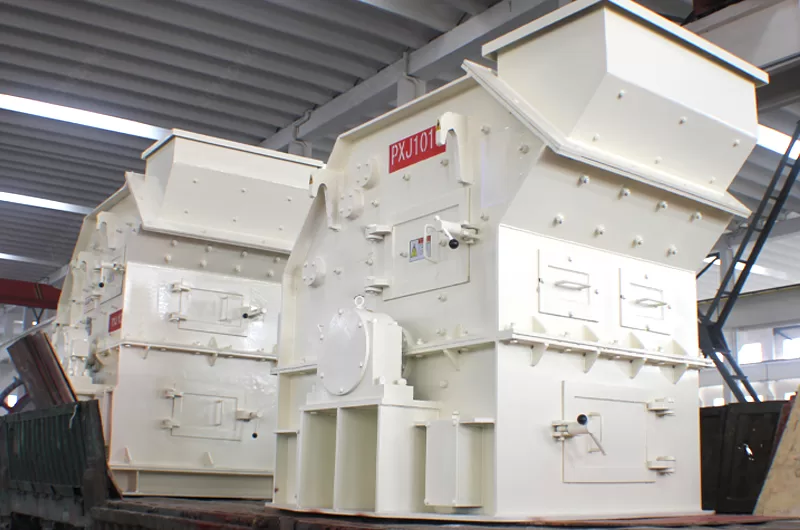
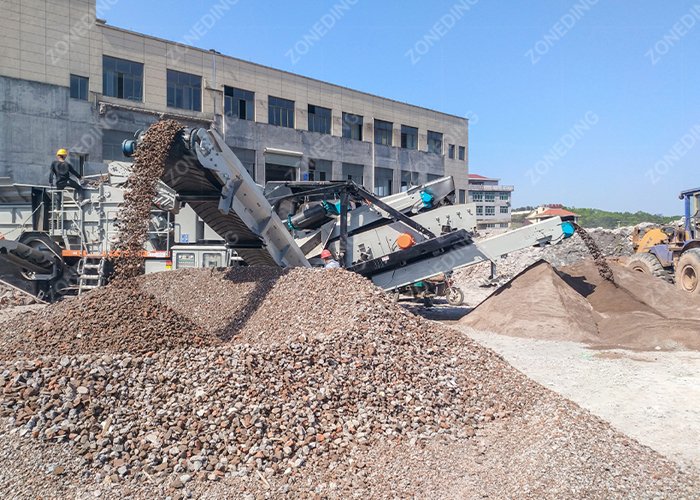
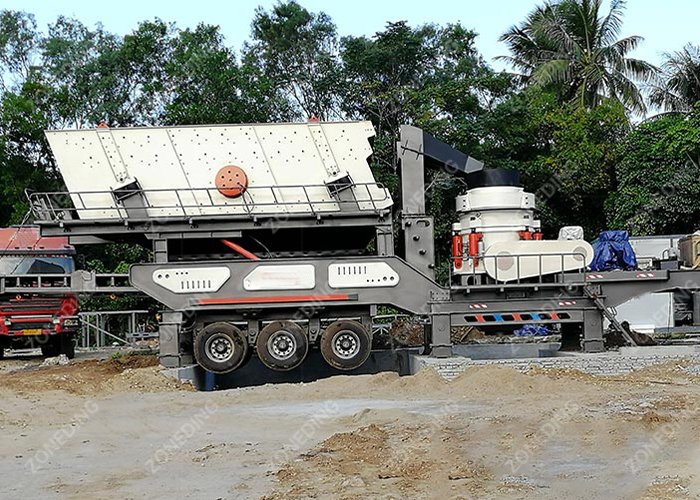
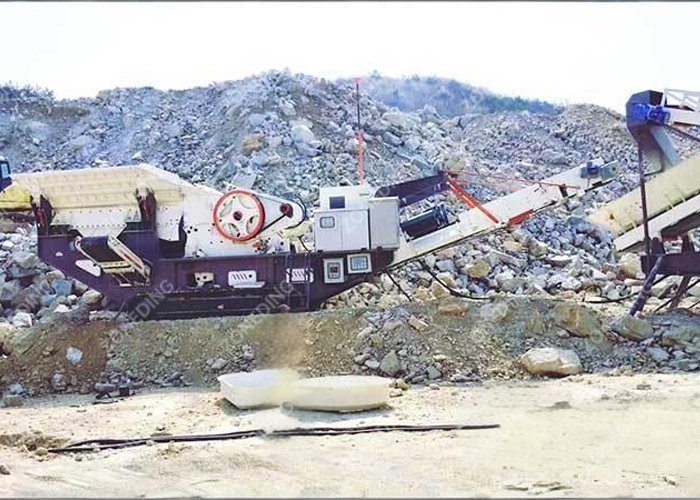
A professional design for Magnesite crushing equipment prevents the creation of too much dust. Magnesite is a medium-hard stone. If it is hit too hard, it turns into fine powder. This powder is often lost during the calcination process. A multi-stage crushing plan is the best solution. A heavy-duty Jaw Crusher performs the first break. This machine handles big rocks from the mine with ease. It is reliable and has low maintenance costs. The second stage should use a Cone Crusher. This machine uses pressure to break the stone into even pieces. Uniform size is very important for the kiln. If the pieces are the same size, they cook evenly. If some are big and some are small, the product quality will be poor. A Vibrating Screen after each crusher removes waste and fine dust. This setup ensures only high-quality feed enters the next stage.
Avoid hammer mills: These create too many fines that clog up the kiln air flow.
Use dust collectors: Bag filters can catch fine magnesia powder for sale as low-grade product.
Monitor wear parts: Magnesite is abrasive. Use high-manganese liners to save on repair costs. “For high-volume plants, see our Stone Crushing Plants page.”
Flotation vs. Sensor Sorting: Which is better for low-grade ore?
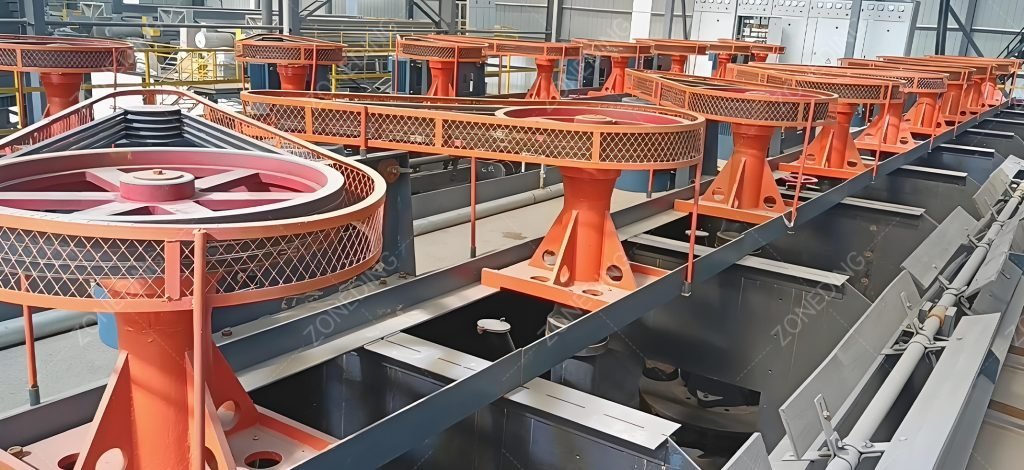
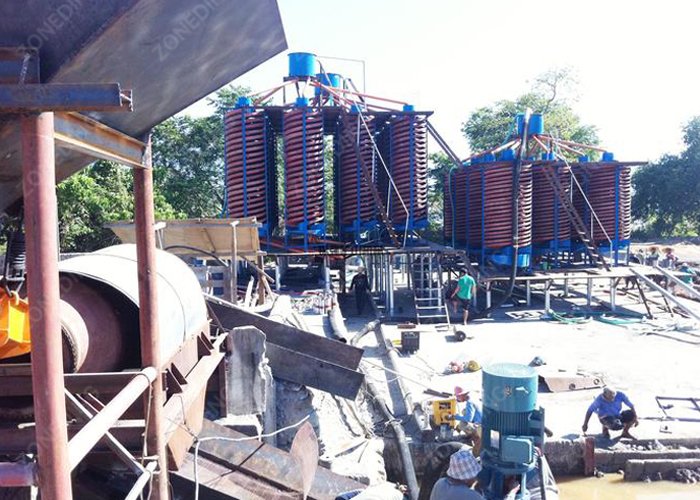
The Magnesite flotation machine is the most effective tool for removing silica from low-grade ore. Silica and lime are the main enemies of magnesite quality. Flotation uses water and chemicals to float the pure magnesite to the top. This process can raise MgO content from 40% to over 47%. It is a precise method used for the highest-grade products. A Ball Mill must grind the ore into a fine powder before it enters the flotation cells. Sensor-based sorting is a fast-growing trend for 2026. This technology uses X-rays to identify waste rocks. It then uses air jets to blow them away. This happens before the ore enters the mill. It uses no water and no chemicals. It works best on rocks between 20mm and 80mm. By removing 30% of the waste early, the plant saves huge amounts of electricity in the grinding stage. Combining sorting and flotation is the best strategy for high-profit plants today.
Flotation
Cleaning Method Comparison
Flotation: Best for very high purity (98%). Needs water and chemical management.
Sensor Sorting: Best for early waste removal. Saves water and power.
Hand Sorting: Only for very small mines with low labor costs. Not for 2026.
The heart of processing: How to control calcination for high-quality CCM?
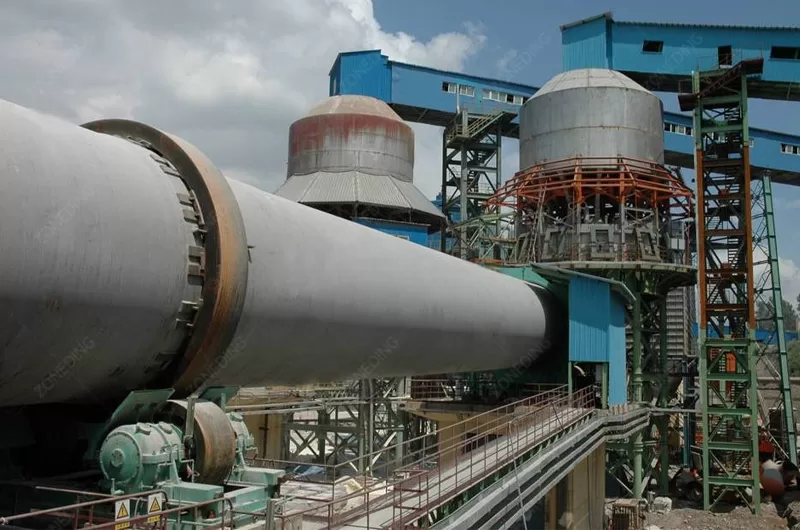
The Magnesite calcination process converts raw stone into active magnesium oxide powder. This step requires precise heat control. Raw magnesite is heated to between 700°C and 1000°C. This releases carbon dioxide gas. The result is Caustic Calcined Magnesia (CCM). A Rotary kiln for magnesite is the best machine for this. It keeps the ore moving so every piece gets the same amount of heat. This creates a very consistent product. Activity is the most important feature of CCM. If the temperature is too high, the powder becomes “dead” and loses its chemical power. If it is too low, the reaction is not complete. In 2026, smart sensors monitor the kiln temperature every second. This ensures the CCM is perfect for its final use. High-quality CCM is used in making industrial floors and cleaning environmental spills. Selling high-activity CCM is a great way to enter the global chemical market.
Rotary kiln
Rotary kiln
Calcination Temperature Zones
Zone
Temperature
Chemical Action
Drying
200°C
Water removal
Pre-heating
500°C
Starting the reaction
Calcination
800°C – 950°C
Full CO2 release
Cooling
<200°C
Heat recovery
Tips for CCM Quality
Use gas fuel: Natural gas is cleaner than coal and produces whiter CCM.
Control feed rate: A steady flow into the kiln prevents temperature swings.
Check particle size: Pieces between 10mm and 30mm give the most even results.
What are the equipment requirements for DBM and FM processing?
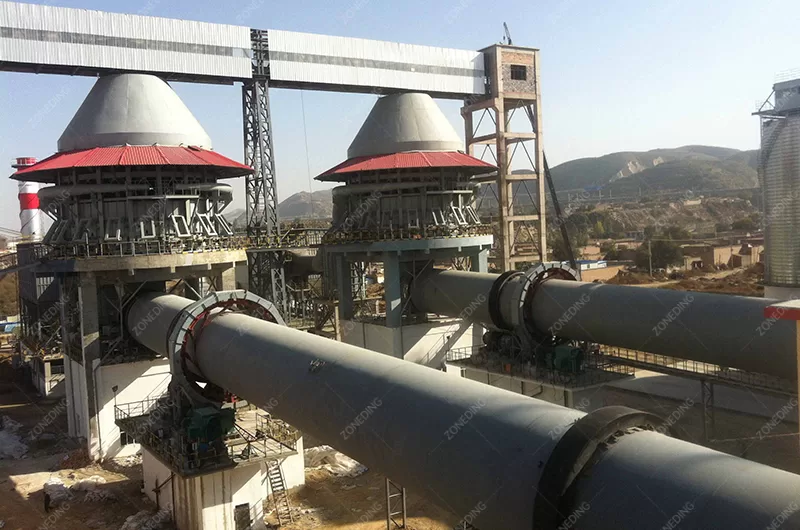
Dead Burned Magnesia (DBM) and Fused Magnesia (FM) require extremely high temperatures and heavy-duty equipment. DBM is made at 1800°C. At this heat, the material becomes very dense and stable. It is the main ingredient for steel furnace bricks. You need a specialized Rotary kiln with advanced refractory linings. These linings must survive the intense heat without melting. This part of the plant has the highest capital cost but also the highest product value. Fused Magnesia (FM) is the ultimate product. It is made in electric arc furnaces at over 2800°C. The magnesia actually melts and then cools into large crystals. FM has the highest purity and the best heat resistance. The equipment for this needs a very strong power grid. For a Magnesite processing plant, FM production is the peak of the industry. It is used in the most demanding steel and electronics applications.
Magnesia Product Hierarchy
CCM: Easy to make, lower temperature, used for chemical reactions.
DBM: Standard refractory material, high heat, used for steel bricks.
FM: Premium material, extreme heat, used for high-end electronics and steel.
2026 Energy Saving and Environmental Trends
Energy efficiency is the top priority for every modern Magnesite calcination process. Fuel can be 50% of the total operating cost. New kilns in 2026 use multi-stage pre-heaters. These towers use hot exhaust air to warm up the rocks before they hit the flame. This can save up to 20% on fuel bills. I see many plants switching to this design to stay competitive. It is a smart move for any long-term project. Environmental rules are much tighter in 2026. Plants must capture all dust and recycle water. But these rules can lead to more profit. The dust caught in a Fine Sand Recovery Machine can be sold as a fine filler material. Recycling water in a High Efficiency Concentrator reduces the cost of buying new water. Modern plants are cleaner and more profitable because they waste nothing.
Latest Advances in 2026
Waste Heat Power: Using kiln heat to run the plant’s electric motors.
AI Kiln Control: Computers adjust the fuel air mix to keep the heat perfect.
Zero-Waste Flotation: New chemicals that allow for 100% water recycling.
FAQ: Magnesite Processing Questions
Question 1: Can a standard rotary dryer be used for magnesite? A Rotary Dryer is fine for removing water. But it cannot reach the 800°C needed for calcination. You must use a Rotary kiln with a high-heat burner for the chemical change to happen. Question 2: How is silica (SiO2) removed from magnesite? The most common way is reverse flotation. A Flotation Machine uses special chemicals that stick to silica and float it away. This leaves the pure magnesite at the bottom. Question 3: Why is uniform feed size important for the kiln? If the rocks are different sizes, small ones will burn too fast and big ones will stay raw. This leads to poor product quality. A Cone Crusher is the best way to get a uniform size. Question 4: Is coal or gas better for calcination? Natural gas is much better for high-purity products. Coal adds sulfur and ash to the magnesia. Gas is cleaner and makes the final product more valuable in the chemical market.
About ZONEDING
ZONEDING is a professional manufacturer of mineral processing equipment from China. We provide complete solutions for magnesite mining and processing. Our factory direct sales model offers the most competitive prices for Jaw Crushers, Ball Mills, and Rotary Kilns. With 15 expert engineers, we design custom production lines for clients in over 120 countries. We focus on high efficiency and full-service support for every project. Contact ZONEDING today for a free magnesite plant design and a detailed quote.
I have spent 50 years in the mining and recycling industry. I have seen people turn piles of trash into mountains of cash. But I have also seen many people lose everything because they bought the wrong machine. In 2026, urban recycling is a gold m...
Chrome gravity separation represents the most cost-effective method to produce high-grade chrome in 2026. Experience in South Africa and Turkey proves that mineral density remains the strongest profit driver. This process uses the natural weight o...
Field experience in extreme environments reveals the truth about aggregate production in remote areas. Showroom data fails when the site sits 500 kilometers from civilization. Extreme locations lack power grids, clean fuel, and heavy cranes. ...
We use cookies to ensure that we give you the best experience on our website. If you continue to use this site we will assume that you are happy with it.
Privacy Policy
Send us a message
We would love to hear from you
Submit your question and our team will respond to the email provided as soon as possible.
 Zoneding Machine