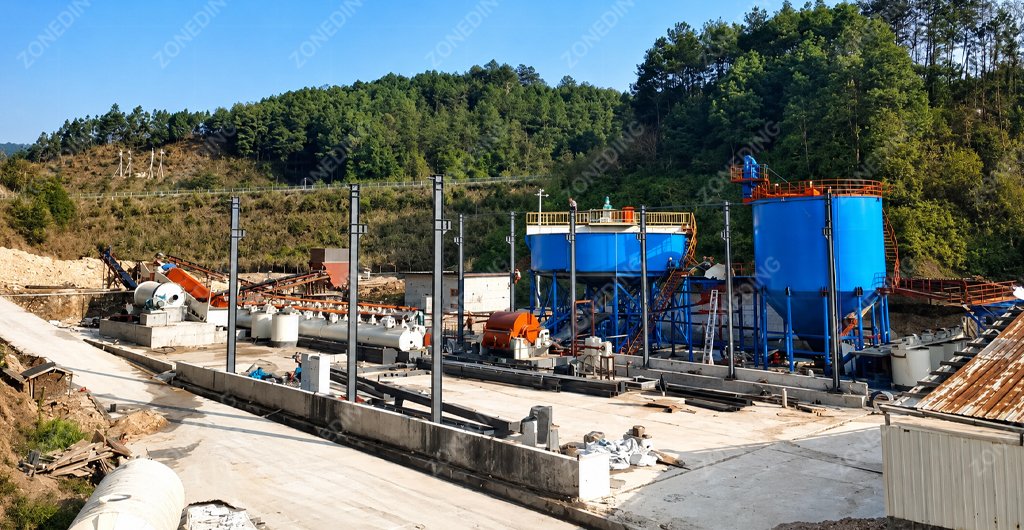
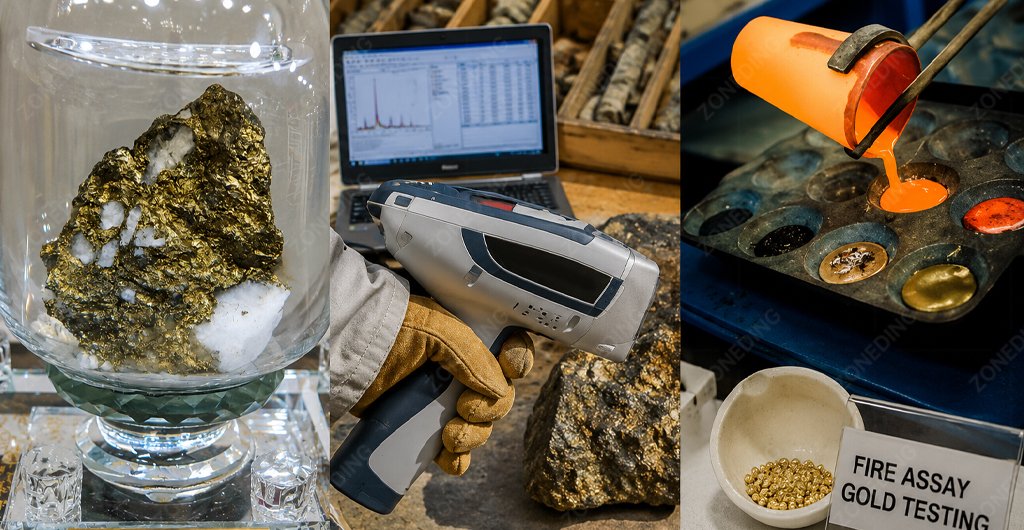
Starting a small-scale gold processing plant is one of the most practical ways to enter the gold mining industry. Compared with large mining projects, a small plant requires less investment, shorter construction time, and lower operating costs.
However, many investors make the same mistake:
They buy equipment before fully understanding the ore.
As a result, they often face low recovery rates, excessive operating costs, and expensive equipment modifications.
The good news is that a well-designed small gold plant can achieve excellent recovery while keeping investment under control.
This guide explains the key steps, equipment choices, and practical considerations for setting up a profitable small-scale gold processing plant.
For many free-milling gold ores, gravity recovery alone can achieve excellent results.
How Much Does a Small Gold Processing Plant Cost?
Investment varies depending on capacity and ore type.
Typical ranges are:
Capacity
Estimated Investment
10 TPD
$20,000-$80,000
30 TPD
$50,000-$150,000
50 TPD
$80,000-$300,000
100 TPD
$150,000-$600,000
Factors affecting cost include:
Ore characteristics
Recovery method
Automation level
Water supply requirements
Power source
Site location
A properly designed plant often costs less than a poorly designed plant that requires constant modifications.
Real Case: 30 TPD Small Gold Plant
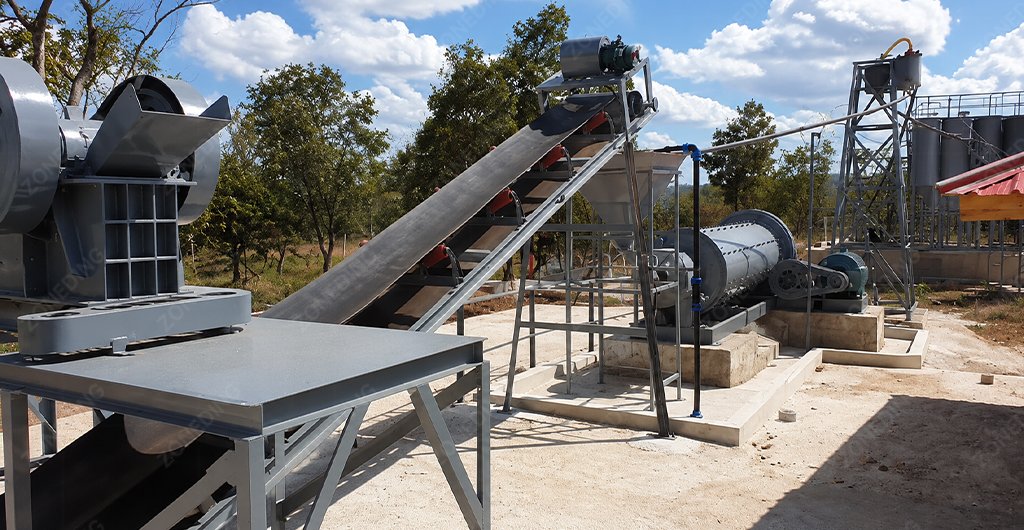
A customer in East Africa wanted to process a free-milling gold ore.
30 TPD Small Gold Plant
Project Details
Item
Value
Capacity
30 TPD
Ore Type
Hard Rock Gold
Gold Grade
6.5 g/t
Recovery Method
Gravity Separation
Selected Equipment
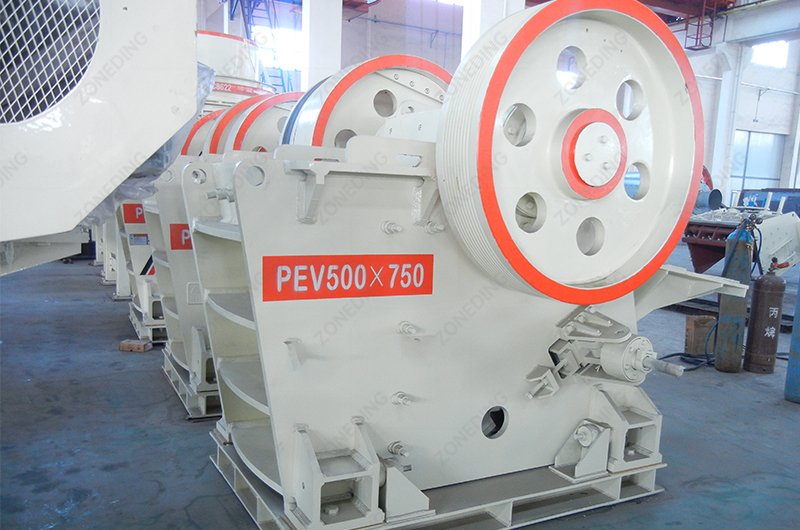
Jaw Crusher
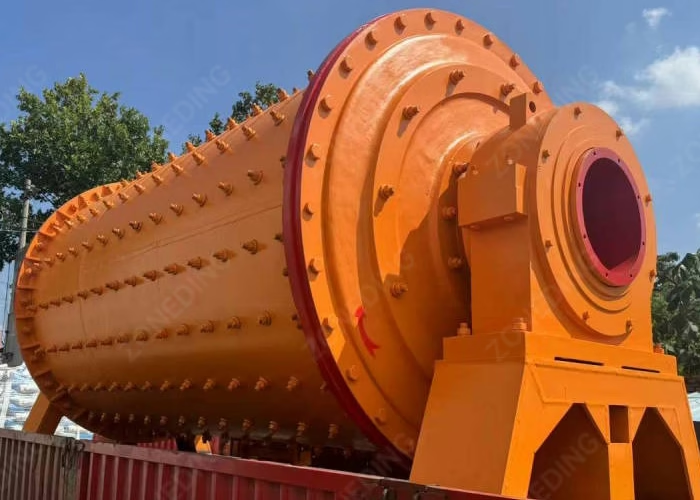
Ball Mill
Centrifugal Concentrator
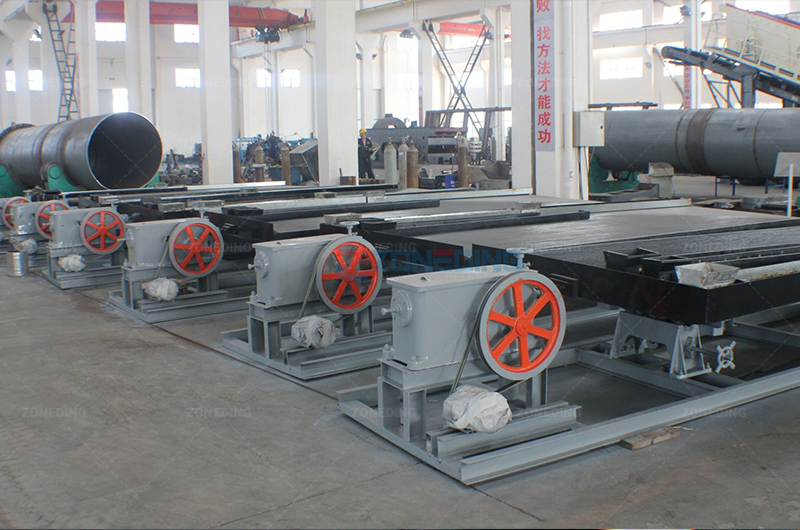
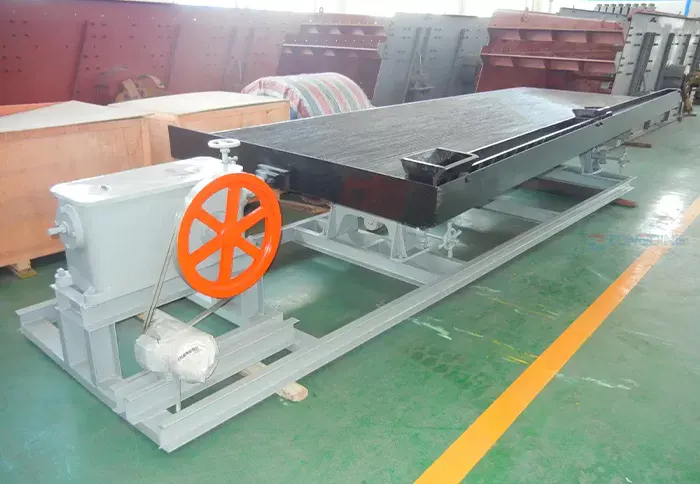
Shaking Table
Results
Metric
Performance
Gold Recovery
Over 85%
Construction Time
45 Days
Operation
2 Shifts Daily
The customer started with a simple gravity circuit and expanded later as production increased.
Common Mistakes When Building a Small Gold Plant
Many investors lose money because of avoidable mistakes.
Buying Equipment Before Ore Testing
This is the most common mistake.
Different ores require different recovery methods.
Choosing Capacity That Is Too Large
Many new investors overestimate production requirements.
Starting with a scalable plant is often safer.
Ignoring Water Requirements
Gold processing requires reliable water supply.
Water availability should be evaluated before plant construction.
Focusing Only on Equipment Price
The cheapest equipment is not always the most economical solution.
Consider:
Recovery rate
Maintenance costs
Spare parts availability
Energy consumption
Need a Complete Equipment List?
Our engineers can help prepare:
✓ Equipment Selection
✓ Process Flow Design
✓ Plant Layout
✓ Capacity Planning
✓ Budget Estimate
Simply send your project details.
How to Expand a Small Gold Plant Later
Many successful mines start small.
Once ore reserves and cash flow are confirmed, the plant can be expanded.
Common upgrades include:
Upgrade
Benefit
Larger Ball Mill
Increased capacity
Additional Gravity Circuit
Higher recovery
Flotation System
Sulfide gold recovery
Cyanidation Circuit
Improved overall recovery
Automated Control System
Reduced labor costs
A modular design makes future expansion easier and less expensive.
Frequently Asked Questions
What is the best processing method for small-scale gold mining?
For most free-milling gold ores, gravity separation is the most cost-effective and easiest method to operate.
How much does a small gold processing plant cost?
Depending on capacity and ore characteristics, investment typically ranges from $20,000 to $600,000.
Can a small plant process hard rock gold?
Yes. Many small plants successfully process hard rock gold using crushing, grinding, and gravity recovery equipment.
Do I need cyanidation for a small gold plant?
Not always. Many free gold ores achieve good recovery through gravity separation alone. Laboratory testing should determine whether cyanidation is necessary.
What capacity should I start with?
Many new operators begin with 10-50 TPD and expand later as production and cash flow increase.
How important is ore testing before plant design?
It is critical. Ore testing often determines the success or failure of the entire project.
Final Thoughts
Building a small-scale gold processing plant does not require a huge investment or complex equipment.
The key is understanding your ore, selecting the correct recovery method, and keeping the process as simple as possible.
For many projects, a well-designed gravity recovery plant offers the fastest path to production and profitability.
Before purchasing equipment, invest in proper ore testing and process evaluation. The right decisions at the planning stage can save significant money and improve recovery for years to come.
Need Help Designing a Small Gold Processing Plant?
Send us:
✓ Ore Analysis Report
✓ Capacity Requirement
✓ Gold Grade
✓ Budget Range
Our engineers can recommend a customized processing solution for your project.
About ZONEDING
ZONEDING provides crushing, grinding, gravity separation, flotation, and complete gold processing solutions for mining projects worldwide.
Whether you are starting a small gold operation or expanding an existing mine, our engineering team can help design a practical, cost-effective plant tailored to your ore characteristics and production goals.
Investing in a mobile crushing station for mining requires careful equipment selection. Showroom specifications often fail in actual quarry environments. Remote mines lack reliable power grids, clean air, and fast internet. Standard equipment conf...
High-yield tin ore recovery depends on a design that respects the brittle nature of cassiterite. Traditional plants often lose over 40% of metal because they grind the ore into useless dust. A scientific tin processing flow design i...
Many gold miners focus on recovery equipment such as concentrators, sluices, jigs, and shaking tables. However, experienced operators know that recovery begins long before gold reaches those machines. It starts with proper washing, screening, and ...
We use cookies to ensure that we give you the best experience on our website. If you continue to use this site we will assume that you are happy with it.
Privacy Policy
Send us a message
We would love to hear from you
Submit your question and our team will respond to the email provided as soon as possible.
 Zoneding Machine