 Zoneding Machine












How Feed Size Affects Ball Mill Capacity and Energy Cost
540Learn how ball mill feed size affects throughput, kWh/t, grinding efficiency, and the total cost of crushing and grinding.
View detailsSearch the whole station Crushing Equipment
Starting a gold mine requires a clear budget. Total alluvial gold plant cost ranges from $30,000 for small setups to over $500,000 for industrial lines. Equipment price is only part of the investment. Shipping, power, and labor also impact the final number. This guide breaks down the expenses for different production levels. Understanding these costs helps prevent financial loss during the first months of operation. Successful mining depends on matching the budget to the actual gold grade in the ground.
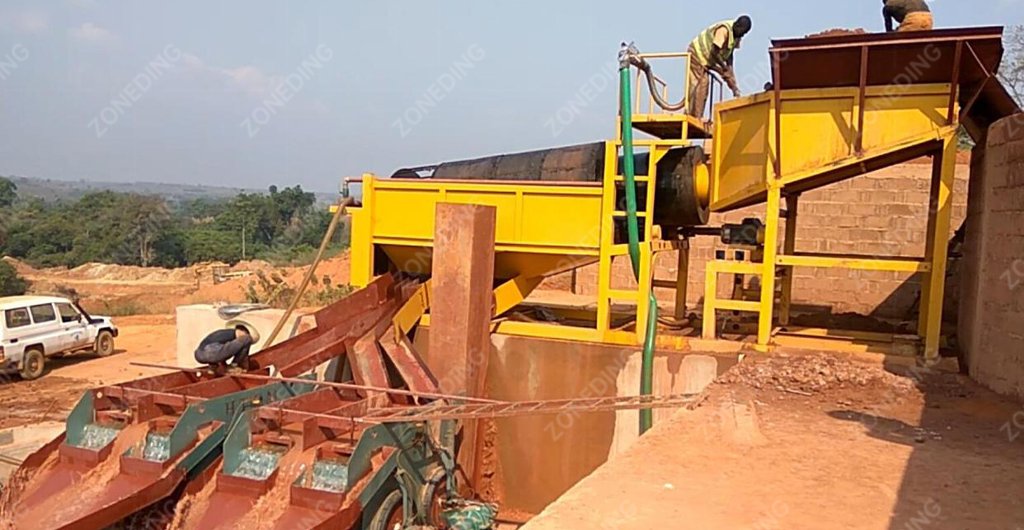
Total investment for alluvial gold processing technology varies by scale. A basic setup with a trommel and simple sluice boxes usually costs between $20,000 and $60,000. These are best for small operations with clean sand. A medium-sized plant adding a moves the price to $80,000 or $150,000. This level is standard for professional miners who want to catch fine gold. The highest tier includes high-energy scrubbers and automatic discharge systems. These industrial plants can exceed $300,000 but offer the best recovery rates and lowest labor costs.
Budgeting must include the water system and power supply. Pumps and generators often add another 15% to the equipment bill. In 2025, prices remain stable but material costs for steel and high-quality motors are rising. Selecting a “turnkey” solution from a manufacturer often saves money compared to buying parts from different vendors. This ensures all machines work together without extra modifications. A well-planned budget covers the machine, the delivery, and the first three months of spare parts. This approach prevents the project from stopping due to a lack of funds.
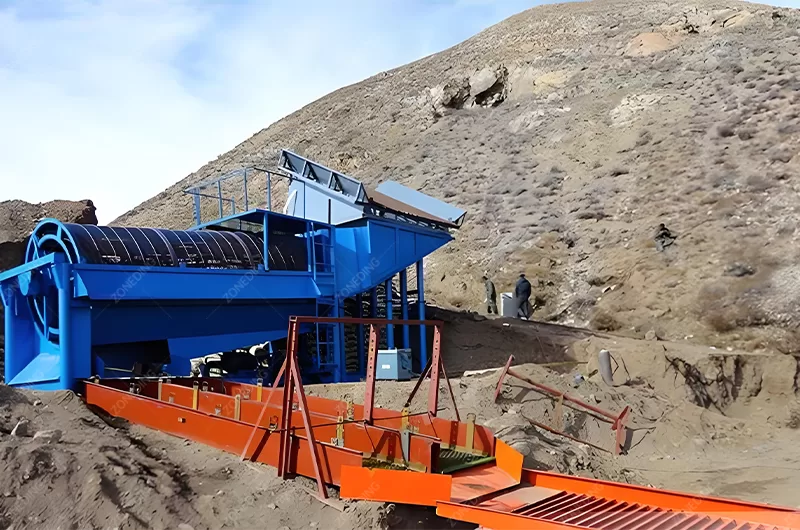
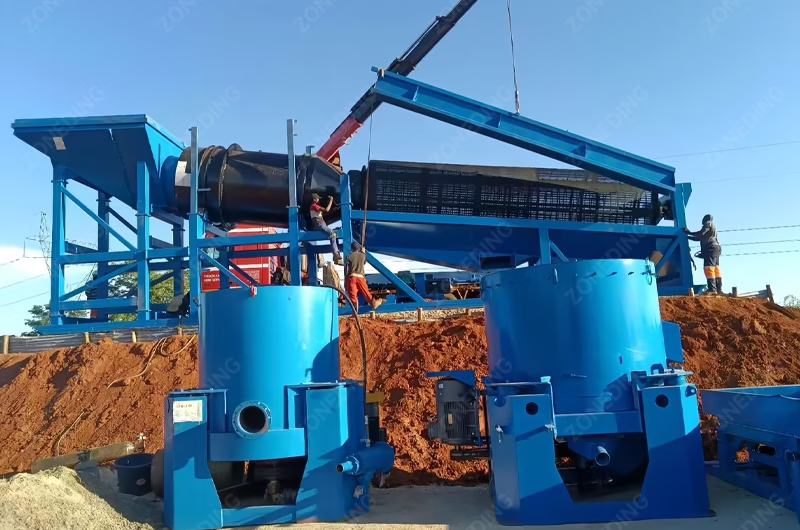
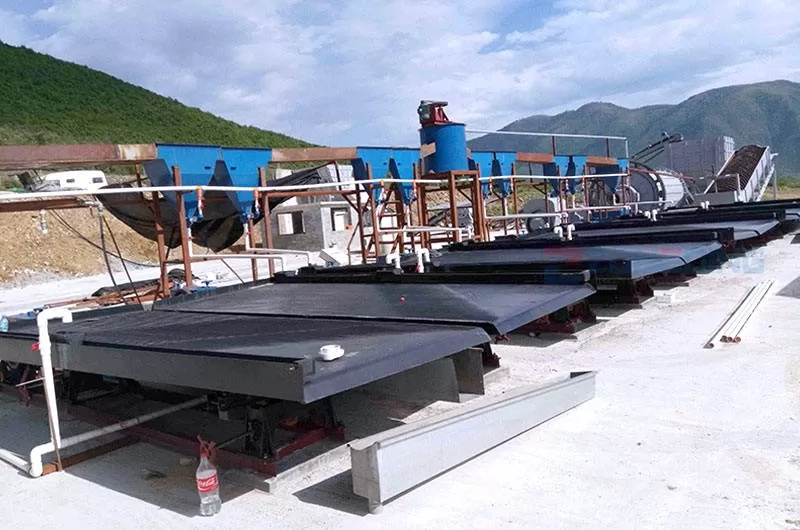
| Setup Tier | Key Equipment Included | Price Range (USD) | Best For |
|---|---|---|---|
| Basic | Trommel + Sluice Box | $20k – $60k | Small scale, coarse gold |
| Standard | Trommel + Centrifuge + Sluice | $80k – $180k | Medium scale, professional |
| Industrial | Scrubber + Centrifuge + Shaking Table | $250k – $500k+ | Large scale, high clay, fine gold |
Capacity or “Tons Per Hour” (TPH) dictates the size of every machine in the plant. A 50 TPH plant uses a smaller motor and thinner steel plates than a 500 TPH plant. But the price does not double when the capacity doubles. Larger machines require heavy-duty bearings and reinforced frames to handle the weight of the rocks. A 200 TPH plant might cost three times more than a 50 TPH plant because the structural engineering is much more complex. This is why defining the actual daily target is the most important step for an alluvial gold mining equipment budget.
Processing speed also affects the water and power needs. A 500 TPH plant needs a massive water pump and a high-voltage generator. These support systems grow more expensive at a faster rate than the washing unit itself. If the mine site cannot provide enough water for a large plant, the investment is wasted. It is often better to run a 100 TPH plant for 20 hours than a 200 TPH plant for 5 hours. Consistent operation reduces the stress on the machines and keeps the gold recovery steady.
A stationary plant has a lower gold wash plant price for the machinery itself. But it requires concrete foundations and heavy steel structures. These “civil works” can add 20% to the total setup cost. If the gold deposit is spread over a large area, trucks must haul the dirt long distances to the plant. This increases the fuel cost and slows down the work. Stationary plants are best for very deep or concentrated deposits where the machine will stay in one place for years.
A Mobile Stone Crusher or mobile washing unit costs more upfront. This premium covers the heavy-duty chassis and the integrated design. However, it saves thousands of dollars in site preparation. The plant can move every few weeks to stay close to the digging area. This “plug and play” setup reduces truck fuel consumption and labor. For most modern placer mines, the mobile design is the more economical choice over a three-year project. It also has a much higher resale value when the mine is finished.
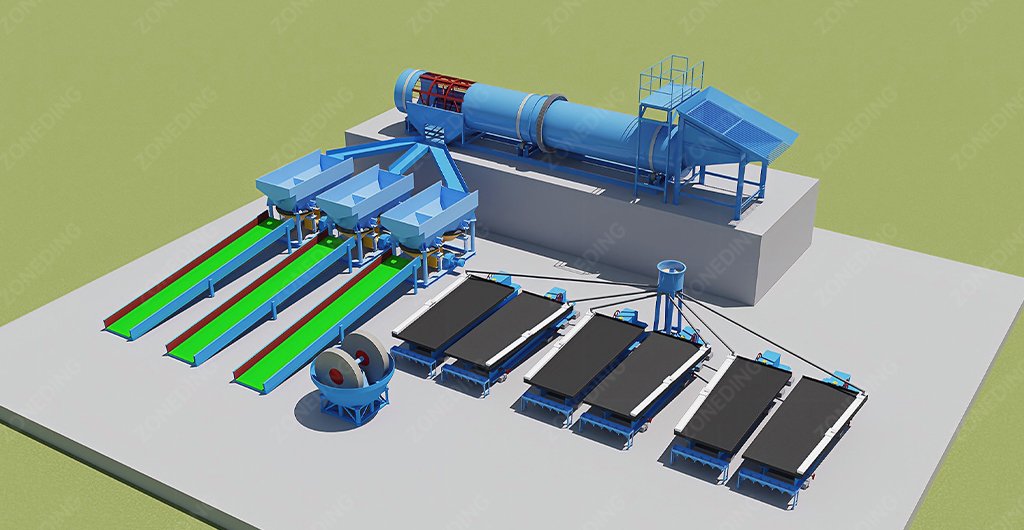
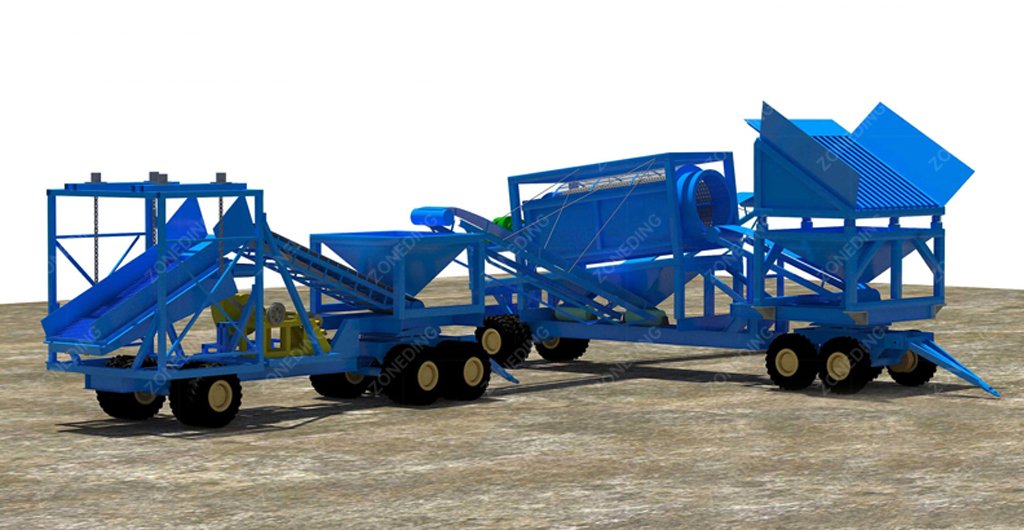
| Feature | Fixed Plant | Mobile Unit | Impact on Profit |
|---|---|---|---|
| Purchase Price | Lower | Higher | Initial cash flow |
| Setup Cost | High (Concrete) | Low (Level ground) | Speed of starting |
| Hauling Cost | Increases over time | Stays low | Long term fuel savings |
| Resale Value | Difficult | High | Exit strategy |
Clay is a “profit killer” in alluvial mining. If the sand contains more than 15% clay, a standard trommel will fail. The clay forms balls that steal the gold and carry it to the waste pile. To fix this, the budget must include a Gold Trommel Scrubber. These machines are built with thick shells and powerful high-torque motors. A scrubber usually costs 40% more than a standard trommel of the same size. This is because it must work much harder to wash the sticky mud off the rocks.
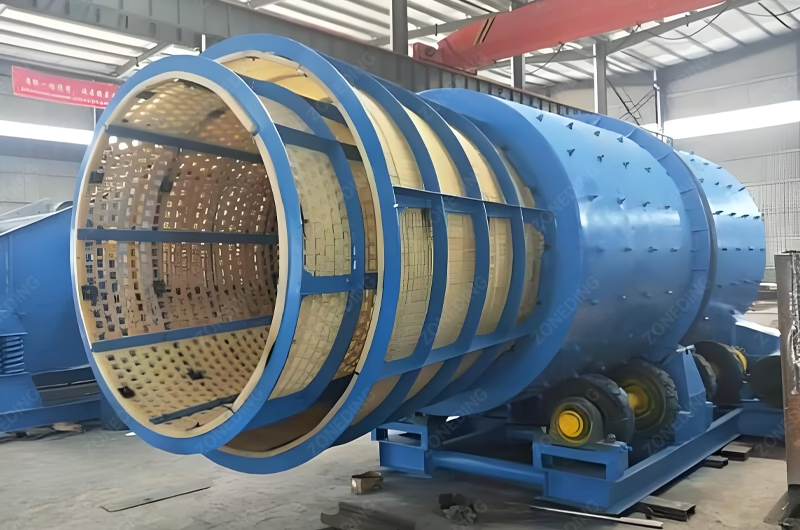
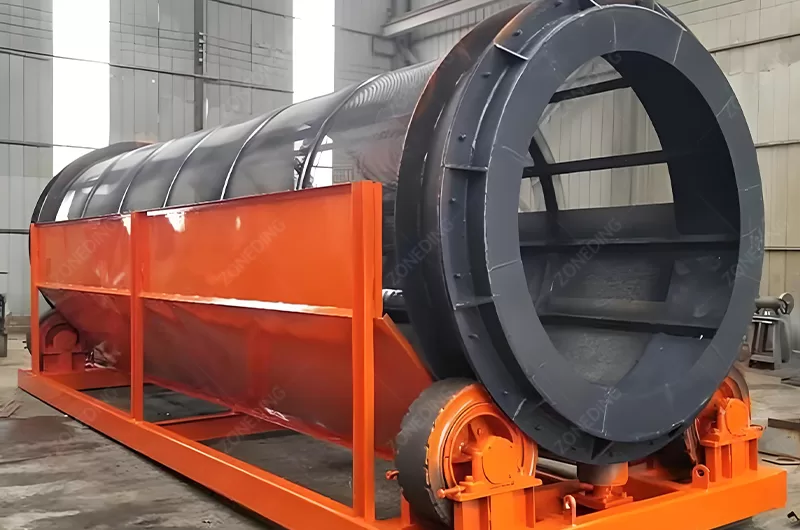
Ignoring clay to save money on equipment is a common mistake. I have seen mines lose half their gold because they bought a cheap washing unit. Adding high-pressure water jets and a scrubber pays for itself in a few weeks through increased recovery. If the ore is “clean” sand, skip the scrubber. But if the mud sticks to your boots, you must invest in the right washing technology. This is a mandatory part of any professional investment for gold mining.
A sluice box is very cheap but it only catches coarse gold. If the deposit has fine “flour” gold, the sluice will miss it. Adding a Centrifugal Concentrator can increase total recovery by 10% to 30%. While the machine might cost $15,000 or $40,000, the extra gold usually pays for the machine in less than two months. For high-grade mines, the centrifuge is the most profitable part of the whole plant. It is the gold standard for fine gold recovery techniques.


The cost of running a centrifuge includes the water pressure pump and the electricity for the motor. It also requires a clean water supply to keep the grooves from clogging. Even with these extra costs, the ROI is usually much higher than a simple sluice setup. Modern automatic machines reduce labor costs because they flush the gold into a secure tank. This also prevents theft, which is a hidden but real cost in many mining operations.
Shipping heavy machinery from China to Africa or South America is expensive. Logistics usually add 20% to 40% to the alluvial gold mining equipment budget. Machines like trommels and scrubbers are “bulky” and take up many containers. In 2026, sea freight prices change every month. It is vital to get a firm shipping quote before finalizing the purchase. Also, check the import duties in your country. Some nations give tax breaks for mining equipment, while others charge up to 30% in customs fees.
Packing is another factor. High-quality manufacturers use steel frames to secure the machines inside the containers. This prevents damage during the long ocean journey. If a machine arrives broken, the cost of downtime is much higher than the cost of better packing. Always ask for a detailed “Packing List” to see how many containers the plant will need. This allows for accurate calculation of the inland trucking costs from the port to the mine site.
Spending $200,000 on machines and then doing a “DIY” installation is a risk. If the trommel is not level, the gold will not settle correctly. If the water pressure is wrong, the centrifuge will blow the gold away. We recommend budgeting for a technical engineer to visit the site. This service usually costs a daily fee plus travel expenses. It ensures the plant is running at peak efficiency from the very first hour. This “commissioning” phase is when the operator learns how to tune the machines for the specific ore.
Labor for installation also depends on local skills. If the mine is in a remote area, you may need to hire welders and electricians. A “modular” plant design reduces this cost. Modular plants are pre-fitted at the factory. They use bolts instead of welding for the main connections. This speeds up the setup and reduces the chance of errors. A professional setup can start producing gold in 7 days, while a poorly planned one can take a month.
The purchase price is CAPEX, but operational cost of gold mining (OPEX) is what keeps the business alive. Diesel fuel is usually the largest daily expense. A 100 TPH plant might burn 20 to 40 liters of diesel per hour for the generator and the pumps. In remote areas, the cost of transporting diesel can double the price per liter. If the mine is near a power grid, switching to electricity can save 60% on energy costs. Even if the connection fee is high, it usually pays for itself in one year.
Labor is the second major OPEX factor. A modern plant with automatic discharge needs only 2 or 3 operators. An old-style plant with manual sluice cleaning might need 10 workers. In areas with high wages, automation is a very smart investment. Also, do not forget the cost of water treatment chemicals if you use a High Efficiency Concentrator. These “flocculants” help settle the mud so you can reuse the water.
| Expense Item | Daily Cost (Estimated) | Ways to Save |
|---|---|---|
| Diesel Fuel | $300 – $600 | Use electric grid or solar hybrid |
| Labor (3 Crew) | $150 – $450 | Use automatic machines |
| Spare Parts | $50 | Buy in bulk from factory |
| Water & Misc | $40 | Build efficient settling ponds |
Placer gold mining is “abrasive.” Rocks and sand rub against the metal every second. The trommel screen mesh, the pump impellers, and the sluice mats will wear out. A healthy budget allocates 15% of the machine price for annual maintenance. If you mine 24/7, this budget needs to be higher. In 2025, high-chromium alloys are used for liners to extend their life. These cost more initially but save money by reducing the frequency of replacement.
Pump maintenance is especially critical. If the sand is very sharp, the pump shell can wear through in a few months. Using a rubber-lined pump is often the best choice for alluvial sand. These liners are cheap and easy to swap. Keeping a “critical spares kit” on-site is vital. This kit should include bearings, belts, and screen sections. Losing a week of production while waiting for a $100 belt is a massive financial loss.
The Return on Investment (ROI) depends on the “Grade” of the gold and the “Recovery Rate” of the plant. If the grade is 0.5 grams per ton and the plant processes 1,000 tons a day, the output is 500 grams. At $60 per gram, the daily revenue is $30,000. If the daily OPEX is $5,000, the profit is $25,000. In this scenario, a $250,000 plant pays for itself in just 10 days of full production. This is why ROI of gold processing plant can be incredibly fast in good deposits.
However, if the recovery rate is only 50% because of bad equipment, you lose $15,000 every day. This is why investing in high-quality Placer Gold Mining equipment is the best way to protect your profit. A more expensive plant that recovers 95% of the gold is always a better deal than a cheap plant that only gets 70%. Focus on the “cost per recovered gram” rather than just the “cost of the machine.”
Current trends show a move toward hybrid power systems. Many mines are now installing solar panels to run the office and lighting, saving diesel for the heavy machines. There is also a rise in “pay-as-you-grow” modular designs. Miners start with a small unit and add more centrifuges as they make a profit. This reduces the initial risk and allows for better cash flow management.
Question 1: What is the average alluvial gold plant cost for a small mine?
A professional small-scale setup (20-50 TPH) usually costs between $30,000 and $70,000 including basic washing and recovery tools.
Question 2: Does the equipment price include the generator and pumps?
Most quotes are just for the washing machines. You must specifically ask for a “complete turnkey package” to include power and water systems.
Question 3: How long does it take to ship a gold plant from China?
Production takes 30-45 days. Sea shipping takes another 30-50 days depending on the destination. Total time is usually around 3 months.
Question 4: Are used gold wash plants a good investment?
Used machines often have hidden cracks or worn-out bearings. Unless you are a mechanic, buying new with a factory warranty is much safer and has a better ROI.
Question 5: How do I get an accurate gold wash plant price list?
The best way is to provide your TPH target and a soil report to the manufacturer. They will then create a custom quote based on your specific needs.
ZONEDING is a professional Chinese manufacturer of heavy-duty mining equipment. We provide complete solutions for Gold Processing Plant and aggregate production. Our products include the Jaw Crusher, ball mills, and advanced gold centrifuges. We have served B2B clients in 120 countries since 2004. Our factory offers direct sales, ensuring competitive prices and reliable after-sales support. We help you design the most efficient plant to maximize your ROI.
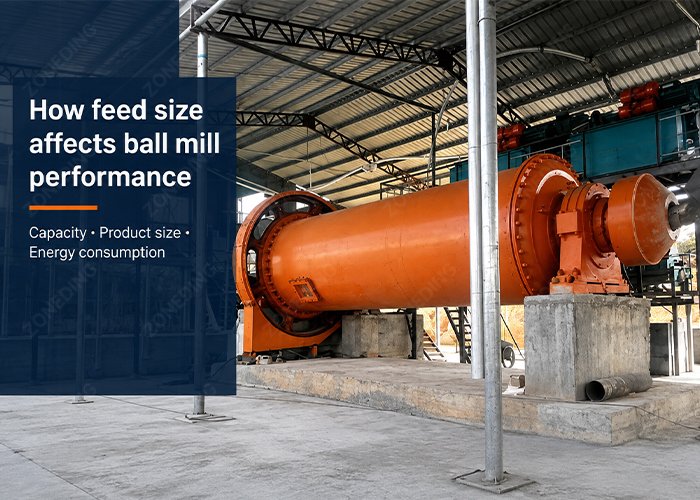
Learn how ball mill feed size affects throughput, kWh/t, grinding efficiency, and the total cost of crushing and grinding.
View details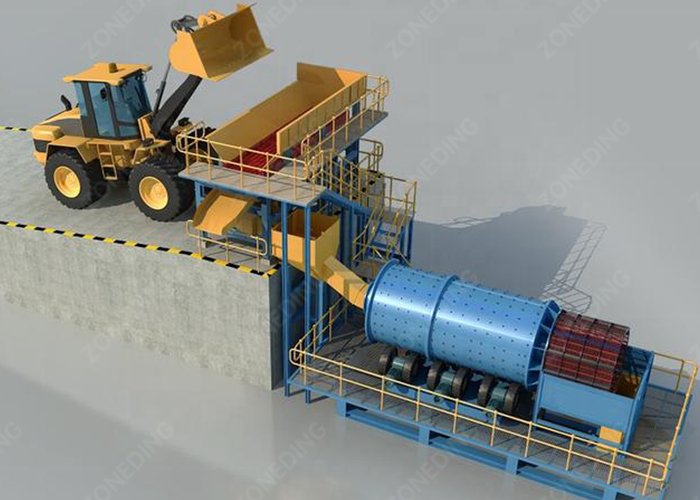
Anti-clogging screening equipment provides the most reliable way to handle sticky materials in 2026. Traditional vibrating screens often fail when clay moisture exceeds 10%. This leads to frequent downtime and high cleaning costs. Our technic...
View details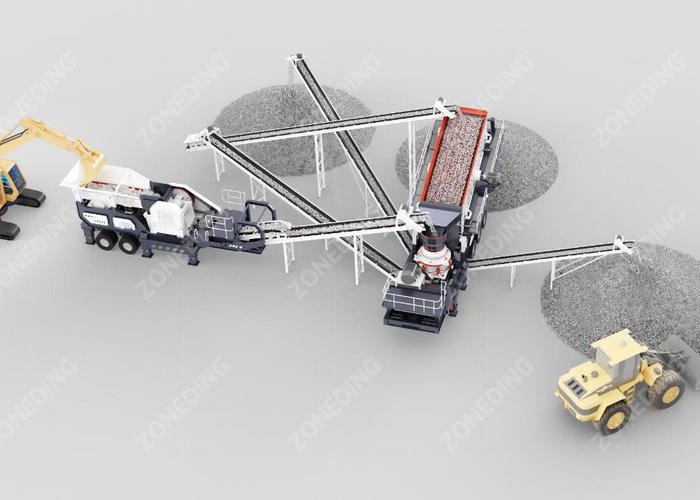
In a large-scale mining project, selecting a is not just about comparing tonnage. While mobility reduces material handling costs, the compact nature of these machines introduces risks in stability, maintenance, and product quality. Success require...
View details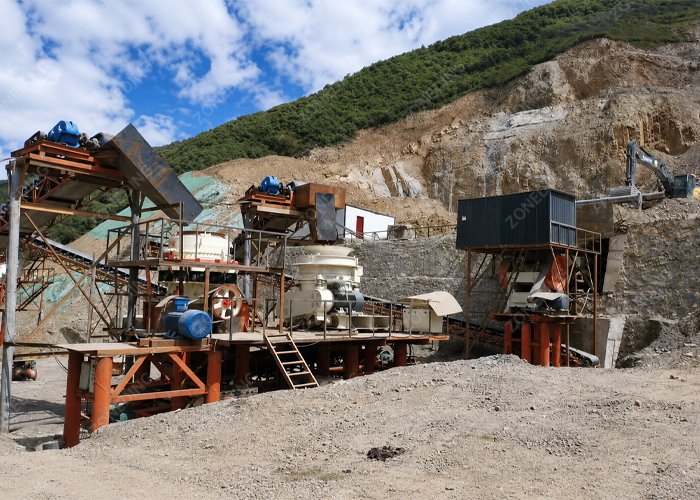
Plan a 50–100 TPH crusher plant for a small South America quarry. Compare rock types, layouts, power, site needs and expansion.
View details