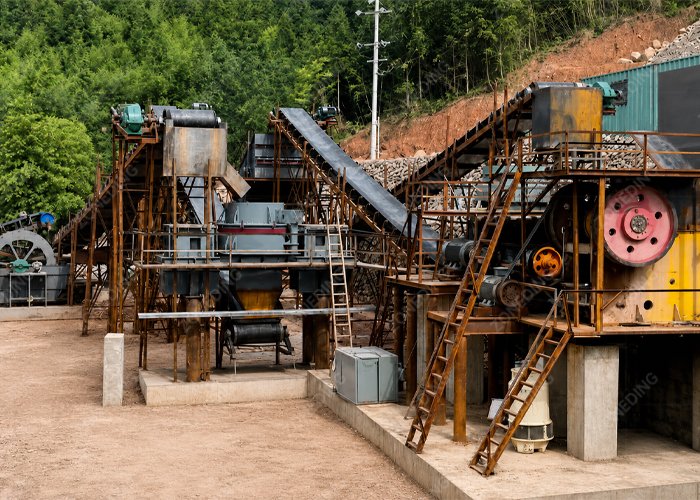
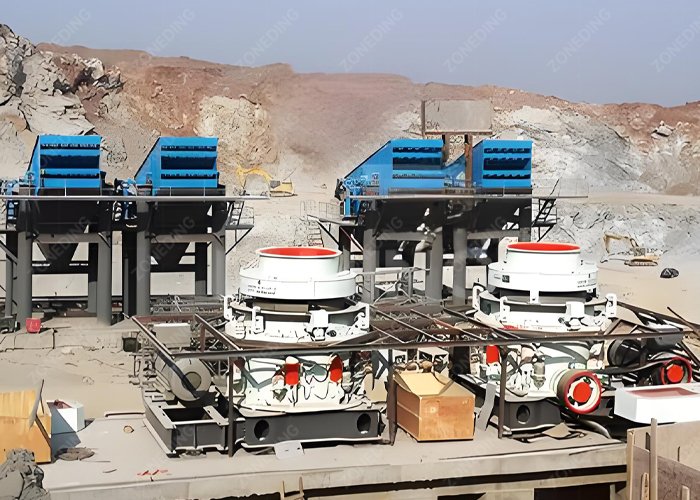
Tailings are no longer just a waste product in modern mining. High metal prices and better technology make the tailings beneficiation process a major profit center. This guide explains how to extract hidden value from old waste dams. Re-processing reduces environmental liability while increasing the total revenue of a mine site. Most old mining sites contain significant amounts of gold, copper, or iron that was once lost.
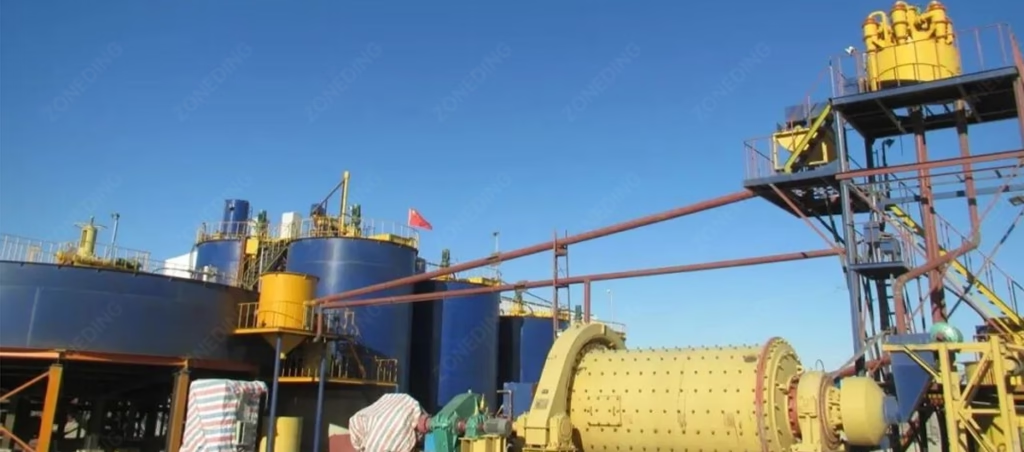
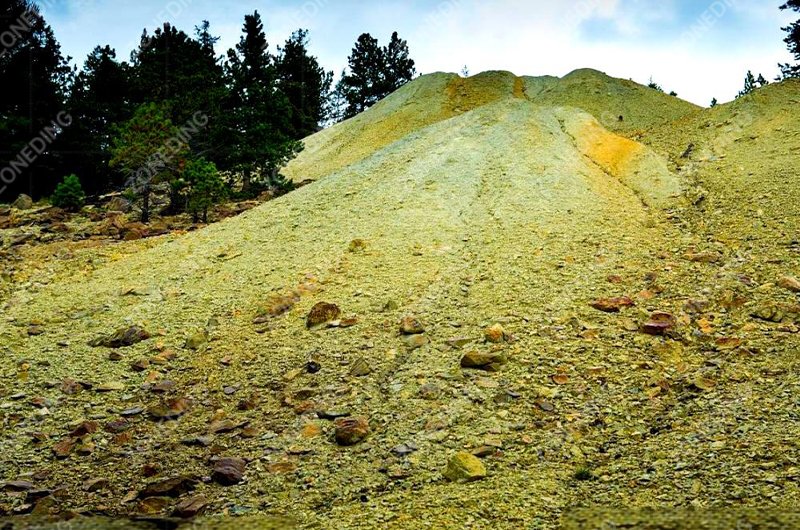
Tailings are the materials left over after the main extracts the target minerals. In the past, recovery rates were often low due to inefficient machinery. Old mining operations might have left up to 20% or 30% of the valuable metal in the waste dam. Today, these “waste” piles are considered “misplaced resources” because the metal is already mined and crushed. There is no need for expensive blasting or primary crushing of these materials. The cost of production is much lower than starting a new underground mine. Modern mineralogy shows that tailings contain fine particles that old machines could not catch. These fine particles are now accessible using advanced Minerals Processing Machine technology. As the world moves toward a circular economy, the definition of waste is changing. What was garbage in 1990 is a high-grade feed source in 2025. This shift allows mining companies to extend the life of a project without digging new pits. It turns a massive environmental cost into a long-term asset for the company.
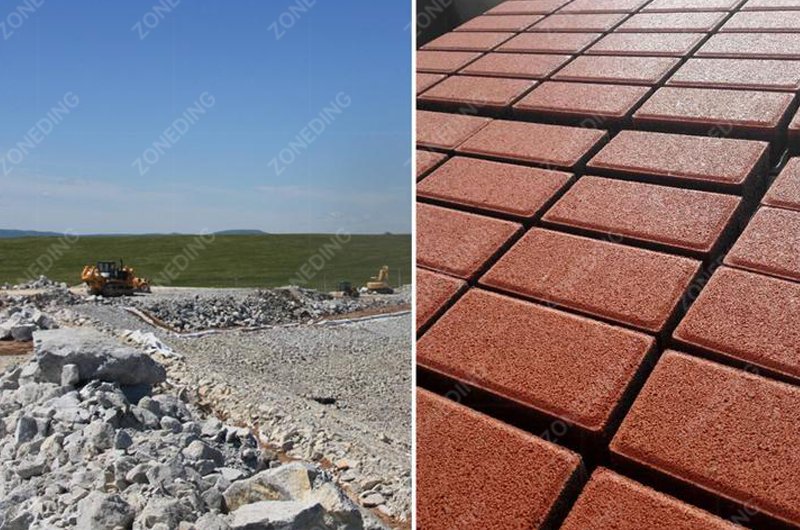
Gold Tailings
Iron Tailings
Copper Tailings
Tailings Composition Breakdown
Tailings Type
Potential Recoverable Material
Typical Grade Range
Economic Benefit
Gold Tailings
Fine Gold / Sulfides
0.5 – 1.5 g/t
High revenue per ton
Iron Tailings
Magnetite / Hematite
8% – 15% Fe
Low cost, high volume
Copper Tailings
Chalcopyrite / Oxides
0.1% – 0.3% Cu
Significant total metal
Why invest in the tailings beneficiation process?
Investing in Value recovery from tailings balances high economic returns with strict environmental compliance. Governments worldwide are making it harder to build new tailings dams. Re-processing old dams reduces the physical size of the waste pile. This lowers the risk of dam failure and water contamination. Many countries offer tax breaks or faster permits for projects that clean up old mining sites. It is a “win-win” situation for the board of directors and the local community. The economic logic is simple: the material is already on the surface. There are no costs for drilling, blasting, or hauling from deep underground. The tailings beneficiation process often starts with a simple dredge or a front-end loader. This saves millions of dollars in the initial capital expenditure. Furthermore, the recovered water can be sent back to the main plant. In dry regions, the water saved from tailings can be more valuable than the metal itself. This makes the entire operation more sustainable and resilient to climate changes.
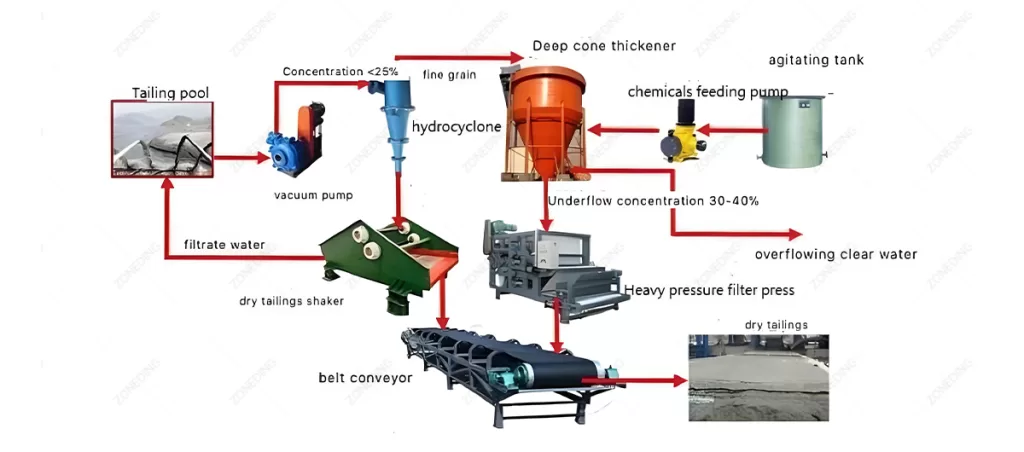
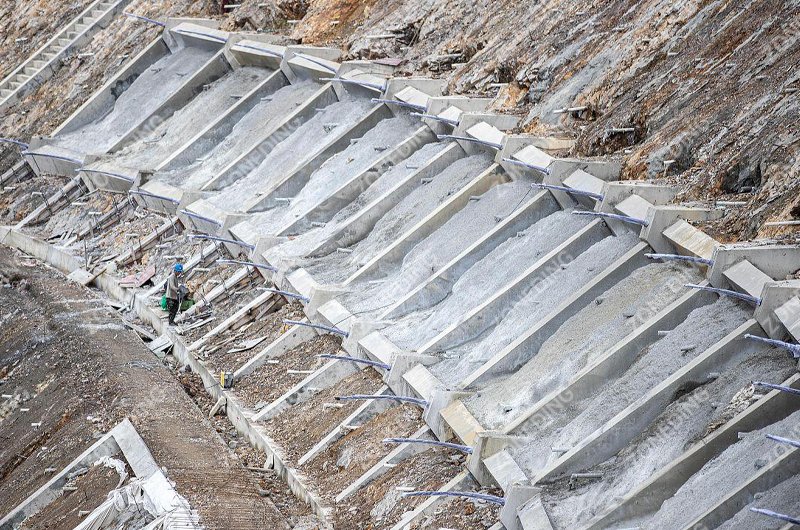
Typical system for Tailings Dewatering works
Key Investment Drivers
Reduced Liability: Smaller dams mean lower insurance costs and less closure risk.
Fast Startup: Production can often start in months rather than years.
ESG Rating: High environmental scores attract more international investors.
Actionable strategies for mine managers
Audit water usage: See how much fresh water is saved by dry stacking tailings.
Review permits: Check for government incentives for land reclamation projects.
Perform ROI analysis: Compare the cost of re-processing versus expanding a new pit.
How is the core process flow implemented?
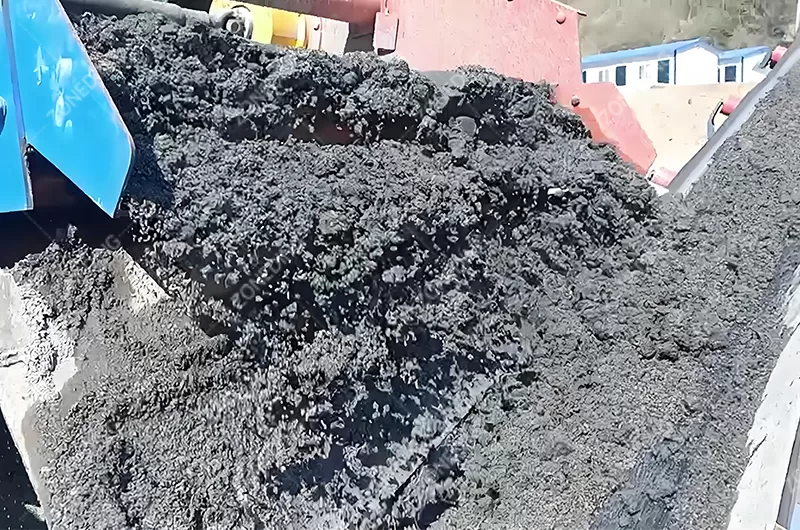
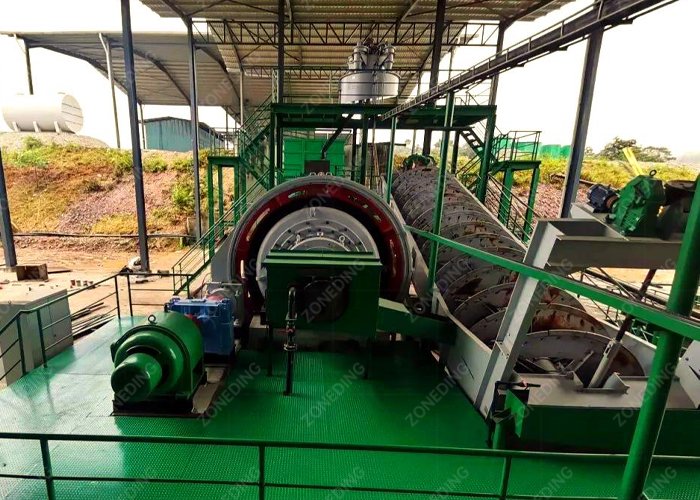
A successful Re-processing mine tailings flow requires precise separation of fines and water. The process usually begins with “mining” the tailings through hydraulic monitoring or dredging. The slurry is then pumped to a screening stage to remove wood, trash, and large rocks. After cleaning, the material enters the concentration stage. This is where Magnetic Separator or Flotation Machine units extract the target minerals based on their physical or chemical properties. The final stage is dewatering. This is the most critical part of modern Secondary mineral recovery projects. A High Efficiency Concentrator thickens the waste to a high density. Then, a filter press or a dewatering screen creates a “dry cake.” This dry material can be sold as construction aggregate or used to fill old mine tunnels. The clean water from the overflow goes back to the start of the plant. This closed-loop system is the standard for high-performance tailings operations in 2026.
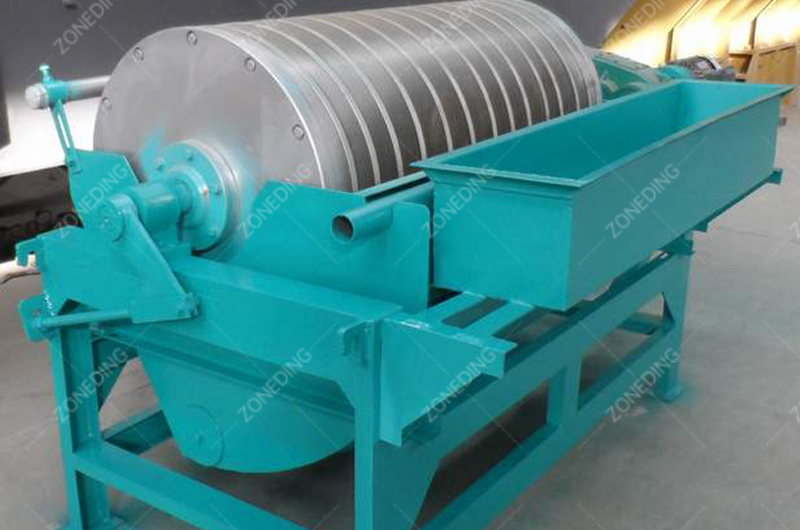
Magnetic Separator
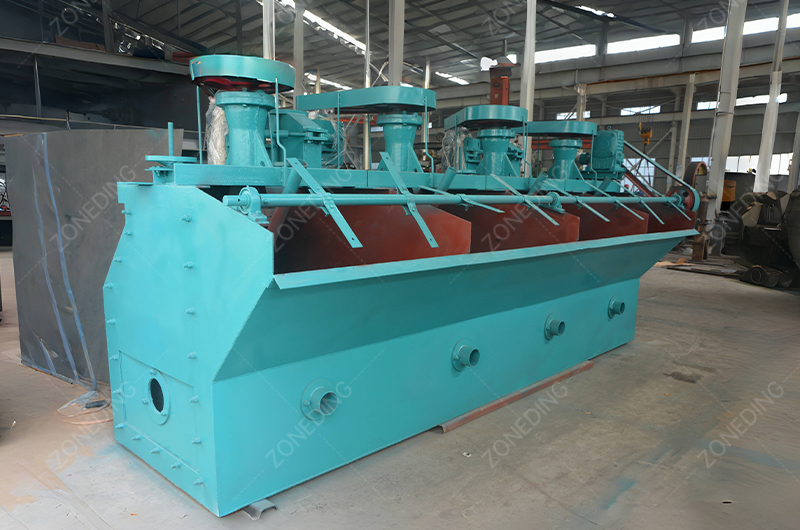
Flotation Machine
Thickener Concentrator
Process Stage Comparison
Process Stage
Primary Equipment
Goal
Effect on Profit
Extraction
Dredge / Pump
Move slurry to plant
Lower hauling costs
Concentration
Flotation Machine
Separate metal from waste
Direct revenue gain
Dewatering
High Efficiency Concentrator
Recover process water
Reduced water bills
Efficiency tips for the process line
Use Hydrocyclones: Quickly remove excess water before the main concentration stage.
Optimize pH levels: Small chemical changes in the flotation cell can double recovery.
Monitor pump wear: Tailings are abrasive and can destroy impellers quickly.
Which technologies boost low-grade recovery?
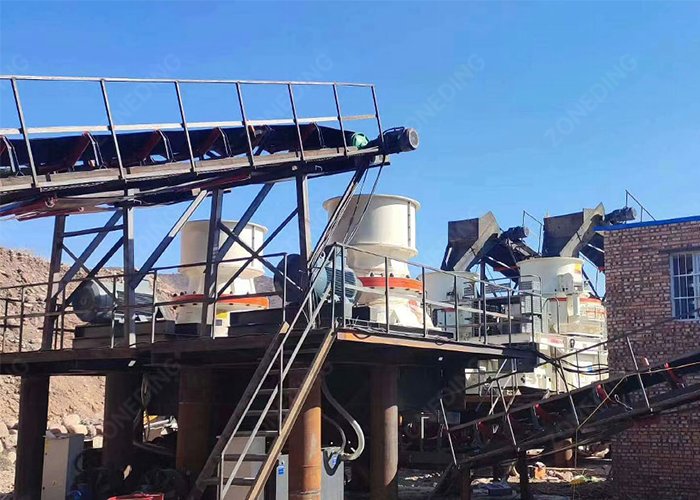
Advanced Tailings recycling equipment uses high-intensity forces to catch tiny mineral particles. One major breakthrough is the High-Gradient Magnetic Separator. This machine can catch very weak magnetic particles that older models ignored. It is perfect for iron ore tailings or removing impurities from quartz sand. For gold and copper, fine-particle flotation cells use micro-bubbles to lift the metal. These bubbles are small enough to attach to particles under 20 microns. Another essential technology is the Spiral Classifier or Spiral Chute. These gravity-based machines are very cheap to run. They use centrifugal force to separate heavy minerals like tin, tungsten, or chrome from the lighter sand. Because they have no moving parts in the separation zone, they last a long time. Combining gravity separation with magnetic or chemical methods creates a robust recovery system. This multi-stage approach ensures that nothing of value is sent back to the dam.
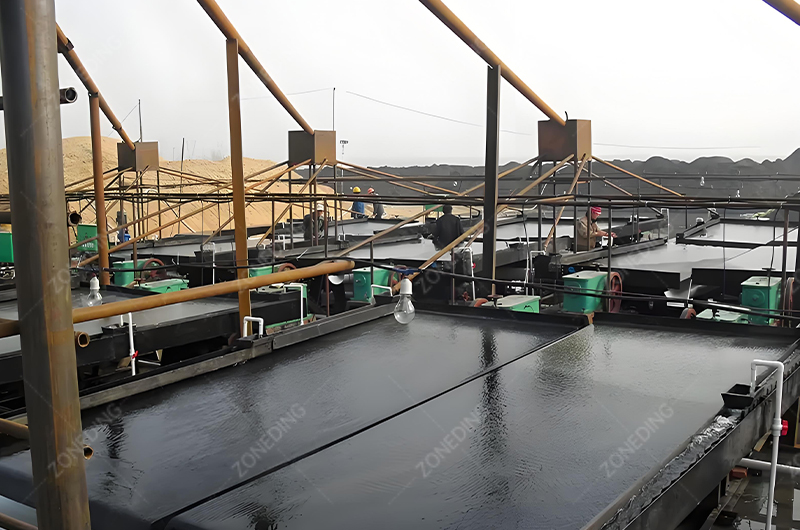
Shaking Tables
Spiral classifier
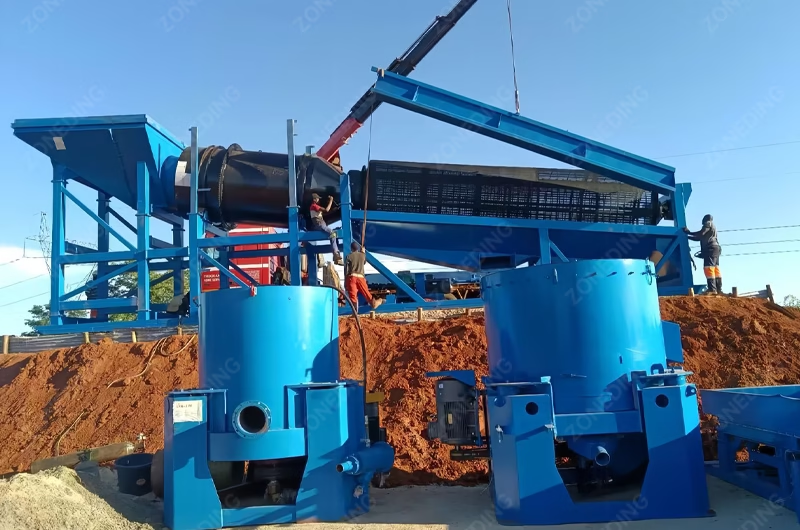
Centrifugal Concentrator
Recovery Technology Options
Gravity Separation: Uses Shaking Table for ultra-fine high-density minerals.
Magnetic Separation: Uses high-intensity drums for iron recovery.
Particle size range: Match the equipment to the micron size of the mineral.
Energy consumption: Choose low-power gravity options if the grade is very low.
Maintenance ease: Ensure the crew can change wear parts without a total shutdown.
How to achieve secondary value from tailings?
Value recovery from tailings extends beyond metals to include construction materials. Once the metals are removed, the remaining sand can be processed into high-quality aggregate. A Sand Making Machine can reshape the tailings into cubical sand. This sand is perfect for making concrete or bricks. In many regions, natural river sand is banned or very expensive. Mine tailings provide a sustainable alternative for the building industry. Chemical re-processing is also gaining ground. Some tailings can be used to make fertilizers or specialized industrial chemicals. For example, phosphate tailings can be turned into soil nutrients. The goal is to reach a “zero-waste” state. By turning 100% of the tailings into metal, aggregate, and water, the mine dam disappears over time. This land can then be used for farming or solar power plants. This total resource utilization strategy is the future of the global mining industry.
Test for toxins: Ensure the final sand is free of chemicals like arsenic or cyanide.
Partner with local builders: Sign long-term supply deals for aggregate sand.
Check transport costs: Selling sand is only profitable if the buyer is nearby.
2026 Trends in tailings and zero-waste mining
Digitalization and automation are transforming the tailings beneficiation process in 2025. Smart sensors now monitor the mineral grade in real-time as it flows through the pipes.
Latest developments at a glance
AI Sorting: Cameras identify and sort minerals on a conveyor belt using light spectra.
Modular Plants: Portable Mobile Crushing Station setups allow re-processing to move from dam to dam.
Microbial Leaching: Using bacteria to eat away rock and release trapped gold. The move toward “Green Mining” is a permanent shift. International banks now require a clear tailings management plan before lending money. Companies that adopt Sustainable mining solutions early will have much easier access to capital. The technology is moving away from big dams toward instant dry stacking. This makes the mine safer and more acceptable to the public.
Tailings Re-processing FAQ
Question 1: Is it worth re-processing tailings with a grade under 1%? Yes, if the volume is large and the grinding cost is zero. Many iron ore projects succeed with grades as low as 8%. Question 2: What is the biggest cost in a tailings project? Pumping and dewatering are the largest operational costs. Efficient High Efficiency Concentrator units are essential to save money. Question 3: Can old gold tailings be re-processed safely? Yes, modern Gold CIL Plant technology handles old tailings safely. It often includes detox stages to remove old cyanide. Question 4: Does re-processing work for all types of mines? It is most effective for metals like gold, copper, iron, and chrome. It is also great for industrial minerals like quartz and phosphate.
About ZONEDING
ZONEDING is a global leader in providing Sustainable mining solutions. The company designs and builds complete Tailings recycling equipment lines for mines in 120 countries. With 20 years of experience, the engineering team helps customers turn waste into wealth. ZONEDING offers factory-direct prices on Magnetic Separator, Flotation Machine, and High Efficiency Concentrator units. Contact ZONEDING today for a free mineral test or a custom tailings recovery plant design.
One of the first questions buyers ask before purchasing a cone crusher is: How many tons per hour can a cone crusher produce? The answer is not as simple as reading a specification sheet. Many operators discover that actual production differs sign...
Optimizing the gold ore dressing process is the most direct way to increase profit in a mine. A high gold recovery rate depends on how well the equipment works together. Many plants lose gold because the flow is not right. I ha...
For decades, natural river sand was considered the standard material for concrete, mortar, and infrastructure projects. Today, that situation is changing rapidly. Many contractors, concrete producers, and aggregate companies are asking: Is machine...
Aggregate plants face challenges with hard rock processing daily. Cone crushers in the aggregates industry solve this exact problem efficiently. High-grade construction projects require perfectly shaped stones constantly. These machines handle ext...
We use cookies to ensure that we give you the best experience on our website. If you continue to use this site we will assume that you are happy with it.
Privacy Policy
Send us a message
We would love to hear from you
Submit your question and our team will respond to the email provided as soon as possible.
 Zoneding Machine