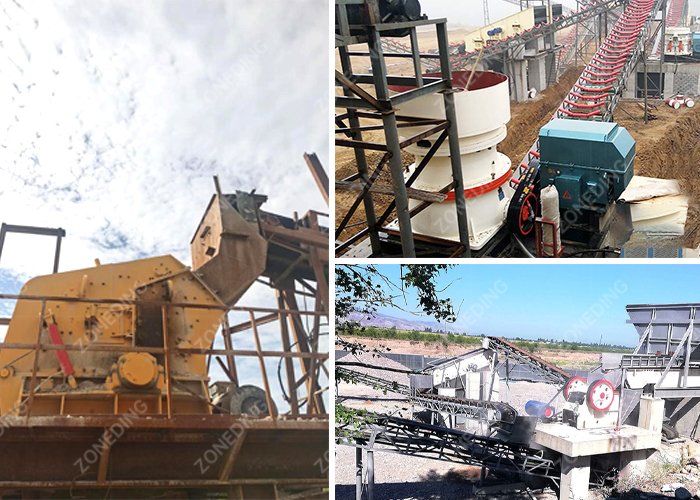
Fifty years of experience across global mining sites reveals that plant managers frequently struggle with high costs and machine failures. Profitability depends on the selection of the correct mining crushing equipment. Understanding hidden wear patterns, kinetic traps, and cost complexities—details often omitted from manufacturer sales brochures—is essential. These engineering factors dictate plant uptime and the overall cost per ton.
How Does Ore Hardness Dictate Equipment Selection?
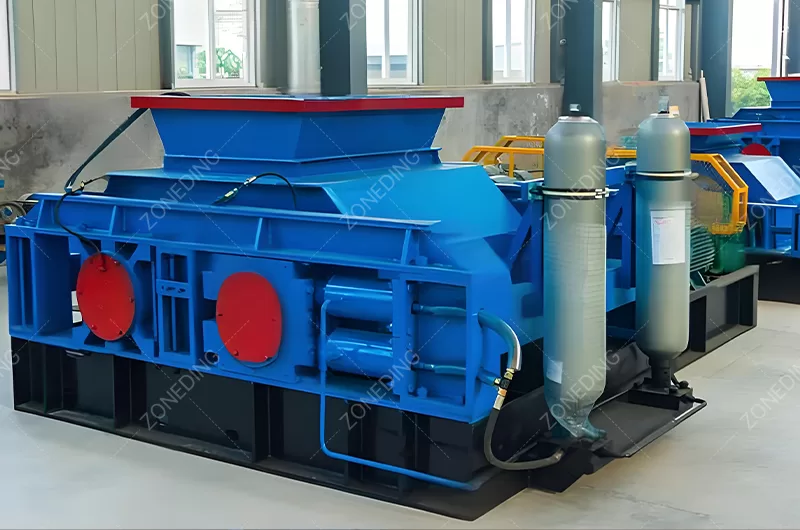
Matching the crushing mechanism to the physical strength of the rock is essential for cost control. Many engineers select machines based only on compressive strength data. This narrow focus leads to excessive electricity waste and low production rates. A complete analysis must also include the tensile strength of the ore. Many mineral processing operations assume double teeth crushers only suit soft coal. This is a common industry mistake. Heavy-duty sizers process medium-hard bauxite and frozen topsoil with high efficiency. Jaw machines crush rocks using compressive strength by pushing the material until it shatters. A Roll Crusher uses a different physical principle. The alloy teeth bite the rock and pull it apart. This action targets the tensile strength of the mineral. A rock’s tensile strength is usually only 10% of its compressive strength. Tearing a rock requires much less energy than crushing it. This allows plants to achieve massive throughput with smaller motors. The pulling action creates almost zero dust and prevents over-crushing. It serves as an ideal solution for processing sticky ores mixed with heavy clay.
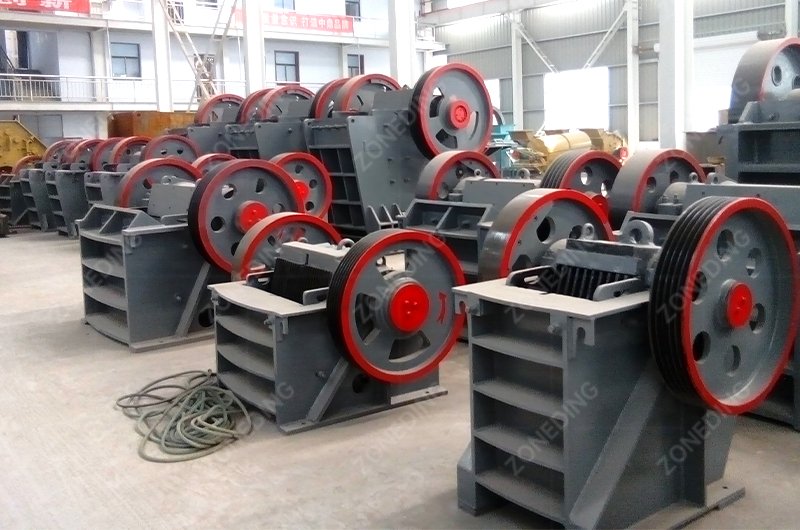
Jaw Crusher
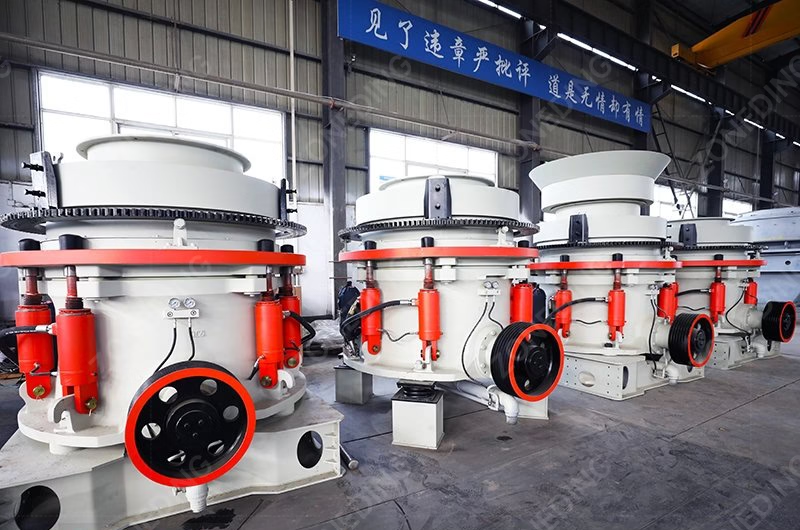
Cone Crusher
Roller Crusher
Utilizing Tensile Strength for Better Yields
Correct force application saves thousands of dollars in power bills. Sizers grip the material and snap it quickly. This snapping action creates very few fine particles. Dust control systems work better because the machine generates less airborne waste. Downstream washing equipment also faces a lighter workload.
Crusher Type
Force Used
Energy Consumption
Best Application
Jaw Crusher
Compressive
High
Hard, abrasive primary rocks
Cone Crusher
Compressive
Very High
Hard rock secondary stages
Roll Crusher
Tensile
Very Low
Sticky, wet, medium-hard ores
Practical Tips for Ore Testing
Verify tensile strength: Send samples to a laboratory to find the force needed to pull the rock apart.
Measure moisture limits: Check the exact clay percentage before selecting a compressive machine.
Analyze dust costs: Include the price of dust collection filters when comparing high-speed rotors.
How Do Jaw Crusher Toggle Plates Control Wear Rates?
The toggle plate acts as the kinetic steering wheel for the entire machine. Most maintenance teams view this part only as a safety pin. In reality, its geometry dictates the exact movement of the crushing jaw. About 90% of operators believe the toggle plate exists only to snap during emergencies. It protects the main bearings when uncrushable metal enters the chamber. However, the length and angle of this plate determine the oval movement path of the moving jaw. A major problem arises when crushing abrasive rocks like silica. A bad toggle angle makes the jaw push down and rub against the rock. This rubbing action acts like sandpaper on the steel. Maintenance crews should adjust the toggle block shims regularly. The goal is to make the jaw movement a pure vertical squeeze. Eliminating just 3 millimeters of downward rubbing stroke extends the life of Jaw Crushers plates by over 40%.
Managing High-Manganese Steel Wear
High-manganese steel needs impact to stay hard. The metal forms a tough outer layer when rocks hit it directly. The rubbing motion does not create enough impact force. It simply shaves the metal away like a file. Monitoring the wear profile of the plates every week is vital. A curved wear pattern at the bottom of the plate indicates a bad toggle angle. The operator must stop the machine and add shims to fix the geometry. This small adjustment saves significant money on spare parts every month.
What Causes Cone Crusher Bronze Bushings to Burn?
Low nitrogen pressure in hydraulic accumulators destroys expensive internal bearings. Many plant managers blame dirty lubrication oil for bearing failures. The actual cause is often “ring bounce” caused by weak hydraulic pressure. Sites frequently experience burned eccentric bushings and bowl liners in modern machines. Mechanics often find brass shavings in the oil filters. They usually blame the cooling system or buy more expensive synthetic oil. The root cause is usually outside the machine body. Nitrogen accumulators sit next to the tramp iron release cylinders. These metal containers hold high-pressure gas. They push down on the upper frame of the crusher. Gas leaks slowly over many months. The system loses its hold-down force. The upper ring starts to bounce slightly when hard rocks enter the chamber. This micro-bouncing is hard to see. It creates high-frequency vibrations. These vibrations destroy the microscopic oil film inside Cone Crushers. The bronze hits the steel shaft directly. Checking the accumulator gas pressure every two weeks is a critical safety habit.
Protecting the Hydrodynamic Lubrication
The oil film inside the bearing is thinner than a human hair. The machine needs perfect stability to keep this film thick enough. Ring bounce creates shock waves that push the oil out of the load zone. Metal then touches metal. Heat increases in seconds. The bronze melts and smears across the main shaft.
Operational Checklists for Longevity
Pressure Log: Record the nitrogen pressure on a clipboard at the start of every shift.
Oil Analysis: Check for copper particles in the return oil line every 200 hours.
Temperature Sensors: Set alarms to trigger if the return oil temperature rises by 5 degrees suddenly.
How to Stop Blow Bars from Breaking in Impactors?
The “one-third cut-in rule” is the best way to protect expensive blow bars. Many operators increase the rotor speed to get smaller rock sizes. This mistake causes the heavy metal bars to snap during operation. Seeking a finer output size often leads to mistakes. Operators increase the variable frequency drive to spin the rotor faster. They later find severe edge damage or large cracks on the blow bars. This happens because the falling speed of the rock must match the spinning speed of the rotor. Rotor tip speeds usually stay between 35 and 45 meters per second. A fast rotor hits the rock too early. The rock cannot fall deep into the crushing circle. The metal bar just clips the top of the rock. This glancing blow creates a poor crushing ratio. It puts massive stress on the tip of the metal bar. A good kinetic match allows the rock to fall deep into the chamber. The rock should expose at least 30% of the blow bar height before the hit happens. This creates a flat impact on the face of the bar. It is necessary to calculate the feed chute height carefully when installing Impact Crushers.
Balancing Rotor Speed and Feed Rate
A glancing blow wastes electricity. It creates too much dust instead of high-quality cubic aggregate. A direct, solid strike is needed to shatter the rock along its natural lines.
Rotor Speed
Rock Drop Depth
Result
Wear Pattern
Too Fast
Top Edge Only
High Dust / Breaking
Chipped Edges
Too Slow
Hits Rotor Body
Machine Damage
Body Wear
Correct
1/3 of Bar Face
High Quality / Safe
Even Wear
Tracked vs Wheeled: Which Mobile Platform Fits the Project Needs?
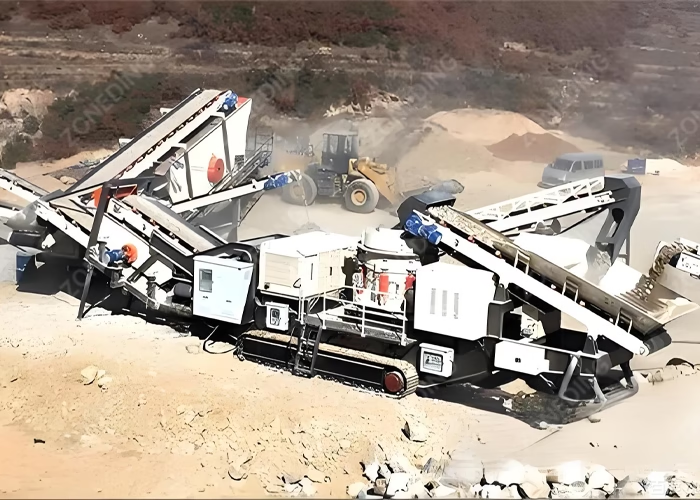
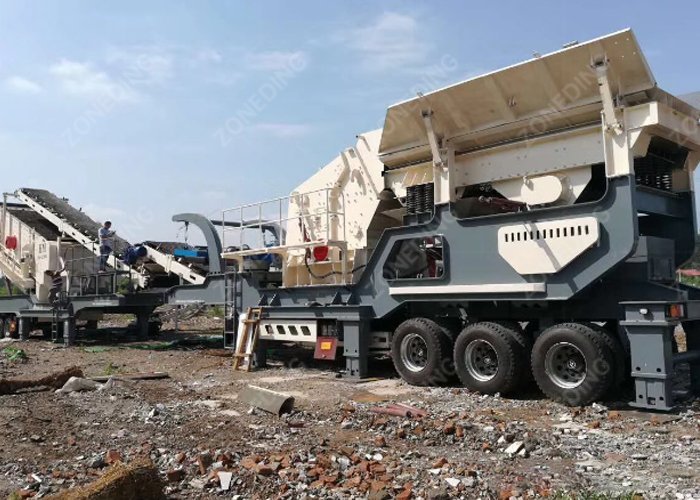
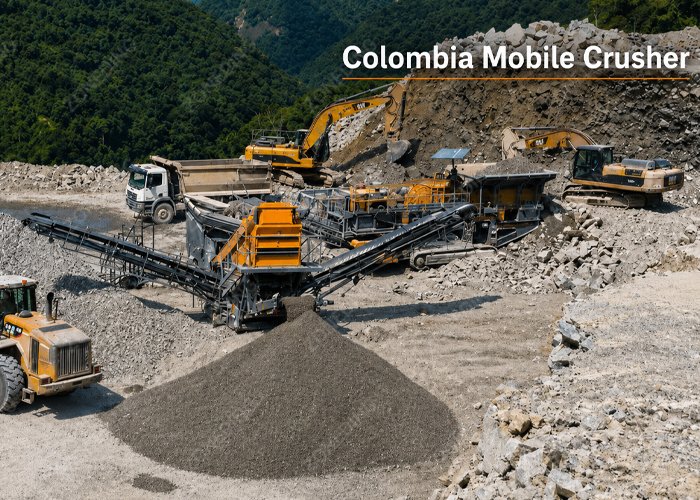
Choosing between tracks and wheels depends on the site floor and how often the machine moves. Both designs have specific roles in a mining operation. No machine is universally better than the other. Tracks offer superior mobility on soft or uneven ground. Wheels offer lower operating costs and higher energy efficiency on solid ground. The decision must match the specific environment of the quarry or construction site. Tracked excel in new quarries where roads do not exist. These machines navigate steep hills and deep mud without getting stuck. This makes them ideal for early-stage mining. However, tracked systems often rely on complex hydraulic drives. Hydraulics lose about 30% of engine power to heat. Wheeled stations often use direct electric drives. These are much more efficient for fuel. If a project stays in one place for several months, wheels are the better choice. They reduce the cost per ton of rock significantly.
Tracked Mobile Crusher
Wheeled Mobile Plant
Matching Chassis Type to Site Conditions
Terrain and power source are the two biggest factors. A tracked unit is a self-contained power house. It moves under its own power with a remote control. A wheeled unit often requires a truck to move it long distances. But once in place, the wheeled unit provides a much more stable platform for high-capacity work.
Feature
Tracked Platform
Wheeled Platform
Practical Benefit
Ground Pressure
Low
High
Tracks do not sink in soft mud
Drive System
Hydraulic
Electric
Wheels save more fuel money
Move Speed
Slow (Self)
Fast (Towed)
Tracks follow the digger daily
Practical Advice for Mobile Selection
Daily Movement: Use tracked units if the machine must follow a moving digging face every day.
Electric Access: Use wheeled units if the site has access to the local power grid to save diesel.
Site Duration: Choose wheels for projects lasting over six months in a single location.
How to Process Wet Material Without Clogging?
Kinetic sizing is more effective than physical grates for handling sticky clay. Wet limestone blocks standard screens in minutes. Removing the bottom grates entirely saves the motors from burning out. Handling limestone during the rainy season is a nightmare. Material with 8% clay and 6% moisture turns into mud. This mud blocks the grates at the bottom of a hammer crusher. The machine fills with rock. The motor then pulls high amps and the breaker trips. Sometimes the motor burns out completely. Buying expensive anti-clogging grates is usually a waste of money. The best solution is to remove the bottom screen plates physically. The operator controls the rock size using kinetic energy. Using a staggered spiral hammer pattern is effective. Increasing the rotor speed slightly creates a windstorm inside the machine. The fast hammers shatter the rock. Large rocks fall out of the open bottom. A Vibrating Screen catches these rocks and sends them back. This setup never stops.
Utilizing Airflow in the Chamber
A high-speed spiral rotor works like a large fan. The air pressure helps push the sticky mud through the machine. The mud cannot stick to the steel walls because moving rocks constantly clean the surface.
Frequently Asked Questions
Question 1: Why do my jaw crusher plates wear unevenly? The toggle plate angle is usually incorrect. The jaw rubs the rock instead of squeezing it. Add shims behind the toggle block to fix the vertical crushing path. Question 2: What makes a cone crusher draw too much electrical current? Weak nitrogen pressure in the accumulators is the usual cause. The frame bounces and kills the efficiency. Check the gas levels every two weeks. Question 3: How can I prevent blow bars from cracking on hard stone? Slow down the rotor speed so the rocks fall deeper into the machine. This ensures the rock hits the middle of the blow bar face instead of the edge. Question 4: Is a tracked or wheeled mobile crusher better? Tracked machines waste fuel through hydraulic heat. Wheeled electric units are 30% more efficient. Only use tracks if the machine must move through deep mud. Question 5: What is the best way to crush sticky bauxite? Use a sizer with teeth that pull the rock apart. This uses the tensile strength of the ore. It consumes less power and does not clog like a jaw crusher.
Summary and Recommendations
Selecting the right mining crushing equipment involves understanding the physics of the rock. The guide highlights several key points. Correcting jaw crusher toggle geometry prevents useless rubbing. Maintaining nitrogen pressure in cone crushers saves expensive bearings. Matching rotor speed to rock drop height protects impactor blow bars. Choosing electric mobile plants over hydraulic ones saves fuel. Site managers should perform laboratory tests on their specific minerals before buying equipment. Analyzing the abrasiveness and moisture content ensures the machine can handle the local conditions. Avoiding common kinetic traps keeps the plant profitable and reduces the cost per ton significantly.
About ZONEDING
ZONEDING manufactures heavy-duty mineral processing equipment for the global mining industry. The company builds high-efficiency crushers, screens, and complete production lines. As a factory-direct manufacturer, ZONEDING provides competitive pricing and custom engineering for 120 countries. The engineering team offers detailed flowsheet design to solve complex crushing and screening challenges.
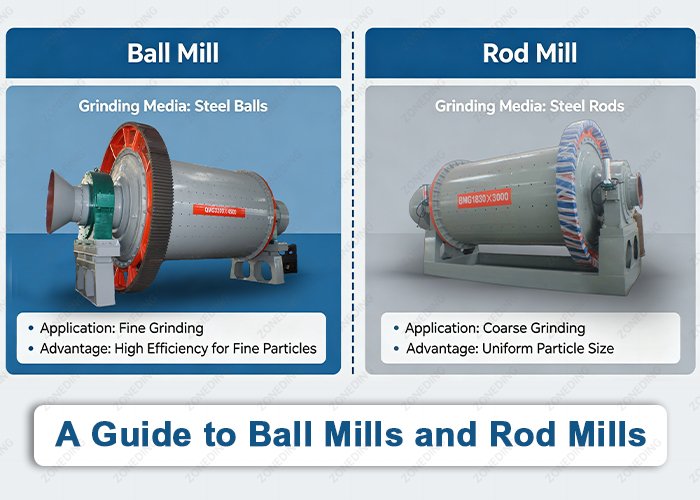
Choosing the right grinding equipment is the most critical decision for any mineral processing plant. Ball mills and rod mills serve different roles in size reduction. This guide provides a deep comparison of their advantages and applications. In ...
For many mining companies, iron ore tailings are considered a waste problem. However, rising environmental regulations and increasing demand for construction materials have changed the situation. Today, many mines are discovering that: Iron ore ta...
Understanding the mechanical logic of crushing equipment is vital for project profitability. Selecting a machine based solely on capacity ignores the reality of wear and energy costs. Different stones require different mechanical principles—either...
We use cookies to ensure that we give you the best experience on our website. If you continue to use this site we will assume that you are happy with it.
Privacy Policy
Send us a message
We would love to hear from you
Submit your question and our team will respond to the email provided as soon as possible.
 Zoneding Machine