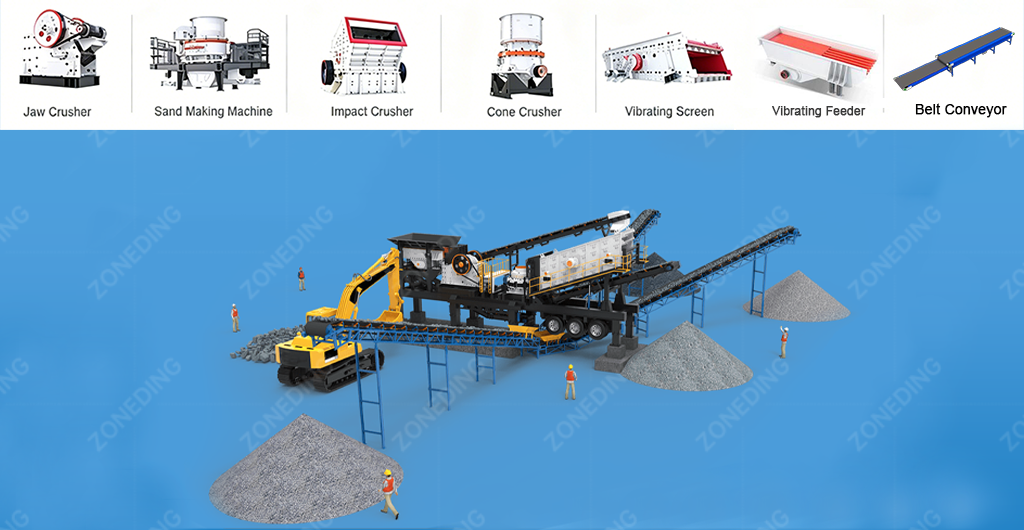
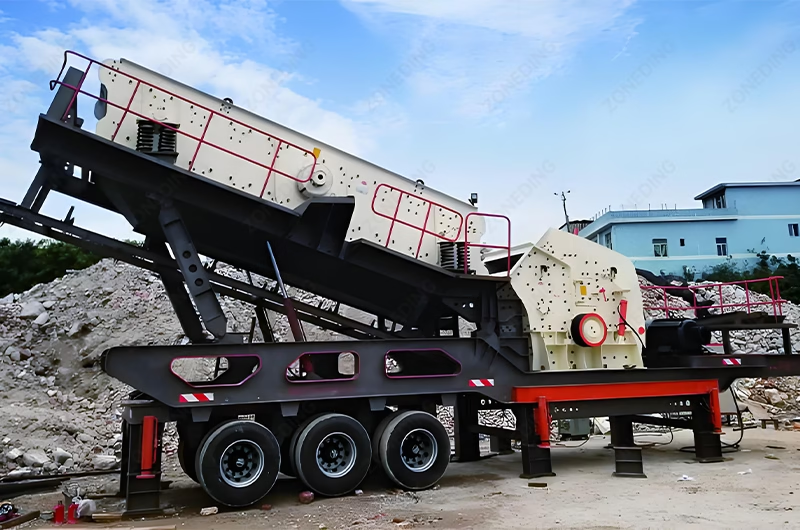
A represents the peak of integrated mineral processing technology. This machine functions as a complete factory on wheels or tracks. It performs feeding, crushing, and screening in one continuous flow. This setup eliminates the need for expensive concrete foundations. The design allows for rapid deployment in remote mining sites. High efficiency and lower transport costs remain the primary benefits for 2026 operations.
What is a Mining Mobile Crushing Station and How Does It Integrate a Traditional Line?
A mining mobile crushing station is a self-contained processing unit that replaces the stationary plant layout. Traditional lines require massive land leveling and long-term construction. This mobile version mounts every necessary component onto a single heavy-duty steel frame. This frame supports the weight of the feeder, the primary crusher, and the discharge conveyors. Integration allows the machine to follow the blast face directly. This reduces the distance haul trucks must travel. Less hauling means lower diesel consumption and fewer tire replacements. The integration logic focuses on a “plug-and-play” concept for 2026 mining projects. A Mobile Crushing and Screening Plant arrives at the site and begins operation within days. The design includes hydraulic folding mechanisms for all conveyors. This allows the machine to transition from transport mode to working mode quickly. The internal layout optimizes material flow to prevent blockages. Every module works in harmony through a central automation system. This system balances the speed of the feeder with the capacity of the crusher. Integrated sensors monitor load levels to prevent mechanical overstrain.
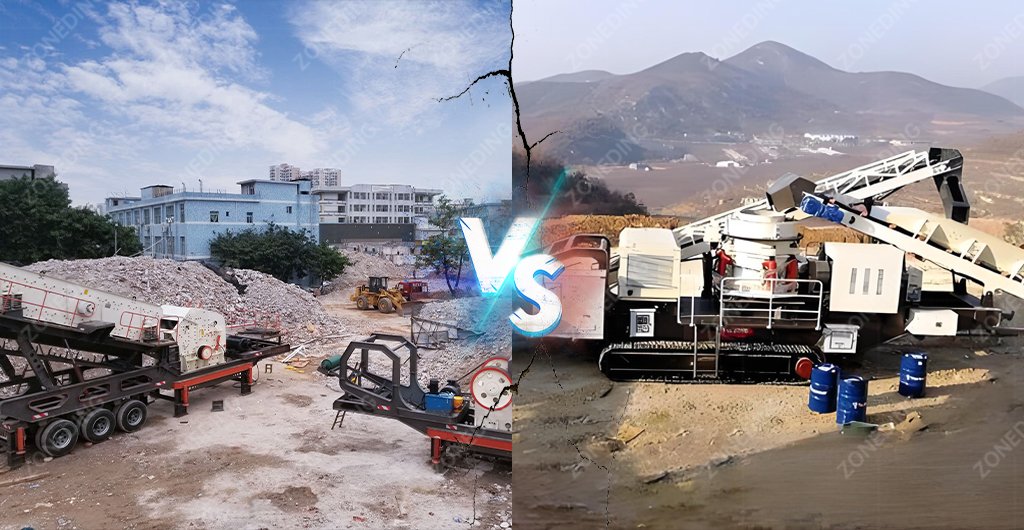
Stationary-Crusher-VS-Mobile-Crusher
The Transition to In-Pit Crushing
Modern mining utilizes In-Pit Crushing and Conveying (IPCC) to save costs. Stationary plants are fixed assets. Mobile stations are flexible tools. Moving the station closer to the rock source is a core strategy. This approach cuts down the carbon footprint of the entire mine.
Feature
Traditional Stationary Plant
Mobile Crushing Station
Operational Benefit
Setup Time
6 to 12 Months
2 to 4 Weeks
Faster project start
Foundation
Reinforced Concrete
Hydraulic Legs
Zero permanent site damage
Flexibility
Zero Movement
High Mobility
Follows the ore body
Tips for Effective Integration
Site Prep: Clear a level area for the machine to prevent chassis torsion.
Power Source: Use the dual-power option to switch between diesel and grid electricity.
Material Flow: Align the feed hopper with the excavator’s swing radius for speed.
What Are the Core Feeding, Crushing, Screening, and Transport Modules?
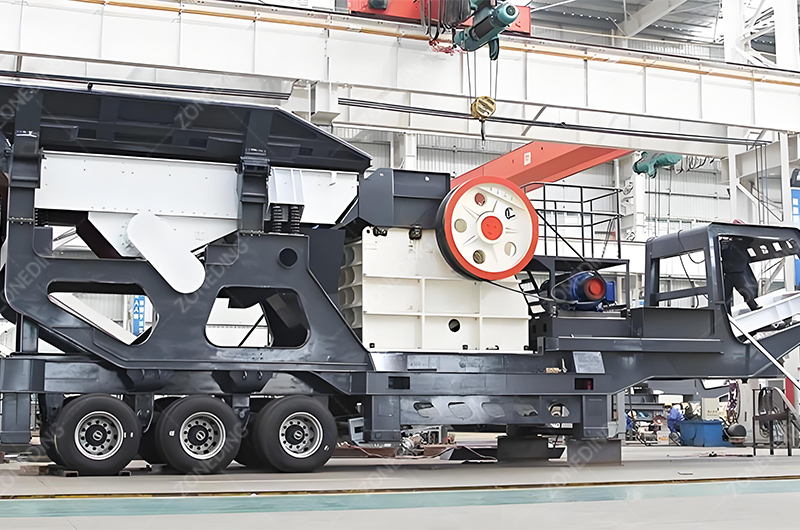
Four essential mechanical modules define the structure of a mobile crushing station. The first module is the vibrating feeder. This part receives raw rock from loaders or excavators. It uses heavy bars to remove dirt and small stones. This “scalping” process ensures only large rocks enter the crusher. The second module is the host crusher. This is the heart of the machine. It can be a jaw, cone, or impact unit. This module performs the actual reduction of rock size. The third module is the vibrating screen. This component sits after the crusher. It separates the crushed rock into different sizes based on project needs. The fourth module consists of the transport conveyors. These belts move the final product to stockpiles or the next processing stage. All modules sit on a reinforced chassis. This chassis must absorb the massive vibrations created during rock breakage. High-tensile steel is the standard material for these frames in 2026. Every belt and motor connects to a localized control panel.
Structure of mobile crusher
The Importance of Modular Design
Modular design allows for easy part replacement. If the feeder wears out, a new one can be bolted on. This reduces downtime significantly. Most 2026 models use standardized parts for global compatibility.
Vibrating Feeder: Controlled by frequency drives to manage input speed.
Crushing Unit: Equipped with sensors to monitor liner wear.
Screening System: Multi-layer decks for precise size sorting.
Main Conveyor: Often includes a magnetic separator to remove scrap metal. Crushing Equipment for mobile use must be compact. Engineering teams reduce the weight of these components without losing strength. This balance is key for road transport.
What Are the Differences Between Tracked and Wheeled Chassis?
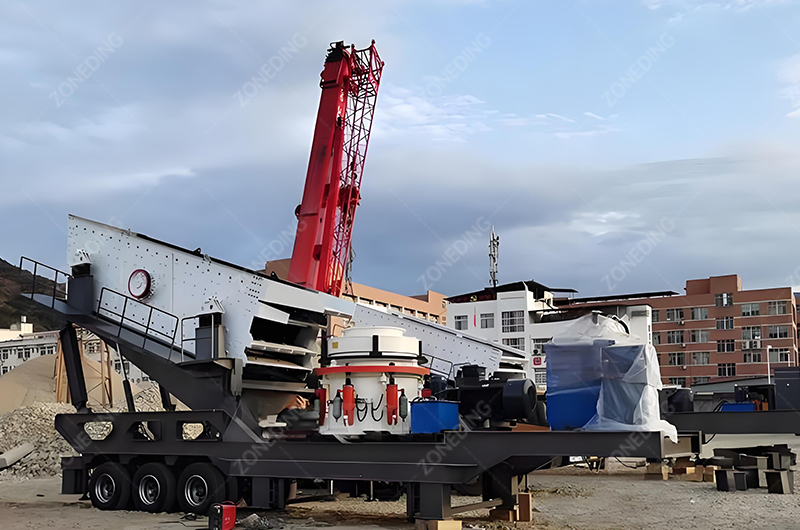
Mechanical structure and mobility frequency determine the choice between tracked and wheeled chassis. A tracked mobile station uses a crawler undercarriage. This is similar to the tracks on a bulldozer. This design offers excellent traction on soft ground or steep hills. It moves via an onboard hydraulic drive system. Tracked units are the best choice for projects that require the machine to move every day. They excel in demolition sites and large-scale open-pit mines. A wheeled mobile station sits on a semi-trailer frame with multiple axles. A truck tractor pulls this unit to the site. Once in position, hydraulic legs lift the frame to provide a stable base. This type is better for quarries where the machine stays in one place for several weeks. Wheeled units are generally lighter and easier to tow on highways. The cost of a wheeled chassis is lower than a tracked system. However, it requires a flat, firm surface for operation. Stability is higher on wheeled units because the hydraulic legs create a rigid connection with the ground.
Wheeled vs Tracked Chassis Comparison
Chassis Torsion and Stability
Chassis torsion occurs when the frame twists under a heavy load. This can damage the internal bearings of the crusher. Tracked units must have very thick steel frames to resist this. Wheeled units solve this by using multiple support points.
Criteria
Tracked (Crawler) Chassis
Wheeled (Trailer) Chassis
Mobility
Self-propelled (Remote)
Requires a Truck
Terrain
Mud, Slopes, Rough
Flat, Firm Ground
Cost
Higher (30% more)
Lower
Best Use
Frequent movement
Semi-permanent sites
Selection Advice for Chassis
Select Tracks: If the site has mud or requires moving twice per shift.
Select Wheels: If the machine will stay in one spot for more than a month.
Maintenance: Tracked systems need more greasing of the drive motors.
Which Crusher Types Suit Different Rock Hardness Levels?
Matching the host crusher to the material hardness is the most important selection factor. For primary crushing of very hard rocks like granite or iron ore, a Mobile Jaw Crusher is the standard. This machine uses compression force. It handles large rocks with high silica content without excessive wear. For secondary stages where hard rock needs fine sizing, a Mobile Cone Crusher is used. Cone crushers provide high pressure and efficiency for abrasive materials. Soft to medium-hard rocks like limestone require a different approach. A Mobile Impact Crusher is the best tool for this. It uses high-speed impact to break the rock. This produces a superior cubic shape, which is valuable for concrete. However, impactors wear out quickly if the rock is too hard or abrasive. Operators must check the “abrasion index” of the ore before choosing. 2026 standards suggest using VSI (Vertical Shaft Impact) modules for the final stage to produce high-quality sand.
Mobile Jaw Crusher
Mobile Cone Crusher
Mobile Impact Crusher
Rock Hardness Guide
Hardness determines the lifespan of the crushing parts. Using the wrong machine leads to high costs and frequent stops.
Hard/Abrasive (Granite, Basalt): Use Jaw (Primary) and Cone (Secondary).
Soft/Non-Abrasive (Limestone, Coal): Use Impact Crusher.
Medium/Recycled (Concrete, Brick): Use Impact or Jaw.
Efficiency Factors for 2026
Liner Life: New alloy materials in 2026 extend the life of jaw plates by 20%.
Shape Quality: Cone crushers now feature automatic gap adjustment for consistent output.
Energy: Impactors require higher peak power but produce more fines per hour.
How to Combine Multiple Units for High-Efficiency Processing?
Combining multiple mobile units creates a flexible and high-output production line. A single machine is often not enough for complex mining specs. A standard 2026 configuration uses a “train” of machines. A mobile jaw station performs the first break. A belt conveyor sends this material to a mobile cone station. Finally, a Mobile Screener separates the rock into four specific sizes. This modular setup allows the mine to change its product mix quickly. Multi-machine combinations also support “closed-circuit” operation. This means oversized rocks return to the crusher for a second pass. This ensures 100% of the output meets the size requirement. Linking these machines requires careful alignment of the conveyor heights. Most 2026 models use wireless interlocks. If one machine stops, the others stop automatically to prevent material pile-ups. This safety feature protects the belts and motors. Modular links are easier to transport than one giant machine. Each unit travels on its own chassis, keeping the weight within road limits.
Benefits of Linked Operations
Scalability: Add a third crusher if the rock gets harder.
Product Variety: Produce sand and aggregate at the same time.
Redundancy: If one screen deck fails, the rest of the line can still operate at a lower rate.Combo TypeMachines UsedIdeal Material2-Stage LineJaw + ImpactLimestone Aggregates3-Stage LineJaw + Cone + ScreenHard Rock MiningSand LineJaw + VSI + WasherManufactured Sand
2026 Mobile Crushing Technology Trends
Electricity and automation are the defining trends for 2026 mobile equipment. Many mines now use “Dual Power” systems. These machines run on diesel in remote areas but plug into the grid when available. This reduces energy costs by up to 40%. Automated “intelligent” feeders are also standard. These use ultrasonic sensors to detect the level of rock in the crusher. The feeder then speeds up or slows down to keep the crusher at 100% capacity. Remote monitoring via 5G is the next step. Site managers can see the temperature and vibration of every bearing from a central office. This allows for predictive maintenance. Replacing a bearing before it breaks saves thousands of dollars in downtime. 2026 models also focus on noise and dust reduction. Integrated water sprays and enclosed conveyors help mines meet strict environmental laws.
Latest Progress at a Glance
AI-Optimization: Software calculates the best crusher gap for the current ore moisture.
Hybrid Drives: Smaller diesel engines combined with battery packs for peak loads.
Universal Parts: Frames designed to fit both jaw and cone hosts for extreme flexibility.
Frequently Asked Questions
Question 1: What is the main difference between a mobile station and a fixed plant? The main difference is the foundation and mobility. A mobile station needs no concrete and can move within hours. A fixed plant is a permanent asset that takes months to build. Question 2: Can a mobile crusher process wet or sticky materials? Yes. Selecting a feeder with a grizzly bypass and an impact crusher with a wide discharge opening prevents clogging. Some 2026 models include heated screen decks for very wet ore. Question 3: How long does a mobile crushing chassis last? A high-quality steel chassis lasts over 20 years if maintained. Regular inspections for cracks and keeping the hydraulic legs leveled are essential for a long lifespan. Question 4: Is a tracked mobile crusher worth the extra cost? It is worth the cost if the machine moves more than once a week. If the machine stays in one place for long periods, a wheeled version is a better investment. Question 5: What is the maximum capacity of a mobile station? Standard units handle 100 to 500 tons per hour. Large-scale 2026 mining units can reach 1,000 tons per hour when using multi-machine links.
Summary and Recommendations
A mobile crushing station is the best solution for modern, flexible mining. It integrates all necessary production steps onto a movable frame. Choosing the right chassis depends on movement frequency. Selecting the host crusher depends on rock hardness. Combining multiple units allows for a complete, high-output production line. For 2026, focus on machines with dual-power capabilities and AI monitoring. These features lower operating costs and prevent unplanned stops. Always ensure the ground is level before operation to protect the chassis. Moving the crusher to the ore is the most effective way to increase profit in any mining or quarry project.
About ZONEDING
ZONEDING is a professional manufacturer of mining and Crushing Equipment based in China. The company specializes in heavy-duty Mobile Stone Crushers and complete processing lines. With over two decades of experience, we provide factory-direct equipment to over 120 countries. Our team focuses on modular designs and energy-efficient solutions for 2026 mining standards. We provide full-service support from design to installation.
ZONEDING helps gold plants improve output by controlling the full process, not just one reagent or one machine. A stable gold recovery rate comes from liberation control, classification stability, efficient separation, and strict loss ac...
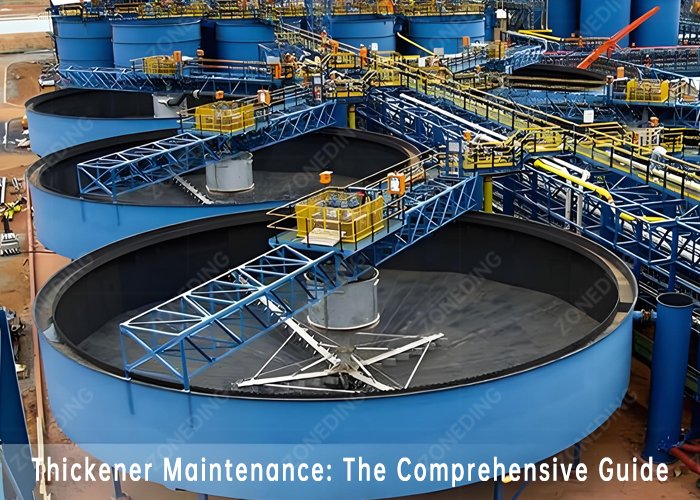
Proper is the key to preventing expensive mine shutdowns. A broken thickener stops the whole water cycle of a mineral plant. Most failures happen because of small ignored details in the drive or underflow systems. This guide provides practical ste...
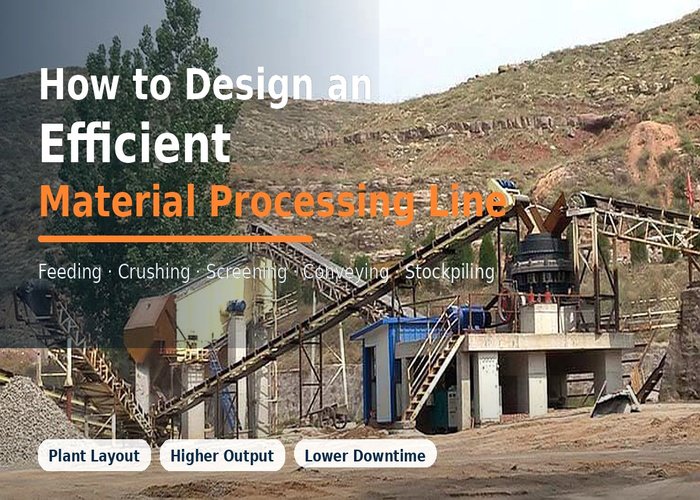
An efficient material processing line is the foundation of a profitable operation. Whether you are producing aggregates, processing minerals, manufacturing sand, or handling industrial raw materials, the success of your project depends on much mor...
Understanding the main components of flotation machine is mandatory for maximizing profits in mineral processing plants. A flotation cell acts as a highly precise separation instrument. The internal mechanical structure dictates the exact slurry s...
We use cookies to ensure that we give you the best experience on our website. If you continue to use this site we will assume that you are happy with it.
Privacy Policy
Send us a message
We would love to hear from you
Submit your question and our team will respond to the email provided as soon as possible.
 Zoneding Machine