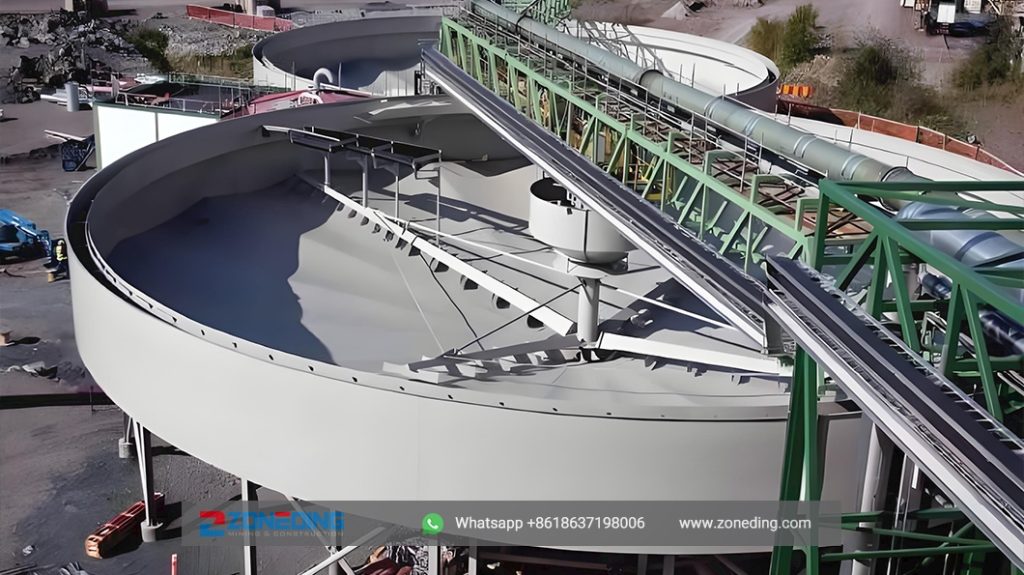
Proper is the key to preventing expensive mine shutdowns. A broken thickener stops the whole water cycle of a mineral plant. Most failures happen because of small ignored details in the drive or underflow systems. This guide provides practical steps to keep the machine running for decades. Following these tips ensures high efficiency and a safe working environment.
Why avoid high thickener downtime costs with preventive care?
Preventive Thickener maintenance saves millions of dollars by stopping unexpected production halts. A thickener failure often forces the entire Beneficiation Equipment line to stop. Repairing a bent rake or a burned-out motor takes weeks of work. During this time, the mine loses revenue every hour. Preventive care finds small cracks or leaks before they become disasters. It is much cheaper to replace a bearing today than a whole drive head tomorrow. Downtime also means labor costs for cleaning the tank by hand. If the mud hardens in the bottom, dozens of workers must dig it out. This task is dangerous and slow. Reliable Minerals Processing Machine performance depends on a strict schedule. Small investments in sensors and daily checks pay back quickly. A well-maintained tank keeps the water clean and the tailings thick. This balance is the heart of a profitable mining operation.
Financial Impact Table
Failure Type
Estimated Repair Time
Production Loss
Prevention Method
Bent Rake Arm
10-14 Days
Very High
Torque monitoring
Gearbox Seizure
5-7 Days
High
Lubrication checks
Underflow Block
1-2 Days
Medium
Pump maintenance
Practical tips for budget control
Monitor trends: Watch if the motor heat rises slowly over months.
Stock spare parts: Keep seals and bearings in the warehouse.
Train the team: Make sure every operator knows the emergency stop rules.
What lubrication details save the drive system and gearbox?
Excellent Thickener drive system upkeep starts with high-quality oil and clean filters. The main drive carries the weight of the whole rake system. It works in dusty and wet environments. Oil keeps the metal parts from touching and wearing down. If the oil gets dirty, it acts like sandpaper. It destroys the smooth surfaces of the gears. This leads to pitting and eventual gear failure. Changing oil according to the manual is not enough. The maintenance crew must check for water in the oil. Water enters through worn seals during rain or tank cleaning. It ruins the oil’s ability to protect the metal. Using a synthetic oil is often a better choice for heavy-duty Industrial thickener repair prevention. Synthetic oils handle heat better and last longer. The breather on the gearbox should also have a desiccant filter. This stops moisture from being sucked inside as the gearbox breathes.
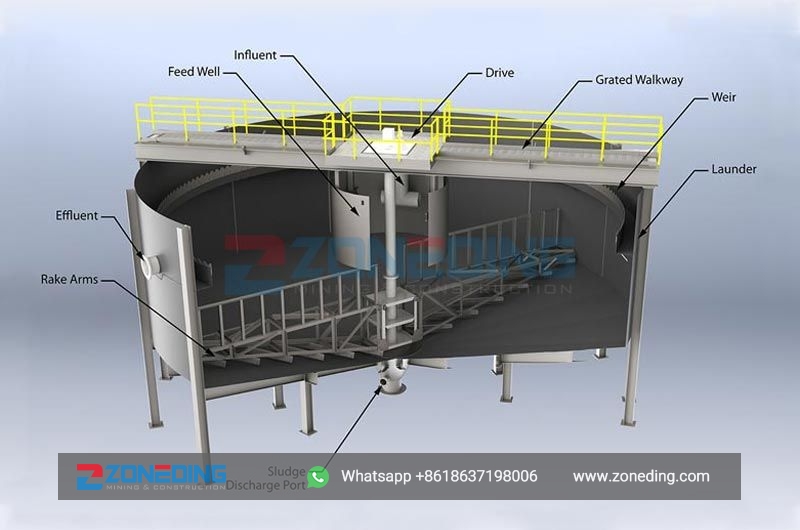
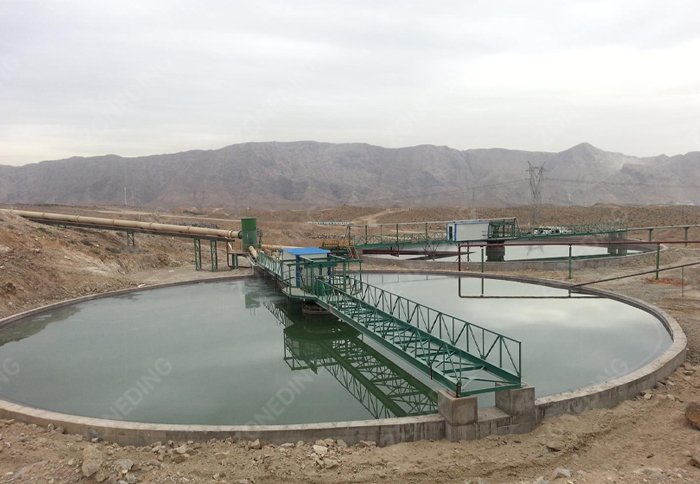
Thickener Structure
Thickener-Concentrator
Lubrication Schedule
Main Gearbox: Check oil level every week. Change every 2000 hours.
Drive Bearings: Grease every month with high-pressure grease.
Open Gears: Inspect for wear and apply fresh lubricant daily.
Checklist for drive care
Oil color: Dark or milky oil means there is a big problem.
Temperature: The gearbox should not be too hot to touch.
Vibration: Listen for clicking or grinding noises in the housing.
How to monitor torque to prevent catastrophic rake bending?
Reliable Thickener torque monitoring is the only way to ensure Preventing thickener rake failure. Torque is the force needed to push the rake through the mud. If the mud is too thick, the force goes up. If the force gets too high, the steel arms will bend or snap. This is a “catastrophic failure.” It requires draining the tank and replacing heavy steel parts. Monitoring sensors must be calibrated every few months. Operators should never ignore a high torque alarm. A high alarm is a signal to start the “rake lift” system immediately. The lift moves the rake up into thinner mud to reduce the stress. If the lift does not work, the underflow pumps must run faster to remove the heavy mud. Modern Mineral processing equipment care includes automated rake lift logic. The computer lifts the rake the second the torque hits the limit. This protects the machine from human error during night shifts.
Torque Management Logic
Torque Level
Machine Action
Operator Task
40% – Normal
Standard Rotation
Monitor pump speed
70% – High
Start Rake Lift
Increase underflow rate
90% – Danger
Stop Rotation
Clear bottom with water
How to maintain the underflow system to stop slurry blocks?
Consistent Slurry pump maintenance is essential for a clean thickener bottom. The underflow system removes the settled solids. If the pumps stop, the solids build up quickly. This leads to a “sanded” tank where the rake gets buried. Once the rake is buried, it is very hard to move again. The underflow pipes should be checked for scale or buildup. Scaling narrows the pipes and makes the pumps work harder. High-pressure water flush lines are life-savers. These lines should be installed at the pump suction and discharge. If a block happens, the crew can blow the mud out with water. It is also important to check the pump liners and impellers. Worn impellers cannot move heavy mud. This causes the density in the tank to rise too high. A daily check of the pump pressure tells the story of the tank’s health. Low pressure often means a hole in the pump or a big air leak.
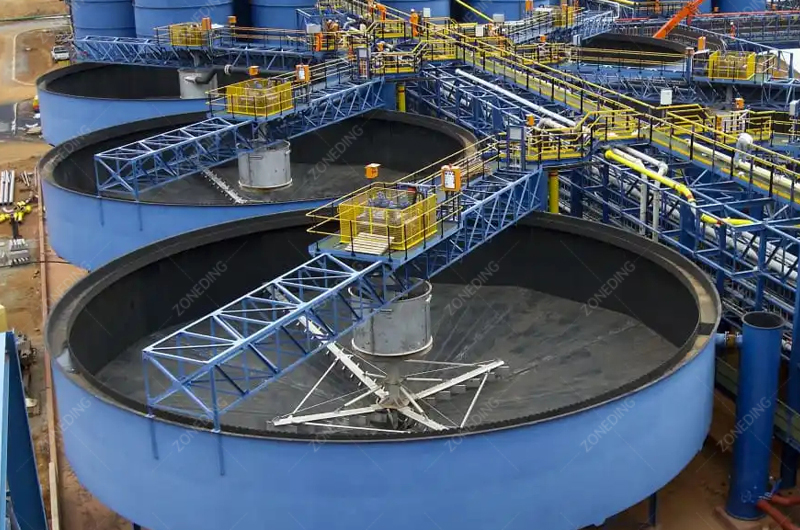
Gravity Thickener for Gold Pulp
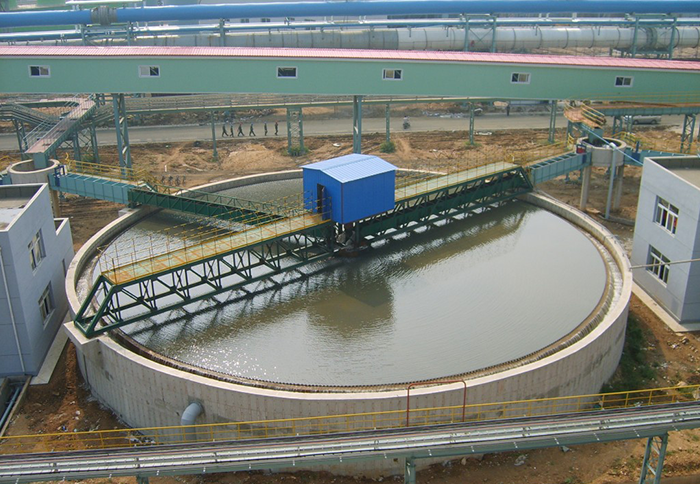
Thickener for copper concentrate dewatering and pre-thickening
Underflow Maintenance Tips
Flush the lines: Run water through the pipes before every long stop.
Check the valves: Make sure the shut-off valves move freely.
Monitor density: If the mud is too thick, it will not flow.
How does flocculant system calibration affect efficiency?
Accurate Flocculant system optimization improves settling speed and reduces rake stress. Flocculants are chemicals that make small particles stick together. They create “flocs” that sink fast. If the system adds too little, the water stays dirty. If it adds too much, the mud becomes very sticky. Sticky mud increases the torque on the drive. This wastes energy and risks mechanical damage. Calibration involves testing the pumps that move the chemical. The pump must deliver the exact amount based on the flow of new slurry. The mixing tank must also be clean. Old chemical buildup can block the feed lines. Sensors that measure the clarity of the water should be cleaned daily. If the sensor is dirty, the computer might add way too much chemical. This is a common cause of high torque events in Minerals Processing Machine setups.
Flocculant optimization steps
Jar testing: Perform manual tests to find the best dosage.
Check the mixer: Ensure the powder dissolves completely in the water.
Clean the nozzles: Stop clogs in the feedwell injection points.
How to evaluate feedwell and liner wear regularly?
Regular inspection of the feedwell stops turbulence that ruins settling. The feedwell is the small drum in the center where the slurry enters. Its job is to slow down the liquid. If the feedwell has holes from wear, the liquid shoots out too fast. This stirs up the mud at the bottom. The water gets dirty again. Maintenance crews should look for thin spots in the steel every time the tank is empty. Liners protect the main tank walls from the abrasive slurry. If the liners fall off, the slurry will eat through the tank wall. This causes leaks that are very hard to patch. Rubber or ceramic liners are common choices for Industrial thickener repair. These parts should be tapped with a hammer during inspections. A hollow sound means the liner is loose. Replacing a single liner plate is a quick job compared to patching a tank.
Wear Evaluation Table
Part
Sign of Wear
Consequence
Action
Feedwell Drum
Holes/Thinned steel
High turbulence
Patch or replace
Rake Blades
Rounded edges
Poor mud movement
Hard-face welding
Tank Bottom
Scratches/Dents
Leakage risk
Install new liners
Tips for long-term stops or winter operations
Winter Thickener maintenance requires preventing ice and frozen oil. In cold climates, the oil in the gearbox can become too thick to flow. A small heater should be installed in the oil tank. This keeps the oil ready for a cold start. If the thickener stops in winter, the water inside can freeze. Ice will crush the rake arms easily. The machine should keep turning even if no new slurry is coming in. For long-term storage, the tank must be completely empty. The rake should be lifted to its highest point. All grease points should be filled to stop rust. The motor should be turned by hand once a week. This stops the bearings from getting flat spots. Electrical panels must stay dry with a small heater inside. Moisture ruins sensitive torque sensors over time.
Winter protection steps
Heat the oil: Use an immersion heater for the main drive.
Check the air: Dry the air lines to stop valves from freezing.
Rotate the rake: Never let the machine sit still in freezing weather.
Professional daily maintenance checklist
A solid Mineral processing equipment care routine uses a simple daily list. Consistency is the only way to catch problems early. The shift operator should walk around the machine twice every day. They should look, listen, and smell for anything unusual.
Check drive oil level: Make sure it is in the green zone.
Monitor torque meter: Record the average value every hour.
Inspect underflow pump: Look for leaks at the seal.
Verify flocculant flow: Ensure the lines are not blocked.
Check overflow clarity: Ensure the water is clean.
Listen to bearings: No squealing or banging sounds.
2026 Trends in thickener technology
New technologies make Industrial thickener repair easier and faster. Sensors are becoming smarter and cheaper.
Latest developments at a glance
Remote Monitoring: Engineers can check the torque from their phones anywhere.
Auto-Dilution: Feedwells now adjust themselves to match the incoming flow.
Smart Seals: Seals send a signal when they are about to leak. The industry is moving toward “zero-entry” maintenance. This means using robots or cameras to inspect the inside of the tank. This makes the job much safer for the crew.
Thickener Maintenance FAQ
Question 1: How often should the rake be lifted? The rake should only be lifted when the torque exceeds 60%. Lifting too often reduces the density of the underflow mud. Question 2: What is the best oil for a thickener drive? High-quality industrial gear oil with EP (Extreme Pressure) additives is best. Always check the manufacturer’s spec for the specific climate. Question 3: Why is my underflow density too low? This usually means the Slurry pump maintenance is fine, but the flocculant dose is wrong. Or the pumps are running too fast for the settling rate. Question 4: Can a bent rake be straightened? Sometimes. But the steel becomes weak after bending. It is usually safer and better to replace the bent section with new steel.
About ZONEDING
ZONEDING is a leading manufacturer of high-quality Beneficiation Equipment. The company specializes in the design and production of High Efficiency Concentrator systems for global mines. With over 20 years of experience, the expert team provides full-service support. This includes installation, parts, and training for local crews. ZONEDING machines are famous for their strong drives and advanced torque protection. Contact ZONEDING today for a free maintenance audit or a quote on new Minerals Processing Machine parts.
Efficient washing of chrome ore stands as the most vital step to increase mineral grade and market value. Many mining projects fail because sticky clay stays on the ore during the initial stages. This comprehensive guide explains how the right&nbs...
Stop fine gold loss by using a combination of high-energy washing and centrifugal separation. Most mines lose 30% of their gold because they only use simple sluice boxes. Successful alluvial gold processing technology requires a multi-st...
Industrial magnetic separation serves as the backbone for material purity and machinery safety in 2026. This technology utilizes natural magnetic differences to isolate minerals or remove tramp iron. Proper application ensures high product quality...
Starting a gold mine requires a clear budget. Total alluvial gold plant cost ranges from $30,000 for small setups to over $500,000 for industrial lines. Equipment price is only part of the investment. Shipping, power, and labor also impa...
We use cookies to ensure that we give you the best experience on our website. If you continue to use this site we will assume that you are happy with it.
Privacy Policy
Send us a message
We would love to hear from you
Submit your question and our team will respond to the email provided as soon as possible.
 Zoneding Machine