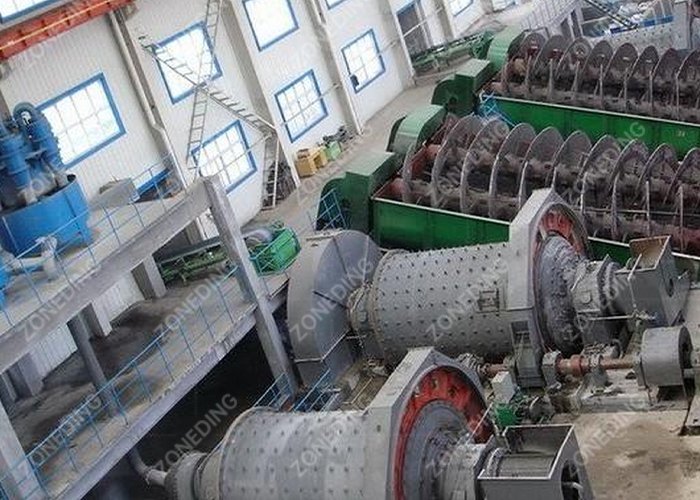
An efficient material processing line is the foundation of a profitable operation. Whether you are producing aggregates, processing minerals, manufacturing sand, or handling industrial raw materials, the success of your project depends on much more than equipment selection.
Many plants use similar machines. However, some operations consistently achieve lower costs, higher output, and better product quality. The difference often comes down to process design, equipment matching, material flow, and operational efficiency.
A well-designed production line can reduce operating costs for years. On the other hand, poor planning often leads to bottlenecks, excessive wear, energy waste, and lower profitability.
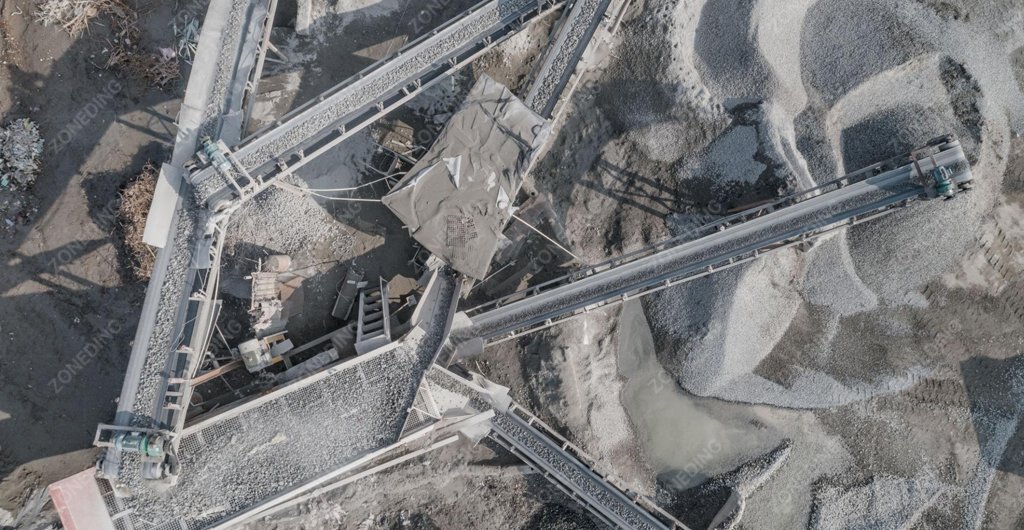
Vibrating screen classifying processed material into multiple sizes
Efficient screening helps:
Improve product quality
Reduce recirculation
Increase plant productivity
Conveying Equipment
Conveyors connect every stage of the plant.
Proper conveyor design can:
Reduce energy consumption
Minimize material loss
Improve maintenance access
Poor conveyor layouts often create unnecessary bottlenecks.
How Can Plant Layout Improve Production Efficiency?
Layout design has a direct impact on operating costs.
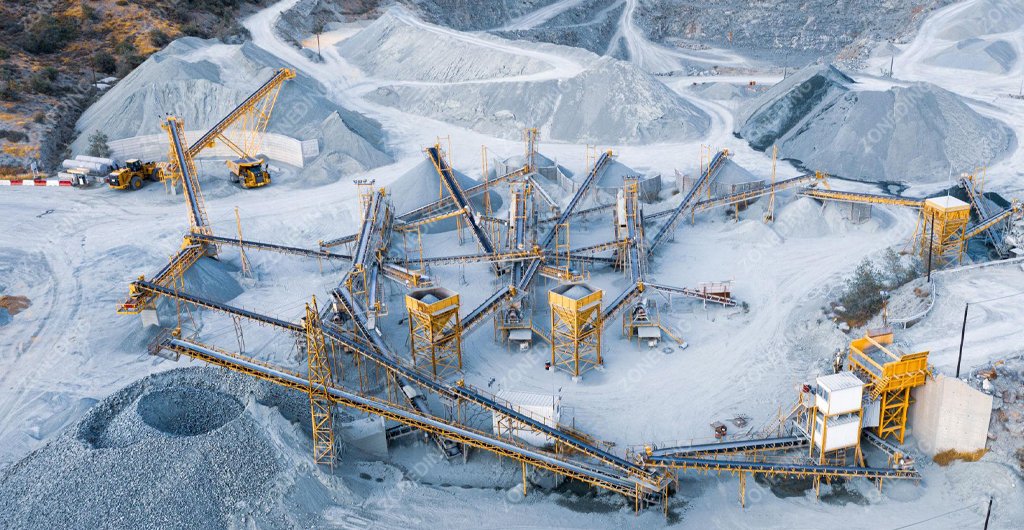
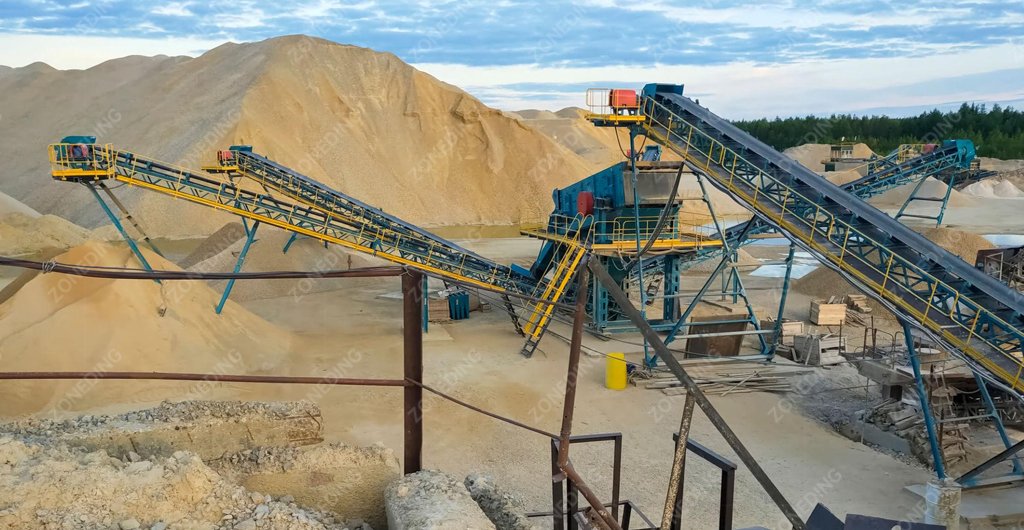
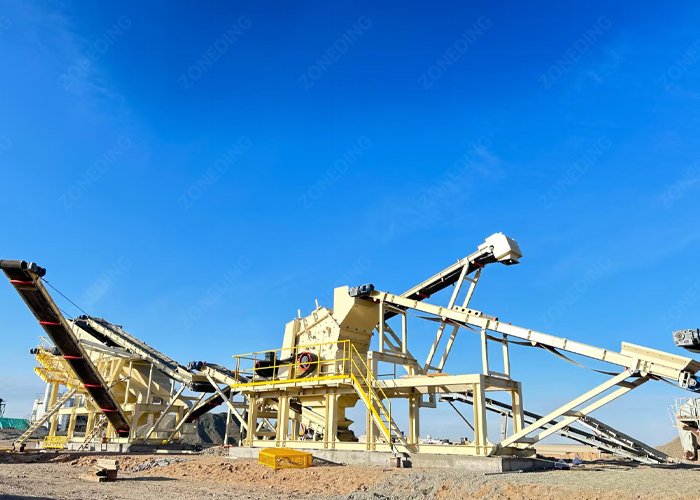
Conveyor system layout in a modern processing plant
A good layout minimizes:
Material handling
Transfer points
Conveyor length
Traffic conflicts
Meanwhile, a poor layout can increase:
Fuel consumption
Maintenance requirements
Production interruptions
When designing a plant, equipment should be arranged to allow smooth material flow from raw material feeding to final stockpiling.
How Do You Minimize Material Handling Costs?
Material handling often represents a significant portion of operating expenses.
Several strategies can reduce costs:
Shorter conveyor routes
Fewer transfer points
Efficient stockpile placement
Balanced equipment capacities
In many plants, improving material flow generates larger savings than upgrading equipment.
How Can Automation Improve Line Performance?
Automation is becoming increasingly important.
Modern plants may include:
PLC control systems
Remote monitoring
Production tracking
Automated lubrication
Alarm systems
These technologies help:
Reduce downtime
Improve consistency
Simplify maintenance
However, full automation is not always necessary.
Smaller operations often benefit from simpler systems that are easier to maintain.
What Are the Most Common Design Mistakes?
Several mistakes appear repeatedly in underperforming plants.
Choosing Equipment Before Understanding the Material
Material characteristics should always drive equipment selection.
Ignoring Market Demand
Producing products nobody wants is a costly mistake.
Underestimating Screening Requirements
Poor screening often limits production more than crushing equipment.
Designing Around Equipment Instead of Workflow
The process should dictate the equipment—not the other way around.
Forgetting Future Expansion
Successful plants reserve space for future growth.
Real Case Study: 300 TPH Granite Processing Line
Project Overview
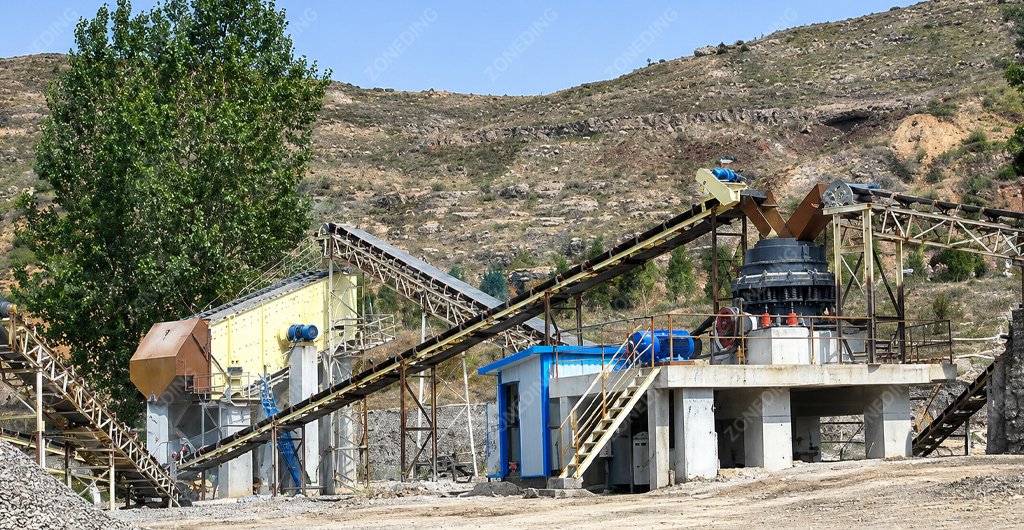
300 TPH granite processing line
Location: Africa
Material: Granite
Capacity: 300 TPH
Final Products:
0–5 mm sand
5–10 mm aggregate
10–20 mm aggregate
20–40 mm aggregate
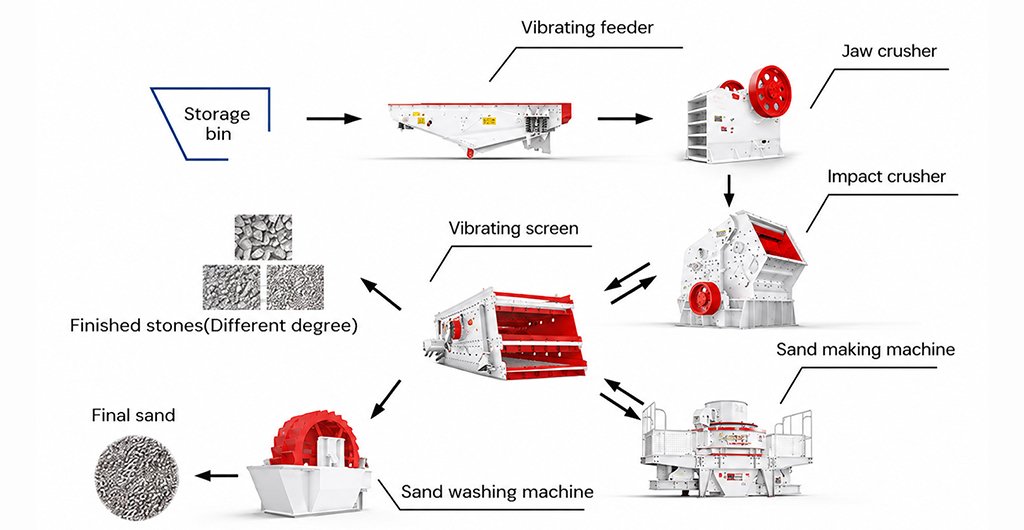
Manufactured sand plant flow diagram
Equipment Configuration
Vibrating Feeder
Jaw Crusher
Cone Crusher
Sand Making Machine
Vibrating Screens
Belt Conveyors
Estimated Investment
Approximately:
$850,000–$1.2 Million
Expected ROI
Typically:
2.5–4 Years
depending on local market conditions.
How Much Does It Cost to Build a Material Processing Line?
Total investment depends on:
Capacity
Material type
Equipment selection
Automation level
Site conditions
Typical Investment Range
Capacity
Estimated Cost
50–100 TPH
$100,000–$400,000
100–250 TPH
$400,000–$1 Million
250–500 TPH
$1–5 Million
500+ TPH
$5 Million+
Additional expenses may include:
Civil construction
Electrical systems
Dust suppression
Installation
Training
Material Processing Line Planning Checklist
Before construction begins, confirm:
✓ Material characteristics
✓ Feed size
✓ Product requirements
✓ Production targets
✓ Equipment selection
✓ Layout optimization
✓ Environmental compliance
✓ Expansion potential
✓ Spare parts support
✓ ROI analysis
Frequently Asked Questions
What is the first step in designing a material processing line?
The first step is analyzing the material characteristics and defining the final product requirements.
How do I choose the right equipment?
Equipment selection should be based on material type, capacity, product specifications, and operating conditions.
What capacity should I design for?
Capacity should reflect realistic market demand rather than theoretical maximum output.
How can I improve production efficiency?
Efficient material flow, balanced equipment capacities, and proper screening are key factors.
How much does a material processing line cost?
Investment ranges from around $100,000 for small systems to several million dollars for large industrial operations.
How long does it take to reach ROI?
Many well-designed processing lines achieve ROI within 2–5 years.
What is the most common design mistake?
One of the biggest mistakes is selecting equipment before understanding the material and market requirements.
Should I choose a fixed or mobile processing line?
Fixed plants are usually better for long-term projects, while mobile systems offer greater flexibility.
Final Thoughts
Designing an efficient material processing line requires more than selecting equipment. The most successful operations combine proper material analysis, balanced process flow, efficient layout design, and long-term planning.
When every stage works together—from feeding and crushing to screening and stockpiling—productivity improves, operating costs decrease, and profitability increases.
Ultimately, the goal is not simply to process material. The goal is to build a production system that delivers consistent quality, reliable performance, and strong long-term returns.
About ZONEDING
ZONEDING provides complete solutions for aggregate production, crushing, screening, and mineral processing projects worldwide. Our equipment range includes jaw crushers, cone crushers, impact crushers, vibrating feeders, vibrating screens, sand making machines, and complete processing lines.
With experience in more than 120 countries, we help customers design efficient production systems that reduce operating costs and maximize ROI.
Demand for aggregates continues to grow across South America as governments invest in highways, airports, ports, hydropower stations, and urban infrastructure. Countries such as Brazil, Peru, Chile, Colombia, Bolivia, and Ecuador are exp...
Chile is the world's largest copper producer and one of South America's most important mining markets. Besides copper, the country also produces iron ore, gold, limestone, granite, and aggregates for large infrastructure projects. Many mining oper...
Choosing between a rod mill and a ball mill is the most vital step in any mineral processing journey. This decision affects the recovery rate and the monthly electricity bill of a mining project. A uses long steel bars to crush material. A Ba...
As the global transition to renewable energy and electric vehicles accelerates, lithium has emerged as the 'white gold' of the 21st century. However, bridging the gap between raw mineral extraction and high-purity battery-grade chemicals is a comp...
We use cookies to ensure that we give you the best experience on our website. If you continue to use this site we will assume that you are happy with it.
Privacy Policy
Send us a message
We would love to hear from you
Submit your question and our team will respond to the email provided as soon as possible.
 Zoneding Machine