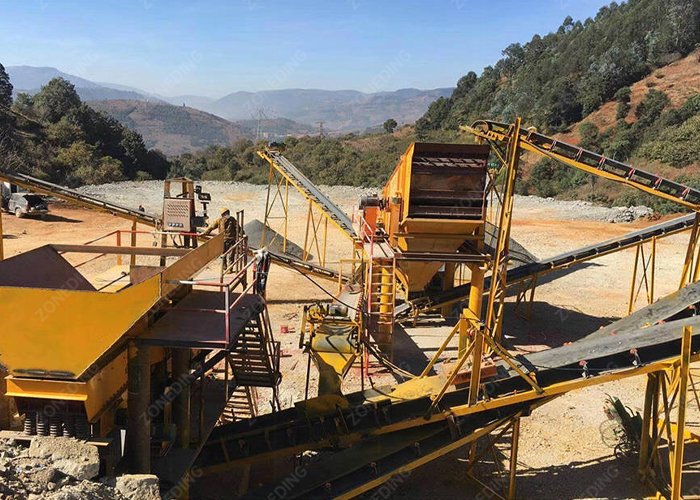
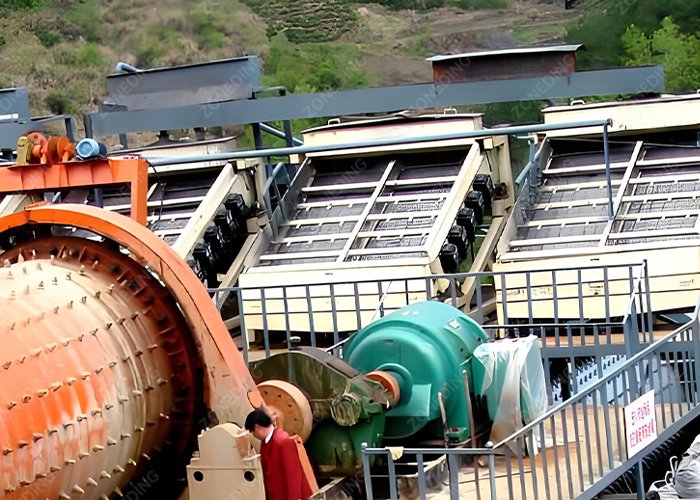
A 100–200 TPH aggregate crushing plant cost can range from approximately USD 120,000 to USD 350,000 for a standard stationary line. However, a 200 TPH plant that includes tertiary crushing, manufactured sand production, washing, or several product stockpiles may exceed USD 350,000.
Capacity alone does not explain this difference. A 120 TPH limestone plant, a 150 TPH granite plant, and a 200 TPH aggregate-and-sand plant require different crushers, power levels, screens, conveyors, and wear protection.
This guide compares those three practical configurations. Buyers who still need to compare several capacity levels should first review the broader 50–500 TPH stone crusher plant price guide.
The following ranges are preliminary equipment budgets, not fixed quotations.
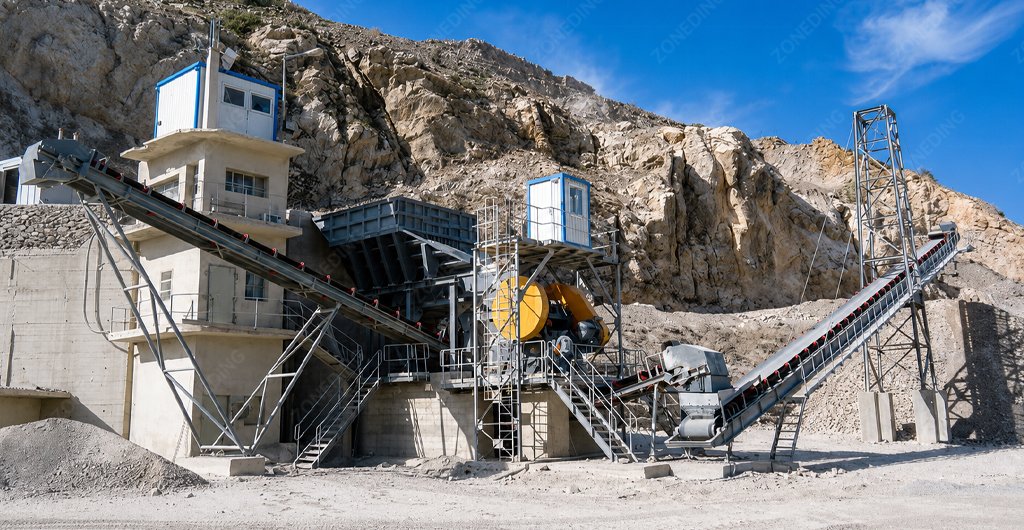
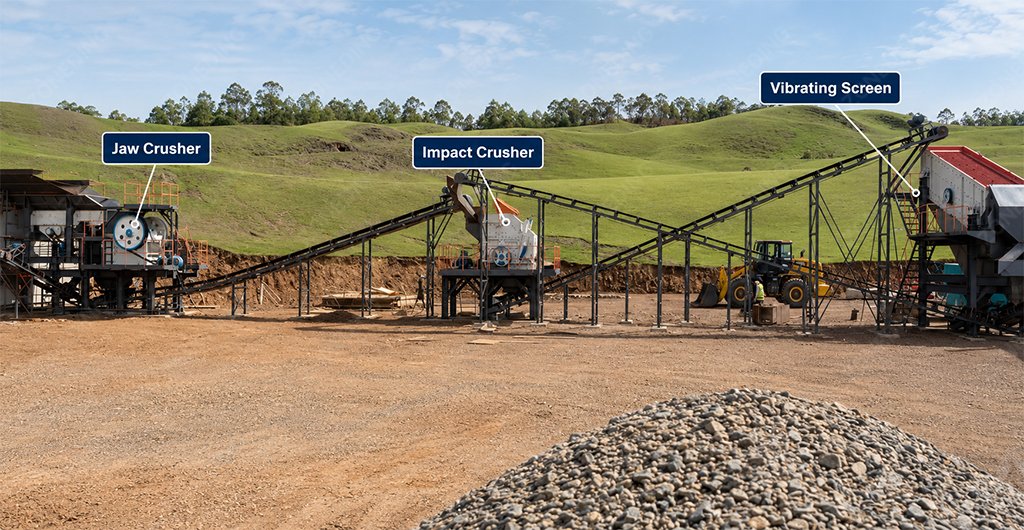
Jaw + impact + screening
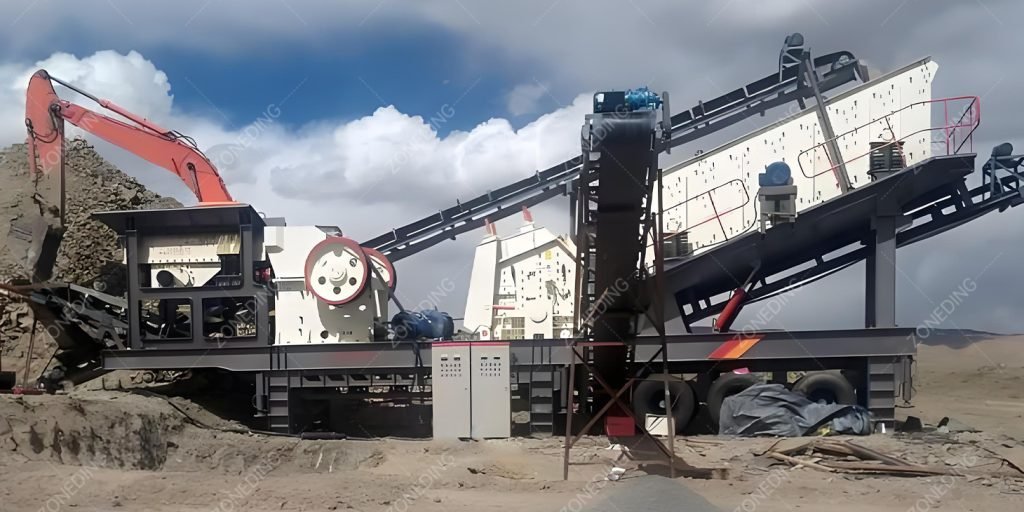
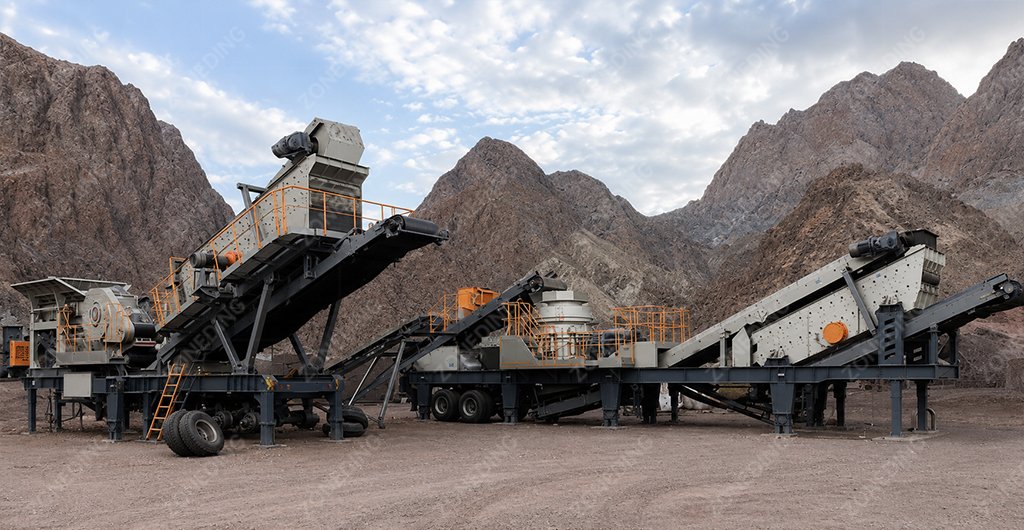
Jaw + cone + screening
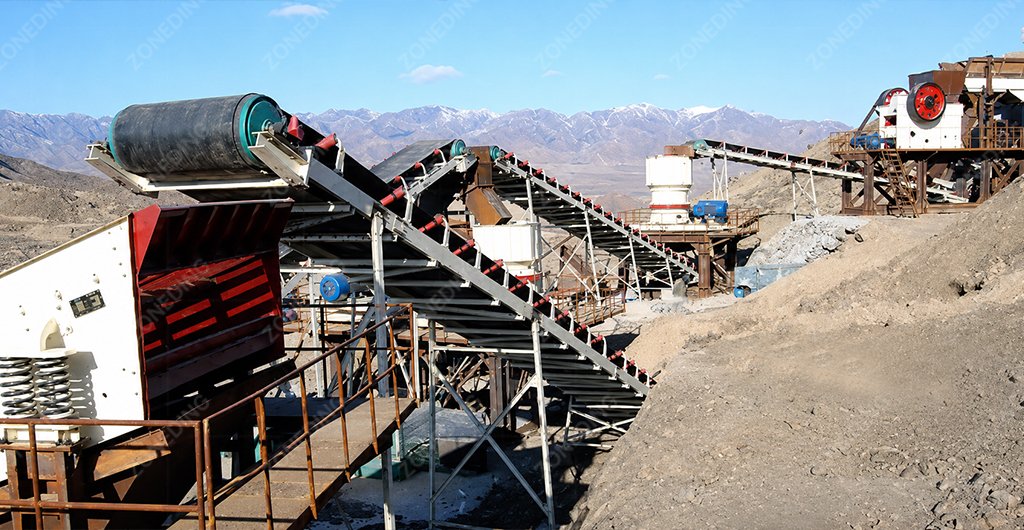
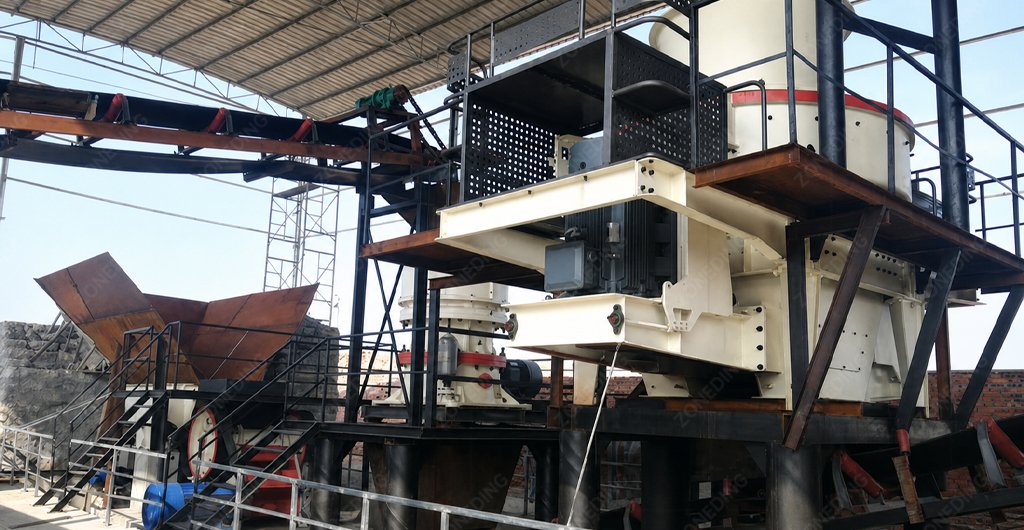
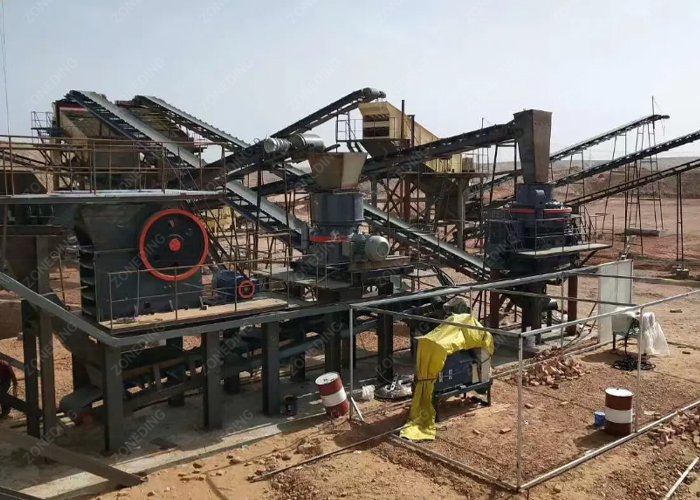
Jaw + cone + VSI + screening
Reference Plant
Main Process
Preliminary Equipment Budget
120 TPH limestone plant
Jaw + impact + screening
USD 140,000–220,000
150 TPH granite plant
Jaw + cone + screening
USD 220,000–330,000
200 TPH aggregate and sand plant
Jaw + cone + VSI + screening
USD 320,000–500,000+
The lower end normally represents a standard stationary configuration with basic automation and a limited number of finished products. Budgets move upward when the plant requires larger feed openings, additional screens, longer conveyors, stronger steel structures, dust control, washing, or a more advanced electrical system.
These ranges also explain why two quotations labeled “150 TPH” may differ significantly. One may cover only the main crushers, while the other includes feeding, closed-circuit screening, product conveyors, electrical control, platforms, and initial spare parts.
Projects below this production level have different design priorities. The 50–100 TPH small quarry crusher plant guide focuses on compact layouts, limited power, staged investment, and future expansion.
What Should Be Included in the Equipment Price?
A useful quotation must define its supply boundary. Without that information, the lowest price may simply represent the least complete package.
A typical equipment quotation should identify:
Vibrating feeder and feed hopper
Primary and secondary crushers
Vibrating screen and return circuit
Transfer and product conveyors
Electrical control cabinet
Steel supports and maintenance platforms
Motors, guards, and lubrication systems
Initial wear and spare parts
Process drawing and equipment layout
Installation and commissioning responsibilities
Several project expenses are normally calculated separately. These may include ocean freight, import duties, inland transportation, concrete foundations, local cables, transformer capacity, erection labor, and site drainage.
Instead of repeating a full hidden-cost calculation, compare each quotation line by line. Confirm the number and length of conveyors, screen area, motor specifications, steel quantity, included spare parts, and the point at which the supplier’s responsibility ends.
The three examples below use equipment-supply budgets. Freight, taxes, civil construction, local installation, and quarry development are not included unless stated in the final quotation.
120 TPH Limestone Plant: Configuration and Budget
A 120 TPH limestone line is often the least complex of the three reference plants. It can serve road projects, concrete producers, and commercial aggregate suppliers that need cubical products from relatively soft and clean rock.
120 TPH limestone jaw and impact crushing plant layout
The jaw crusher handles the large quarry feed, while the impact crusher completes secondary reduction and improves particle shape. Oversize material returns from the screen to the impact crusher.
A practical equipment budget is approximately USD 140,000–220,000. The final value depends mainly on feed size, screen capacity, conveyor length, number of products, and the amount of supporting steel.
Clean limestone normally keeps the circuit simple. Clay, wet fines, or a high percentage of oversize may require pre-screening, a larger feeder, or additional cleaning equipment. Recycled concrete also needs magnetic separation and manual or mechanical removal of contaminants.
Projects requiring relocation should not assume that the same budget applies to a mobile system. The mobile impact crusher application guide explains the additional equipment needed for quarry, road, and recycling work.
150 TPH Granite Plant: Configuration and Budget
Granite is harder and more abrasive than limestone. A 150 TPH granite plant therefore needs compression crushing, stable feeding, and stronger wear protection.
The buffer bin stabilizes material entering the cone crusher. Controlled feeding is important because an uneven flow can reduce production, accelerate liner wear, and create inconsistent particle grading.
A suitable preliminary equipment budget is USD 220,000–330,000. Compared with the limestone plant, more of the investment goes into the secondary crusher, wear-resistant parts, supporting structure, electrical capacity, and closed-circuit control.
Screening also becomes more demanding. Granite plants often carry a larger recirculating load, especially when the required top size is small. If the screen is undersized, material will repeatedly return to the cone crusher and reduce the plant’s saleable output.
The crusher should be selected according to rock abrasiveness and final product requirements, not only motor power or maximum catalog capacity. Quarry operators processing granite and basalt can find more regional considerations in the Brazil stone crusher plant guide.
200 TPH Aggregate and Manufactured Sand Plant
A 200 TPH project becomes more expensive when the investor wants both calibrated aggregate and manufactured sand. The additional cost is caused by the third crushing stage, extra screening area, more conveyors, sand classification, and higher installed power.
Reference conditions
Material: granite, river stone, or hard quarry rock
Maximum feed size: approximately 600–700 mm
Products: coarse aggregate plus manufactured sand
Commercial goal: supply concrete, asphalt, and construction markets
Plant type: stationary, three-stage, and closed circuit
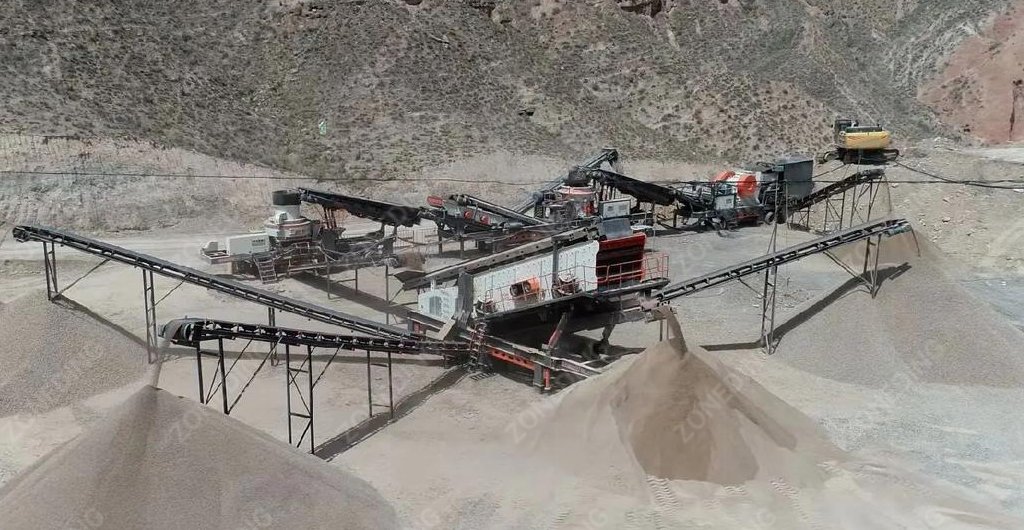
200 TPH aggregate and manufactured sand production plant
Coarse products can leave the circuit after secondary crushing and screening. Material intended for manufactured sand enters a sand-making machine for shaping and further size reduction.
The preliminary equipment budget generally falls between USD 320,000 and USD 500,000 or more. This is higher than the standard USD 120,000–350,000 range because the plant is no longer a basic two-stage aggregate line.
Water availability determines whether wet washing is practical. Where water is limited, dry classification and dust collection may be more suitable. A wet system will also require pumps, settling tanks, water recycling, and sludge management.
Product demand must justify the extra stage. If local buyers only need road base and two coarse aggregate sizes, a VSI may create unnecessary capital and operating costs. Where concrete producers pay more for controlled sand grading and particle shape, the additional equipment can expand the plant’s product range.
Project conditions in mountainous mining and quarry regions may require different feed and transport arrangements. The Peru crusher plant guide provides additional directions for hard rock, aggregate, and mineral projects.
What Changes Between 100, 150, and 200 TPH?
Increasing capacity affects the entire circuit. Installing a larger crusher without upgrading the feeder, screen, conveyors, and stockpile system will not create a balanced 200 TPH plant.
Design Item
120 TPH Limestone
150 TPH Granite
200 TPH Aggregate + Sand
Crushing stages
Two
Two
Three
Secondary crusher
Impact
Cone
Cone
Tertiary crusher
Not normally required
Optional
VSI
Reference power
200–300 kW
300–450 kW
500–750 kW
Screening demand
Moderate
High
Very high
Typical product range
Road base and aggregate
Calibrated hard-rock aggregate
Aggregate and manufactured sand
Main design risk
Wet or clay-rich feed
Wear and recirculating load
Circuit complexity and sand quality
These power figures are early references only. Final installed power depends on crusher models, feed conditions, conveyors, screen area, washing equipment, and local voltage.
Actual output should be measured as saleable material, not merely feed entering the primary crusher. Screen efficiency, recirculating load, moisture, maintenance time, and the required product mix can all reduce net production.
Space must also be reserved for maintenance access and stockpile separation. As the number of products increases, loader movement and stockpile management become part of the production design.
What Information Is Needed for an Accurate Quotation?
An accurate proposal begins with material and product data rather than a preferred crusher model.
Provide the following information:
Required Information
Why It Matters
Material name and clear photos
Determines the crushing method
Rock hardness or test report
Helps estimate wear and crusher type
Maximum and normal feed size
Defines feeder and jaw crusher size
Required saleable capacity
Sets the plant duty
Finished product sizes
Determines screen decks and circuit load
Moisture, soil, and clay content
Shows whether pre-screening or washing is needed
Operating hours per day
Supports wear and power planning
Site dimensions or topographic drawing
Guides layout and conveyor design
Country, nearest port, and project location
Supports transport planning
Voltage and frequency
Defines motors and control equipment
Future expansion target
Reserves space and electrical capacity
State clearly whether the requested capacity refers to total feed, finished aggregate, or one specific product. Also explain whether the plant will be permanent or moved between sites.
How much does a standard 150 TPH aggregate plant cost?
A standard stationary 150 TPH plant generally requires an equipment budget of approximately USD 180,000–330,000. Limestone configurations usually fall toward the lower end, while granite and basalt plants using cone crushing are normally more expensive.
Why can a 200 TPH plant cost more than USD 350,000?
A basic two-stage 200 TPH aggregate line may remain within the standard range. Costs can exceed USD 350,000 when the project includes tertiary crushing, VSI shaping, manufactured sand, washing, several screens, longer conveyors, or extensive automation.
Is a cone crusher necessary for granite?
A cone crusher is usually the more practical secondary choice for hard and abrasive granite. It normally provides better wear control than using an impact crusher continuously on abrasive rock.
Can one plant produce both aggregate and manufactured sand?
Yes. Coarse aggregate can be separated after secondary crushing, while selected material enters a VSI stage for sand production. Screen capacity and sand classification must be designed around the required product proportions.
Should the plant be designed for exactly 200 TPH?
The plant should meet the required saleable output under realistic operating conditions. Feed variation, screening efficiency, recirculating load, and maintenance time require a reasonable design allowance, but excessive oversizing increases investment and idle power.
The best configuration is determined by material, finished products, and operating conditions. A 120 TPH limestone plant should remain simple, a 150 TPH granite plant needs controlled hard-rock crushing, and a 200 TPH aggregate-and-sand plant requires a balanced three-stage circuit.
ZONEDING can prepare a preliminary process flow, equipment list, installed-power estimate, layout direction, spare-parts recommendation, and quotation after receiving the project data.
Concrete recycling is a fast-growing industry. It turns old building waste into high-value products. Choosing the right machine is the most important part of the business. Different machines handle different materials and budgets. This guide compa...
Tailings are no longer just a waste product in modern mining. High metal prices and better technology make the tailings beneficiation process a major profit center. This guide explains how to extract hidden value from old waste dams. Re-processing...
Mineral screening equipment performs the vital task of size separation in mining. This process occurs after crushing to ensure only the correct stones proceed. Efficient screening prevents the recirculating load from overwhelming the system. In 20...
The success of a graphite processing plant depends on the ability to protect large flakes. Natural flake graphite value relates directly to flake size. Large flakes (+32 or +50 mesh) command prices several times higher than fine powder. An efficie...
We use cookies to ensure that we give you the best experience on our website. If you continue to use this site we will assume that you are happy with it.
Privacy Policy
Send us a message
We would love to hear from you
Submit your question and our team will respond to the email provided as soon as possible.
 Zoneding Machine