As the global transition to renewable energy and electric vehicles accelerates, lithium has emerged as the ‘white gold’ of the 21st century. However, bridging the gap between raw mineral extraction and high-purity battery-grade chemicals is a complex industrial challenge. Building a lithium processing facility requires a sophisticated blend of advanced chemical engineering, rigorous environmental compliance, and strategic capital management. This guide outlines the essential roadmap for developing a resilient and profitable processing plant in today’s competitive market.
How does hard rock lithium processing differ from salt lake brine?
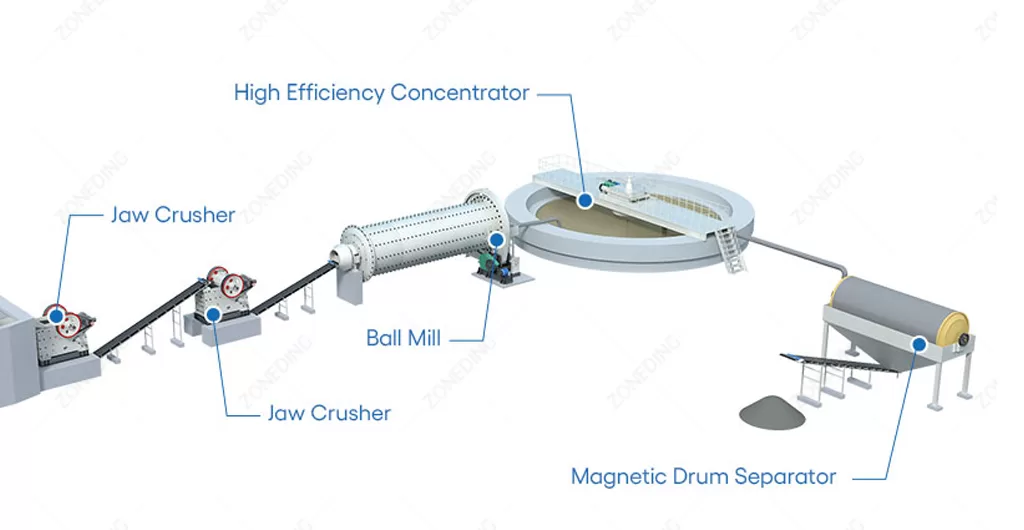
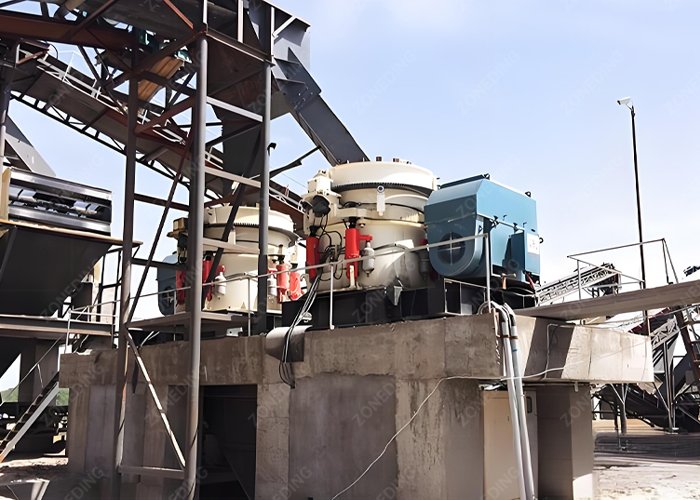
Hard rock lithium processing relies on mechanical and thermal energy to extract minerals. Salt lake brine uses evaporation ponds and solar energy. Hard rock plants focus on minerals like spodumene or lepidolite. The industrial journey begins with the to create a high-grade concentrate. This method offers much faster production cycles than brine. Weather conditions do not stop the operations. However, hard rock extraction requires more heavy machinery and electricity. Most car battery manufacturers prefer hard rock lithium because of its consistent quality. Investors must understand the physical nature of spodumene. This rock is very hard and dense. It needs a strong Jaw Crusher to break the initial boulders. Brine extraction is a chemical game from start to finish. Hard rock extraction is a mining and refining game. The capital cost for a rock-based plant is often higher. But the speed to market is a major competitive advantage. The final product from a rock mine is usually very pure. This purity makes it easier to reach the strict standards for electric vehicle batteries.
Comparison of Extraction Sources
Feature
Hard Rock (Spodumene)
Salt Lake Brine
Impact on Your Business
Production Time
Weeks
18 – 24 Months
Rock mines respond to market fast
Energy Source
Electricity & Gas
Solar Energy
Rock mines have higher power bills
Initial Cost
Higher
Lower
Rock mines need more equipment
Practical Operational Tips
Analyze Mineralogy: Spodumene and lepidolite need different chemical paths.
Check Infrastructure: A hard rock plant needs a reliable power grid and gas supply.
Verify Water Source: Mining operations use a large amount of water for separation.
How to stop over-grinding in a lithium processing facility?
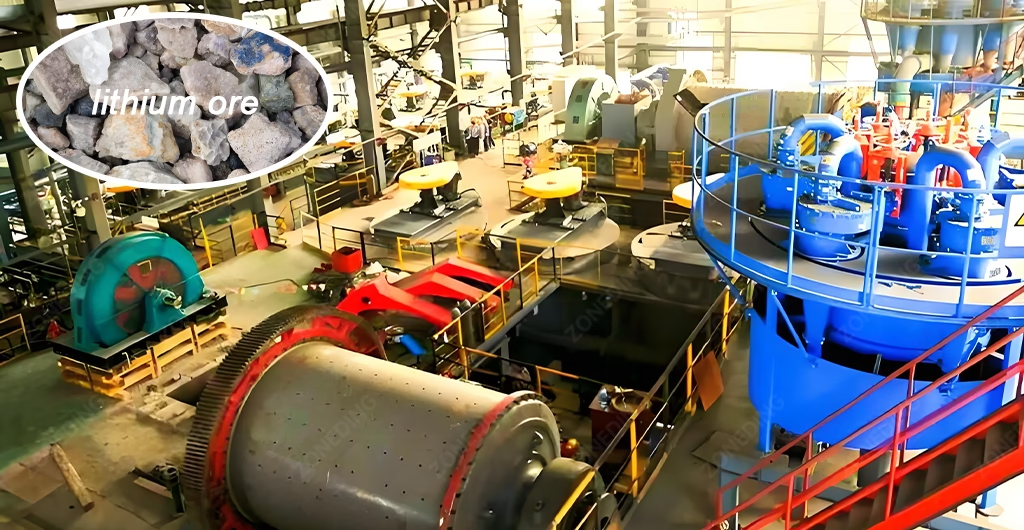
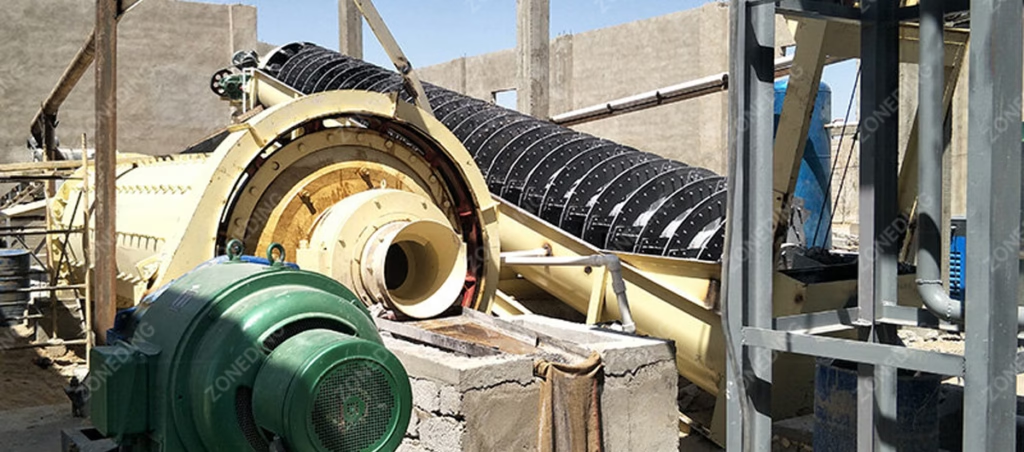
Over-grinding is the most common reason for losing lithium recovery. Spodumene is a very brittle mineral. It shatters easily under pressure. If the grinding stage is too aggressive, the lithium turns into very fine dust. Experts call this dust “slimes.” These slimes are almost impossible to catch in the flotation tanks. They escape with the waste water and hurt the profit. Every 1% of extra slimes can lead to a 0.5% loss in total plant recovery. This loss equals millions of dollars over a year of operation. The solution is a “fast-in, fast-out” grinding logic. A Ball Mill must work with high-frequency screens. Most traditional mines use hydrocyclones for sizing. But screens work better for lithium because they catch thin, flat particles. Also, operators should use rubber or ceramic liners inside the mills. Steel liners add iron to the ore. Iron is a poison for battery-grade products. Using a Ceramic Ball Mill ensures the lithium stays clean and the size stays perfect for the next step.
Spodumene Grinding Sizing Equipment
Optimizing the Grinding Circuit
The water-to-rock ratio in the mill is a critical factor. Too much water makes the rock move too fast. Too little water makes the rock stay too long and get crushed into dust. Precise sensors can monitor the density of the slurry. Also, the size of the grinding balls matters. Using smaller balls provides more surface area for grinding without hitting the rock too hard. This delicate balance keeps the lithium particles in the ideal size range for flotation.
Tips for Better Grinding
Use Ceramic Grinding Media: This prevents iron contamination from the start.
Install Fine Screens: These units provide a sharper cut-off size than cyclones.
Monitor Mill Sound: Changes in sound indicate if the mill is over-filled or under-filled.
Is DMS or flotation more suitable for your ore?
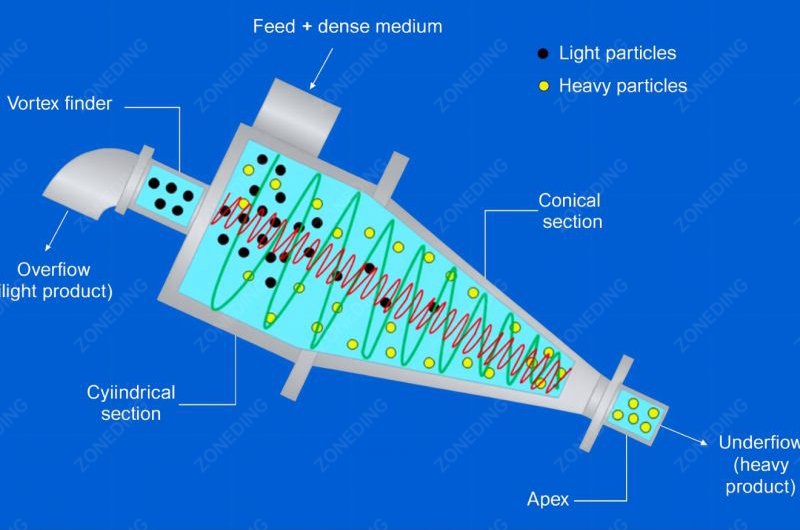
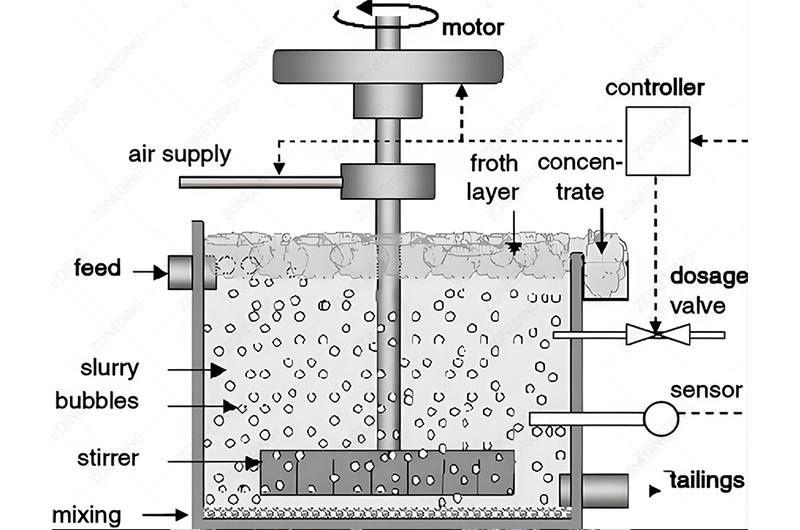
The choice between DMS and flotation depends on the grain size of the lithium.Dense Medium Separation (DMS) works for coarse particles. It uses a heavy liquid to float the lithium and sink the waste rock. This process is very cheap because it uses very few chemicals. It is a physical separation based on gravity. If the lithium crystals are larger than 0.5 mm, DMS is the best first step. It can remove over 60% of waste rock before the ore even reaches the expensive flotation stage. Flotation is necessary for fine particles. It uses air bubbles and chemicals in a Flotation Machine. The chemicals make the lithium stick to the bubbles and rise to the top. This method reaches much higher purity levels than DMS. Most modern plants use both. They use DMS to remove the bulk waste and then use flotation to polish the concentrate. This combined approach lowers the operating cost significantly. It reduces the amount of chemicals needed and shrinks the size of the flotation circuit.
Dense Medium Separation
Flotation
Technology Selection Comparison
Method
Feed Size
Operational Cost
Benefit to You
DMS
0.5mm – 10mm
Very Low
Reduces chemical and energy waste
Flotation
< 0.15mm
High
Achieves maximum purity levels
Combined
Full Range
Balanced
The most stable way to run a mine
Tips for Separation Logic
Conduct Heavy Liquid Tests: These tests tell if DMS will work for a specific ore.
Choose Quality Chemicals: Cheap flotation reagents often lead to unstable froth and low recovery.
Maintain Agitators: The mechanical parts of the flotation tanks must be in top shape to create the right bubbles.
Why is magnetic separation vital for battery-grade lithium production?
Magnetic separation removes iron and other magnetic impurities that ruin batteries. Battery makers have zero tolerance for magnetic particles. Even a tiny speck of iron can cause a lithium-ion battery to short circuit. This leads to overheating or fires. The lithium concentrate must go through a strong Magnetic Separator to reach “battery-grade” status. Ordinary magnets are not strong enough. This process requires High-Gradient Magnetic Separators (HGMS) to pull out the smallest iron grains. Iron comes from two sources. Some iron is naturally inside the rock. Other iron comes from the wear and tear of the machines. Every time a Jaw Crusher crushes a rock, a tiny bit of steel enters the mix. Multiple stages of magnetic separation are a requirement. One stage catches the big pieces of tramp iron. The second and third stages catch the microscopic minerals. Keeping the lithium clean is just as important as getting the lithium out of the ground.
Magnetic Separation Flowsheet
How to Achieve Ultra-Low Iron Levels
The layout of the magnets is a key design point. Placing magnets after the grinding stage is standard practice. Some plants also place magnets right before the final packaging. This catches any iron picked up from pipes or pumps. Using non-metallic pipes like PVC or stainless steel also helps. Regular testing of the magnetic field strength is necessary. Magnets can lose power over time due to heat or vibrations.
Tips for Purity Control
Use Multi-Stage Separation: Three stages of magnets are better than one.
Check Magnet Strength: Use a Gauss meter to verify the magnets are working correctly.
Use Rubber Linings: Line all pipes and tanks to prevent steel wear from entering the slurry.
What happens inside the lithium calcination kiln?
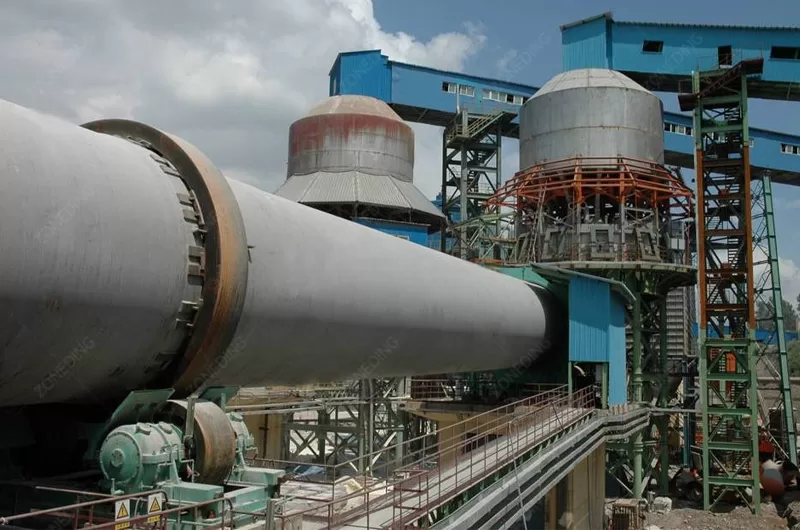
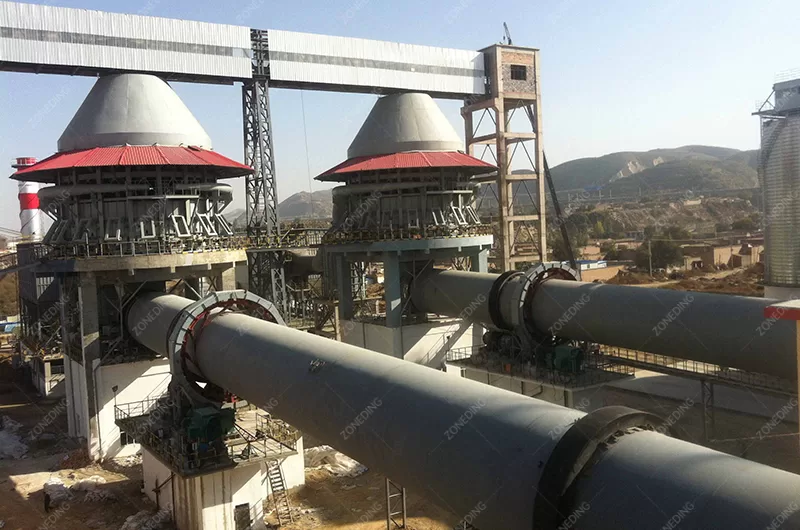
Calcination is a heat treatment that makes the lithium ready for acid leaching. In its natural state, spodumene is “alpha-type.” This structure is very tight. Acid cannot get inside to react with the lithium. The rock must travel through a Rotary Klin at temperatures around 1050 degrees Celsius. This heat turns the mineral into “beta-type.” The mineral expands like popcorn. This expanded structure allows the acid to enter and pull the lithium out in the next step. The biggest challenge in the kiln is temperature control. If the heat goes above 1150 degrees, the ore starts to melt. This creates “clinkers” or big sticky lumps. These lumps stick to the kiln walls and stop the whole factory. If the heat is too low, the conversion stays incomplete. Then the lithium stays trapped in the rock and goes to the waste pile. A high-quality Klin system uses advanced burners and infrared sensors to keep the heat within a very narrow range.
Rotary kiln
Rotary kiln
Key Factors in the Kiln Process
The speed of the kiln rotation also matters. If the ore moves too fast, it does not get enough heat. If it moves too slow, it might overheat. Experienced operators watch the color of the ore inside the kiln. Bright orange usually means the temperature is perfect. Also, the cooling stage after the kiln is vital. Rapid cooling can help to “crack” the mineral even more. This makes the leaching process even more efficient.
Tips for Kiln Operations
Install Redundant Sensors: One sensor can fail. Use two or three to be safe.
Choose Proper Refractory Bricks: Lithium minerals can be chemically aggressive at high temperatures.
Monitor Fuel Quality: Inconsistent gas or coal quality can cause temperature spikes.
How do acid leaching and purification work?
Acid leaching turns the solid lithium into a liquid sulfate solution. After the kiln, the beta-spodumene is mixed with concentrated sulfuric acid. This mixture is heated again in an acid roaster. The acid reacts with the lithium to form lithium sulfate. Then, water is added to the mix. The lithium sulfate dissolves into the water. The remaining rock is filtered out and sent to the waste pile. This liquid is the most valuable part of the plant. Purification is the final chemical gate. The liquid contains many other things like calcium, magnesium, and aluminum. These must be removed one by one. Specific chemicals are added to the liquid to make the impurities turn into solids. Then, a filter press removes these solids. The final step is adding sodium carbonate. This makes the lithium turn into a white powder called lithium carbonate. This powder is the final product that battery factories buy.
Recovery Optimization Points
Process Step
Control Factor
Impact on Profit
Acid Roasting
Acid Ratio
Too much acid wastes money
Leaching
Temperature
High heat speeds up the reaction
Purification
Ph Level
Ph must be exact to drop impurities
2026 Latest Trends in Lithium Processing Technology
The trend for 2026 is toward smarter plants and cleaner waste. Many companies now use “Direct Lithium Extraction” (DLE) methods to get more metal from low-grade ores. Automation is also moving fast. New Flotation Machine units use cameras to watch the bubbles. These cameras send data to a computer. The computer adjusts the air and chemicals every second. This stops human error and keeps the recovery rate high.
Latest Progress at a Glance
AI-Driven Flotation: Software controls the froth level better than a human.
Green Kilns: Using hydrogen or electric heating to reduce carbon emissions.
Modular Refineries: Building small, portable units that can be moved to different mine sites. The market is also moving toward “Zero Liquid Discharge.” This means the plant does not release any dirty water into the environment. All water is cleaned and put back into the process. This is a requirement for many international investors now.
Frequently Asked Questions
Question 1: What is the most expensive part of a lithium plant? The calcination kiln and the chemical refinery are the most expensive. They use a lot of energy and expensive materials. The Rotary Klin is often the heart of the project. Question 2: How much lithium can a typical plant recover? A good plant recovers about 75% to 85% of the lithium. Losing 15% is normal due to fine dust and chemical losses. Excellent plants use DMS and magnetic separation to hit 88%. Question 3: Why is lithium lepidolite harder to process than spodumene? Lepidolite contains fluorine. When you heat it, it creates dangerous gases. You need special equipment to scrub these gases and protect the machines from corrosion. Question 4: Can I use a mobile crusher for lithium mining? Yes. A Mobile Jaw Crusher is great for the first stage. It can follow the mining face and save money on truck transport.
About ZONEDING
ZONEDING is a professional manufacturer of mining and mineral processing equipment. We focus on B2B solutions for global mining companies. Our products include a full range of Crushing Equipment, Ball Mill units, and Magnetic Separator machines. We also provide complete production lines for battery-grade lithium production. Our factory covers 8,000 square meters and produces over 500 units every year. With 15 expert engineers, we offer custom designs for any ore type. We have exported machines to more than 120 countries. ZONEDING provides factory-direct sales to give you a price advantage. We support you from the first design to the final installation. Contact ZONEDING today for a professional consultation on your lithium project. Let us help you build a high-efficiency plant.
Tailings are no longer just a waste product in modern mining. High metal prices and better technology make the tailings beneficiation process a major profit center. This guide explains how to extract hidden value from old waste dams. Re-processing...
Operating heavy mining equipment requires a deep understanding of internal mechanics. Many expensive machine failures happen because operators misunderstand basic operational rules. Good equipment can break quickly when handled poorly. This compre...
Choosing mobile crushing equipment determines project setup speed and long-term operating costs. Many buyers only look at the transport method. They ignore the hidden costs of site preparation and energy consumption. This guide shows the real diff...
We use cookies to ensure that we give you the best experience on our website. If you continue to use this site we will assume that you are happy with it.
Privacy Policy
Send us a message
We would love to hear from you
Submit your question and our team will respond to the email provided as soon as possible.
 Zoneding Machine