Choosing between a modular crushing station and a mobile crushing plant depends on project duration and move frequency. A mobile plant offers speed for short projects. A modular plant provides stability for long-term production. I have seen many owners lose money by picking the wrong setup for their site. This guide helps select the most profitable system for specific needs.
Modular vs mobile crushing plant: What are the design differences?
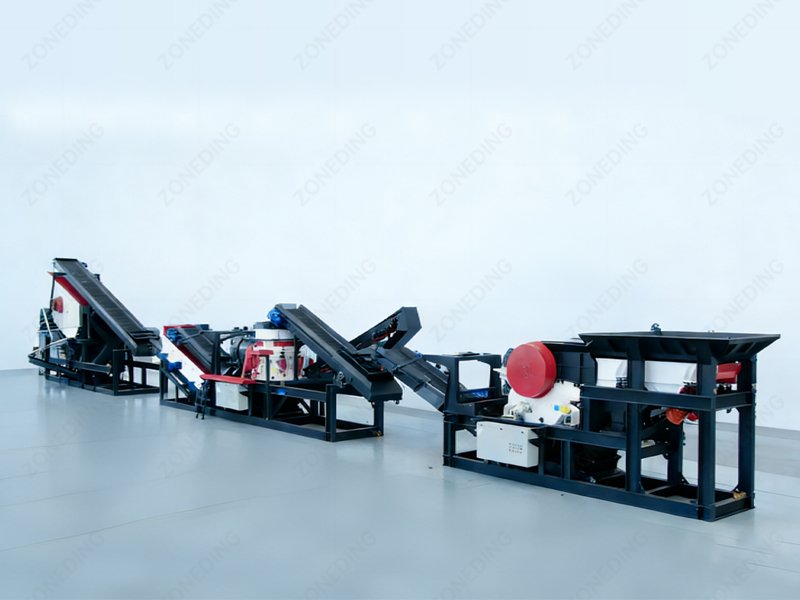
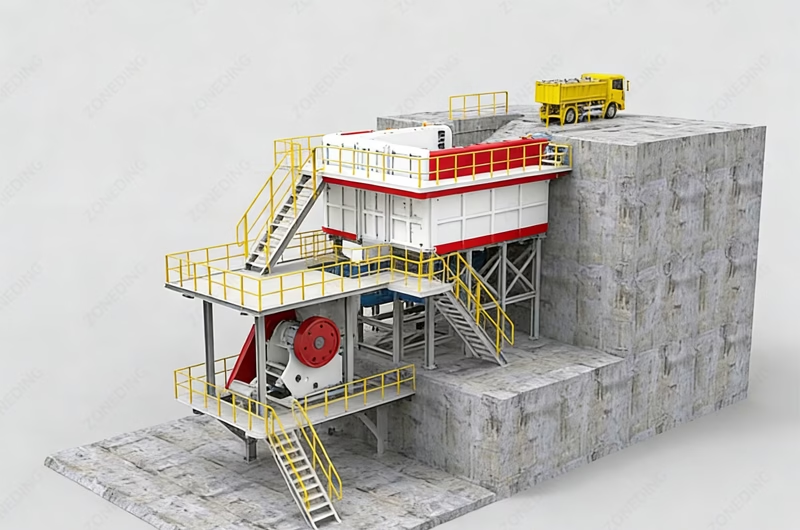
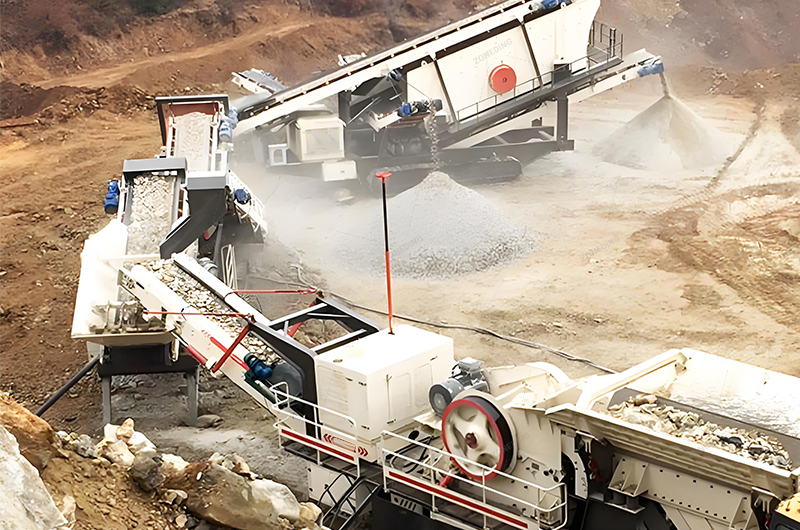
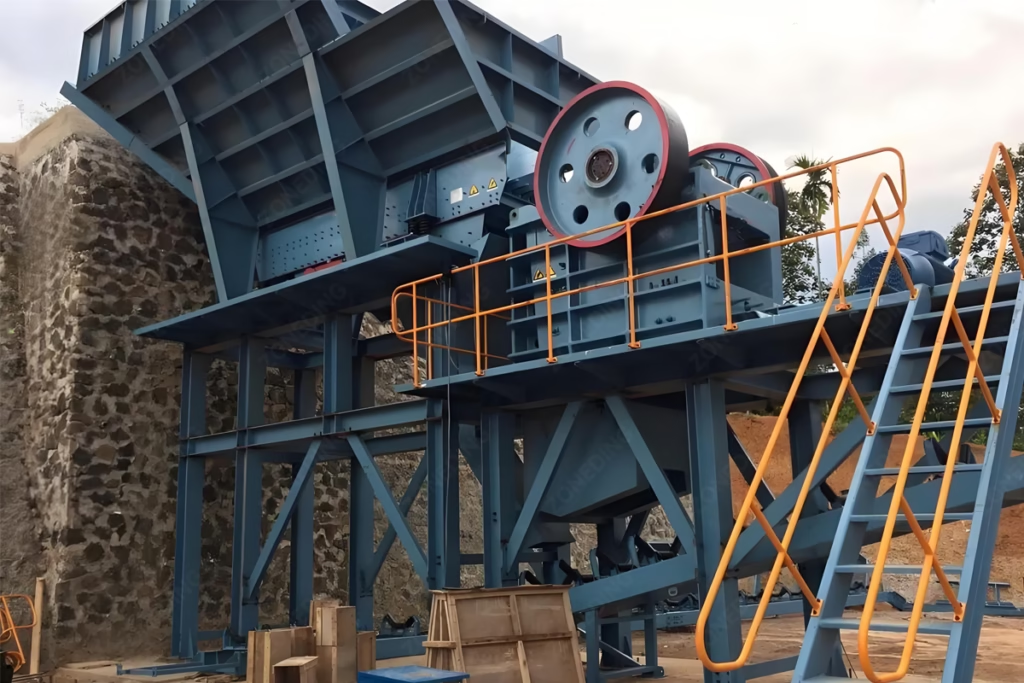
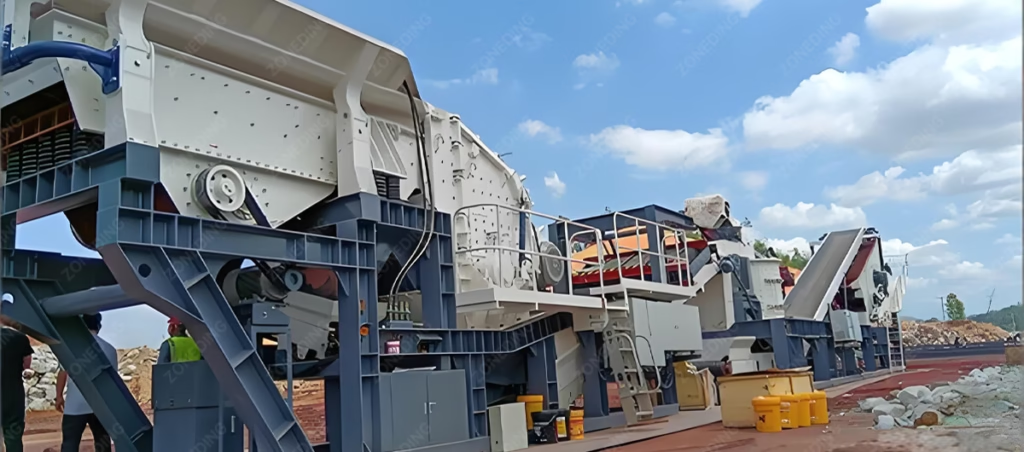
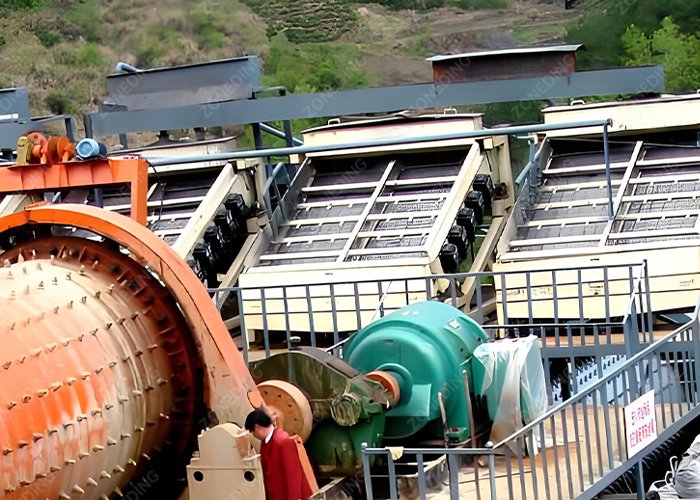
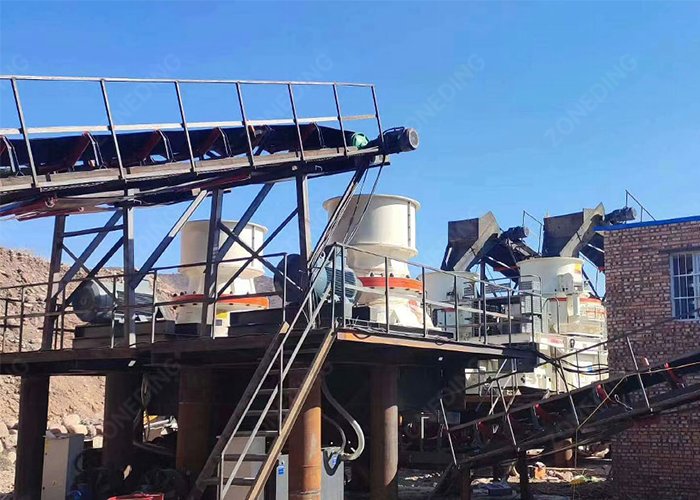
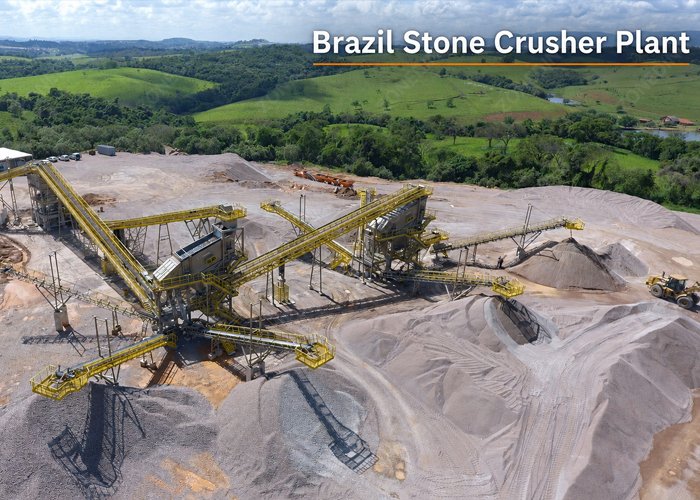
Structural design separates a modular plant from a mobile plant. A integrates the crusher, feeder, and screen onto a single chassis. It uses tracks or wheels for movement. A modular plant uses pre-engineered steel frames for each component. These modules bolt together on-site. The modular design focuses on easy assembly without the weight limits of a road-legal chassis. Mobile plants use compact layouts to fit on a trailer. This makes them small and agile. Modular plants are “semi-fixed” because they use heavy steel skids. These skids replace permanent concrete foundations. Each module is a standard size for shipping in a container. This allows for a more open layout compared to a mobile unit. The extra space in a modular setup helps with airflow and material discharge. It is a middle ground between fixed plants and fully mobile units.
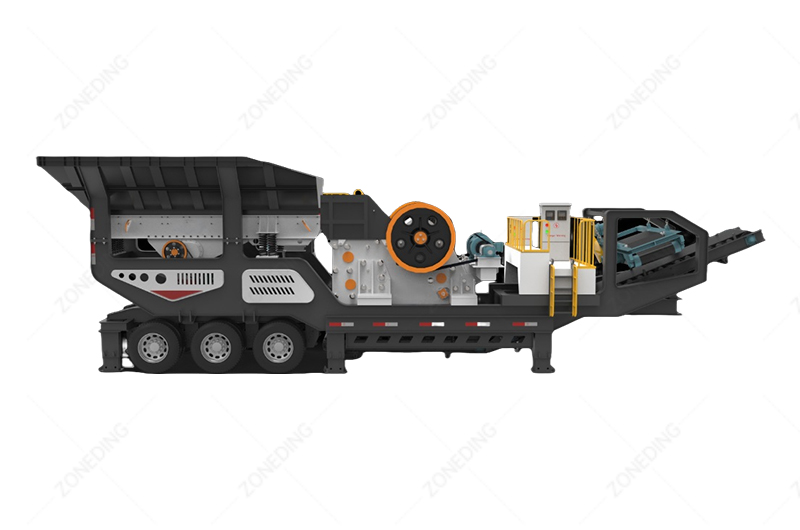
wheeled type mobile crusher
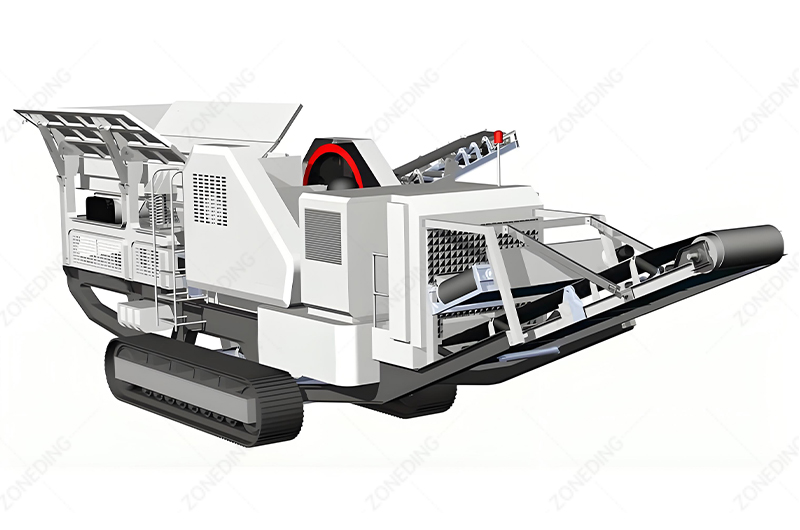
Tracked Mobile Crushing Stations
Modular Crushing Station
Comparison of Structural Components
Feature
Mobile Crushing Plant
Modular Crushing Station
Benefit for You
Chassis
Tracked or Wheeled
Steel Skid Modules
Mobile is faster; Modular is steadier
Setup Time
1 – 2 Days
7 – 14 Days
Faster start for short contracts
Weight Limit
Strictly controlled
High capacity frames
Modular handles larger crushers
Power Source
Diesel or Dual-power
Mostly Electric
Modular is cheaper to run on grid
Tips for choosing structural designs
Check road laws: Mobile plants must fit weight and width limits for local roads.
Inspect the steel: Ensure modular frames use heavy-duty H-beams. Thin steel vibrates too much.
Look for bolt-on parts: Modular units should not require welding during assembly on-site.
Does project duration dictate the crushing equipment selection?
Project length is the most important factor when you Choose Crushing and Screening Equipment. If a project lasts less than 12 months, a mobile plant is usually better. It arrives and starts working in 48 hours. For projects lasting over 24 months, a modular plant is the smarter choice. The lower operating costs of a modular system pay for the longer setup time within the first year. Short contracts require rapid deployment. A Mobile Stone Crusher can move from one site to another very quickly. This makes it perfect for road construction or bridge projects. Modular plants stay at one site for years. They offer the durability of a fixed plant but with the ability to move eventually. Moving a modular plant requires cranes and trucks. This process takes about two weeks. Only move a modular plant if the work at the new site will last at least another year.
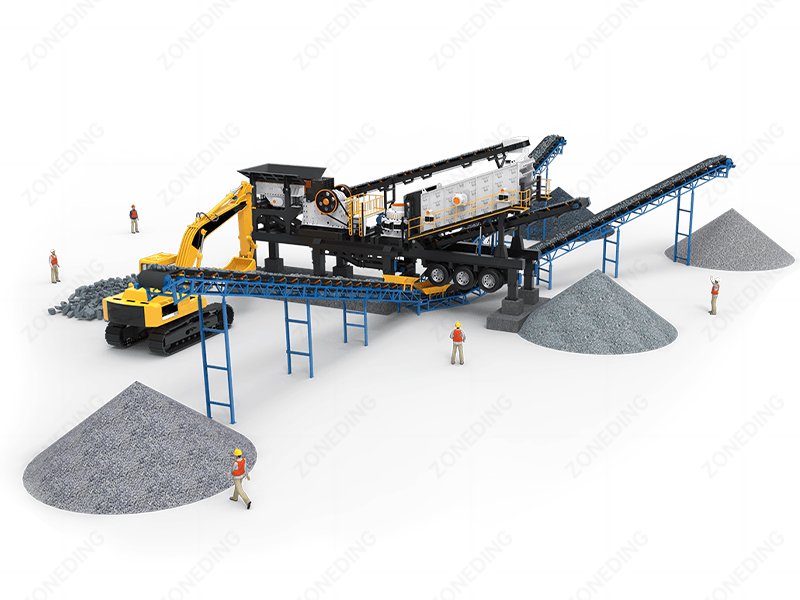
Mobile Crushing Station
Modular Crushing Station
Application Scenarios by Duration
0-6 Months: Use a tracked Mobile Jaw Crusher. Move it every few weeks as the face of the mine changes.
6-24 Months: Use a wheeled mobile plant or a modular system. The decision depends on how often the site moves.
2 Years+: Use a modular plant. The heavy frames handle high-volume crushing better over long periods.
Are modular crushing station benefits better for installation costs?
Modular crushing stations save money on foundation and civil work costs. A fixed plant needs deep concrete foundations. This is expensive and permanent. A modular plant uses steel skids that sit on flat, compacted ground. This eliminates the need for massive concrete pours. It also means you do not leave expensive foundations behind when the project ends. This makes the “semi-fixed” approach very cost-effective. Mobile plants claim to have zero installation costs. But they still need a level and stable site. Very soft ground can cause a mobile plant to sink or tilt. This leads to bearing failure. A modular plant distributes weight over a larger area. The cost of compacting the ground for a modular plant is low. Also, the assembly of modular units is like building with Lego blocks. You do not need highly skilled welders on-site. This reduces labor costs significantly.
Installation Cost Breakdown
Task
Mobile Plant Cost
Modular Station Cost
Practical Meaning
Foundation
Very Low (Leveling)
Low (Compacted Soil)
Both save on heavy concrete
Lifting
Not Required
High (Large Cranes)
Modular needs extra equipment for setup
Assembly
Very Low
Medium
Modular takes more time to bolt together
Site Restoration
Zero
Low
Modular frames are easily removed
Practical tips for installation
Compact the soil: Ensure the ground can hold 250 kPa for modular frames.
Use pre-cast blocks: Instead of pouring concrete, use heavy pre-cast blocks for modular supports.
Plan for cranes: Make sure there is space for a 50-ton crane during modular assembly.
Is modular or mobile better for 500 TPH high-output needs?
Modular plants offer better system stability for high-output projects over 500 TPH. Mobile plants have size limits. It is hard to put a very large Jaw Crusher on a road-legal chassis. If you need massive volume, you need big machines. Modular frames can hold larger crushers and bigger vibrating screens. This makes them the top choice for large-scale mining operations and big aggregate quarries. High production creates massive vibration. A mobile plant chassis has many moving parts like hydraulic legs and tracks. These parts can vibrate loose during heavy work. A modular plant uses heavy steel skids that dampen vibration. This keeps the machines stable. System stability leads to higher uptime. In a 500 TPH plant, one hour of downtime costs thousands of dollars. Modular plants provide the “heavy-duty” feel required for non-stop, high-tonnage work.
Modular impact crushing plant at the crushing site
Capacity Comparison
Mobile Units: Best for 50 to 300 TPH. Above this, they become too heavy for many roads.
Modular Units: Easily handle 300 to 800 TPH. You can connect multiple modules for even higher output.
Stability Factor: Modular plants use larger discharge belts. This prevents blockages during high-volume surges.
When does a mobile crusher for sale win in narrow spaces?
A Mobile Crusher for Sale is unbeatable in narrow or urban worksites. If the project is inside a city or a small quarry, space is tight. A modular plant needs room for trucks to unload and cranes to work. A mobile plant drives itself into position. This “plug-and-play” ability is perfect for recycling concrete in city centers. You do not need to build large ramps or storage areas. The compact nature of mobile units allows them to follow the digging site. In a narrow quarry, the machine stays near the rock face. This reduces the distance for loaders to travel. Less travel time for loaders means lower fuel costs. Mobile units also have integrated conveyors that fold out. This saves even more space. For urban demolition, a tracked mobile unit is the only practical solution. It can climb over rubble and work in the middle of a destroyed building.
Mobile crushing and screening station
Space Advantage Highlights
No ramps needed: Most mobile units have low-profile feeders.
Folding conveyors: Reduce the footprint when the machine is not working.
Zero turning radius: Tracked units turn 360 degrees in one spot.
Fast relocation: Move the machine 50 meters in minutes to stay near the material.
Suggestions for space management
Measure entrance width: Ensure the mobile unit fits through gates or under bridges.
Check tail swing: Make sure the rear of the machine won’t hit walls when turning.
Use dust suppression: Narrow spaces trap dust. Always use integrated spray bars.
How do logistics and transport affect the selection?
Logistics speed is the main reason to buy a mobile crushing plant. A mobile unit is one single load. You tow it or drive it onto a low-boy trailer. It reaches the site and starts working immediately. Modular plants travel in several shipping containers. You must coordinate the arrival of many trucks. If one container is late, the entire assembly stops. This makes mobile units better for projects with strict start dates. Transporting modular units is easier for international shipping. Each module fits into a standard 40-foot container. This makes sea freight cheaper than shipping a massive mobile unit. Large mobile plants are “Out of Gauge” (OOG) cargo. They require special ships and expensive permits. If your project is in a different country, modular units might save you thousands in shipping costs. Always compare the “door-to-door” transport price before you buy.
Logistics Comparison Table
Logistics Factor
Mobile Plant Performance
Modular Station Performance
Benefit for ROI
Shipping Cost
High (OOG Cargo)
Low (Standard Containers)
Modular is cheaper for sea freight
Inland Transport
Fast (One Truck)
Slow (Multiple Trucks)
Mobile gets to the site faster
Permits Required
Many (Wide/Heavy)
None (Standard Loads)
Modular avoids road legal issues
Unloading Speed
Instant
2 – 3 Days
Mobile starts earning money sooner
Logistics Tips
Check bridge limits: Ensure local bridges can hold the weight of a 50-ton mobile unit.
Standardize containers: Ask the manufacturer to fit modular parts into High Cube (HC) containers.
Plan the sequence: Ensure the “Feeder Module” arrives first at the site for assembly.
Is maintenance cost lower for a modular or mobile plant?
Maintenance costs are significantly lower for modular crushing plants in the long run. Mobile plants are very compact. This makes it hard for workers to reach the engine or the crusher. You often have to remove other parts just to reach a filter. Modular plants have open steel walkways and large maintenance platforms. This makes daily checks and repairs much faster. Faster maintenance means more hours of production. Mobile plants also have complex hydraulic systems. Hydraulics require clean oil and expensive parts. Modular plants are usually 100% electric. Electric motors are simpler and last longer than hydraulic drives. The belts and pulleys on a modular plant are standard sizes. You can find replacements at any local hardware store. Mobile units often use custom-sized parts. These parts are expensive and have long lead times. If you want the lowest cost per ton over five years, choose modular.
Maintenance Advantages of Modular Plants
Better access: Large platforms allow workers to stand safely.
Standard parts: Easy to find motors and bearings locally.
Electric drive: Lower failure rate compared to hydraulic pumps.
Durable frame: Less stress on welds because the machine is on the ground.
How do power supply and environment limit equipment?
Your power supply often decides which crushing station to use. Mobile plants usually have an onboard diesel engine. This makes them great for remote areas without electricity. But diesel is expensive. Modular plants are mostly electric. They need to be plugged into the grid or a large generator. If your site has cheap electricity, a modular plant will save you 40% on energy costs. Environmental rules also play a role. Many cities now ban diesel engines due to noise and smoke. In these areas, an electric modular plant is the only choice. You can also buy “Dual-Power” mobile units. These can run on diesel or electricity. This is the best of both worlds. If your project is in a sensitive area, check the noise levels of each machine. Modular plants are usually quieter because they don’t have a large diesel engine running.
Environmental and Power Factors
Remote Sites: Mobile diesel units are best. No power lines are needed.
Grid Access: Modular electric units are best. Save on fuel and oil changes.
City Work: Electric modular or Dual-Power mobile units to meet noise laws.
Dust Control: Both systems can use water sprays, but modular units often have more room for dust enclosures.
Power selection tips
Check the KVA: Ensure your local grid can handle the peak start-up current of the plant.
Use VFDs: Install Variable Frequency Drives to reduce power spikes when starting the crusher.
Think about fuel security: In remote areas, it is often easier to run an electric line than to guard a fuel tank.
How to make a final decision based on budget and ROI?
ROI calculations should include the initial price, operating costs, and resale value. Mobile plants have a high initial price but high resale value. They are like trucks; you can sell them quickly when the job is done. Modular plants are cheaper to buy and run but harder to sell. You must weigh the “convenience” of the mobile unit against the “efficiency” of the modular station. If your budget is tight, a modular plant gives you more “crushing power” for your money. You get a larger machine for the same price as a smaller mobile unit. If you are a contractor moving from job to job, the mobile unit is a better investment. It allows you to bid on more projects because you can start immediately. For a quarry owner with a 10-year plan, the modular plant is the winner. The lower fuel and maintenance costs will pay for the machine in just a few years.
Decision Matrix
Your Priority
Choose Mobile If…
Choose Modular If…
Low Initial Budget
No
Yes
Rapid Setup
Yes
No
Lowest Operating Cost
No
Yes
High Resale Value
Yes
No
Frequent Moving
Yes
No
Remote Location
Yes
Maybe
2026 Latest Trends in Crushing Plant Development
The year 2026 brings “Plug-and-Play” modular designs that are faster than ever to assemble. These new modules use quick-connect power cables. This reduces the work for electricians. We also see “Hybrid Mobile” units becoming the industry standard. These machines use a small diesel engine for moving but run on electricity for crushing. This trend combines the mobility of a crawler with the low cost of an electric station.
Latest Progress at a Glance
Digital Twins: Manufacturers now provide a digital model to help you plan your modular site layout.
Carbon Tracking: New mobile units track fuel use per ton to help companies meet green targets.
Wireless Control: One operator can now control an entire mobile fleet from a tablet.
Lego Modules: New modular frames are designed to fit together without any extra supports or ramps.
Common Questions and Answers
1. Is a modular plant harder to move than a mobile one? Yes. You need cranes and several trucks. It takes about two weeks. A mobile unit moves in hours. Only choose modular if you stay in one spot for over a year. 2. Can I run a modular plant in a remote mine? Yes, but you will need a large diesel generator set. Mobile units have the engine built-in, which saves space in remote locations. 3. Which one is better for concrete recycling? Mobile units are usually better. Recycling jobs are often in cities and don’t last long. A tracked mobile crusher can move around the demolition waste. 4. Do modular plants need concrete foundations? No. They use steel skids that sit on flat, compacted dirt. This is why they are called “semi-fixed.” 5. Which system handles hard rock better? Modular plants are often more stable for very hard rock like basalt. The heavy steel frames absorb the shock better than a mobile chassis.
About ZONEDING
ZONEDING is a professional manufacturer of Crushing Equipment with over 20 years of experience. We provide both Mobile Stone Crushers and advanced modular crushing solutions. Our factory produces over 500 units annually for customers in 120 countries. We offer full-service support, from site design to installation and training. Our goal is to provide the most efficient mineral processing equipment for your specific budget. Contact ZONEDING today for a custom quote on your modular or mobile crushing project.
The success of a graphite processing plant depends on the ability to protect large flakes. Natural flake graphite value relates directly to flake size. Large flakes (+32 or +50 mesh) command prices several times higher than fine powder. An efficie...
One of the first questions buyers ask before purchasing a cone crusher is: How many tons per hour can a cone crusher produce? The answer is not as simple as reading a specification sheet. Many operators discover that actual production differs sign...
We use cookies to ensure that we give you the best experience on our website. If you continue to use this site we will assume that you are happy with it.
Privacy Policy
Send us a message
We would love to hear from you
Submit your question and our team will respond to the email provided as soon as possible.
 Zoneding Machine