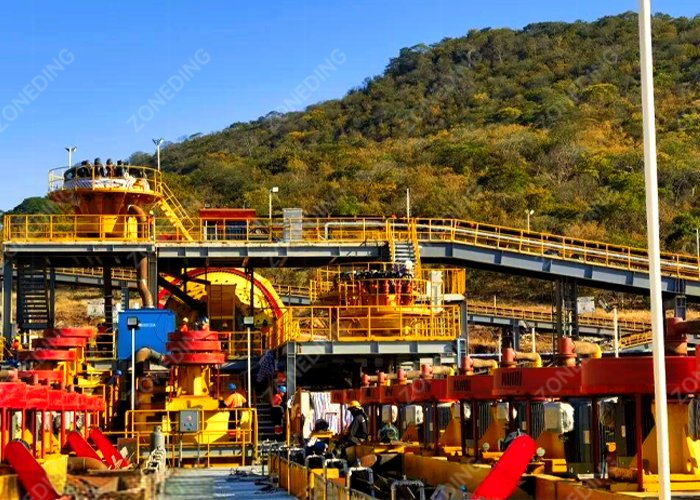
The performance of a crusher plant acts as the heart of every modern infrastructure project. High-quality aggregate production for construction determines if a bridge stands for a century or fails in a decade. Choosing the right machinery helps contractors control costs and meet strict government standards in 2026. This guide explores how advanced crushing technology secures your project timeline and maximizes your total profit.
Why does equipment performance decide the pass rate of high-spec bridge projects?
High-performance crushing equipment ensures that every stone meets the exact size and strength required by bridge engineers. In 2026, inspectors use digital tools to check the bond between cement and stone. If the aggregate is weak or has cracks from poor crushing, the bridge will not pass safety tests. This failure leads to expensive rework and high fines for the contractor. Using a high-quality allows for precise control over the final product. Reliable machines create stones with rough surfaces that stick better to cement. This bond is the secret to building structures that can handle heavy traffic and extreme weather. Bridge projects require materials that can resist pressure and wear over long periods. Standard machines often produce rocks with internal micro-cracks that are hard to see. These cracks grow over time and cause the concrete to crumble. Modern crushing technology uses a “layer crushing” method to protect the internal strength of the stone. This method produces aggregate that is strong enough for the most demanding railway and bridge standards. Project owners prefer contractors who use professional equipment because it reduces long-term risk. Investing in high-end machinery is the best way to guarantee a 100% pass rate on the first inspection.
Aggregate Quality Standards for 2026 Infrastructure
Material Property
Requirement for Bridges
Role of the Crusher
Impact on Project
Compressive Strength
Very High
Prevents micro-cracks
Longer structure life
Surface Texture
Rough/Angular
Improves cement bond
Higher safety rating
Dust Content
Under 1%
Washing/Screening
Prevents weak spots
Grading Consistency
Strict Uniformity
Precise Screen gaps
Faster concrete mixing
Practical Tips and Advice for Users
Daily Calibration: Check screen mesh wear every morning to keep stone sizes consistent.
Wash the Stone: Use sand washers to remove clay that prevents cement from sticking to the rock.
Monitor Wear: Replace jaw plates before they become flat to maintain the correct rock shape.
How does on-site crushing cut logistics costs for large infrastructure projects?
On-site crushing solutions remove the need for hundreds of trucks to move raw material across long distances. Logistics usually take up 30% to 50% of the total budget in an infrastructure material supply chain. Moving a Mobile Stone Crusher directly to the source of the rock saves thousands of dollars in fuel. Trucks no longer need to travel between the quarry and the project site for hours. This saves money and also reduces the wear and tear on local roads. Keeping the production at the project site means you have the material exactly when you need it. Using on-site equipment also helps avoid delays caused by outside suppliers. Many projects stop because a supplier cannot deliver stones on time due to traffic or weather. With your own crushing plant, you control the schedule and the volume of production. This independence is a major advantage during the peak construction season. It also makes the project more eco-friendly because it cuts down on truck emissions. Most contractors in 2026 find that on-site crushing pays for the machine within the first year through fuel savings alone. It is the most direct way to keep your project profit high and your costs low.
Advantages of mobile crushing and screening stations
Logistic Saving Scenarios
Remote Road Jobs: Use mobile units to crush local rocks found during mountain cutting.
Dam Construction: Set up a temporary plant near the dam wall to avoid steep mountain hauls.
Railway Beds: Move the crusher along the track as the project moves forward.
How to optimize aggregate shape and grading for high-strength concrete?
Optimizing the shape of aggregate involves using vertical shaft impactors to make the stones more rounded and cubical. High-strength concrete needs stones that fit together perfectly with very few gaps. If stones are too flat or long, they create air pockets that weaken the structure. A Sand Making Machine is the best tool to fix this problem. It uses high-speed impacts to break off sharp edges and create a cubical shape. This shape allows the concrete to flow better and fill the forms completely. It also means you need less cement to fill the spaces between the rocks.
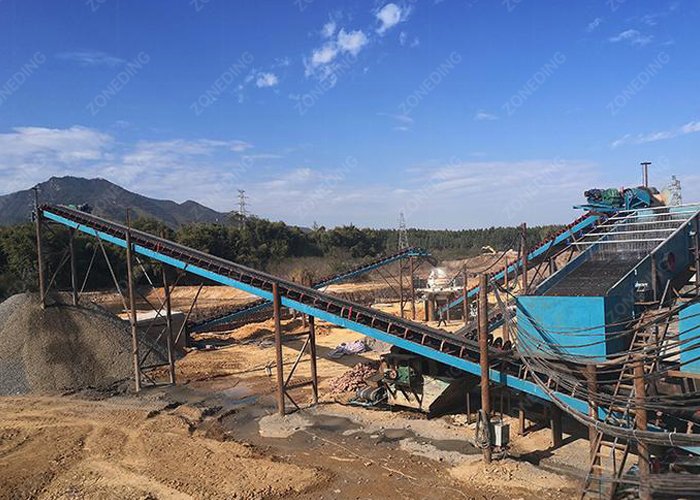
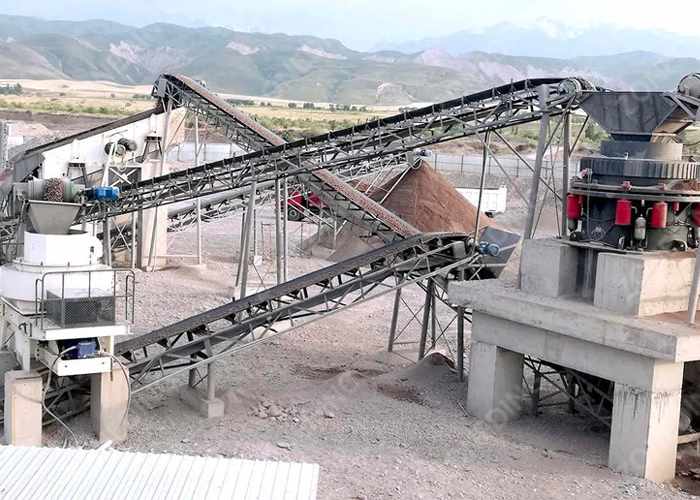
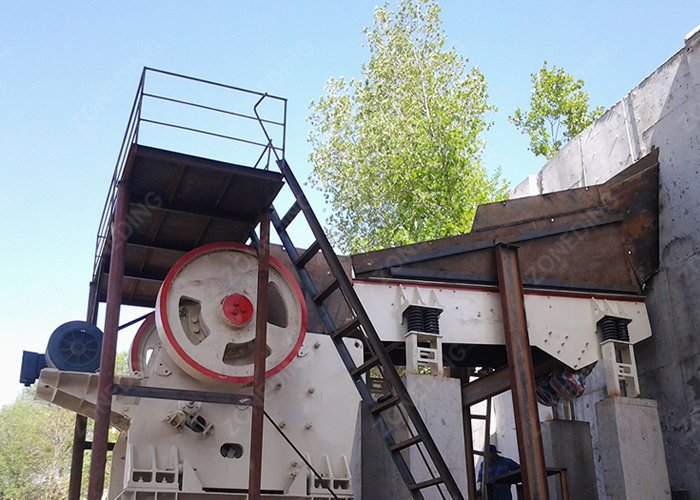
Construction aggregates production
Crushing site – aggregate production
Grading is also important for the density of the concrete. A good crushing system produces a mix of sizes that fills every small hole. This “tight fit” makes the concrete much stronger and more water-resistant. In 2026, many projects require a specific “fineness modulus” for the sand used in the mix. Modern machines can adjust the speed and screen sizes to hit these targets perfectly. This level of control helps you meet the highest engineering standards for skyscrapers and nuclear plants. High-quality aggregate production for construction is impossible without these advanced shaping steps.
Detailed Aggregate Shape Analysis
Stones that have a cubical shape provide better structural support. When pressure is applied, cubical stones lock together like a puzzle. Flat or needle-like stones tend to snap under weight. Using the right crushing process can reduce the “flakiness index” of your material to below 10%. This is the standard required for high-speed runways and luxury high-rise buildings. Better shapes also mean that the concrete pump works easier and lasts longer. This reduces maintenance costs for the construction team and speeds up the daily work.
How do mobile plants solve raw material supply gaps in remote projects?
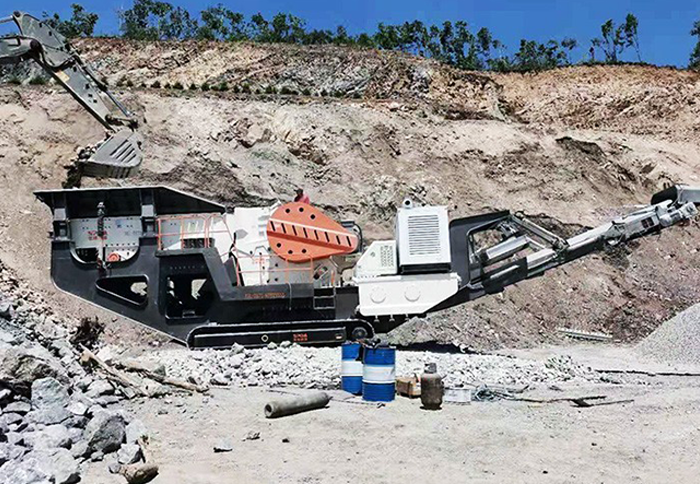
Mobile crushing stations act as independent factories that can work in areas where there are no roads or power lines. In remote infrastructure projects, getting materials from the city is often impossible or too expensive. A Mobile Crusher can be driven or towed into deep forests or high mountains. It allows the project team to use the rock they dig up during the construction process. This turns a waste product into a valuable resource right on the spot. It is the only way to keep a project moving when the supply chain is broken. Remote projects often face issues with local environmental permits for fixed buildings. Mobile plants are viewed as temporary equipment, which makes the permit process much faster. They can be moved 100 miles to a new site in a single day. This flexibility means your investment is never stuck in one place. If a project ends early, you just drive the machine to the next job. This high mobility makes them a favorite for international contractors working in developing regions. It ensures that the “heart” of your project is always where the work is happening.
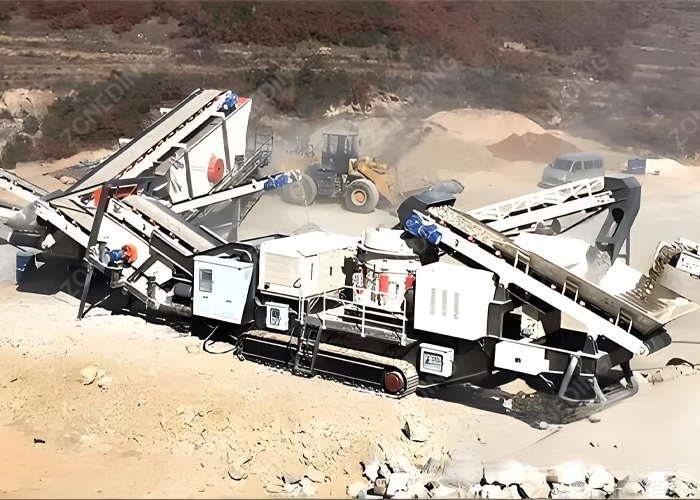
Tracked crushers are suitable for use in remote mountainous areas.
Tracked crusher for crushing hard rock
Benefits for Remote Mining and Construction
Fast Setup: Start crushing within 48 hours of arriving at a remote forest site.
No Foundation: Save time and money by not pouring concrete pads for the machine.
Local Material: Use river stones or mountain rocks instead of buying from distant cities.
What is the role of crushing in urban renewal and waste recycling?
Crushers turn old concrete and bricks from city demolition sites into new road base and aggregate. Urban renewal projects in 2026 focus heavily on the “circular economy” to reduce waste. Instead of sending old buildings to a landfill, contractors use mobile plants to recycle them. These machines have magnets to remove steel and screens to separate different materials. The recycled aggregate is perfect for parking lots, walking paths, and sub-base layers. This process saves the contractor money on disposal fees and the cost of buying new stone. Recycling on-site also makes city projects much cleaner and quieter. It reduces the number of heavy trucks moving through crowded city streets. This makes the local government and neighbors much happier with the project. Modern Mobile Jaw Crushers are designed with noise covers and dust sprays for city work. They allow for “green construction” that meets the strict environmental rules of 2026. This technology turns a messy demolition site into a clean material factory. It is a key part of sustainable infrastructure construction in the modern world.
How to choose the right crushing process for rail, road, or dam standards?
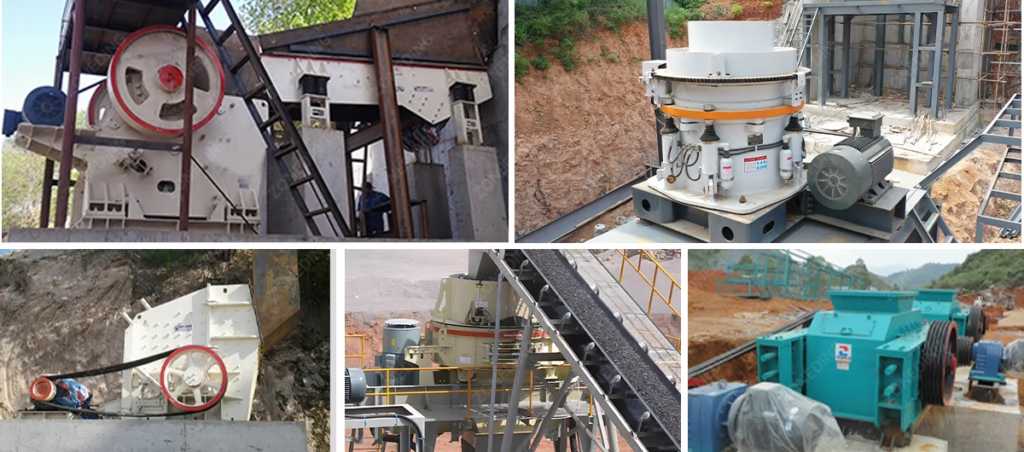
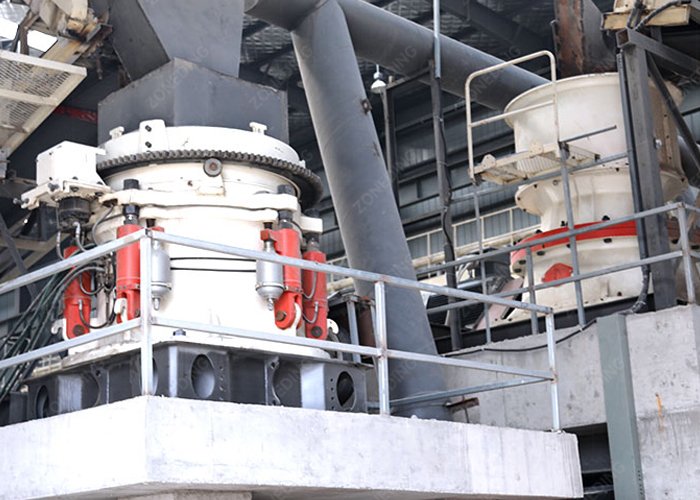
Choosing the right machine depends on the specific hardness of the rock and the size required by the project. For high-speed rail, the stones must be extremely hard and have very little dust. This usually requires a primary Jaw Crusher followed by a cone crusher. Dams need huge volumes of sand and gravel, so a large-scale static plant is often the best choice. Road projects usually prefer mobile units because the work moves forward every day. Each project has a different “recipe” for the perfect stone mix. You must also look at the abrasiveness of the rock. If you are crushing hard granite for a highway, an impact crusher will wear out too fast. In that case, a cone crusher is a better investment even if the price is higher. For soft limestone, an impact crusher is great because it produces a very nice shape at a lower cost. Understanding the relationship between your rock type and your machine is the key to profit. It prevents you from spending too much on spare parts or producing materials that get rejected.
Crushing Process Selection Guide
Project Type
Key Material Need
Best Machine Choice
High-Speed Rail
Extreme hardness/no dust
Jaw + Cone + Screen
Local Highways
Cubical shape/fast moves
Mobile Impact Station
Large Hydro Dams
High volume/fine sand
Static Plant with VSI
City Sidewalks
Recycled content
Mobile Jaw with Magnet
How do smart crushing systems increase contractor profit in 2026?
Smart systems use automation to reduce electricity waste and lower the number of workers needed on site. In 2026, labor costs are high, and energy prices are rising. A smart crusher uses sensors to adjust the feeding speed automatically. This keeps the machine running at its most efficient level without wasting power. It also prevents “choking” the machine, which causes expensive downtime. One operator can now manage a whole crushing line from a tablet or a small control room. This reduces the human error that leads to broken parts and low-quality stones. Automation also provides real-time data about how much material you produce every hour. This helps contractors plan their schedules more accurately and avoid overspending. If a machine needs maintenance, the system sends an alert before a real break happens. This “predictive maintenance” saves thousands of dollars by avoiding emergency repairs. Higher efficiency means lower cost per ton, which is the only way to win competitive bids. Smart technology is the best partner for any contractor who wants to survive in the 2026 market.
2026 Latest Trends in Green Crushing and Sustainability
The infrastructure industry is moving toward “Zero-Emission” sites. This means crushing plants must be cleaner and quieter than ever before.
Latest Progress Overview
Electric Drive Units: Many mobile plants now plug into the power grid to avoid using diesel fuel.
Dust Encapsulation: New covers and high-pressure mist systems keep the air clean on-site.
Noise Reduction Tech: Engine compartments are now built with sound-absorbing materials for city work.
FAQ: Common Questions About Crushers in Infrastructure
Question 1: Why is aggregate shape so important for road foundations? Stones with a cubical shape lock together better than flat ones. This prevents the road from sinking or shifting when heavy trucks drive over it. Better shape means a stronger, safer road. Question 2: Can a mobile crusher really replace a fixed quarry? For most infrastructure projects, yes. Modern mobile units have the same power and capacity as fixed plants. They offer the added benefit of moving to where the rock is, which saves a lot of money. Question 3: How do I reduce the needle-like content in my aggregate? Use a vertical shaft impact crusher (VSI) as your final step. The “rock-on-rock” impact shatters long, thin pieces into small, cubical stones. This is the gold standard for high-spec work. Question 4: What is the biggest cost in a crushing operation? Logistics and fuel are usually the biggest costs. By crushing on-site and using efficient machines, you can cut these expenses by up to 40%. Maintenance is the next biggest factor to watch.
About ZONEDING
ZONEDING is a leading Chinese manufacturer of high-end mineral processing and crushing equipment. Since 2004, we have helped contractors in 120 countries build better roads, bridges, and dams. We provide factory-direct sales of Mobile Stone Crushers and full production lines. Our team of 15 expert engineers can customize a solution for your specific rock type and project goal. We focus on efficiency, durability, and helping our B2B partners maximize their profit through 2026 and beyond. Contact ZONEDING today for a free project layout and equipment quote.
A jaw crusher is the heavy-duty gatekeeper of most mining and aggregate production lines. This primary rock crusher uses high pressure to break large boulders into smaller, manageable pieces. It is the first machine in a crushing plant. Most opera...
The stands as the most important machine in a modern gold mine. This heavy equipment grinds raw ore into fine particles to release precious metals. Achieving a high recovery rate depends on the efficiency of this grinding process. If the machine f...
Many investors consider gold cyanidation extraction a simple chemical reaction. Commercial-grade operations face severe mechanical and metallurgical challenges daily. A successful plant demands precise engineering to match the specific ore chemist...
We use cookies to ensure that we give you the best experience on our website. If you continue to use this site we will assume that you are happy with it.
Privacy Policy
Send us a message
We would love to hear from you
Submit your question and our team will respond to the email provided as soon as possible.
 Zoneding Machine