Mobile crushing technology offers the most direct path to reducing operational costs and increasing profit margins in the mining industry. This article explains how a mobile unit eliminates the need for expensive civil works and reduces truck hauling distances. Field data shows that switching to mobile units can improve project cash flow by at least 25% within the first year. Understanding these seven industry truths is essential for any mine owner or aggregate producer before purchasing new equipment in 2026.
Why is “integrated design” the core of shortening the investment return cycle?
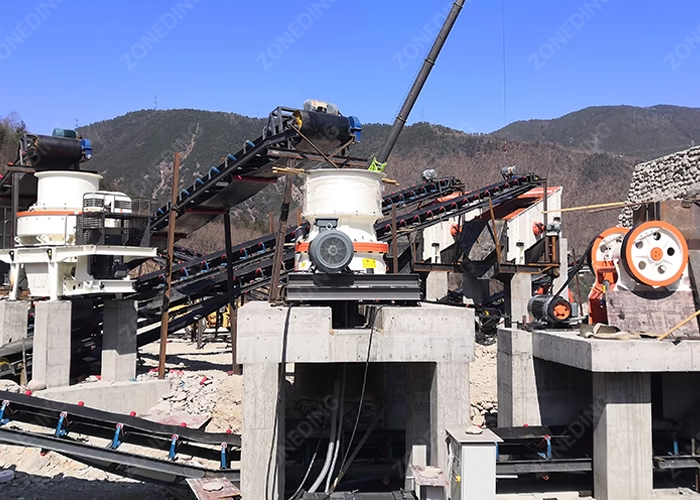
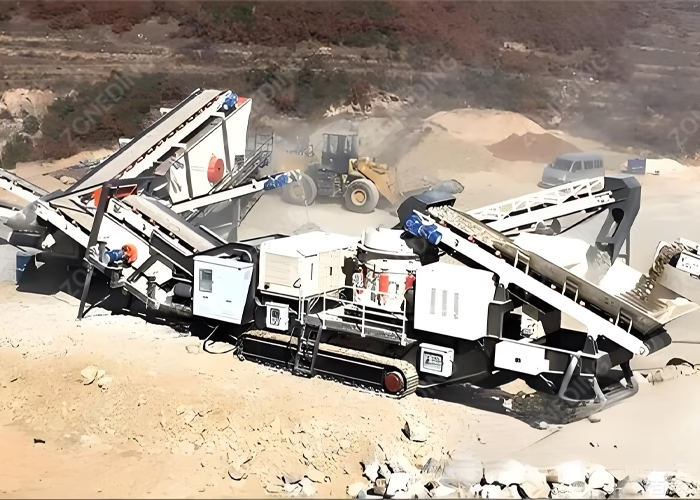
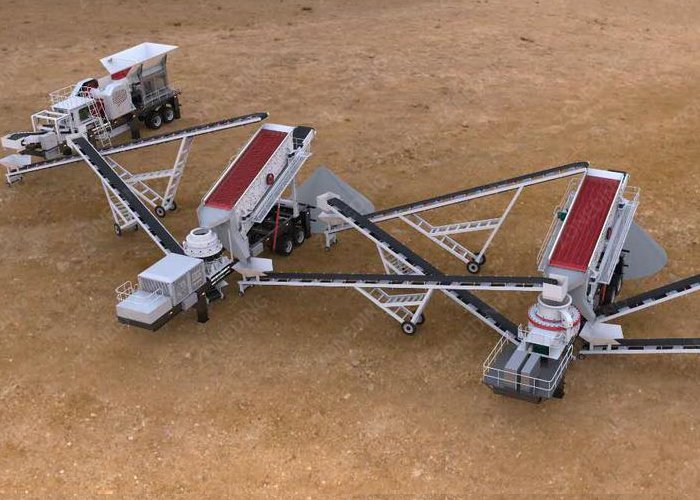
Integrated design combines the feeder, crusher, and screen on a single chassis to maximize efficiency and space. This setup removes the high cost of building custom steel structures and concrete foundations. Most projects save between $60,000 and $160,000 in initial setup costs by choosing this path. A arrives at the site fully assembled and ready to work. This feature allows production to start in days instead of months. Faster production means a shorter return on investment (ROI) for the owner. The machine functions as a complete factory on wheels or tracks. Every part is balanced by experts to prevent vibration damage over time. This harmony ensures the plant runs at 95% uptime compared to older, separate systems. Traditional fixed production lines require a long time for site preparation and installation. A mobile plant bypasses these steps by using a “plug and play” approach. The compact layout also reduces energy loss because materials travel shorter distances between machines. This efficiency saves thousands of dollars in diesel or electricity every month. Maintenance is also easier because all components are in one place. Service teams spend less time moving between machines and more time on repairs. This design protects the asset value because the entire plant can be moved to a new site easily. It is the best choice for contractors who change project locations every year. The integrated design is not just a feature but a financial strategy to protect capital.
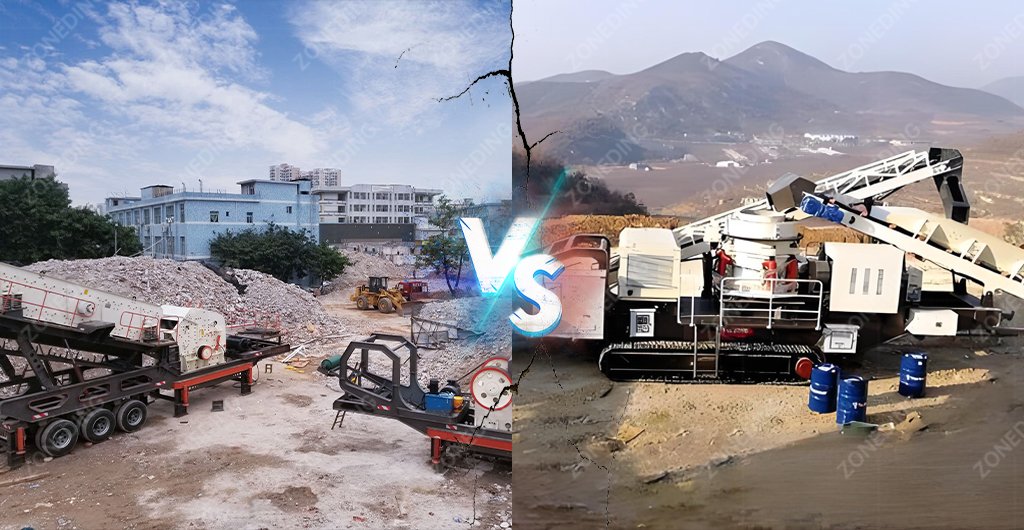
Fixed Production Line
Mobile Integrated Plant
Comparison of Integrated Mobile Plants vs. Fixed Lines
Cost Factor
Fixed Production Line
Mobile Integrated Plant
Actual Benefit to Project
Civil Work
High (Concrete/Steel)
Zero (Plug and Play)
Save $100k+ Upfront
Install Time
3 – 6 Months
24 – 48 Hours
150 Extra Production Days
Moving Cost
80% of Machine Value
5% of Machine Value
Protect Future Assets
Power Use
Higher (Long Belts)
Lower (Short Belts)
Save 15% on Energy
Detailed benefits of the integrated portable plant
The integration of all components into one machine reduces the risk of part failure. Fixed lines often suffer from belt alignment issues and motor mismatches between different brands. A mobile plant uses a unified power system and control logic for the whole line. This ensures that the feeder speed matches the crusher capacity perfectly. If the crusher becomes too full, the feeder slows down automatically to prevent a blockage. This smart balance keeps the production efficiency at the highest level. Most owners see a 20% increase in tons produced per hour compared to old-style setups. The lack of foundations also means the machine can move as the mine face advances. This keeps the production line close to the source of the rock at all times.
Practical Tips and Advice for Users
Start Fast: Use mobile units for projects under 24 months to avoid sunk civil costs.
Check Space: Use a single-chassis design in tight city demolition sites to save room.
Power Match: Use dual-power (electric/diesel) options to lower energy costs by 50%.
How does on-site crushing directly increase cash flow by eliminating logistics?
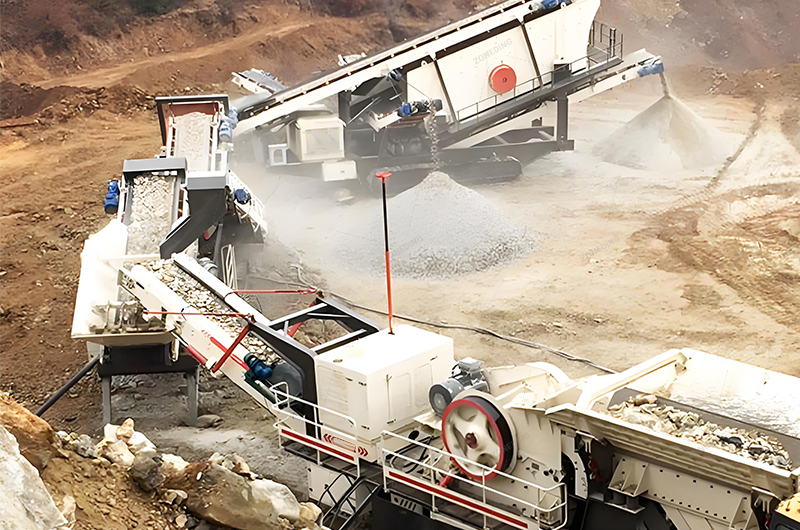
On-site crushing allows the machine to work directly at the blast face to remove truck hauling costs. In traditional mining, trucks move raw rocks from the pit to a distant crushing plant. This process is the most expensive part of a mining operation because of fuel and maintenance. A Mobile Jaw Crusher follows the excavator as it moves deeper into the ore body. This eliminates 70% of the internal haul truck fleet. Each dollar saved on truck fuel goes straight into the profit of the company. On-site crushing keeps the production cycle short and efficient. There is no waiting for trucks to return from a long dump site. Conveyor belts move the finished aggregate to a stockpile much cheaper than any truck could.
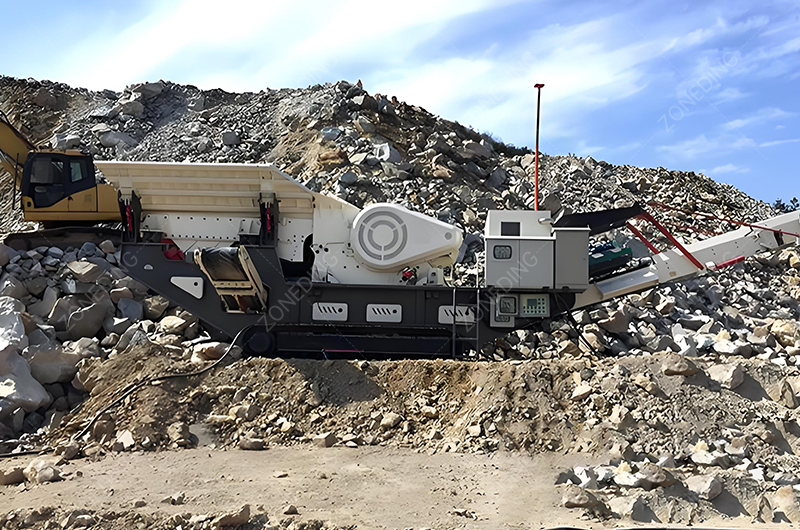
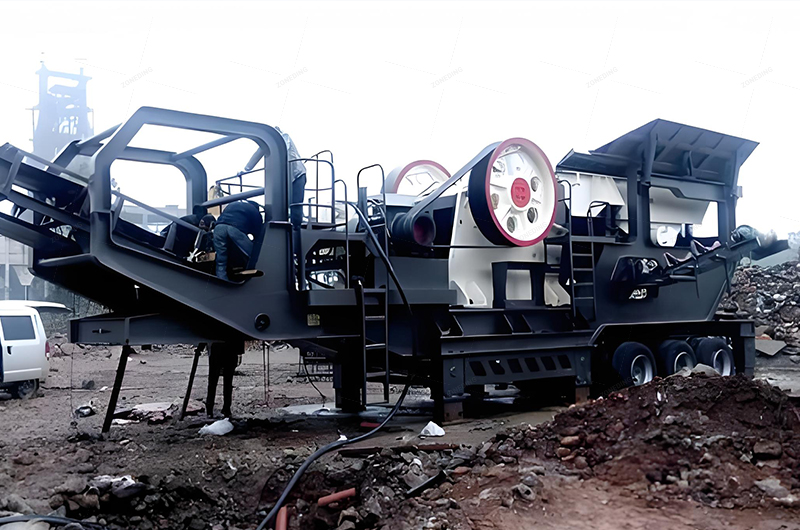
Crawler Jaw Crusher
Mobile jaw crusher processing rocks at a quarry
The Stone Crushing Plant layout reduces the need for road maintenance within the mine. Haul trucks damage roads and create dust, which requires expensive water trucks and graders. A mobile crusher makes the rock into small, usable sizes at the source. These smaller rocks are easier to move on simple conveyor belts. This lean method makes the mine more resilient to changes in rock prices. It is the best way to maintain a high profit margin in a competitive market. Mine owners can focus their budget on extraction instead of waste transport. The cash flow remains stable because daily operating expenses are significantly lower. This logistics advantage is the primary reason why many mines are switching to mobile equipment in 2026.
Impact on Internal Logistics Costs
Internal logistics costs act like a hidden tax on every ton of rock produced. Fuel, tires, and driver wages add up to a huge expense over a single year. Moving a primary crusher closer to the material source can save $2 to $5 per ton. If a mine produces 500,000 tons a year, the savings reach $1 million easily. A mobile station can be moved 100 meters closer to the face in just ten minutes. This flexibility ensures that the haul distance always stays under 50 meters. This keeps the excavator busy and prevents idle time for the crushing line. The entire operation becomes more synchronized and profitable. Modern mining requires this level of efficiency to survive in 2026.
Practical Tips and Advice for Users
Short Haul: Keep the excavator within 30 meters of the mobile crusher feeder.
Belt Use: Use modular conveyors to move finished product 500+ meters away cheaply.
Track Progress: Monitor fuel use per ton to see the real savings from mobile units.
What are the differences between track and wheel chassis for mobility?
Tracked chassis provide high mobility in rough or muddy terrain for daily movement. A Tracked Mobile Screening Plant moves under its own power using a wireless remote. This is the best choice for large mines where the crushing point moves every day. The steel tracks spread the heavy weight of the machine over a large area. This prevents the machine from sinking into soft mud after rain. Tracked units can climb steep slopes up to 20 degrees without help. This capability allows the machine to reach areas that trucks cannot go. It is the ultimate tool for “chasing the vein” in gold or copper mining projects. Tracked units are also more compact than wheeled units. They do not have a towing tongue or large rubber tires taking up space. This makes them ideal for work inside narrow tunnels or on steep mountain roads. The remote control system allows one person to move the machine from a safe distance. This increases safety on sites where falling rocks are a risk. Most tracked machines use a hydraulic drive system that is very reliable in extreme heat or cold. This chassis type is the standard for professional mining operations in 2026. Wheeled chassis offer faster transport on public roads and are better for short-term contracts. A mobile unit on wheels is towed by a tractor unit like a standard trailer. It travels at highway speeds between different project sites. Once it arrives, hydraulic legs lift the machine to provide a stable base. This chassis is cheaper to buy and maintain than tracked versions. It works best on firm, flat ground like city demolition sites or established quarries. Wheeled units are popular among contractors who work on road projects across a whole state. The machine can be moved 200 kilometers to a new city in a few hours.
Comparison of Pneumatic Wheeled Crusher and Tracked Crusher
Selecting the Right Chassis for Your Project
Ground Condition
Movement Frequency
Recommended Chassis
Main Advantage
Soft/Muddy
Daily
Tracked
Won’t get stuck
Hard/Paved
Monthly
Wheeled
Fast road travel
Steep Slopes
Weekly
Tracked
High climbing power
City Flat Site
Once a year
Wheeled
Lower purchase cost
Practical Tips and Advice for Users
Muddy Sites: Always choose tracks to avoid the machine getting stuck in the rainy season.
Road Jobs: Use wheels if the machine moves to a new site every month.
Soil Prep: Build a simple gravel pad for wheeled units to prevent vibration issues.
How to match crusher units to rock hardness and product specs?
Matching the crusher type to the rock hardness prevents expensive wear on machine parts. Hard rocks like granite, basalt, or iron ore need a jaw crusher for the first stage. These machines use heavy pressure to break the stone and can handle very large feed sizes. If the rock is very hard and abrasive, a Mobile Cone Crusher is best for the second stage. Cone crushers are built to handle the heat and friction of hard minerals. Using an impact crusher on granite is a common mistake that leads to changing blow bars every few days. This mistake can cost an owner $10,000 a week in extra maintenance fees. The inner liner of a cone crusher is made of high-manganese steel. This material becomes harder as it works against the rock. This “work-hardening” property is why cone crushers last so much longer in hard rock mining. A jaw crusher acts like a giant pair of nutcrackers, using leverage to snap the rock. These two machines are the perfect team for any hard mineral project. They produce the base material needed for high-strength concrete and railway ballast. Soft or non-abrasive rocks like limestone or recycled concrete work best with impact units. A mobile impact crusher uses high-speed hammers to shatter the rock. This creates a high-quality, cubical shape that is perfect for asphalt and road base. Impact crushers also offer a higher reduction ratio than other machines. This means they can produce the final product size in fewer steps. For projects requiring high-quality sand, a VSI unit is often added as a third stage. Rock samples should be tested in a lab first to find the Mohs hardness. Knowing the hardness of the material is the only way to pick the right machine for the job.
Mobile jaw crusher are suitable for hard rock.
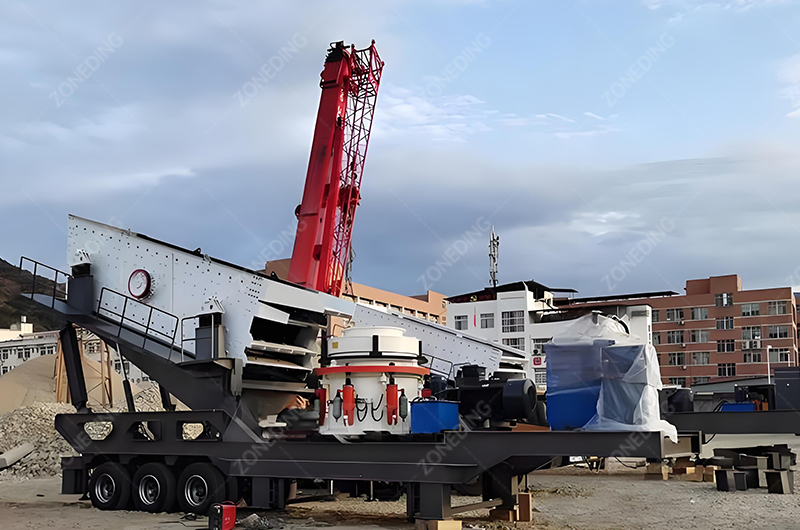
Mobile cone crusher for secondary crushing
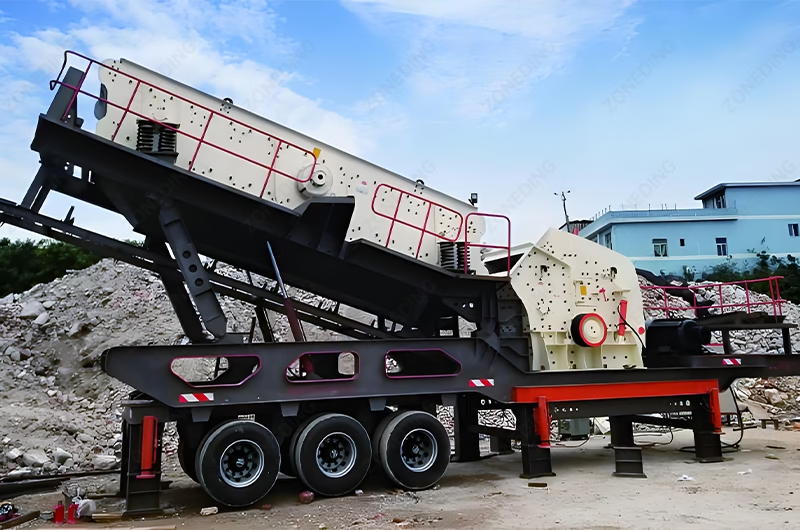
Mobile impact crusher for Recycled Concrete
Practical Tips and Advice for Users
Test First: Send rock samples to a lab to find the Mohs hardness before buying.
Check Abrasiveness: Avoid impact crushers if the silica content in the rock is over 10%.
Why do mobile plants get faster environmental and mining permits?
Mobile plants have a smaller environmental footprint and leave no permanent scars on the land. Most governments view mobile equipment as “temporary machinery” rather than a “permanent factory.” This difference can reduce the permit approval time from twelve months to just four weeks. Because the plant does not need concrete foundations, there is no permanent change to the soil. When the project is finished, the machine drives away, and the land is easy to restore. This makes mobile units the favorite choice for projects in protected areas or near cities. Dust and noise control are also easier to manage with modern mobile units. They come with built-in water spray bars and low-noise engines. Because the crusher moves with the mining face, dust is kept deep in the pit. This prevents dust from blowing toward nearby farms or houses. In 2026, environmental rules are getting much stricter globally. Using a Mobile Crusher shows the government that the project is committed to green mining. It also reduces the need for heavy truck traffic on local public roads, which makes local communities happy.
Environmental Impact Comparison
Land Damage: Mobile units leave zero concrete in the ground. Fixed plants leave huge foundations.
Water Use: Mobile units use recycled water in closed-loop spray systems.
Energy: Dual-power mobile units can run on clean electricity instead of diesel.
Practical Tips and Advice for Users
Apply as Mobile: List the equipment as “temporary mobile machinery” on permit forms.
Use Mist: Always turn on the high-pressure mist system when working near residential areas.
Restore Daily: Reclaim the area where the machine worked yesterday to show good management.
2026 Latest Mobile Crushing Trends and Developments
The industry is moving toward hybrid power systems and cloud-based management in 2026. These innovations help owners reduce fuel use and monitor machine health from anywhere.
Latest Progress Overview
Dual-Power Systems: New units can run on diesel or plug into the electric grid to save 40% on energy.
Satellite Monitoring: Owners can track tons produced and fuel used via a smartphone app in real-time.
AI Feed Control: Computers now adjust the feeder speed to keep the crusher perfectly full for max output. Market trends show that more mining groups are choosing mobile units over fixed plants. The ability to move assets between global projects is very valuable in a changing economy. Hybrid power is becoming the standard for projects near cities because it produces less noise and smoke. These machines are also holding their resale value better than ever before. Buying a mobile unit is now seen as a safe investment for both small contractors and large mining corporations.
Frequently Asked Questions
Question 1: What is the typical payback period for a mobile crusher? Most projects reach the break-even point in 12 to 18 months. This depends on the local price of gravel and the amount of truck fuel saved. Saving on concrete foundations and road building is a big part of this fast return. Question 2: Can a mobile crusher handle wet or sticky materials? Yes, but it needs a specific feeder design. Large vibrating grizzly feeders with wide spacing help remove fine mud before it enters the crusher. This prevents the machine from getting clogged during the rainy season. Question 3: How many people are needed to operate a mobile crushing line? One person can usually manage a single mobile unit using a wireless remote. For a full line with three machines, a crew of two or three people is common. Automated control systems reduce the need for a large staff. Question 4: Is it hard to get spare parts for Chinese-made mobile crushers? No. Most modern units use world-standard bearings, motors, and belts. Parts are easy to find in local markets. We also ship wear parts like jaw plates globally in a few days to keep the machine running. Question 5: What happens if the mine site runs out of rock? This is the biggest advantage of a mobile unit. You just fold up the conveyors and move the machine to a new site. You can also sell it as a used machine for about 60% of its original price. Question 6: Does a mobile crusher produce a lot of dust? Modern units have built-in water spray systems at the inlet and outlet. You can also add dust covers to the conveyor belts. These features allow you to work in city areas without breaking environmental rules.
About ZONEDING
ZONEDING is a professional manufacturer of mining and mineral processing equipment based in China. Since 2004, we have provided high-quality mobile and fixed crushing solutions to customers in 120 countries. Our factory covers 8,000 square meters and produces over 500 units every year. We offer factory-direct sales to give you the most competitive prices in the industry. Our team of 15 engineers can design a custom production line for your specific material and output needs. We focus on durability, efficiency, and helping our clients grow their business. Contact ZONEDING today to get a free quote and a professional plan for your mining project.
Identifying gold ore accurately determines the absolute survival of any mineral processing plant. A geological report showing 10 grams per ton means nothing if the metallurgical nature prevents extraction. A low-grade oxide gold ore often generate...
Building a quarry plant is much more than selecting crushers and screens. The most successful quarry operations are designed around market demand, rock characteristics, logistics efficiency, and long-term operating costs. While many investors focu...
As the global transition to renewable energy and electric vehicles accelerates, lithium has emerged as the 'white gold' of the 21st century. However, bridging the gap between raw mineral extraction and high-purity battery-grade chemicals is a comp...
Managing scattered construction sites requires highly adaptable equipment. The mobile crushing plant solves the massive challenge of tight schedules and frequent project relocations. Multi-project contractors deploy these machines to eli...
We use cookies to ensure that we give you the best experience on our website. If you continue to use this site we will assume that you are happy with it.
Privacy Policy
Send us a message
We would love to hear from you
Submit your question and our team will respond to the email provided as soon as possible.
 Zoneding Machine