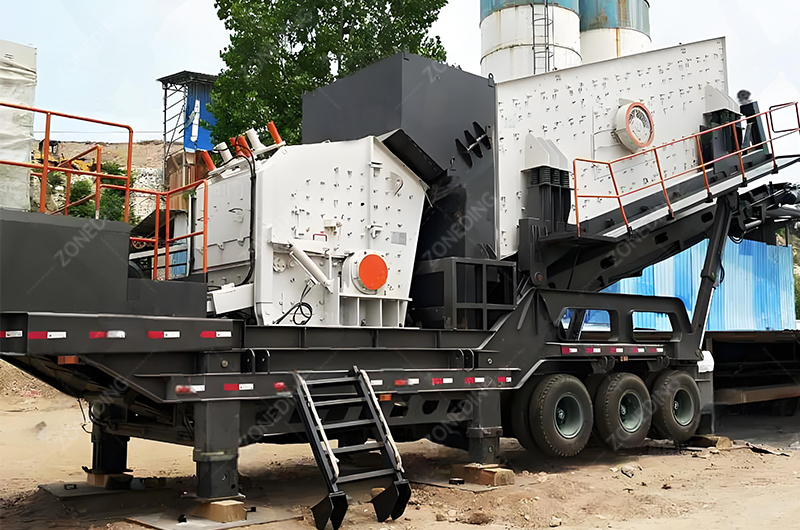
Mobile crushers serve as the primary tool for increasing profit in modern mining. These machines eliminate high costs from truck fuel and expensive concrete foundations. Traditional fixed lines often cause financial waste due to limited flexibility. This guide explains how mobile units cut costs and improve cash flow. Professionals can learn why moving equipment generates more revenue than fixed plants in 2026. Data shows that mobility reduces operational expenses by nearly 30% in most quarry projects.
Why is “on-site operation” the best way to cut logistics costs?
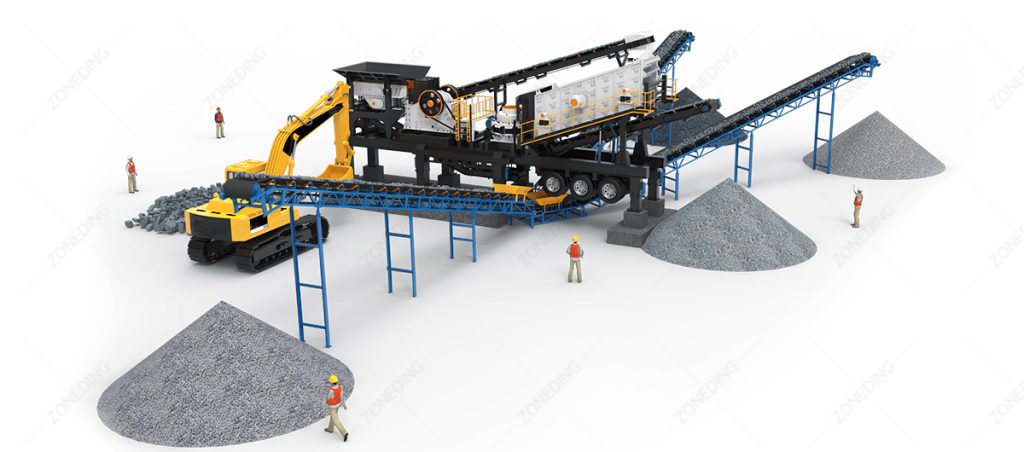
On-site operation brings the crushing machine directly to the raw material source. This strategy removes the need for long-distance hauling within a quarry or mine. Transportation costs typically consume 40% of a total mining budget. Fuel prices and tire maintenance create a heavy financial burden for every ton of rock moved. A sits at the blast face. Loaders drop rocks into the hopper immediately. Haul trucks become unnecessary for internal movement. This setup saves thousands of dollars in monthly diesel expenses. Efficiency increases because material moves through conveyor belts instead of heavy vehicles. Internal logistics act as an invisible tax on mining profits. The use of an on-site stone crushing solution turns this tax into pure revenue. Many sites in Africa removed several haul trucks after switching to mobile units. These sites saved $15,000 every month on diesel and engine maintenance. This strategy keeps production lean and fast. Equipment stays near the digging area. The workflow becomes continuous rather than batch-based. This direct method ensures a much higher return on investment for the project owner. Every meter saved in truck travel adds to the bottom line.
Logistics Cost Comparison
Transport Method
Cost Per Ton (Average)
Time Efficiency
Profit Impact
Truck to Fixed Plant
$2.50 – $4.00
Slow (Loading cycles)
High Overhead
Conveyor to Mobile
$0.30 – $0.80
Fast (Continuous)
Maximum Profit
External Hauling
$5.00+
Very Slow
Low Margin
Tips for Logistics Optimization
Placement: Position the mobile unit within 30 meters of the primary excavator.
Conveyors: Use modular belts to move final products away from the crushing face.
Planning: Move the machine once a week to follow the mine development.
How do mobile plants skip civil work and permit delays?
Mobile crushers function as equipment instead of permanent buildings. This distinction is a major advantage for project timelines. Fixed Stone Crushing Plants require deep concrete foundations and steel structures. Local governments often require building permits and land-use approvals for fixed factories. These legal processes take six months to a year to complete. A mobile unit is a machine on wheels or tracks. It enters a site and starts working on the same day. This speed allows companies to win short-term contracts that fixed-plant owners cannot handle. The cost of waiting often destroys the profitability of a new mine. A quick setup crushing plant generates cash flow immediately upon arrival. No construction crew needs to pour thousands of tons of concrete. Environmental impact is lower because the machine leaves no footprint after the job ends. This feature makes it easier to gain clearance in sensitive ecological areas. Owners save money on labor, construction materials, and administrative fees. The reduction in setup time translates directly into more production days per year. Time becomes a competitive weapon rather than a bottleneck.
Time and Cost Savings Factors
Foundations: No concrete pads or underground support required.
Approvals: Equipment categories usually bypass strict building codes.
Mobility: The entire plant leaves the site once the contract finishes.
How do flexible chassis handle complex terrain for “plug and play” moves?
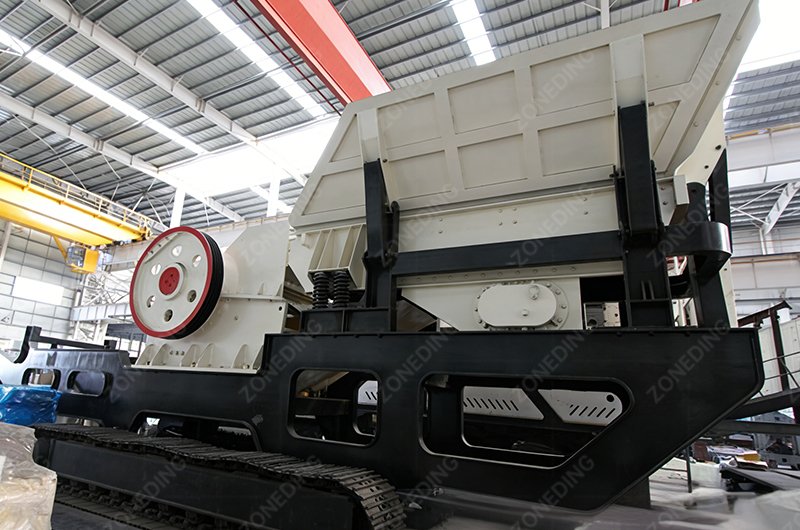
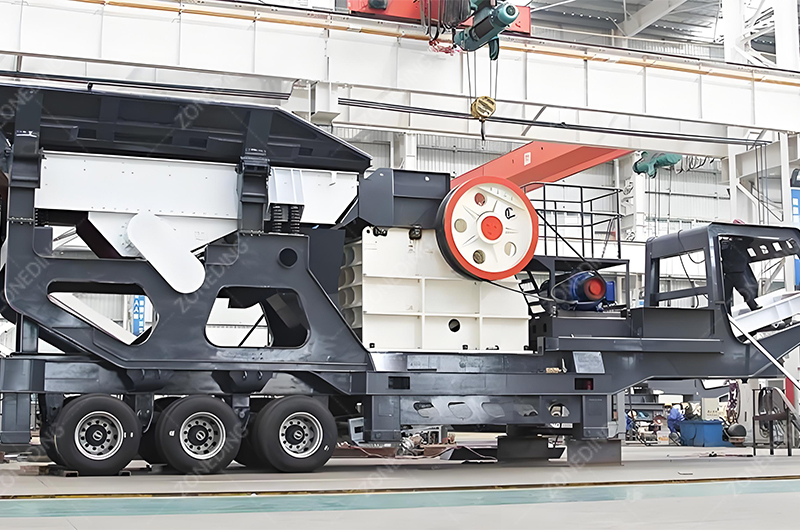
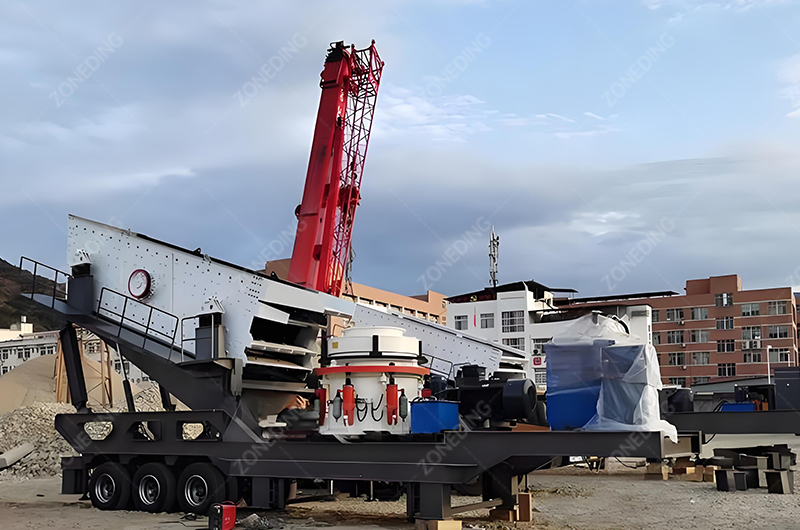
Tracked and wheeled chassis allow machines to navigate steep slopes and tight spaces. Fixed plants often become landlocked as a mine grows. The raw material moves further away while the plant remains stuck. A Mobile Jaw Crusher on tracks climbs 20-degree slopes without external help. This mobility means the setup time is measured in minutes. Operators drive the unit to the exact spot where the rock is located. This “plug and play” capability ensures the mine stays productive regardless of the shape of the terrain. Flexibility is essential for road construction and multi-site projects. A unit can crush at one site in the morning and move to another by the afternoon. Heavy-duty chassis handle mud, sand, and sharp rocks in harsh environments. Tracked units move through flooded mine floors to reach dry peaks easily. A fixed line would stop production for weeks in similar conditions. Constant movement ensures the primary excavator never waits for a place to dump material. This hardware design protects the mine from geological surprises and changes in the digging plan.
Tracked jaw crusher
Wheeled jaw crusher
Chassis Comparison for Operators
Feature
Tracked Chassis
Wheeled Chassis
Ground Pressure
Very Low (Soft soil)
High (Firm ground)
Speed
Slow (Self-driven)
Fast (Towed)
Slope Grade
High (20 degrees)
Low (10 degrees)
How does modular design simplify installation and maintenance?
Everything for the production line sits on a single frame to prevent missing parts. Fixed lines require buying crushers and screens from different suppliers. Engineers then build custom chutes and belts to connect the parts. This process often leads to design errors and vibration problems. A Mobile Stone Crusher is an integrated mineral processing machine. The feeder, crusher, and screen are balanced by factory experts. The parts work together in perfect harmony from the first minute.
Maintenance is easier because the layout is compact and accessible. Grease points and engine components are reachable from ground-level platforms. Repairing a screen on a 10-meter fixed tower is dangerous and slow. Mobile units place all components at a safe height for technicians. Standardized modular parts make replacement fast and simple. This design reduces downtime and keeps workers safe from falls. One mechanic can often handle the entire machine without using a massive crane. Simplicity in design leads to reliability in the field.
Maintenance Advantages
Access: Built-in walkways allow safe inspection of all belts.
Inventory: Shared parts between modules reduce spare stock needs.
Safety: Low-profile designs prevent high-altitude work risks.
How do hybrid drive systems save money when oil prices fluctuate?
Dual-power systems allow switching between diesel engines and local electric grids. Fuel is the largest daily expense for many remote mines. High oil prices can quickly erase the profit from a month of work. A hybrid drive mobile crusher provides a necessary backup plan. Operators use the diesel engine to move the machine and start the project. Later, they plug the unit into a local power line for daily crushing. Electric power is often 50% cheaper than diesel in most regions. Hybrid systems also help companies meet strict environmental rules in 2026. Quiet electric mode is perfect for projects near cities or residential areas. Remote desert sites can still rely on the powerful diesel engine. This versatility protects the owner from global market shocks. The machine is not locked into a single energy source. Operational expenses become predictable and manageable. Switching to grid power also reduces the need for frequent oil changes and engine filters. The machine stays cleaner and runs cooler during long shifts.
Energy Cost Estimates (10-Hour Shift)
Power Source
Cost Estimate
CO2 Impact
Maintenance
Diesel Engine
$450 – $600
High
High
Electric Grid
$180 – $250
Low
Low
Hybrid Strategy
$230 – $320
Medium
Balanced
How does high automation solve the labor shortage in remote areas?
Smart control systems allow a single person to manage the entire plant. Finding skilled labor for remote mines is difficult in the current economy. New mobile units use “one-button” start and stop technology. Sensors monitor the load on the crusher automatically. If a clog begins, the feeder slows down without human intervention. This automation means a 10-person crew is no longer required to watch the belts. One loader driver can often monitor the machine using a remote control. Operators with zero mining experience can learn to run these machines quickly. Digital screens show exactly where a problem exists using simple icons. The system might say “Check Belt 2” instead of requiring a manual search. Automation reduces human error and protects the machine from damage. Labor costs stay low because fewer people are on the payroll. This technology makes mining possible in areas where housing and feeding a large crew is too expensive. High-tech sensors also track production data in real-time for the office.
How do mobile units avoid high fines in urban waste recycling?
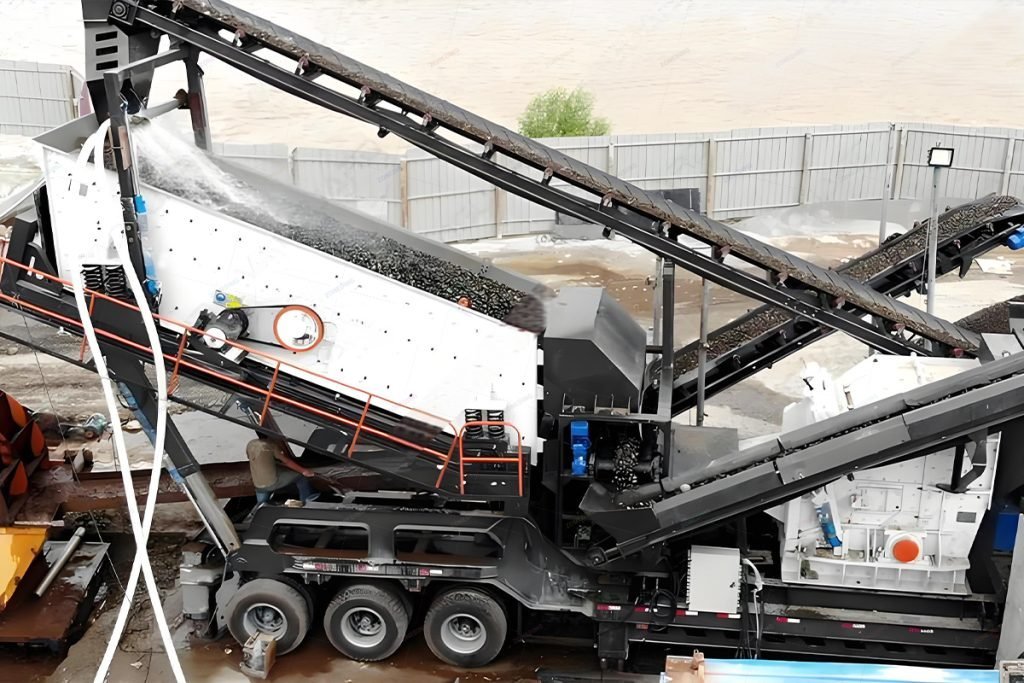
Built-in dust sprays and noise covers ensure compliance with city regulations. Urban recycling is a growing business sector in 2026. However, cities enforce strict rules for dust and noise pollution. Large fines can stop a project if neighbors complain about air quality. A Construction waste recycling mobile unit uses high-pressure mist to stop dust at the source. Sound-proof boxes around the engine reduce noise to acceptable levels. These features allow the machine to work in the heart of the city.
Mobile waste collection unit – built-in sprayer
Contractors make high profits by crushing old buildings into road base on-site. They do not pay to haul waste out of the city or buy new gravel. The recycled material is sold to the next project nearby. This “circular economy” model is highly profitable and environmentally friendly. Mobile equipment gains permit approval faster because of its clean operation. It avoids the “Not In My Backyard” protests that stop fixed recycling plants. Clean technology is now a requirement for winning government contracts.
Why do mobile crushers have higher asset liquidity and resale value?
A mobile crusher is a moving asset that sells easily in the global market. Fixed production lines become part of the land once built. If a mine closes, the steel and concrete are sold for scrap. A mobile unit is like a vehicle with a serial number. It can be loaded onto a trailer and shipped to a buyer in another country. Banks are more willing to provide loans for mobile equipment. They know they can recover and sell the machine if the business fails. This liquidity reduces the overall risk for investors. A five-year-old mobile unit typically keeps 60% of its original value. A fixed plant of the same age might keep only 10% of its value. This exit strategy is a key part of financial planning. Owners are not just buying a machine; they are holding a valuable asset. If gold prices drop, the machine moves to a copper mine. If the contract ends, the owner sells it to a local builder. The Mineral processing equipment ROI remains high because the final value is significant.
Asset Value Comparison
Year
Mobile Value (%)
Fixed Value (%)
Year 1
90%
40%
Year 3
75%
25%
Year 5
60%
10%
How to match crushers to rock hardness for the best results?
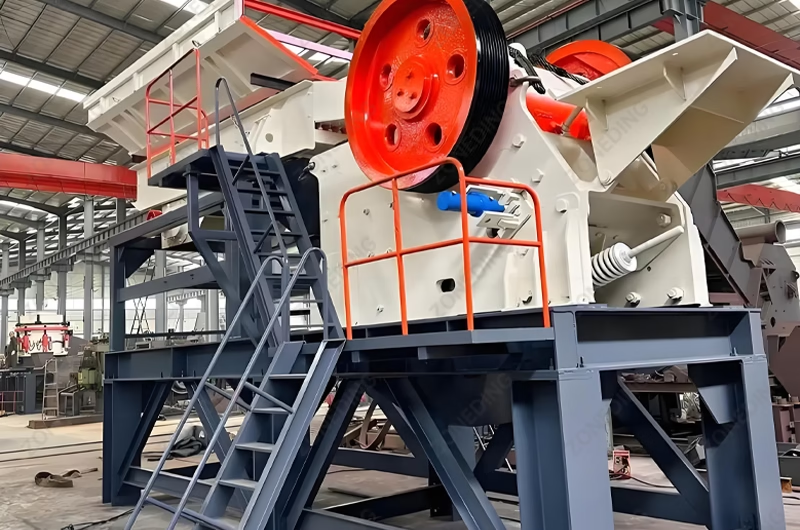
Matching the crusher type to the material prevents expensive part wear. Hard granite requires a Mobile Jaw Crusher for the first break. Using an impact crusher for hard rock is a mistake. The blow bars would wear out in days, leading to high maintenance costs. A Mobile Cone Crusher is best for the second stage of hard rock. Cone crushers use pressure to break stone, which protects the metal liners. This combination is the industry standard for basalt and granite.
Mobile jaw crusher
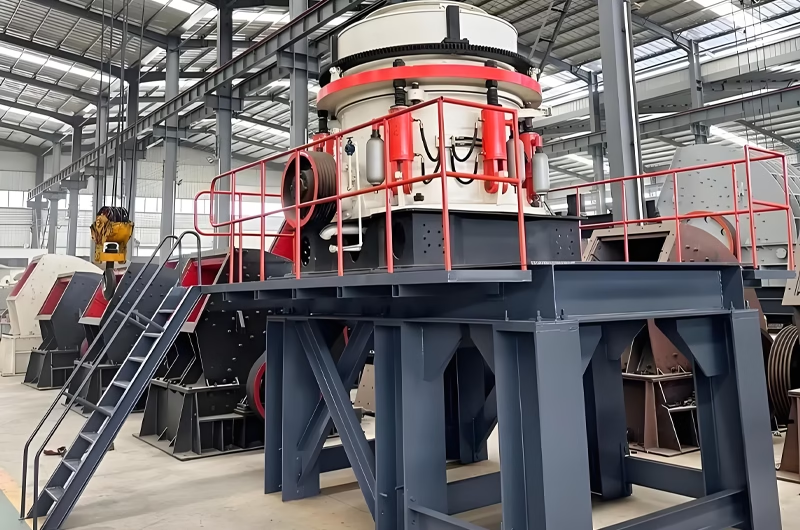
Mobile cone crusher
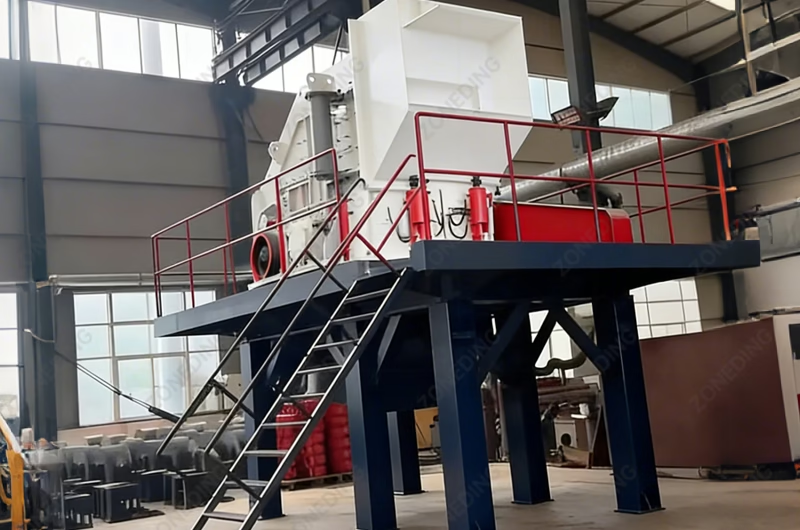
Mobile impact crusher
Soft limestone or recycled concrete works well with impact crushers. These machines create a cubical shape that road builders prefer. Mobile units allow for a modular approach. A jaw unit and a cone unit can work in a “train” to handle any rock. Owners must check the Mohs hardness of their material before buying. This one step saves thousands of dollars in future repairs. Modular setups provide the flexibility to change the configuration as the mine site changes.
2026 Latest Mobile Crusher Trends and Tech
The year 2026 brings “Connected Crushing” to the mining industry. Most new machines now feature satellite monitoring and GPS tracking. Managers see fuel levels and production rates from a smartphone in another city.
Latest Progress at a Glance
Cloud Diagnostics: Technicians fix software bugs without visiting the site.
Smart Sizing: Lasers adjust the crusher settings to keep product size consistent.
Zero-Emission Tracks: Battery systems move the machine inside tunnels quietly. A shift toward “Rental-Ready” designs is also happening. Manufacturers make machines easier to clean and transport for short-term rental markets. This trend allows owners to earn extra income when their own projects are idle.
Frequently Asked Questions
Question 1: Can a mobile crusher handle 500 tons per hour? Yes. Large-scale mobile units now reach 500 to 600 tons per hour. These machines are common in major mining projects that require high output and mobility. Question 2: Is a tracked unit better than a wheeled unit? It depends on the move frequency. If the machine moves daily within a pit, tracks are better. If the machine moves 100 miles between cities, wheels are easier to tow. Question 3: How long does it take to change liners? Usually 4 to 8 hours. Compact designs allow technicians to reach all bolts and parts from safe platforms. Regular maintenance keeps the machine running at full capacity.
About ZONEDING
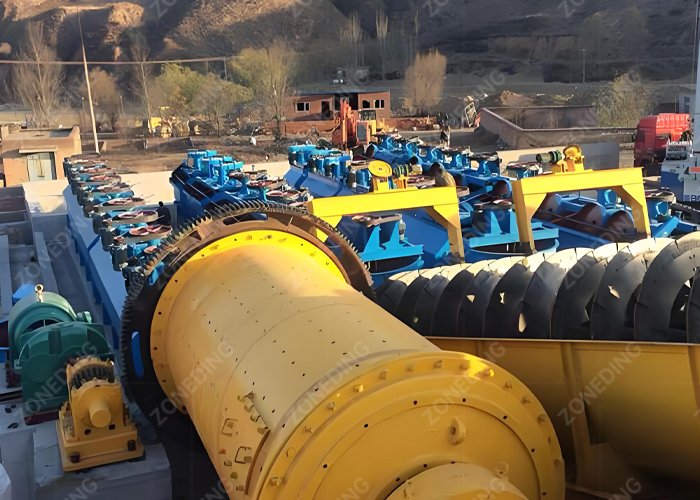
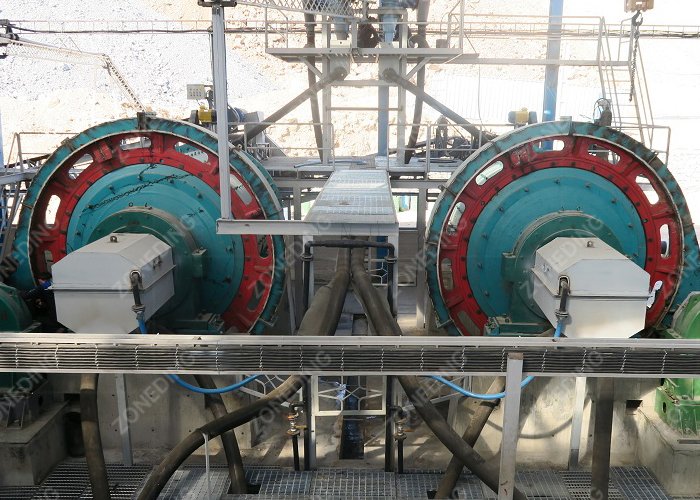
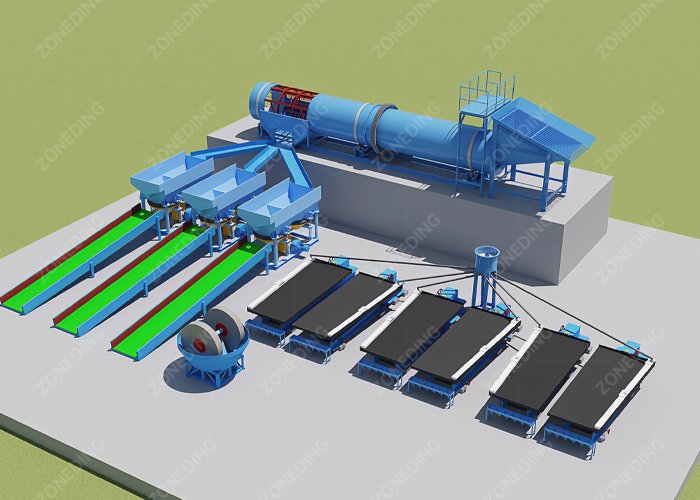
ZONEDING is a leading manufacturer of Beneficiation Equipment and crushing machinery in China. Since 2004, the company has helped clients in 120 countries build profitable operations. The factory produces 500 machines annually, including Mobile Crushers and Ball Mills. Experts at ZONEDING provide full support from design to installation. The team ensures every client gets the right equipment for their specific rock type and budget. Contact ZONEDING today for a free project layout and factory-direct pricing.
Building a highly profitable mineral processing facility requires a strictly logical equipment sequence. A complete copper-gold ore processing line must follow a precise physical and chemical path. The rock must be crushed, ground, classified, and...
The real ball mill cost is not the machine quote alone. In most plants, the 5-year total is around 2.5x to 4x of the purchase value after wear, power, downtime, and recovery impact are included. This guide shows how to calculate bal...
Stop fine gold loss by using a combination of high-energy washing and centrifugal separation. Most mines lose 30% of their gold because they only use simple sluice boxes. Successful alluvial gold processing technology requires a multi-st...
We use cookies to ensure that we give you the best experience on our website. If you continue to use this site we will assume that you are happy with it.
Privacy Policy
Send us a message
We would love to hear from you
Submit your question and our team will respond to the email provided as soon as possible.
 Zoneding Machine