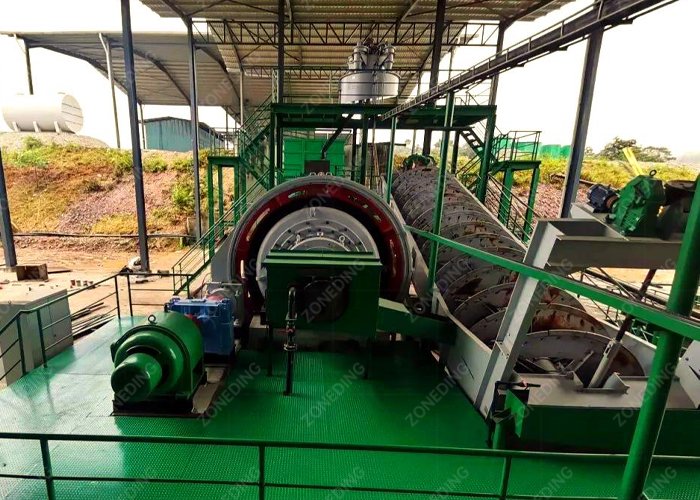
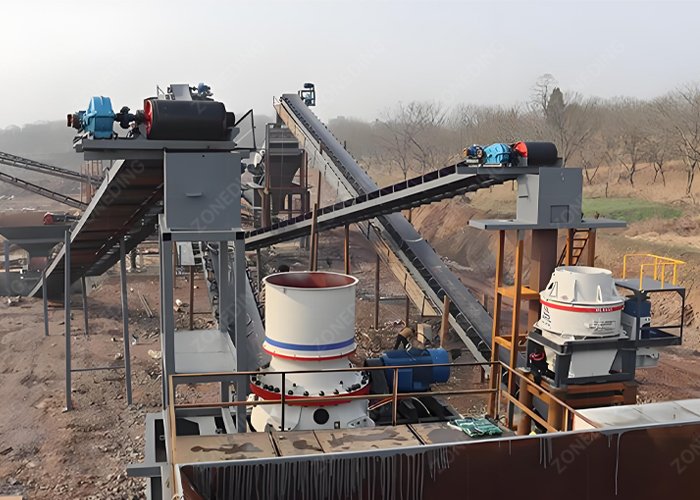
The real ball mill cost is not the machine quote alone. In most plants, the 5-year total is around 2.5x to 4x of the purchase value after wear, power, downtime, and recovery impact are included. This guide shows how to calculate ball mill machine cost and ball mill parts cost in one practical framework that supports procurement, operation, and finance decisions.
Which Machine and Parts Items Build the Real Ball Mill Cost?
A procurement quote usually shows visible equipment scope, but full ownership includes more layers. A complete model should include mill shell, feed and discharge sections, main bearings, girth gear and pinion, motor and starter or VFD, reducer, liners, grinding media, lubrication system, controls, installation, commissioning, labor, and downtime loss. Recovery penalties from unstable grind size should also be counted because they affect payable output directly.
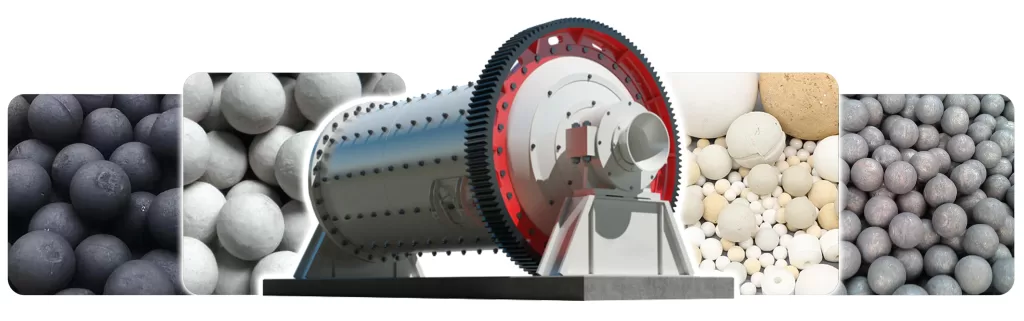
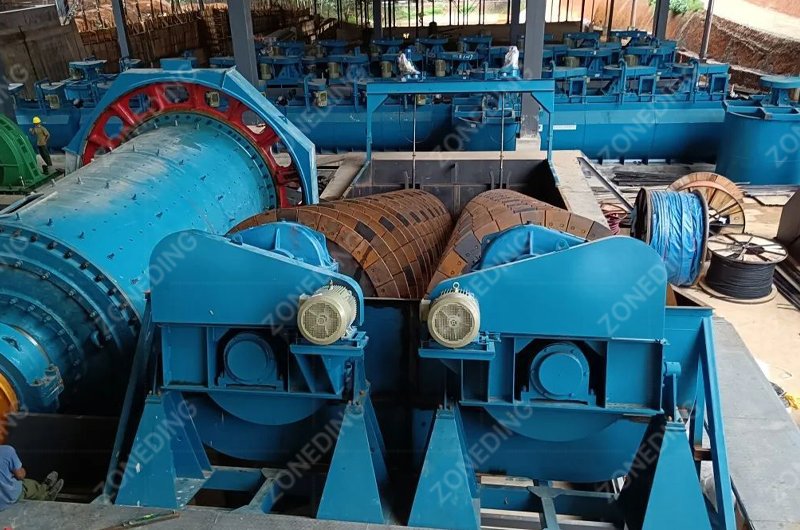
Most under-budget cases happen when teams evaluate the mineral processing ball mill as a standalone machine. Real operation runs as a system, not as a catalog unit. In practice, classification inefficiency, feed swings, and wear acceleration can dominate lifecycle spending. A strong method is to use one 5-year TCO sheet with eight fixed lines: mill package, drive package, liners, media, power, labor, planned and unplanned downtime, and metallurgical loss. For base machine scope, see Ball Mill.
Cost Structure Table
Cost Line
Included Items
Common Miss
Practical Effect
Core Equipment
Shell, bearings, drive, auxiliaries
Under-scoped accessories
Extra CAPEX later
Wear Package
Liners, media, fast-wear parts
Ore abrasiveness ignored
OPEX drift
Energy
kWh/t and tariff scenarios
Single-point assumption
Cashflow volatility
Downtime
Planned + unplanned stop loss
Stop/restart penalty missed
Lower annual output
Recovery Impact
Value loss from grind drift
P80 not contract-bound
Hidden margin loss
Why Does Ball Mill Price Vary So Much Across Capacity Ranges?
Large price gaps usually come from duty definition, not only from mill diameter. Throughput target, feed size, ore hardness, moisture, desired product size, and operating hours all change design strength and drive demand. Two mills with similar external dimensions can differ significantly in internal structure and long-term stability.
Capacity selection also creates major economic differences. An oversized design can raise energy use and overgrinding risk. An undersized design can trigger overload and frequent stops. Both outcomes increase real ownership cost. A right-sized route with stable classification often gives better total value than a larger machine chosen for “safety margin” alone. For integrated circuit planning, Beneficiation Equipment helps frame full-line matching.
How Do Shell, Main Bearings, and Drive System Affect Price and Stability?
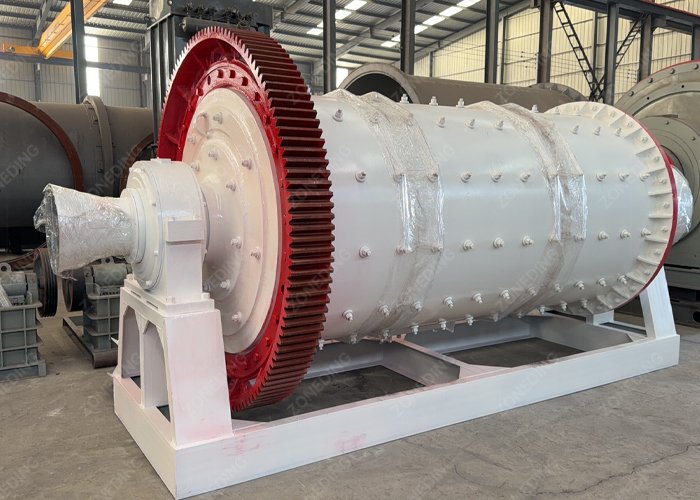
Shell strength, bearing quality, and drive alignment define mechanical reliability under continuous load. A lower initial quote may use lighter configuration that struggles under variable feed or abrasive duty. Main bearing design influences temperature control, lubrication behavior, and service interval. Drive train quality controls torque stability and start-up performance.
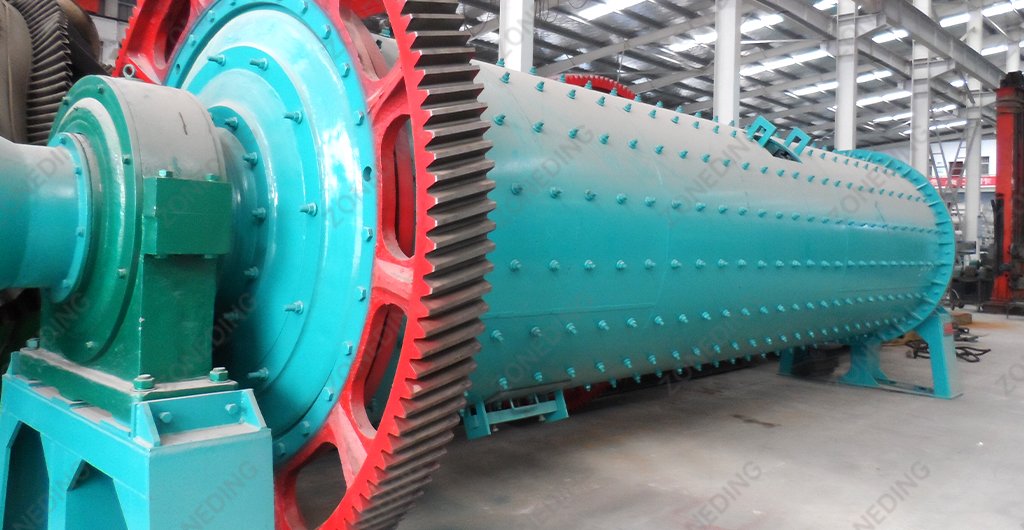
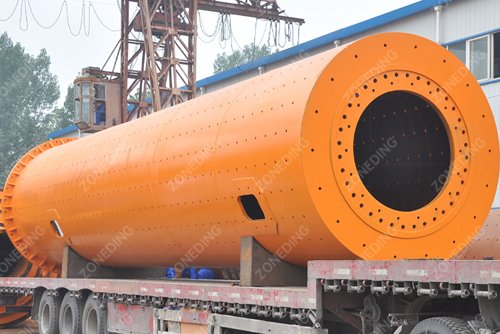
Ball Mill Shell
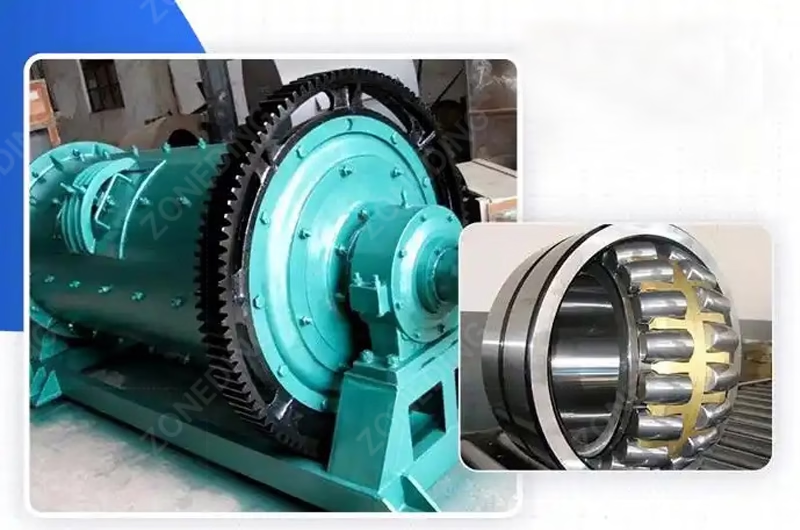
Ball mill bearings
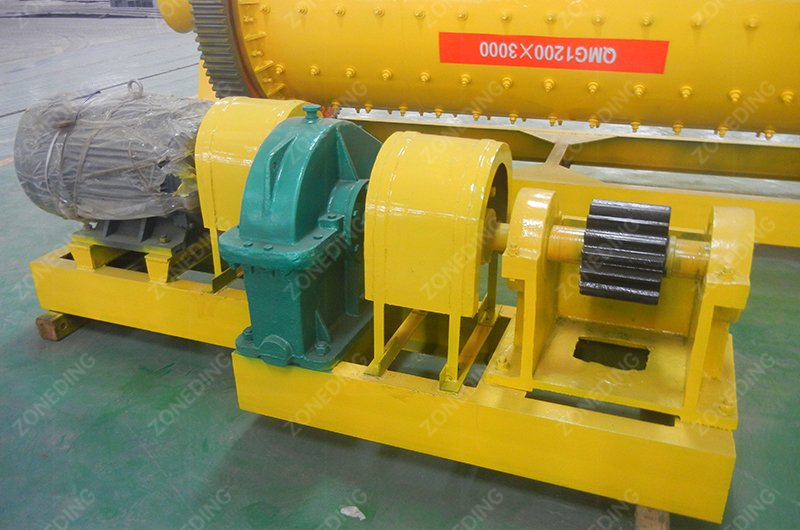
Ball Mill Drive System
From a cost perspective, mechanical stability is a lifecycle issue. Frequent micro-failures create hidden labor, stop-start losses, and output fluctuations. Better component reliability can reduce failure frequency and improve annual availability. Technical review should therefore include bearing type, gear material, alignment tolerance, lubrication system design, and maintenance accessibility, not only purchase value.
Why Do Liner Material and Structure Directly Change Long-Term Cost?
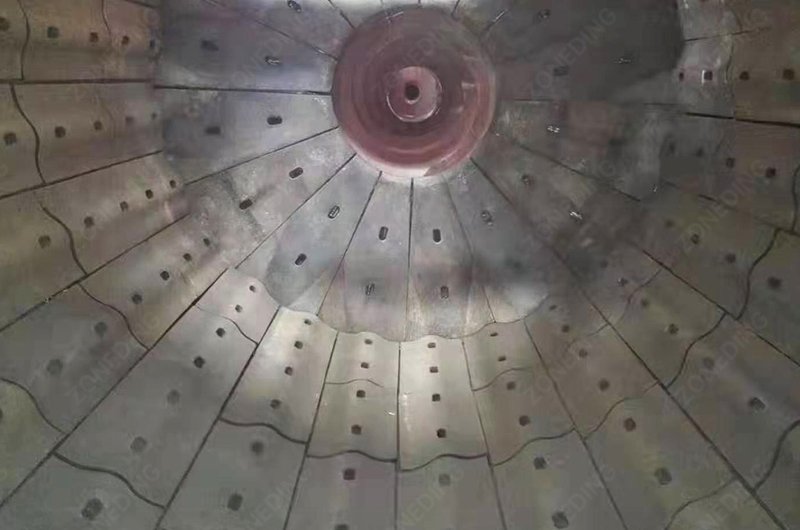
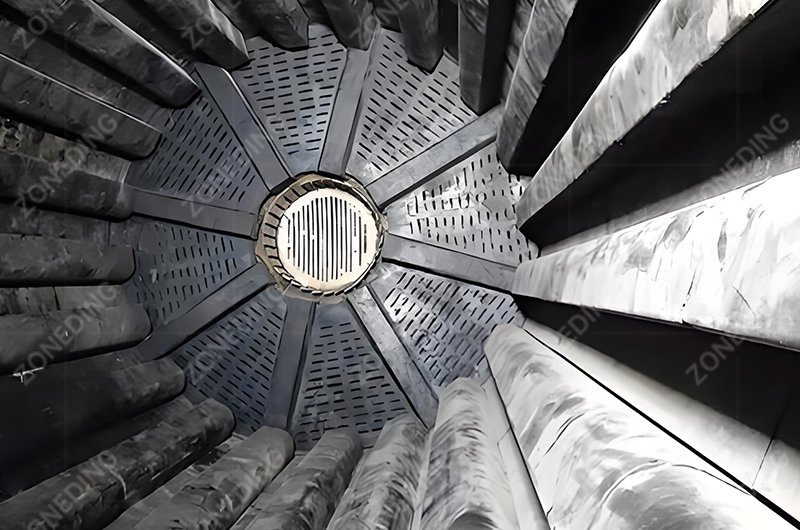
Liner choice is one of the strongest cost levers in grinding operations. Material grade, profile geometry, and mounting design affect wear life, grinding efficiency, and relining speed. A low-price liner can become expensive if replacement frequency is high or relining time is long. In annual budgeting, downtime loss from relines often outweighs small purchase savings.
Shell Liners
Liner choice-Ball mill rubber liners
Fast-change or safety-focused liner systems may look expensive upfront, yet many plants recover that premium through higher annual output. Cost should be evaluated as “liner spend + reline-hour loss,” not as liner invoice alone. For reference options and structure concepts, review Ball Mill Liner.
How Does Grinding Media Configuration Change Cost per Ton?
Media strategy directly affects breakage efficiency, overgrinding risk, and wear budget. Static ball charge across changing ore sources often inflates media use and reduces control. In multi-source feed operations, this issue can raise cost materially over time. Ball-size distribution should match ore hardness and target fineness, then be corrected through periodic top-up by size class.
Ball mill grinding media
Operational checks should include weekly review of mill power draw, cyclone overflow PSD, and media consumption trend. When these signals drift, media strategy should be adjusted before cost escalation spreads into energy and recovery lines. For configuration references, see Grinding Media for Ball Mill.
How Do Feed and Discharge Design Differences Affect Efficiency and Energy Cost?
Feed entry and discharge architecture shape residence time, transport behavior, and classification stability. Poor feed distribution can create local overload, while weak discharge design can increase recirculation and energy waste. These effects appear first as variable throughput and unstable fineness, then turn into higher total operating cost.
Grinding classification
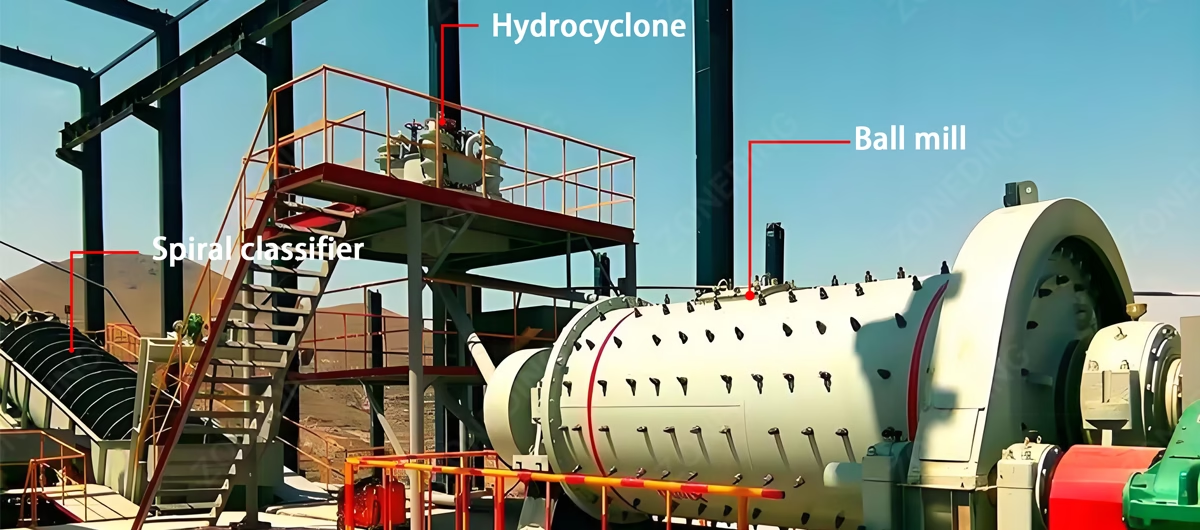
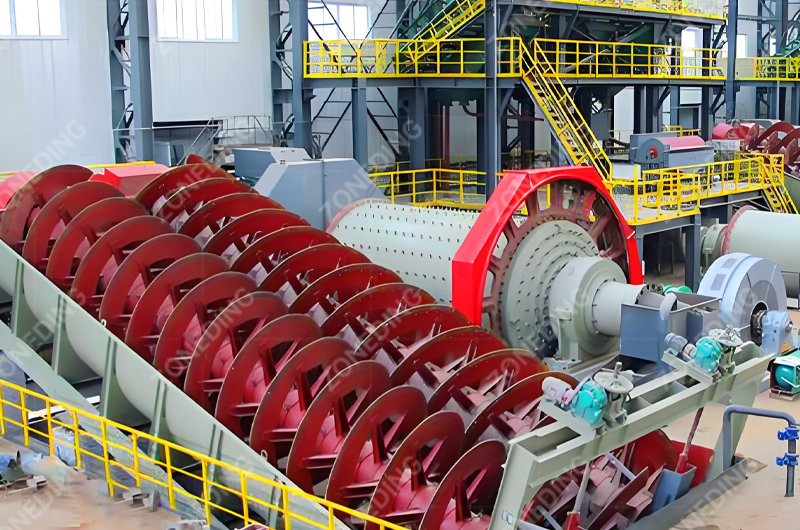
Good design aligns feed uniformity, slurry flow, and discharge capacity with target circuit balance. This reduces unnecessary residence time and protects kWh/t performance. In wet circuits, classification matching is key to avoid return-load inflation. Proper pairing with Hydrocyclone or Spiral Classifier can improve both stability and economics.
How Should Motor and Gearbox Be Matched for Balanced CAPEX and OPEX?
Motor and reducer selection should reflect ore variability, start-up behavior, and expected load range. Overly aggressive downsizing may reduce upfront CAPEX but increase trip risk and heat stress. Excessive oversizing can increase initial investment and reduce part-load efficiency. Balanced selection uses realistic duty windows, not idealized steady-state assumptions.
A practical selection workflow includes torque demand mapping, start frequency analysis, and efficiency checks across normal operating zones. Variable speed control can add budget, but it may improve process adaptability and reduce stress under changing feed. Final choice should be based on lifecycle performance under real duty profile.
When Classifier and Ball Mill Are Matched as a Package, How Can Total Cost Be Reduced?
System matching is often more important than single-machine optimization. A mill that looks efficient alone may perform poorly in a weakly matched circuit. Classifier cut size, pump pressure stability, and return load control define how effectively grinding energy turns into useful product rather than internal circulation.
Ball mill spiral classifier combination
Classifier and Ball Mill
Circuit-level CAPEX cuts on pumps, feeders, or classifiers can create multi-line OPEX penalties later. A full mass-balance and bottleneck review before purchase approval usually prevents this. Best results come from jointly defined targets for feed PSD band, P80 window, circulating load range, and availability plan.
How Much Budget Does Automation Add, and What Return Can It Bring?
Automation can increase initial project budget, but it often improves consistency and operating discipline. Typical additions include instrumentation, control logic, interlocks, trend monitoring, and alarm management. The value return appears in fewer overload events, better grind-size stability, reduced operator variability, and faster diagnosis of abnormal conditions.
Return on automation depends on plant scale and ore variability. In stable small circuits, gains may be moderate. In large or highly variable circuits, control quality can materially reduce hidden loss lines such as downtime and recovery drift. Evaluation should focus on annual output quality and stability, not software cost alone.
What Does Installation, Commissioning, and Site Service Usually Include?
Complete ball mill installation scope usually includes foundation and anchoring checks, alignment, electrical integration, lubrication setup, no-load and load tests, process tuning, and operator training. Service scope should also define documentation quality, startup supervision days, performance verification method, and response timing for early-stage issues.
Staged performance milestones are recommended at 30, 90, and 180 days. Milestones should cover throughput, grind-size stability, availability, and wear trend. This framework distributes risk more fairly and reduces startup uncertainty for owner teams.
Why Is Spare-Part Supply Capability a Core Indicator of Total Procurement Cost?
Spare-part readiness determines how fast a site can recover from failures and planned wear replacement. A low purchase quote can become expensive when lead times are long or sourcing is restricted. Procurement decisions should therefore evaluate parts catalog completeness, local support channel, approved equivalents, and long-term pricing mechanisms.
Lifecycle stability improves when contracts include open spare specifications, local equivalent approval rules, and key-part price governance. These terms reduce lock-in risk and protect maintenance planning over multiple years.
Which Technical and Cost Parameters Must Be Confirmed Before Purchase?
Before final order, request measurable commitments instead of general claims. Required items include throughput guarantee range, target grind-size window, kWh/t envelope, media consumption assumptions, liner life assumptions, availability target, ore variability envelope, spare lead times, and acceptance test protocol.
A supplier comparison matrix should also include contract terms: milestone structure, warranty triggers, escalation response, and penalties for persistent underperformance. These details often decide real ownership economics more than headline ball mill price.
How Can One Procurement Checklist Select a High-Value Ball Mill Solution?
A practical evaluation checklist should combine technical fit, lifecycle cost, service capability, and contract quality. Scoring only on equipment CAPEX creates predictable OPEX risk later. Better decisions follow when each bidder is scored on the same duty profile and the same economic KPI.
Practical Scoring Checklist
Technical fit with ore hardness, moisture, and feed PSD range
Verified capacity and target grind-size stability
Combined metric: worn-parts $/t + kWh/t
Liner system life and annual relining-hour expectation
Media strategy support and optimization plan
Installation and commissioning scope clarity
Spare-part lead times and equivalent sourcing rules
30/90/180-day performance milestone commitments
Warranty and service response framework
Final KPI: total grinding cost per recovered payable unit
2026 Trends in Ball Mill Cost Decisions
Market behavior in 2026 shows a clear shift from “lowest CAPEX” to “lowest predictable lifecycle cost.” More projects now require performance-linked acceptance terms. More owner teams benchmark wear-plus-energy together instead of checking electricity alone. Another visible trend is stronger contract control on spare-part openness and long-term price governance, especially in cross-border procurement.
Latest Snapshot
Contract trend: staged acceptance milestones are now common in serious bids.
KPI trend: cost per recovered payable unit is replacing cost per milled ton.
Operations trend: feed variability management is treated as a first-order cost driver.
FAQs
Q1: Is the real ball mill cost usually much higher than purchase price? Yes. In many projects, 5-year total ownership becomes 2.5x to 4x of machine purchase value.
Q2: Is power always the largest operating cost line? No. In abrasive ores, liner and media spend can exceed electricity cost.
Q3: Can a larger mill always reduce unit cost? Not always. Oversizing can increase overgrinding and reduce downstream recovery.
Q4: What is the best KPI for monthly management review? Use total grinding cost per recovered payable unit to align process and business results.
Conclusion and Recommendations
Real ball mill cost should be decided with lifecycle evidence, not quote appearance. The most reliable method is a unified 5-year TCO model that includes machine, parts, energy, downtime, and recovery impact. Procurement risk drops when duty envelope, grind-size stability, and staged performance milestones are fixed in contract terms. Operations performance improves when media strategy, liner system, and classification matching are managed as one circuit.
About ZONEDING
ZONEDING MACHINE is a B2B mineral processing equipment manufacturer established in 2004. Our product system covers crushing, grinding, classification, beneficiation, drying, and calcining lines, with annual output above 500 units. We provide design, manufacturing, installation, training, and after-sales support for mining and aggregate customers worldwide. Project discussions can start from your ore type, target capacity, and target grind size, and we will map a practical cost-focused solution.
The stands as the most important machine in a modern gold mine. This heavy equipment grinds raw ore into fine particles to release precious metals. Achieving a high recovery rate depends on the efficiency of this grinding process. If the machine f...
Small aggregate plants are growing rapidly in 2026 because many investors want lower startup risk, faster ROI, and simpler operations. A well-designed small crushing plant can generate stable profits with relatively low investment if the equipment...
Optimizing the gold ore dressing process is the most direct way to increase profit in a mine. A high gold recovery rate depends on how well the equipment works together. Many plants lose gold because the flow is not right. I ha...
Stone crushing is the first step in producing aggregates for roads, buildings, bridges, railways, and concrete plants. Every successful quarry or aggregate operation depends on choosing the right crushing method and equipment. However, many invest...
We use cookies to ensure that we give you the best experience on our website. If you continue to use this site we will assume that you are happy with it.
Privacy Policy
Send us a message
We would love to hear from you
Submit your question and our team will respond to the email provided as soon as possible.
 Zoneding Machine