 Zoneding Machine












Tracked vs Wheeled Mobile Crusher: Which Fits Your Project?
551Compare tracked and wheeled mobile crushers by site mobility, transport, setup, maintenance and lifetime cost for South America projects.
View detailsSearch the whole station Crushing Equipment
As an expert with decades in the mineral processing industry, I have seen “best-sellers” change many times. In the past, it was all about raw power. In the 2000s, it was about high throughput. But in 2026, the “best-selling” machines are different. They are the ones that solve the three biggest crises for modern operators: surging energy costs, a shortage of skilled workers, and the massive shift toward recycling materials. If you only look at brand names, you are looking at the past. You need to look at technology.
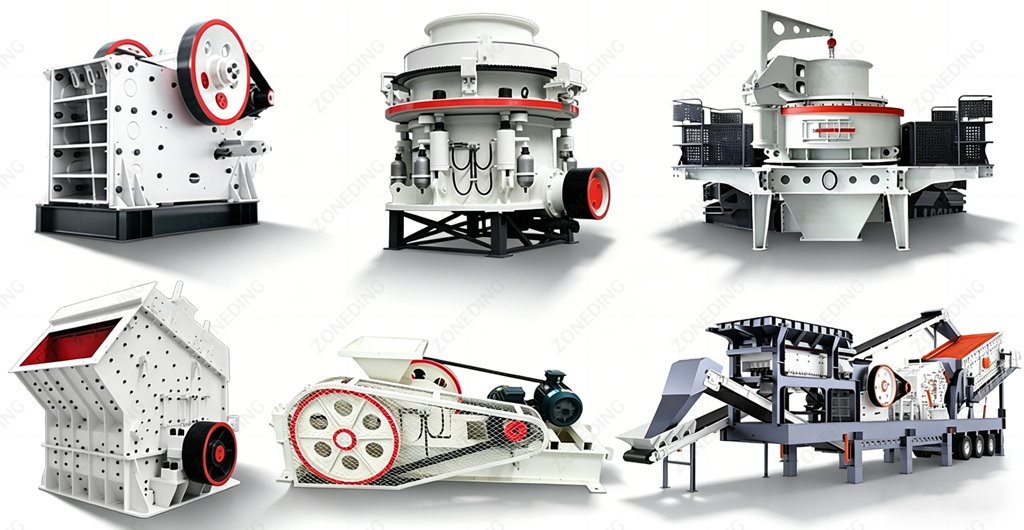
The market has shifted from “pure power” to “smart efficiency.” In 2026, the most successful machines are not just the loudest or biggest. The winners are machines that handle specific tasks with minimal waste. We see a massive rise in “hybrid” technology and specialized designs for different rock types.
For example, while remain the kings of primary crushing, the way they operate has changed. New models now feature smarter feeding systems to prevent jams. In the secondary and tertiary stages, we see a huge migration toward High-Pressure Grinding Rolls (HPGR) and advanced Cone Crushers that use less electricity to produce better-shaped stone.
The era of the diesel-only mobile plant is ending. In 2026, the best-selling mobile units are Dual-Power hybrids. These machines can plug into the power grid when they are stationary. This simple change can reduce your fuel costs by 60% to 80%. You only use diesel when you need to move the machine to a new location.
We are seeing a huge demand for crushers that handle recycled materials. Construction and demolition (C&D) waste is a massive market. Standard machines often fail when they hit rebar (steel reinforcement). The new best-sellers are Impact Crushers and jaws specifically designed with “anti-wrap” technology to handle concrete and steel without stopping every hour.
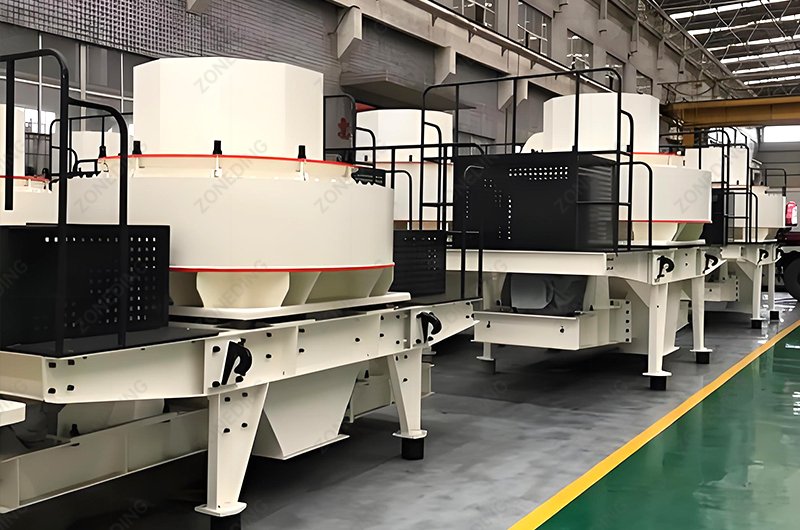
| Machine Type | Primary Use in 2026 | Key Trend |
|---|---|---|
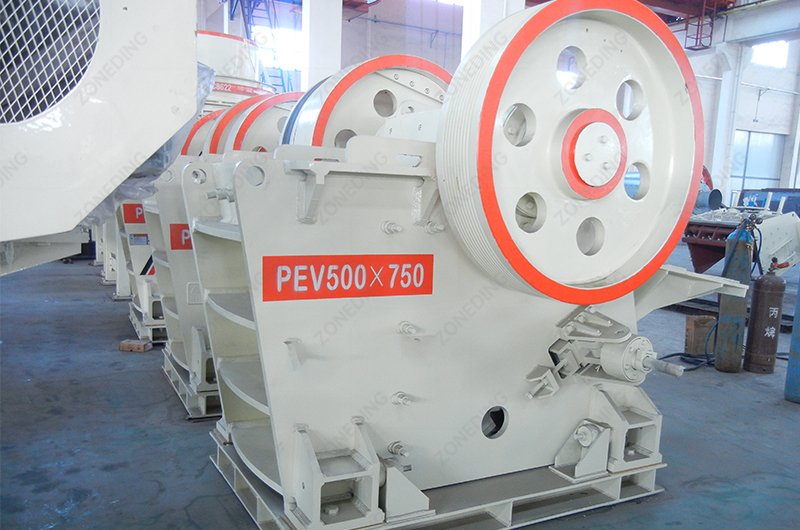
| Jaw Crusher | Primary Crushing | Automated feeding & anti-jam |
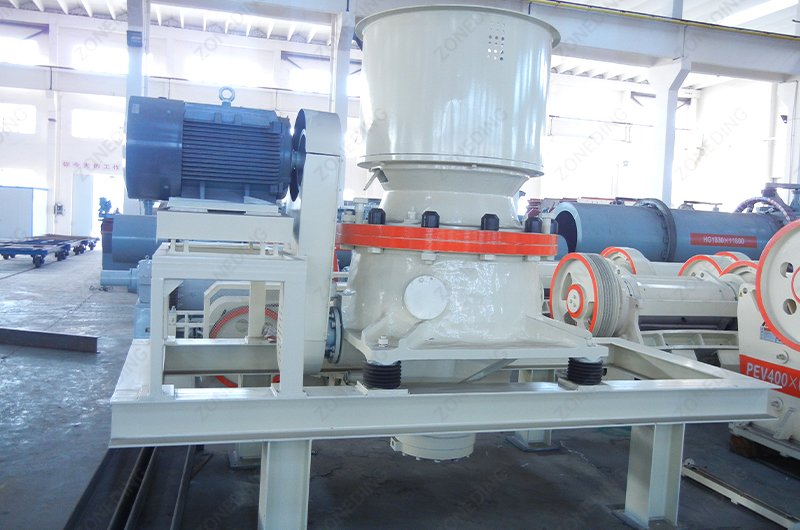
| Cone Crusher | Secondary/Tertiary | High-efficiency, low wear |
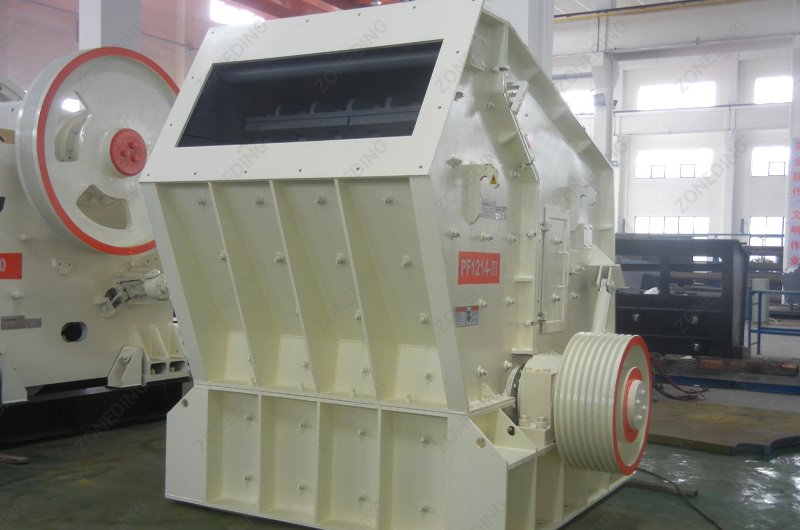
| Impact Crusher | Recycled Materials | Rebar-resistant designs |
| VSI/Sand Maker | Shaping/Fine Sand | Variable speed for “cube” stone |
The market is moving away from permanent, fixed sites toward flexible, mobile solutions. In 2026, Mobile Crushers are seeing record sales. This is because projects are becoming more temporary, and moving a machine is much cheaper than building a new road to a fixed plant.
A Mobile Crushing and Screening Plant allows you to follow the material. If you are working on a road project or a demolition site, you can process the rock right where it sits. This reduces transportation costs, which are a major part of your budget.
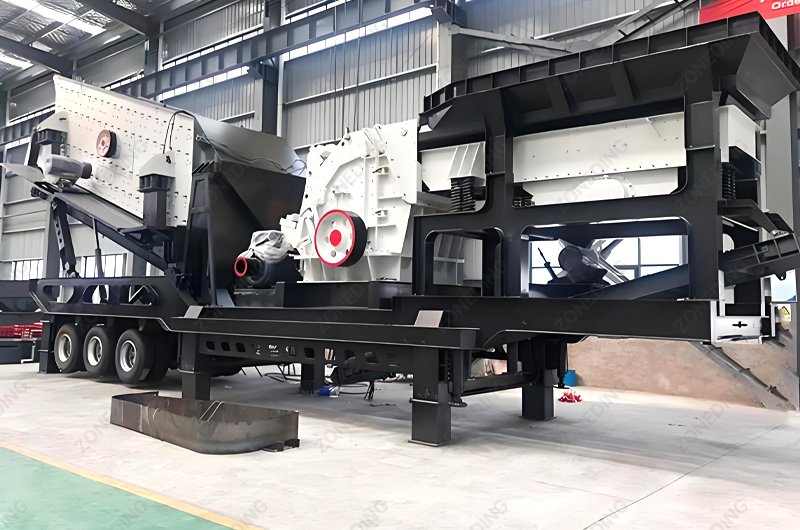
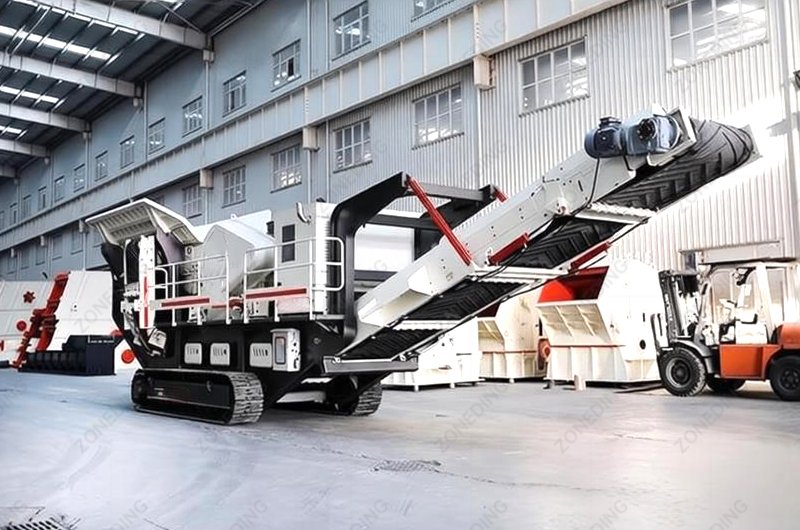
One of the biggest advantages of mobile units is how fast they start working. A traditional fixed plant can take 6 to 12 months to build. A modular or mobile plant can be operational in just a few weeks. This “plug-and-play” capability is a game-changer for contractors who need to finish jobs quickly.
Automation is no longer a “luxury” feature; it is a standard requirement. In 2026, the shortage of skilled operators is a global problem. Because of this, machines must be able to “think” for themselves. Smart control systems help prevent the most expensive mistakes.
The top-selling machines now use AI-driven systems to monitor the “crush chamber pressure” and “motor load.” If the machine detects that too much material is entering, it automatically adjusts the Closed Side Setting (CSS). This prevents a “choke,” which can damage the main shaft.
The most expensive part of a crusher is the main shaft or the eccentric. In the past, an operator might accidentally over-feed the machine, leading to a broken shaft. Today, sensors monitor the vibration and heat in real-time. If something is wrong, the machine stops itself before the damage becomes permanent.
When dealing with hard rocks like basalt or granite, the goal is to balance “crushing power” with “energy cost.” Hard rock requires high pressure, but high pressure usually means high electricity bills. In 2026, the “best” equipment is measured by its “energy efficiency metric.”
For hard rock, we see a move toward Compound Crushers and specialized Cone Crushers. These machines use “interparticle crushing”—where rocks crush other rocks—to save energy. This method is more efficient than just hitting the rock with a steel part.
Don’t just look at the kilowatt (kW) rating. You need to look at the “output per kWh.” This tells you how many tons of stone you get for every unit of electricity you pay for. A machine that uses 500kW but produces 300 tons per hour is better than a machine that uses 400kW but only produces 200 tons per hour.
The “hidden cost” of any stone crusher is the replacement of wear parts. You must budget for liners, mantles, and jaw plates from day one. In 2026, the trend is toward “predictive maintenance.” Instead of changing parts when they break, you change them when the sensors say they are almost worn out.


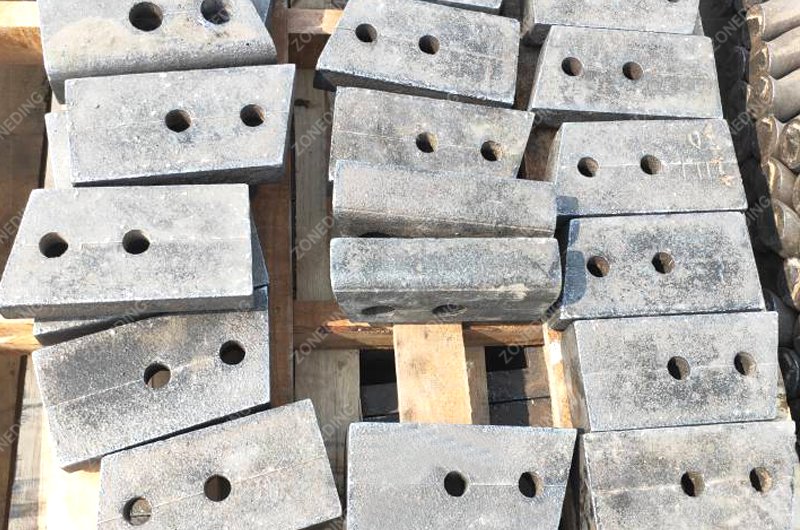
| Part Type | Replacement Cycle (Avg) | Impact on Operation |
|---|---|---|
| Jaw Plates | 500 – 1,500 Hours | High – Affects throughput |
| Cone Liners | 1,000 – 3,000 Hours | Moderate – Affects shape |
| VSI Blow Bars | 200 – 600 Hours | Very High – High wear |
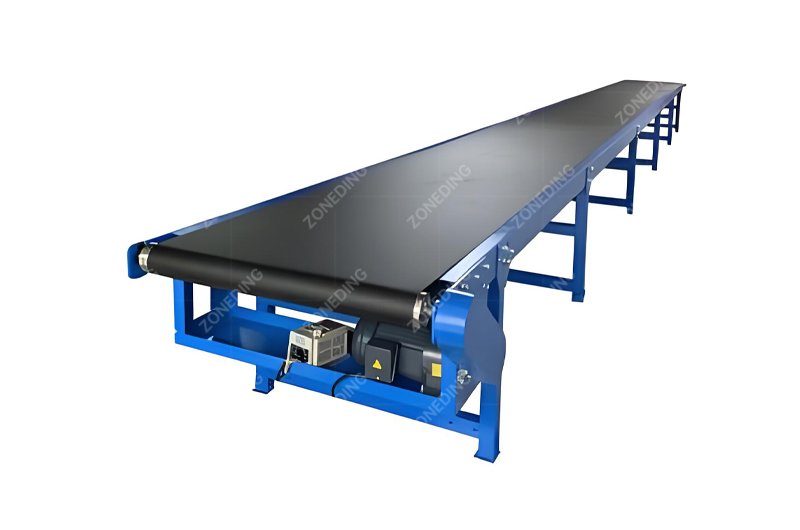
| Conveyor Belts | 2 – 5 Years | Low – Scheduled maintenance |
To keep your costs low, you must avoid “emergency shipping.” If a Jaw Crusher breaks and you have no spare parts, you lose money every hour the machine is silent. We recommend keeping at least one full set of high-wear parts on-site.
The industry is moving toward a “Circular and Automated” model. We are seeing more plants that are built in “skids” or “modules.” These are pre-assembled in a factory and shipped to the site. This reduces installation errors and cuts down on expensive on-site labor. Additionally, the focus on “Carbon Neutral” mining is pushing manufacturers to create machines that use less fuel and produce less dust.
Question 1: What is the best crusher for recycling construction waste?
You need an Impact Crusher or a Jaw Crusher specifically designed for “anti-wrap” performance. This ensures that rebar (steel) does not jam the machine.
Question 2: How can I save on electricity costs in my crushing plant?
Use hybrid mobile machines that can plug into the grid. Also, ensure your crushing circuit is sized correctly for your rock hardness to avoid wasting energy.
Question 3: Is a mobile crusher better than a stationary one?
It depends. Mobile crushers are better for short-term projects and moving sites. Stationary plants are usually more efficient for very large, permanent quarries.
Question 4: How do I know if a crusher is “energy efficient”?
Look at the “Tons per Kilowatt-hour” (T/kWh) ratio. This is the most accurate way to see how much electricity you are spending to produce each ton of stone.
In 2026, buying a stone crusher is not just about finding the biggest machine. It is about finding the smartest and most efficient one. You must focus on energy efficiency, automation, and the ability to handle recycled materials. A machine that is “cheap” today but consumes too much fuel or breaks down often will be very expensive tomorrow.
Recommended Actions:
ZONEDING is a global leader in manufacturing high-performance Crushing Equipment and complete Stone Crushing Plants. We specialize in everything from Jaw Crushers to advanced Mobile Stone Crushers. With our modular designs and smart automation technology, we help you reduce your operating costs and maximize your profit.
Contact ZONEDING today to get a custom technical solution and a detailed cost-benefit analysis for your next project.
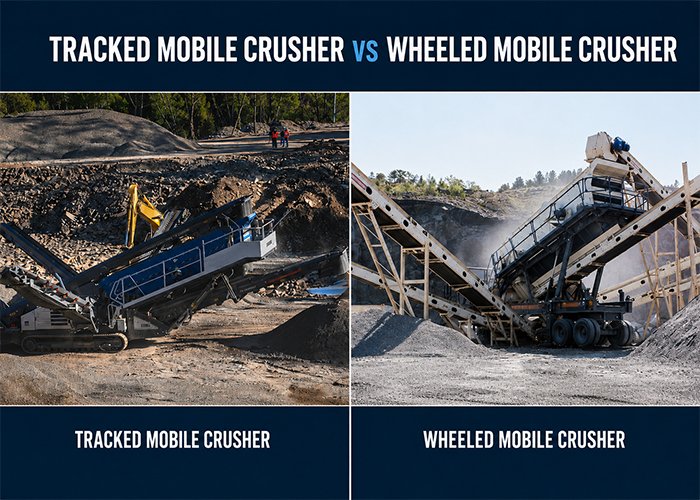
Compare tracked and wheeled mobile crushers by site mobility, transport, setup, maintenance and lifetime cost for South America projects.
View details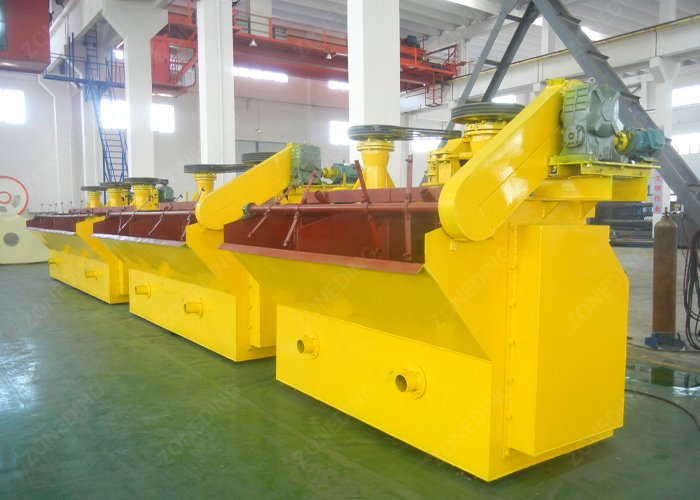
Understanding the main components of flotation machine is mandatory for maximizing profits in mineral processing plants. A flotation cell acts as a highly precise separation instrument. The internal mechanical structure dictates the exact slurry s...
View details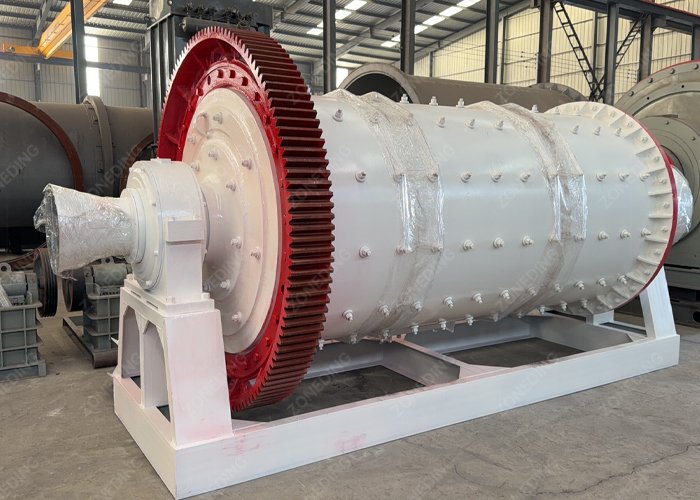
The stands as the most important machine in a modern gold mine. This heavy equipment grinds raw ore into fine particles to release precious metals. Achieving a high recovery rate depends on the efficiency of this grinding process. If the machine f...
View details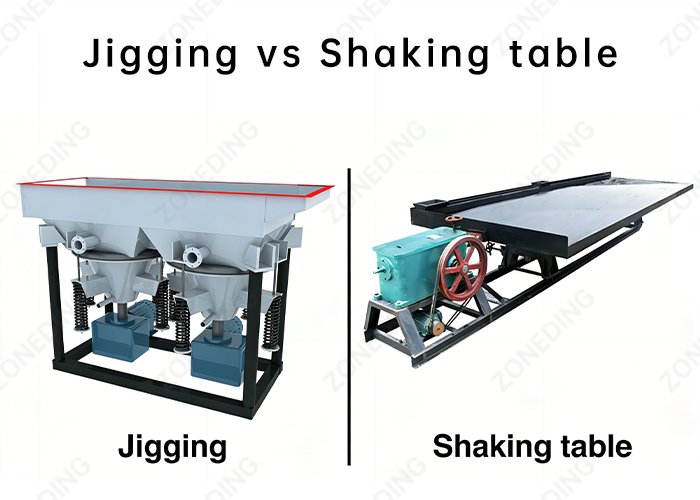
Choosing the right gravity separation method is the most important step for a profitable mine. Both the shaking table and the jigging machine use the weight of minerals to separate them from waste rock. But choosing the wrong one leads to massive ...
View details