Search the whole station Crushing Equipment
Ball mill liners protect the main drum from wear and impact during the grinding process. These components also lift the grinding media to create the necessary crushing force for the ore. Choosing the right material and shape can increase production by 30% while lowering power usage. In 2026, efficiency depends on matching the liner profile to the specific hardness of the mineral. Proper liners prevent the steel balls from slipping and reduce the frequency of expensive maintenance shutdowns. High-quality liners turn a standard mill into a high-performance machine by optimizing energy transfer.
Last Updated: June 2026 | Estimated Reading Time: 16 Minutes
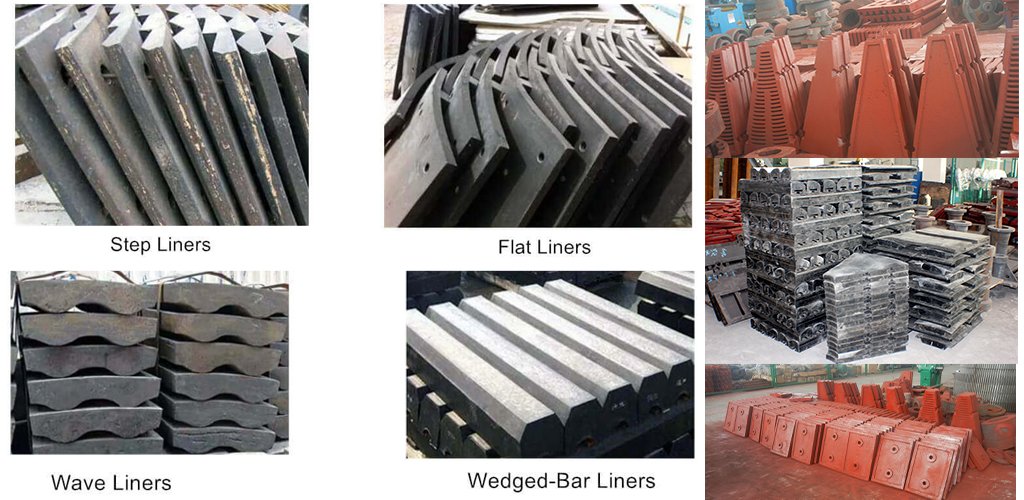
The selection of a ball mill liner depends on the grinding stage, the size of the feed, and the chemical nature of the slurry. Metallic liners remain the most common choice for primary grinding because of their high impact resistance. These are usually made from manganese steel or chrome-molybdenum alloys. Rubber liners are excellent for secondary grinding or acidic environments where noise reduction and chemical resistance are priorities. Magnetic liners represent a newer technology that uses the ore itself to create a protective wear layer. Each type has a specific role in maximizing the lifespan of the .
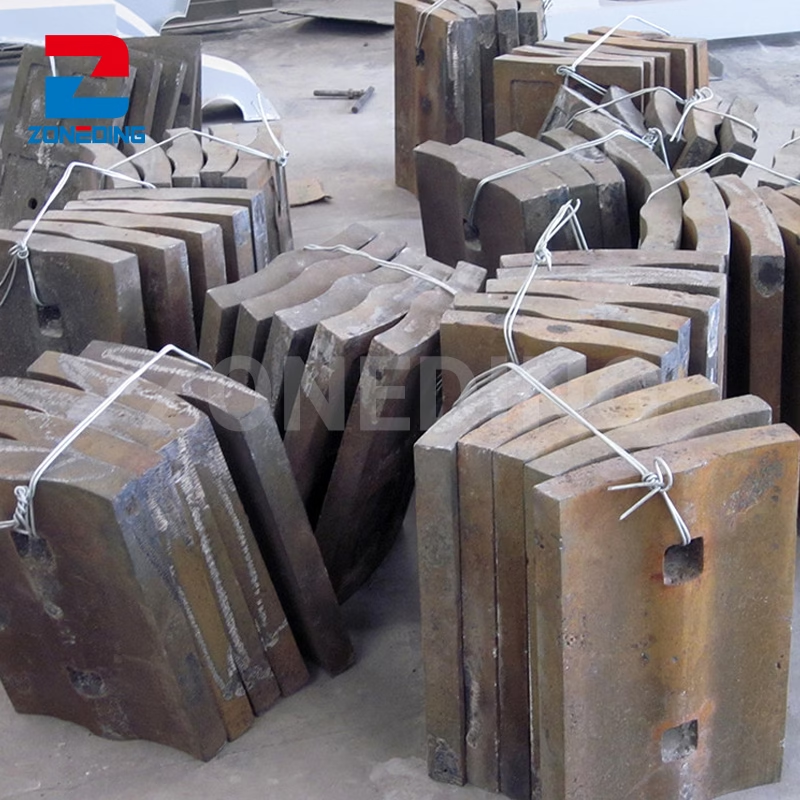
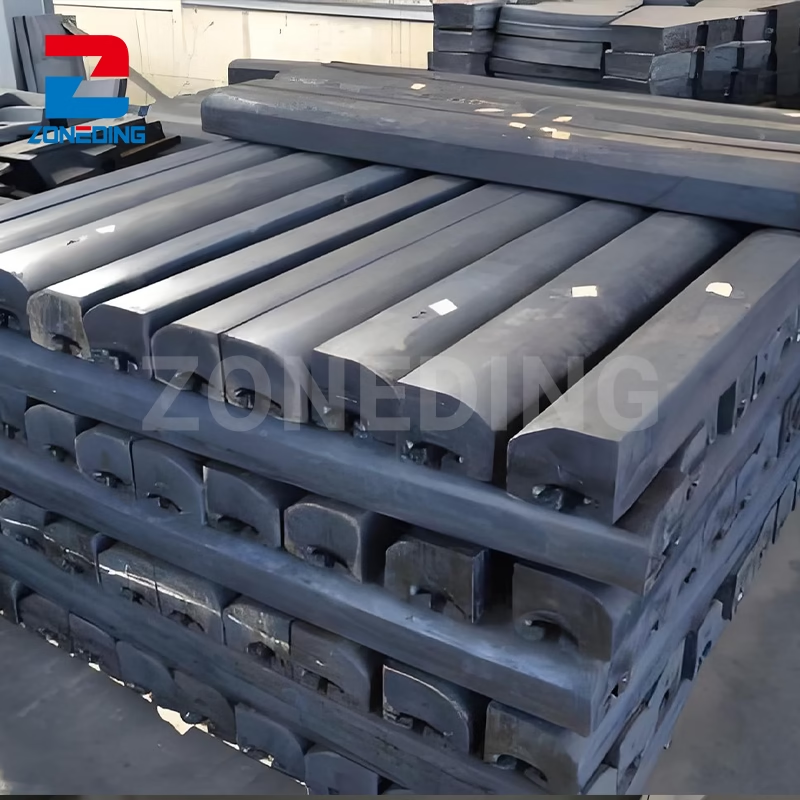
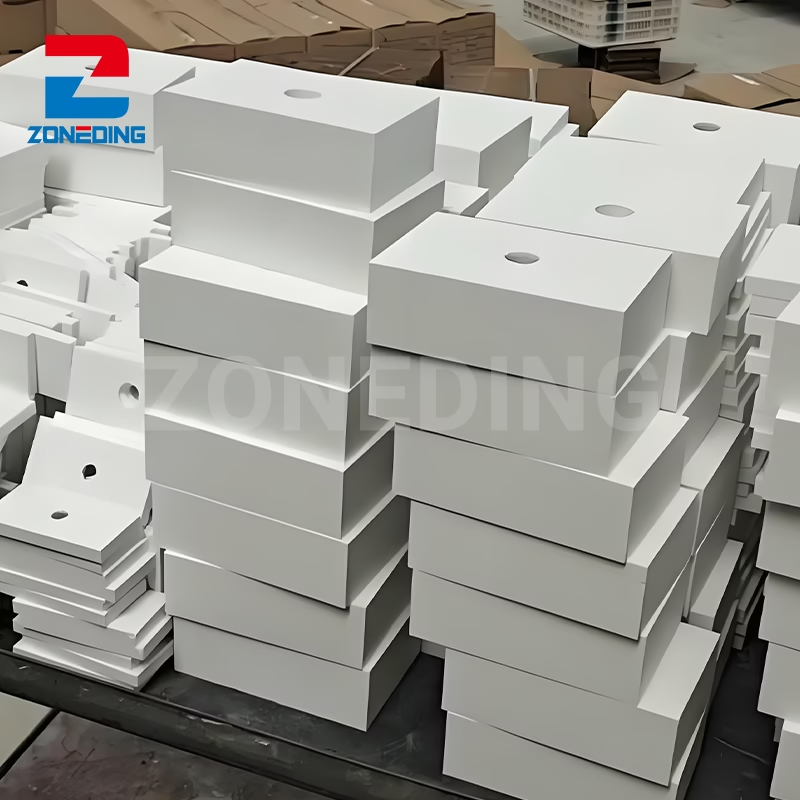
Metallic liners are favored in Gold Processing Plant operations where large steel balls fall from significant heights. These liners must absorb massive kinetic energy without cracking. Manganese steel is a classic choice because it hardens when struck. Chrome-molybdenum steel is an alternative that provides better wear resistance in environments with less impact. Rubber liners are much lighter, making them easier to install and safer for workers. However, rubber cannot withstand temperatures above 60 degrees Celsius. Ceramic composite liners are now entering the market for ultra-fine grinding because they offer extreme hardness.
| Liner Type | Primary Material | Impact Level | Best Use Case | Typical Lifespan |
|---|---|---|---|---|
| Metallic | Cr-Mo / Mn Steel | High | Coarse Grinding | 6-12 Months |
| Rubber | Industrial Rubber | Low-Medium | Fine Grinding | 12-24 Months |
| Ceramic | Alumina / Zirconia | Low | Ultrafine Mills | 18-36 Months |
ZONEDING uses a specialized heat treatment process that ensures uniform hardness from the surface to the core of the liner. Many manufacturers only harden the outer shell, which leads to a rapid increase in wear rate as the liner thins. ZONEDING liners maintain the same HRC rating throughout the entire thickness. This results in a stable production rate and predictable maintenance schedules. The factory also uses high-purity alloys to prevent internal air bubbles or cracks. These defects are the leading cause of premature liner failure in large Minerals Processing Machine units.
Customization is a core advantage of ZONEDING production. Every mine has unique ore characteristics and mill speeds. ZONEDING engineers use simulation software to adjust the chromium and molybdenum levels for each order. This matching process ensures that the liner is neither too brittle nor too soft. A liner that is too hard will crack under impact, while a soft liner will wear away too fast. By finding the “sweet spot” of toughness and hardness, the service life of mill liners can be extended by up to 40%. This direct-from-factory approach also removes middleman costs, providing a better price for high-grade materials.
The geometry of the liner determines the trajectory of the grinding balls and the power consumption of the motor. If the liner is flat, the balls will slide along the bottom, which creates heat but does not grind the ore. A wave or step profile lifts the balls to a specific height before they fall. This “cataracting” motion is where the real work happens. If the lift is too high, the balls hit the opposite side of the mill, causing damage. If it is too low, the grinding is inefficient. The Grinding mill liner design is the key to energy efficiency.
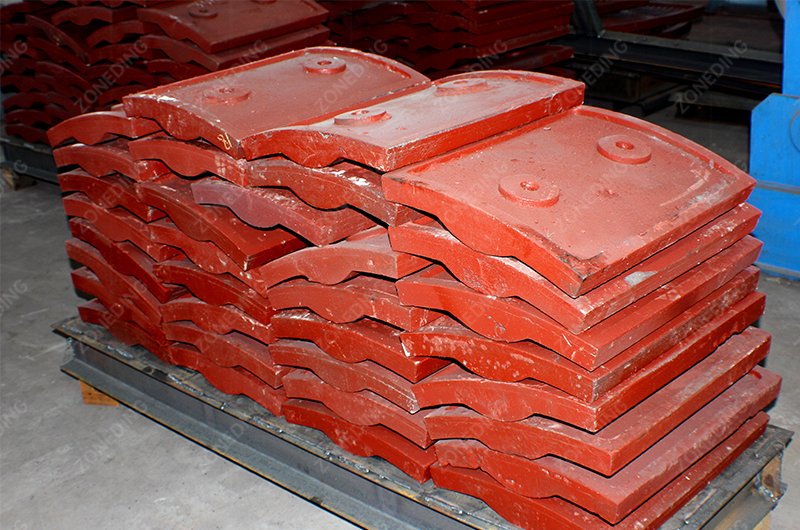
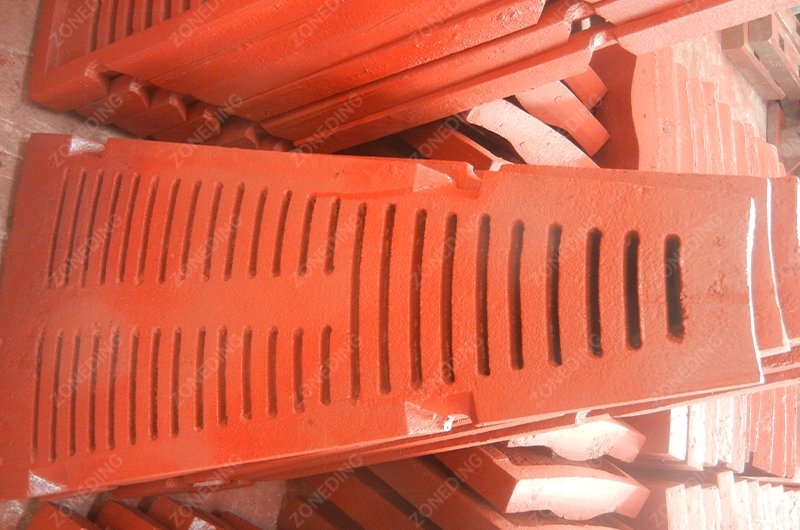
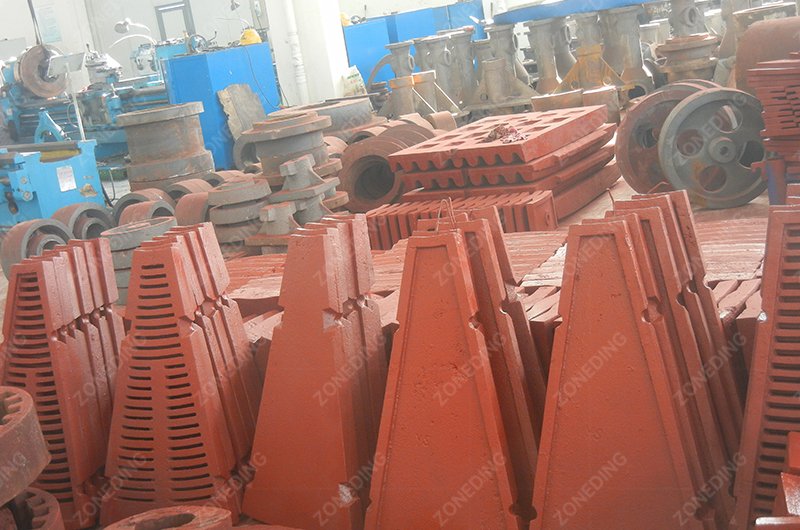
Modern liner shapes are designed to maintain their profile even as they wear down. This is known as “worn profile consistency.” Many cheap liners lose their lifting ability after only 30% of the metal is gone. ZONEDING designs use a specific angle that keeps the balls at the optimal drop point for the majority of the liner’s life. This prevents the common problem where a mill starts with high production and then slows down every month. Keeping a consistent ball trajectory means the operator does not have to change the mill speed or the ball charge constantly.
| Working Condition / Requirement | Recommended Liner Type | Core Advantages | Application Scenarios |
|---|---|---|---|
| Coarse Grinding Section (large ore / high-hardness materials) | Step Liner / Lifting Liner / Solid Liner | High impact crushing force, wear-resistant, protects mill barrel | Mining beneficiation coarse grinding, primary ore crushing |
| Fine Grinding Section (uniform particle size / avoid over-grinding) | Perforated/Slotted Liner / Smooth Liner | Simultaneous screening + grinding, reduces over-grinding, improves fine powder output | Cement grinding, fine mineral powder, wet grinding |
| Medium-hardness materials (balance impact and grinding) | Wave Liner | Balances steel ball distribution, cushions impact, uniform wear | Coal grinding, medium grinding of non-metallic minerals |
| End material accumulation / poor flow | Tapered Liner | Guides material flow, prevents end clogging, balances wear | Mill inlet / outlet end areas |
| Particle size classification requirement (axial particle size gradient) | Classifying Liner | Realizes coarse → fine grinding transition along axial direction, improves classification efficiency | Long cylindrical ball mills, multi-compartment grinding processes |
| Severe wear / high impact extreme conditions | Solid Liner (high-chromium alloy material) | Ultimate wear and impact resistance, long service life | High-hardness ore, metallurgical slag grinding |
The “Mill liner bolt seal” is a small part that prevents catastrophic damage to the expensive mill drum. Slurry is highly abrasive and pressurized inside the mill. If a bolt is not sealed correctly, the slurry will leak through the hole and flow between the liner and the shell. This creates a “slurry racing” effect that cuts into the structural steel of the drum. A damaged drum can cost hundreds of thousands of dollars to repair or replace. Therefore, the rubber washer and the tightness of the bolt are critical for the safety of the entire plant.
A professional installation must include a “second tightening” after the first shift of operation. When the mill starts, the liners shift slightly and settle into place. This movement creates a small amount of slack in the bolts. If this slack is not removed, the bolts will vibrate and break under the stress of the tumbling balls. ZONEDING provides high-tensile bolts and specialized oval-head washers to create a permanent seal. These bolts are designed to withstand the constant vibration and chemical corrosion found in a wet Ball Mill.
Digital monitoring and composite materials are the two biggest trends in the 2026 mining industry. Smart liners now include embedded sensors that send thickness data to a mobile app in real-time. This allows operators to know exactly when to order new parts without stopping the mill for inspection. Furthermore, the use of ceramic-steel composites is growing. These liners combine the toughness of steel with the extreme hardness of alumina. This hybrid approach is perfect for ores that are both large and highly abrasive.
Environmental regulations are also pushing for lighter liners. Lighter liners, like those made from high-strength polymers or advanced rubber, reduce the energy needed to start the mill. This lowers the carbon footprint of the Beneficiation Equipment circuit. ZONEDING is currently testing recycled alloy programs where old liners are melted down and turned into new ones at a lower cost. These innovations help mines stay profitable even as ore grades decline and energy prices rise.
The demand for high-chromium liners is increasing in Africa and Central Asia due to new hard-rock gold projects. Mining companies are moving away from cheap, low-quality castings. They now prefer “Performance-based contracts” where the supplier is paid based on the tons of ore processed. This shifts the risk to the manufacturer and rewards companies like ZONEDING that produce high-quality, long-lasting products.
Problem 1: What is the standard for replacing liners?
Liners should be replaced when the thickness is reduced by about 75% or when the lifter bars are worn flat. Operating beyond this point risks breaking the liner or damaging the mill shell. If the mill noise changes to a high-pitched “clanging,” it is a sign that the liners are too thin.
Problem 2: Can rubber liners be used in primary grinding?
Generally, no. Primary grinding uses large balls (100mm+) that will quickly cut and tear the rubber. Metal liners are better for high-impact zones. Rubber is best for secondary grinding where the balls are smaller than 60mm.
Problem 3: Why do ZONEDING liners cost less over time?
The initial price might be higher than basic steel, but the extended life reduces the cost per ton. Fewer shutdowns mean more production hours. When labor and lost revenue are included, high-quality alloy liners are always the cheaper option.
Problem 4: How does feed size affect liner choice?
Large feed (over 25mm) requires tall lifter bars to prevent the material from sliding. Small feed (under 5mm) can use shorter, more frequent lifters to increase the surface area for grinding.
ZONEDING is a professional manufacturer of Mining Equipment based in China. Founded in 2004, the company has two decades of experience in creating durable solutions for the global mining industry. ZONEDING produces a complete range of products including Jaw Crushers, Vibrating Screens, and Ball Mills. The factory uses CNC machining and advanced casting technology to ensure every part meets international standards. With exports to over 120 countries, ZONEDING is a trusted partner for mining groups and aggregate producers worldwide.
For a free technical consultation or a quote on replacement liners, please contact the engineering team today.
loading…
已经是到最后一篇内容了!
 Zoneding Machine