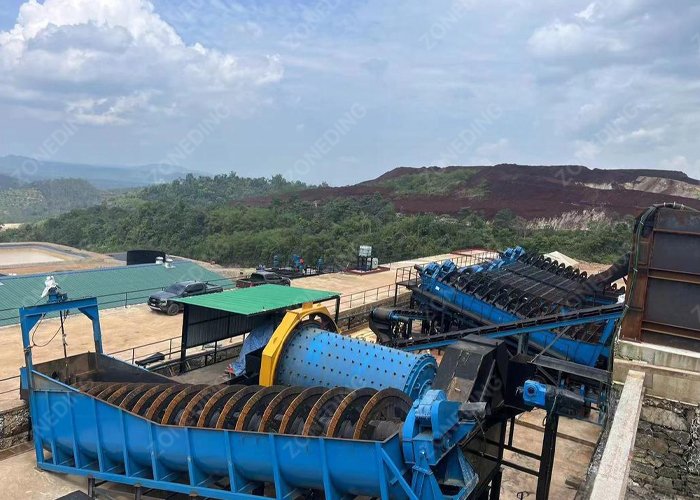
Choosing the right grinding equipment is the most critical decision for any mineral processing plant. Ball mills and rod mills serve different roles in size reduction. This guide provides a deep comparison of their advantages and applications. In 2026, efficiency and mineral recovery depend on precise machine selection. Incorrect choices lead to wasted energy and lost minerals. This comprehensive guide helps plant managers pick the best equipment for specific mining goals.
Why is grinding the core of mineral processing and recovery?
Grinding is the final stage of liberation where valuable minerals are separated from waste rock. This process determines the success of all downstream stages like flotation or gravity separation. If the particles are too large, minerals stay trapped inside the rock. If the particles are too small, they become “slimes” that cannot be recovered. In 2026, the focus has shifted toward precise particle size control to maximize profit. Grinding often accounts for up to 40% of total plant operating costs.
Grinding Core Mineral Processing
Mineral processing requires a specific “liberation size” for every unique ore body. Achieving this size consistently is the main goal. Modern plants use advanced sensors to monitor output in real-time. A well-designed circuit ensures that the operates at peak efficiency. Excessive grinding wastes electricity and chemicals. It also makes tailings management more difficult. Proper equipment selection ensures the best balance between energy use and mineral release.
Impact on Recovery Rates
The distribution of particle sizes is known as the Particle Size Distribution (PSD). A narrow PSD is usually better for recovery.
Under-grinding: Valuable minerals remain locked in the coarse fraction and go to tailings.
Over-grinding: Brittle minerals are crushed into dust, which fails to float or settle.
Circuit Stability: Steady grinding performance prevents surges in the chemical treatment tanks.
2026 Efficiency Standards
Low Carbon Goals: New 2026 regulations require lower energy consumption per ton processed.
Automation: Smart mills now adjust water and feed speed without human help.
Water Recycling: Modern grinding circuits integrate better with thickeners to save water.
What is a Ball Mill and why is it the standard for fine grinding?
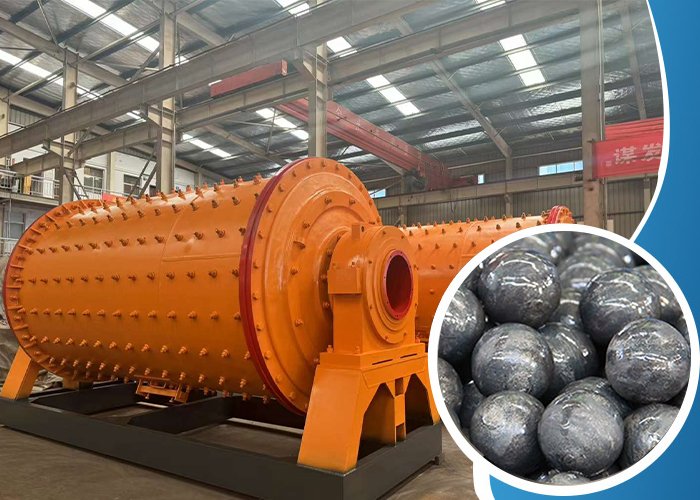
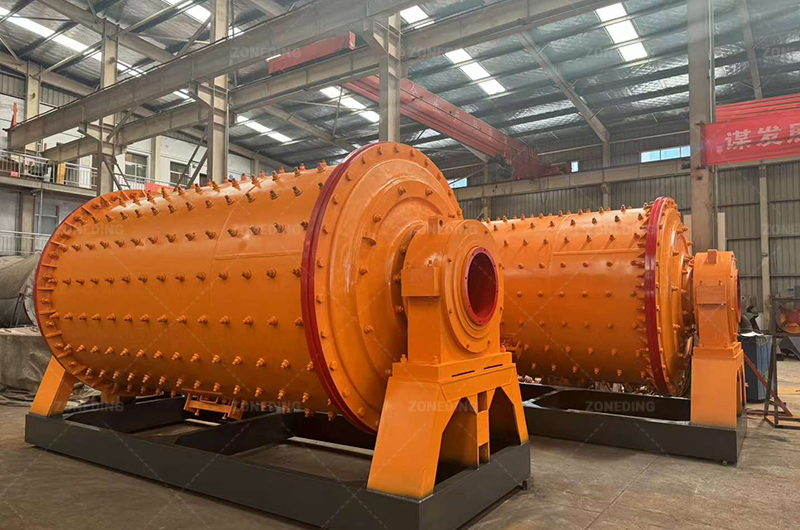
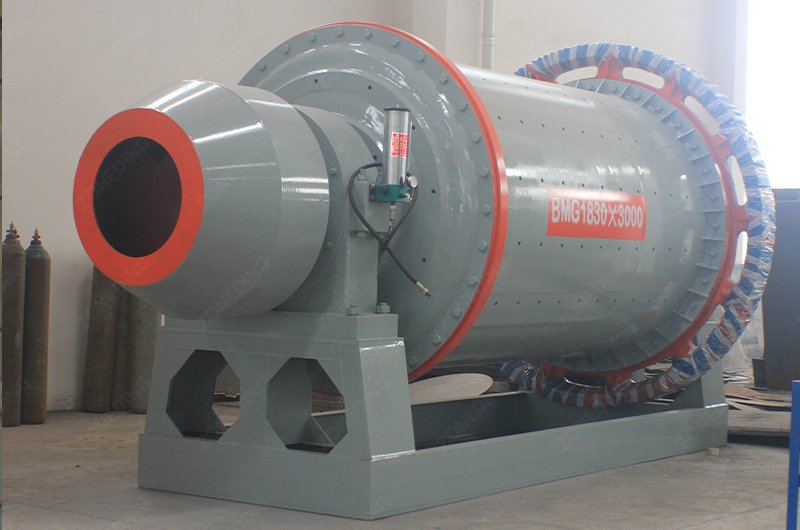
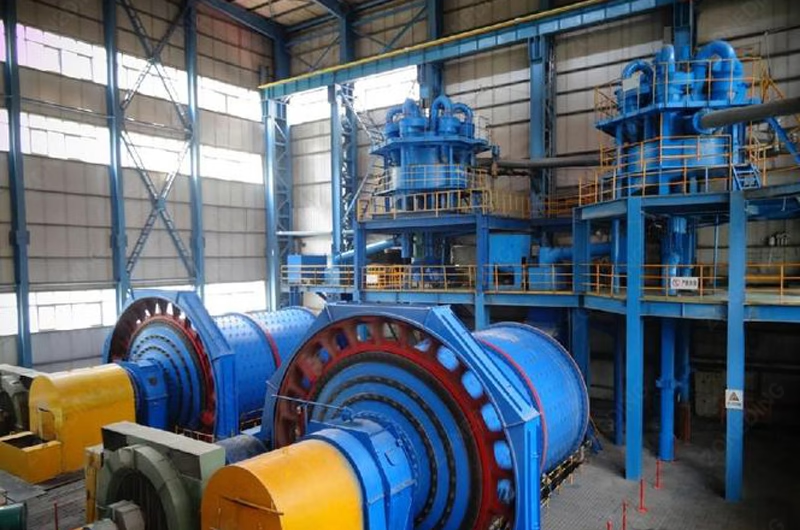
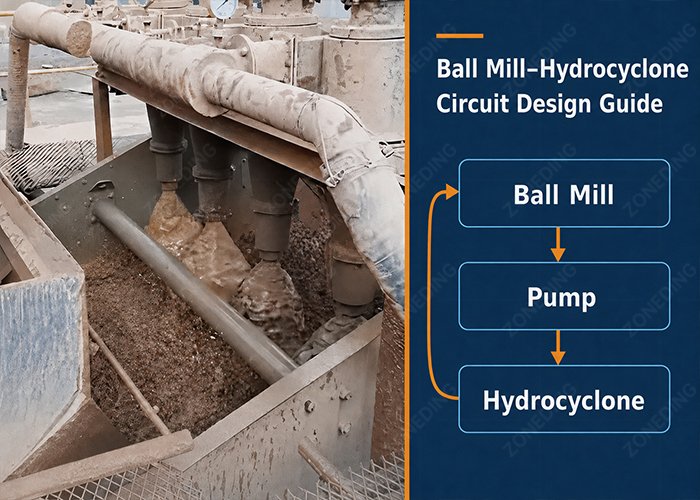
A ball mill is a rotating cylinder that uses steel balls to grind material into very fine powder. This machine is the industry standard for reaching sizes below 0.074mm. The steel balls provide “point contact” with the ore. This creates high-impact energy that smashes hard rocks easily. Most large-scale operations prefer Ball Mills because they handle high volumes and offer reliable performance. They are essential for gold, copper, and iron ore plants that require fine liberation. The ball mill is versatile and works well in both open and closed circuits. In a closed circuit, a classifier returns large particles for more grinding. This setup is very common in 2026 gold mines. The maintenance of these mills is relatively simple. Operators can add new grinding media through the feed trunnion while the mill is spinning. This reduces downtime significantly. However, the point-contact nature means the mill crushes everything indiscriminately, which can lead to over-grinding if not monitored.
Ball Mill
ZONEDING Ball Mill
Technical Specifications for Ball Mills
Feature
Ball Mill Performance
Benefit to Plant
Media Shape
Spherical Balls
Maximum surface area for fine grind
Feed Size
< 25mm
Efficient for secondary grinding stages
Discharge Size
< 0.1mm
Ideal for leaching and flotation
Rotation Speed
70-80% of critical speed
High energy impact for hard ores
Pros and Cons of Ball Mills
Pro: Reaches much finer sizes than other mill types.
Pro: Easy to automate media charging.
Con: High consumption of steel balls and liners.
Con: Risk of “sliming” brittle minerals like tin or tungsten.
What is a Rod Mill and how does it prevent over-grinding?
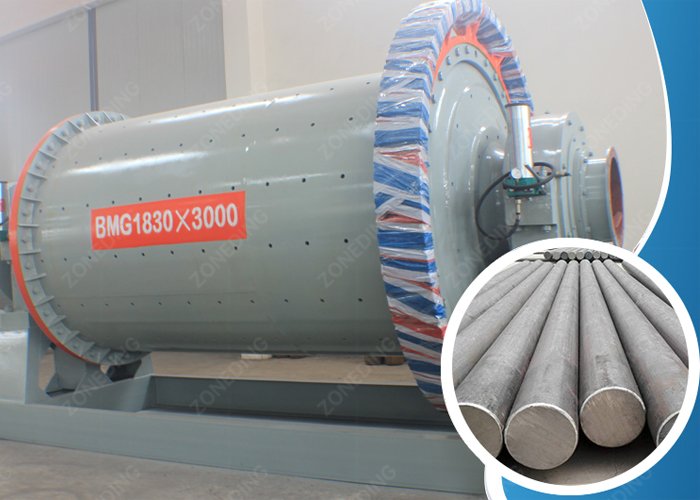
A rod mill uses long steel bars to grind ore through linear contact rather than point contact. These rods remain parallel inside the rotating shell. This creates a “selective grinding” effect. The rods naturally stay apart at the feed end due to large rocks. They come together at the discharge end as the particles get smaller. This mechanism ensures that the largest rocks are crushed first. Small particles are shielded between the rods, which prevents them from being pulverized into useless dust. A Rod Mill is the best choice for minerals that are brittle or sensitive to over-grinding. Many tin and tungsten operations use these machines to keep the minerals in a coarse enough state for gravity separation. In 2026, rod mills are also popular in the sand-making industry. They produce a very uniform product with a narrow size range. The resulting sand has a better cubical shape compared to vertical shaft impactors. However, rod mills require more manual labor for rod replacement and have strict length-to-diameter ratio requirements.
Rod Mill Design Secrets
The length of a rod mill must be roughly 1.5 times its diameter. If the mill is too short, the rods will turn sideways and tangle. This is a catastrophic failure known as “rod snaking.” If the mill is too long, the rods may bend in the middle. Proper rod mill design requires high-quality steel alloys. In 2026, ZONEDING uses advanced heat-treated rods that resist bending and breaking. This technology extends the time between maintenance stops.
Rod mill
Rod Mill
Why Rod Mills Excel in Coarse Grinding
Uniform Output: The discharge has a very consistent particle size distribution.
Selective Crushing: The rods smash big rocks but leave fine particles alone.
High Pressure: The weight of the rods shears through sticky clay ores easily.
Gravity Prep: Best for feeding shaking tables or jigs.
Grinding media, filling rates, and discharge: Technical differences?
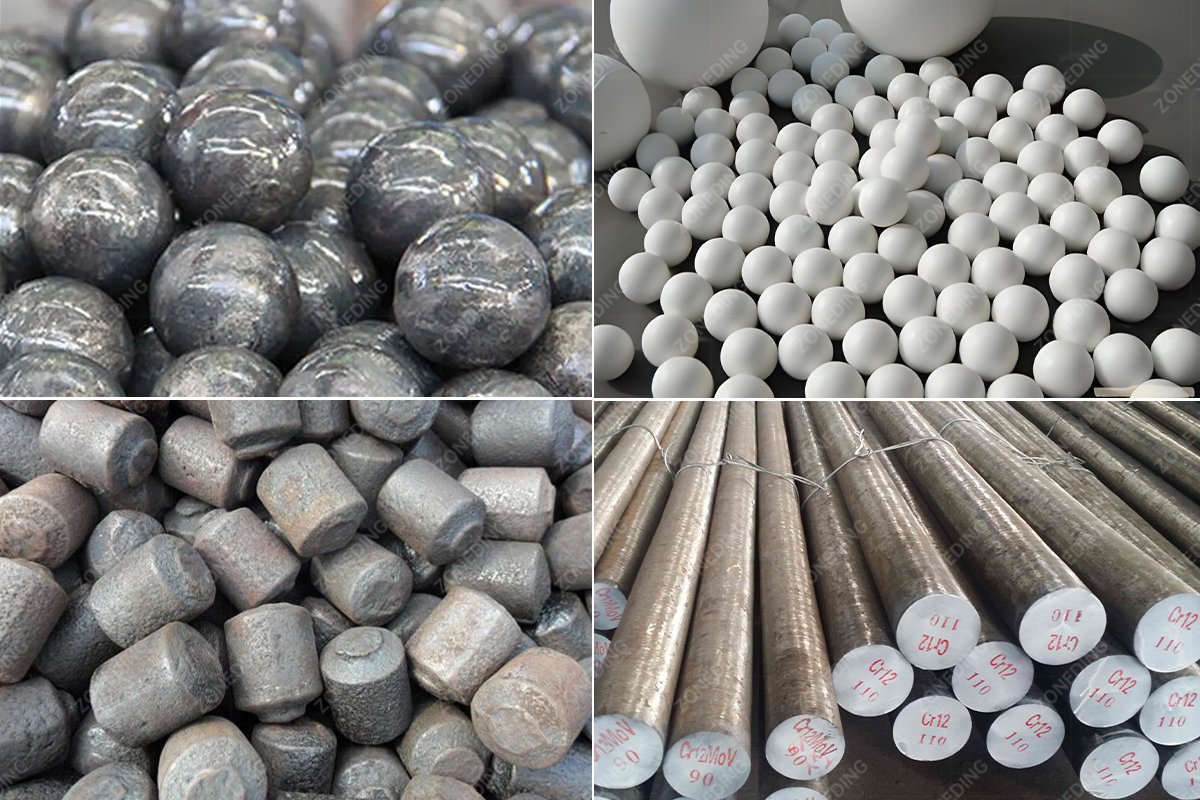
The primary difference lies in the contact method between the media and the ore. Ball mills use point contact, which is best for impact and attrition. Rod mills use line contact, which is best for selective grinding and shearing. These physical differences dictate the shape of the mill. Ball mills can be short and fat or long and thin. Rod mills must be long and slender to keep the rods aligned. This geometry is a fixed technical requirement for safe operation. Discharge methods also vary between the two types. Ball mills often use a “grate discharge” or “overflow” system. A grate discharge allows the mill to process more material quickly. Rod mills typically use an “overflow” or “peripheral” discharge. The peripheral discharge allows the ground material to exit from the center or end of the shell. This helps control the residence time of the ore. Filling rates are another key factor. Most ball mills are filled to 40-45% volume. Rod mills are usually kept at 35-40% to prevent the rods from jumping or tangling.
Ball mill grinding media
Technical Aspect
Ball Mill
Rod Mill
Practical Meaning
Contact Area
Small Points
Long Lines
Rods are more selective
Media Weight
Variable
Constant per rod
Rods have higher shearing force
L/D Ratio
1.0 to 3.0
1.4 to 1.6
Rod mills have strict shapes
Speed (RPM)
Higher
Lower
Ball mills use more energy
Maintenance and Operation Tips
Media Charging: Balls are fed into the machine during operation. Rods require a total stop and a manual “rod charger” machine.
Liner Wear: Rod mill liners are usually thicker and have a wave shape to lift the heavy rods.
Noise Levels: Rod mills run slower and are often slightly quieter than ball mills.
Efficiency, energy consumption, and wear part life?
Ball mills generally consume more electricity per ton because they run at higher speeds. The “cataracting” motion requires the motor to lift the heavy ball charge to the top of the mill. This uses significant torque. A rod mill operates at a slower “cascading” speed. In 2026, energy audits show that rod mills are more efficient for coarse grinding applications. They use the weight of the rods to shear the ore with less wasted motion. However, as the target size gets finer, the ball mill becomes the clear winner in efficiency. Wear part life is another major cost factor. Ball mill liners deal with millions of small impacts. Steel balls wear down and are simply replaced by adding more. Rod mill liners face massive pressure from the long bars. If a rod breaks or bends, it can damage the internal shell quickly. In 2026, new chrome-moly alloys have extended liner life by 30%. ZONEDING provides custom liners that match the specific hardness of your ore. This reduces the frequency of expensive shutdowns for liner replacement.
Comparing OPEX (Operating Expenses)
Power Costs: Ball mills have higher power draw due to high RPM.
Media Costs: Steel balls are cheaper per kg but wear out faster.
Labor Costs: Rod mills require specialized labor for rod charging.
Downtime: Ball mills have higher availability because they don’t stop for charging.
2026 Sustainability Trends
Solar Powered Grinding: Some remote 2026 mines now use solar arrays to power mills during the day.
Liner Recycling: Used steel liners are now collected and melted down for new media.
Digital Twins: AI software predicts wear part failure 2 weeks before it happens.
Ore hardness and feed size: How to make the right choice?
The decision depends on the feed size and the desired final product. A standard rule is to look at the feed size from the secondary crusher. If the rocks are larger than 20mm, a rod mill is the better “primary” grinder. If the feed is already below 10mm, a ball mill is the most efficient choice. Ore hardness also plays a role. Very hard, abrasive ores can quickly wear down rods, making them taper at the ends. This causes the rods to lose their grinding efficiency. The “Bond Work Index” is the most important data point for selection. It measures how much energy is needed to grind a specific ore. In 2026, ZONEDING engineers recommend lab testing for every new project. If the ore is sticky or contains a lot of clay, a rod mill is preferred. The heavy rods can shear through mud that would normally coat and “blind” a ball charge. For fine leaching in a Gold Processing Plant, the ball mill is almost always the final choice.
Selection Decision Tree
Is the target size smaller than 100 microns? Choose a Ball Mill.
Is the ore sticky or full of clay? Choose a Rod Mill.
Are you using gravity separation? Choose a Rod Mill to minimize slimes.
Is the feed coming directly from a primary crusher? Consider a Rod Mill first.
Practical Advice for Miners
Multi-Stage Grinding: The most efficient 2026 plants use a rod mill for stage one and a ball mill for stage two.
Consult Experts: Always share your ore assay with the manufacturer.
Future Proofing: Buy a slightly larger mill than needed to allow for harder ore zones in the future.
Typical applications: From gravity separation to two-stage grinding
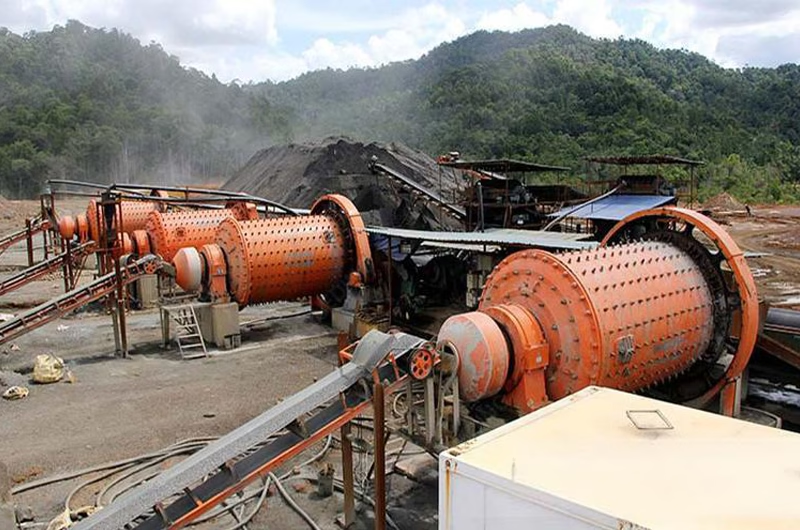
Rod mills are essential in industries where grain shape and uniformity matter. This includes the production of high-quality manufactured sand. In 2026, the construction industry demands cubical sand for stronger concrete. Rod mills provide this better than any other machine. In the Tin Ore Processing Plant sector, rod mills prevent the “over-grinding” of valuable tin crystals. This keeps the tin large enough to be caught by a Shaking Table. Ball mills dominate the world of base and precious metals. They are the workhorses of copper, gold, and lead-zinc mines. These plants often run 24/7 for decades. In 2026, many older plants are being retrofitted with Ceramic Ball Mill technology. Ceramic media is used when iron contamination must be avoided, such as in the ceramic or glass industries. The most advanced systems use a “Rod-Ball” sequence. The rod mill handles the rough work, and the ball mill finishes the job to the exact micron level required.
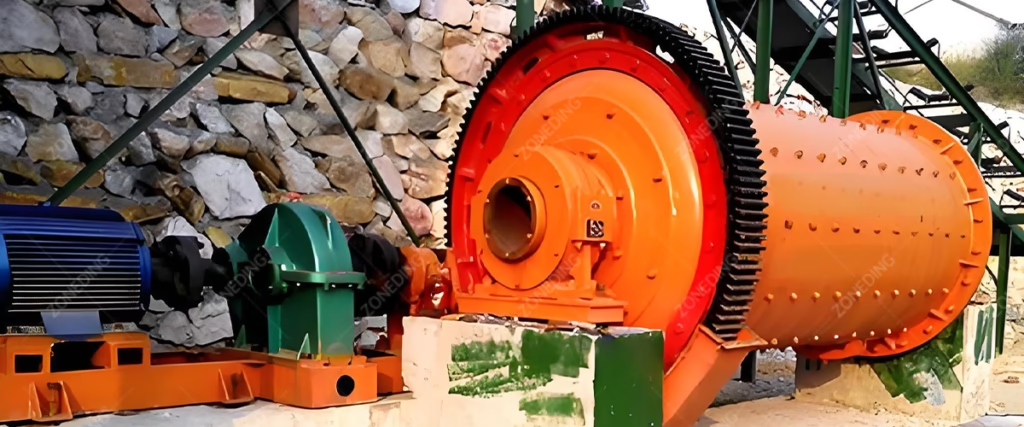
Ball mills are used for grinding coal
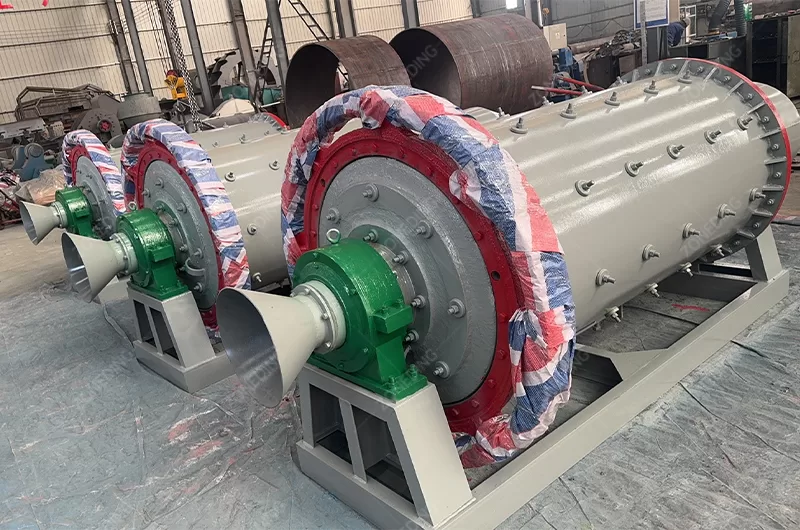
Copper ore grinding classification
Industry-Specific Use Cases
Iron Ore: Rod mills are used for primary grinding to produce coarse magnetic separation feed.
Gold CIL/CIP: Ball mills are used to reach the ultra-fine sizes needed for cyanide leaching.
Artificial Sand: Rod mills produce high-end sand for bridge and skyscraper construction.
Phosphate Mining: Often uses large overflow ball mills for wet processing.
2026 Advanced Grinding Circuits
The modern trend is the “RMBM” (Rod Mill Ball Mill) circuit. This setup offers the best energy efficiency and mineral recovery. By splitting the work, each mill operates in its optimal size range. This reduces the overall wear on liners and saves up to 15% in total electricity costs.
2026 Grinding Technology and Market Trends
The grinding industry in 2026 is driven by digitalization and environmental impact. Intelligent control systems are now standard on all ZONEDING mills. These systems use vibration sensors to detect the internal load. The AI then adjusts the water-to-ore ratio for the best slurry density. This prevents “over-filling” and maximizes the impact energy of the media. Carbon footprint tracking is also becoming a requirement for international mining finance. There is a growing demand for Mobile Crusher units combined with small modular grinding mills. This allows junior miners to process ore on-site without building massive permanent structures. In 2026, we also see a rise in the use of recycled steel for grinding balls. This “circular economy” approach reduces the environmental cost of mining. Grinding machines are becoming smarter, quieter, and much more durable.
Latest Progress in 2026
Magotteaux Liners: New composite liners that combine the hardness of ceramic with the toughness of steel.
Variable Frequency Drives (VFD): Nearly all 2026 mills use VFDs to optimize speed based on ore hardness.
Noise Suppression: New rubber-backed liners reduce noise pollution in sensitive areas.
FAQs
Problem 1: Can I replace my rod mill with a ball mill? Only if your target size is fine. If you move from a rod mill to a ball mill in a gravity circuit, you will likely lose recovery due to over-grinding. Problem 2: Why are my rods breaking? This is often caused by the mill running too fast or the feed size being too small. Broken rods will ruin your liners quickly. Problem 3: Which is better for wet grinding? Both work well for wet grinding. Most 2026 minerals processing plants prefer wet grinding because it simplifies material transport and dust control. Problem 4: How often should I add balls to my mill? In a 24/7 operation, balls should be added daily to maintain the correct “charge level” for consistent grinding.
Summary and Recommendations
Choosing between a ball mill and a rod mill requires a deep understanding of your ore and your goals. Use a ball mill for fine grinding and high-volume production. It is the best choice for flotation and leaching circuits. Use a rod mill for coarse grinding and when you must avoid over-grinding brittle minerals. Rod mills are also superior for sticky ores and sand production. For the best efficiency, consider a two-stage circuit using both machines. Always prioritize laboratory testing before making a final purchase. Precise data on ore hardness and liberation size will prevent expensive mistakes. In 2026, focus on machines that offer automation and energy-saving features. Proper maintenance of media levels and liners will ensure your plant remains profitable for years to come.
About ZONEDING
ZONEDING MACHINE is a leading Chinese manufacturer of mineral processing equipment. We specialize in providing one-stop solutions for crushing, grinding, and beneficiation. Our products are used in 120 countries, helping mines achieve higher recovery and lower costs. We offer factory-direct sales of high-quality Ball Mill Machines and rod mills. Our team of 15 expert engineers provides custom plant designs and full technical support. We are committed to the 2026 standards of intelligent and green mining. Contact us today for a professional consultation on your grinding circuit.
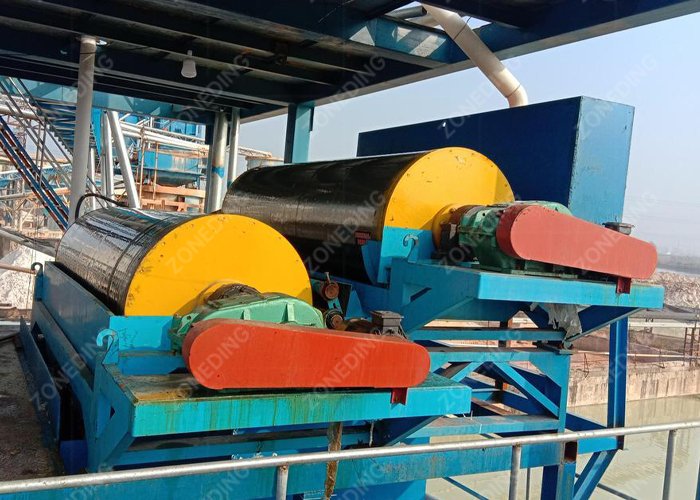
Industrial magnetic separation serves as the backbone for material purity and machinery safety in 2026. This technology utilizes natural magnetic differences to isolate minerals or remove tramp iron. Proper application ensures high product quality...
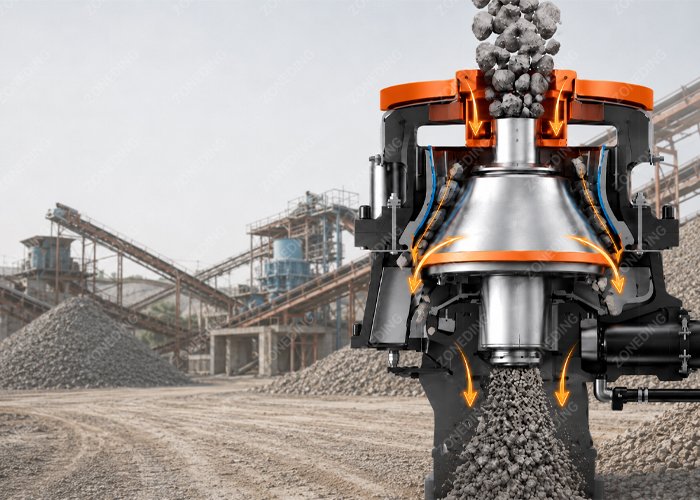
Cone crushers are among the most widely used machines in the aggregate, mining, and quarry industries. They are especially popular for processing hard and abrasive materials such as granite, basalt, river stone, and iron ore. However, many buyers ...
Building a nickel ore processing plant cost typically ranges from $20 million for small sulfide units to over $1.5 billion for massive laterite projects. Most investors fail because they only look at the price of machines and ignore infrastructure...
We use cookies to ensure that we give you the best experience on our website. If you continue to use this site we will assume that you are happy with it.
Privacy Policy
Send us a message
We would love to hear from you
Submit your question and our team will respond to the email provided as soon as possible.
 Zoneding Machine