Mineral screening equipment performs the vital task of size separation in mining. This process occurs after crushing to ensure only the correct stones proceed. Efficient screening prevents the recirculating load from overwhelming the system. In 2026, global mining profit relies on maximizing the speed of this separation. High-quality machines handle large volumes while maintaining precision. This guide explains how to pair the right unit with a crushing or beneficiation line.
What is Mineral Screening Equipment and Why Capacity Decides Profit?
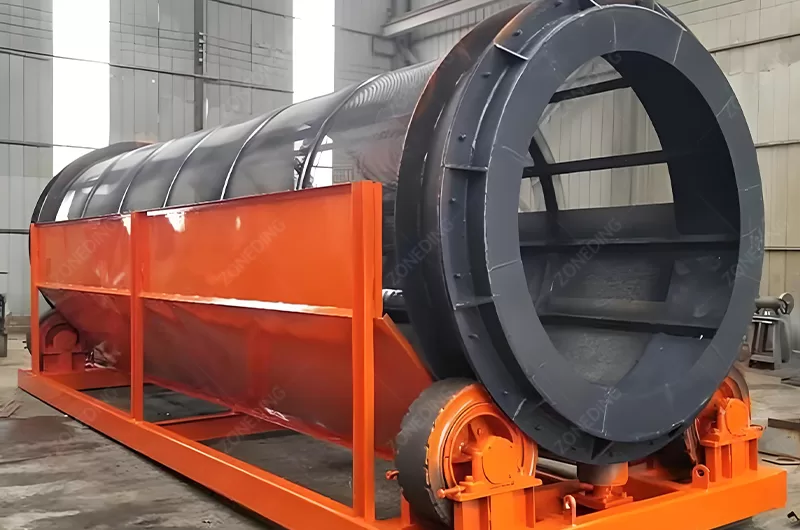
Mineral screening equipment is the mechanical filter that sorts stones by physical size. This machine sits between crushing stages to remove material that already meets the target size. If the screen fails to keep up, the production line faces a bottleneck. Oversized rocks return to the crusher unnecessarily. This waste of energy increases the cost per ton. In 2026, efficient use high-speed vibration to achieve clean separation. Accurate screening ensures the final aggregate meets strict construction standards. Efficient screening prevents over-crushing of valuable minerals. When fine particles remain in a crushing chamber, they consume power without adding value. This also increases the wear rate on manganese liners. Capacity is not just about the volume of rock on the deck. It is about the percentage of passing at each stage. High-profit mines monitor this ratio daily. If the screen efficiency drops below 90%, the entire operation loses money. Modern 2026 designs focus on maximizing the open area of the mesh to boost this throughput.
The Impact of Efficiency on Operating Costs
Efficiency determines how many times a rock must pass through the system. Poor screening doubles the work for conveyors and crushers. This leads to higher electricity bills and more maintenance hours. Proper screening ensures the Crushing Equipment only processes rocks that actually need reduction.
Efficiency Level
Recirculating Load
Energy Consumption
Impact on Profit
95% High
Low
Minimum
Maximum Profit
75% Medium
Moderate
Average
Reduced Margin
50% Low
Extreme
Very High
Operating Loss
Practical Tips for Maximizing Capacity
Feed Distribution: The operator must spread the rock across the entire width of the screen.
Bed Depth: The material layer should stay thin enough for small stones to reach the mesh.
Vibration Angle: Technicians should adjust the G-force to match the weight of the material.
Circular, Linear, and High-Frequency Screen Classification Logic?
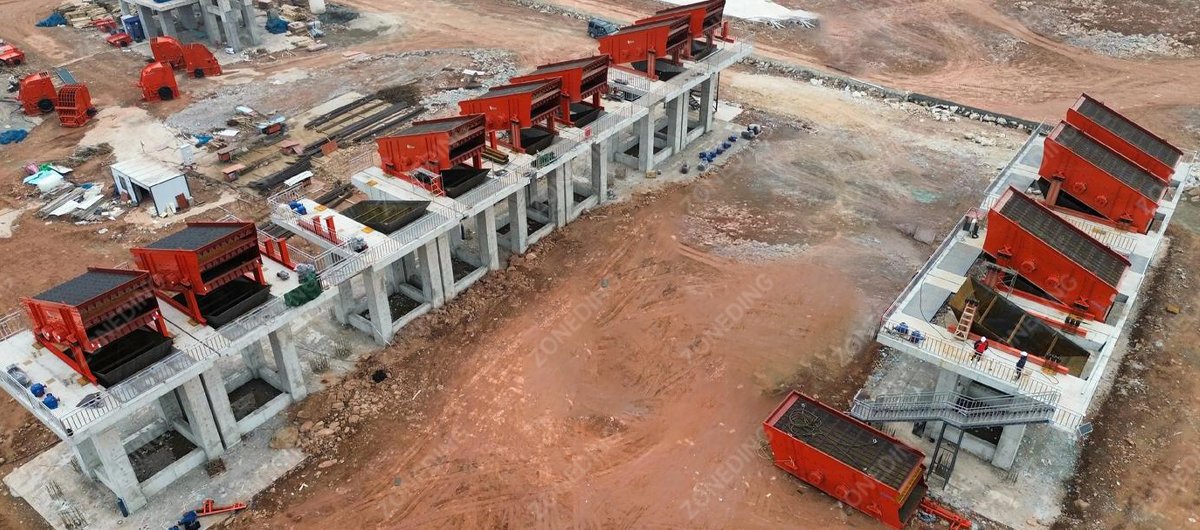
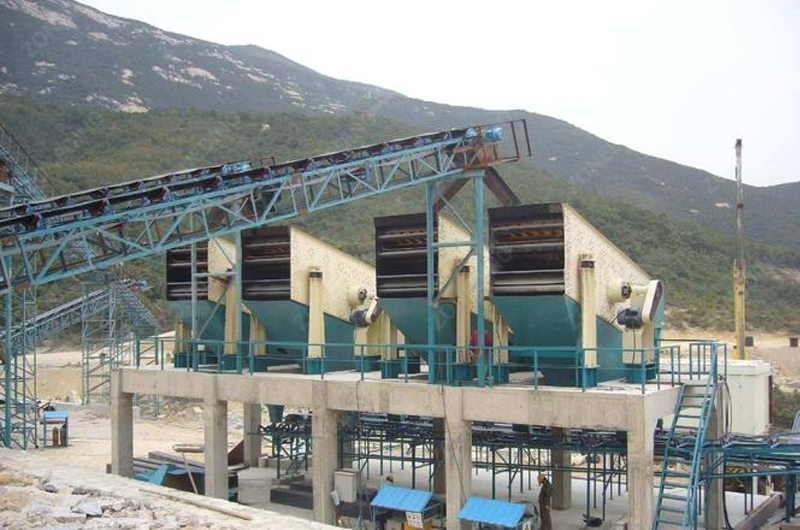
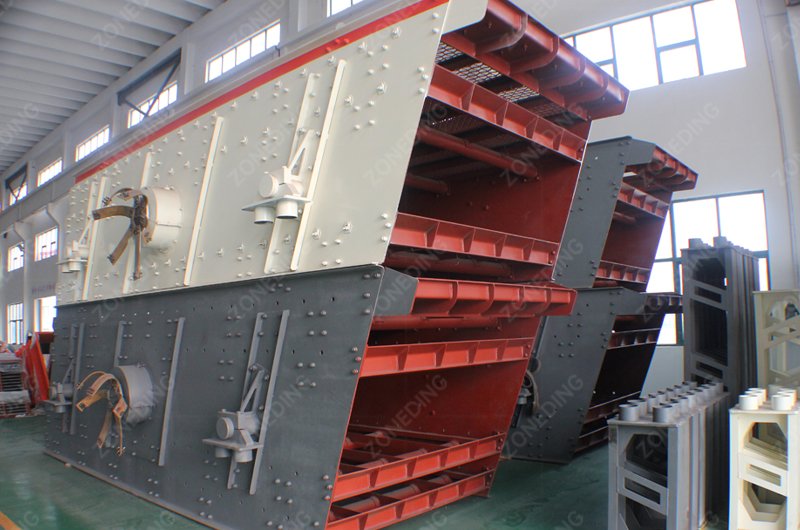
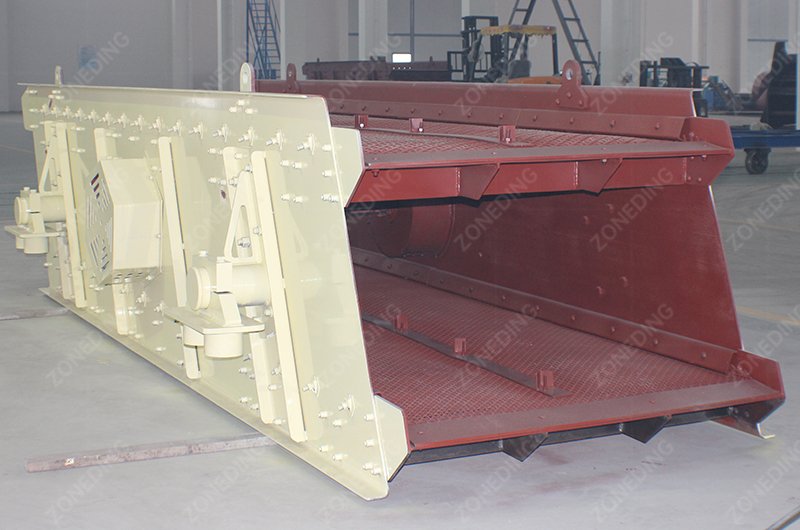
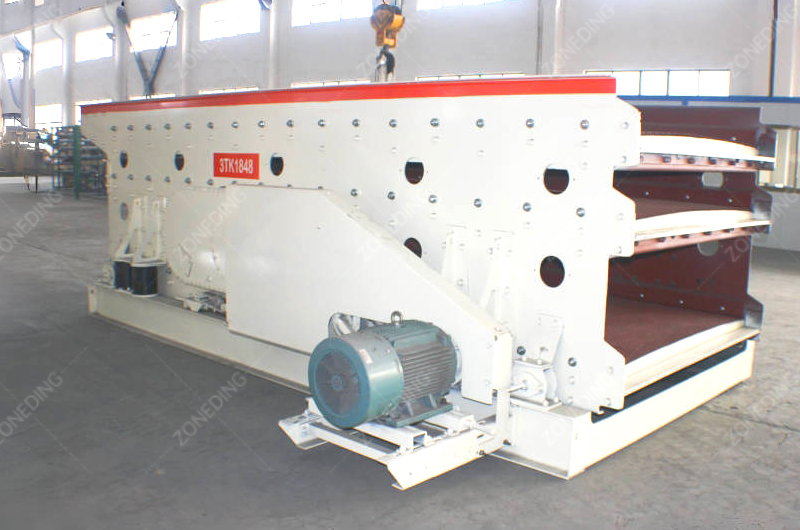
The selection of a screen depends on the target particle size and the installation angle. A circular Vibrating Screen uses an eccentric shaft to create a round motion. This machine usually sits at an incline of 15 to 20 degrees. The circular path tosses the rock forward and upward. This is perfect for coarse screening in primary stages. It handles heavy impacts from large rocks effectively. These units are the workhorses of the aggregate industry for 2026 projects. Linear vibrating screens move material in a straight line. They use two vibrating motors spinning in opposite directions. This design allows the screen to sit horizontally. It is ideal for secondary sizing or dewatering tasks. Because the motion is a straight line, it provides better precision for medium-sized rocks. High-frequency screens operate at much higher speeds. These are the best choice for fine mineral powder. The rapid vibration breaks the surface tension of wet or fine materials. This prevents the tiny holes from clogging during the process.
Vibrating Screen
Vibrating screen
Screening Equipment Selection by Size
Selecting the wrong type leads to poor product quality. Fine powder requires the high-energy shiver of a high-frequency unit. Large boulders require the heavy throw of a circular unit.
Coarse ( >50mm): The plant should use heavy-duty circular inclined screens.
Medium ( 5mm – 50mm): The plant should use linear or standard circular screens.
Fine ( <5mm): The plant should use high-frequency or multi-deck Dewatering Screens.
Technical Details of Motion
Circular motion works well for the stratification of heavy layers. Linear motion is best for accurate sizing in sites with limited height. High-frequency motion is necessary for removing moisture from sand. Proper selection keeps the Sand Making Machine fed with the correct size of material.
Exciter, Screen Box, and Damping Systems: Core Mechanical Components?
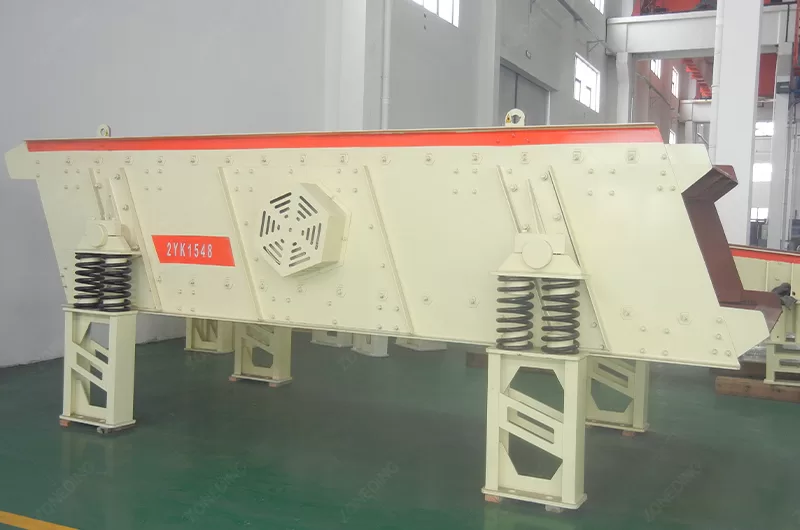
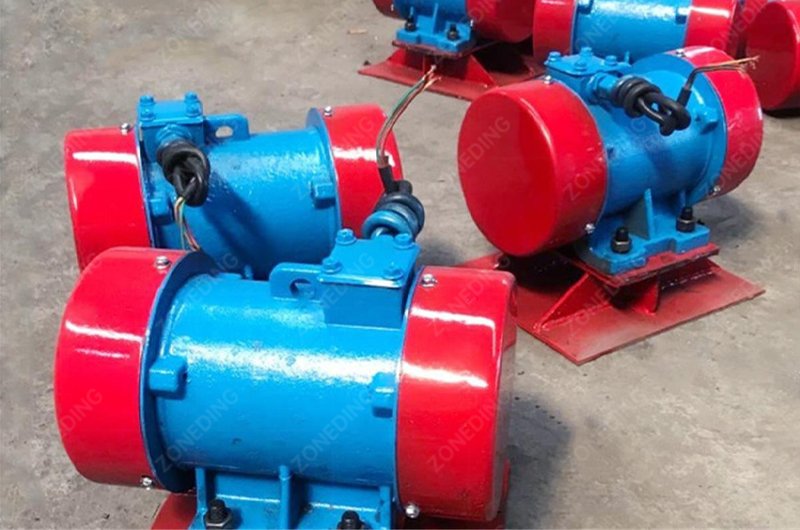
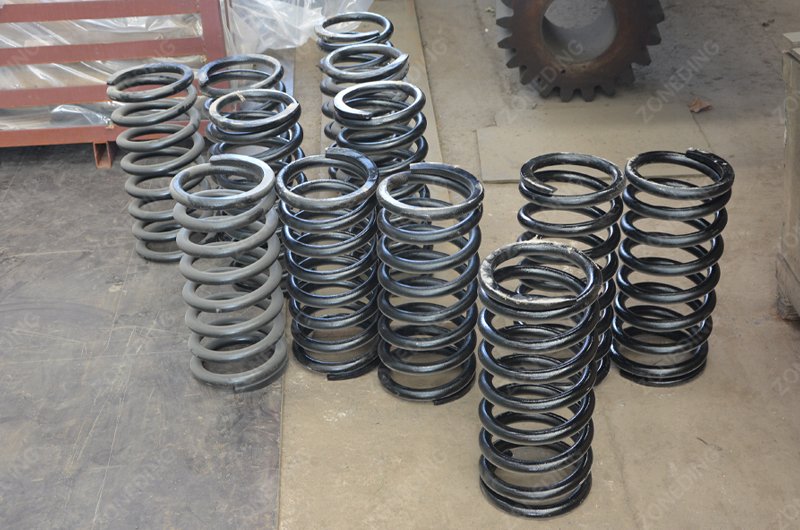
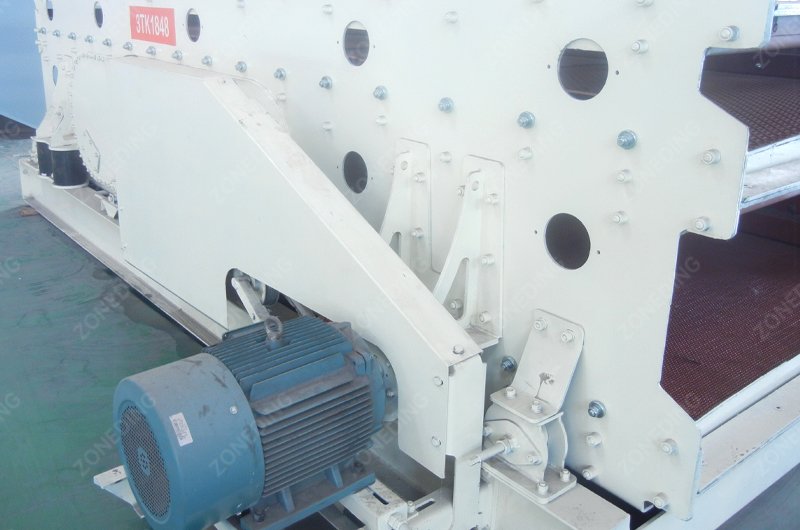
The vibration exciter is the engine that drives the entire screening process. This component uses eccentric weights to generate the necessary centrifugal force. In 2026, high-performance exciters use specialized heavy-duty bearings. These bearings must withstand constant high-frequency shocks. Proper lubrication is vital for these parts. Most mining screens use grease or oil-bath systems. If the exciter fails, the screen stops immediately. This makes it the most critical spare part to stock in the warehouse. The screen box is the main structural frame. It must be strong but flexible enough to vibrate without cracking. Modern engineering uses huck-bolts instead of welding to join the side plates. Welding creates stress points that lead to metal fatigue. The damping system consists of heavy-duty steel springs or rubber buffers. These springs prevent the vibration from reaching the support building. Rubber springs are popular in 2026 because they reduce noise significantly. They also provide better stability during start-up and shut-down phases.
Vibration Exciter
Side Plates
Damping Springs
Motor
Component
Function
Material/Type
Maintenance Need
Exciter
Generates Force
Eccentric Shaft
Daily Lubrication
Side Plates
Structural Frame
High-Tensile Steel
Visual Crack Check
Damping Springs
Isolates Vibration
Steel or Rubber
Check for Sagging
Motor
Powers Exciter
Electric VFD
Electrical Testing
Tips for Mechanical Reliability
Check Fasteners: Maintenance teams must tighten all bolts every week to prevent frame damage.
Monitor Heat: Operators should use a laser thermometer to check bearing temperatures.
Spring Alignment: All springs must have equal tension to avoid lopsided vibration.
Polyurethane, Rubber, or High Manganese Steel? Choosing Mesh Materials?
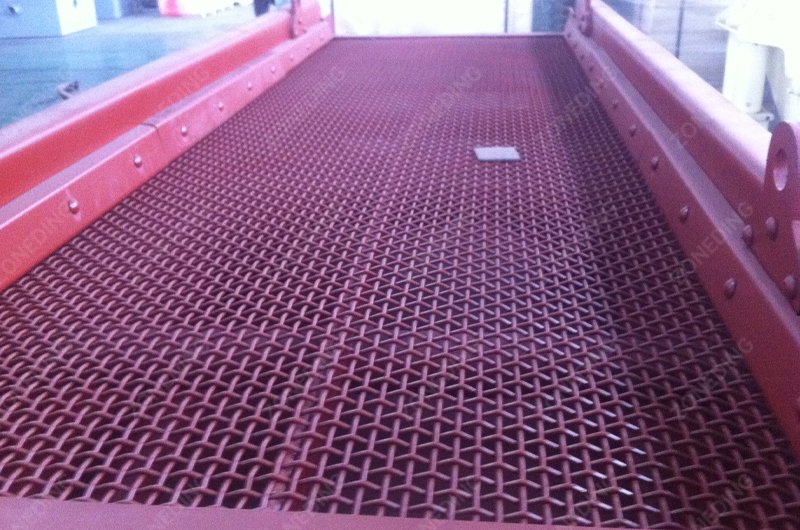
Screen mesh material determines how often the machine must stop for maintenance. Manganese steel wire is the traditional choice for hard rock. It provides a high open area. This means there are more holes per square meter. This is excellent for high-volume throughput. However, steel wire wears down quickly when processing abrasive quartz or granite. It also makes a lot of noise. For 2026 mining, many operators switch to synthetic materials to solve these issues. Polyurethane (PU) and rubber panels offer extreme wear resistance. PU panels can last ten times longer than steel wire. They are also much quieter. Most PU designs use a tapered hole shape. This shape allows rocks that are slightly too big to pop back out. This prevents blinding where rocks get stuck in the holes. Rubber is the best choice for very large rocks in the primary stage. It absorbs the impact energy better than any other material. Choosing the right mesh keeps the holes open and the profit flowing.
Vibrating Screen Mesh
Vibrating Screen
Different Types of Vibrating Screen Meshes
Material Comparison Guide
Different rocks destroy different materials. Matching the mesh to the hardness of the ore is the key to low operating costs.
High Impact (Large Boulders): The plant should use thick Rubber plates with steel backing.
Abrasive/Hard (Granite): The plant should use Polyurethane for long life and low noise.
High Throughput (Limestone): The plant should use Manganese Steel wire for maximum open area.
Sticky/Wet (Clay): The plant should use self-cleaning piano wire or flexible PU.
Tips for Preventing Blinding
Self-Cleaning Mesh: Use meshes with independent wires that vibrate separately.
Ball Trays: Use rubber balls under the deck to bounce against the mesh.
Heated Decks: Use electrical heating to dry sticky material on the screen. Every Vibrating Screen requires a specific mesh strategy to avoid production stops.
Dry vs. Wet Screening for High-Clay or Sticky Materials?
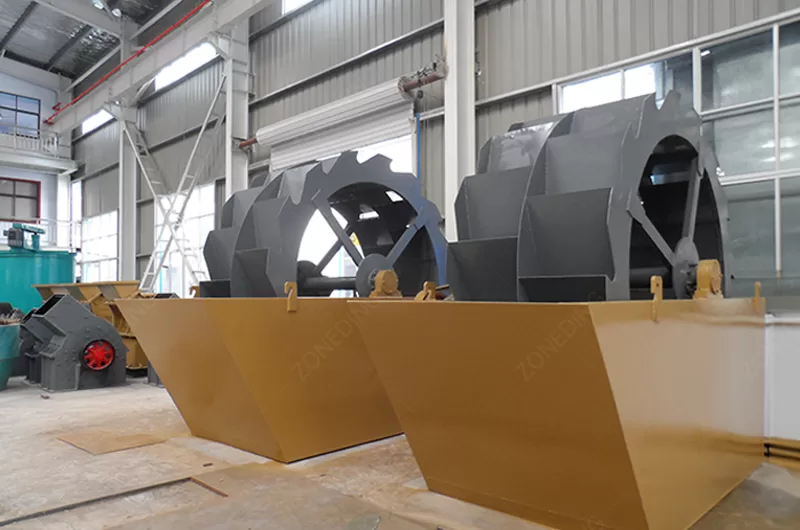
Dry screening is the simplest method but fails when the ore is sticky or wet. This method relies on gravity and vibration alone. It works best for materials with less than 3% moisture. When the moisture reaches 5% to 8%, the dust turns into a glue. This glue seals the mesh holes completely. In these conditions, dry screening capacity drops to nearly zero. This is a common problem in tropical mines or during rainy seasons. Wet screening solves the problem by adding high-pressure water sprays. The water washes the fines through the mesh. This method is essential for removing clay from iron ore or gold-bearing gravel. It also eliminates dust in the processing plant. However, wet screening requires a downstream water management system. Operators must use a Sand Washing Machine to recover the fine particles from the water. In 2026, wet screening is the standard for high-purity industrial sand production.
Wet screening is more expensive to set up but produces a cleaner product. It is necessary for specific mineral processing goals.
Clay Removal: This is essential for cleaning ore before flotation.
Dust Control: This is best for sites near urban areas with strict rules.
Fine Sizing: Water helps particles move through tiny holes faster than air.
Comparison Table
Feature
Dry Screening
Wet Screening
Capital Cost
Lower
Higher (Pumps/Pipes)
Product Quality
Dusty
Clean / Washed
Maintenance
Simple
Higher (Corrosion)
Environment
Dust issues
Water recycling needed
2026 Mineral Screening Trends and Developments
Automation and smart sensors are transforming mineral screening in 2026. New systems now include vibration sensors on all four corners of the screen box. These sensors detect unbalanced loads in real-time. If the material piles up on one side, the system alerts the operator. This prevents the frame from twisting and breaking. Intelligent exciters can also adjust their speed automatically. They slow down when the feed stops to save energy and reduce wear. Environmental regulations are also driving design changes. Enclosed Vibrating Screens are becoming mandatory for dry operations to contain dust. Energy-efficient motors now provide the same G-force with 15% less power. The use of recycled materials for polyurethane panels is also growing. These 2026 innovations help mines stay profitable while meeting green mining standards.
Latest Progress at a Glance
5G Monitoring: Remote diagnostic teams can analyze vibration patterns from far away.
Modular Decks: Screens now feature snap-in panels that can be changed in minutes.
Hybrid Damping: Some designs combine steel springs with air-suspension for better isolation.
FAQs
Question 1: Why is the screen vibrating but the material is not moving? This is usually caused by an incorrect vibration angle or a backward motor rotation. The electrical team should check the motor wiring. They must ensure the eccentric weights are set to toss the material forward. Question 2: How often should the mesh be replaced? Steel mesh may last 2 to 4 weeks in hard rock. Polyurethane panels can last 6 to 12 months. Regular inspection for holes is necessary to prevent contamination of the final product. Question 3: Can a dry screen be converted to a wet screen? Yes. Most 2026 models allow for the addition of spray bars. However, a collection hopper and water treatment system must be installed underneath the machine. Question 4: What is the best G-force for mineral screening? Most industrial screens operate between 4.0G and 5.2G. Too little force leads to blinding. Too much force causes the metal frame to fatigue and crack prematurely.
About ZONEDING
ZONEDING is a leading manufacturer of mineral processing equipment in China. The company provides a full range of Vibrating Screens, Sand Washers, and Crushing Equipment. With a focus on 2026 technology, the factory offers customized screening solutions for every rock type. ZONEDING has exported high-performance machines to over 120 countries. The factory-direct model ensures competitive pricing and professional support for all B2B clients.
Potassium feldspar is an important industrial mineral widely used in ceramics, glass manufacturing, construction materials, and chemical industries. Before potassium feldspar can be used in these applications, it must first be crushed into suitabl...
Stone crusher costs can vary dramatically even when two plants have the same production capacity. In real quarry operations, the final investment depends on rock hardness, equipment quality, automation level, mobility, and long-term operating cost...
Selecting between a and a Rod Mill is a critical decision in mineral processing. This choice impacts recovery rates, power use, and overall plant profit. A ball mill uses steel balls to grind ore into fine powder. A rod mill uses long st...
In a large-scale mining project, selecting a is not just about comparing tonnage. While mobility reduces material handling costs, the compact nature of these machines introduces risks in stability, maintenance, and product quality. Success require...
We use cookies to ensure that we give you the best experience on our website. If you continue to use this site we will assume that you are happy with it.
Privacy Policy
Send us a message
We would love to hear from you
Submit your question and our team will respond to the email provided as soon as possible.
 Zoneding Machine